
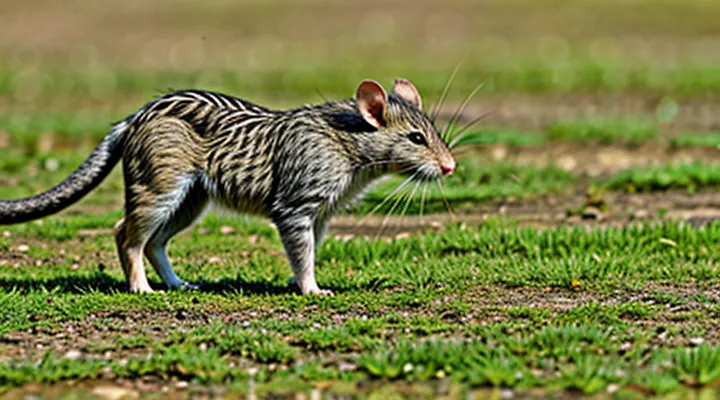
Introduction to Wild Rats
Global Distribution and Ecological Niche
Wild rats occupy every continent except Antarctica, thriving in environments ranging from tropical rainforests to arid deserts. Their success derives from flexible habitat use, high reproductive rates, and opportunistic feeding habits.
- Rattus norvegicus (brown rat) – widespread across temperate urban and agricultural zones in North America, Europe, and East Asia; nests in sewers, basements, and grain storage facilities; omnivorous diet includes waste, seeds, and small invertebrates.
- Rattus rattus (black rat) – prevalent in tropical and subtropical regions of Africa, Southeast Asia, and the Pacific islands; prefers elevated structures such as roofs and attics; feeds on fruits, insects, and stored food.
- Bandicota indica (greater bandicoot rat) – concentrated in South and Southeast Asian rice paddies and floodplains; burrows in moist soils; primarily consumes grasses, tubers, and cultivated cereals.
- Nectomys spp. (water rats) – restricted to South American riverine forests; semi‑aquatic, constructing nests along banks; diet consists of aquatic insects, crustaceans, and plant matter.
- Neotoma spp. (packrats) – native to North American deserts and scrublands; builds extensive middens of collected debris; herbivorous, favoring seeds, leaves, and cactus fruit.
Ecological niches reflect each species’ adaptation to local resources. Urban rat populations exploit human waste streams, displaying high tolerance for pollution and temperature fluctuations. Agricultural pests infiltrate crop fields, timing breeding cycles with planting seasons to maximize food availability. Semi‑aquatic forms inhabit flood‑prone habitats, employing webbed feet and dense fur for swimming. Desert specialists endure extreme temperature swings by constructing insulated burrows and minimizing water loss through concentrated urine.
Biogeographic patterns indicate that invasive rat species, particularly R. norvegicus and R. rattus, have expanded through maritime trade, establishing populations on isolated islands and coastal ports. Native species maintain more restricted ranges, often confined by climate, vegetation type, and competition with introduced rats. Their ecological roles encompass seed dispersal, predation on invertebrates, and serving as prey for raptors and carnivorous mammals, thereby influencing community dynamics across diverse ecosystems.
Importance of Understanding Wild Rat Species
Accurate identification of wild rat taxa supplies the baseline data required for ecological assessments, disease surveillance, and targeted management strategies. Distinguishing between species such as the Norway rat (Rattus norvegicus), the black rat (Rattus rattus), and various endemic forest-dwelling forms reveals differences in habitat preference, reproductive rates, and foraging behavior that directly influence ecosystem dynamics.
Key implications of species-level knowledge include:
- Ecosystem monitoring – population trends of specific rat species serve as indicators of habitat alteration, climate impacts, and predator–prey relationships.
- Public‑health protection – certain species carry higher loads of pathogens (e.g., hantavirus, leptospirosis). Recognizing the dominant carrier in a region enables precise risk assessment and vaccination planning.
- Pest control efficiency – control measures tailored to the biology of the target species (burrowing depth, nocturnal activity, social structure) achieve higher success rates while reducing non‑target effects.
- Biodiversity conservation – some wild rat populations occupy niche habitats and contribute to seed dispersal or soil turnover. Protecting these taxa maintains functional diversity within terrestrial communities.
- Scientific research – comparative studies of metabolic adaptation, behavior, and genetics rely on clear species delineation to generate reproducible results.
Integrating species-specific data into policy, land‑use planning, and health programs ensures that interventions address the actual agents shaping ecological and societal outcomes, rather than relying on generic assumptions about rodent populations.
Common Wild Rat Species
The Brown Rat («Rattus norvegicus»)
Physical Characteristics and Identification
Wild rats exhibit a range of body sizes, pelage colors, tail proportions, and cranial features that enable reliable field identification. Adult body length typically spans 15–30 cm, while tail length varies from 10 cm in compact species to over 30 cm in elongated forms. Weight ranges from 80 g in the smallest populations to more than 300 g in robust individuals.
Key morphological markers include:
- Coat coloration – dorsal fur may be uniform brown, mottled gray‑black, or reddish; ventral patches often lighter, aiding distinction between taxa.
- Tail characteristics – some species possess a naked, scaly tail with a length equal to or exceeding body length; others display a partially haired tail, shorter relative to body size.
- Ear size and shape – large, thin‑membraned ears are typical of desert‑adapted rats, whereas forest dwellers often have smaller, rounded ears.
- Facial structure – elongated snouts and pronounced whisker arrays suggest a nocturnal forager; a broader skull with strong zygomatic arches indicates a diet of harder seeds.
- Foot morphology – elongated hind feet with well‑developed pads facilitate climbing; short, stout forefeet correlate with burrowing behavior.
Specific examples illustrate these patterns. The brown field rat (Rattus norvegicus) presents a coarse, brownish dorsal coat, a hairless tail roughly equal to body length, and robust skull features. The desert sand rat (Rattus deserti) displays a pale, sandy pelage, reduced ear size, and a short, sparsely haired tail. The arboreal jungle rat (Rattus arboreus) is characterized by a glossy, dark gray coat, long hair‑covered tail, and enlarged hind feet with sharp claws.
Accurate identification relies on measuring these traits in combination rather than on a single attribute. Photographic documentation of coat pattern, tail length, and ear morphology, supplemented by metric data, provides a reliable basis for distinguishing among wild rat varieties.
Habitat and Diet
Wild rats occupy a wide range of ecosystems, from temperate forests to arid deserts, and from coastal marshes to urban infrastructure. Their distribution reflects adaptability to varied microclimates, shelter availability, and resource abundance.
Key species demonstrate distinct habitat preferences and dietary specializations:
- Norwegian rat (Rattus norvegicus) – prefers sewers, basements, and riverbanks; consumes grains, fruits, carrion, and human food waste.
- Black rat (Rattus rattus) – inhabits trees, attics, and tropical plantations; feeds on seeds, nuts, insects, and cultivated crops.
- Bush rat (Rattus fuscipes) – found in dense undergrowth of Australian forests; diet includes seeds, fungi, and invertebrates.
- Ricefield rat (Rattus argentiventer) – thrives in flooded paddies and lowland rice fields; consumes young rice shoots, aquatic insects, and crustaceans.
- Desert rat (Rattus monax) – occupies arid scrub and rocky outcrops; relies on dry seeds, succulent plants, and occasional arthropods.
Habitat selection correlates with food availability: rodents near water sources exploit aquatic insects, while those in agricultural zones exploit cultivated grains. Urban populations exploit refuse streams, demonstrating opportunistic feeding that sustains high densities. In natural settings, seasonal shifts in plant productivity drive dietary adjustments, with increased insect consumption during breeding periods to meet protein demands.
Social Structure and Reproduction
Wild rats exhibit diverse social organizations that reflect their ecological niches. In temperate grasslands, species form loose colonies composed of several breeding pairs and subordinate individuals that assist in nest maintenance and predator vigilance. Urban-adapted rats establish hierarchical groups dominated by an alpha male, which controls access to food caches and nesting sites. Semi‑aquatic varieties create burrow networks linked by water channels, allowing multiple family units to share foraging territories while maintaining distinct breeding chambers.
Reproductive strategies align closely with social structure. Most species breed year‑round in mild climates, producing two to three litters annually; each litter contains three to eight neonates, with gestation periods ranging from 20 to 23 days. In colonies with defined dominance, the alpha pair monopolizes mating opportunities, resulting in higher offspring survival due to preferential resource allocation. Subordinate females may experience delayed estrus or suppressed ovulation when subordinate to dominant individuals, a phenomenon observed in densely populated urban colonies.
Parental investment varies among habitats. Ground‑dwelling rats provide extensive maternal care, including nest construction, thermoregulation, and frequent grooming until weaning at three weeks. In contrast, semi‑aquatic rats exhibit cooperative breeding: adult males assist in defending burrow entrances and delivering food to the nest, while older offspring help rear younger siblings. Urban rats display reduced parental involvement, with juveniles attaining independence within two weeks, reflecting the high resource availability and elevated predation pressure in city environments.
Key reproductive parameters across wild rat varieties include:
- Breeding frequency: 2–3 litters per year (temperate), up to 5 in tropical zones.
- Litter size: 3–8 offspring, averaging five.
- Weaning age: 14–21 days, dependent on habitat.
- Sexual maturity: 6–10 weeks for females, slightly later for males.
These patterns illustrate how social hierarchy and environmental conditions shape the reproductive output and parental behaviors of wild rat populations.
Behavioral Traits and Adaptations
Wild rats exhibit a range of behavioral patterns that enable survival across diverse ecosystems. Primary foraging strategies emphasize opportunistic feeding, with individuals exploiting human waste, agricultural produce, and natural seed caches. Social organization varies from loosely structured colonies to hierarchically ordered groups, influencing resource allocation and disease transmission.
Key adaptations supporting these behaviors include:
- Nocturnal activity – reduced exposure to diurnal predators and competition for food.
- Burrowing proficiency – creation of extensive tunnel networks that provide shelter, temperature regulation, and escape routes.
- Gnawing efficiency – continuously growing incisors allow consumption of hard materials such as wood, plastic, and bone.
- Reproductive flexibility – short gestation periods and large litter sizes sustain population growth despite high mortality.
- Sensory acuity – acute olfactory and auditory systems detect food sources and predator cues at low concentrations.
Species such as the brown rat (Rattus norvegicus), the black rat (Rattus rattus), and the marsh rat (Myodes gapperi) illustrate these traits through distinct habitat preferences. The brown rat dominates urban environments, relying on dense colony structures and prolific breeding. The black rat occupies arboreal niches, demonstrating agile climbing and preference for elevated food stores. The marsh rat inhabits wetland margins, showing specialized swimming ability and tolerance for saturated soils.
Collectively, these behavioral traits and physiological adaptations form a cohesive survival framework that permits wild rat populations to thrive in both natural and anthropogenic settings.
The Black Rat («Rattus rattus»)
Physical Characteristics and Identification
Wild rats exhibit a limited set of morphological patterns that enable reliable field identification. Size ranges from 150 mm to 300 mm head‑body length; the larger specimens belong to the brown rat (Rattus norvegicus), while the smaller, more agile individuals typically represent the roof rat (Rattus rattus). Fur coloration varies according to habitat: brown rats display coarse, dark brown to black dorsal pelage with a lighter ventral surface; roof rats possess finer, reddish‑brown fur with a pronounced silvery sheen on the tail. Tail proportion serves as a key metric: brown rat tails are thick, scaly, and rarely exceed body length, whereas roof rat tails are slender, hairless, and often longer than the body.
Identification cues can be summarized as follows:
- Ear size and shape: Brown rat ears are relatively small, rounded, and covered with sparse hair; roof rat ears are larger, more pointed, and densely furred.
- Foot morphology: Brown rat hind feet feature robust, blunt toes with well‑developed pads; roof rat feet are longer, with more tapered toes and reduced pad area.
- Whisker length: Brown rat whiskers extend approximately 30 mm from the snout; roof rat whiskers reach 40 mm or more, aiding navigation in arboreal environments.
- Skull characteristics: Brown rat skulls exhibit a broad rostrum and robust zygomatic arches; roof rat skulls are narrower, with a more delicate cranial structure.
- Habitat‑linked coloration: Marsh-dwelling rats (e.g., Rattus lutreolus) show darker, water‑resistant fur and partially webbed hind feet, distinguishing them from terrestrial counterparts.
These morphological markers, when assessed collectively, provide a precise framework for distinguishing among the principal wild rat taxa encountered across temperate and subtropical regions.
Habitat Preferences and Arboreal Tendencies
Wild rats exhibit a spectrum of habitat preferences that align closely with their foraging strategies and predator avoidance. Species inhabiting temperate grasslands typically occupy burrow networks beneath dense vegetation, whereas those found in coastal dunes rely on shallow tunnels reinforced by root systems. In arid regions, rats construct semi-subterranean chambers that exploit the thermal inertia of packed soil, reducing exposure to extreme temperatures.
Arboreal activity varies markedly among taxa. Some species demonstrate permanent tree-dwelling habits, constructing nests in forked branches and moving primarily via quadrupedal locomotion on bark surfaces. Others display opportunistic climbing, ascending shrubs to harvest seeds or escape ground predators before retreating to ground-level burrows. The degree of arboreality often correlates with forest canopy density and the availability of vertical food resources.
Key wild rat taxa and their associated habitat and arboreal traits:
- Rattus norvegicus (Norwegian rat): Prefers urban sewers and riverbanks; rarely climbs, limited to low vegetation.
- Rattus rattus (Black rat): Occupies tropical forests and human dwellings; strong climber, nests in attic rafters and tree hollows.
- Bandicota indica (Greater bandicoot rat): Found in cultivated fields and paddy edges; ground-dweller, occasional low shrub climbing.
- Niviventer confucianus (Chinese white-bellied rat): Resides in montane forests; highly arboreal, builds nests in canopy forks.
- Mastomys natalensis (Natal multimammate mouse): Inhabits savanna grasslands; primarily terrestrial, climbs only when foraging for seeds in tall grasses.
Understanding these patterns assists in predicting population distribution, assessing ecological impact, and designing targeted management interventions.
Diet and Foraging Strategies
Wild rat populations display a remarkable breadth of dietary preferences that correspond closely to their ecological niches. Species inhabiting forested regions consume a mix of seeds, fruits, insects, and occasional small vertebrates, while urban-dwelling counterparts rely heavily on human-generated waste, grain spillage, and discarded animal products. Seasonal fluctuations drive shifts in intake; abundant seed crops prompt a plant‑dominant diet, whereas lean periods increase predation on arthropods and carrion.
Foraging behavior among these rodents follows several distinct patterns:
- Opportunistic scavenging of anthropogenic refuse in densely populated areas.
- Nocturnal foraging excursions that reduce exposure to diurnal predators.
- Territorial patrolling of defined feeding zones, reinforced by scent marking.
- Cooperative exploration within social groups, facilitating discovery of novel food sources.
- Seasonal migration to exploit transient resource pulses, such as mast fruiting events.
Morphological adaptations support these strategies: incisors capable of gnawing hard shells, sensitive whiskers for tactile navigation in low‑light environments, and a highly developed sense of smell for locating concealed carrion. Metabolic flexibility allows rapid adjustment to high‑carbohydrate urban diets without compromising the ability to process protein‑rich prey when available.
Ecological implications include seed dispersal in natural habitats, regulation of invertebrate populations, and the potential for disease transmission linked to waste exploitation. Dietary plasticity therefore underpins the success of wild rat species across diverse landscapes.
Social Dynamics and Reproductive Cycle
Wild rat populations exhibit complex social structures that vary among species, influencing resource allocation, territory defense, and mating opportunities. Dominance hierarchies are typically linear, with alpha individuals securing prime burrows and food caches. Subordinate members maintain peripheral positions, often cooperating in foraging excursions and predator vigilance. Communication relies on ultrasonic vocalizations, scent marking, and tactile grooming, which reinforce rank and facilitate group cohesion.
Reproductive cycles are synchronized with environmental cues such as temperature, photoperiod, and food abundance. Breeding peaks occur in spring and early summer when resources are plentiful, allowing multiple litters per year. Gestation lasts 21–23 days, producing litters of 5–12 offspring depending on species size and habitat quality. Females reach sexual maturity at 6–8 weeks, enabling rapid population turnover.
Key reproductive traits include:
- Estrous frequency: Polyestrous cycles permit continuous breeding in temperate zones; some high‑altitude species exhibit seasonal estrus.
- Litter size variation: Larger-bodied rats tend toward fewer, heavier neonates; smaller species favor larger, lighter litters.
- Parental investment: Mothers provide nest construction, thermoregulation, and milk for 3–4 weeks; paternal care is rare but observed in monogamous pairs of certain island rats.
- Weaning and dispersal: Offspring are weaned by week four and typically disperse at 8–10 weeks to reduce inbreeding risk.
Social interactions directly affect reproductive success. Dominant males monopolize access to receptive females, while subordinate males may employ sneaker tactics, timing copulation with brief estrus windows. Female choice is influenced by male scent profiles and burrow quality, reinforcing the link between social rank and genetic contribution.
Other Notable Wild Rat Species
Polynesian Rat («Rattus exulans»)
Rattus exulans, commonly called the Polynesian rat, belongs to the genus Rattus within the family Muridae. The species was first described by Schneider in 1801 and retains the binomial nomenclature Rattus exulans.
Native to Southeast Asia, R. exulans expanded across the Pacific through human-mediated dispersal, establishing populations on more than 80 islands, including Hawaii, New Zealand, and numerous Polynesian archipelagos. Its presence on remote islands serves as a biogeographic marker for early human voyages.
The rat occupies a range of habitats, from coastal scrub and tropical forest edges to human settlements. Preference for disturbed environments enables rapid colonization of agricultural fields, village perimeters, and waste sites.
Diet consists primarily of opportunistic omnivory. Typical food items include:
- Seeds and grains
- Invertebrates such as insects and mollusks
- Fruit pulp and nectar
- Anthropogenic refuse
Social organization is characterized by small, loosely structured colonies. Breeding occurs year‑round in tropical zones, with females producing 2‑3 litters annually; each litter averages 4‑6 offspring. Gestation lasts approximately 23 days, and juveniles attain sexual maturity within 8‑10 weeks.
R. exulans functions as a commensal pest, contaminating stored food, damaging crops, and transmitting pathogens such as leptospirosis and hantavirus. Its capacity for rapid population growth intensifies agricultural losses on islands lacking natural predators.
The International Union for Conservation of Nature lists the species as Least Concern, reflecting its broad distribution and adaptability. Localized threats arise from habitat modification, invasive predators, and targeted eradication programs aimed at protecting endemic fauna.
Lesser Bandicoot Rat («Bandicota bengalensis»)
The Lesser Bandicoot Rat (Bandicota bengalensis) belongs to the family Muridae and is a medium‑sized rodent native to South and Southeast Asia. Adult individuals reach 250–300 mm in total length, with a robust body, coarse brownish fur, and a relatively short tail. The species thrives in lowland agricultural fields, rice paddies, and adjacent scrubland, where soil conditions remain moist and vegetation is dense.
Distribution extends across Bangladesh, India, Nepal, Myanmar, Thailand, and parts of Indonesia. Populations concentrate in irrigated croplands, where the rat exploits abundant grain and tuber resources. Seasonal movements follow monsoon patterns; during the wet season, individuals expand into newly flooded fields, while the dry season prompts a retreat to higher ground and hedgerows.
Key lifestyle traits include:
- Dietary habits: Primarily herbivorous, consuming rice kernels, wheat, maize, and various tubers; opportunistic omnivory adds insects and carrion.
- Reproductive strategy: Breeding peaks after the onset of rains; females produce 4–6 litters per year, each containing 6–12 altricial pups; gestation lasts approximately 21 days.
- Social organization: Forms loose colonies with defined burrow networks; individuals display territorial scent marking using urine and glandular secretions.
- Activity pattern: Nocturnal forager; peak activity occurs between dusk and midnight, reducing exposure to diurnal predators.
Ecologically, the species functions as a primary consumer, influencing seed dispersal and crop yield. High densities can cause significant agricultural loss, prompting the use of integrated pest‑management approaches that combine habitat modification, trapping, and targeted rodenticides. Predators such as owls, snakes, and small carnivores naturally regulate populations, though habitat fragmentation often diminishes these controls.
Conservation status remains “Least Concern” due to broad distribution and adaptability, yet localized control programs are essential to mitigate economic damage in intensive farming regions. Monitoring efforts typically involve live‑trap surveys and population modeling to predict outbreak cycles and guide timely intervention.
Lifestyle Traits Across Wild Rat Varieties
Habitat Selection and Adaptation
Urban vs. Rural Environments
Wild rat populations exhibit distinct adaptations that correspond to the environment in which they live. Urban settings and rural landscapes impose contrasting pressures on species composition, foraging strategies, reproductive cycles, and interactions with humans.
In cities, the dominant species are the Norway rat (Rattus norvegicus) and the black rat (Rattus rattus). Both thrive in densely built areas where waste, sewage, and food establishments provide continuous, high‑calorie resources. Their diet consists largely of processed human food, discarded organic matter, and occasional insects. Limited space and abundant shelter in underground infrastructure reduce predation risk, allowing rapid breeding cycles; litters of up to 12 offspring can be produced every 4–5 weeks. High population densities facilitate the spread of pathogens that thrive in close quarters, such as Leptospira spp. and hantaviruses.
Rural habitats support a broader assemblage of rat species, including the meadow vole (Microtus pennsylvanicus) and the woodland rat (Rattus rattus in forested zones). Food sources are seasonal and derived from crops, seeds, and natural vegetation. Foraging distances increase, and individuals often exhibit nocturnal activity patterns to avoid diurnal predators such as foxes and birds of prey. Reproductive output aligns with agricultural cycles, producing fewer litters per year and smaller brood sizes compared to urban conspecifics. Disease transmission is moderated by lower host density and greater exposure to environmental parasites.
Key contrasts between the two environments:
- Species dominance: Urban – R. norvegicus, R. rattus; Rural – mixed rodent community, including voles and forest‑adapted rats.
- Food availability: Continuous, anthropogenic waste in cities; Seasonal, plant‑based resources in the countryside.
- Reproductive rate: Short gestation, frequent large litters in urban settings; Longer intervals, smaller litters aligned with crop cycles in rural areas.
- Predation pressure: Minimal in built environments; Significant from native carnivores in open habitats.
- Pathogen dynamics: High host density encourages rapid spread of zoonoses in cities; Lower density and environmental exposure shape disease patterns in rural zones.
Understanding these ecological distinctions informs pest management strategies, public‑health monitoring, and conservation planning for both built and natural ecosystems.
Burrowing Habits and Nest Construction
Wild rats exhibit a range of burrowing strategies that reflect their ecological niches. Species inhabiting arid plains dig shallow tunnels, typically 10–30 cm deep, to escape surface heat and predators. Those found in temperate grasslands construct extensive networks up to 1 m deep, incorporating multiple chambers for food storage, waste segregation, and rearing young. In forested regions, rats exploit leaf litter and decaying wood, creating shallow depressions rather than deep shafts, which provide rapid concealment and ease of escape.
Nest construction follows the same adaptive logic. Core elements include:
- Material selection: Fine grasses, shredded bark, and dried leaves dominate in open habitats; moss and fungal mycelium are common in humid zones.
- Layering: An inner lining of soft fibers cushions offspring, while an outer layer of coarser material reinforces structural stability.
- Ventilation: Entrances are positioned to allow airflow, preventing accumulation of carbon dioxide and moisture.
- Seasonal modification: In winter, nests are compacted and insulated with additional plant matter; during breeding seasons, chambers are expanded to accommodate litters.
Social dynamics influence burrow complexity. Solitary species maintain a single entrance and one reproductive chamber, whereas communal species develop multiple interconnected tunnels, each serving specific functions such as foraging, nesting, and sentinel duties. Observations indicate that burrow depth and nest composition correlate directly with predator pressure, climate variability, and resource availability, underscoring the functional versatility of these rodents’ underground habitats.
Dietary Habits and Foraging Behavior
Omnivorous Diets and Opportunistic Feeding
Wild rats exhibit true omnivory, consuming plant material, animal tissue, and anthropogenic waste with equal efficiency. Their digestive physiology tolerates high‑fiber seeds, protein‑rich insects, and decaying carrion, allowing survival across habitats ranging from arid scrub to dense urban waste.
Typical food items include:
- Grains, cereals, and cultivated crops
- Fruits, berries, and tubers
- Invertebrates such as beetles, larvae, and earthworms
- Small vertebrates, eggs, and carrion fragments
- Human‑derived refuse, including processed foods and plastics
Opportunistic feeding drives this breadth. When a high‑calorie source appears—e.g., a sudden influx of fallen fruit or a discarded fish carcass—rats quickly shift foraging patterns, often abandoning routine foraging routes. Seasonal fluctuations in seed production trigger increased reliance on insects, while drought periods lead to heightened scavenging of dead wildlife. Urban populations exploit garbage bins, sewer systems, and pet food, demonstrating behavioral plasticity unmatched by many sympatric rodents.
This dietary flexibility underpins ecological resilience. By dispersing seeds, preying on pest insects, and accelerating decomposition of organic matter, rats influence plant regeneration, insect population dynamics, and nutrient cycling. Their capacity to exploit transient resources also buffers population fluctuations, sustaining colony stability despite environmental perturbations.
Seasonal Variations in Food Sources
Wild rat populations adjust their foraging strategies according to the seasonal availability of nutrients, directly influencing reproductive cycles, territorial behavior, and predator avoidance.
In temperate zones, spring brings a surge of seed-producing plants and emerging insects. Species such as the meadow field rat (Microtus agrestis) exploit abundant grass seeds while also increasing insect consumption to meet the protein demand of gestating females. During this period, burrow expansion accelerates to accommodate growing litters.
Summer introduces higher temperatures and reduced ground moisture. The coastal marsh rat (Rattus marinus) shifts toward aquatic invertebrates, algae, and decaying vegetation found in tidal pools. This dietary pivot supports thermoregulation and sustains activity levels when terrestrial seeds become scarce.
Autumn triggers a decline in fresh vegetation, prompting many rats to store food or increase scavenging. The forest-dwelling brown rat (Rattus norvegicus) intensifies consumption of fallen nuts, acorns, and carrion. Seasonal fat accumulation prepares individuals for the forthcoming cold spell.
Winter imposes limited foraging windows. The alpine rock rat (Rattus alpestris) relies heavily on stored seeds and the occasional rodent carcass uncovered by snow melt. Reduced metabolic rates and increased use of insulated nests mitigate energy deficits.
Key seasonal dietary patterns
- Spring: seeds, emerging insects; supports reproduction and burrow growth.
- Summer: aquatic invertebrates, algae, detritus; aids thermoregulation.
- Autumn: nuts, acorns, carrion; enables fat reserves and food caching.
- Winter: stored seeds, carrion; sustains low‑metabolism survival.
These seasonal shifts illustrate how wild rat species synchronize feeding behavior with environmental cycles, shaping their ecological niches and population dynamics.
Social Structure and Communication
Colony Dynamics and Hierarchies
Wild rat populations form complex colonies whose internal organization determines access to food, shelter and mating opportunities. Across temperate, tropical and urban environments, colonies exhibit consistent patterns of dominance, cooperative care and spatial partitioning, yet each species adjusts these patterns to local ecological pressures.
Dominance hierarchies typically consist of a primary breeding pair, secondary adults that assist in pup rearing, and subordinate individuals that contribute to foraging and nest maintenance. The hierarchy can be expressed as:
- Primary breeders (alpha male and female)
- Secondary adults (beta individuals)
- Subordinate non‑breeders
- Juveniles and pups
The primary breeders monopolize reproductive output and occupy central nest sites, while beta individuals gain limited mating chances and perform caretaker duties. Subordinates receive peripheral nesting space and participate in collective vigilance, reducing predation risk for the entire colony.
Species such as the Norway rat (Rattus norvegicus) maintain rigid, linear hierarchies with clear territorial boundaries, whereas the black rat (Rattus rattus) displays more fluid structures, allowing multiple breeding females to coexist within a single nest. Urban populations of the roof rat often develop networked colonies linked by shared foraging routes, resulting in overlapping hierarchies that facilitate rapid resource exploitation.
Colony dynamics influence reproductive timing, with dominant pairs initiating breeding cycles earlier in the season. Hierarchical rank also correlates with food allocation: higher‑rank individuals secure prime feeding sites, while lower‑rank members exploit peripheral resources or scavenge. These patterns affect disease transmission, as close contact among dominant and subordinate members creates pathways for pathogens to spread throughout the colony.
Understanding the interplay between social rank, reproductive strategy and resource distribution provides a comprehensive view of how wild rat species adapt their lifestyles to diverse habitats.
Olfactory, Auditory, and Tactile Communication
Wild rats rely on chemical, acoustic, and tactile signals to coordinate foraging, reproduction, and territorial defense. Each signal type reflects adaptations to specific habitats and social structures.
Olfactory cues dominate in dense underbrush and burrow systems. Individuals deposit urine, glandular secretions, and fecal pellets along established routes. Scent marks convey identity, reproductive status, and dominance rank. Species inhabiting arid scrub produce highly concentrated pheromones that persist despite low humidity, whereas forest-dwelling rats emit volatile compounds that disperse quickly to attract mates over short distances.
Auditory communication supplements visual limitations in low‑light environments. Rats emit broadband chirps, ultrasonic squeaks, and low‑frequency growls. Typical patterns include:
- Short, high‑frequency calls during predator evasion, audible only to conspecifics within a few meters.
- Repetitive low‑frequency grunts during nest construction, signaling cooperative effort.
- Complex series of tonal bursts in mating rituals, each species displaying a distinct temporal structure.
Tactile interactions reinforce hierarchy and cohesion. Whisker contact, nose‑to‑nose touches, and allogrooming transmit immediate feedback about health and stress levels. Dominant individuals initiate grooming bouts that subordinate rats accept, reinforcing social order. In species that occupy narrow crevices, body pressure against walls serves as a proprioceptive cue for spatial orientation and group spacing.
Integration of these modalities enables wild rats to adapt to diverse ecological niches, ensuring effective communication despite variable environmental constraints.
Reproduction and Life Cycle
Breeding Seasons and Reproductive Rates
Wild rat populations exhibit distinct reproductive cycles that align with local climate patterns and resource availability. Seasonal breeding typically peaks in spring and early summer, when temperatures rise and food supplies increase, allowing females to allocate energy to gestation and lactation.
Key species display the following reproductive parameters:
- Norway rat (Rattus norvegicus) – Breeding begins March–April; gestation 21–23 days; average litter size 7–9 pups; up to five litters per year in temperate zones.
- Black rat (Rattus rattus) – Breeding starts February–May; gestation 21–23 days; average litter size 5–7 pups; three to four litters annually, with higher frequency in tropical environments.
- Polynesian rat (Rattus exulans) – Breeding season extends November–February in island habitats; gestation 21 days; litter size 4–6 pups; two to three litters per year, limited by island resource cycles.
- Marsh rice rat (Rattus palustris) – Breeding peaks May–July in wetland areas; gestation 22 days; litter size 5–8 pups; typically three litters per year, with a possible fourth during prolonged wet periods.
Reproductive rates are influenced by photoperiod, ambient temperature, and food abundance. In colder regions, breeding may be restricted to a single, concentrated period, reducing annual offspring output. Conversely, tropical or subtropical populations often maintain continuous or semi‑continuous breeding, resulting in higher cumulative litter numbers.
Population growth potential hinges on the interaction between litter size, number of breeding cycles, and juvenile survival rates. Species with shorter inter‑litter intervals and larger litters can rapidly expand under favorable conditions, while those constrained by seasonal harshness exhibit slower demographic turnover.
Parental Care and Offspring Development
Wild rats exhibit a spectrum of parental strategies that directly shape juvenile growth, survival, and behavioral imprinting. Female rats typically construct nests from grasses, leaves, and shredded plant material, positioning them in sheltered burrows or under debris to maintain stable microclimates. Nest architecture varies among species:
- Norway rat (Rattus norvegicus) builds extensive, multi‑chambered burrows with separate nesting chambers, providing thermal insulation and predator concealment.
- Black rat (Rattus rattus) favors elevated structures such as tree cavities or human-made attics, where nests are compact and lined with soft fibers.
- Bush rat (Rattus fuscipes) utilizes dense underbrush, creating shallow depressions covered by foliage, which offers rapid concealment but limited temperature regulation.
Maternal investment begins with a brief gestation of 21–23 days, after which litters range from three to twelve pups depending on species and environmental conditions. Immediately postpartum, mothers exhibit continuous pup attendance, delivering milk rich in protein and immunoglobulins. Milk composition shifts across lactation stages, supplying higher fat content during early growth and increased carbohydrate levels as pups approach weaning.
Pup development proceeds through distinct phases:
- Neonatal stage (0–5 days) – limited motor control; reliance on maternal warmth and frequent nursing.
- Transitional stage (5–14 days) – emergence of fur, initiation of thermoregulation, and brief exploratory bouts outside the nest under maternal supervision.
- Weaning stage (14–21 days) – reduction in nursing frequency, increased solid food intake, and development of foraging skills taught by the mother through guided trips.
Male involvement is generally minimal, but certain populations display paternal tolerance of offspring, allowing juveniles to remain near the breeding male for extended periods, which can reduce sibling aggression and enhance social cohesion. In species with high predation pressure, mothers accelerate weaning to minimize exposure, resulting in earlier independence but higher juvenile mortality.
Overall, parental care in wild rats integrates nest construction, lactational provisioning, and staged offspring exposure to environmental challenges, producing adaptive variations aligned with each species’ ecological niche.
Predation and Survival Strategies
Natural Predators and Defensive Mechanisms
Wild rats encounter a diverse array of predators that shape their survival strategies. Common carnivores include red foxes, coyotes, raccoons, and barn owls, each employing keen senses and swift attacks to locate and capture rodents. Larger birds of prey such as hawks and eagles target rats in open fields, while snakes, particularly rat snakes and pit vipers, ambush them in burrows and vegetation. Domestic cats and feral dogs also contribute to predation pressure in urban environments.
To counter these threats, wild rats have evolved several defensive mechanisms:
- Keen auditory and olfactory detection: Early warning of approaching predators triggers rapid escape.
- Agile locomotion: Ability to sprint, climb, and swim enables evasion across varied terrain.
- Burrowing behavior: Complex tunnel networks provide refuge and concealment.
- Social vigilance: Group members emit alarm calls, increasing collective awareness.
- Tail autotomy (in some species): Partial tail loss distracts predators while the rat retreats.
- Camouflage: Dull fur coloration blends with soil and litter, reducing visual detection.
These predator‑prey interactions drive the evolution of both hunting techniques among carnivores and adaptive defenses within rat populations.
Adaptations for Evasion and Resilience
Wild rats display a suite of physiological and behavioral traits that enable rapid escape from predators and persistence in fluctuating environments. Their skeletal structure features a lightweight skull and elongated limbs, reducing inertia during sudden bursts of speed. Muscular composition emphasizes fast‑twitch fibers, delivering high acceleration over short distances. Sensory systems are tuned for early threat detection: large, forward‑facing eyes provide a wide field of binocular vision, while whiskers (vibrissae) detect minute air currents, alerting the animal to approaching predators.
Key adaptations supporting resilience include:
- Metabolic flexibility – ability to switch between carbohydrate and lipid oxidation, sustaining energy output during prolonged food scarcity.
- Reproductive strategy – short gestation (≈21 days) and large litter sizes increase population turnover, offsetting high mortality rates.
- Habitat plasticity – proficiency in climbing, swimming, and burrowing permits exploitation of diverse microhabitats, from arboreal niches to flooded plains.
- Disease tolerance – robust immune responses and a microbiome adapted to pathogen-rich environments reduce susceptibility to infections common in urban and rural settings.
These traits collectively enhance evasion efficiency and long‑term survival across the spectrum of wild rat species, allowing them to colonize a wide range of ecological zones and maintain stable populations despite intense predation pressure and environmental stressors.
Impact of Wild Rat Populations
Ecological Role and Interactions
Wild rat species exhibit diverse ecological functions that shape community dynamics and nutrient cycles. Their foraging habits influence seed dispersal and plant regeneration, while burrowing activity enhances soil aeration and organic matter incorporation.
- Predation pressure: rats serve as prey for raptors, mustelids, and serpents, sustaining higher trophic levels.
- Competition: overlapping diets generate resource contests with small mammals such as shrews and voles, regulating population densities.
- Parasite transmission: rats host ecto‑ and endoparasites that can spill over to sympatric wildlife, affecting disease prevalence.
- Scavenging: consumption of carrion accelerates decomposition, reducing organic waste accumulation.
By modifying vegetation structure through seed predation and selective browsing, rats indirectly affect habitat heterogeneity. Their waste products contribute nitrogen and phosphorus to the soil, supporting microbial activity and plant growth. Interactions with predators and competitors create feedback loops that stabilize or destabilize local ecosystems, depending on species composition and environmental conditions.
Public Health Concerns and Disease Transmission
Rats serve as reservoirs for a wide range of zoonotic agents, creating direct threats to human health. Species such as the brown rat (Rattus norvegicus), the black rat (Rattus rattus), and the roof rat (Rattus rattus) occupy distinct ecological niches, yet all maintain close contact with human environments through food storage, waste accumulation, and structural intrusion.
Key disease vectors linked to rat populations include:
- Bacterial pathogens: Leptospira spp. cause leptospirosis; Salmonella spp. trigger gastrointestinal infections.
- Viral agents: Hantaviruses, particularly Seoul virus, transmit via aerosolized rodent excreta, leading to hemorrhagic fever with renal syndrome.
- Parasitic organisms: Taenia spp. (tapeworms) and Echinococcus spp. (cestodes) rely on rat intermediate hosts, resulting in cystic echinococcosis and other systemic infections.
Transmission pathways depend on species‑specific behaviors. Brown rats, favoring subterranean burrows, generate high concentrations of urine and droppings in confined spaces, elevating aerosol exposure risk. Black rats, more arboreal, infiltrate food storage areas, increasing contamination of consumables. Roof rats, adapted to tropical climates, thrive in dense vegetation, facilitating spread of ectoparasites such as fleas that carry Yersinia pestis.
Urban density amplifies these hazards. Overcrowded housing, inadequate waste management, and limited sanitation create environments where rat populations proliferate, thereby raising incident rates of rodent‑borne diseases. Surveillance data consistently correlate spikes in leptospirosis and hantavirus cases with periods of increased rodent activity following heavy rainfall or flood events.
Effective mitigation requires integrated approaches:
- Environmental sanitation: Secure waste containers, eliminate food residues, and seal entry points in structures.
- Population control: Deploy bait stations and trapping programs calibrated to local species ecology.
- Public education: Inform communities about safe handling of rodent‑infested materials and proper protective equipment.
- Health monitoring: Implement routine testing of rodent colonies for pathogenic load and conduct serological surveys in at‑risk human populations.
By aligning habitat management with targeted disease surveillance, health authorities can reduce the incidence of rodent‑associated infections and protect vulnerable groups from severe outcomes.
Agricultural and Economic Impacts
Wild rats, encompassing several species that thrive in cultivated lands, generate measurable losses to crops and livestock. Direct consumption of grains, tubers, and fruit reduces harvest yields, while gnawing on irrigation equipment and storage containers incurs repair costs. In regions where grain storage relies on open silos, infestation rates can reach 30 % of stored volume, translating into immediate financial deficits for producers.
Secondary effects stem from disease transmission. Rats carry pathogens such as Leptospira spp., Salmonella spp., and hantavirus, which can infect livestock and farm workers. Outbreaks trigger veterinary interventions, quarantine measures, and loss of market access, elevating operational expenses and diminishing consumer confidence.
Economic assessments consistently identify the following cost categories:
- Yield reduction – average 5–12 % loss per annum in cereal-producing areas.
- Infrastructure damage – average repair and replacement expenditures of $15‑$40 per hectare.
- Disease management – veterinary treatments and biosecurity upgrades averaging $8‑$20 per animal unit.
- Market penalties – price discounts of 3–7 % for products flagged for rodent contamination.
Mitigation strategies, including habitat modification, predator encouragement, and targeted baiting, lower infestation indices by up to 60 % when applied systematically. Investment in integrated pest management yields a return on investment of 1.5–2.5 : 1 within three growing seasons, underscoring the economic incentive for proactive control.