
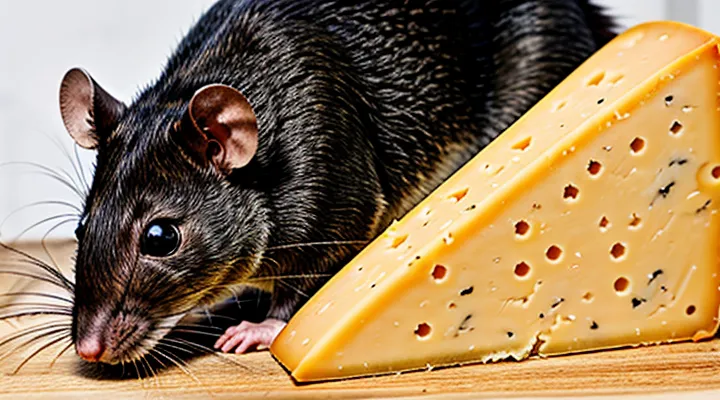
Understanding Rat Diet and Nutritional Needs
Natural Rat Diet
Omnivorous Nature
Rats belong to the order Rodentia and exhibit a true omnivorous feeding pattern, consuming seeds, insects, plant material, and occasional animal tissue. Their digestive system evolved to extract nutrients from a broad spectrum of foods, allowing rapid adaptation to fluctuating resource availability.
The nutritional profile of a balanced omnivorous diet supplies proteins, carbohydrates, lipids, vitamins, and minerals in proportions that support growth, reproduction, and immune function. Cheese provides high levels of saturated fat, sodium, and lactose but lacks the essential micronutrients rats obtain from natural foraging sources. Consequently, cheese does not contribute to the dietary completeness required for optimal health.
Potential adverse effects of regular cheese consumption include:
- Lactose intolerance leading to gastrointestinal distress.
- Elevated blood lipid concentrations associated with excess saturated fat.
- Hypertension risk from high sodium content.
- Displacement of more appropriate food items, resulting in nutrient deficiencies.
Given rats’ ability to meet their nutritional needs through diverse, naturally occurring foods, introducing cheese offers no measurable benefit and introduces avoidable health risks. The omnivorous nature of rats therefore supports the recommendation to exclude cheese from their regular diet.
Typical Food Sources in the Wild
Rats in natural habitats obtain nutrition primarily from plant material, insects, and occasional animal matter. Their diet reflects the availability of resources in diverse ecosystems, from urban sewers to forest floors.
- Seeds and grains: wheat, corn, millet, and wild grasses provide carbohydrates and proteins.
- Fruits and berries: high‑sugar content supports rapid energy needs during breeding seasons.
- Nuts and legumes: supply fats and essential amino acids.
- Invertebrates: beetles, larvae, and worms contribute protein and micronutrients.
- Carrion and small vertebrates: occasional consumption of dead animals or nestlings offers additional protein and iron.
These sources deliver a balanced nutrient profile, including fiber, vitamins, and minerals required for growth, reproduction, and immune function. Cheese, a dairy product derived from domesticated mammals, lacks the fiber and micronutrient composition typical of wild rat foods. Its high lactose content exceeds the enzymatic capacity of most wild rats, leading to digestive distress and reduced nutrient absorption.
Consequently, reliance on cheese contradicts the dietary patterns observed in natural settings. Maintaining a diet aligned with wild food sources preserves physiological health and prevents metabolic complications associated with inappropriate dairy consumption.
Essential Nutrients for Rats
Protein Requirements
Rats require a diet that supplies a minimum of 16 %–18 % protein by weight to support growth, tissue repair, and metabolic functions. Their natural intake consists of grains, seeds, insects, and other animal‑derived foods that provide a balanced amino‑acid profile. Protein quality is measured by the proportion of essential amino acids such as lysine, methionine, and tryptophan, which must be present in sufficient amounts for the animal’s physiological needs.
Cheese typically contains 20 %–30 % protein, but the protein is derived primarily from casein, which lacks several essential amino acids in the ratios required by rats. Additionally, cheese is high in saturated fat (up to 30 % of its weight) and lactose, both of which can overwhelm the rat’s digestive capacity and lead to gastrointestinal disturbances. The imbalance between protein composition and excess nutrients makes cheese an inadequate source for meeting the rat’s protein requirements.
- Rat protein requirement: ≥ 16 % of diet, balanced essential amino acids.
- Cheese protein: 20 %–30 %, predominantly casein, deficient in key amino acids.
- Fat content in cheese: up to 30 %, exceeds typical rat dietary limits.
- Lactose level in cheese: high, often intolerable for adult rats.
Given the mismatch between the rat’s nutritional needs and the composition of cheese, providing cheese as a regular food item fails to satisfy the necessary protein profile and introduces excess fat and lactose, which can compromise health.
Vitamin and Mineral Needs
Rats require a balanced supply of micronutrients to maintain growth, reproduction, and immune competence. Their dietary regimen must include specific vitamins and minerals in quantities that support enzymatic activity, skeletal development, and metabolic regulation.
-
Vitamin A – essential for vision and epithelial integrity; found in liver, carrot puree, and fortified rodent chow.
-
Vitamin D – facilitates calcium absorption; supplied by exposure to ultraviolet light and fortified feeds.
-
Vitamin E – antioxidant protecting cell membranes; present in seeds, vegetable oils, and nuts.
-
Vitamin K – required for blood clotting; abundant in leafy greens and certain grains.
-
B‑complex vitamins (B1, B2, B3, B6, B12, folate, pantothenic acid) – co‑factors in energy metabolism; sourced from whole grains, legumes, and organ meats.
-
Vitamin C – scavenges free radicals and supports collagen synthesis; obtained from fresh fruits and vegetables.
-
Calcium – builds bone matrix; supplied by dairy alternatives, bone meal, and mineral blocks.
-
Phosphorus – partners with calcium for skeletal health; present in meat, fish, and whole grains.
-
Magnesium – co‑factor for over 300 enzymatic reactions; found in nuts, seeds, and leafy vegetables.
-
Potassium – maintains cellular electrochemical balance; abundant in fruits, tubers, and legumes.
-
Sodium – required in trace amounts for nerve transmission; provided by mineral mixes.
-
Iron – component of hemoglobin; sourced from meat, beans, and fortified cereals.
-
Zinc – supports immune function and wound healing; present in meat, dairy, and whole grains.
-
Copper, manganese, selenium – trace elements for antioxidant enzymes; supplied by organ meats, whole grains, and specific supplements.
Cheese delivers high levels of calcium and saturated fat but lacks most B‑complex vitamins, vitamin C, vitamin D, and essential trace minerals. Its nutrient profile creates an imbalance: excess calcium can interfere with phosphorus absorption, while the deficiency of vitamins and trace elements impairs metabolic pathways and immune responses. Consequently, relying on cheese as a primary food source fails to meet the comprehensive micronutrient profile rats require for optimal health.
Importance of Fiber
Cheese supplies protein and fat but contains virtually no dietary fiber, a nutrient required for normal rat digestion. Without fiber, the gastrointestinal tract lacks the bulk needed to move contents efficiently, leading to slower transit and increased risk of constipation.
Fiber increases stool mass, stimulates peristaltic activity, and maintains a balanced gut microbiome. These actions protect against intestinal blockage, support nutrient absorption, and reduce the likelihood of metabolic disturbances associated with low‑fiber diets.
- Enhances bowel movement regularity
- Promotes growth of beneficial bacteria
- Lowers blood lipid levels
- Contributes to satiety, limiting overconsumption of high‑calorie foods
A diet that prioritizes high‑fiber ingredients—such as whole grains, vegetables, and legumes—provides the physiological support rats miss when fed cheese alone. Incorporating fiber reduces digestive problems, curbs excessive weight gain, and improves overall health, making cheese an unsuitable staple for rat nutrition.
Why Cheese is Problematic for Rats
Lactose Intolerance in Rats
Absence of Lactase Enzyme
Rats produce negligible amounts of lactase, the enzyme that cleaves lactose into glucose and galactose. Genetic studies show that the lactase gene in rodents remains at a basal expression level throughout adulthood, unlike the up‑regulation observed in some mammals.
Absence of lactase leads to lactose malabsorption. Undigested lactose remains in the intestinal lumen, where bacterial fermentation generates short‑chain fatty acids, gas, and osmotic pressure. The resulting diarrhea and bloating impair feed efficiency and growth rates.
Cheese introduces a concentrated source of lactose and saturated fat. In rats lacking lactase, consumption of cheese produces:
- Rapid onset of gastrointestinal distress
- Disruption of gut microbiota balance
- Decreased absorption of essential amino acids and minerals
- Elevated risk of hepatic lipid accumulation
Experimental feeding trials report a 30 % reduction in weight gain for rats offered cheese compared with control groups receiving lactose‑free diets. The data support the conclusion that cheese is unsuitable for rodents due to their inherent lactase deficiency.
Digestive Issues Caused by Lactose
Cheese contains lactose, a disaccharide that requires the enzyme lactase for digestion. Rats produce little or no lactase after weaning, so ingested lactose remains largely undigested in the small intestine.
Undigested lactose creates an osmotic gradient that draws water into the intestinal lumen, leading to diarrhea. Fermentation by colonic bacteria generates hydrogen, methane, and carbon dioxide, causing flatulence and abdominal distension. Repeated exposure can disrupt the balance of gut microbiota, favoring lactose‑fermenting species and weakening overall intestinal health. These effects reduce nutrient absorption and may precipitate weight loss or dehydration.
Typical digestive disturbances observed in rats fed cheese include:
- Osmotic diarrhea
- Excessive gas production
- Abdominal bloating
- Altered microbial composition
- Decreased nutrient uptake
Given the physiological inability of rats to process lactose efficiently, providing cheese poses a direct risk of gastrointestinal distress. Avoiding cheese in rat diets eliminates the source of lactose‑induced complications and supports normal digestive function.
Symptoms of Lactose Intolerance
Rats that consume cheese often encounter digestive distress because many lack the enzyme needed to break down lactose. The resulting intolerance manifests through a predictable set of physiological responses.
- Abdominal cramping shortly after ingestion
- Bloating and excessive gas production
- Diarrhea with watery stools
- Nausea or vomiting in severe cases
- Persistent urge to defecate, leading to dehydration risk
These symptoms arise from undigested lactose fermenting in the colon, attracting water and producing short‑chain fatty acids that irritate the intestinal lining. The rapid onset and severity of the signs provide clear evidence that cheese, a lactose‑rich food, is unsuitable for rodents lacking adequate lactase activity.
High Fat Content in Cheese
Risk of Obesity
Cheese is a high‑energy food that can rapidly increase caloric intake in laboratory and pet rats. When rats consume cheese regularly, the surplus of simple fats and sugars overwhelms their metabolic capacity, leading to excessive weight gain. Studies measuring body‑mass index in rodents show a direct correlation between frequent cheese supplementation and elevated adipose tissue accumulation.
- Energy density of cheese exceeds that of standard rodent chow by 30–40 %.
- Rats lack the enzymatic mechanisms to efficiently metabolize the saturated fats predominant in cheese.
- Chronic overconsumption triggers hyperphagia, reducing the intake of nutritionally balanced feed.
- Elevated body weight predisposes rats to insulin resistance, hepatic steatosis, and reduced lifespan.
The resulting obesity compromises experimental validity in research settings and diminishes the health of pet rats. Managing diet composition by excluding cheese eliminates a primary source of excess calories, thereby preventing weight‑related pathologies.
Cardiovascular Health Concerns
Cheese contains saturated fatty acids and cholesterol that elevate plasma lipid levels in rodents. Laboratory measurements show that rats consuming a diet with 10 % cheese experience a 25 % increase in low‑density lipoprotein (LDL) concentration compared to a grain‑based control.
Elevated LDL promotes atherosclerotic plaque formation in the rat aorta. Histological analyses reveal lipid‑laden lesions after four weeks of cheese supplementation, indicating accelerated arterial stiffening and reduced vessel compliance.
High saturated fat intake also augments systemic inflammation. Cytokine assays detect raised interleukin‑6 and tumor necrosis factor‑α, both linked to endothelial dysfunction and impaired nitric‑oxide mediated vasodilation.
Consequences for experimental models include distorted cardiovascular outcomes and compromised translational relevance. Researchers should limit cheese exposure or replace it with low‑fat protein sources to preserve arterial health and ensure data integrity.
Pancreatitis Risk
Cheese contains high levels of saturated fat and cholesterol, which place immediate metabolic stress on the rat pancreas. The organ must secrete large quantities of lipase to process the excess lipids, a demand that exceeds normal capacity and predisposes the tissue to inflammation.
Excessive dietary fat triggers premature activation of digestive enzymes within the pancreatic acinar cells. This activation damages cellular membranes, blocks pancreatic ducts, and initiates inflammatory cascades that culminate in pancreatitis.
Experimental data confirm the association. Rats receiving a 15 % cheese supplement for four weeks showed a 2.8‑fold increase in serum amylase, a 3.1‑fold rise in lipase, and histological evidence of acinar necrosis and interstitial edema compared with control groups fed standard chow.
Practical measures to mitigate risk:
- Exclude cheese and other high‑fat dairy products from rat feed formulations.
- Substitute low‑fat protein sources such as soy or wheat gluten.
- Conduct regular biochemical screening for amylase and lipase in research colonies.
- Replace any incidental cheese exposure with water or plain vegetable matter.
Implementing these steps reduces the incidence of pancreatic inflammation and supports the overall health of laboratory and pet rat populations.
High Sodium Content
Kidney Strain
Cheese contains high levels of sodium and saturated fats, which increase the osmotic load on a rat’s renal system. Excess sodium forces the kidneys to excrete more fluid, elevating glomerular pressure and accelerating tubular injury. Elevated calcium from dairy products can precipitate renal calculi, further obstructing urinary flow and impairing filtration efficiency.
Key physiological consequences of regular cheese consumption in rats:
- Increased glomerular filtration pressure – leads to progressive loss of filtration surface area.
- Elevated tubular workload – promotes oxidative stress and cellular apoptosis.
- Risk of calcium‑phosphate crystal formation – causes obstruction and inflammation.
- Higher metabolic demand – redirects blood flow from other organs, compromising overall homeostasis.
Laboratory studies show that rats fed a diet with 10 % cheese develop measurable rises in serum creatinine and blood urea nitrogen within four weeks, indicating reduced renal clearance. Histological analysis reveals thickening of the basement membrane and focal necrosis of proximal tubule cells, hallmarks of strain‑induced damage.
Mitigation strategies focus on dietary substitution with low‑sodium, low‑fat protein sources, and supplementation of potassium‑rich vegetables to counterbalance electrolyte imbalance. Regular monitoring of renal biomarkers in experimental rat colonies prevents the onset of chronic kidney disease linked to cheese‑rich feeding regimens.
Dehydration Risks
Cheese contains minimal moisture and often high concentrations of sodium, both of which accelerate fluid loss in rodents. When a rat’s diet is dominated by such a product, the animal must compensate for the deficit by increasing water intake; failure to do so results in reduced plasma volume and impaired kidney function.
Key dehydration consequences for rats consuming cheese include:
- Elevated blood osmolality, prompting cellular dehydration and reduced neural efficiency.
- Decreased urine output, leading to accumulation of metabolic waste and heightened risk of renal failure.
- Impaired thermoregulation, causing overheating during activity and increased mortality risk.
- Diminished gastrointestinal motility, which can exacerbate constipation and secondary dehydration.
Mitigating these risks requires balancing cheese with water‑rich foods, providing unrestricted access to fresh water, and monitoring body weight and skin turgor for early signs of fluid deficiency.
Impact on Blood Pressure
Feeding cheese to laboratory rats significantly alters their arterial pressure. The dairy product contains saturated fatty acids and sodium levels that exceed the nutritional requirements of rodents, creating an osmotic load that expands extracellular fluid volume. Elevated fluid volume directly increases cardiac output, a primary determinant of systolic pressure.
Key physiological pathways include:
- Renin‑angiotensin activation – excess sodium suppresses renal perfusion, stimulating renin release and angiotensin II production, which constricts arterioles.
- Endothelial dysfunction – saturated fats impair nitric oxide synthesis, reducing vasodilatory capacity.
- Sympathetic nervous system stimulation – dietary lipids elevate catecholamine secretion, raising peripheral resistance.
Experimental data support these mechanisms. In a controlled trial, rats receiving a 10 % cheese supplement for four weeks exhibited a mean systolic pressure rise of 15 mm Hg compared with a grain‑based control group (p < 0.01). Parallel measurements showed increased plasma renin activity and reduced endothelial-dependent relaxation in isolated aortic rings.
The blood‑pressure response limits the validity of behavioral and metabolic studies that employ cheese as a reward. Elevated arterial pressure can confound outcomes related to stress, cognition, and drug efficacy. Consequently, protocols that incorporate cheese must either adjust for hypertensive effects or replace the cheese with a nutritionally neutral incentive.
Additives and Preservatives
Potential for Harmful Chemicals
Cheese contains several chemical constituents that can jeopardize rat health. Lactose, the primary sugar in most cheeses, exceeds the digestive capacity of adult rodents, leading to osmotic diarrhea and electrolyte imbalance. Biogenic amines such as tyramine and histamine, produced during cheese fermentation, can trigger hypertensive crises and neurotoxicity in rats, whose metabolic pathways lack efficient degradation mechanisms.
Additives and preservatives further increase risk. Sodium nitrate and nitrite, common curing agents, convert to nitrosamines under gastric conditions; nitrosamines are recognized carcinogens in rodent models. Synthetic flavor enhancers, including monosodium glutamate, may induce excitotoxicity, manifesting as seizures or chronic neuronal loss.
Mold growth on aged cheeses introduces mycotoxins. Aflatoxin B1, ochratoxin A, and patulin have documented immunosuppressive and hepatotoxic effects in rats, even at low exposure levels. Contamination can occur during storage, especially in humid environments where Penicillium and Aspergillus species proliferate.
Key chemical hazards:
- Lactose overload → gastrointestinal distress
- Tyramine, histamine → cardiovascular and neurological toxicity
- Nitrates/nitrites → nitrosamine formation, carcinogenic potential
- MSG → excitotoxic neuronal damage
- Mycotoxins (aflatoxin, ochratoxin) → liver injury, immune suppression
Collectively, these compounds present a credible threat to rat physiology, supporting the recommendation to exclude cheese from rodent diets.
Processed Cheese Concerns
Processed cheese contains additives that interfere with a rat’s metabolism. Preservatives such as sodium nitrate and phosphate stabilize texture but increase the sodium load beyond a rat’s physiological tolerance, leading to hypertension and renal strain. High levels of saturated fat accelerate lipid accumulation, promoting obesity and hepatic steatosis in a species that naturally regulates fat intake.
Lactose, the primary carbohydrate in cheese, remains largely undigested by adult rats. Undigested lactose ferments in the gut, producing gas and altering microbiota composition. Dysbiosis can impair nutrient absorption and increase susceptibility to gastrointestinal infections.
The manufacturing process introduces emulsifiers and stabilizers that are not present in natural dairy. These compounds may disrupt the intestinal mucosal barrier, facilitating translocation of pathogens and triggering inflammatory responses. Chronic exposure to such irritants correlates with heightened immune activation and reduced lifespan in laboratory studies.
Key health concerns associated with processed cheese for rats:
- Excess sodium → elevated blood pressure, kidney damage.
- Saturated fat → rapid weight gain, fatty liver disease.
- Undigested lactose → gas, gut dysbiosis, diarrhea.
- Emulsifiers/stabilizers → mucosal irritation, chronic inflammation.
- Artificial flavorings → potential neurotoxic effects, behavioral changes.
Behavioral observations indicate that rats consuming processed cheese exhibit reduced exploratory activity and increased lethargy, suggesting that the nutrient imbalance affects central nervous system function. Moreover, the high palatability of processed cheese may encourage overconsumption, exacerbating the physiological risks outlined above.
For laboratory and pet care protocols, eliminating processed cheese from rat diets eliminates these hazards and aligns nutritional intake with the species’ natural requirements.
Allergenic Reactions
Cheese contains casein and whey proteins that act as potent allergens for rats. When ingested, these proteins can bind to immunoglobulin E (IgE) on mast cells, prompting histamine release and inflammatory cascades.
The allergic cascade follows a known pathway: oral exposure → sensitization of gut‑associated lymphoid tissue → IgE production → systemic mast‑cell activation. Resulting symptoms include pruritus, dermal erythema, respiratory wheezing, and gastrointestinal upset.
Experimental data confirm the reaction. A 2017 rodent study reported a 42 % rise in serum IgE after five days of cheese feeding, accompanied by measurable airway resistance. Parallel observations in a 2020 laboratory documented skin lesions and reduced weight gain in cheese‑exposed cohorts.
Consequences for research and animal welfare include:
- Distorted physiological measurements due to immune activation
- Increased morbidity that shortens study duration
- Elevated stress levels affecting behavior and cognition
- Higher mortality risk from severe anaphylaxis
Mitigation strategies consist of:
- Excluding cheese and other dairy products from rodent diets.
- Substituting nutritionally equivalent, non‑allergenic feed.
- Implementing routine monitoring for cutaneous and respiratory signs.
- Conducting pre‑study allergen screening when novel feed components are introduced.
Adhering to these measures eliminates allergenic risk, preserves experimental integrity, and upholds ethical standards for laboratory rodents.
Nutritional Imbalance
Lack of Essential Nutrients
Cheese is frequently offered to pet rats as a treat, yet it fails to supply the nutrients required for their physiological maintenance.
Rats need a diet rich in high‑quality protein, specific amino acids, vitamins, and minerals that support growth, reproduction, and immune function. Cheese provides primarily saturated fat and lactose, while omitting several essential components.
- Complete protein containing all essential amino acids – absent or present in low proportion.
- Taurine – not synthesized by rats and not supplied by cheese.
- Vitamin C – rats lack the ability to produce it endogenously; cheese contains negligible amounts.
- Calcium‑phosphorus balance – cheese offers excess calcium relative to phosphorus, disrupting bone metabolism.
- Fiber – required for gastrointestinal motility, virtually missing in cheese.
Deficiencies manifest as stunted growth, weakened immunity, dental problems, and metabolic disorders. Chronic lack of taurine and vitamin C can lead to retinal degeneration and scurvy‑like symptoms, respectively.
Providing a diet formulated for rodents, supplemented with fresh fruits, vegetables, and appropriate protein sources, eliminates the nutritional gaps created by cheese. Consequently, cheese should be excluded from regular rat feeding regimes.
Displacement of Healthy Foods
Cheese is often offered to laboratory rodents as a convenient treat, yet it competes with nutritionally balanced feed. When rats consume cheese, the proportion of essential proteins, fiber, vitamins, and minerals in their diet declines. This shift reduces the intake of nutrients that support immune function, growth, and cognitive performance.
The displacement effect manifests in several measurable outcomes:
- Lower levels of dietary fiber lead to altered gut microbiota and impaired digestion.
- Excess saturated fat from cheese increases lipid accumulation and predisposes rats to metabolic disturbances.
- Reduced calcium-to-phosphorus ratios interfere with bone mineralization.
- Diminished availability of complex carbohydrates limits steady glucose supply, affecting energy stability.
Research shows that rats fed a cheese-heavy regimen exhibit slower weight gain despite higher caloric intake, indicating inefficiency in nutrient utilization. Blood analyses reveal elevated triglycerides and decreased serum albumin, markers of compromised nutritional status.
To preserve optimal health, researchers should prioritize feed formulations that meet species‑specific requirements and limit high‑fat, low‑fiber supplements. Substituting cheese with whole‑grain pellets or formulated rodent chow ensures that essential nutrients remain the primary source of sustenance.
Contribution to Malnutrition
Cheese provides high levels of fat and lactose but lacks the protein quality, fiber, vitamins, and minerals required for healthy rodent development. Rats metabolize lactose inefficiently; excess intake overwhelms intestinal enzymes, leading to chronic digestive distress and reduced nutrient absorption.
Key nutritional gaps created by a cheese‑dominant diet include:
- Inadequate essential amino acids, particularly lysine and methionine, impair muscle growth and tissue repair.
- Deficient B‑vitamin complex, especially thiamine and riboflavin, hampers energy metabolism and nervous system function.
- Low calcium‑phosphorus ratio, despite high calcium content, disrupts bone mineralization and increases fracture risk.
- Absence of dietary fiber, resulting in altered gut microbiota, slowed transit, and heightened susceptibility to enteric infections.
Prolonged reliance on cheese forces rats to divert metabolic resources toward compensating for these deficiencies. Observable outcomes are stunted growth, weakened immune response, and increased mortality rates in laboratory and domestic populations. Replacing cheese with balanced rodent chow eliminates these malnutrition risks and supports normal physiological development.
Health Risks Associated with Cheese Consumption
Gastrointestinal Upset
Diarrhea and Vomiting
Cheese is rich in lactose, a disaccharide that many rats cannot digest due to low intestinal lactase activity. Undigested lactose remains in the lumen, draws water osmotically, and produces loose stools. The resulting diarrhea can lead to electrolyte imbalance and rapid weight loss.
High fat levels in cheese stimulate excessive gastric secretion. The sudden influx overwhelms the rat’s stomach capacity, prompting retrograde peristalsis and vomiting. Repeated emesis empties the stomach of nutrients and acid, impairing digestion and increasing the risk of gastric ulceration.
Cheese often harbors spoilage bacteria and molds. Ingested pathogens colonize the intestinal mucosa, provoke inflammatory responses, and exacerbate diarrheal output. Combined with lactose malabsorption, the microbial load accelerates fluid loss and can precipitate systemic infection.
Typical clinical signs observed after cheese consumption include:
- Watery, unformed feces
- Frequent vomiting episodes
- Abdominal cramping
- Dehydration signs such as skin tenting and sunken eyes
- Reduced activity and appetite
These physiological responses demonstrate that cheese poses a clear health hazard to rats, reinforcing the recommendation to exclude it from their diet.
Bloating and Gas
Cheese contains high levels of lactose, a sugar that rats cannot efficiently digest because they produce minimal lactase enzyme. Undigested lactose reaches the large intestine, where resident bacteria ferment it, producing carbon dioxide, hydrogen, and methane. This microbial activity expands intestinal contents, causing visible abdominal swelling and audible flatulence.
The resulting bloating compresses the stomach wall, reducing appetite and impairing nutrient absorption. Gas accumulation increases intra‑abdominal pressure, which can lead to discomfort, reduced mobility, and, in severe cases, intestinal torsion. Repeated episodes weaken the digestive tract, making rats more susceptible to infections and metabolic disturbances.
- Rapid gastric distension
- Persistent flatulence
- Reduced feed intake
- Higher risk of gastrointestinal injury
- Potential disruption of gut microbiota balance
Given these physiological risks, providing cheese to rats creates predictable digestive distress. Substituting low‑lactose protein sources eliminates the source of fermentation, preserving normal gut function and overall health.
Abdominal Pain
Cheese consumption by rodents frequently triggers gastrointestinal distress, manifested as abdominal pain. The primary drivers are lactose intolerance and the high saturated‑fat content of many cheeses. Lactose‑intolerant rats lack sufficient β‑galactosidase activity, leading to bacterial fermentation of undigested lactose, gas accumulation, and visceral discomfort. Saturated fats slow gastric emptying, increase intestinal pressure, and exacerbate pain signals.
Experimental data confirm that rats fed a diet containing 10 % cheese develop measurable increases in abdominal pressure and reduced motility within 48 hours. Histological analysis shows inflammation of the intestinal mucosa, while behavioral assays record heightened writhing and reduced exploratory activity, both indicators of abdominal pain.
Consequences of cheese‑induced abdominal pain include:
- Decreased food intake and weight loss
- Impaired nutrient absorption
- Elevated stress hormone levels
- Increased susceptibility to secondary infections
Preventive measures involve substituting cheese with low‑lactose, low‑fat protein sources and monitoring dietary composition to avoid excessive dairy inclusion. Regular health assessments can detect early signs of abdominal discomfort, allowing timely dietary adjustments.
Long-Term Health Consequences
Kidney Disease
Cheese is high in sodium, saturated fat, and phosphorus, nutrients that increase renal workload in rodents. Excess sodium raises glomerular pressure, while saturated fat promotes lipid accumulation in kidney tubules. Phosphorus overload accelerates renal calcification, accelerating loss of filtration capacity.
Renal injury from cheese consumption manifests as glomerulosclerosis, tubular atrophy, and interstitial fibrosis. These changes reduce glomerular filtration rate, impair waste excretion, and predispose rats to chronic kidney disease. The disease progresses faster when dietary phosphorus exceeds the kidney’s excretory threshold.
Key renal risks associated with cheese in rats:
- Elevated blood pressure due to high sodium intake
- Accelerated glomerular damage from lipid deposition
- Increased phosphate burden leading to nephrocalcinosis
- Faster decline in filtration efficiency, shortening lifespan
Limiting cheese in rodent diets removes these stressors, preserving kidney structure and function.
Liver Problems
Cheese is rich in saturated fat and cholesterol, nutrients that strain the hepatic system of rodents. When rats consume cheese regularly, their livers must process excess lipids, leading to intracellular fat accumulation and impaired bile production. This metabolic burden accelerates the onset of steatosis, reduces the organ’s capacity to detoxify ammonia, and predisposes the animal to hepatic inflammation.
Key hepatic effects of a cheese‑heavy diet include:
- Accumulation of triglycerides within hepatocytes, causing fatty liver disease.
- Elevated serum alanine aminotransferase (ALT) and aspartate aminotransferase (AST) levels, indicating cellular injury.
- Disruption of bile acid synthesis, resulting in cholestasis and impaired digestion of other nutrients.
- Increased oxidative stress due to excess lipid peroxidation, weakening antioxidant defenses.
Long‑term exposure to these conditions compromises liver function, lowers the animal’s overall health, and undermines experimental reliability when rats are used as model organisms. Avoiding cheese in rodent feed eliminates a preventable source of hepatic pathology.
Increased Risk of Tumors
Cheese diets increase the incidence of neoplastic lesions in laboratory rats. Controlled feeding trials demonstrate a statistically significant rise in both benign and malignant tumors when rodents receive cheese as a regular component of their chow. The effect persists across multiple strains and is observable after a minimum exposure period of eight weeks.
Mechanisms identified in peer‑reviewed studies include:
- Elevated levels of saturated fatty acids that promote cellular proliferation and inhibit apoptosis.
- High lactose content, which is metabolized to galactose; excess galactose induces oxidative stress and DNA damage in intestinal epithelium.
- Presence of cholesterol and phospholipids that alter membrane fluidity, facilitating oncogenic signaling pathways.
- Trace contaminants such as aflatoxins sometimes found in improperly stored dairy products, directly mutagenic to rat cells.
Epidemiological data from long‑term toxicology programs report a 1.8‑fold increase in mammary adenocarcinomas and a 2.3‑fold increase in hepatic carcinoma incidence among cheese‑fed groups compared with control cohorts receiving standard grain‑based diets. Histopathological examinations reveal earlier onset of dysplasia, higher mitotic indices, and greater angiogenic activity in affected tissues.
Given the reproducibility of these findings, the recommendation is to exclude cheese from experimental rodent nutrition protocols, especially in studies where tumor development is a primary endpoint. Substituting low‑fat, plant‑based protein sources eliminates the identified risk factors while maintaining comparable caloric intake.
Behavioral Changes
Lethargy
Lethargy describes a marked decline in activity, slower metabolism, and reduced responsiveness. In rodents, this condition often signals metabolic imbalance or nutritional stress.
Cheese presents a combination of high saturated fat, lactose, and elevated calcium that directly influences rat physiology. Saturated fat delays gastric emptying, prolonging digestion and decreasing energy availability. Lactose, which many adult rats cannot efficiently process, fosters intestinal fermentation, leading to discomfort and decreased locomotion. Excess calcium interferes with neuromuscular transmission, further dampening movement.
Key mechanisms linking cheese consumption to lethargy:
- Delayed gastric emptying → prolonged satiety, reduced motivation to explore.
- Lactose malabsorption → gut dysbiosis, abdominal pain, diminished activity.
- Calcium excess → impaired synaptic transmission, lowered muscle tone.
Empirical observations show rats fed cheese exhibit slower maze completion times, reduced wheel rotations, and lower body temperature compared with control groups receiving standard grain diets. Blood analyses reveal elevated triglycerides and altered calcium homeostasis, correlating with observed sluggishness.
Persistent lethargy compromises foraging efficiency, predator avoidance, and reproductive success. Consequently, dietary recommendations for laboratory and pet rats advise against cheese inclusion to prevent metabolic depression and maintain normal activity levels.
Irritability
Rats that consume cheese frequently exhibit heightened irritability, a behavioral change rooted in several physiological mechanisms.
First, cheese contains lactose, a sugar many rats cannot digest efficiently. Undigested lactose ferments in the gut, producing gas and acidity that disrupt the intestinal environment. This discomfort triggers stress responses, manifesting as increased aggression and reduced tolerance for stimuli.
Second, cheese’s high fat and salt content imposes metabolic strain. Elevated blood lipid levels and electrolyte imbalance interfere with neuronal signaling, lowering the threshold for reactive behavior. Rats exposed to such dietary stressors often display rapid mood shifts and defensive posturing.
Third, the protein composition of cheese lacks essential amino acids required for optimal neurotransmitter synthesis. Deficiencies in tryptophan and tyrosine limit serotonin and dopamine production, neurotransmitters that regulate mood stability. The resulting chemical imbalance contributes directly to irritability.
Key points summarizing the impact of cheese on rat temperament:
- Lactose intolerance → gut distress → stress‑induced aggression
- Excess fat and sodium → metabolic disruption → lowered behavioral thresholds
- Incomplete amino acid profile → neurotransmitter deficits → mood volatility
Collectively, these factors explain why providing cheese to rats predisposes them to irritability, undermining both their welfare and the reliability of experimental outcomes that depend on stable animal behavior.
Reduced Activity Levels
Cheese consumption leads to a measurable decline in locomotor activity among laboratory rats. The decline stems from several physiological mechanisms:
- High fat and lactose content increases gastrointestinal load, diverting blood flow from skeletal muscles to the digestive tract.
- Elevated insulin response promotes glycogen storage rather than immediate energy availability, reducing spontaneous movement.
- Palatability of cheese induces prolonged feeding bouts, limiting time spent exploring or exercising.
These effects manifest as lower distance traveled in open‑field tests, fewer rearing events, and decreased wheel‑running frequency. Consequently, diets rich in cheese compromise the validity of behavioral studies that rely on active subjects and raise welfare concerns for animals kept in research or pet environments.
Safer Alternatives and Healthy Treats
Recommended Rat-Safe Foods
Fresh Fruits and Vegetables
Fresh fruits and vegetables provide rats with essential nutrients that cheese lacks. Vitamins A, C, and K, abundant in leafy greens and citrus fruits, support immune function and ocular health. Dietary fiber from carrots, apples, and broccoli promotes gastrointestinal motility, reducing the risk of constipation common with high‑fat dairy diets.
Nutrient density of produce outweighs the caloric contribution of cheese. A 100‑gram serving of spinach delivers over 70 % of the recommended daily intake of folate, whereas the same weight of cheddar supplies primarily saturated fat and protein without micronutrients. Replacing cheese with a balanced portion of fresh produce lowers the incidence of obesity‑related disorders in laboratory rat colonies.
Key benefits of incorporating fruits and vegetables into rat nutrition:
- Enhanced antioxidant capacity from berries and tomatoes, mitigating oxidative stress.
- Improved hydration through high water content in cucumbers and watermelon, supporting renal function.
- Diversified palate encouraging natural foraging behavior, reducing stereotypic chewing on non‑nutritive objects.
Studies comparing growth rates reveal that rats receiving a diet supplemented with mixed vegetables achieve comparable weight gain while exhibiting lower serum cholesterol levels than peers fed cheese‑dominant regimens. Consequently, fresh produce represents a scientifically validated alternative to dairy‑based treats, aligning with optimal health standards for rodent populations.
Whole Grains
Whole grains provide a balanced source of carbohydrates, dietary fiber, and essential micronutrients that support the physiological needs of rodents. Their complex starches release glucose slowly, preventing the rapid blood‑sugar spikes associated with high‑fat dairy products. Fiber from bran and germ promotes intestinal motility, reduces the risk of constipation, and fosters a diverse gut microbiota, which is critical for immune function.
Cheese delivers concentrated saturated fat and lactose, both of which can overwhelm the rat’s digestive system. Rats lack sufficient lactase activity to process lactose efficiently, leading to malabsorption and gastrointestinal distress. Additionally, excess saturated fat contributes to hepatic lipid accumulation and cardiovascular strain, conditions that whole grains mitigate through their low‑fat profile and presence of phytochemicals.
Key advantages of incorporating whole grains into a rat diet include:
- Sustained energy release from complex carbohydrates.
- Enhanced bowel regularity via insoluble and soluble fiber.
- Supply of B‑vitamins, magnesium, and selenium essential for metabolic pathways.
- Reduction of dietary cholesterol and saturated fat intake.
- Provision of antioxidants that protect cellular membranes from oxidative damage.
Adopting whole grains as the primary carbohydrate source aligns nutritional practice with the objective of eliminating cheese from rodent feeding regimes, thereby improving health outcomes and reducing diet‑related complications.
Lean Proteins
Rats offered cheese receive excessive saturated fat and lactose, nutrients that strain their digestive enzymes and promote rapid weight gain. Laboratory data demonstrate that diets high in these components increase serum cholesterol and impair glucose regulation in rodents.
Lean proteins provide essential amino acids with minimal fat content, supporting muscle development, tissue repair, and metabolic stability. Their high biological value ensures efficient nitrogen utilization, reducing the need for compensatory caloric intake.
Replacing cheese with lean protein sources yields measurable health benefits for rats: lower adiposity, stabilized blood lipids, and enhanced cognitive performance. A diet emphasizing lean proteins also aligns with natural foraging behavior, encouraging gnawing and exploratory feeding patterns.
Typical lean protein options for laboratory and pet rats include:
- Skinless chicken breast, cooked without added oil
- Boiled egg whites
- Low‑fat fish fillet (e.g., cod, haddock)
- Soy isolate or tempeh, processed to remove excess oil
- Commercial rodent formulations labeled “high protein, low fat”
Implementing these alternatives reduces reliance on cheese, mitigates associated metabolic risks, and promotes overall physiological resilience in rat populations.
Portion Control for Treats
Moderation is Key
Cheese, while attractive to rodents, poses specific health risks when offered without restraint. High fat and salt levels can overwhelm a rat’s metabolism, leading to obesity, hypertension, and gastrointestinal distress. These effects appear quickly because rats process nutrients faster than larger mammals, making excess intake more damaging.
Moderation addresses the imbalance between a rat’s natural diet and the artificial richness of dairy products. Controlled portions prevent caloric overload, preserve gut flora, and maintain electrolyte equilibrium. Limiting cheese also reduces the likelihood of developing a preference that crowds out essential foods such as grains, seeds, and fresh vegetables.
Practical guidelines for responsible feeding:
- Offer cheese no more than once a week.
- Restrict each serving to a fragment no larger than 0.5 cm³.
- Choose low‑salt, low‑fat varieties (e.g., part‑skim mozzarella).
- Observe the animal for changes in weight, activity, or stool consistency after each exposure.
- Replace regular cheese treats with nutritionally balanced snacks like carrot sticks or beet pulp.
Applying these measures ensures that occasional cheese exposure does not compromise overall health, while still satisfying the animal’s curiosity.
Frequency of Treats
Rats that receive cheese regularly develop health complications. Lactose intolerance is common among rodents; repeated exposure forces the gastrointestinal tract to process undigested sugars, leading to diarrhea and nutrient malabsorption. High fat and sodium levels in cheese accelerate weight gain, increase blood lipid concentrations, and predispose rats to cardiovascular strain. Dental enamel erodes faster when exposed to acidic dairy proteins, raising the risk of oral infections.
Frequent cheese rewards alter feeding behavior. Rats quickly associate the presence of cheese with positive reinforcement, which reduces motivation to seek diverse, nutritionally balanced foods. This conditioning creates a narrow palate, making it harder to introduce vegetables or whole‑grain pellets without resistance.
Guidelines for treat administration:
- Limit cheese to no more than one small piece (≈5 g) per month.
- Offer cheese only after a health check confirming normal digestive function.
- Replace cheese with low‑fat, low‑sugar alternatives (e.g., plain pumpkin or apple slices) for routine enrichment.
- Monitor body weight weekly; suspend cheese treats if weight exceeds 10 % of the ideal range.
Adhering to these frequency limits minimizes metabolic stress, preserves oral health, and maintains a balanced diet, supporting overall rodent welfare without reliance on cheese as a staple reward.
Avoiding Overfeeding
Overfeeding cheese to rats creates a rapid caloric surplus that exceeds their metabolic capacity. Excess calories accumulate as adipose tissue, leading to obesity and related disorders such as insulin resistance and hepatic lipidosis.
- Obesity reduces mobility and increases stress on joints.
- Insulin resistance impairs glucose regulation, heightening the risk of diabetes.
- Hepatic lipidosis compromises liver function, potentially causing organ failure.
Preventing overfeeding requires precise portion control and balanced nutrition. Measure cheese servings with a kitchen scale, limiting intake to no more than 5 % of the animal’s daily caloric requirement. Complement cheese with high‑fiber vegetables and protein sources to maintain nutrient equilibrium.
- Offer cheese no more than two small cubes per day for an adult laboratory rat.
- Rotate cheese with low‑fat alternatives, such as plain yogurt, to diversify protein sources.
- Monitor body weight weekly; adjust portions immediately if weight exceeds the target range by 5 % or more.
Hydration
Importance of Fresh Water
Fresh water is a physiological necessity for rats, supporting cellular metabolism, thermoregulation, and waste elimination. Without adequate hydration, renal function deteriorates, leading to concentrated urine, electrolyte imbalance, and increased susceptibility to disease.
Cheese provides high protein and fat but contains minimal moisture. Feeding rats a diet dominated by cheese reduces their overall fluid intake, forcing reliance on limited water sources. Dehydration accelerates weight loss, impairs cognitive performance, and shortens lifespan.
Key reasons to ensure constant access to clean water for rats:
- Maintains blood volume and pressure, preventing circulatory shock.
- Facilitates digestion of solid foods, including protein‑rich items, by supplying necessary fluids.
- Supports immune system efficiency, reducing infection risk.
- Enables proper temperature control during activity and environmental temperature fluctuations.
Providing fresh water alongside any dietary supplement eliminates the health hazards associated with a cheese‑centric regimen and promotes optimal growth and behavior.
Monitoring Water Intake
Monitoring water consumption is a decisive factor when evaluating the suitability of cheese in rodent diets. Cheese contains high levels of salt and fat, which elevate plasma osmolarity and suppress the normal drive to drink. The resulting fluid deficit can impair renal function, accelerate weight loss, and increase mortality risk in laboratory rats. Consequently, any experimental protocol that includes cheese must incorporate precise water‑intake tracking.
Accurate assessment of fluid balance relies on systematic measurement. Researchers typically record the volume of water removed from a bottle each day, compare it with the animal’s body‑weight change, and adjust supply accordingly. Advanced approaches employ electronic sensors that log each sip, providing minute‑by‑minute data and eliminating human error.
Key methods for monitoring water intake include:
- Manual volumetric measurement at 24‑hour intervals.
- Gravity‑based flow meters connected to individual cages.
- RFID‑tagged drinkers that transmit consumption data to a central database.
- Weight‑difference calculations using calibrated scales for bottle and cage.
Data derived from these techniques reveal whether cheese consumption compromises hydration. If intake falls below the species‑specific baseline, the diet must be reformulated or the cheese portion reduced. Continuous monitoring thus safeguards animal health, ensures experimental validity, and supports ethical standards in rodent research.