
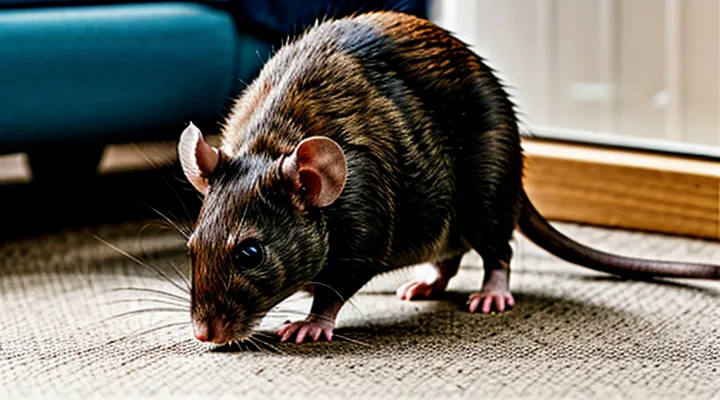
Understanding Rat Sneezing
The Anatomy of Rat Respiration
Rats possess a compact respiratory apparatus optimized for rapid airflow and efficient gas exchange. The system begins with the external nares, leading to a highly vascularized nasal cavity lined with ciliated epithelium and a complex array of turbinates that filter, humidify, and warm inhaled air.
The nasal passages connect to the nasopharynx and larynx, which channel air into the trachea. The tracheal wall contains cartilaginous rings that maintain patency, while smooth muscle fibers regulate lumen diameter. Branching from the trachea, the primary bronchi divide into secondary and tertiary bronchi, each surrounded by a network of blood vessels that facilitate heat and moisture exchange.
Bronchioles terminate in clusters of alveoli, the primary sites of oxygen diffusion and carbon‑dioxide removal. Alveolar walls consist of a single layer of thin epithelium supported by a delicate capillary network, maximizing surface area for gas transfer. Surfactant-producing type II cells reduce surface tension, preventing alveolar collapse during exhalation.
Ventilation is driven by the diaphragm and intercostal muscles. Contraction of the diaphragm expands the thoracic cavity, decreasing intrapulmonary pressure and drawing air inward. Intercostal muscle activity fine‑tunes rib cage movement, ensuring precise control of tidal volume.
Key anatomical components influencing sneeze frequency:
- Nasal turbinates with dense ciliary fields
- Mucosal glands producing mucus for particle capture
- Sensitive trigeminal nerve endings in the nasal epithelium
- Flexible cartilage in the nasal septum allowing rapid airflow changes
Understanding these structures clarifies why rats exhibit frequent sneezing: irritants readily contact the highly responsive nasal mucosa, triggering reflexive expulsions to protect the lower respiratory tract.
Normal Sneezing vs. Problematic Sneezing
Occasional Sneeze Causes
Rats sneeze sporadically when transient irritants stimulate the nasal mucosa. Common triggers include:
- Dust particles from bedding or feed storage.
- Strong odors from cleaning agents, perfumes, or aromatic herbs.
- Sudden temperature shifts that dry the nasal passages.
- Minor respiratory infections such as viral or bacterial agents.
- Allergic reactions to mold spores, pollen, or specific dietary components.
Each factor provokes a brief reflex arc: sensory receptors detect the irritant, signal the brainstem, and activate the expiratory muscles to expel air through the nostrils. The response is typically isolated, lasting a few seconds, and does not indicate chronic disease.
Preventive measures focus on minimizing exposure. Maintain low‑dust bedding, use unscented cleaning products, regulate ambient temperature, and monitor for signs of infection. Regular health checks can differentiate occasional sneezing from persistent respiratory pathology.
Primary Causes of Frequent Rat Sneezing
Environmental Factors
Dust and Allergens
Dust particles suspended in a rat’s environment act as mechanical irritants for the nasal mucosa. When inhaled, they trigger the trigeminal nerve reflex, resulting in sudden expulsion of air through the nostrils. Common household dust contains cellulose fibers, metal shavings, and fine particulate matter that can lodge in the upper respiratory tract of rodents, provoking repeated sneezing episodes.
Allergens such as pollen, mold spores, and rodent‑specific dander exacerbate the response. Proteins on these particles bind to immunoglobulin E on mast cells, causing histamine release and mucosal swelling. The combined effect of mechanical irritation and allergic inflammation amplifies sneeze frequency.
Prevention measures:
- Maintain low‑dust bedding (paper‑based or aspen) and replace it weekly.
- Use HEPA‑filtered air circulation to reduce airborne particles.
- Clean cages and surrounding area with damp cloths to avoid dry sweeping.
- Store food in sealed containers to prevent mold growth.
- Conduct regular health checks for signs of allergic sensitization and adjust diet or environment accordingly.
Irritants and Chemical Exposure
Rats sneeze when airborne particles irritate the nasal mucosa. Dust from wood shavings, straw, or paper bedding can settle in the respiratory tract, triggering a reflex. Ammonia generated by urine breakdown accumulates in poorly ventilated enclosures, creating a corrosive environment that provokes frequent sneezing. Strong odors—essential oils, perfume, or cleaning solvents—contain volatile compounds that act as mucosal irritants. Pesticides, rodenticides, and disinfectants often include chemicals such as phenols, formaldehyde, or quaternary ammonium compounds; inhalation of these agents damages ciliary function and induces sneezing. Smoke from heating elements or nearby combustion sources adds fine particulates that further compromise airway integrity.
Preventive measures focus on minimizing exposure to irritants and hazardous chemicals:
- Use low‑dust bedding (e.g., paper or aspen chips) and replace it regularly.
- Maintain ammonia levels below 25 ppm through daily spot cleaning and weekly full cage changes.
- Ensure adequate airflow with cage fans or external ventilation systems; consider HEPA filtration for enclosed rooms.
- Select cleaning agents that are fragrance‑free, non‑toxic, and diluted according to manufacturer guidelines.
- Store pesticides and strong chemicals away from the animal area; handle them in well‑ventilated spaces with protective equipment.
- Avoid open flames or heating devices that produce smoke near the cages.
Monitoring air quality, selecting appropriate substrates, and restricting the use of potent chemicals together reduce nasal irritation and limit the frequency of sneezing episodes in laboratory and pet rats.
Humidity Levels
Humidity directly affects the respiratory tract of rats. Low moisture dries nasal passages, reduces mucosal lubrication, and irritates the lining, prompting frequent sneezing. High moisture creates a damp environment that encourages mold and bacterial growth, both of which release spores and toxins that trigger nasal irritation.
Research indicates that a relative humidity (RH) between 45 % and 55 % minimizes sneezing incidents. Below 30 % RH, mucosal desiccation accelerates, while above 70 % RH, fungal proliferation intensifies, increasing airborne irritants.
Maintaining stable humidity prevents the conditions that provoke sneezing. Key actions include:
- Install a calibrated hygrometer to monitor RH continuously.
- Use a humidifier in dry periods to raise RH to the target range.
- Deploy a dehumidifier or improve ventilation during damp seasons to lower excess moisture.
- Seal cracks and gaps that allow external humidity fluctuations to enter the enclosure.
- Clean regularly to remove mold, dust, and droppings that serve as irritant reservoirs.
Consistent control of humidity eliminates a primary environmental trigger for rat sneezing, supporting overall respiratory health.
Infectious Diseases
Mycoplasma pulmonis
Mycoplasma pulmonis is a cell‑wall‑less bacterium that colonizes the respiratory tract of laboratory and pet rats. The organism adheres to ciliated epithelium, disrupts mucociliary clearance, and induces inflammation that triggers frequent sneezing. Infection often spreads through direct contact, aerosolized secretions, and contaminated bedding. Clinical manifestations include repetitive sneezing, nasal discharge, ocular crusting, and, in severe cases, pneumonia and weight loss.
Diagnosis relies on culture of respiratory samples, polymerase chain reaction assays, or serologic testing for specific antibodies. Early identification permits targeted antimicrobial therapy; macrolides such as tylosin or azithromycin reduce bacterial load and alleviate sneezing episodes. Supportive care—humidified environment, nasal flushing, and nutritional supplementation—enhances recovery.
Prevention measures:
- Quarantine new arrivals for at least three weeks and test for Mycoplasma pulmonis before integration.
- Maintain strict cage hygiene: replace bedding regularly, disinfect surfaces with agents effective against mycoplasmas.
- Implement barrier practices: use gloves, dedicated equipment, and separate airflow for infected and healthy colonies.
- Avoid overcrowding; provide ample space to reduce stress‑induced susceptibility.
- Vaccination is not available; reliance on biosecurity and health monitoring remains essential.
Bacterial Infections
Rats frequently exhibit sneezing when bacterial pathogens colonize the upper respiratory tract. Infection triggers inflammation of nasal mucosa, increases mucus production, and irritates sensory nerves, resulting in repeated expulsions of air.
Bacterial agents most commonly implicated include:
- Streptococcus pneumoniae
- Klebsiella pneumoniae
- Pseudomonas aeruginosa
- Bordetella bronchiseptica
- Salmonella spp.
These organisms invade nasal epithelium, release toxins, and provoke immune responses that disrupt normal airflow.
Preventive actions focus on reducing bacterial load and limiting exposure:
- Maintain cage cleanliness with regular disinfection using rodent‑safe agents.
- Provide fresh, uncontaminated water and food; avoid shared feeding dishes.
- Implement quarantine for new or sick animals for at least two weeks.
- Apply targeted antimicrobial therapy under veterinary supervision when infection is diagnosed.
- Ensure adequate ventilation to lower humidity and aerosolized bacterial concentrations.
Adhering to strict hygiene protocols and prompt medical intervention markedly lowers the incidence of bacterial‑induced sneezing in laboratory and pet rat populations.
Viral Infections
Viral infections are a frequent cause of recurrent sneezing in laboratory and pet rats. Respiratory viruses invade the nasal epithelium, trigger inflammation, and generate the characteristic sneeze reflex.
Common agents include:
- Sendai virus, which replicates in the upper airway and produces mucosal edema.
- Rat coronavirus, associated with broncho‑pneumonia and nasal discharge.
- Hantavirus strains, capable of causing severe pulmonary syndrome and persistent sneezing.
- Murine adenovirus, leading to mild rhinitis but sufficient to provoke sneezing bouts.
Diagnosis relies on laboratory confirmation. Polymerase chain reaction (PCR) detects viral RNA in nasal swabs, while enzyme‑linked immunosorbent assay (ELISA) identifies specific antibodies. Clinical observation of sudden sneezing clusters, accompanied by nasal secretions and mild lethargy, supports the suspicion.
Prevention strategies focus on eliminating viral exposure and maintaining optimal environmental conditions:
- Quarantine new arrivals for a minimum of two weeks; test before integration.
- Implement strict cage sanitation, using autoclaved bedding and disinfected equipment.
- Provide adequate ventilation to reduce aerosol concentration.
- Limit stressors such as overcrowding, temperature fluctuations, and abrupt diet changes.
- Apply available vaccines or prophylactic treatments according to veterinary guidance.
Adhering to these measures reduces viral load in colonies, thereby decreasing the incidence of frequent sneezing among rats.
Non-Infectious Health Issues
Tumors and Polyps
Tumors and polyps constitute direct sources of nasal irritation that trigger frequent sneezing in laboratory and pet rats.
Nasal tumors, such as adenocarcinomas or lymphomas, invade the respiratory epithelium, disrupt normal airflow, and provoke reflexive sneezing. Inflammatory polyps develop from chronic mucosal swelling; their mass effect narrows the nasal passages, increasing turbulence and stimulating the sneeze reflex.
Typical clinical signs include persistent sneezing, serous or purulent nasal discharge, and occasional facial asymmetry caused by localized swelling. Absence of these signs does not exclude early-stage growth, which may remain undetected until obstruction worsens.
Effective control relies on early detection and targeted intervention:
- Quarterly veterinary examinations with otoscopic inspection.
- Imaging (radiography or low‑dose CT) to identify hidden masses.
- Prompt biopsy of suspicious tissue for histopathology.
- Surgical excision of accessible polyps or tumors, followed by wound management.
- Chemotherapy or radiotherapy for malignant growths, as indicated by oncologic assessment.
- Maintenance of a low‑dust, low‑ammonia environment to reduce secondary inflammation.
- Balanced diet rich in omega‑3 fatty acids to support mucosal health.
Implementing these measures reduces the incidence of sneezing episodes attributable to neoplastic and polypoid lesions, thereby improving overall respiratory welfare in rats.
Dental Problems
Dental abnormalities are a frequent underlying factor in rodent respiratory irritation. Overgrown incisors, malocclusion, and periodontal disease can obstruct the nasal passages or generate inflammatory secretions that trigger frequent sneezing. When incisors grow beyond normal length, they may press against the palate or sinus cavities, creating pressure that manifests as repetitive nasal expulsion. Periodontal infections release bacterial toxins that travel through the oral‑nasal tract, further irritating mucosal membranes. Additionally, sharp or uneven tooth edges can cause chronic oral trauma, leading to swelling that extends into the nasal region.
Preventive actions focus on maintaining optimal oral health:
- Provide a diet high in fibrous material such as timothy hay, wheat straw, and chew blocks to promote natural tooth wear.
- Offer safe wooden or mineral chew toys that encourage regular gnawing and prevent overgrowth.
- Schedule veterinary examinations every three to six months for professional dental assessment and, when necessary, trimming.
- Monitor the animal’s facial appearance daily; signs of facial swelling, drooling, or changes in eating behavior warrant immediate veterinary attention.
- Keep the cage environment clean and free of excessive dust, reducing secondary irritation that can exacerbate dental‑related sneezing.
Effective management of dental conditions reduces the incidence of sneezing episodes and supports overall respiratory health in rats.
Stress-Related Sneezing
Rats exhibit sneezing when stress activates the autonomic nervous system, leading to increased nasal mucosal secretion and heightened sensitivity of the trigeminal nerve. Acute stressors—such as sudden handling, loud noises, temperature fluctuations, or overcrowding—trigger cortisol release, which can alter the composition of nasal mucus and promote irritant formation. Chronic stress may weaken immune defenses, allowing low‑level pathogens or allergens to provoke sneezing more readily.
Key mechanisms include:
- Sympathetic surge causing vasodilation of nasal vessels, swelling the mucosa and narrowing air passages.
- Cortisol‑induced changes in mucus viscosity, facilitating particle adherence.
- Heightened reflex activity of the nasopharyngeal sensory fibers, lowering the sneeze threshold.
Preventive actions focus on reducing stress exposure and stabilizing the nasal environment:
- Provide consistent cage conditions: stable temperature, humidity, and lighting cycles.
- Limit abrupt handling; employ gentle, predictable techniques.
- Ensure adequate space per animal to avoid crowding.
- Incorporate environmental enrichment (nesting material, chew objects) to mitigate anxiety.
- Monitor health regularly; treat respiratory infections promptly to prevent secondary irritation.
- Maintain clean bedding and ventilation to reduce airborne irritants.
Implementing these measures lowers the incidence of stress‑related sneezing and supports overall respiratory health in laboratory and pet rat populations.
Identifying Symptoms Associated with Sneezing
Respiratory Distress Signs
Rats that experience frequent sneezing often exhibit additional indicators of respiratory distress. Recognizing these signs enables timely intervention and reduces the risk of severe complications.
Common respiratory distress signs include:
- Labored breathing, visible as exaggerated chest movements or abdominal breathing.
- Open‑mouth breathing, especially when the animal is at rest.
- Nasal discharge that is thick, discolored, or accompanied by blood.
- Audible wheezing or rattling sounds during inhalation and exhalation.
- Reduced activity levels, lethargy, or reluctance to move.
- Loss of appetite and weight loss resulting from impaired oxygen intake.
- Cyanosis, a bluish tint to the gums or extremities, indicating insufficient oxygenation.
When these symptoms appear alongside recurrent sneezing, they suggest an underlying respiratory infection, allergic reaction, or environmental irritant. Immediate veterinary assessment is recommended to identify the cause and begin appropriate treatment, such as antimicrobial therapy, antihistamines, or environmental modifications to eliminate dust, mold, or strong odors. Continuous monitoring of breathing patterns and nasal secretions is essential for evaluating recovery progress and preventing recurrence.
Changes in Behavior and Appetite
Rats that sneeze repeatedly often display altered activity patterns and feeding habits. Increased nasal irritation or respiratory infection can cause discomfort, leading to reduced exploration and heightened withdrawal from novel objects. Social interactions may diminish; affected individuals frequently avoid contact with cage mates, resulting in a measurable decline in group cohesion.
Appetite changes accompany respiratory distress. Reduced olfactory function impairs detection of food odors, prompting a drop in food intake. In severe cases, rats may consume only familiar, high‑fat items, while avoiding fresh produce. Weight loss can occur within days of onset, providing an early indicator of underlying health issues.
Preventive actions focus on minimizing the triggers that provoke sneezing and its behavioral consequences:
- Maintain low dust levels by using fine‑grade bedding and regular cage cleaning.
- Ensure adequate ventilation to lower airborne irritants.
- Monitor temperature and humidity; optimal ranges (20‑24 °C, 40‑60 % RH) reduce mucosal irritation.
- Conduct routine health checks for signs of nasal discharge, lethargy, or appetite decline.
- Provide palatable, easily detectable food sources during recovery periods.
Early detection of behavioral withdrawal and reduced feeding allows timely intervention, limiting the progression of respiratory problems and preserving overall well‑being.
Nasal Discharge Characteristics
Rats that exhibit frequent sneezing often present a distinct nasal discharge, which provides valuable diagnostic clues. The discharge varies in several measurable aspects that correlate with underlying etiologies and influence preventive strategies.
- Color: Clear or watery fluid typically indicates viral irritation or allergic response; serous fluid may accompany mild bacterial colonization; yellow‑to‑green hues suggest active bacterial infection; brown or reddish tones point to hemorrhage or necrotic tissue.
- Viscosity: Thin, low‑viscosity secretions flow readily and are common in allergic or viral cases; thick, mucoid material signals chronic inflammation or fungal involvement.
- Volume: Minimal drips are associated with transient irritants; moderate to copious flow often accompanies severe upper‑respiratory infections.
- Odor: Absence of smell generally accompanies sterile or viral processes; fetid or pungent odor is characteristic of anaerobic bacterial growth.
- Temporal pattern: Continuous discharge aligns with persistent irritants or chronic infection; intermittent bursts correspond to episodic allergen exposure or acute viral spikes.
Understanding these characteristics enables targeted interventions. For example, clear, watery discharge combined with a seasonal increase in sneezing suggests environmental allergens; in such cases, reducing dust, mold, and strong odors within the cage mitigates exposure. Conversely, yellow‑green, thick secretions warrant antimicrobial therapy and enhanced sanitation to limit pathogen spread. Monitoring discharge changes over time provides feedback on treatment efficacy and informs adjustments to housing conditions, diet, and hygiene protocols to reduce sneezing frequency in laboratory and pet rat populations.
Preventive Measures and Management Strategies
Optimizing Cage Environment
Substrate Choices
Choosing an appropriate substrate is essential for minimizing respiratory irritation in pet rats. Dust‑laden materials release particles that can enter the nasal passages, trigger mucosal inflammation, and increase sneeze frequency. Selecting low‑dust, absorbent substrates reduces airborne particulates and helps maintain a healthy environment.
- Paper‑based bedding (e.g., shredded paper, paper pellets): Near‑zero dust, high absorbency, easy to replace. Provides a soft surface that does not shed fibers.
- Aspen shavings: Low resin content, moderate dust levels, good odor control. Requires regular cleaning to prevent mold growth.
- Coconut fiber (coir): Natural, biodegradable, minimal dust. May retain moisture; frequent replacement prevents bacterial buildup.
- Corncob bedding: Higher dust output, moderate absorbency. Can exacerbate sneezing in sensitive individuals; generally unsuitable for respiratory‑sensitive rats.
- Wood shavings (pine, cedar): High resin and aromatic compounds, significant dust. Known to irritate the respiratory tract; should be avoided.
Proper maintenance amplifies the benefits of any substrate. Replace soiled bedding at least twice weekly, vacuum the enclosure to remove settled particles, and ensure adequate ventilation to dilute residual dust. Combining a low‑dust substrate with rigorous cleaning protocols directly addresses one of the primary environmental triggers of rat sneezing, supporting overall respiratory health.
Air Quality and Ventilation
Rats develop frequent sneezing when airborne irritants accumulate in their environment. Poor indoor air introduces particles that irritate the nasal passages, triggering reflexive expulsions.
Factors that degrade air quality for rodents include:
- Dust from bedding, feed, and surrounding surfaces.
- Ammonia generated by urine and feces decomposition.
- Mold spores proliferating in damp corners.
- Volatile organic compounds released by cleaning agents or building materials.
- Elevated temperature and humidity that enhance microbial growth.
Effective ventilation mitigates these hazards by continuously replacing stale air with fresh outdoor air, reducing contaminant concentration, and preventing stagnant zones. Proper airflow design ensures that exhaust vents are positioned away from cages, while intake filters capture larger particles before entry.
Preventive actions for caretakers:
- Clean cages daily, removing soiled bedding and waste.
- Use low‑dust, absorbent bedding materials.
- Install activated‑carbon or HEPA filters on intake vents.
- Maintain ambient temperature between 18‑22 °C and relative humidity around 50 %.
- Schedule routine inspection of ventilation ducts for blockages.
Consistent attention to air purity and circulation lowers the incidence of sneezing episodes, supporting overall respiratory health in laboratory and pet rats.
Cleaning Routines
Effective cleaning routines reduce airborne irritants that trigger rat sneezing. Dust, mold spores, and accumulated waste release particles that irritate the nasal passages of rodents. Regular removal of these contaminants lowers the frequency of sneezing episodes and supports overall respiratory health.
Key components of a routine cleaning protocol include:
- Daily spot‑cleaning of cages: remove uneaten food, droppings, and soiled bedding before they dry or become a source of mold.
- Weekly deep cleaning: discard all bedding, wash cage surfaces with a mild, non‑toxic disinfectant, and rinse thoroughly to eliminate residue.
- Monthly ventilation check: inspect air holes or mesh panels for blockage, clean with a soft brush, and ensure unrestricted airflow.
- Bi‑weekly environmental sanitation: vacuum surrounding areas, mop floors with a diluted enzymatic cleaner, and eliminate hidden dust accumulations.
Implementing these steps creates a low‑dust environment, minimizes pathogen load, and directly addresses the primary cause of frequent sneezing in rats. Consistency in execution yields measurable improvement in respiratory stability.
Dietary Considerations
Rats experience frequent sneezing when dietary components introduce irritants or trigger allergic reactions in the nasal passages. Moist, particle‑rich feed can aerosolize fine dust that settles in the upper respiratory tract, provoking reflexive sneezes. Certain protein sources, such as soy or wheat, contain latent allergens that sensitize susceptible individuals. High‑fat diets may alter mucosal secretions, reducing the effectiveness of nasal clearance mechanisms.
Key dietary factors that influence sneezing:
- Low‑dust or pelleted feed formulated to minimize particulate matter.
- Protein sources with low allergenic potential, e.g., high‑quality animal protein or purified casein.
- Balanced fatty acid ratios to support healthy mucosal membranes.
- Inclusion of antioxidants (vitamin E, selenium) that reinforce respiratory tissue integrity.
- Consistent feeding schedule to avoid sudden changes that can stress the immune system.
Preventive measures focus on controlling exposure to irritants and supporting nasal health through nutrition. Store feed in airtight containers to limit moisture absorption and microbial growth. Rotate protein sources gradually, monitoring for any increase in sneezing frequency. Supplement the diet with omega‑3 fatty acids to maintain membrane fluidity and reduce inflammation. Regularly assess feed quality, discarding any batch that shows signs of spoilage or excessive dust accumulation.
By managing these dietary variables, caretakers can reduce the incidence of sneezing episodes in rats and promote overall respiratory well‑being.
Stress Reduction Techniques
Frequent sneezing in rats often correlates with elevated stress levels, which trigger nasal inflammation and hypersensitivity of the respiratory mucosa. Reducing physiological stress diminishes the release of cortisol and catecholamines, stabilizing immune function and decreasing the incidence of sneeze episodes.
Effective stress mitigation for laboratory or pet rats includes:
- Environmental enrichment: Provide nesting material, tunnels, and chewable objects to encourage natural foraging and exploration.
- Consistent handling: Conduct brief, gentle interactions daily to acclimate rats to human presence and lower fear responses.
- Social housing: Maintain groups of compatible individuals to satisfy their innate social requirements.
- Noise and vibration control: Shield cages from sudden sounds and vibrations by using sound‑absorbing barriers and stable shelving.
- Temperature and humidity regulation: Keep ambient conditions within 20‑26 °C and 40‑60 % relative humidity to prevent discomfort.
- Balanced nutrition: Offer a diet rich in antioxidants and omega‑3 fatty acids to support mucosal health and reduce inflammatory pathways.
Implementing these measures stabilizes the hypothalamic‑pituitary‑adrenal axis, curtails inflammatory mediators in the nasal passages, and consequently lowers the frequency of sneezing events. Continuous monitoring of sneeze counts alongside stress indicators (e.g., corticosterone levels) validates the efficacy of the interventions.
Regular Veterinary Check-ups
Regular veterinary examinations are a cornerstone of effective management for rats that experience recurrent sneezing. Professional assessment identifies underlying infections, allergic reactions, and environmental irritants before they develop into chronic respiratory problems.
During a typical appointment, the veterinarian evaluates:
- Nasal discharge and airway patency through visual inspection and otoscopic examination.
- Presence of pathogens by collecting swabs for bacterial, viral, and fungal cultures.
- Allergic sensitivity via skin testing or serum IgE measurement.
- Housing conditions, including bedding material, ventilation, and humidity levels.
- Nutritional status, focusing on vitamin A and vitamin D levels that support mucosal immunity.
Findings guide targeted interventions such as antimicrobial therapy, hypoallergenic bedding replacement, humidity control, and dietary supplementation. Early detection through scheduled check-ups reduces the frequency and severity of sneezing episodes, improves overall wellbeing, and minimizes the risk of secondary infections.
Consistent veterinary oversight ensures that preventive strategies remain aligned with the rat’s evolving health status, providing a systematic approach to mitigating respiratory distress.
When to Seek Veterinary Attention
Persistent or Worsening Symptoms
Persistent or worsening sneezing in rats signals a shift from a transient irritation to a potentially serious health issue. Continued episodes beyond a few days, an increase in frequency, or accompanying signs such as nasal discharge, eye tearing, or reduced appetite require immediate veterinary evaluation.
Typical indicators of escalating respiratory distress include:
- Sneezing more than three times per hour for several consecutive days
- Thick, colored nasal or ocular secretions
- Audible wheezing or labored breathing
- Lethargy, weight loss, or diminished food and water intake
These symptoms often stem from underlying conditions that progress if left untreated. Common contributors are:
- Chronic upper‑respiratory infections caused by bacteria (e.g., Streptococcus spp.) or viruses that proliferate in crowded or poorly ventilated environments
- Allergic reactions to bedding materials, dust, or aromatic substances that maintain inflammatory cycles
- Parasitic infestations such as nasal mites, which cause tissue damage and persistent irritation
- Structural abnormalities like deviated nasal septa that impede airflow and encourage pathogen colonization
Effective prevention focuses on eliminating the factors that allow respiratory problems to persist. Strategies include:
- Maintaining low humidity and adequate ventilation in cages to reduce aerosolized irritants
- Selecting dust‑free, hypoallergenic bedding and avoiding strong fragrances
- Implementing strict quarantine protocols for new arrivals and conducting regular health screenings
- Providing a balanced diet enriched with vitamin C and omega‑3 fatty acids to support immune function
- Scheduling routine veterinary check‑ups to detect early signs of infection or parasitism
When symptoms intensify despite these measures, targeted medical treatment—antibiotics, antihistamines, or antiparasitic agents—must be administered under professional guidance. Prompt intervention prevents chronic respiratory disease, preserves the animal’s quality of life, and reduces the risk of transmission to other rodents in the same habitat.
Accompanying Health Concerns
Rats that sneeze repeatedly often signal underlying health problems that can affect both the animals and humans who share their environment. Persistent sneezing may indicate respiratory infections such as Mycoplasma pulmonis, viral agents, or bacterial pathogens that spread through aerosol droplets. These infections can progress to pneumonia, reduce immune function, and increase mortality rates in rodent colonies.
Allergic reactions represent another concern. Dust, mold spores, and rodent allergens become airborne during sneezing episodes, provoking asthma attacks and rhinitis in sensitive individuals. Laboratory personnel and pet owners exposed to frequent sneezing are at heightened risk of developing respiratory hypersensitivity.
Zoonotic diseases can emerge when pathogens carried by rats are expelled in nasal secretions. Salmonella, Leptospira, and hantavirus particles may be transmitted through inhalation or contact with contaminated surfaces. Outbreaks among humans often trace back to environments with uncontrolled rodent sneezing.
Preventive actions address the root causes and mitigate associated risks:
- Maintain low humidity and adequate ventilation to discourage mold growth.
- Implement strict sanitation protocols, including regular cage cleaning and disinfection.
- Conduct routine health screenings to detect Mycoplasma, viral, or bacterial infections early.
- Provide balanced nutrition and stress‑reduction measures to support immune competence.
- Use personal protective equipment (PPE) such as masks and gloves when handling rats or cleaning enclosures.
By controlling environmental factors, monitoring rodent health, and applying protective barriers, the likelihood of respiratory illness, allergic response, and zoonotic transmission diminishes significantly. Continuous vigilance ensures that frequent sneezing does not evolve into broader public‑health challenges.
Treatment Options and Prognosis
Frequent sneezing in rats signals irritation of the upper respiratory tract and warrants prompt medical attention. Accurate diagnosis begins with a thorough physical examination, assessment of environmental factors, and, when indicated, laboratory testing such as nasal swabs, radiographs, or blood work to identify infectious agents, allergens, or structural abnormalities.
Therapeutic measures fall into three categories: antimicrobial therapy, supportive care, and environmental modification.
- Antimicrobial therapy: Broad‑spectrum antibiotics (e.g., enrofloxacin, doxycycline) target bacterial pathogens; specific agents are chosen after culture results. Antifungal drugs (e.g., itraconazole) treat confirmed fungal infections.
- Supportive care: Nebulized saline or isotonic solutions reduce mucosal dryness; humidified cages and saline eye drops alleviate secondary ocular irritation. Analgesics and anti‑inflammatory drugs (e.g., meloxicam) control discomfort.
- Environmental modification: Replace bedding with low‑dust alternatives, install high‑efficiency particulate air (HEPA) filtration, and remove potential irritants such as strong fragrances or tobacco smoke. Regular cleaning reduces pathogen load.
Prognosis depends on the underlying cause, timeliness of intervention, and the rat’s overall health. Early treatment of bacterial or fungal infections typically results in full recovery within two to four weeks. Chronic allergic or environmental conditions may require ongoing management; in such cases, symptom control is achievable, though complete cessation of sneezing may be unrealistic. Rats with advanced respiratory compromise or immunosuppression face a higher risk of mortality, emphasizing the necessity of early detection and comprehensive care.