
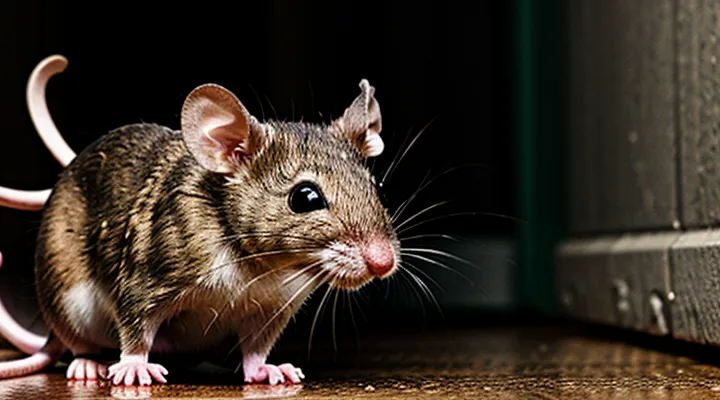
The Nature of Specific Phobias
Defining Musophobia
Musophobia, the clinical term for an intense, irrational fear of mice, is classified as a specific phobia in the Diagnostic and Statistical Manual of Mental Disorders (DSM‑5). Individuals with this condition experience immediate anxiety when confronted with a mouse, whether real, imagined, or represented in media. The reaction typically includes rapid heart rate, sweating, trembling, and an overwhelming urge to escape the situation.
Diagnostic criteria for musophobia require:
- Persistent fear that is excessive relative to the actual danger.
- Immediate anxiety response upon exposure to mice or related cues.
- Recognition that the fear is disproportionate, yet the individual feels powerless to control it.
- Avoidance behavior that interferes with daily activities or causes significant distress.
- Duration of at least six months.
Epidemiological studies indicate that musophobia affects a minority of the population, with higher prevalence among females and individuals with a family history of anxiety disorders. Neuroimaging research links the condition to hyperactivation of the amygdala and insular cortex, regions responsible for threat detection and visceral sensation.
Cognitive models attribute musophobia to learned associations, where a neutral stimulus (the mouse) becomes linked to a negative experience or observation. Over time, the brain encodes this pairing, resulting in automatic fear responses that persist even after the original trauma fades.
Therapeutic interventions focus on exposure techniques, cognitive restructuring, and, when appropriate, pharmacological support. Gradual, controlled exposure to mouse-related stimuli reduces avoidance and diminishes physiological arousal, facilitating long‑term remission.
Prevalence and Impact
Mouse phobia, known as musophobia, affects a substantial portion of the population. Epidemiological surveys indicate that 6‑12 % of adults report a marked aversion to mice, with higher rates observed in children and in cultures where rodents are closely associated with disease. Clinical assessments reveal that up to one‑third of individuals with generalized anxiety disorders also exhibit a specific fear of mice, suggesting a significant overlap with broader anxiety pathology.
The consequences of this fear extend beyond immediate discomfort. Physiological responses include elevated heart rate, heightened cortisol levels, and activation of the amygdala, measurable through neuroimaging studies. Behavioral outcomes often involve avoidance of environments where rodents may be present, such as basements, kitchens, or agricultural settings. This avoidance can limit occupational choices, reduce housing options, and increase reliance on pest‑control services, thereby imposing financial costs on individuals and communities.
Public health implications arise from the interaction between fear and pest management. Fear‑driven extermination practices may lead to indiscriminate use of chemicals, contributing to environmental contamination and resistance development in rodent populations. In educational institutions, children’s distress can disrupt learning activities when rodent sightings occur, necessitating additional supervisory resources.
Key impacts can be summarized:
- Health effects: acute stress reactions, chronic anxiety, sleep disturbances.
- Economic burden: expenditure on professional eradication, loss of productivity, increased insurance premiums.
- Social ramifications: reduced participation in communal spaces, stigmatization of affected individuals, heightened demand for safety measures.
Understanding the prevalence and ramifications of mouse‑related fear informs the design of targeted interventions, such as exposure‑based therapy, community education, and environmentally responsible pest control, thereby mitigating both personal distress and broader societal costs.
Psychological Roots of Mouse Fear
Evolutionary Perspectives
Human aversion to rodents can be traced to adaptive mechanisms that enhanced survival in ancestral environments. Small mammals often carried pathogens, consumed stored food, and exhibited rapid movements that could trigger startle responses, all of which posed direct threats to early hominins.
- Disease vectors: rodents served as reservoirs for plague, hantavirus, and other zoonoses; avoidance reduced infection risk.
- Competition for resources: consumption of seeds and grains threatened caloric intake, prompting defensive behavior toward potential thieves.
- Predator cues: swift, erratic locomotion resembles prey of larger carnivores; heightened vigilance toward such stimuli sharpened threat detection.
- Genetic imprinting: repeated exposure to rodent‑related hazards reinforced neural pathways associated with fear, embedding a predisposition across generations.
These evolutionary pressures created an innate bias that persists despite modern sanitation and reduced exposure, explaining why many individuals experience disproportionate anxiety when encountering mice.
The Role of Conditioning and Learning
Fear of mice often originates from learned associations rather than innate reactions. Early encounters that pair the presence of a mouse with unpleasant stimuli create a mental link that triggers anxiety whenever similar cues appear.
Classical conditioning establishes this link. A neutral signal—such as the sound of scurrying feet—repeatedly coincides with a startling event, like a sudden loud noise. Over time, the signal alone elicits a fear response, even in the absence of the original threat. Research with rodents and humans demonstrates that repeated pairings of mouse‑related cues and aversive outcomes increase physiological arousal and avoidance.
Operant conditioning reinforces avoidance behaviors. When an individual withdraws from a mouse and experiences relief from tension, the escape action receives positive reinforcement. Subsequent situations involving mice are met with rapid retreat, solidifying the fear pattern. Experiments using reinforcement schedules show that even intermittent rewards for avoidance maintain the response.
Observational learning spreads mouse aversion through social contexts. Children who watch caregivers react with alarm to rodents often adopt the same fear without direct exposure. Studies of vicarious conditioning reveal that observed distress cues activate similar neural pathways as personal experiences, expanding the fear network across groups.
Generalization and stimulus discrimination shape the scope of the fear. Once a mouse becomes a conditioned stimulus, related animals (e.g., rats, small squirrels) may also provoke anxiety, while distinct, non‑threatening rodents fail to do so after targeted discrimination training. Training protocols that teach individuals to distinguish between harmless and threatening cues can reduce overgeneralized fear.
Key conditioning mechanisms influencing mouse aversion:
- Pairing of mouse‑related cues with negative outcomes (classical conditioning)
- Reinforced escape or avoidance actions (operant conditioning)
- Acquisition of fear through observation of others’ reactions (social learning)
- Expansion of fear to similar stimuli and refinement through discrimination training
Understanding these learning processes provides a framework for therapeutic interventions that aim to break the conditioned fear cycle and replace it with adaptive responses.
Classical Conditioning
Classical conditioning explains how a neutral stimulus, such as a mouse, becomes a trigger for fear after repeated pairing with an aversive event. The process follows the established Pavlovian pattern: an unconditioned stimulus (e.g., a loud noise or a mild electric shock) automatically provokes an unconditioned response (startle, anxiety). When the mouse is presented simultaneously with the aversive stimulus, the animal’s nervous system forms an association. After several pairings, the mouse alone elicits the same fear response, now a conditioned response.
Research demonstrates this mechanism in humans. Participants exposed to images of mice paired with brief electric shocks show increased skin‑conductance responses and heightened amygdala activity when later shown mouse images without any shock. Similar results appear in animal studies where rodents develop avoidance behaviors after a neutral cue is linked to a painful stimulus.
Key factors influencing the strength of the conditioned fear include:
- Frequency of pairings between mouse and aversive event
- Intensity of the aversive stimulus
- Presence of prior negative experiences with rodents
- Individual variability in anxiety sensitivity
Understanding classical conditioning provides a basis for therapeutic interventions. Systematic desensitization replaces the fear‑inducing association with a neutral or positive one, gradually reducing the conditioned response. Consequently, the fear of mice can be mitigated by breaking the learned link between the animal and the original threat.
Observational Learning
People often develop aversion to mice after witnessing others’ reactions. Observational learning, also known as social learning, allows individuals to acquire fear responses without direct contact with the animal. When a child watches a parent scream at a mouse, the child’s nervous system registers the emotional intensity, stores it as a threat cue, and later reproduces the same avoidance behavior.
Key mechanisms of observational learning in mouse‑related fear include:
- Attention: The observer focuses on the demonstrator’s facial expression, vocal tone, and body language when the mouse appears.
- Retention: The observed reaction is encoded into memory as a pattern linking the mouse’s presence with danger.
- Reproduction: In subsequent encounters, the observer replicates the avoidance or escape actions previously seen.
- Motivation: The perceived consequences for the demonstrator (e.g., distress, injury) increase the observer’s willingness to adopt the same response.
Experimental studies confirm that subjects can develop a conditioned fear of rodents after merely watching another individual experience a shock paired with a mouse cue. This effect persists even when the observer never touches the animal, demonstrating that fear can be transmitted through visual and auditory channels alone.
Practical implications are evident in therapeutic contexts. Exposure‑based interventions must address not only personal encounters with mice but also the learned associations derived from others’ reactions. Reducing fear therefore involves modeling calm behavior, providing corrective demonstrations, and reshaping the observer’s interpretation of mouse‑related cues.
Cognitive Factors
People often react to mice with intense anxiety because their brains interpret the small rodent as a potential threat. This interpretation stems from several cognitive mechanisms that shape perception, memory, and decision‑making.
- Classical conditioning links the sight or sound of a mouse with past unpleasant experiences, creating an automatic fear response whenever similar cues appear.
- Overgeneralization extends the fear from a specific mouse encounter to any small, fast‑moving animal, increasing the range of stimuli that trigger alarm.
- Attentional bias directs focus toward mouse‑related cues while filtering out unrelated information, amplifying the sense of danger.
- Memory consolidation stores vivid recollections of mouse encounters, reinforcing the fear network each time the memory is retrieved.
- Schema activation supplies pre‑existing mental frameworks that label mice as hazardous, guiding rapid judgments without detailed analysis.
These cognitive processes interact to produce a persistent aversion that persists even when the actual risk is minimal. Understanding each factor clarifies why the fear of mice remains widespread and resistant to simple reassurance.
Distorted Perceptions
Distorted perceptions refer to systematic errors in how individuals evaluate the presence, size, and danger of mice. These misjudgments amplify emotional responses and sustain avoidance behavior.
- Overestimation of physical size: visual cues are exaggerated, leading to a belief that mice are larger and more capable of inflicting harm than they are.
- Inflated threat of disease: the imagined probability of pathogen transmission far exceeds epidemiological data, creating an irrational fear of contamination.
- Symbolic negativity: cultural narratives cast mice as ominous or unclean, reinforcing negative associations independent of direct experience.
- Learned avoidance: repeated exposure to frightening depictions or personal incidents conditions a heightened alarm response, even when the stimulus is benign.
Underlying mechanisms involve classical conditioning, where neutral stimuli become linked to fear-inducing events, and evolutionary bias that predisposes mammals to react strongly to small, fast-moving creatures. Media portrayals and anecdotal reports act as secondary amplifiers, reinforcing the distorted schema.
Correcting these perceptions requires exposure-based techniques that confront exaggerated beliefs with factual evidence, desensitization protocols that reduce physiological arousal, and cognitive restructuring to replace mythic imagery with realistic assessments.
Catastrophic Thinking
Catastrophic thinking amplifies the perception of danger associated with mice. When a person envisions a mouse encounter, the mind may automatically inflate the consequences, imagining severe disease, infestation, or loss of control. This mental exaggeration creates a feedback loop: fear heightens vigilance, which in turn reinforces the belief that the threat is far greater than reality.
Key characteristics of catastrophic thinking in this context include:
- Overestimation of harm – the belief that a single mouse can cause widespread illness or structural damage.
- All-or-nothing reasoning – interpreting a brief sighting as a sign that an uncontrollable infestation is inevitable.
- Future‑oriented dread – projecting current anxiety onto imagined scenarios, such as losing property or personal safety because of rodents.
These distortions activate the amygdala, triggering physiological arousal (increased heart rate, sweating) that mirrors a genuine threat response. The resulting discomfort reinforces avoidance behaviors, such as refusing to enter spaces where mice might appear, thereby maintaining the fear.
Therapeutic interventions target the cognitive component of this pattern. Techniques such as cognitive restructuring challenge the inflated predictions, replacing them with evidence‑based assessments of risk. Exposure exercises gradually reduce the emotional intensity linked to mouse‑related cues, weakening the catastrophic narrative over time.
Factors Contributing to Aversion
Sensory Sensitivities
Sensory sensitivities contribute significantly to the aversion many individuals feel toward mice. The small animal’s rapid movements, high‑frequency squeaks, and sharp whisker contact can overload the nervous system of people who are hyper‑responsive to tactile, auditory, or visual cues.
The auditory system is especially vulnerable. Mice emit squeaks and rustling sounds in the 10–20 kHz range, a frequency band that many individuals with hyperacusis find uncomfortable. Even low‑volume noises can trigger a startle response, leading to heightened anxiety and avoidance behavior.
Visual perception also plays a role. The sudden appearance of a mouse’s dark silhouette against a lighter background, combined with its erratic darting, can cause visual overstimulation. People with heightened visual sensitivity may experience disorientation or a rapid increase in heart rate upon sight.
Tactile sensitivity is activated when a mouse brushes against skin or clothing. The fine hairs on a mouse’s body can stimulate mechanoreceptors, producing an unpleasant prickling sensation for those with tactile defensiveness. This physical contact often reinforces the fear response.
Olfactory cues complete the sensory profile. Mice emit a musky odor rich in pheromonal compounds; individuals with a sensitive olfactory system may find the smell intrusive, leading to nausea or immediate withdrawal.
Typical sensory triggers associated with mouse aversion include:
- High‑frequency squeaks and rustling noises
- Sudden, high‑contrast visual movement
- Light touch from whiskers or fur
- Distinctive musky odor
Understanding these sensory pathways clarifies why the presence of mice elicits strong, instinctive reactions in a subset of the population. Addressing each modality—sound dampening, visual concealment, tactile barriers, and odor control—can reduce the intensity of the fear response.
Olfactory Cues
Olfactory cues are a primary factor in the aversion many individuals experience toward rodents. Human noses can detect volatile compounds released by mouse urine, feces, and secretions, such as 2‑methylnaphthalene and phenolic substances. These chemicals trigger the olfactory bulb, which projects to the amygdala, a brain region that rapidly generates fear responses.
The evolutionary basis of this reaction lies in the association between rodent scent and potential disease vectors. Historical exposure to pathogens carried by mice created a selective pressure favoring individuals who avoided the odor, thereby reducing infection risk. Modern humans retain this adaptive bias, even when actual disease threat is minimal.
Psychological mechanisms reinforce the odor‑fear link:
- Classical conditioning pairs mouse odor with negative experiences (e.g., a sudden scream when a mouse appears), strengthening the fear memory.
- Cognitive appraisal interprets the smell as a sign of contamination, prompting disgust and avoidance.
- Individual differences in olfactory sensitivity modulate the intensity of the response; people with heightened smell perception report stronger aversion.
Cultural factors can amplify or attenuate the effect. Societies that emphasize cleanliness and pest control often embed mouse odor in narratives of uncleanliness, which further entrenches the fear response.
Understanding the olfactory component clarifies why visual or tactile encounters with mice are insufficient to explain the full spectrum of fear. Interventions that mask or neutralize mouse scent—such as using odor‑absorbing agents—can diminish the automatic fear reaction by interrupting the sensory pathway that activates the amygdala.
Auditory Cues
Auditory cues trigger fear of mice through several well‑documented mechanisms. The high‑frequency squeaks produced by rodents fall within a range that humans perceive as unsettling, especially when the sound is sudden or repetitive. Evolutionary research links such frequencies to predator alerts, conditioning listeners to associate them with danger.
Key auditory triggers include:
- Squeaking – rapid, high‑pitched sounds that activate the amygdala and heighten vigilance.
- Scurrying – rustling of small objects on hard surfaces creates irregular, sharp noises that mimic footsteps of larger threats.
- Gnawing – intermittent, metallic clicks generate anticipatory anxiety because they suggest hidden activity.
Neurophysiological studies show that these sounds engage the brain’s threat‑detection circuitry more intensely than visual cues alone. The resulting autonomic response—elevated heart rate, increased cortisol—reinforces avoidance behavior. Conditioning experiments demonstrate that repeated exposure to mouse‑related noises strengthens the fear memory, making the auditory stimulus a persistent trigger even in the absence of a visible rodent.
Associations with Disease and Contamination
Mice are commonly linked to illness because they serve as vectors for pathogens that affect humans. Historical records document outbreaks of plague, salmonellosis, and hantavirus traced to rodent populations, reinforcing the perception that any encounter with a mouse carries a health risk.
- Plague bacteria (Yersinia pestis): Fleas that infest mice can transmit the bacterium, leading to severe infection.
- Salmonella spp.: Contamination of food surfaces by mouse droppings introduces bacterial agents that cause gastrointestinal distress.
- Hantavirus: Aerosolized particles from urine or feces can enter the respiratory tract, producing potentially fatal disease.
- Leptospira interrogans: Contact with contaminated water or soil where mice have urinated can result in leptospirosis, characterized by fever and organ damage.
Psychologically, these disease associations trigger an automatic threat response. The brain’s amygdala registers the presence of a mouse as a cue for contamination, activating disgust and avoidance mechanisms that have evolved to protect the body from infection. Consequently, even indirect exposure—such as sight of a mouse in a kitchen—elicits fear rooted in the ingrained expectation of harmful microbes.
Historical Context
Throughout antiquity, small rodents appeared in myth and ritual as symbols of disease, impurity, and chaos. Egyptian texts linked mice to the goddess Serqet, protector against venom, yet also associated them with grain theft, prompting protective spells. Greek literature portrayed mice as omens of plague; Homer’s epics mention “swarms of mice” preceding famine, reinforcing a link between rodent infestation and communal disaster.
In medieval Europe, the Black Death’s mortality was frequently blamed on rats, with mice implicated as carriers of fleas that transmitted Yersinia pestis. Chronicles describe towns imposing curfews and burning barns to deter rodent populations, reflecting a collective anxiety that merged observable pestilence with superstition. Legal codes of the period mandated fines for households harboring mice, indicating institutional recognition of the threat.
The Enlightenment era introduced scientific explanations for rodent-borne illnesses. Early physicians identified contaminated grain as a vector for typhus, shifting the perception of mice from supernatural omen to tangible health hazard. Public health ordinances mandated sanitation measures, reinforcing the association between rodent control and community well‑being.
Key historical patterns can be summarized:
- Mythic representation: Mice as messengers of divine displeasure or chaos.
- Epidemic attribution: Rodents blamed for plague and other contagious diseases.
- Legal and sanitary response: Regulations targeting mouse infestations to protect public health.
- Scientific reinterpretation: Transition from superstition to epidemiological understanding.
These developments established a deep‑rooted cultural memory of mice as carriers of danger, shaping contemporary psychological aversion. The historical narrative provides a framework for interpreting modern fear as a continuation of ancient associations between rodents and existential threat.
Modern Perceptions of Rodent-Borne Illness
Rodent‑borne illnesses remain a central element in contemporary attitudes toward mice. Public health campaigns frequently associate mice with pathogens such as hantavirus, salmonella, and leptospirosis. These associations reinforce a perception that any mouse encounter poses a direct health threat, regardless of actual exposure risk.
Scientific literature documents several mechanisms that translate disease awareness into fear:
- Media reports highlight rare but severe outbreaks, creating vivid mental images of danger.
- Educational materials emphasize precautionary measures, encouraging avoidance behavior.
- Social networks circulate anecdotal stories of illness, amplifying perceived prevalence.
Psychological research links these mechanisms to heightened anxiety. Fear conditioning occurs when visual or auditory cues related to mice become paired with information about disease. Over time, the brain assigns a negative value to the animal itself, not merely to the disease it may carry. This generalization extends to harmless species, reinforcing a broad aversion to rodents.
Current surveys indicate that a majority of respondents identify disease risk as the primary reason for disliking mice, surpassing concerns about property damage or cleanliness. The persistence of this belief, even in regions with low incidence of rodent‑transmitted infections, demonstrates the power of modern perception to shape emotional responses.
Efforts to recalibrate public understanding focus on:
- Presenting epidemiological data that differentiate common, low‑risk exposures from exceptional cases.
- Highlighting effective sanitation and pest‑control practices that mitigate actual health hazards.
- Providing balanced narratives that separate the animal’s ecological role from its disease vector potential.
By aligning factual information with psychological insights, health educators can reduce irrational fear while maintaining appropriate caution toward genuine health threats.
Unpredictability and Control
People often react to mice with anxiety because the animals’ behavior resists prediction. Their sudden bursts of speed, unpredictable direction changes, and brief periods of silence create a sense that the environment cannot be reliably monitored. This uncertainty triggers a stress response that is amplified when visual or auditory cues provide little warning of the mouse’s presence.
The feeling of losing control intensifies the reaction. Individuals cannot easily determine where a mouse might hide, how it will enter a space, or how long it will remain. The inability to prevent a mouse from contaminating food, damaging property, or transmitting disease reinforces a perception that personal agency is compromised. This perceived powerlessness activates the brain’s threat‑detection circuitry, leading to heightened vigilance and avoidance.
Key aspects of unpredictability and control that contribute to mouse‑related fear:
- Rapid, erratic locomotion that limits anticipatory cues.
- Minimal sensory signals before the animal appears, reducing early detection.
- Hidden nesting sites that allow entry without visible signs.
- Potential for contamination, which heightens perceived loss of environmental control.
- Lack of effective personal measures to deter or eliminate the rodent quickly.
Together, these factors generate a psychological profile in which the unpredictable nature of mice and the erosion of personal control produce a consistent fear response.
Perceived Threat
The perception of danger associated with mice triggers a cascade of psychological responses that underlie the common aversion to these rodents. Visual cues such as rapid movement, small size, and sudden appearances activate the brain’s threat‑detection circuitry, particularly the amygdala, which flags the animal as a potential hazard. This automatic labeling occurs even when the actual risk of injury or disease is minimal.
- Evolutionary conditioning: ancestral environments linked small mammals with predators or contamination; modern brains retain this association.
- Learned experiences: childhood encounters with startled mice reinforce the idea that the creature can cause harm or distress.
- Social transmission: observing others’ fearful reactions or hearing warnings amplifies the perceived menace.
The heightened sense of threat intensifies physiological arousal—elevated heart rate, cortisol release, and hypervigilance—thereby reinforcing avoidance behavior. Cognitive appraisal mechanisms further exaggerate danger by focusing on negative outcomes, such as potential bites or the spread of pathogens, despite epidemiological data showing low transmission rates from house mice.
Consequently, the imagined risk, rather than objective harm, sustains the fear response. Interventions that challenge these threat perceptions, such as exposure therapy or factual education about actual disease vectors, can diminish the exaggerated danger signal and reduce the associated anxiety.
Loss of Control
People often experience fear of mice because the animal triggers a sense that personal boundaries are being breached, creating an immediate perception of losing control over one’s environment. This reaction stems from several psychological mechanisms.
- Unpredictable movements: Rapid, erratic scurrying prevents anticipation, making the observer feel unable to influence the animal’s actions.
- Intrusion into private space: Presence of a mouse in a home or workplace signals an unwanted invasion, reinforcing the belief that one cannot safeguard familiar areas.
- Association with contamination: Small rodents are linked to disease, prompting a reflex to avoid exposure and reinforcing the impression that the situation is beyond one’s management.
- Symbolic representation of chaos: Mice often symbolize disorder; encountering them can evoke a subconscious fear that personal order is collapsing.
The loss‑of‑control perception intensifies physiological responses such as heightened heart rate and muscle tension, which in turn reinforce the fear loop. Recognizing this dynamic helps explain why even minor encounters with mice can provoke strong, disproportionate emotional reactions.
Sociocultural Influences on Fear
Cultural Narratives and Symbolism
Cultural narratives embed mice within stories that portray them as carriers of disease, thieves of food, or ominous omens. Ancient Egyptian texts describe rodents as agents of plague, while medieval European folklore casts the mouse as a symbol of greed and deceit. These recurring motifs reinforce a collective perception of mice as threats, shaping instinctive aversion.
Literary and visual traditions amplify this perception. In classic literature, mice often serve as metaphors for contamination or moral corruption. Contemporary cinema frequently depicts mice as unsettling antagonists, reinforcing fear through visual shock. The persistence of such imagery across media sustains a psychological association between mice and danger.
Common cultural references that contribute to mouse fear include:
- Biblical passages linking rodents to uncleanliness and disease.
- Aesop’s fables where mice embody cunning thieves.
- Superstitions that view mouse sightings as harbingers of misfortune.
- Advertising campaigns that exploit mouse imagery to suggest pest problems.
Mice in Folklore and Media
Mice appear repeatedly in mythic narratives, where they symbolize disease, theft, and chaos. Ancient Egyptian texts describe rodents as carriers of plague, while Greek folklore portrays them as cunning thieves that infiltrate households. Such portrayals embed a subconscious association between mice and contamination, reinforcing instinctive avoidance.
In literature and popular culture, mice often embody negative traits. Classical fairy tales feature mice as tricksters who sabotage protagonists, reinforcing the notion of hidden danger. Modern horror films employ swarms of mice to create claustrophobic tension, using rapid movement and sudden appearance to trigger anxiety responses rooted in evolutionary threat detection.
Media representations extend these themes through visual exaggeration. Animated cartoons sometimes depict mice as grotesque, oversized pests, intensifying fear through distorted proportions. Video games frequently assign mice as enemies that multiply quickly, compelling players to react with heightened alertness and rapid decision‑making, which mirrors real‑world fight‑or‑flight mechanisms.
Key patterns observed across folklore and media:
- Association of mice with disease and contamination.
- Presentation as stealthy intruders that breach safe spaces.
- Use of rapid, unpredictable motion to provoke startle reflexes.
- Visual exaggeration that amplifies perceived threat.
These recurring motifs amplify psychological aversion by repeatedly linking mice with loss of control, impurity, and imminent danger, thereby deepening the fear response.
The "Pest" Archetype
The “pest” archetype frames mice as unwanted intruders that threaten hygiene, resources, and order. This symbolic classification triggers an automatic aversive response rooted in evolutionary survival mechanisms. When an animal is labeled a pest, the brain’s threat‑detection circuitry—particularly the amygdala—activates, preparing the body for avoidance or eradication.
Key psychological components of the pest archetype include:
- Contamination cue: Mice are associated with disease vectors, prompting disgust and heightened vigilance.
- Resource competition: Perception of rodents as rivals for food and shelter generates anxiety about scarcity.
- Loss of control: Unseen or rapid movement of mice reinforces feelings of helplessness, intensifying fear.
- Social transmission: Cultural narratives depict mice as vermin, reinforcing the archetype through learned association.
These elements converge to produce a robust fear response that persists even when direct danger is absent. Understanding the pest archetype clarifies why mouse aversion extends beyond personal experience to collective attitudes.
Social Learning and Reinforcement
Fear of mice frequently originates from social transmission rather than direct encounter. Children witness adults display alarm, retreat, or vocal distress when a rodent appears, and they internalize these responses as appropriate. The observed behavior provides a template that shapes the child’s own emotional reaction, even in the absence of personal injury.
Repeated exposure to punitive cues strengthens the aversion. When a mouse triggers a scream, an admonition, or a physical removal, the individual learns to associate the animal with immediate discomfort. The brain registers the unpleasant outcome, reinforcing avoidance patterns that persist over time.
Key mechanisms of this learning process include:
- Observational modeling: individuals replicate fear expressions displayed by trusted figures.
- Vicarious reinforcement: negative feedback directed at others when a mouse is present transfers to the observer.
- Direct conditioning: personal episodes of startle, pain, or reprimand linked to mouse encounters solidify the fear response.
- Cultural scripts: stories, jokes, and media portray mice as hazardous, supplying additional reinforcement cues.
These processes converge to embed mouse-related anxiety within social and experiential frameworks, ensuring the fear remains robust even when the actual threat is minimal.
Family and Peer Attitudes
Family members often become the first source of information about rodents. Parents who display anxiety when a mouse appears may unintentionally signal danger, prompting children to adopt similar reactions. Observational learning reinforces this pattern, as youngsters imitate adult behavior without explicit instruction.
Peer groups contribute additional pressure. When classmates label mice as disgusting or threatening, individuals may align with the prevailing attitude to avoid social exclusion. This conformity amplifies personal discomfort and strengthens avoidance habits.
Key mechanisms through which close social circles shape mouse aversion include:
- Modeling of fearful responses by caregivers or older siblings.
- Verbal reinforcement, such as jokes or warnings about mice.
- Shared narratives that portray rodents as hazardous or unclean.
- Group norms that reward expressions of disgust and penalize curiosity.
Intergenerational transmission persists across cultures. In households where stories about disease‑carrying mice circulate, the association between rodents and health risk becomes entrenched, influencing risk perception even when scientific evidence contradicts the claim.
Peer influence extends beyond immediate friends. Online communities that circulate exaggerated images of mice can magnify fear, creating a feedback loop that sustains and spreads the phobia across broader social networks.
Media Portrayals
Media depictions shape public attitudes toward rodents by repeatedly linking mice to danger, filth, and malevolence. Visual storytelling reinforces associative learning: repeated exposure to images of mice scurrying from shadows in horror movies conditions viewers to anticipate threat whenever a mouse appears. This conditioning operates without conscious deliberation, converting neutral stimuli into sources of anxiety.
Cinematic and television portrayals often exaggerate mice’s size, speed, and aggressiveness. Directors employ rapid cuts, ominous soundtracks, and low-angle shots to amplify perceived menace. The result is a heightened physiological response—accelerated heart rate and cortisol release—mirroring reactions to genuine predators.
Animated productions contribute paradoxically. While some cartoons depict mice as clever protagonists, many still emphasize their status as pests, reinforcing the notion that mice belong in the periphery of human environments. Children absorb these dual messages, forming early‑life schemas that persist into adulthood.
News media occasionally spotlight mouse infestations in urban settings, focusing on health risks and property damage. Headlines prioritize sensational language, prompting readers to associate mice with disease outbreaks and economic loss. Such framing strengthens collective fear through repeated narrative reinforcement.
Key media mechanisms that intensify mouse aversion:
- Visual exaggeration (oversized rodents, dramatic lighting)
- Auditory cues (squeaks amplified, suspenseful scores)
- Narrative framing (mice as invaders, carriers of disease)
- Repetitive exposure across genres (horror, news, comedy)
- Symbolic representation (mice as metaphors for uncontrollable forces)
By embedding these elements in popular culture, media constructs a persistent psychological pattern: mice become emblematic of contamination and unpredictability, prompting avoidance behavior that extends beyond direct experience.
Overcoming Musophobia
Therapeutic Approaches
Therapeutic interventions for the fear of mice focus on reducing anxiety responses and altering maladaptive beliefs. Treatment plans typically combine psychological techniques with, when necessary, medication to achieve lasting change.
- Cognitive‑behavioral therapy (CBT). Identifies irrational thoughts about rodents, challenges them, and replaces them with realistic appraisals. Structured homework reinforces new cognitive patterns.
- Exposure therapy. Gradually introduces the individual to mice or mouse‑related cues, starting with low‑intensity stimuli and progressing toward direct contact. Repeated exposure weakens the fear response.
- Systematic desensitization. Couples relaxation training with a hierarchy of mouse‑related images or situations, allowing the client to remain calm while confronting feared stimuli.
- Eye‑movement desensitization and reprocessing (EMDR). Processes distressing memories linked to mouse encounters, diminishing their emotional impact.
- Pharmacotherapy. Selective serotonin reuptake inhibitors (SSRIs) or short‑acting benzodiazepines may be prescribed to lower baseline anxiety, facilitating engagement in psychotherapy.
- Mindfulness‑based stress reduction. Encourages present‑moment awareness and non‑judgmental acceptance of physiological arousal, reducing avoidance behaviors.
- Virtual‑reality exposure. Provides controlled, immersive simulations of mouse encounters, enabling safe practice before real‑world exposure.
- Psychoeducation. Supplies factual information about mouse behavior and disease risk, correcting exaggerated threat perceptions that fuel fear.
Effectiveness depends on individual assessment, severity of the phobia, and adherence to the therapeutic schedule. Combining exposure techniques with cognitive restructuring yields the highest remission rates, while medication supports clients who experience severe physiological symptoms. Ongoing evaluation ensures adjustments align with progress and prevents relapse.
Cognitive Behavioral Therapy «CBT»
People often experience intense anxiety when encountering mice, a reaction classified as a specific phobia. Cognitive Behavioral Therapy (CBT) provides a structured, evidence‑based approach to modify the underlying thought patterns and behavioral responses that sustain this fear.
The cognitive phase targets distorted beliefs about rodents—such as exaggerated danger or contamination risk. Therapists guide clients to examine empirical evidence, compare feared outcomes with realistic probabilities, and replace maladaptive thoughts with balanced appraisals. This process reduces the emotional intensity associated with mouse encounters.
The behavioral phase introduces controlled exposure to mouse‑related stimuli. Techniques include:
- Gradual desensitization: Starting with low‑intensity cues (e.g., pictures) and progressing to live exposure.
- Systematic response prevention: Preventing avoidance behaviors while the anxiety diminishes naturally.
- Relaxation training: Applying deep‑breathing or progressive muscle relaxation during exposure sessions.
A typical CBT protocol for mouse phobia follows these steps:
- Assessment of fear severity and identification of trigger hierarchy.
- Psychoeducation about the nature of anxiety and the rationale for exposure.
- Cognitive restructuring of irrational beliefs.
- Repeated, scheduled exposure sessions aligned with the hierarchy.
- Homework assignments to practice skills between sessions.
- Review of progress and relapse‑prevention planning.
Research consistently shows that CBT reduces fear intensity, improves functional tolerance of mouse‑related situations, and lowers reliance on safety behaviors. Successful implementation requires therapist expertise, client motivation, and adherence to the exposure schedule.
Exposure Therapy
People often experience an intense, irrational dread of mice that stems from evolutionary threat detection, early negative encounters, and cultural reinforcement. This specific phobia triggers heightened physiological responses, such as rapid heart rate and avoidance behavior, when a mouse is perceived.
Exposure therapy addresses mouse‑related anxiety through controlled, repeated confrontation with the feared stimulus. The method reduces fear by weakening the association between mice and danger, allowing the nervous system to recalibrate its threat assessment.
Typical exposure protocol includes:
- Initial assessment to gauge severity and identify avoidance patterns.
- Development of a hierarchy ranging from low‑intensity contacts (e.g., viewing pictures) to high‑intensity contacts (e.g., holding a live mouse).
- Gradual exposure sessions where the individual engages with each step until anxiety diminishes, measured by self‑report scales and physiological indicators.
- Regular debriefing to reinforce coping strategies and prevent relapse.
Clinical trials report remission rates of 70‑80 % for rodent phobias treated with systematic exposure, especially when combined with cognitive restructuring. Therapist supervision ensures safe pacing, monitors distress levels, and adjusts the hierarchy as needed.
For self‑directed practice, individuals should:
- Begin with visual materials, progressing only after anxiety drops below a predetermined threshold.
- Use relaxation techniques (e.g., diaphragmatic breathing) during each exposure.
- Record subjective anxiety before and after each session to track progress.
- Seek professional guidance if fear escalates or interferes with daily functioning.
Self-Help Strategies
Fear of mice often stems from evolutionary alert systems, learned associations, and exaggerated threat perception. These underlying mechanisms amplify physiological responses, making encounters feel dangerous even when risk is minimal. Addressing the fear requires interventions that modify both the mental narrative and the body’s reaction.
- Gradual exposure: Begin with pictures of mice, progress to videos, then observe a live mouse at a safe distance. Increase proximity step‑by‑step until discomfort diminishes.
- Cognitive restructuring: Identify automatic thoughts (“mice will bite”) and replace them with evidence‑based statements (“most mice are harmless and avoid humans”). Record challenges and revised beliefs to reinforce change.
- Relaxation training: Practice diaphragmatic breathing, progressive muscle relaxation, or guided imagery before and during exposure. Consistent use lowers heart rate and reduces panic spikes.
- Systematic desensitization: Pair a relaxation response with a hierarchy of mouse‑related stimuli. Move up the hierarchy only after maintaining calm at each level.
- Mindfulness practice: Observe fear sensations without judgment, noting their transient nature. Regular mindfulness diminishes the tendency to catastrophize.
- Knowledge acquisition: Learn about mouse behavior, diet, and typical indoor activity patterns. Accurate information counters myths that fuel irrational fear.
- Environmental control: Seal entry points, keep food storage secure, and maintain cleanliness. Reducing accidental encounters lowers reinforcement of fear.
- Professional guidance: Seek a therapist trained in anxiety disorders if self‑directed methods stall. Structured therapy accelerates progress and provides accountability.
Implementing these strategies systematically reshapes the fear response, converting avoidance into confidence when mice appear. Consistency and incremental challenge are essential for lasting change.
Desensitization Techniques
Desensitization reduces mouse‑related anxiety by gradually weakening the conditioned fear response. The process relies on repeated, controlled contact with mouse cues while maintaining a calm physiological state.
Effective desensitization methods include:
- Systematic desensitization – pairing imagined or real mouse exposure with progressive muscle relaxation; each step lasts until anxiety drops to a low level before advancing.
- Graduated exposure therapy – starting with low‑intensity stimuli (e.g., pictures) and moving to higher‑intensity stimuli (e.g., live mice) in a predictable sequence.
- Virtual‑reality simulation – presenting realistic mouse interactions in a safe digital environment, allowing adjustable exposure intensity.
- Modeling – observing a trusted individual interact calmly with mice, which creates a vicarious learning experience.
- Counter‑conditioning – introducing a pleasant stimulus (e.g., favorite music) simultaneously with mouse exposure to replace fear with a positive association.
Implementation guidelines:
- Conduct an initial assessment to identify specific triggers and baseline anxiety levels.
- Establish a hierarchy of stimuli, ranking from least to most threatening.
- Schedule short, frequent sessions; maintain consistency to prevent extinction of progress.
- Incorporate relaxation techniques (deep breathing, diaphragmatic breathing) before and during exposure.
- Monitor physiological markers (heart rate, skin conductance) to verify reduction in arousal.
Research shows that when exposure intensity aligns with the individual’s tolerance threshold, fear diminishes within weeks, and long‑term avoidance behavior declines. Consistent practice, combined with professional supervision, maximizes the durability of therapeutic gains.
Mindfulness and Relaxation
Mindfulness offers a practical method for reducing the anxiety triggered by rodent encounters. By directing attention to present sensations—breathing, posture, and ambient sounds—individuals interrupt the automatic threat appraisal that fuels fear. This deliberate focus weakens the brain’s tendency to amplify imagined danger, allowing a more balanced emotional response.
Relaxation techniques complement mindful awareness and further diminish physiological arousal associated with mouse phobia. Progressive muscle relaxation, guided imagery, and controlled diaphragmatic breathing lower heart rate and cortisol levels, creating a calmer internal state that resists panic.
Practical steps for applying these strategies:
- Focused breathing: inhale for four seconds, hold for two, exhale for six; repeat for two minutes before entering an area where mice may appear.
- Body scan: systematically notice tension from head to feet, releasing each muscle group while maintaining steady breath.
- Grounding exercise: identify five visual details, four tactile sensations, three sounds, two smells, and one taste in the environment to anchor attention away from imagined threats.
Consistent practice reshapes neural pathways, reducing the intensity of fear responses over time and enabling individuals to handle rodent sightings with composure rather than panic.