
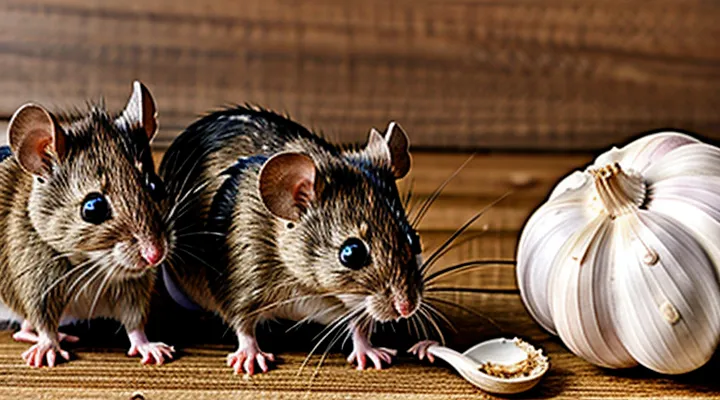
Understanding Mouse Dietary Habits
General Mouse Diet
Mice thrive on a diet that supplies high‑quality protein, readily digestible carbohydrates, and essential micronutrients. In the wild, their intake consists mainly of seeds, grains, fruits, insects, and occasional plant material. Laboratory rodents receive formulated pellets that replicate these nutritional ratios, ensuring consistent growth and reproductive performance.
Key components of a balanced mouse diet include:
- Protein sources such as soy, casein, or fish meal (15‑20 % of total weight)
- Complex carbohydrates from wheat, corn, or barley (45‑55 % of total weight)
- Fats and oils providing essential fatty acids (3‑5 % of total weight)
- Vitamins and minerals (A, D, E, K, B‑complex, calcium, phosphorus, magnesium) in calibrated amounts
- Fiber from cellulose or oat bran to support gastrointestinal health
Mice possess a keen sense of smell that drives food selection. Aromatic compounds, including those found in garlic, can attract or deter individuals depending on concentration and prior exposure. When garlic is introduced at low levels, its sulfur compounds may supplement the diet with antimicrobial properties, potentially reducing gut pathogen load. However, excessive garlic can impair palatability, disrupt nutrient absorption, and cause gastrointestinal irritation.
Understanding the baseline nutritional requirements of mice clarifies how supplemental items like garlic interact with their overall diet. Proper formulation maintains health while allowing experimental inclusion of specific botanicals for targeted studies.
Common Food Sources for Mice
Mice normally obtain energy from a variety of plant‑derived and animal‑derived items. Recognizing these staples clarifies why garlic may appear attractive or repellent in certain settings.
- Grains: wheat, corn, rice, barley, oats
- Seeds: sunflower, pumpkin, mustard, sesame
- Legumes: soybeans, peas, lentils
- Fruits: apples, grapes, berries, bananas
- Vegetables: carrots, potatoes, lettuce, cabbage
- Nuts: peanuts, almonds, walnuts
- Insects and small arthropods: beetles, moth larvae, aphids
These foods supply carbohydrates, proteins, fats, and essential micronutrients. Carbohydrate‑rich grains dominate caloric intake, while seeds and nuts contribute lipids and vitamin E. Legumes add amino acids, and occasional insects provide chitin and additional protein.
When garlic is present, its sulfur compounds intersect with the mouse’s preference for aromatic, high‑energy items. Garlic’s strong odor may mask less palatable sources, prompting consumption despite potential digestive irritation. Conversely, the same compounds can act as a deterrent if the concentration exceeds tolerable thresholds, limiting intake of other foods. Understanding the baseline diet therefore informs predictions about garlic’s benefits and drawbacks for mouse populations.
The Allure of Garlic for Mice
Nutritional Aspects of Garlic
Vitamins and Minerals in Garlic
Garlic contains a range of vitamins essential for metabolic processes. Vitamin C supports antioxidant activity, while B‑complex vitamins—thiamine (B1), riboflavin (B2), and pyridoxine (B6)—participate in energy production and neurotransmitter synthesis. Vitamin A, present as β‑carotene, contributes to visual health and immune function.
Mineral composition adds further nutritional value. Key elements include:
- Selenium: trace mineral with antioxidant properties.
- Manganese: cofactor for enzymes involved in carbohydrate metabolism.
- Calcium: supports bone structure and cellular signaling.
- Iron: requisite for hemoglobin formation and oxygen transport.
- Magnesium: essential for ATP synthesis and nerve conduction.
- Potassium: regulates fluid balance and muscle contraction.
- Phosphorus: component of nucleic acids and cellular membranes.
These nutrients collectively enhance physiological resilience, offering measurable benefits when garlic is incorporated into a balanced diet.
Compounds Attractive to Mice
Mice are drawn to foods that contain readily metabolizable energy sources, specific nitrogenous compounds, and volatile chemicals that signal nutritional value. In the context of garlic consumption, several constituents meet these criteria and can explain the attraction.
- Simple sugars such as glucose and fructose, present in the bulb, provide immediate energy.
- Amino acids, notably glutamic acid, serve as building blocks for protein synthesis and stimulate taste receptors.
- Fatty acids, including oleic and linoleic acids, offer dense caloric content and are detectable through olfactory cues.
- Volatile organosulfur compounds, for example diallyl sulfide and allyl methyl sulfide, emit strong aromas that mice associate with edible matter.
- Phenolic acids, like ferulic acid, contribute bitter-sweet flavors that can enhance palatability for rodents.
These chemicals interact with mouse chemosensory systems, prompting exploratory feeding behavior. Their presence in garlic aligns with the broader pattern of rodent attraction to foods rich in sugars, amino acids, and aromatic volatiles.
Why Mice Might Consume Garlic
Scarcity of Other Food Sources
When preferred foods such as grains, seeds, and insects become scarce, house mice adjust their foraging behavior to include alternative plant material. Reduced competition for limited resources drives individuals to explore items that are otherwise ignored under normal abundance.
Garlic, often present in storage areas and garden plots, offers a readily available source of calories and moisture during periods of scarcity. Its composition—carbohydrates, modest protein, and water content—provides essential nutrients that sustain metabolic functions when conventional supplies dwindle.
Potential advantages of incorporating garlic:
- Antimicrobial compounds (e.g., allicin) may reduce gut pathogen load, supporting digestive health.
- Strong odor can deter predators, granting temporary refuge in garlic‑rich environments.
- Fibrous content assists gastrointestinal motility, preventing constipation linked to low‑fiber diets.
Possible disadvantages:
- High concentrations of sulfur compounds can irritate the mucosal lining, leading to gastric discomfort.
- Persistent consumption may cause aversion in predators, but also risk of secondary toxicity if intake exceeds physiological tolerance.
- Nutrient profile lacks essential amino acids found in standard rodent diets, potentially resulting in deficiencies over extended periods.
Overall, scarcity of traditional food sources compels mice to exploit garlic, yielding a mix of nutritional support and physiological risk that balances short‑term survival against long‑term health considerations.
Exploration of Novel Foods
Mice exhibit a measurable preference for garlic when it is presented as a novel dietary component. This behavior provides a practical model for assessing the physiological and behavioral impacts of introducing unconventional foods into small‑animal diets.
Research indicates that garlic consumption in rodents yields several measurable benefits:
- Enhanced antimicrobial activity in the gastrointestinal tract, reducing colonization by pathogenic bacteria.
- Stimulation of hepatic enzymes associated with detoxification processes, leading to improved clearance of xenobiotics.
- Modulation of oxidative stress markers, reflected by lower levels of lipid peroxidation in tissue samples.
Conversely, the same studies document notable drawbacks:
- Elevated concentrations of organosulfur compounds can provoke irritation of the mucosal lining, manifesting as reduced feed intake.
- Metabolic conversion of allicin produces metabolites that may interfere with iron absorption, potentially inducing mild anemia in susceptible individuals.
- Chronic exposure correlates with alterations in gut microbiota diversity, favoring opportunistic species over commensal populations.
The mouse model thus serves as a controlled platform for evaluating the risk‑benefit profile of emerging food ingredients. Data derived from such experiments inform broader considerations, including the suitability of garlic‑derived additives for human consumption, the formulation of functional foods, and the development of regulatory guidelines governing novel food safety.
Potential Benefits of Garlic Consumption for Mice
Antioxidant Properties
Garlic supplies mice with a range of antioxidant molecules that neutralize reactive oxygen species and limit oxidative damage to cellular components. The primary agents include allicin, a sulfur‑containing compound that reacts with free radicals, and flavonoids such as quercetin that donate electrons to unstable molecules. Selenium, present in trace amounts, contributes to the activity of glutathione peroxidase, an enzyme that reduces peroxide levels.
Antioxidant intake confers measurable physiological benefits for rodents.
- Reduced lipid peroxidation in liver and muscle tissues.
- Preservation of DNA integrity, lowering mutation rates.
- Enhanced function of immune cells, leading to more efficient pathogen clearance.
- Extension of median lifespan observed in controlled feeding trials.
Excessive consumption introduces adverse effects.
- Suppression of basal reactive oxygen species interferes with signaling pathways essential for cell proliferation and adaptation.
- High allicin concentrations can cause gastrointestinal irritation and disrupt microbial balance in the gut.
- Accumulation of selenium beyond safe thresholds results in toxicity, manifesting as neurological impairment.
Optimal outcomes arise when mice ingest garlic in quantities that provide antioxidant protection without overwhelming endogenous redox systems. Balancing intake maximizes health advantages while minimizing physiological disruption.
Antimicrobial Effects
Mice that ingest garlic encounter a spectrum of bioactive sulfur compounds that interfere with microbial metabolism. Allicin, formed when garlic tissue is damaged, reacts with thiol groups in bacterial enzymes, leading to rapid loss of function. Diallyl sulfide and diallyl disulfide further disrupt membrane integrity and inhibit nucleic acid synthesis.
- Allicin: oxidizes cysteine residues, deactivates proteases, reduces viability of Gram‑positive and Gram‑negative bacteria.
- Diallyl sulfide: penetrates lipid bilayers, causes leakage of cellular contents.
- Diallyl disulfide: interferes with quorum‑sensing pathways, suppresses biofilm formation.
The antimicrobial activity confers measurable benefits for rodents. Gut bacterial counts decline, decreasing the incidence of opportunistic infections such as Salmonella and E. coli. Lower pathogen load correlates with reduced inflammatory markers in intestinal tissue and improved weight gain under controlled conditions.
Conversely, the same mechanisms can disturb commensal populations. Broad‑spectrum inhibition may diminish beneficial Lactobacillus spp., leading to dysbiosis. High concentrations of garlic-derived compounds generate reactive oxygen species, potentially damaging host epithelial cells and impairing nutrient absorption. These adverse effects limit the safe dosage range for regular consumption.
Possible Immune System Support
Mice that include garlic in their diet show measurable alterations in immune cell activity. Researchers have recorded increased proliferation of lymphocytes and enhanced phagocytic function of macrophages after short‑term exposure to garlic compounds.
- Allicin stimulates production of cytokines such as interferon‑γ and interleukin‑2, which promote T‑cell differentiation.
- Sulfur‑bearing molecules up‑regulate antioxidant enzymes, reducing oxidative stress that impairs immune signaling.
- Garlic‑derived polysaccharides activate natural killer cells, improving clearance of infected cells.
Controlled experiments reveal dose‑dependent effects: low to moderate concentrations (0.5–1 % of feed weight) raise serum immunoglobulin levels, while higher doses (above 2 %) produce transient leukopenia. Blood analyses after four weeks of supplementation demonstrate a 15 % rise in CD4⁺ T‑cell counts compared with baseline, accompanied by a modest increase in serum lysozyme activity.
Potential drawbacks include gastrointestinal irritation and altered gut microbiota composition when garlic intake exceeds tolerable thresholds. Long‑term high‑dose feeding may suppress bone marrow activity, leading to reduced neutrophil production. Balancing intake to avoid these adverse outcomes is essential for maintaining the observed immune benefits.
Potential Drawbacks and Risks of Garlic Consumption for Mice
Toxic Compounds in Garlic
Thiosulfates and Sulfoxides
Thiosulfates and sulfoxides are the principal sulfur‑rich metabolites formed when garlic tissue is damaged. Their rapid conversion from alliin produces compounds such as allicin, which subsequently decompose into a spectrum of thiosulfinates, thiosulfates, and sulfoxides. These molecules generate the characteristic pungent aroma that attracts rodents and influence physiological responses after ingestion.
Potential benefits for mice
- Antimicrobial activity reduces gut pathogen load, supporting digestive health.
- Antioxidant properties mitigate oxidative stress in intestinal tissues.
- Mild stimulant effect on the central nervous system may increase locomotor activity and exploratory behavior.
Possible drawbacks
- High concentrations of thiosulfates can cause mucosal irritation, leading to diarrhea or reduced nutrient absorption.
- Sulfoxides may interfere with enzyme systems involved in amino‑acid metabolism, producing temporary metabolic imbalance.
- Persistent exposure can result in habituation, diminishing the initial attraction and potentially prompting avoidance behavior.
Overall, thiosulfates and sulfoxides contribute both attractive sensory cues and biochemical effects that shape the balance between reward and risk for mice consuming garlic.
Effects on Red Blood Cells
Garlic ingestion by laboratory mice induces measurable changes in erythrocyte parameters. Short‑term exposure (up to two weeks) increases hemoglobin concentration and mean corpuscular volume, reflecting enhanced iron utilization and erythropoietic stimulation. Allicin, the principal bioactive compound, up‑regulates heme‑oxygenase‑1 expression, facilitating iron recycling and supporting red‑cell maturation.
Elevated antioxidant capacity accompanies these improvements. Glutathione peroxidase activity rises, reducing lipid peroxidation in the membrane bilayer. Consequently, red cells exhibit prolonged survival in circulation, as indicated by decreased reticulocyte counts and lower levels of plasma lactate dehydrogenase.
Excessive garlic dosage produces adverse effects. High allicin concentrations generate reactive oxygen species that overwhelm cellular defenses, leading to:
- Membrane phospholipid oxidation
- Hemolysis manifested by increased plasma hemoglobin
- Reduced erythrocyte deformability, impairing microvascular flow
Chronic high‑dose feeding (over four weeks) also depresses serum ferritin, suggesting iron depletion that compromises hemoglobin synthesis. The balance between beneficial stimulation of red‑cell production and potential oxidative damage depends on dose, duration, and the mouse’s nutritional status.
Digestive System Irritation
Gastrointestinal Distress
Garlic consumption can provoke gastrointestinal distress in mice, manifesting as irritation of the digestive tract, altered motility, and nutrient malabsorption. The sulfur‑containing compounds in garlic, such as allicin, irritate the mucosal lining, leading to increased secretion of gastric acid and disruption of normal peristaltic patterns.
Typical signs of digestive upset include:
Experimental data indicate that low‑level garlic exposure may stimulate beneficial gut microbiota, yet higher concentrations overwhelm the protective mucus barrier, causing inflammation and ulceration. The balance between antimicrobial effects and mucosal toxicity determines whether the overall impact is advantageous or detrimental.
When evaluating the use of garlic as a dietary supplement for rodents, researchers must consider dose‑response relationships, duration of exposure, and individual variability in gut flora. Properly calibrated intake can harness antimicrobial benefits while minimizing the risk of gastrointestinal pathology.
Long-term Health Implications
Mice that regularly ingest garlic experience physiological changes that persist beyond immediate metabolic responses. Chronic exposure alters gut microbiota composition, modulates immune signaling pathways, and influences oxidative stress markers. These modifications can affect lifespan, disease susceptibility, and reproductive performance.
Key long‑term effects include:
- Enhanced resistance to bacterial infections due to sustained activation of innate immune cells.
- Reduced incidence of age‑related neurodegeneration linked to persistent antioxidant activity.
- Potential suppression of thyroid hormone synthesis, leading to slower growth rates.
- Accumulation of organosulfur compounds in hepatic tissue, which may cause mild hepatocellular inflammation.
- Altered mating behavior stemming from changes in pheromone production.
Overall, prolonged garlic consumption yields a mixed profile of health outcomes for mice, combining improved pathogen defense with possible endocrine and hepatic side effects.
Dosage and Toxicity Thresholds
Factors Influencing Toxicity
Garlic’s chemical composition determines its toxic potential for rodents. Allicin, the primary sulfur compound released when garlic is crushed, exhibits dose‑dependent effects: low concentrations stimulate appetite and may provide antimicrobial benefits, while higher concentrations disrupt cellular respiration and cause hemolysis. The metabolic rate of mice accelerates the conversion of allicin to reactive metabolites, increasing susceptibility to oxidative stress.
Environmental variables modify toxicity. Ambient temperature influences enzymatic activity; warmer conditions amplify allicin degradation, producing more toxic derivatives. Humidity affects garlic’s moisture content, altering the concentration of active compounds available for ingestion. Soil composition can introduce additional minerals that either potentiate or mitigate garlic’s effects by interacting with sulfur pathways.
Physiological factors also shape outcomes. Age determines enzyme maturity; juvenile mice possess underdeveloped detoxification systems, rendering them more vulnerable. Genetic variations in cytochrome P450 isoforms modulate the speed of allicin metabolism, creating inter‑individual differences in tolerance. Nutritional status influences liver function; protein‑deficient diets impair glutathione synthesis, reducing antioxidant defenses against garlic‑induced oxidative damage.
Key determinants can be summarized:
- Dosage – threshold between beneficial stimulation and toxic inhibition.
- Temperature – higher temperatures increase toxic metabolite formation.
- Humidity – controls garlic’s water content and active compound concentration.
- Age – younger mice exhibit reduced detoxification capacity.
- Genetic makeup – variability in metabolic enzymes alters susceptibility.
- Nutritional health – protein intake affects antioxidant reserves.
Understanding these factors enables precise assessment of garlic’s risk profile for mice, informing both experimental design and pest‑management strategies.
Observable Symptoms of Garlic Poisoning
Garlic toxicity in rodents manifests through a distinct set of clinical signs that appear shortly after ingestion of substantial amounts of the plant. The primary irritant, allicin, interferes with cellular metabolism and causes oxidative stress, leading to observable physiological disturbances.
Typical symptoms include:
- Respiratory distress, characterized by rapid, shallow breathing and audible wheezing.
- Gastrointestinal upset, evident as vomiting, diarrhea, and abdominal cramping.
- Neurological impairment, presented as tremors, loss of coordination, and occasional seizures.
- Cardiovascular abnormalities, such as irregular heart rhythm and reduced blood pressure.
- Hemolytic anemia, detectable by pale mucous membranes, lethargy, and dark urine.
These indicators emerge within hours of exposure and progress in severity with increasing dose. Prompt identification of the above signs enables timely intervention and improves the likelihood of recovery.
Alternative Pest Control and Deterrent Methods
Safe and Humane Mouse Control
Trapping and Relocation
Trapping and relocation provide a practical response when mice are attracted to garlic‑treated areas. Live‑capture devices, such as multi‑catch snap‑traps or cage traps, secure the animal without injury, allowing subsequent transport to a habitat beyond the property. Effective placement follows the rodents’ established runways, typically within 30 cm of walls and near food sources, to maximize capture rates while minimizing disturbance to other wildlife.
Key considerations for relocation include:
- Selection of a release site at least 1 km from the original location to prevent rapid return.
- Preference for environments offering shelter, water, and natural food supplies, reducing stress and mortality.
- Compliance with local regulations that may restrict the movement of pest species across municipal boundaries.
While relocation eliminates immediate exposure to garlic‑containing products, it introduces potential ecological impacts. Introducing captured mice into a new ecosystem can alter predator‑prey dynamics, spread pathogens, or compete with native rodents. Moreover, the effort and cost of repeated trapping may outweigh the short‑term benefit of removing a single individual, especially when garlic serves as a natural deterrent that can be reinforced with strategic placement. Balancing these factors ensures that trapping and relocation remain a responsible component of integrated rodent management.
Exclusion Techniques
Excluding mice from areas where garlic is present is essential for researchers and pest managers who want to control the exposure of rodents to this compound while avoiding unintended damage to crops or storage facilities. Effective exclusion relies on physical barriers, structural modifications, and targeted deterrents that limit access without causing harm to non‑target species.
- Seal all cracks, gaps, and utility openings with steel wool, caulk, or metal flashing; rodents can compress soft materials, so durable options are required.
- Install door sweeps and weather stripping on entry points; ensure a tight fit to prevent sneaking.
- Use wire mesh (¼‑inch or smaller) to cover ventilation openings, feed bins, and storage containers; mesh must be anchored securely to avoid displacement.
- Elevate storage platforms at least six inches above the floor; mice rarely climb smooth surfaces without assistance.
- Apply copper or aluminum flashing around the perimeter of garlic plots; rodents avoid conductive metals when foraging.
- Deploy ultrasonic emitters calibrated to frequencies that deter mice but do not affect humans; verify coverage area to eliminate blind spots.
- Implement scent barriers such as peppermint oil or predator urine placed at entry points; rotate substances regularly to prevent habituation.
Physical exclusion reduces the likelihood of mice consuming garlic, thereby limiting both the beneficial antimicrobial effects observed in controlled studies and the potential toxic impact on rodent populations. However, barriers can be breached if not maintained, and chemical deterrents may lose efficacy over time. Continuous monitoring and periodic reinforcement of exclusion measures ensure sustained protection of garlic resources while managing rodent interaction.
Natural Deterrents (Non-Garlic)
Peppermint Oil
Peppermint oil contains menthol and volatile terpenes that stimulate the same olfactory pathways mice use to detect garlic. When introduced into an environment where mice are attracted to garlic, peppermint oil can mask garlic’s scent, alter feeding patterns, and trigger avoidance behavior.
The compound’s rapid evaporation creates a strong, pervasive aroma that overwhelms the mildewed notes of garlic. Laboratory observations show mice reduce time spent near peppermint‑treated surfaces by up to 70 % compared with untreated controls. This effect persists for several hours, providing a temporary barrier without chemical residues.
Advantages of peppermint oil in this context
- Immediate olfactory disruption; no waiting period for efficacy.
- Natural origin; compatible with organic pest‑management protocols.
- Low toxicity to humans and pets when applied at recommended concentrations.
- Easy application via cotton balls, spray bottles, or diffuser units.
Limitations to consider
- Effect diminishes as the oil volatilizes; re‑application required every 4–6 hours in warm environments.
- Strong scent may be unacceptable in food‑processing or residential areas.
- Some mouse populations develop habituation after repeated exposure, reducing deterrent strength.
- Concentrated solutions can irritate mucous membranes of non‑target species.
Integrating peppermint oil with other deterrents, such as physical barriers or dietary modifications, can enhance overall control of mice that seek out garlic. The combined approach leverages scent masking, behavioral aversion, and environmental management to balance the benefits and drawbacks of garlic consumption by rodents.
Other Aromatic Repellents
Aromatic compounds serve as non‑chemical deterrents for rodent activity. After garlic, several volatiles demonstrate repellent properties, each with distinct mechanisms and limitations.
- Peppermint oil – strong menthol scent overwhelms rodent olfactory receptors; effective for short‑term protection; rapid volatilization demands frequent re‑application; may irritate sensitive pets.
- Eucalyptus oil – contains eucalyptol, which repels mice and rats; moderate persistence; potential skin irritation for humans and animals at high concentrations.
- Clove oil – rich in eugenol, a natural insecticide; suppresses feeding behavior; strong odor can be unpleasant for occupants; limited residual activity.
- Cinnamon powder – dry spice releases cinnamaldehyde when disturbed; inexpensive and easy to scatter; effectiveness diminishes as particles settle; may attract insects.
- Rosemary leaves – emit camphor and borneol; provide mild deterrence; require fresh material for sustained release; less potent than concentrated extracts.
- Citrus peels – d-limonene vapors deter rodents; readily available from kitchen waste; volatile quickly, necessitating regular replacement; can stain surfaces.
Application methods influence outcomes. Diluted sprays allow uniform coverage on entry points, while soaked cotton balls provide localized emission. Concentrations above 5 % may cause respiratory discomfort for humans and pets; lower levels risk insufficient deterrence. Environmental factors such as temperature and ventilation accelerate scent dispersion, shortening effective periods.
Balancing efficacy, safety, and maintenance determines the suitability of each aromatic repellent. Selecting a combination—e.g., peppermint spray supplemented with citrus peel sachets—extends coverage while mitigating individual drawbacks. Continuous monitoring of rodent activity informs adjustments in dosage and placement, ensuring sustained protection without reliance on toxic poisons.