
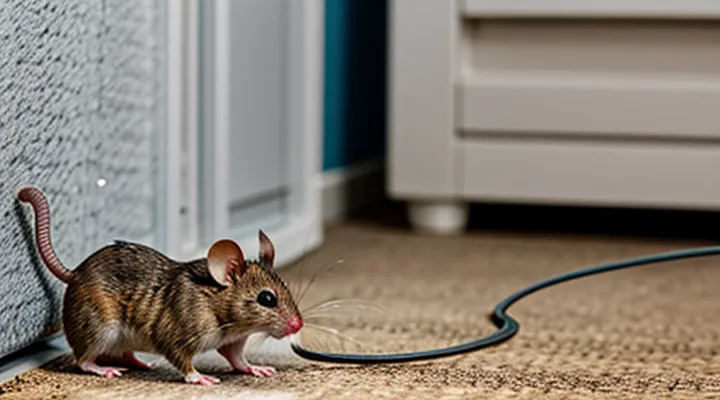
Understanding Rodent Behavior
Instinctual Needs
Gnawing for Dental Health
Mice possess incisors that grow throughout life; continuous gnawing prevents over‑growth and maintains a functional bite. The act of chewing also sharpens teeth, removes enamel excess, and stimulates blood flow within the jawbone, supporting overall oral health.
Dental maintenance drives rodents to seek objects of appropriate hardness. Insulated copper, plastic coating, and synthetic fibers provide the resistance needed to wear down teeth efficiently. The texture of wire insulation mimics natural food sources, making it an attractive target for animals focused on dental upkeep.
Prevention measures focus on eliminating access and offering alternatives:
- Seal cracks, gaps, and openings in walls, foundations, and utility conduits.
- Install metal or hard‑plastic barriers around cables, preventing direct contact.
- Provide chew‑safe materials such as wooden blocks, mineral blocks, or specially designed rodent toys.
- Apply non‑toxic deterrents (e.g., bitter agents) to cable surfaces; reapply regularly.
- Maintain a clean environment, removing food debris and nesting material that attract rodents.
Implementing these steps reduces the incentive for gnawing and protects electrical infrastructure from damage.
Exploration and Curiosity
Mice approach unfamiliar objects with a strong drive to investigate, a behavior rooted in survival. When a wire protrudes into their path, the combination of tactile stimulation and the scent of insulation triggers exploratory gnawing. This activity satisfies the need to test material properties, assess potential threats, and acquire sensory feedback.
The following factors intensify curiosity‑driven chewing:
- Presence of loose or exposed cables that invite tactile interaction.
- Warmth emitted from active conductors, creating a subtle temperature gradient.
- Residual food odors on or near wiring, linking the object to a potential food source.
- Lack of alternative enrichment, directing attention toward available structures.
Preventive strategies target the underlying exploratory impulse:
- Encase cables in rigid conduit or metal sheathing, eliminating tactile cues.
- Apply bitter-tasting, non‑toxic deterrents to the outer surface, discouraging oral investigation.
- Install physical barriers such as mesh or sealed conduit runs, restricting access routes.
- Provide enrichment devices—nesting materials, tunnels, chew toys—to satisfy the innate desire to explore and gnaw.
By addressing the curiosity that motivates rodents to interact with electrical components, damage can be reduced while respecting the animals’ natural investigative behavior. «Mice explore their environment through gnawing», a principle that guides effective prevention.
Attractants and Environmental Factors
Food Sources and Shelter
Mice are drawn to environments where food is readily available and shelter is easy to construct. Unsecured food remnants, open pantry bags, and pet feed left on the floor provide a constant nutrient source. In addition, cluttered storage areas, gaps behind appliances, and loose insulation create ideal nesting sites. The combination of abundant sustenance and protected hiding places encourages rodents to explore nearby structures, including electrical wiring, which offers both a pathway and a source of gnawed material.
«Mice gnaw on wires to sharpen incisors and to create access routes through confined spaces». When food and shelter are abundant, the incentive to breach barriers increases, leading to higher incidences of wire damage. Reducing these attractants directly lowers the likelihood of chewing behavior.
Prevention measures:
- Store all food in sealed, rodent‑proof containers.
- Clean spills immediately and dispose of waste in closed bins.
- Eliminate clutter; keep storage areas organized and free of cardboard or fabric scraps.
- Seal entry points with steel wool or metal mesh, focusing on gaps around pipes and vents.
- Inspect insulation for damage and replace with wire‑protected conduit where necessary.
Warmth and Security
Mice are attracted to the heat generated by electrical cables, especially when insulation creates a micro‑environment that feels safe. The combination of warmth and concealment satisfies rodents’ need for a protected resting place, encouraging them to gnaw on nearby wires to expand their nest or to access the heat source directly.
- Warm insulated conduits maintain a stable temperature, reducing the energy mice must expend to stay warm.
- Enclosed spaces around cables hide movement, decreasing exposure to predators and increasing perceived security.
- Chewing behavior serves both to test material suitability and to enlarge the nest cavity, reinforcing the comfortable micro‑habitat.
Prevention focuses on eliminating these incentives.
- Replace unshielded wiring with metal‑clad or conduit that disperses heat and prevents access.
- Install rodent‑proof barriers, such as steel mesh or hardened sleeves, around vulnerable sections.
- Reduce ambient temperature near cables by improving ventilation and removing unnecessary heat sources.
- Apply non‑toxic repellents or ultrasonic devices to discourage habitation in proximity to wiring.
- Conduct regular inspections to detect early signs of gnawing and repair damage promptly.
By removing the thermal and protective benefits that wires provide, the motivation for rodents to chew diminishes, protecting both the electrical system and the surrounding infrastructure. «Mice seek warmth and shelter; denying these conditions curtails destructive behavior».
Access Points and Entry
Mice reach wiring systems through small openings that provide direct pathways from exterior walls, floor joists, and utility penetrations. Cracks around foundation slabs, gaps around vent pipes, and improperly sealed cable sleeves create continuous corridors that rodents exploit to navigate indoor spaces and reach electrical components.
Typical access points include:
- Gaps larger than ¼ inch in baseboards or trim.
- Unsealed holes around plumbing, HVAC ducts, and cable bundles.
- Openings behind appliances where insulation is absent.
- Damaged or missing weather‑stripping on doors and windows.
Preventive actions focus on eliminating these routes. Install steel‑wool or copper mesh in all cracks, apply expanding foam sealant to voids around pipes, and use rigid conduit for cable entries. Ensure that vent covers are fitted with fine mesh screens, and replace worn weather‑stripping with durable silicone seals. Regular inspection of structural joints and prompt repair of any breach maintain a continuous barrier that discourages rodents from reaching conductive elements.
The Dangers of Wire Chewing
Electrical Hazards
Fire Risks
Mice gnawing on electrical cables creates a direct pathway for fire ignition. The insulation layer is compromised, allowing exposed conductors to contact combustible materials or generate short circuits. Heat generated by a short circuit can reach ignition temperature within seconds, especially when surrounding insulation or nearby flammable objects are present.
Rodent activity intensifies fire risk through three primary mechanisms:
- Removal of protective insulation exposes live wires to dust, lint, and dry vegetation.
- Damaged conductors produce arcing, which can ignite surrounding fibers.
- Repeated chewing creates multiple weak points, increasing the probability of a catastrophic failure.
Fire incidents linked to rodent‑induced wiring damage account for a measurable portion of residential losses. Reports from fire departments indicate that up to 15 % of electrical fires involve evidence of gnawed cables.
Preventive actions reduce hazard exposure:
- Seal entry points with steel mesh or concrete to block rodent access.
- Install conduit or armored cable in vulnerable areas.
- Use rodent‑resistant insulation materials such as stainless‑steel sheathing.
- Deploy bait stations or ultrasonic deterrents near cable runs.
- Conduct regular visual inspections, focusing on junction boxes and concealed wiring.
«Mice are attracted to the warmth of electrical conductors», a statement from pest‑control research, underscores the need for thermal barriers. Implementing the measures above limits the opportunity for rodents to reach heat sources, thereby lowering the likelihood of fire occurrence.
Power Outages
Mice gnawing on electrical conductors creates exposed conductors, short circuits, and equipment failure, which directly trigger power interruptions. The behavior stems from an innate need to wear down continuously growing incisors; soft insulation offers an accessible material.
Environmental factors increase the likelihood of wire damage. Warm indoor spaces, abundant food residues, and cluttered storage provide shelter and motivate foraging. Open gaps in walls, foundations, or conduit junctions serve as entry routes, allowing rodents to reach vulnerable cables.
Mitigating outages requires a systematic approach:
- Seal all exterior openings larger than ¼ inch with steel mesh or cement.
- Replace vulnerable PVC sheathing with rodent‑resistant metal conduit.
- Install protective sleeves or metal plates around high‑risk cable sections.
- Conduct quarterly visual inspections of wiring, focusing on junction boxes and attic spaces.
- Deploy snap traps or ultrasonic deterrents in identified activity zones.
- Maintain a clean environment: eliminate food crumbs, store waste in sealed containers, and reduce clutter.
«Approximately 30 % of residential power failures are linked to rodent‑induced wiring damage». Implementing the measures above reduces exposure of conductors, limits chewing incidents, and stabilizes electricity supply.
Electrical Shocks
Mice that gnaw insulated cables expose the conductor’s metal core, creating a direct path for electrical current to flow through the animal’s body. The resulting electrical shock can cause severe tissue damage, cardiac arrest, or fatality, depending on voltage and duration of contact.
The shock mechanism involves several factors:
- Contact between the animal’s nervous system and the live conductor.
- Low resistance of moist fur and saliva, which amplifies current flow.
- High voltage levels typical of household and industrial wiring.
Preventive measures focus on eliminating access and reducing attraction:
- Install rigid conduit or metal raceways to shield cables from chewing.
- Apply rodent‑resistant cable jackets made of steel‑braided or ceramic‑coated materials.
- Seal entry points with steel mesh or cement to block rodents from entering wall cavities.
- Maintain a clean environment free of food debris that could attract mice.
- Deploy ultrasonic repellent devices calibrated for rodent frequencies.
Regular inspection of wiring for signs of gnawing, such as exposed conductors or chew marks, allows early intervention before a shock incident occurs. Professional electricians should verify the integrity of protective installations and replace compromised sections promptly.
Damage to Property
Appliance Malfunctions
Mice gnawing on electrical wiring directly compromises the operation of household appliances. When insulation is breached, short circuits develop, power surges occur, and critical components such as motors, heating elements, and control boards fail. The resulting malfunction can range from intermittent performance loss to complete device shutdown, often accompanied by a distinct burnt odor or visible damage to cords.
Key mechanisms behind appliance failure include:
- Exposure of conductive cores, allowing unintended current paths.
- Overheating of damaged sections, leading to melting of internal parts.
- Disruption of signal lines, causing erratic control responses.
- Corrosion accelerated by moisture entering chewed gaps.
Preventive actions focus on eliminating access points and deterring rodent activity:
- Seal gaps around walls, floors, and entryways with steel wool or caulking.
- Install conduit or metal sheathing for vulnerable wiring runs.
- Deploy ultrasonic repellents or scent‑based deterrents in high‑risk zones.
- Maintain a clean environment, removing food residues that attract rodents.
- Conduct regular visual inspections of cords and replace any showing signs of wear.
Implementing these measures reduces the likelihood of wire damage, thereby preserving appliance functionality and extending equipment lifespan.
Vehicle Wiring Damage
Rodents gnaw vehicle wiring because insulation provides a soft, insulated surface that mimics natural nesting material. Chewing creates exposed conductors, short circuits, and intermittent power loss, which can disable essential systems such as lighting, engine control units, and safety sensors. Damage often remains hidden until failure occurs, leading to costly repairs and safety hazards.
Key factors that increase the likelihood of wiring damage:
- Warm engine compartments create a stable temperature favorable for nesting.
- Accumulated debris and insulation fragments attract rodents seeking shelter.
- Vehicles parked for extended periods without motion allow rodents to establish burrows.
Prevention strategies focus on eliminating attractants and creating physical barriers:
- Install rodent‑resistant conduit or metal sleeves around critical harnesses.
- Apply non‑toxic deterrent sprays containing peppermint oil or capsaicin to exposed cables.
- Seal entry points with steel mesh or silicone caulk, especially around vents and undercarriage openings.
- Use ultrasonic repellers calibrated for the frequency range that rodents find uncomfortable.
- Schedule regular inspections, looking for gnaw marks, droppings, or nesting material near wiring bundles.
Maintenance practices that support long‑term protection:
- Clean engine bays of food residues and plant matter after each use.
- Rotate parked vehicles periodically to disrupt rodent activity patterns.
- Store vehicles in well‑ventilated, rodent‑proof garages equipped with traps or monitoring devices.
Implementing these measures reduces the risk of wiring compromise, preserves vehicle reliability, and minimizes downtime caused by rodent‑induced electrical failures.
Structural Damage
Mice gnawing on electrical and communication cables compromises the physical integrity of building components. Severed insulation exposes conductive cores, creating short circuits that can melt surrounding materials, warp metal conduits, and weaken structural joints. Repeated damage often forces replacement of wall panels, flooring, and ceiling sections to restore safety standards.
The behavior stems from rodents’ instinctive need to wear down continuously growing incisors. When wires provide a convenient, low‑resistance surface, chewing accelerates degradation of protective sheaths. Resulting heat and arcing may ignite nearby combustible insulation, leading to localized fires that further erode load‑bearing elements.
Prevention measures include:
- Sealing all potential entry points with steel mesh or cement‑based caulking.
- Installing conduit made of hard‑polymer or metal that resists gnawing.
- Placing snap‑traps or live‑catch traps in high‑activity zones.
- Deploying ultrasonic or ultrasonic‑frequency emitters calibrated to deter rodents without affecting occupants.
- Conducting quarterly visual inspections of exposed wiring and structural connections, documenting any signs of bite marks or frayed insulation.
Implementing these actions reduces the likelihood of wire‑related structural degradation and preserves the overall durability of the facility.
Effective Prevention Strategies
Exclusion Techniques
Sealing Entry Points
Mice gain access to buildings through gaps that appear around foundations, utility penetrations, and structural joints. Unsealed openings provide a direct route to interior spaces where wiring is exposed, encouraging gnawing behavior that can damage electrical systems.
Effective sealing of entry points involves the following actions:
- Inspect exterior walls, crawl spaces, and attics for cracks larger than ¼ inch; fill with expandable polyurethane foam or cement‑based sealant.
- Install metal flashing around vent pipes, cable conduits, and utility lines; secure with stainless‑steel screws to prevent rodent intrusion.
- Apply weather‑resistant caulk to gaps around doors, windows, and foundation walls; prioritize areas where wiring passes through.
- Use steel wool or copper mesh as a secondary barrier inside larger holes before applying sealant, creating a physical obstacle that rodents cannot bite through.
- Conduct regular maintenance checks, especially after seasonal weather changes, to identify new openings and reinforce existing seals.
By eliminating pathways, the likelihood of rodents reaching and damaging cables diminishes, protecting both infrastructure and safety.
Securing Vents and Pipes
Mice infiltrate building cavities through unsealed vents and exposed pipework, seeking shelter and easy travel routes. Gaps as small as a quarter‑inch provide sufficient entry, allowing rodents to reach areas where electrical cables are routed and begin gnawing to sharpen teeth or create nesting material.
Securing vents and pipes reduces the likelihood of rodent access and consequent wire damage. Effective measures include:
- Installing metal mesh or stainless‑steel screens over all ventilation openings; mesh should have openings no larger than ¼ inch.
- Applying continuous caulking or expanding foam to seal seams around pipe penetrations, especially where PVC, copper, or metal conduits pass through walls or floors.
- Using hardened pipe sleeves or conduit clamps that cover exposed sections and prevent rodents from biting directly into the conduit wall.
- Inspecting and repairing any damage to existing vent covers or pipe insulation promptly, as compromised areas become immediate entry points.
Regular inspection schedules reinforce these protections. Maintenance personnel should verify the integrity of screens, sealants, and pipe coverings at least quarterly, documenting any signs of wear, displacement, or gnaw marks. Prompt replacement of deteriorated components eliminates potential pathways before rodents can exploit them.
By eliminating ingress routes through vents and pipework, the risk of rodents reaching and chewing electrical wiring diminishes markedly, safeguarding both equipment functionality and fire safety.
Using Rodent-Proof Materials
Rodent‑proof materials reduce the likelihood that mice will gnaw electrical cables by eliminating accessible, attractive surfaces. Rigid, non‑edible components create a barrier that mice cannot easily breach, thereby protecting infrastructure and preventing costly outages.
- Steel mesh (gauge ≥ 1 mm) – resists chewing, can be wrapped around conduit.
- Ceramic conduit sleeves – inert, smooth, no scent cues for rodents.
- Polyethylene‑coated cable – tough outer layer, deters biting.
- Concrete encasement – permanent barrier for buried wiring.
- Fiber‑reinforced polymer (FRP) covers – high tensile strength, resistant to gnawing.
Installation should follow these steps: seal all entry points, apply the selected material to exposed sections, secure joints with metal clamps, and inspect regularly for signs of wear. Combining multiple barriers increases effectiveness, especially in high‑risk environments such as attics and crawl spaces.
Deterrent Methods
Ultrasonic Devices
Ultrasonic devices emit high‑frequency sound waves that are inaudible to humans but distress rodents, prompting them to vacate treated areas. The technology does not rely on chemicals, making it suitable for environments where toxicity is a concern.
Key characteristics of effective ultrasonic repellents include:
- Frequency range between 20 kHz and 65 kHz, covering the hearing spectrum of most mouse species.
- Adjustable timer settings to provide continuous operation during periods of high rodent activity.
- Integrated sensors that modulate output based on ambient noise, conserving energy and reducing unnecessary exposure.
Installation guidelines focus on strategic placement near vulnerable wiring bundles. Devices should be mounted at a height of 12–18 inches, facing the cable conduit, and spaced no more than 10 ft apart in larger installations. Regular cleaning of the unit’s acoustic grille prevents dust accumulation that could diminish sound transmission.
Maintenance involves periodic verification of battery health or power‑supply stability. Replacement intervals typically range from six months to one year, depending on usage intensity. Monitoring rodent activity with visual inspections or motion sensors confirms the efficacy of the ultrasonic system and informs any required adjustment of device density.
When combined with physical barriers such as conduit sleeves and proper sanitation, ultrasonic repellents constitute a non‑lethal, low‑maintenance component of a comprehensive strategy to mitigate wire damage caused by rodents.
Repellents (Natural and Chemical)
Mice gnawing on electrical wiring poses a fire hazard and can cause costly repairs. Repellents, both natural and chemical, constitute an essential component of an integrated prevention strategy.
Natural repellents rely on strong odors that mice find aversive. Common options include:
- Peppermint oil: apply a few drops to cotton balls and place them near entry points and cable bundles.
- Clove oil: similar application method; the volatile compounds deter rodents.
- Dry cayenne pepper or crushed red pepper flakes: sprinkle around exposed wiring and in concealed spaces.
- Ultrasonic devices: emit high‑frequency sounds beyond human hearing; frequencies disrupt rodent activity.
Chemical repellents provide a more persistent barrier. Effective formulations typically contain:
- Rodenticide‑based sprays: contain active ingredients such as bromadiolone or difenacoum; applied directly to the surface of wires, creating a toxic deterrent.
- Bittering agents: compounds like denatonium benzoate make the wire coating unpalatable; coating can be refreshed periodically.
- Insecticide‑grade repellents: products with pyrethroids create an irritant effect without lethal toxicity, suitable for environments where rodenticide use is restricted.
Implementation guidelines:
- Identify vulnerable cable sections, especially those near walls, cabinets, or concealed conduits.
- Clean the area to remove food residues that could mask repellent odors.
- Apply the chosen repellent according to manufacturer instructions, ensuring even coverage.
- Monitor rodent activity for two weeks; reapply or rotate repellents if signs of chewing persist.
Combining natural and chemical methods enhances efficacy, reducing the likelihood of mice adapting to a single deterrent. Regular inspection and maintenance of repellent applications sustain protection against rodent damage to wiring.
Trapping and Removal
Mice gnaw electrical cables because the material provides a source of protein and the heat generated by current mimics a warm shelter. When rodents infiltrate a building, immediate action to capture and eliminate them reduces the risk of short circuits, fire hazards, and costly repairs.
Effective capture methods include:
- Snap traps: rapid, lethal, positioned perpendicular to travel routes.
- Live‑catch traps: allow relocation, require frequent monitoring to prevent stress.
- Electronic traps: deliver a high‑voltage pulse, ensure immediate death, minimal mess.
Placement guidelines:
- Align traps along walls, behind appliances, and near known entry points.
- Space devices 12–18 inches apart to cover probable paths.
- Use bait such as peanut butter or dried fruit, securing it firmly to prevent theft.
Removal procedure:
- Wear disposable gloves, handle each trap with a sealed container.
- Dispose of dead rodents in a sealed bag, followed by thorough disinfection of the area.
- Seal gaps larger than ¼ inches with steel wool, caulk, or metal flashing to block re‑entry.
Integrating trapping with broader control measures—such as eliminating food sources, maintaining dry conditions, and installing door sweeps—creates a comprehensive defense against wire damage. Prompt, systematic capture and proper disposal of mice are essential components of any rodent‑damage mitigation plan.
Maintaining a Clean Environment
Food Storage and Sanitation
Improper food storage creates an accessible food source that draws mice into residential and commercial spaces. Open containers, crumb‑laden surfaces, and unsealed pantry doors provide a reliable nutrient supply, encouraging rodents to explore nearby structures, including electrical wiring.
Sanitation reduces the attractiveness of an environment by eliminating food residues and limiting water availability. Regular removal of waste, prompt cleaning of spills, and maintenance of dry floors deprive mice of the sustenance needed to establish foraging routes that intersect with cables.
Key preventive actions include:
- Sealing all food in airtight containers made of metal or heavy‑wall plastic.
- Emptying trash bins daily and using bins with tight‑fitting lids.
- Sweeping and mopping floors multiple times per week to remove crumbs.
- Storing pet food in locked cupboards and removing uneaten portions after each feeding.
- Inspecting storage areas for signs of gnawing and repairing any openings.
When food sources are controlled and sanitation standards are upheld, the likelihood of mice encountering and chewing wires declines markedly, lowering the risk of electrical failures and fire hazards.
Eliminating Clutter
Eliminating clutter reduces the likelihood that rodents encounter and gnaw on exposed wiring. A tidy environment limits hiding places, making it easier to detect and seal potential entry points. When debris and unnecessary items are removed, inspection of cable routing becomes more thorough, allowing prompt repair of damaged insulation before mice can exploit it.
Key actions for clutter reduction include:
- Removing stored boxes, papers, and unused equipment from areas near electrical panels.
- Organizing cables with zip ties or conduit to prevent loose strands that attract gnawing.
- Maintaining a regular cleaning schedule to keep floors and shelves free of dust and droppings.
- Disposing of food remnants and packaging that could serve as bait.
By keeping workspaces and storage zones orderly, the visual and physical cues that draw rodents away from critical infrastructure are minimized. This approach complements broader pest‑management strategies, creating a less inviting habitat for mice and decreasing the risk of wire damage.
Regular Inspections
Regular inspections are essential for detecting early signs of rodent activity that can compromise electrical systems. Systematic visual checks and physical probes identify gnaw marks, droppings, and nesting materials before damage becomes severe.
- Inspect high‑risk areas (attics, basements, crawl spaces) at least monthly during warm seasons and quarterly during cooler periods.
- Increase frequency to weekly in facilities with known infestations or abundant food sources.
- Document each visit with date, location, observed evidence, and corrective actions taken.
Key indicators include fresh gnaw marks on insulation, shredded cable jackets, small holes near entry points, and the presence of urine stains or fecal pellets. Use a flashlight and a flexible inspection mirror to reach concealed spaces. When evidence is found, seal entry points, replace damaged wiring, and apply appropriate rodent deterrents.
Maintain a centralized log that records inspection dates, findings, and remediation steps. Trend analysis of the log highlights recurring problem zones and informs adjustments to inspection schedules. Integrating regular inspections with exclusion measures, sanitation practices, and baiting programs creates a comprehensive defense against wire damage caused by rodents.
What to Do If You Suspect Rodent Activity
Identifying Signs
Droppings and Gnaw Marks
Droppings and gnaw marks provide the most reliable evidence of rodent intrusion in electrical systems. Fresh droppings appear as small, dark pellets, typically 3–5 mm in length, clustered near cables, junction boxes, or insulation. Their presence confirms active foraging and indicates that mice are close enough to reach conductive components. Gnaw marks manifest as shallow, parallel grooves on plastic sheathing, rubber grommets, and exposed copper. These incisions usually measure 1–2 mm in depth and follow a characteristic semicircular pattern, reflecting the rodents’ incisors and their instinct to maintain tooth length.
Identifying these signs enables targeted intervention. The following steps reduce the risk of wire damage once evidence is found:
- Inspect all visible wiring for droppings and gnaw marks; prioritize areas near entry points, vents, and food storage zones.
- Seal entry points with steel wool, copper mesh, or silicone caulk to prevent further ingress.
- Install rodent‑resistant conduit, such as metal tubing or hardened PVC, around vulnerable cable runs.
- Deploy bait stations or snap traps strategically near identified activity zones, ensuring compliance with safety regulations.
- Maintain a clean environment: eliminate food residues, store waste in sealed containers, and regularly vacuum droppings to remove scent trails.
Regular monitoring of droppings and gnaw marks, combined with physical barriers and humane control measures, significantly lowers the probability that mice will compromise electrical integrity. Continuous documentation of findings supports early detection and informs maintenance schedules, preserving both equipment functionality and safety.
Squeaking and Scratching Noises
Squeaking and scratching noises frequently precede visible damage to electrical cables. The sounds arise when rodents move through insulation, nest in confined spaces, or test the integrity of a wire with their incisors. High‑frequency squeaks indicate agitation or territorial disputes, while repetitive scratching marks the presence of a burrow or a pathway adjacent to a conduit.
These auditory cues serve as early warnings of potential wire compromise. When the noises are consistently detected near wall cavities, floor joists, or appliance cords, the likelihood of subsequent gnawing increases sharply. Early identification allows intervention before insulation is breached, reducing fire risk and costly repairs.
Preventive actions focus on eliminating access, monitoring activity, and deterring chewing behavior. Effective measures include:
- Sealing gaps larger than ¼ inch with steel wool and caulking to block entry points.
- Installing snap‑tight wire covers or conduit sleeves around vulnerable sections.
- Placing snap traps or live‑catch traps in areas where noises are heard.
- Deploying ultrasonic emitters calibrated to frequencies that disrupt rodent communication.
- Conducting routine visual inspections of wiring, especially in basements, attics, and behind appliances.
Prompt response to squeaking and scratching noises mitigates the progression from audible disturbance to physical wire damage, preserving electrical safety and system reliability.
Unexplained Power Issues
Unexplained power issues frequently manifest as intermittent outages, unexplained voltage drops, or sudden circuit trips. In many cases, the underlying cause is physical damage to electrical wiring that is not immediately visible during routine inspections.
Mice gnaw on insulation to maintain tooth length and to access nesting material. The resulting exposure of conductors creates short‑circuit pathways, leading to erratic power flow. Even minor bites can compromise shielding, allowing moisture ingress and corrosion, which further destabilizes electrical performance.
Detection relies on systematic examination of suspect areas. Visual inspection of cable bundles, especially near wall voids and equipment enclosures, often reveals bite marks. Thermal imaging highlights localized heating that corresponds to increased resistance at damaged points. Continuous monitoring of load profiles can identify irregular fluctuations indicative of intermittent contact.
Prevention measures include:
- Sealing all potential entry points with steel mesh or cement‑based caulk.
- Installing rodent‑resistant conduit (e.g., metal armored cable) in vulnerable zones.
- Placing snap‑type traps or electronic deterrents in proximity to known nesting sites.
- Applying non‑toxic repellents formulated for gnawing rodents, refreshed according to manufacturer guidelines.
- Scheduling quarterly inspections that combine visual checks with thermal scans.
Implementing these actions reduces the likelihood that rodent activity will translate into unpredictable electrical failures, thereby enhancing system reliability.
Professional Pest Control
When to Call an Expert
Mice damage to electrical wiring can progress from minor gnawing to serious fire hazards. Recognizing the point at which professional intervention becomes necessary protects equipment, property, and safety.
Signs that indicate an expert should be consulted include:
- Visible bite marks on insulated cables, especially in concealed areas such as walls, ceilings, or behind appliances.
- Repeated short circuits or tripped breakers that persist after basic cleaning or trap placement.
- Unexplained odors of burnt insulation or overheating components.
- Evidence of nesting material mixed with wiring, suggesting an established rodent colony.
- Inability to locate the source of damage after thorough inspection of accessible routes.
When any of these conditions appear, contact a licensed pest‑control technician or an electrician with rodent‑damage experience. Prompt professional assessment ensures proper removal of infestations, safe repair of compromised wiring, and implementation of long‑term exclusion measures. Delaying action increases the risk of electrical failure, costly repairs, and potential injury.
Integrated Pest Management
Integrated Pest Management (IPM) provides a systematic framework for reducing rodent damage to electrical wiring. The approach combines accurate monitoring, habitat modification, physical barriers, and targeted control measures to address the underlying reasons mice gnaw on cables.
Effective IPM begins with thorough inspection. Technicians identify signs of activity, locate entry points, and map wiring routes most vulnerable to gnawing. Data collected during this phase guides subsequent actions and ensures resources are directed where risk is highest.
Habitat modification reduces attractiveness of the environment. Practices include:
- Removing food residues and spillage that sustain rodent populations.
- Storing waste in sealed containers to eliminate easy foraging sources.
- Maintaining clear zones around equipment to prevent nesting in concealed spaces.
Physical exclusion prevents access to wiring. Strategies involve sealing cracks, installing metal mesh around conduit openings, and using conduit sleeves that resist chewing. Materials selected for barriers must be durable and compatible with existing infrastructure.
Mechanical and biological controls address existing infestations. Options comprise:
- Snap traps positioned along identified runways, positioned to minimize non‑target capture.
- Live‑capture devices for relocation, employed when humane considerations are paramount.
- Predatory deterrents, such as ultrasonic emitters, used as supplemental measures.
Chemical controls are reserved for severe cases. Rodenticides are applied strictly according to label instructions, confined to tamper‑resistant stations, and monitored to avoid collateral damage to personnel or wildlife.
Evaluation completes the IPM cycle. Continuous monitoring records trap success, damage incidence, and population trends. Results inform adjustments to sanitation protocols, barrier integrity, and control tactics, ensuring long‑term reduction of wiring damage caused by rodents.
Long-Term Solutions
Rodents gnawing on electrical cables create fire hazards, equipment malfunction, and costly repairs. Long‑term mitigation requires structural, environmental, and operational measures that persist beyond immediate pest control.
- Seal all potential entry points: install steel mesh or copper flashing around gaps in foundations, walls, and utility penetrations. Replace damaged caulking with rodent‑resistant sealants.
- Replace vulnerable plastic conduits with metal or rigid PVC tubing. Metal sheathing deters gnawing and provides additional protection against accidental contact.
- Implement integrated pest management (IPM): position bait stations in concealed locations, monitor activity with non‑lethal traps, and rotate control agents to prevent resistance.
- Reduce attractants: store food in airtight containers, eliminate standing water, and keep storage areas free of clutter that offers nesting material.
- Schedule routine inspections: conduct quarterly visual checks of wiring insulation, conduit integrity, and signs of rodent activity. Document findings and perform corrective actions promptly.
Consistent application of these strategies creates an environment where rodents find limited access, food, and shelter, thereby decreasing the likelihood of wire damage over time.