
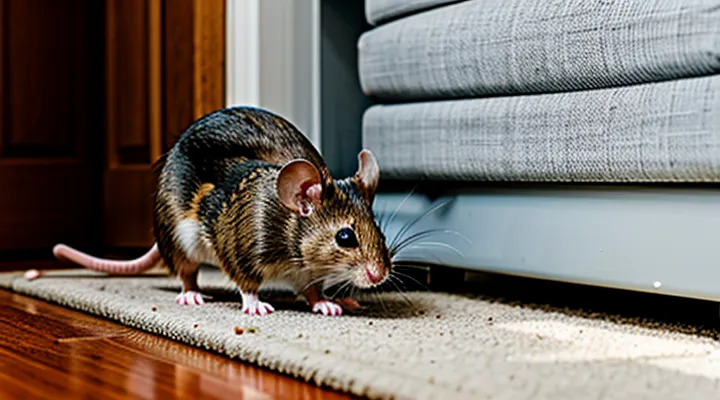
Understanding Mouse Behavior and Habitat
Why Mice Seek Shelter Indoors
Protection From Predators
Mice seek refuge inside residential structures when external threats become intolerable. Predation pressure forces them to abandon open foraging areas and relocate to locations that provide concealment, stable temperature, and limited access for hunters.
- Owls and hawks: aerial predators that hunt during twilight and night.
- Snakes: ground‑level predators capable of entering small openings.
- Cats and feral dogs: mammals that pursue rodents in yards and basements.
- Weasels, martens, and other mustelids: agile hunters that exploit cracks and vents.
- Raptors such as kestrels and buzzards: daylight hunters that can infiltrate attics through gaps.
The presence of these predators shapes mouse behavior. Rodents adopt nocturnal activity patterns, favoring dark, insulated spaces that impede visual and auditory detection. They exploit existing structural flaws—gaps around pipes, foundation cracks, and vent openings—to move undetected. Once inside, mice construct nests in concealed areas, reducing exposure to predator cues.
Mitigation focuses on eliminating the shelter advantage. Seal all exterior gaps larger than ¼ inch, install door sweeps, and repair damaged screens. Remove outdoor debris that offers hiding places for predators, thereby decreasing the incentive for mice to seek refuge indoors. Employ mechanical traps or bait stations in known entry zones to reduce population levels without relying on chemical deterrents.
Escape From Harsh Weather Conditions
Mice seek indoor refuge when external conditions become hostile. Severe temperatures, precipitation, and wind reduce the availability of food and safe nesting sites, prompting rodents to relocate to human dwellings where warmth and shelter are readily accessible.
Typical weather-driven motivations include:
- Frost or sub‑zero temperatures that threaten survival in burrows;
- Heavy rain or snow that floods ground nests;
- Strong winds that expose surface shelters and increase predation risk;
- Drought that diminishes vegetation and water sources.
These factors collectively create a pressure gradient that drives mice from outdoor habitats into the controlled environment of homes, where they find consistent climate, protection from predators, and stored food supplies.
Nesting Opportunities
Mice seek shelter that provides safety from predators, stable temperature, and easy access to food. Residential structures present numerous nesting opportunities that satisfy these requirements.
- Wall cavities and insulation pockets offer concealed spaces with minimal disturbance.
- Attics contain exposed beams, stored boxes, and insulation, creating warm, protected zones.
- Basements and crawl spaces provide low‑light environments and proximity to plumbing leaks.
- Under floorboards and behind appliances supply hidden chambers near potential food sources.
- Garages and sheds hold clutter, fabric, and cardboard, all suitable for constructing nests.
These locations share common characteristics: limited human traffic, structural gaps, and material that can be shredded for bedding. When such conditions exist, mice are likely to establish breeding sites, increasing their presence throughout the dwelling.
Seasonal Patterns of Mouse Invasions
Autumn and Winter: The Peak Season
Mice seek refuge in houses most frequently during the cooler months because external conditions become hostile. As temperatures fall, their metabolic rate rises to maintain body heat, prompting a search for warm environments. Food availability in natural habitats declines with the loss of seeds and insects, driving rodents toward stored pantry items and crumbs inside dwellings. Reproductive cycles peak in late summer, resulting in a surge of juveniles that must locate safe shelter before winter sets in. Structural vulnerabilities—cracks in foundations, gaps around pipes, and poorly sealed doors—provide easy entry points that are especially attractive when indoor heating creates a stable climate.
Key seasonal drivers include:
- Drop in ambient temperature causing heat‑seeking behavior.
- Diminished outdoor food sources leading to indoor foraging.
- High juvenile population requiring safe nesting sites.
- Increased indoor heating creating a favorable microclimate.
- Expanded entry routes due to weather‑induced building wear.
Collectively, these factors explain why mouse intrusion rates climb sharply in autumn and reach their maximum during winter.
Spring and Summer: Less Common, Still Possible
During the warmer months, mouse activity inside residences declines compared with colder periods, yet incursions remain possible. The reduction stems from abundant outdoor shelter and food, which diverts rodents from seeking indoor refuge. Nevertheless, several conditions can still drive individuals into homes.
- Rapid breeding in spring increases population density, raising pressure on limited resources.
- Heavy rains or irrigation create damp, cluttered environments that attract mice seeking dry nesting sites.
- Open doors, windows, or vents left unattended for ventilation provide direct pathways.
- Gardens and fruit trees near the house supply abundant produce, encouraging foraging trips that end inside.
- Poorly sealed foundations or gaps around utility lines allow easy entry despite overall lower indoor demand.
Effective prevention relies on sealing structural openings, maintaining clean, dry interior spaces, and managing external food sources. Regular inspection during spring and summer helps identify emerging vulnerabilities before they lead to infestations.
Attractants That Lure Mice Indoors
Food Sources
Accessible Pantry Items
Mice enter residential spaces primarily to obtain nutrients, and the presence of readily available pantry goods creates a direct incentive. Open boxes, loosely sealed bags, and uncovered containers leave high‑calorie substances exposed, allowing rodents to locate and consume them with minimal effort.
- Cereals, granola, and oatmeal
- Pet food, both dry and canned
- Nuts, seeds, and dried fruit
- Crackers, chips, and pretzels
- Sugar, honey, and syrup jars
- Flour, rice, and pasta stored in non‑airtight packaging
When food items are stored without airtight closures, odors disperse through the kitchen, guiding mice to entry points. Gaps around cabinets, floor vents, and door thresholds become pathways once a scent trail is established. Repeated foraging activity can damage packaging, spread contamination, and increase the likelihood of infestation spreading to other rooms.
To reduce attraction, place all edible products in sealed containers made of metal, heavy‑wall plastic, or glass. Transfer bulk purchases into smaller, lockable bins. Clean spills immediately, and discard expired items. Regularly inspect pantry shelves for signs of gnawing or droppings, and repair structural gaps that could serve as access routes. These measures limit the availability of food sources and diminish the probability of rodent presence.
Pet Food and Bird Seed
Pet food and bird seed provide high‑energy nutrients that draw mice into residential environments. When these items are left uncovered, spilled, or stored in easily accessible containers, they create a reliable food source that supports mouse survival and reproduction.
Open pet food bowls, kibble containers without tight seals, and crumbs on floors supply rodents with daily calories. Mice locate such resources through scent trails and quickly learn the location of recurring food deposits.
Bird seed placed on outdoor feeders or in storage bags often falls onto decks, porches, and entryways. The scattered seed attracts mice to the building perimeter, where they can exploit gaps in foundations, doors, or vents to gain indoor access.
Preventive actions reduce the attractiveness of these food sources:
- Store pet food in airtight, rodent‑proof containers.
- Remove leftover kibble and clean feeding areas after each meal.
- Keep bird seed in sealed metal or heavy‑wall containers; use feeder designs that minimize spillage.
- Clean up spilled seed promptly and maintain a debris‑free perimeter.
- Inspect and seal cracks, gaps, and openings that could serve as entry points.
By eliminating readily available nutrition from pet food and bird seed, homeowners diminish the primary incentive for mice to infiltrate living spaces.
Crumbs and Spills
Mice enter residential spaces primarily to locate reliable nutrition, and unattended crumbs and liquid spills constitute the most immediate sources.
Small food particles left on countertops, floors, or under appliances release volatile compounds that travel quickly through the air. Mice possess a highly developed olfactory system capable of detecting these signals at low concentrations, allowing them to pinpoint a viable feeding site without visual cues.
Spilled liquids contribute both moisture and a medium for bacterial growth, attracting insects that serve as supplementary prey. The combination of wetness and the scent of fermenting substances creates an environment where mice can sustain themselves and reproduce with minimal effort.
Practical steps to reduce attraction:
- Eliminate visible food residues after each meal.
- Wipe surfaces with a disinfectant solution to remove scent traces.
- Store dry goods in airtight containers.
- Repair leaks and dry any standing water promptly.
- Dispose of garbage in sealed bins and remove it regularly.
Implementing these measures removes the primary incentives that draw rodents into homes, thereby decreasing the likelihood of infestation.
Garbage and Compost
Garbage and compost provide a reliable food source that draws mice into residential spaces. Food residues, especially protein‑rich scraps and fermenting organic matter, emit odors detectable by rodents from considerable distances. When containers are left open or overflow, mice can infiltrate through small gaps to reach the material.
Improper waste handling creates conditions that support mouse populations. Loose trash allows easy access to nutrients, while damp compost releases moisture that aids survival and breeding. Regular disposal cycles that miss collection deadlines increase the duration of exposure, giving mice time to establish routes into the home.
- Store garbage in sealed, rodent‑proof bins.
- Empty waste containers daily and clean spills promptly.
- Keep compost in a closed, insulated unit away from building foundations.
- Position bins on non‑porous surfaces to prevent food particles from seeping into cracks.
- Inspect and repair any openings around doors, windows, and utility penetrations.
Water Sources
Leaky Pipes and Faucets
Leaking plumbing creates a reliable water source that attracts rodents seeking hydration. Constant moisture also softens insulation and building materials, making it easier for mice to gnaw through walls and gain entry.
A droplet‑laden faucet or pipe provides a nightly drinking spot, reducing the need for mice to forage outdoors. This proximity to food stores shortens travel distance, decreasing exposure to predators and increasing survival rates.
- Persistent drip supplies up to several milliliters per hour, enough to sustain a small colony.
- Moisture erodes sealants, enlarging gaps around pipe penetrations.
- Water‑rich environments encourage bacterial growth, which supplies additional food for opportunistic rodents.
- Damp insulation loses structural integrity, allowing mice to create nesting chambers behind walls.
Repairing leaks eliminates the primary water incentive, restores barrier integrity, and removes a conducive habitat for rodent proliferation. Regular inspection of joints, faucet aerators, and pipe sleeves prevents the formation of unnoticed drips that could support a mouse presence.
Pet Water Bowls
Pet water bowls provide a reliable moisture source that can attract rodents seeking hydration. Open containers, especially those left on the floor, release scent cues and create a visible liquid pool, encouraging mice to explore the area. Bowl material influences odor retention; plastic can retain residues that emit attractive smells, while stainless steel is less likely to retain scent.
Placement of water dishes affects mouse activity. Bowls positioned near walls, cabinets, or gaps in flooring give rodents easy access to shelter and a quick retreat. Elevating bowls on stands or using spill‑proof designs reduces the chance of water reaching the floor, limiting the moisture trail that mice follow.
Preventive measures:
- Choose stainless‑steel or ceramic bowls with tight‑fitting lids.
- Position bowls on elevated, stable platforms away from baseboards.
- Empty and clean bowls daily, removing any spilled water.
- Inspect the surrounding area for signs of gnawing or droppings and seal entry points.
- Use moisture‑absorbing pads under bowls to capture accidental leaks.
By controlling water availability and bowl hygiene, homeowners can diminish one of the primary attractants that draw mice into residential spaces.
Condensation
Condensation creates persistent moisture on interior surfaces, which weakens wood, drywall, and insulation. The resulting softening of structural components produces gaps and cracks that mice can exploit as entry points.
Moist environments foster mold and fungal growth, supplying a supplemental food source for rodents. Additionally, damp insulation loses its rigidity, allowing mice to tunnel through material that would otherwise repel them.
Typical ways condensation aids rodent intrusion include:
- Expansion of existing fissures in walls and ceilings.
- Degradation of sealants and caulking around windows and doors.
- Formation of water‑logged insulation that can be gnawed and reshaped.
- Development of mold colonies that attract mice seeking nutrition.
Shelter and Entry Points
Gaps and Cracks in Foundations
Gaps and cracks in a building’s foundation create direct pathways for mice to move from the exterior into interior spaces. Even openings as small as a quarter‑inch allow rodents to squeeze through, bypassing other barriers such as doors and windows.
Common locations for these openings include:
- Expansion joints between foundation walls and the slab
- Gaps around utility penetrations (pipes, cables, vent stacks)
- Cracks formed by settling or shifting soil
- Openings at the perimeter where the foundation meets the crawl‑space or basement wall
Structural movement, moisture intrusion, and frost heave generate and enlarge these fissures. Repetitive freeze‑thaw cycles expand existing cracks, while water erosion erodes mortar and concrete, leaving weakened sections that rodents exploit.
Preventive actions:
- Apply high‑quality acrylic or polyurethane sealant to all visible cracks
- Insert steel‑wool or copper mesh before sealing to deter chewing
- Repair larger fissures with hydraulic cement or epoxy injection
- Ensure proper grading and drainage to keep water away from the foundation
- Conduct routine inspections of the perimeter and interior foundation walls, addressing new openings promptly
By eliminating these entry points, homeowners substantially reduce the likelihood of mouse intrusion.
Unsealed Utility Openings
Unsealed utility openings create direct pathways for mice to enter residential structures. Gaps around pipes, cables, and vent ducts often remain uncovered during construction or renovation, leaving openings as large as ¼ inch. Mice exploit these spaces because they provide shelter, access to food sources, and protection from predators.
Typical features of unsealed utility openings include:
- Misaligned pipe sleeves that do not meet the surrounding framing.
- Missing or damaged conduit caps on exterior walls.
- Improperly fitted vent flaps that fail to close tightly.
- Gaps around electrical conduit that are not sealed with fire‑stop putty.
When mice infiltrate a home through these breaches, they can gnaw insulation, damage wiring, and contaminate stored food with droppings and urine. Their activity also increases the risk of fire hazards and structural degradation.
Effective mitigation requires:
- Inspecting all exterior and interior utility penetrations during a thorough survey.
- Installing steel mesh or copper flashing around pipe sleeves to block entry.
- Securing conduit caps and vent flaps with weather‑resistant sealants.
- Applying expanding foam or caulk to fill gaps no larger than ¼ inch.
- Conducting regular maintenance checks to ensure seals remain intact after seasonal weather changes.
Addressing unsealed utility openings eliminates one of the most common entry routes, substantially reducing the likelihood of mouse infestations in homes.
Damaged Screens and Vents
Mice can infiltrate a residence through openings that were originally intended to keep insects and debris out. When window screens, door screens, or ventilation grilles become torn, warped, or improperly sealed, they turn into pathways for small mammals. The size of a typical house mouse—about 3 inches long and a few centimeters wide—allows it to squeeze through gaps as narrow as ¼ inch. Consequently, any compromise in the integrity of these barriers directly increases the likelihood of rodent intrusion.
Common forms of damage include:
- Torn mesh: tears caused by pets, weather, or accidental impact create holes large enough for mice.
- Bent or warped frames: deformation prevents a tight seal, leaving gaps along the edges.
- Corroded or missing fasteners: rusted screws or broken clips reduce the screen’s attachment to the frame.
- Improperly fitted replacement screens: mismatched dimensions leave peripheral spaces.
- Unscreened vent openings: ducts, attic vents, and dryer exhausts without fine mesh allow direct entry.
Each defect eliminates the physical barrier that would otherwise deter rodents. Mice exploit these weaknesses not only to gain shelter but also to access food sources and nesting materials inside the home.
Mitigation measures should be systematic:
- Inspect regularly: examine screens and vents quarterly for tears, rust, or misalignment.
- Repair promptly: replace torn mesh with metal or reinforced fiberglass, and reseal warped frames using weather‑resistant caulk.
- Secure fasteners: tighten or replace corroded screws, and use stainless‑steel hardware where moisture is present.
- Fit proper screening: ensure replacement screens match the exact dimensions of the opening and are installed with a continuous overlap.
- Add secondary barriers: install fine‑mesh inserts or steel wool in vent openings that cannot be fully screened.
By maintaining the structural integrity of screens and ventilation components, homeowners reduce the primary access points that enable mice to enter living spaces.
Gaps Under Doors
Mice enter residential spaces primarily because they can locate and exploit openings that provide shelter, food access, and a route to the interior. Structural flaws such as unsealed door thresholds create continuous pathways from the exterior to the living area.
- Typical gap size: ½–¾ inch (1.3–1.9 cm) between door bottom and floor.
- Causes: worn weatherstripping, warped door frames, uneven flooring, recessed thresholds.
- Consequences: mice slip through gaps, travel along walls, and gain entry to kitchens and storage rooms.
Sealing these openings eliminates a common ingress point. Install compression weatherstripping, add door sweeps fitted tightly against the floor, and ensure threshold alignment. Regular inspection of door seals after seasonal temperature changes prevents deterioration that could reopen the passage.
Open Garage Doors
Open garage doors create a direct pathway for rodents to move from outdoor environments into residential structures. When a garage is attached to a house, any gap beneath or around the door allows mice to follow shelter, food, and nesting opportunities inside the home.
- Gaps under the threshold often exceed the ¼‑inch clearance that mice can squeeze through.
- Improperly sealed hinges or weatherstripping leave openings that remain unnoticed during routine inspections.
- Automatic or remote‑controlled doors may stay ajar longer than intended, especially during power outages or malfunction, extending exposure time.
- Warm air escaping from an open garage can attract mice seeking a comfortable microclimate.
Mice exploit these openings because they provide unobstructed access to kitchen waste, pantry supplies, and structural voids that serve as nesting sites. The proximity of the garage to utility lines and plumbing also offers additional water sources.
Mitigation requires sealing all visible gaps, installing door sweeps that meet or exceed ¼‑inch specifications, and ensuring that automatic mechanisms default to a closed position. Regular maintenance checks should verify the integrity of weatherstripping, hinges, and lock mechanisms. By eliminating the corridor created by an open garage door, the likelihood of rodent intrusion into the dwelling diminishes significantly.
Identifying a Mouse Problem
Common Signs of Infestation
Droppings
Mouse droppings are a primary indicator of rodent presence inside a dwelling. They appear as small, dark, rice‑shaped pellets, typically 4–6 mm long, with a pointed tip and a blunt end. Fresh droppings are glossy, while older specimens become matte and crumble easily.
The locations where droppings accumulate reveal the pathways used by mice. Common sites include:
- Along baseboards and behind appliances
- Inside cabinets, especially near stored food
- In attics, crawl spaces, and wall voids
- Near entry points such as gaps around doors and windows
Health concerns arise from the pathogens carried by mouse feces. Droppings can contain hantavirus, salmonella, and leptospira, which become airborne when disturbed. Inhalation of dust contaminated with these agents may cause respiratory illness, fever, and, in severe cases, hemorrhagic fever with renal syndrome.
Effective management of droppings involves three steps:
- Containment – Seal off the area, wear disposable gloves and a mask, and prevent dust from spreading.
- Removal – Moisten pellets with a disinfectant solution (e.g., 10% bleach) for at least five minutes, then sweep or vacuum using a HEPA‑rated filter.
- Disinfection – Apply the same disinfectant to the cleaned surface, allow it to remain wet for the recommended contact time, and then wipe dry.
Regular inspection for droppings, combined with sealing entry points and maintaining proper sanitation, reduces the likelihood of mouse infestations and the associated health risks.
Gnaw Marks
Mice enter residential structures in search of food, shelter, and nesting material. Their incisors grow continuously, requiring constant wear; consequently, they leave characteristic gnaw marks on a variety of substrates.
- Rounded, shallow grooves on wood, plastic, or insulation, typically 2–3 mm wide.
- Clean, precise cuts through cables, pipes, or foam, often exposing the interior.
- Repeated bite patterns around entry points such as gaps under doors or around vent covers.
These marks indicate active foraging and structural penetration. Recognizing gnaw marks allows early detection of infestation, facilitating prompt exclusion measures and damage prevention.
Squeaking and Scratching Noises
Audible signs often precede visual evidence of rodent activity. High‑pitched squeaks arise when mice move quickly, communicate with conspecifics, or react to threats. The sounds are most intense at night, when the animals are most active, and can travel through walls, ceilings, and insulation.
Scratching noises result from gnawing, nest construction, and locomotion within concealed spaces. Mice sharpen incisors on wood, drywall, and wiring; they also drag bedding material, creating intermittent raps against structural elements. Persistent scratching indicates established pathways or nesting sites.
Both sound types serve as early indicators of an infestation. Their presence, frequency, and location help pinpoint entry points and the extent of colonization. Monitoring patterns enables targeted inspection and remediation before damage escalates.
Typical locations where these noises are heard:
- Attic rafters and insulation
- Wall cavities near baseboards
- Kitchen cabinets and pantry shelves
- Behind appliances and utility closets
- Ceiling joists above bedrooms
Recognizing squeaking and scratching as diagnostic cues allows swift action to locate and eliminate the underlying cause of rodent entry.
Nests
Mice select indoor locations that provide shelter, warmth, and access to food. Nests serve as the central element of this selection, offering protection from predators and environmental fluctuations.
Typical nesting sites include:
- Wall voids and insulation cavities
- Under appliances such as refrigerators and stoves
- Inside stored boxes, laundry baskets, and paper piles
- Between floor joists and beneath ceiling tiles
- Within unused furniture cushions or pet beds
Construction material reflects availability. Mice gather shredded paper, fabric fibers, insulation, and dried plant matter, then compact these elements into a cup‑shaped structure. The nest’s interior retains heat, reducing the energy required for thermoregulation and encouraging repeated occupancy.
A well‑situated nest increases the likelihood of a sustained infestation. The presence of a nest signals a secure environment, prompting additional individuals to enter and establish breeding colonies. Consequently, nests indirectly contribute to the frequency and duration of mouse activity inside residential structures.
Effective control targets the elimination of nesting resources. Strategies include sealing entry points, removing clutter, storing food in sealed containers, and regularly inspecting concealed spaces for signs of nesting material. Prompt removal of existing nests disrupts the habitat, decreasing the attractiveness of the residence to further mouse intrusion.
Sightings
Mice are frequently detected through observable signs that confirm their presence inside a residence. Direct encounters, such as a mouse crossing a floor or entering a room, provide immediate evidence of activity. Indirect indicators, including droppings, gnaw marks, and nesting material, reveal ongoing occupation even when the animal is not seen.
Typical locations where sightings occur reflect the species’ need for shelter, food, and concealment. Kitchen cabinets, pantry shelves, and behind appliances are common because they contain accessible food sources. Wall voids, attic spaces, and basements offer protection from predators and temperature extremes. Entry points often include gaps around pipes, cracks in foundation walls, and unsealed door frames.
The timing of observations can signal the severity of the problem. Sporadic, isolated sightings usually indicate a solitary individual foraging near the perimeter of the home. Repeated encounters in multiple rooms, especially during nighttime, suggest an established population that has reproduced.
Key signs that confirm mouse activity:
- Small, dark droppings, 3–5 mm in length, found along baseboards, in cabinets, or near food containers.
- Gnawed edges on food packaging, wiring, or wooden structures.
- Soft, shredded material forming nests in concealed areas.
- Grease or urine trails that darken surfaces over time.
- Audible scratching or scurrying sounds in walls or ceilings, particularly after dusk.
Each of these observations contributes to an assessment of infestation magnitude, guiding the selection of appropriate control measures. Recognizing and documenting sightings promptly reduces the risk of population growth and the associated health hazards.
Health Risks Associated With Mice
Disease Transmission
Mice that enter residential spaces act as carriers of a variety of pathogens, creating a direct health risk for occupants. Their droppings, urine, saliva, and external parasites contain agents that can survive for weeks in indoor environments, facilitating transmission through inhalation, ingestion, or skin contact.
- Hantavirus – transmitted by aerosolized particles from dried mouse urine or feces; can cause severe respiratory illness.
- Salmonella – spread via contaminated food or surfaces touched by mouse excreta; leads to gastrointestinal infection.
- Leptospira – bacteria present in urine; enters the body through cuts or mucous membranes, potentially causing kidney damage.
- Lymphocytic choriomeningitis virus (LCMV) – carried in mouse saliva and urine; infection occurs through direct contact or contaminated dust.
- Ectoparasites (mites, fleas) – feed on mice and may bite humans, transmitting additional bacterial or viral agents.
Preventing disease spread requires eliminating mouse access points, maintaining strict sanitation, and promptly addressing infestations. Sealing cracks, storing food in sealed containers, and using traps or professional pest control reduce the likelihood of pathogen exposure. Regular cleaning of areas where mouse activity is suspected, using disinfectants effective against viruses and bacteria, further mitigates health hazards.
Allergens
Mouse infestations introduce a range of allergenic substances that can affect indoor air quality and occupants’ health. The primary sources of these allergens are the animals’ metabolic by‑products and the materials they use for nesting.
- Urine: contains proteins that become airborne when dried, readily inhaled.
- Feces: produce particulate matter that disperses with normal household activity.
- Dander: microscopic skin flakes shed continuously, contributing to airborne allergen load.
- Saliva: transferred to food residues and surfaces, adds to the protein mixture.
- Nesting material: shredded paper, fabric, or insulation traps and releases particles.
Exposure to these proteins can trigger IgE‑mediated responses, including sneezing, nasal congestion, and wheezing. In sensitized individuals, inhalation may exacerbate asthma, leading to increased medication use or hospital visits. Epidemiological surveys link higher mouse allergen concentrations with increased prevalence of respiratory symptoms in urban dwellings.
Mitigation strategies focus on reducing allergen reservoirs and preventing re‑entry. Effective measures include thorough cleaning of contaminated surfaces with wet methods, removal of nests, sealing gaps in walls, floors, and foundations, and employing high‑efficiency particulate air (HEPA) filtration to capture airborne particles. Professional pest management eliminates the source, thereby lowering allergen levels and associated health risks.
Prevention and Control Measures
Sealing Entry Points
Caulk and Sealant Application
Mice infiltrate residences through cracks, gaps, and openings in the building envelope; these breaches provide pathways to food, shelter, and warmth. Sealing these entry points with appropriate caulk and sealant directly reduces the opportunities for rodent access.
Caulk and sealant serve as flexible barriers that accommodate structural movement while maintaining an airtight seal. Selecting a product with rodent-resistant properties—such as silicone‑based caulk with a high tensile strength—prevents gnawing and ensures long‑term integrity.
- Identify all potential entry sites: gaps around windows, doors, utility penetrations, baseboards, and pipe sleeves.
- Clean each opening to remove debris, dust, and old sealant.
- Apply a continuous bead of rodent‑resistant caulk, filling the gap completely.
- Smooth the bead with a tooling tool to eliminate voids and ensure full contact with surrounding surfaces.
- Allow the sealant to cure according to the manufacturer’s specifications before exposing the area to moisture or temperature fluctuations.
Regular inspection of sealed areas detects early failure; reapply sealant where cracks reappear or where wear is evident. Maintaining a sealed envelope limits mouse ingress and supports broader pest‑management efforts.
Steel Wool for Smaller Gaps
Mice infiltrate residences primarily because accessible openings provide routes to food, water, and shelter. Small cracks around pipes, vents, and foundation seams often go unnoticed, yet they are sufficient for a rodent to squeeze through. Addressing these minute entry points is essential for long‑term exclusion.
Steel wool serves as an effective barrier for gaps that are too narrow for conventional caulking. Its interwoven fibers compress to fill irregular spaces, creating a physical obstacle that rodents cannot gnaw through. When combined with a sealant, steel wool remains in place despite temperature fluctuations and moisture exposure.
Key benefits of using steel wool in rodent control:
- Conforms to irregular shapes, sealing gaps around wiring, plumbing, and HVAC ducts.
- Resists chewing; mice lack the strength to cut through dense metal fibers.
- Provides a durable seal that persists after the surrounding material cures.
- Inexpensive and easy to install without specialized tools.
Implementing steel wool in all detected micro‑openings reduces the likelihood of rodent entry, directly mitigating the primary cause of indoor mouse activity.
Door Sweeps and Weatherstripping
Mice gain access through openings that bypass the primary barrier of a door. Even a gap of a few millimeters provides a viable entry point, especially when the door is frequently opened and closed.
Door sweeps attach to the bottom edge of a door, extending a flexible seal to the threshold. The seal blocks the space under the door, preventing rodents from slipping through. Effective sweeps are made of silicone, rubber, or bristle material, and they maintain contact with uneven floor surfaces.
Weatherstripping seals the vertical and horizontal edges of a door frame. It fills gaps around the latch, hinges, and the perimeter of the door leaf. High‑quality weatherstripping resists wear, remains flexible over time, and adheres securely to the frame.
Key practices for optimal protection:
- Measure the door opening before purchase; select a sweep that covers the full width.
- Choose weatherstripping with a compression rating suitable for the door’s material.
- Install the sweep so it contacts the floor without dragging, allowing smooth operation.
- Replace worn or damaged seals promptly to avoid re‑establishing entry points.
- Inspect the entire door perimeter annually for gaps created by settlement or warping.
Consistent use of door sweeps and weatherstripping reduces the likelihood of rodent intrusion by eliminating the most common ingress routes.
Eliminating Food and Water Sources
Proper Food Storage
Proper food storage directly influences rodent intrusion in residences. Food left unsecured provides a reliable energy source, encouraging mice to enter and remain in a dwelling. Eliminating accessible nourishment reduces the incentive for these pests to seek shelter indoors.
Effective storage practices include:
- Seal all dry goods in airtight containers made of glass, metal, or heavy‑wall plastic.
- Keep pantry shelves clear of crumbs and spills; wipe them after each use.
- Refrigerate or freeze items that attract mice, such as grains, nuts, and pet food.
- Store bulk purchases in smaller, portioned containers to limit exposure.
- Dispose of expired or unused food promptly, using sealed trash bags.
Additional measures reinforce these steps:
- Position food storage areas away from walls and entry points to limit hiding spots.
- Inspect containers regularly for cracks or damaged seals, replacing them as needed.
- Maintain a clean kitchen environment; sweep floors, clean countertops, and vacuum crumbs from hidden corners.
By consistently applying these protocols, households remove a primary attractant, making the environment less favorable for mouse habitation.
Regular Cleaning
Regular cleaning directly reduces the factors that draw rodents into residential spaces. Eliminating food crumbs, spills, and accessible waste removes primary nutrition sources that mice seek. Removing clutter and organizing storage areas eliminates concealed shelters where rodents can hide and breed.
- Sweep and vacuum floors daily, focusing on corners and under appliances.
- Wipe countertops, tables, and kitchen surfaces after each meal preparation.
- Store dry goods in sealed containers; discard expired items promptly.
- Empty trash cans regularly, using bins with tight‑fitting lids.
- Keep pet feeding stations clean; remove uneaten food after every feeding.
Consistent cleaning schedules reinforce these practices. Weekly deep cleaning of cabinets, pantry shelves, and behind furniture disrupts any developing nests. Moisture control, achieved by promptly fixing leaks and drying damp areas, prevents the humid environment that mice favor. By systematically removing food, shelter, and water, regular cleaning diminishes the incentives that cause mice to infiltrate homes.
Fixing Leaks
Mice are attracted to homes where water leaks create moisture and conceal entry routes. Unsealed cracks around pipes, roof gutters, or appliance connections supply the humidity mice need for nesting and provide pathways into walls and floors.
Detecting leaks requires visual inspection and simple tests. Look for discoloration on ceilings or baseboards, feel for cool, damp spots on walls, and listen for steady dripping sounds even when fixtures are off. Use a moisture meter to confirm hidden saturation behind surfaces.
- Shut off water supply to the affected area.
- Dry the surrounding material completely; employ fans or dehumidifiers if necessary.
- Replace damaged sections of pipe, sealant, or roofing material with appropriate, leak‑proof fittings.
- Apply a continuous bead of silicone or acrylic caulk around all joints, gaps, and penetrations.
- Verify the repair by running water at full pressure and inspecting for any residual seepage.
A sealed, dry environment eliminates the primary resource mice seek, reducing their motivation to infiltrate the structure. Regular maintenance of plumbing and roofing systems sustains this barrier and supports long‑term rodent control.
Trapping and Removal Methods
Snap Traps
Snap traps provide a direct mechanical solution for controlling rodent entry into residential spaces. The devices consist of a spring‑loaded bar that delivers a rapid, lethal force when the mouse triggers a baited trigger plate. By positioning traps along known travel routes—such as wall voids, behind appliances, and near entry points—occupants can intercept rodents before they establish a population.
Key characteristics of effective snap traps include:
- Trigger sensitivity – calibrated to react to the light weight of a mouse without false releases caused by vibrations.
- Bait compatibility – designed to hold food attractants securely, maintaining scent integrity over several days.
- Safety features – recessed jaws and protective shields reduce the risk of accidental injury to humans and pets.
- Durability – corrosion‑resistant metal components ensure reliable operation in humid basements or kitchens.
Proper deployment follows a simple protocol:
- Identify active mouse pathways by observing droppings, gnaw marks, or grease trails.
- Place a trap perpendicular to the wall, with the trigger plate facing the anticipated direction of travel.
- Apply a small amount of high‑protein bait, such as peanut butter or dried fruit, directly to the trigger.
- Check traps daily, disposing of captured rodents in sealed containers and resetting the mechanism with fresh bait.
When selecting a snap trap, prioritize models that comply with local pest‑control regulations and feature a clear strike indicator, allowing quick verification of successful captures. Regular maintenance—cleaning residual debris and inspecting spring tension—preserves performance throughout an infestation cycle.
In environments where mice infiltrate homes due to accessible food sources, structural gaps, and shelter opportunities, snap traps serve as an immediate, low‑cost intervention that reduces rodent numbers while minimizing reliance on chemical agents. Their simplicity and proven efficacy make them a core component of an integrated pest‑management strategy aimed at preventing long‑term colonization.
Live Traps
Live traps provide a humane method for removing mice that have entered residential spaces. By capturing rodents without killing them, these devices allow homeowners to address infestations while adhering to ethical standards and local regulations.
The operation of a live trap relies on a simple trigger mechanism: a mouse enters the chamber attracted by bait, steps on a pressure plate, and a door shuts automatically. The enclosure keeps the animal contained until it can be released far from the property, reducing the chance of re‑entry.
Key considerations for effective use:
- Placement – Position traps along walls, behind appliances, and near obvious runways; mice rarely cross open spaces.
- Bait selection – Peanut butter, dried fruit, or small pieces of cheese produce strong attraction; refresh bait daily to maintain potency.
- Size – Choose a model large enough for adult mice but small enough to prevent escape.
- Monitoring – Check traps at least twice daily; prolonged confinement can cause stress or injury to the captured rodent.
- Release – Transport the trap to a location at least one mile from the home, preferably a wooded or field area, and open it gently to allow the mouse to exit.
Maintenance includes cleaning the interior after each capture to eliminate scent traces that could deter future occupants. Regular inspection of potential entry points—cracks, gaps around utilities, and unscreened vents—combined with live‑trap deployment creates a comprehensive strategy for managing rodent presence in homes.
Professional Pest Control
Professional pest control addresses the factors that draw rodents into residential spaces. Inspectors begin with a thorough assessment of structural vulnerabilities, identifying gaps around doors, windows, utility penetrations, and foundation cracks that permit entry. They also evaluate interior conditions such as food storage practices, waste management, and clutter that provide shelter and nourishment.
The service includes targeted actions to eliminate existing infestations and prevent future incursions. Key measures are:
- Sealing entry points with steel wool, caulk, or hardware cloth.
- Installing bait stations and traps positioned along identified travel routes.
- Applying rodenticide formulations in accordance with safety regulations.
- Advising homeowners on sanitation, including proper storage of dry goods and prompt removal of garbage.
Follow‑up visits verify the effectiveness of interventions, monitor for new activity, and adjust control strategies as needed. Documentation of findings and recommendations supports long‑term maintenance of a rodent‑free environment.