
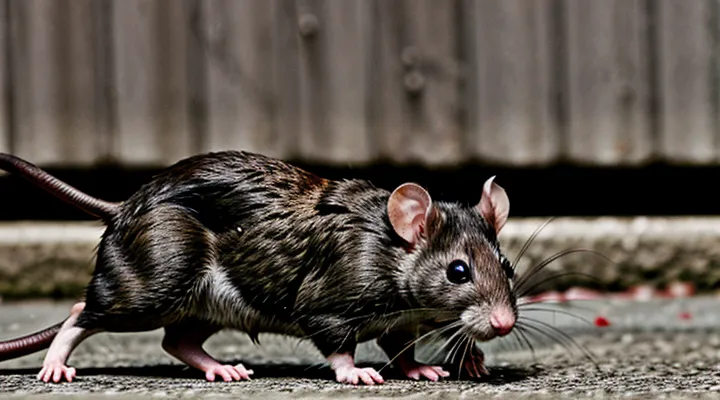
What are «Red Tears»?
The Role of Porphyrin
Porphyrins are pigments produced by the liver and excreted in tears, urine, and feces. In rats, excess porphyrin appears as reddish‑brown secretions that can coat the eyelids and periorbital area, often mistaken for blood. The pigment’s coloration results from its chemical structure, which absorbs visible light in the red spectrum, creating the illusion of hemorrhage.
When a rat exhibits apparent eye bleeding, a veterinary assessment should determine whether true vascular rupture or porphyrin discharge is present. Indicators of genuine ocular hemorrhage include sudden swelling, pain on palpation, and visual impairment, whereas porphyrin staining is typically uniform, non‑painful, and may be accompanied by other signs of systemic stress such as weight loss or respiratory distress.
Management strategies focus on addressing the underlying cause of porphyrin overproduction and, if necessary, treating true ocular bleeding:
- Identify and mitigate stressors (environmental changes, overcrowding, poor ventilation).
- Treat infections or inflammatory conditions with appropriate antibiotics or anti‑inflammatories.
- Provide supportive care: hydration, balanced nutrition, and clean bedding to reduce secondary irritation.
- If genuine hemorrhage is confirmed, apply ophthalmic antiseptics, monitor intra‑ocular pressure, and consider surgical intervention under veterinary guidance.
Monitoring porphyrin levels through urine or tear analysis can help track treatment efficacy and prevent recurrence of the misleading ocular discoloration. Regular health checks and environmental enrichment reduce stress‑induced porphyrin release, thereby minimizing the appearance of false eye bleeding in laboratory and pet rats.
Normal vs. Excessive Production
Normal tear secretion in rodents maintains corneal hydration, supplies antimicrobial proteins, and clears debris. Production is regulated by the lacrimal gland, accessory glands, and vascular plexus surrounding the ocular surface. Neural input from the trigeminal nerve modulates flow, keeping the tear film at a steady rate of 0.5–1 µl per minute under resting conditions.
Excessive ocular fluid release manifests as visible hemorrhage or profuse tearing. Overproduction may arise from:
- Vascular rupture in the conjunctival or retinal plexus due to trauma, hypertension, or coagulopathy.
- Inflammatory infiltration that dilates capillaries and increases permeability, often linked to bacterial or viral infections.
- Neoplastic growths producing angiogenic factors, leading to fragile, leaky vessels.
- Toxic exposure (e.g., rodenticide, heavy metals) that impairs clotting cascades.
When production surpasses the drainage capacity of the nasolacrimal system, blood accumulates in the tear film and can be expelled through the eyelids. The resulting symptom signals underlying pathology rather than a physiological response.
Treatment focuses on correcting the source of overproduction:
- Stabilize hemodynamics and control blood pressure to prevent further vessel rupture.
- Administer broad‑spectrum antibiotics or antivirals if infection is confirmed.
- Provide anticoagulant antagonists (vitamin K, fresh frozen plasma) in cases of rodenticide poisoning.
- Perform surgical excision or radiation for malignant masses that compromise ocular vasculature.
- Apply topical corticosteroids or non‑steroidal anti‑inflammatory drops to reduce capillary leakage, monitoring for delayed wound healing.
Monitoring tear volume and ocular appearance daily allows rapid assessment of therapeutic efficacy. Reducing excessive fluid output restores normal ocular surface conditions and prevents secondary complications such as corneal ulceration or vision loss.
Common Causes of Red Tears
Stress and Environmental Factors
Rats may exhibit hemorrhage from the ocular region when physiological equilibrium is disrupted. Elevated glucocorticoids, adrenaline spikes, and sympathetic overactivity associated with acute or chronic stress increase vascular fragility in the conjunctival and retro‑orbital plexus, leading to spontaneous bleeding. Prolonged confinement, unpredictable handling, and exposure to predator cues amplify these hormonal responses, reducing the threshold for capillary rupture.
Environmental conditions further compromise ocular integrity. High ambient temperatures accelerate metabolic rate, causing vasodilation that predisposes vessels to rupture. Low humidity desiccates mucosal surfaces, weakening the protective epithelial barrier. Poor ventilation raises carbon dioxide levels, inducing hypoxia and subsequent vasoconstriction followed by rebound hyperemia. Contact with abrasive bedding, sharp cage components, or chemical irritants directly damages ocular tissue, creating entry points for blood leakage.
Combined stressors act synergistically. A rat subjected to both thermal stress and handling anxiety experiences compounded endocrine and hemodynamic disturbances, raising the probability of ocular hemorrhage beyond the sum of individual risks. Monitoring environmental parameters and minimizing unpredictable stimuli reduce the incidence of this condition.
Treatment focuses on stabilizing the animal’s systemic state and protecting ocular structures. Immediate steps include:
- Relocating the rat to a temperature‑controlled, low‑stress environment.
- Providing isotonic saline drops to maintain ocular surface moisture.
- Administering a short course of anti‑inflammatory medication to limit vascular leakage.
- Inspecting the cage for sharp objects or irritants and replacing them with soft, non‑abrasive bedding.
Long‑term management requires regular assessment of cage temperature, humidity, and ventilation, alongside consistent handling protocols that limit stress peaks. Implementing these measures curtails the recurrence of ocular bleeding and supports overall health.
Overcrowding
Overcrowding in laboratory or breeding colonies creates chronic stress, elevates systemic blood pressure, and increases the frequency of aggressive encounters. These conditions directly affect the vascular integrity of the ocular region, making spontaneous hemorrhage more likely.
Elevated blood pressure forces capillary walls in the retina and conjunctiva to stretch beyond their elastic limits. Simultaneously, heightened aggression leads to scratches, bites, or blunt trauma to the eye. Both mechanisms produce blood leakage that appears as a stream from the rat’s eyes.
Preventive actions focus on managing population density and environmental quality:
- Maintain a maximum of 2–3 rats per standard cage, adjusting for size and bedding.
- Provide adequate ventilation and temperature control to reduce physiological stress.
- Install nesting material, shelters, and chewable objects to divert aggressive behavior.
- Conduct routine health checks to identify early signs of hypertension or injury.
When ocular bleeding occurs, immediate veterinary intervention is required. Treatment protocol includes:
- Gentle cleaning of the peri‑ocular area with sterile saline to prevent infection.
- Administration of analgesics to alleviate pain.
- Use of antihypertensive agents if systemic blood pressure is confirmed elevated.
- Application of topical hemostatic agents or ophthalmic antibiotics as indicated.
- Monitoring for secondary complications such as infection or vision loss.
Long‑term resolution depends on correcting the underlying overcrowding. Reducing cage density, improving enrichment, and maintaining consistent health surveillance eliminate the primary stressors that trigger ocular hemorrhage in rats.
Changes in Routine
Routine alterations can trigger physiological stress in laboratory rodents, increasing the likelihood of ocular hemorrhage. Sudden shifts in feeding schedule, lighting cycles, or cage enrichment disrupt homeostasis, elevate blood pressure, and weaken fragile capillaries around the eyes. The resulting micro‑vascular rupture manifests as blood seeping from the ocular region.
Typical routine changes that precipitate this condition include:
- Irregular feeding times or abrupt diet composition changes.
- Inconsistent light‑dark intervals, especially exposure to bright light during the dark phase.
- Removal or addition of nesting material without gradual acclimation.
- Unscheduled handling or transport events that elevate cortisol levels.
- Temperature fluctuations beyond the standard 20‑24 °C range.
Effective management focuses on stabilizing the animal’s environment and addressing the bleeding source. Immediate steps involve:
- Restoring a consistent schedule for food, water, and light exposure.
- Providing a quiet recovery area with controlled temperature and humidity.
- Applying a sterile ocular dressing to absorb excess blood and prevent infection.
- Administering a short course of anti‑inflammatory medication, prescribed by a veterinarian, to reduce vascular leakage.
- Monitoring hemoglobin levels and retinal health through periodic examinations.
Long‑term prevention requires a documented protocol that defines daily routines, limits stressors, and includes regular health assessments. Consistency in these parameters minimizes the risk of recurrent ocular bleeding and supports overall well‑being.
Unfamiliar Scents or Sounds
Unfamiliar odors or sudden noises can trigger acute stress responses in rodents, leading to a surge of catecholamines and rapid elevation of systemic blood pressure. In rats, the delicate vascular network surrounding the ocular globe is especially vulnerable; a swift pressure increase may rupture capillaries, producing visible hemorrhage from the eyes.
Typical mechanisms include:
- Activation of the hypothalamic‑pituitary‑adrenal axis by novel scents, causing vasoconstriction followed by rebound hyperemia.
- Startle reflex induced by unexpected sounds, resulting in abrupt spikes in heart rate and arterial pressure.
- Direct irritation of nasal mucosa by pungent chemicals, which can spread inflammatory mediators to orbital vessels.
Immediate management focuses on stabilizing hemodynamics and reducing environmental stressors. Recommended steps are:
- Transfer the animal to a quiet, scent‑controlled enclosure.
- Administer a short‑acting antihypertensive (e.g., labetalol) under veterinary guidance.
- Apply topical ocular lubricants to prevent secondary corneal damage.
- Monitor for additional bleeding; if hemorrhage persists, consider systemic corticosteroids to limit inflammation.
Long‑term prevention involves minimizing exposure to unfamiliar stimuli, using gradual habituation protocols, and maintaining a consistent olfactory and acoustic environment within the housing facility.
Respiratory Infections
Rats that exhibit ocular hemorrhage often suffer from underlying respiratory infections. Pathogens such as Mycoplasma pulmonis, Streptococcus pneumoniae, and viral agents can inflame the nasal passages, sinuses, and upper airway, creating pressure gradients that force blood vessels in the orbital region to rupture. The resulting blood loss from the eyes is a clinical sign that indicates severe systemic involvement rather than an isolated ocular problem.
Key mechanisms linking respiratory disease to eye bleeding include:
- Inflammation of the nasopharyngeal mucosa leading to sinusitis and increased venous pressure in the orbital veins.
- Bacterial toxins that damage endothelial cells, weakening vessel walls.
- Coagulopathy induced by chronic infection, which impairs normal clotting and promotes spontaneous hemorrhage.
Effective management requires simultaneous treatment of the respiratory infection and stabilization of the ocular condition. Antimicrobial therapy should be selected based on culture and sensitivity results; broad‑spectrum agents such as doxycycline or enrofloxacin are commonly employed for bacterial pneumonia. Antiviral drugs may be indicated for identified viral agents. Supportive care includes humidified oxygen, analgesics, and fluid therapy to maintain hydration and improve mucociliary clearance.
To prevent recurrence, maintain a clean environment, monitor humidity levels, and implement regular health screenings. Vaccination against prevalent respiratory pathogens, when available, reduces the incidence of infection and consequently lowers the risk of ocular hemorrhage in laboratory and pet rat populations.
Mycoplasma Pulmonis
Mycoplasma pulmonis is a cell‑wall‑deficient bacterium that colonizes the respiratory tract of laboratory rats. Infection often progresses to chronic bronchopneumonia, and the inflammatory response can extend to the ocular vasculature. Vascular fragility and congestion in the conjunctival and scleral vessels lead to hemorrhage that appears as blood streaming from the eyes.
Pathogenesis begins with adhesion of the organism to the epithelial surface, followed by immune‑mediated damage to the mucosa and adjacent blood vessels. Cytokine release increases vascular permeability, while persistent inflammation weakens vessel walls. The resulting extravasation of blood manifests as periorbital and intra‑ocular bleeding.
Diagnosis relies on:
- Clinical observation of ocular hemorrhage accompanied by respiratory signs such as sneezing, nasal discharge, and labored breathing.
- Radiographic or ultrasonographic imaging that reveals pulmonary infiltrates.
- Laboratory confirmation through PCR amplification of Mycoplasma pulmonis DNA from nasal swabs or lung tissue.
- Serological testing for specific antibodies when PCR is unavailable.
Effective management includes:
- Antimicrobial therapy with macrolides (e.g., tylosin or azithromycin) administered at doses proven to suppress Mycoplasma growth in rodents.
- Supportive care: humidified environment, nutritional supplementation, and analgesics to reduce stress‑induced immunosuppression.
- Environmental control: HEPA‑filtered cages, regular bedding changes, and quarantine of affected colonies to prevent horizontal transmission.
- Monitoring: weekly clinical assessments and repeat PCR testing for at least four weeks to verify bacterial clearance.
Prognosis improves markedly when treatment is initiated early, before extensive vascular damage occurs. Persistent infection may require prolonged antimicrobial courses and strict biosecurity measures to avoid recurrence and protect the health of the entire rat population.
Bacterial Infections
Bacterial infections are a frequent trigger of ocular hemorrhage in rats, producing visible blood discharge from the eyes. Pathogens invade the conjunctival and orbital tissues, compromising capillary integrity and leading to leakage of blood into the tear film.
Typical agents include Streptococcus species, Staphylococcus aureus, Pseudomonas aeruginosa, and Clostridium toxins. These bacteria release enzymes and toxins that degrade extracellular matrix, disrupt endothelial junctions, and provoke inflammatory edema. The resulting increase in intra‑orbital pressure ruptures fragile vessels, causing the characteristic bleeding.
Diagnosis relies on:
- Clinical observation of unilateral or bilateral epiphora with blood‑tinged tears.
- Cytological examination of ocular exudate for neutrophil predominance.
- Bacterial culture and sensitivity testing of swab samples from the conjunctiva.
- Imaging (ultrasound or radiography) to assess orbital swelling and rule out foreign bodies.
Effective treatment follows a three‑step protocol:
- Antibiotic therapy – administer a broad‑spectrum agent (e.g., enrofloxacin) pending culture results; adjust to the most sensitive drug once identified.
- Anti‑inflammatory management – apply topical corticosteroids or non‑steroidal drops to reduce edema and limit further vascular damage.
- Supportive care – maintain a clean environment, provide analgesics, and ensure adequate hydration to promote healing.
Prevention emphasizes strict husbandry practices: regular cage cleaning, quarantine of new arrivals, and routine health screening. Vaccination against common bacterial agents, where available, reduces the incidence of systemic infections that may spread to the ocular region.
Prompt identification and targeted antimicrobial treatment restore ocular integrity and prevent chronic sequelae such as scarring or permanent vision loss.
Viral Infections
Rats that exhibit ocular hemorrhage often do so because a virus has compromised the integrity of the conjunctival and retinal vasculature. Viral agents replicate within endothelial cells, trigger cytokine release, and induce necrosis of capillary walls, leading to leakage of blood into the anterior chamber and surrounding tissues.
Common culprits include:
- Sendai virus, which causes severe respiratory infection and secondary vascular leakage.
- Rat coronavirus (RCV), associated with systemic vasculitis and hemorrhagic conjunctivitis.
- Hantavirus strains, known for inducing capillary fragility and ocular bleeding.
Clinical evaluation should focus on:
- Observation of unilateral or bilateral blood discharge from the eyes.
- Assessment of accompanying respiratory distress, lethargy, or weight loss.
- Laboratory confirmation through PCR or immunohistochemistry targeting viral nucleic acids in ocular swabs or tissue samples.
Therapeutic protocol emphasizes rapid intervention:
- Antiviral agents such as ribavirin administered according to species‑specific dosing guidelines.
- Broad‑spectrum anti‑inflammatory medication to reduce cytokine‑mediated vascular damage.
- Intravenous fluid therapy to maintain hemodynamic stability and support organ perfusion.
- Topical ophthalmic solutions containing vasoconstrictors or hemostatic agents to control local bleeding.
Prognosis improves markedly when antiviral treatment commences within 24 hours of symptom onset and when supportive care addresses both systemic infection and ocular complications. Continuous monitoring for recurrence or secondary bacterial infection is essential for full recovery.
Eye Injuries and Irritations
Rats can develop ocular hemorrhage when the delicate tissues surrounding the eye are compromised. Direct trauma, such as bites, cage‑mate fighting, or accidental impact, ruptures conjunctival vessels and produces visible blood flow. Chemical irritants—including cleaning agents, pesticides, or aerosolized substances—cause inflammation that weakens capillary walls, leading to leakage. Foreign objects, such as bedding fibers or food particles, may embed in the cornea or conjunctiva, provoking mechanical irritation and subsequent bleeding. Bacterial or fungal infections of the eye generate purulent discharge and vascular damage, while parasitic infestations (e.g., mites) irritate the eyelid margins and induce hemorrhagic lesions. Systemic conditions, such as hypertension or clotting disorders, can exacerbate spontaneous bleeding in the ocular region.
Effective management requires rapid identification of the underlying cause and targeted intervention:
- Flush the eye with sterile saline to remove debris and dilute irritants.
- Apply a veterinary‑approved ophthalmic antibiotic or antifungal ointment to control infection.
- Use anti‑inflammatory eye drops to reduce swelling and stabilize capillary integrity.
- Administer analgesics as prescribed to alleviate pain and prevent further self‑trauma.
- Conduct a full health assessment, including blood pressure and coagulation testing, to rule out systemic contributors.
- Isolate the affected animal, improve cage hygiene, and eliminate potential chemical hazards.
If bleeding persists, progresses to vision loss, or is accompanied by severe swelling, immediate veterinary consultation is essential. Professional care may involve microsurgical repair of damaged vessels, systemic antibiotics, or specialized supportive therapies to preserve ocular function and prevent recurrence.
Scratches or Punctures
Rats may exhibit ocular bleeding when the delicate tissues surrounding the eye are damaged by scratches or punctures. Such injuries can breach the conjunctival or scleral vessels, allowing blood to flow into the orbital space and appear at the eye surface.
Typical signs include a red stream emerging from the corner of the eye, swelling, and possible discharge. The animal may show signs of pain, reduced vision, or altered behavior such as reluctance to explore.
Diagnosis relies on visual inspection and, when necessary, gentle probing with a sterile cotton swab to assess the depth of the wound. Veterinary examination may involve fluorescein staining to detect corneal abrasions and ophthalmoscopy to rule out internal damage.
Effective management consists of the following steps:
- Clean the affected area with sterile saline to remove debris.
- Apply a topical antibiotic ointment to prevent infection.
- Use a non‑steroidal anti‑inflammatory gel to reduce swelling and discomfort.
- Administer systemic analgesics if pain is evident, following dosage guidelines for rodents.
- Monitor the rat for 24‑48 hours; if bleeding persists or vision deteriorates, seek veterinary intervention for possible suturing or advanced ocular therapy.
Preventive measures include maintaining cage hygiene, eliminating sharp objects, and providing enrichment that minimizes aggressive interactions among rats.
Foreign Objects
Rats can experience ocular hemorrhage when foreign material penetrates the orbital region or the conjunctival sac. Sharp fragments such as splinters, wire, or plant thorns may breach the delicate vasculature around the eye, leading to blood seeping onto the sclera and surrounding tissues. Small particles, including dust, hair, or feed debris, can irritate the conjunctiva, cause micro‑abrasions, and trigger capillary rupture. In laboratory settings, accidental introduction of glass shards or metal filings during cage cleaning poses a similar risk.
Typical signs include visible blood staining around the eye, swelling, and sudden discharge. Immediate assessment should focus on:
- Visual inspection for protruding objects or swelling.
- Gentle flushing of the ocular surface with sterile saline to remove loose debris.
- Use of a magnifying lens to locate embedded fragments.
If an object remains embedded, removal requires sterile instruments and, ideally, sedation to prevent further trauma. After extraction, apply a topical ophthalmic antibiotic to reduce infection risk and a mild anti‑inflammatory agent to limit edema. Monitor the rat for at least 24 hours; persistent bleeding, increasing swelling, or loss of vision warrants veterinary intervention.
Preventive measures include regular cage maintenance, removal of sharp accessories, and routine inspection of feed for contaminants. Employing mesh barriers on enrichment items and providing clean bedding reduces the likelihood of foreign bodies reaching the ocular area.
Chemical Irritants
Chemical irritants can provoke ocular hemorrhage in rodents by disrupting the delicate vasculature of the conjunctiva and sclera. Direct contact with corrosive substances damages epithelial cells, leading to inflammation, increased vascular permeability, and rupture of capillaries near the eye. The resulting leakage of blood appears as a stream from the ocular region.
Common irritants include:
- Sodium hydroxide solutions (pH > 12) that cause alkali burns.
- Sulfuric acid droplets (pH < 1) that produce acid burns.
- Chlorinated phenols used in disinfectants, which irritate mucous membranes.
- Ammonia vapors that dissolve in ocular fluids, forming toxic ammonium ions.
- Formaldehyde fumes that denature proteins in ocular tissues.
Pathophysiology follows a predictable sequence: epithelial disruption → inflammatory mediator release (histamine, prostaglandins) → vasodilation → capillary fragility → hemorrhage. The severity depends on concentration, exposure duration, and the rat’s age or health status.
Treatment protocols focus on immediate decontamination and supportive care. Steps include:
- Flush the eye with sterile isotonic saline for at least 15 minutes to dilute and remove the irritant.
- Apply topical corticosteroid ointment to suppress inflammation and limit further capillary leakage.
- Use a broad‑spectrum antibiotic eye drop to prevent secondary infection.
- Monitor for signs of increased intra‑ocular pressure; administer anti‑glaucoma medication if pressure rises.
- Provide analgesia (e.g., buprenorphine) to alleviate pain and reduce stress‑induced vascular responses.
Preventive measures involve storing chemicals in sealed containers, using fume hoods, and providing protective barriers for laboratory animals. Regular inspection of ventilation systems reduces accidental exposure to volatile irritants.
Dental Problems
Dental disease is a common source of orbital bleeding in rats. Overgrown incisors, malocclusion, or abscesses create pressure on the maxillary sinus and surrounding vasculature, which can rupture tiny vessels and lead to blood appearing at the eye margins.
Key mechanisms include:
- Incisor overgrowth – continuous eruption pushes against the palate, damaging blood vessels near the eye.
- Periodontal abscesses – infection spreads from the tooth root to the orbital region, eroding tissue and vessels.
- Mandibular malocclusion – uneven bite forces cause microfractures in the facial bones, exposing vascular channels.
Prompt diagnosis relies on visual inspection of the oral cavity, radiographic imaging of the skull, and assessment of ocular discharge. Treatment protocols consist of:
- Dental trimming – precise filing of the incisors to restore proper length and alignment.
- Antibiotic therapy – broad‑spectrum agents administered for 7–10 days to eliminate infection.
- Analgesia – non‑steroidal anti‑inflammatory drugs to reduce pain and inflammation.
- Supportive care – cleaning of ocular secretions and monitoring for secondary eye infections.
If dental pathology is addressed early, ocular hemorrhage typically resolves within a few days, and long‑term visual complications are avoided.
Malocclusion
Malocclusion in laboratory rats refers to abnormal wear or misalignment of the incisors that prevents proper closure of the jaws. Continuous over‑growth of the teeth creates pressure on surrounding tissues, including the orbital region.
When incisors extend beyond the normal plane, they can puncture the delicate skin and vasculature of the periorbital area. Repeated trauma induces capillary rupture, resulting in blood discharge from the eyes. The condition may also exacerbate inflammation, weakening vessel walls and facilitating hemorrhage.
Key clinical indicators include:
- Visible blood staining around the eyes or on cage bedding
- Redness and swelling of the eyelids
- Altered grooming behavior and reduced activity
- Observable over‑grown incisors that fail to meet at the midline
Diagnosis relies on visual inspection of dental alignment, measurement of incisor length, and assessment of ocular signs. Radiographic imaging can confirm bone involvement if needed.
Effective management consists of:
- Trimming over‑grown incisors under anesthesia to restore proper occlusion
- Providing a hardened diet or chew blocks to promote natural wear
- Monitoring dental health weekly to detect recurrence early
- Treating ocular lesions with sterile saline rinses and, if infection is present, topical antibiotics
Prompt correction of malocclusion eliminates the source of mechanical injury, halting blood loss from the eyes and preventing further complications. Regular dental maintenance remains essential for long‑term ocular health in rats.
Abscesses
Abscesses are localized collections of pus that can develop in the orbital tissues of rats, often leading to blood discharge from the eyes. The infection creates pressure that ruptures fragile vessels, producing visible bleeding.
Typical indicators of an orbital abscess include:
- Swelling around the eye socket
- Redness and heat in the periorbital area
- Purulent discharge mixed with blood
- Reduced visual response or reluctance to use the affected eye
- Fever or lethargy in severe cases
The formation of an abscess usually follows one of several pathways:
- Penetrating trauma introducing bacteria into orbital tissue.
- Dental or sinus infections that spread via contiguous anatomical planes.
- Systemic bacterial sepsis that seeds the orbit through the bloodstream.
- Poor hygiene or overcrowding that increases exposure to opportunistic pathogens.
Effective management requires prompt veterinary intervention. Recommended actions are:
- Perform a thorough physical examination and obtain a complete blood count to assess infection severity.
- Acquire imaging (radiographs or CT) to determine abscess size and involvement of adjacent structures.
- Aspirate or surgically drain the purulent collection under aseptic conditions.
- Administer a broad‑spectrum antibiotic regimen, adjusting based on culture and sensitivity results.
- Provide analgesics and anti‑inflammatory medication to control pain and edema.
- Maintain a clean, low‑stress environment to support recovery and prevent recurrence.
Monitoring after treatment should focus on wound healing, resolution of ocular bleeding, and normalization of behavior. Persistent discharge or swelling warrants re‑evaluation for possible secondary infection or incomplete drainage.
Allergies and Environmental Sensitivities
Rats can develop ocular hemorrhage when their immune systems react to allergens or irritants present in their surroundings. An over‑active response releases histamine and other mediators, causing inflammation of the conjunctival vessels and increasing their susceptibility to rupture.
Typical triggers include dust‑laden bedding, mold spores, strong fragrances, rodent feed containing soy or wheat proteins, and airborne chemicals such as cleaning agents. Exposure initiates a cascade of IgE‑mediated reactions that enlarge capillary walls, weaken structural integrity, and promote leakage of blood into the eye.
Diagnosis relies on visual assessment of the eye, review of recent environmental changes, and targeted allergy testing (skin prick or serum IgE analysis). Eliminating suspected sources and confirming improvement helps differentiate allergic causes from trauma or systemic disease.
Treatment focuses on removing the offending agent and controlling the immune response. Options are:
- Replace bedding with low‑dust, hypoallergenic material.
- Switch to a protein‑free or novel‑source diet.
- Apply topical antihistamine drops to reduce local inflammation.
- Administer systemic antihistamines or corticosteroids for severe reactions, following veterinary dosage guidelines.
- Provide supportive care, such as saline eye rinses, to keep the ocular surface clean.
Prompt identification of allergens and swift implementation of these measures typically halt further bleeding and facilitate recovery of the affected eye.
Dust and Bedding Materials
Dust particles and unsuitable bedding can irritate the delicate ocular surface of rats, leading to hemorrhage around the eyes. Inhaled or settled dust contacts the conjunctiva, causing inflammation, microvascular damage, and subsequent blood leakage. Bedding that sheds fibers or retains moisture creates a breeding ground for bacterial growth, increasing the risk of conjunctival infection and secondary bleeding.
Common bedding choices that pose a threat include:
- Wood shavings from aromatic species (e.g., cedar, pine) that release volatile compounds.
- Straw or hay that produces fine dust when disturbed.
- Low‑density cellulose pellets that crumble into airborne particles.
- Recycled paper products with inadequate dust control.
Preventive measures focus on environmental hygiene and prompt medical response. Replace problematic bedding with low‑dust alternatives such as aspen shavings or specialized rodent bedding. Maintain a dry, well‑ventilated enclosure and perform daily spot cleaning to reduce particulate buildup. If ocular bleeding appears, administer a sterile saline flush to remove debris, followed by a topical antibiotic ointment to prevent infection. Monitor the rat for signs of worsening inflammation; persistent bleeding warrants veterinary evaluation for possible systemic causes and more intensive therapy.
Cleaning Products
Rats that display blood flowing from their eyes often suffer from acute ocular hemorrhage. One frequent trigger is contact with household cleaning agents. Strong solvents, bleach, ammonia, and acidic detergents can breach the delicate vascular network of the eye, causing vessels to rupture and bleed.
Chemical irritation occurs when volatile compounds penetrate the corneal epithelium, dissolve membrane lipids, and provoke inflammation. Inhalation of aerosolized cleaners can also induce systemic toxicity, leading to coagulopathy and secondary bleeding. Direct splashes onto the ocular surface produce immediate tissue damage, while prolonged exposure to residues on bedding or cage surfaces results in chronic irritation.
Treatment protocols include:
- Immediate irrigation with sterile saline to dilute and remove residual chemicals.
- Topical ophthalmic antibiotics to prevent secondary infection.
- Anti‑inflammatory drops containing corticosteroids to reduce swelling.
- Systemic analgesics for pain management.
- Monitoring of coagulation parameters if systemic toxicity is suspected.
Prevention relies on strict hygiene practices:
- Store cleaning products in sealed containers away from animal areas.
- Use pet‑safe, low‑pH detergents when cleaning cages.
- Rinse all surfaces thoroughly after disinfecting.
- Wear protective gloves and goggles to avoid accidental splashes.
- Conduct regular inspections of cage materials for chemical residues.
By eliminating exposure to harsh cleaning chemicals, the incidence of ocular bleeding in rats can be markedly reduced, supporting faster recovery and overall health stability.
Food Allergies
Rats may exhibit ocular bleeding when a severe food‑induced hypersensitivity compromises the delicate vessels surrounding the eye. The reaction typically follows an IgE‑mediated pathway: ingestion of an allergen triggers mast cell degranulation, releases histamine and other mediators, and raises vascular permeability. In the orbital region, this cascade can cause capillary rupture and blood to appear around the eyes.
Common dietary components that provoke such responses include:
- Rodent chow containing soy protein
- Wheat‑derived gluten
- Dairy proteins such as casein
- Certain grain additives (e.g., corn gluten meal)
- Novel protein sources lacking prior exposure (e.g., insect flour)
Effective management relies on eliminating the offending ingredient and controlling the inflammatory response. Recommended steps are:
- Conduct an elimination trial: replace the current diet with a hypoallergenic basal formula for at least two weeks while monitoring ocular signs.
- Reintroduce potential allergens individually, observing for recurrence of bleeding.
- Administer antihistamines (e.g., diphenhydramine) to mitigate acute histamine effects.
- Apply short‑term corticosteroids (e.g., prednisolone) when inflammation is severe, following veterinary dosage guidelines.
- Provide supportive care: keep the environment stress‑free, ensure adequate hydration, and monitor for secondary infections.
Diagnostic confirmation can be achieved through serum IgE quantification, skin prick testing, or oral provocation under controlled conditions. Prompt identification of the allergen and targeted therapy reduce the risk of recurrent ocular hemorrhage and improve overall health outcomes for the animal.
Tumors and Other Health Conditions
Rats may exhibit ocular hemorrhage when neoplastic growths invade orbital structures or adjacent vasculature. Malignant tumors such as fibrosarcoma, lymphoma, and metastatic carcinoma can erode blood vessels, leading to continuous or episodic bleeding from the eyes. Benign neoplasms, including papillomas and adenomas, may also cause local inflammation and vessel fragility, producing similar symptoms.
Other health conditions that precipitate eye bleeding include:
- Severe hypertension, which raises capillary pressure and predisposes to rupture in the delicate retinal vessels.
- Coagulopathies, whether inherited (e.g., hemophilia) or acquired (e.g., liver disease, anticoagulant exposure), impair clot formation and allow minor trauma to result in significant hemorrhage.
- Infectious agents such as Streptococcus spp. or Clostridium spp. generate septic vasculitis, weakening vessel walls and causing leakage.
- Traumatic injuries to the orbital region, even when minor, can disrupt the fragile vasculature of the ocular conjunctiva and sclera.
Management requires accurate diagnosis through imaging (MRI or CT) to identify tumor location and extent, followed by surgical excision when feasible. Adjunctive radiotherapy or chemotherapy may be indicated for malignant lesions. For systemic disorders, antihypertensive therapy, correction of clotting deficits, and antimicrobial treatment address the underlying cause. Supportive care—topical hemostatic agents, ocular lubricants, and protective bandaging—helps control bleeding and prevent secondary infection while definitive therapy proceeds.
Pituitary Tumors
Pituitary adenomas are a frequent intracranial neoplasm in laboratory rats and can precipitate ocular hemorrhage through several mechanisms. Excessive secretion of prolactin, growth hormone, or ACTH disrupts vascular integrity in the orbital region, leading to spontaneous bleeding from the conjunctival and scleral vessels. Tumor expansion may compress the optic chiasm and surrounding venous sinuses, elevating venous pressure and causing blood to extravasate around the eyes. Inflammatory cytokines released by the tumor further weaken capillary walls, facilitating hemorrhage.
Diagnosis relies on a combination of clinical observation, imaging, and histopathology. Visible periorbital swelling and blood discharge prompt ultrasonography or magnetic resonance imaging to identify pituitary enlargement. Post‑mortem examination confirms tumor type and assesses vascular damage.
Therapeutic interventions focus on reducing tumor mass and stabilizing vascular function. Effective measures include:
- Pharmacologic agents such as dopamine agonists (e.g., bromocriptine) to suppress prolactin‑secreting adenomas.
- Surgical hypophysectomy performed under sterile conditions to remove the tumor bulk.
- Radiation therapy targeted at the pituitary region to limit tumor growth.
- Supportive care with corticosteroids to decrease inflammation and edema, and with vitamin K antagonists to control coagulation abnormalities.
Monitoring treatment response involves periodic imaging and clinical assessment of ocular bleeding. Successful management reduces recurrence of eye hemorrhage and improves overall rat health.
Glaucoma
Glaucoma in rats is characterized by elevated intra‑ocular pressure that damages the optic nerve and may cause hemorrhage visible at the ocular surface. The condition arises when aqueous humor outflow is obstructed, leading to fluid accumulation and pressure buildup behind the cornea. In severe cases, pressure forces blood vessels to rupture, producing a stream of blood from the eyes.
Primary mechanisms that trigger pressure increase include congenital malformations of the drainage angle, blockage by cellular debris, and inflammatory processes that scar the trabecular meshwork. Secondary causes involve trauma, systemic hypertension, or exposure to toxic substances that impair fluid dynamics.
Clinical signs consist of:
- Dilated, unresponsive pupils
- Cloudy cornea
- Visible blood at the limbus or flowing from the ocular region
- Reduced visual responsiveness
Diagnostic confirmation relies on tonometry to measure intra‑ocular pressure, gonioscopy to assess angle structures, and ophthalmoscopy to evaluate optic nerve health. Laboratory analysis may detect inflammatory markers or toxins contributing to the pathology.
Effective interventions comprise:
- Topical carbonic anhydrase inhibitors to lower fluid production.
- Systemic beta‑blockers that reduce aqueous humor secretion.
- Surgical creation of a new drainage pathway (trabeculotomy or shunt implantation) when medical therapy fails.
- Anti‑inflammatory agents to prevent scar formation after surgery.
Prompt identification and treatment mitigate optic nerve loss and stop ocular bleeding, improving the animal’s visual function and overall prognosis. Continuous monitoring of pressure levels ensures therapeutic efficacy and early detection of recurrence.
Diagnosing the Cause
Veterinary Examination
A veterinary examination of a rat that presents with blood leaking from the eyes begins with a systematic physical assessment. The clinician restrains the animal gently, inspects the peri‑ocular region for swelling, discharge, or trauma, and evaluates eye opening, pupil size, and reflexes. Palpation of the head and neck checks for masses or lymphadenopathy, while auscultation confirms normal cardiac and respiratory function, ruling out systemic hemorrhagic disorders.
Diagnostic procedures follow the visual inspection:
- Otoscopic and nasal swabs to detect infectious agents that may cause mucosal bleeding.
- Complete blood count and coagulation profile to identify anemia, thrombocytopenia, or clotting abnormalities.
- Radiographs or CT scans of the skull to reveal fractures, tumors, or foreign bodies.
- Cytology or biopsy of any abnormal tissue discovered during the exam.
Treatment recommendations depend on identified causes. If trauma is confirmed, wound cleaning, analgesia, and antibiotics prevent infection. Hemorrhagic disorders require plasma transfusion or vitamin K supplementation. Infectious etiologies are managed with species‑appropriate antimicrobial therapy. Continuous monitoring of ocular health and systemic parameters ensures recovery and prevents recurrence.
Physical Examination
Physical examination begins with a systematic visual assessment. Observe the rat’s eyes for conjunctival swelling, hemorrhagic discharge, or periorbital bruising. Note the color and consistency of any fluid; bright red suggests arterial bleeding, while darker fluid may indicate venous rupture. Evaluate the pupil size and reactivity to light to determine possible optic nerve involvement.
Palpation of the orbital region follows. Gently press around the orbit to detect tenderness, crepitus, or abnormal masses. Assess the firmness of the eyelids and surrounding tissues; increased rigidity can signal edema or hematoma formation. Record any resistance to movement, which may indicate orbital fracture or muscular injury.
Vital signs provide context for systemic involvement. Measure body temperature, heart rate, and respiratory rate. Tachycardia or hypothermia may accompany severe hemorrhage and shock. Check for signs of anemia, such as pale mucous membranes, which suggest significant blood loss.
A thorough otoscopic and nasal examination rules out concurrent trauma. Inspect the nasal passages for blood or debris that could have entered the orbital cavity. Examine the oral cavity for dental fractures or foreign bodies that might contribute to ocular bleeding.
Laboratory sampling complements the physical findings. Collect a small blood sample for hematocrit, coagulation profile, and complete blood count. Low platelet count or prolonged clotting times point to coagulopathies that predispose the rat to spontaneous ocular hemorrhage.
The examination concludes with a concise documentation of each observation, measurement, and inference. This record guides subsequent diagnostic imaging and therapeutic decisions, ensuring targeted intervention for the underlying cause of the ocular bleeding.
Eye Examination
An eye examination provides the primary data needed to determine why a rat exhibits ocular hemorrhage. Direct observation of the peri‑ocular region reveals the presence, location and amount of blood, while magnified inspection uncovers lesions that are not visible to the naked eye.
Key diagnostic procedures include:
- Visual inspection under adequate lighting to note swelling, discharge or visible bleeding.
- Slit‑lamp biomicroscopy for detailed assessment of corneal integrity, anterior chamber depth and iris condition.
- Fluorescein staining to detect corneal abrasions or ulcerations; the dye highlights epithelial defects.
- Tonometry to measure intra‑ocular pressure, identifying secondary glaucoma that may accompany hemorrhagic events.
- Indirect ophthalmoscopy or fundus photography to evaluate retinal vessels, optic disc and posterior segment for ruptures or neoplastic growths.
Interpretation of findings distinguishes between traumatic injury, infectious inflammation, neoplastic infiltration, systemic coagulopathies or vascular malformations. For example, localized retinal hemorrhage with intact cornea suggests internal vascular rupture, whereas corneal blood staining points to surface trauma.
The results guide therapeutic choices. Identified corneal ulcers receive antimicrobial drops, vascular ruptures may require topical vasoconstrictors or systemic clotting agents, and neoplastic lesions often need surgical excision or chemotherapy. Continuous monitoring through repeat examinations confirms treatment efficacy and detects complications early.
Diagnostic Tests
Rats presenting with ocular hemorrhage require a systematic diagnostic approach to identify underlying pathology and guide therapy. Initial assessment includes a thorough physical examination focused on the head, neck, and systemic signs such as lethargy, weight loss, or respiratory distress. Observation of the eye for conjunctival swelling, corneal opacity, and pupil size provides clues to the source of bleeding.
Blood analysis is essential. Complete blood count reveals anemia, leukocytosis, or thrombocytopenia that may indicate infection, inflammation, or coagulopathy. Serum chemistry evaluates renal and hepatic function, electrolytes, and markers of systemic disease. Coagulation panels (PT, aPTT, fibrinogen) detect clotting disorders that could precipitate hemorrhage.
Imaging studies clarify internal involvement. Radiographs of the skull identify fractures, foreign bodies, or tumors. High‑resolution computed tomography (CT) offers detailed visualization of bone structures and soft‑tissue masses. Ultrasound of the orbit assesses fluid collections, retinal detachments, or intraocular masses without anesthesia.
Ocular-specific tests pinpoint local lesions. Slit‑lamp biomicroscopy examines anterior segment structures for ulceration, neovascularization, or inflammatory infiltrates. Indirect ophthalmoscopy evaluates the retina, choroid, and optic nerve for vascular rupture, hemorrhagic detachment, or neoplastic infiltration. Intraocular pressure measurement rules out secondary glaucoma.
Microbiological sampling confirms infectious agents. Sterile swabs of the conjunctiva, tear film, or any exudate are cultured on aerobic, anaerobic, and fungal media. Polymerase chain reaction (PCR) panels detect viral pathogens such as Sendai or hantavirus, which can cause hemorrhagic ocular disease.
When lesions are accessible, tissue biopsy provides definitive diagnosis. Fine‑needle aspiration of orbital masses yields cytology for neoplastic cells or inflammatory infiltrates. Histopathology of excised tissue identifies tumor type, vascular malformations, or necrotizing vasculitis.
Collectively, these diagnostic modalities create a comprehensive profile of the rat’s condition, enabling targeted treatment and improving prognosis.
Blood Tests
Blood testing provides objective data that clarify the underlying reasons for orbital hemorrhage in laboratory rats. By analyzing serum and plasma, clinicians can detect systemic conditions that manifest as ocular bleeding, such as coagulopathies, infections, or organ dysfunction.
Key laboratory analyses include:
- Complete blood count (CBC) – assesses red and white cell numbers, platelet count, and hematocrit; low platelets or anemia suggest bleeding disorders or marrow suppression.
- Coagulation profile – prothrombin time (PT), activated partial thromboplastin time (aPTT), and fibrinogen concentration reveal deficiencies in clotting factors or consumptive coagulopathy.
- Biochemical panel – liver enzymes (ALT, AST), kidney markers (BUN, creatinine), and electrolytes identify organ failure that can impair hemostasis.
- Serology – detection of pathogens such as Leptospira, Bartonella, or viral agents that cause vasculitis or thrombocytopenia.
- Urinalysis – presence of hematuria or proteinuria may accompany systemic hemorrhagic syndromes.
Interpretation of these results directs therapeutic decisions. For example, a reduced platelet count combined with prolonged PT warrants immediate administration of platelet concentrates or plasma transfusion, while elevated liver enzymes may indicate hepatotoxic exposure requiring supportive care and removal of the offending agent. Positive serology for infectious agents prompts targeted antimicrobial or antiviral therapy, reducing vascular inflammation and preventing further ocular bleeding.
Regular monitoring of blood parameters throughout treatment confirms response and guides dosage adjustments. Declining hemorrhagic signs accompanied by normalized CBC and coagulation values indicate effective intervention, whereas persistent abnormalities signal the need for alternative strategies or further diagnostic investigation.
Culture and Sensitivity
Culture and sensitivity testing provides definitive identification of infectious agents responsible for ocular hemorrhage in rats and determines the most effective antimicrobial agents. Samples are obtained aseptically from conjunctival swabs, tear fluid, or intra‑ocular material when feasible. Specimens are inoculated onto appropriate media, such as blood agar, chocolate agar, and selective broth, and incubated under conditions matching the suspected pathogen’s requirements (aerobic, anaerobic, or microaerophilic). After visible growth, isolates undergo biochemical or molecular identification followed by susceptibility testing, typically using disk diffusion or broth microdilution methods.
Key points for interpreting results:
- Pathogen identification – confirms whether bacteria, fungi, or mycoplasma are present; distinguishes contaminants from true pathogens.
- Antibiotic susceptibility – lists agents with inhibitory concentrations below established breakpoints; highlights resistance patterns that may compromise empirical therapy.
- Minimum inhibitory concentration (MIC) – provides quantitative data for dose optimization, especially for drugs with narrow therapeutic windows.
- Clinical relevance – correlates laboratory findings with the animal’s clinical signs, ensuring treatment targets the causative organism.
Based on culture and sensitivity outcomes, treatment regimens are adjusted to include only agents demonstrated to be effective, reducing the risk of therapeutic failure and limiting the development of resistance. Empirical therapy may be initiated with broad‑spectrum antimicrobials, but should be refined promptly once susceptibility data are available. Continuous monitoring of the animal’s response and repeat testing in cases of relapse are essential for successful resolution of the hemorrhagic condition.
Imaging (X-rays, MRI)
Rats that present with ocular hemorrhage require rapid identification of underlying pathology to guide effective intervention. Imaging provides objective data that supplements clinical observation and laboratory analysis.
X‑ray examination reveals skeletal and thoracic abnormalities that may contribute to vascular rupture, such as rib fractures, pulmonary congestion, or neoplastic lesions. It also detects foreign bodies or calcified deposits near the orbit that could impair venous drainage. Radiographic signs of systemic disease, including bone demineralization, support a broader diagnostic perspective.
Magnetic resonance imaging offers superior soft‑tissue contrast, enabling visualization of orbital structures, intracranial vasculature, and surrounding musculature. MRI identifies:
- Hematoma extent within the retro‑orbital space
- Cerebral edema or hemorrhagic foci that may secondarily affect ocular vessels
- Tumor infiltration of the optic nerve or cavernous sinus
- Inflammatory thickening of the sclera or surrounding tissues
These findings differentiate primary ocular trauma from systemic disorders such as coagulopathy, hypertension, or neoplasia.
Combining radiographic and MRI data refines therapeutic choices. Detectable fractures or pulmonary pathology direct surgical stabilization and respiratory support. Identified intracranial hemorrhage or tumor involvement prompts neurosurgical consultation, targeted chemotherapy, or corticosteroid therapy. Precise localization of orbital hematoma informs minimally invasive drainage or laser coagulation techniques, reducing the risk of collateral damage.
In practice, a stepwise imaging protocol—initial radiography followed by focused MRI—optimizes diagnostic yield while minimizing anesthesia time. Accurate interpretation of imaging results accelerates treatment initiation, improves prognostic assessment, and enhances overall outcomes for rats experiencing ocular bleeding.
Treatment Approaches
Addressing the Underlying Cause
Rats that exhibit ocular hemorrhage often suffer from systemic or localized pathology. Identifying the primary source of bleeding is essential before any therapeutic intervention.
First, conduct a thorough physical examination. Observe for signs of trauma, such as abrasions on the muzzle or facial region, and assess for nasal discharge or ear infections that could indicate a contiguous spread of blood vessels. Palpate the cranial cavity for swelling that might suggest intracranial pressure changes.
Second, perform diagnostic testing. Blood work should include a complete blood count to detect anemia or clotting disorders, and a biochemical panel to reveal hepatic or renal dysfunction. Imaging—computed tomography or magnetic resonance imaging—provides visualization of skull fractures, sinusitis, or neoplastic growths that could compromise ocular vasculature.
Third, address the identified cause directly.
- If trauma is confirmed, apply sterile wound care, administer analgesics, and consider surgical repair of damaged structures.
- For infectious agents, prescribe appropriate antimicrobial therapy based on culture sensitivity; support with anti-inflammatory medication to reduce vascular leakage.
- In cases of coagulopathy, correct with vitamin K, plasma transfusion, or specific clotting factor replacement.
- When neoplasia is present, refer to a veterinary oncologist for chemotherapy, radiation, or surgical excision, depending on tumor type and stage.
Finally, monitor recovery. Record ocular appearance daily, re‑evaluate blood parameters weekly, and adjust treatment according to clinical response. Prompt resolution of the root condition typically halts further blood loss from the eyes and promotes healing of ocular tissues.
Antibiotics for Infections
Antibiotic therapy is essential when bacterial infection contributes to ocular hemorrhage in rodents. Empirical selection should be based on the most common pathogens isolated from the nasal, sinus, or ocular regions, such as Streptococcus pneumoniae, Staphylococcus aureus, and Pseudomonas aeruginosa. Culture and sensitivity testing guide definitive therapy and reduce the risk of resistance.
Effective agents include:
- Penicillins (e.g., ampicillin, amoxicillin) for susceptible Gram‑positive organisms.
- Cephalosporins (e.g., ceftriaxone, ceftazidime) for broader coverage, including some Gram‑negative species.
- Fluoroquinolones (e.g., enrofloxacin) for aggressive Gram‑negative infections and when oral administration is preferred.
- Macrolides (e.g., azithromycin) for atypical pathogens and cases where beta‑lactams are contraindicated.
- Combination therapy (e.g., a beta‑lactam plus an aminoglycoside) for severe, polymicrobial infections.
Dosage must reflect the animal’s weight and the pharmacokinetic profile of each drug. Intraperitoneal injection ensures rapid systemic exposure, while oral gavage offers convenience for prolonged treatment. Treatment duration typically spans 7–14 days, adjusted according to clinical response and repeat culture results.
Monitoring includes daily assessment of ocular discharge, bleeding intensity, and overall behavior. Hematologic parameters (CBC, differential count) reveal systemic involvement and guide adjustments. If signs persist despite appropriate antibiotics, consider alternative causes such as trauma, neoplasia, or coagulopathies, and incorporate adjunctive measures like anti‑inflammatory agents or supportive fluid therapy.
Pain Relief and Anti-inflammatories
Rats that exhibit ocular bleeding often experience acute discomfort caused by inflammation, vascular rupture, or infection. Immediate pain control reduces stress, prevents self‑injury, and facilitates accurate assessment of the underlying problem.
Effective analgesia includes non‑steroidal anti‑inflammatory drugs (NSAIDs) such as meloxicam (0.2 mg/kg subcutaneously) or carprofen (5 mg/kg orally). These agents lower prostaglandin production, providing both pain relief and mild anti‑inflammatory action. For severe pain, a short course of buprenorphine (0.05 mg/kg subcutaneously) can be added, but monitoring for respiratory depression is essential.
Anti‑inflammatory treatment focuses on reducing edema and limiting further hemorrhage. Options are:
- Systemic NSAIDs (meloxicam, carprofen) – administered for 3–5 days, then reassessed.
- Corticosteroids (dexamethasone 0.5 mg/kg intramuscularly) – reserved for immune‑mediated or severe inflammatory cases; tapering prevents adrenal suppression.
- Topical steroids (prednisolone acetate 1 %) – applied to the conjunctival surface twice daily, avoiding direct contact with open wounds.
Combination therapy should follow veterinary guidelines, adjusting doses based on weight, renal function, and concurrent medications. Regular observation of ocular swelling, discharge, and behavior informs whether analgesic or anti‑inflammatory regimens require modification.
Stress Reduction Techniques
Stress‑induced ocular hemorrhage in rodents often results from acute fear or chronic tension. Reducing environmental and handling stress can prevent the condition and support recovery.
Effective stress‑reduction methods include:
- Environmental enrichment – rotating toys, tunnels, and nesting material to stimulate natural behaviors and lower baseline anxiety.
- Gentle handling – using calm, slow movements; supporting the body fully during transfers; avoiding sudden noises or bright lights.
- Social housing – keeping compatible individuals together when species‑specific; isolation should be limited to medical necessity.
- Predictable routine – scheduling feeding, cleaning, and experimental procedures at consistent times to eliminate uncertainty.
- Nutritional support – providing balanced diets with adequate vitamins and minerals that contribute to vascular health and stress resilience.
- Temperature and humidity control – maintaining stable climate parameters to prevent physiological strain.
Implementing these practices reduces catecholamine spikes that can rupture fragile ocular vessels. When hemorrhage occurs, immediate steps involve calming the animal, applying a mild topical antiseptic, and monitoring for secondary infection. Long‑term management relies on maintaining the outlined stress‑reduction protocol to prevent recurrence.
Eye Care and Management
Rats that exhibit ocular hemorrhage require prompt assessment and targeted care to prevent secondary injury and support recovery. Initial evaluation should include a thorough visual inspection, assessment of tear production, and measurement of intra‑ocular pressure when feasible. Identifying underlying etiologies—such as trauma, vascular rupture, infection, or systemic coagulopathy—guides the therapeutic plan.
Effective management comprises three core components: stabilization, treatment of the primary cause, and supportive eye care.
- Clean the peri‑ocular area with sterile saline to remove blood and debris; avoid harsh chemicals that may irritate the cornea.
- Apply a sterile, non‑adhesive ophthalmic dressing if the eyelids cannot close fully, reducing desiccation and exposure keratitis.
- Administer appropriate systemic therapy based on etiology: antibiotics for bacterial infections, anti‑inflammatory agents for immune‑mediated vasculitis, or clotting factor supplementation for coagulopathies.
- Use topical ocular lubricants every 4–6 hours to maintain moisture and protect the corneal surface.
- Monitor for signs of worsening bleeding, increased intra‑ocular pressure, or loss of vision; adjust treatment promptly if any adverse changes occur.
Long‑term care involves regular re‑examination, adjustment of systemic disease management, and environmental modifications to minimize trauma risk. Providing a low‑stress habitat, ensuring adequate nutrition, and preventing exposure to irritants contribute to overall ocular health and reduce recurrence of hemorrhagic episodes.
Cleaning the Eyes
Rats with ocular hemorrhage require immediate ocular hygiene to prevent secondary infection and to reduce inflammation. Sterile saline or isotonic ophthalmic solution should be the primary irrigant. Apply a few drops to the eye surface, allowing the fluid to flush out blood clots and debris. Use a soft, lint‑free gauze moistened with the same solution to gently wipe the periocular area, moving from the inner corner outward to avoid spreading contaminants.
When manual cleaning is insufficient, a low‑pressure ophthalmic syringe can deliver a controlled stream of sterile fluid across the cornea. The syringe tip must be angled at 45 degrees to the eye surface, and the flow rate should not exceed 1 ml per minute to prevent corneal irritation. After irrigation, a thin layer of veterinary‑grade ophthalmic ointment containing a broad‑spectrum antimicrobial agent can be applied to maintain moisture and protect the tissue.
Key considerations for effective eye cleaning:
- Use only sterile, non‑toxic solutions; avoid tap water or alcohol‑based cleansers.
- Perform the procedure in a well‑ventilated area to minimize aerosol exposure.
- Wear disposable gloves and a face mask to protect both the animal and the handler.
- Observe the rat for signs of worsening hemorrhage, corneal opacity, or excessive tearing; these may indicate deeper pathology requiring veterinary intervention.
- Limit cleaning sessions to two or three times daily, spaced at least six hours apart, to allow natural healing while preventing over‑manipulation.
Proper ocular hygiene, combined with prompt veterinary assessment, forms a critical component of managing rats that exhibit blood discharge from the eyes.
Topical Medications
Topical agents provide direct access to ocular tissues, allowing rapid control of hemorrhage and inflammation in rats with eye bleeding. Formulations must be sterile, preservative‑free, and compatible with the delicate conjunctival and corneal epithelium.
Commonly employed preparations include:
- Corticosteroid ointments (e.g., dexamethasone 0.1 %): reduce vascular permeability, limit edema, and suppress inflammatory cell infiltration. Apply a thin layer to the affected eye twice daily; monitor for secondary infection and intraocular pressure elevation.
- Non‑steroidal anti‑inflammatory drug (NSAID) gels (e.g., ketorolac 0.5 %): inhibit cyclo‑oxygenase pathways, decreasing prostaglandin‑mediated vasodilation. Use three times per day; watch for corneal irritation.
- Vasoconstrictor solutions (e.g., phenylephrine 2.5 %): contract conjunctival vessels, limiting active bleeding. Apply a single drop; avoid repeated dosing to prevent ischemic damage.
- Antimicrobial eye drops (e.g., tobramycin 0.3 %): prevent bacterial colonization after trauma. Instill four times daily for five days; discontinue if signs of toxicity appear.
Selection criteria depend on the underlying cause—trauma, infection, or systemic coagulopathy. Sterile technique is mandatory during administration to prevent iatrogenic infection. Dose adjustments may be required for juvenile or immunocompromised rodents.
Adverse effects must be documented: corticosteroids can delay epithelial healing; NSAIDs may cause corneal ulceration; vasoconstrictors risk local ischemia; antibiotics can select resistant flora. Regular ophthalmic examinations, including fluorescein staining and intraocular pressure measurement, ensure therapeutic efficacy and early detection of complications.
When topical therapy alone fails to arrest bleeding, systemic agents (e.g., vitamin K, tranexamic acid) should be introduced in conjunction with the ocular regimen. Integration of topical and systemic approaches maximizes resolution of rat eye hemorrhage while preserving visual function.
Lubricating Eye Drops
Lubricating eye drops are sterile aqueous solutions formulated to maintain a stable tear film on the ocular surface. They contain hypo‑osmotic agents such as polyethylene glycol, propylene glycol, or hyaluronic acid, which reduce friction between the eyelid and the cornea and prevent desiccation. In rodents, ocular surface dryness can exacerbate conjunctival hemorrhage caused by trauma, infection, or systemic coagulopathies; thus, a moist environment supports healing and reduces further bleeding.
When a rat presents with blood emanating from the eyes, the immediate therapeutic protocol includes:
- Cleaning the peri‑ocular area with sterile saline to remove excess blood.
- Applying a thin layer of lubricating drops every 4–6 hours.
- Monitoring for signs of irritation, increased discharge, or worsening hemorrhage.
The choice of drop depends on viscosity and preservative content. Preservative‑free formulations are preferred for frequent administration because they minimize the risk of chemical irritation and secondary inflammation. Viscous gels provide prolonged residence time, useful for animals with reduced blink reflex.
Dosage is calculated by the number of drops required to coat the entire ocular surface, typically 1–2 drops per eye. Administration should be performed with a pipette or dropper, avoiding contact with the cornea to prevent mechanical trauma. After each application, gently massage the closed eyelid to distribute the fluid evenly.
Potential adverse effects include transient blurred vision, mild tearing, or allergic response to the active ingredient. If any of these occur, discontinue the product and consult a veterinarian for alternative therapy. Lubricating eye drops do not address the underlying cause of hemorrhage; they must be combined with diagnostic evaluation and specific treatment of infections, trauma, or clotting disorders.
Surgical Interventions (When Necessary)
Surgical intervention becomes necessary when conservative measures fail to stop persistent hemorrhage, when intra‑orbital pressure threatens vision, or when structural damage such as retinal detachment or orbital fracture is confirmed. Prior to any procedure, a thorough physical examination, complete blood count, and coagulation profile are required to identify underlying coagulopathies or systemic disease that could compromise anesthesia or wound healing.
Typical operative options include:
- Orbitotomy with hemostasis – a precise incision around the orbital rim permits direct visualization of bleeding vessels; electrocautery or ligation achieves immediate control.
- Enucleation – removal of the globe is indicated when the eye is irreparably damaged, painful, or poses a risk of infection spreading to adjacent tissues.
- Retinal repair – microsurgical techniques address retinal tears or detachments; laser photocoagulation may be employed intra‑operatively to seal retinal breaks.
Anesthesia protocols rely on inhalational agents (isoflurane) combined with analgesics (buprenorphine) to maintain stable cardiovascular parameters. Intra‑operative monitoring of oxygen saturation, heart rate, and body temperature is mandatory. Post‑operative care involves topical antibiotics, anti‑inflammatory drops, and regular inspection of the surgical site for signs of infection or dehiscence. Pain management continues for 48–72 hours with non‑steroidal anti‑inflammatory drugs, adjusted according to the animal’s response. Early detection of complications, such as orbital cellulitis or hemorrhagic recurrence, dictates prompt re‑evaluation and possible revision surgery.
Tumor Removal
Rats that exhibit ocular bleeding often suffer from neoplastic growths near the orbital cavity. Tumors can erode blood vessels, allowing blood to escape into the conjunctival sac and surrounding tissues. Prompt identification of a mass through palpation, imaging, or histopathology is essential before any intervention.
Surgical excision remains the primary method for eliminating the source of hemorrhage. The procedure typically follows these steps:
- Anesthesia induction with inhalational agents or injectable combinations to ensure immobility and analgesia.
- A sterile skin incision over the peri‑orbital region, careful to avoid damage to the extraocular muscles and optic nerve.
- Dissection of surrounding tissue to expose the tumor capsule, employing microsurgical instruments for precision.
- En bloc removal of the mass when possible; if complete excision risks vital structures, partial debulking combined with adjunctive therapies may be chosen.
- Hemostasis achieved with cautery or topical hemostatic agents, followed by layered closure of the incision.
Post‑operative management includes analgesic administration, antibiotic prophylaxis, and regular monitoring of ocular appearance. Any recurrence of bleeding or swelling signals possible residual tumor tissue and warrants re‑evaluation with imaging or repeat surgery.
Outcomes depend on tumor type, size, and location. Benign lesions removed entirely often result in rapid resolution of hemorrhage and restoration of normal eye function. Malignant tumors may require additional treatments such as chemotherapy or radiation, and prognosis varies accordingly.
Corrective Dental Procedures
Rats may develop ocular hemorrhage when dental disease interferes with the orbital structures. Overgrown incisors can press against the cheek and eye sockets, causing blood vessels to rupture. Corrective dental procedures address the underlying cause and prevent recurrence.
Procedures commonly employed include:
- Crown reduction: trimming excess enamel to restore normal bite alignment.
- Tooth extraction: removal of severely damaged or infected teeth that cannot be salvaged.
- Root canal therapy: cleaning and sealing the pulp chamber to eliminate infection while preserving the tooth.
- Orthodontic adjustment: applying appliances to guide proper tooth positioning and reduce pressure on surrounding tissues.
Each intervention follows a standardized protocol. Anesthesia is administered to ensure analgesia and immobilization. The oral cavity is examined with a dental microscope to identify pathological changes. Instruments calibrated for rodent dentition perform precise cuts, minimizing collateral damage. Post‑procedure, a sterile dressing may be applied to the extraction site, and the animal is monitored for bleeding, infection, and pain.
Recovery management focuses on diet modification, providing soft food to reduce occlusal stress. Analgesics and antibiotics are prescribed according to veterinary guidelines. Follow‑up examinations occur within 48‑72 hours to assess wound healing and verify that ocular bleeding has ceased.
Successful corrective dental care eliminates the mechanical stimulus responsible for eye hemorrhage, restores normal feeding behavior, and improves overall health in affected rats.
Prevention and Long-Term Care
Maintaining a Clean and Stress-Free Environment
A rat’s ocular vessels are vulnerable to irritation from dirty bedding, airborne particles, and abrupt environmental changes. Persistent exposure to dust, mold spores, or ammonia from urine can damage conjunctival tissue, leading to hemorrhage.
Stress triggers hormonal fluctuations that increase blood pressure in the delicate capillaries surrounding the eye. Sudden noises, overcrowding, and irregular light cycles elevate cortisol levels, which weaken vessel integrity and predispose the animal to bleeding.
Effective prevention relies on strict hygiene and environmental stability.
- Replace bedding weekly; choose low‑dust, absorbent material.
- Clean cages with a mild, non‑irritating disinfectant; rinse thoroughly to remove residues.
- Maintain temperature between 68‑75 °F and humidity at 40‑60 %.
- Provide a quiet zone free from sudden sounds and vibrations.
- Limit the number of rats per enclosure to prevent competition and aggression.
- Use a consistent 12‑hour light/dark cycle; avoid abrupt switches.
Regular observation detects early signs of ocular distress. If blood appears, isolate the affected rat, verify that the enclosure meets cleanliness standards, and reduce stressors immediately. Veterinary evaluation should follow to rule out infection or trauma and to administer appropriate treatment. Maintaining a spotless, calm habitat minimizes the risk of eye bleeding and supports overall rat health.
Appropriate Bedding
Appropriate bedding is a critical factor in preventing ocular hemorrhage in pet rats and supporting recovery when bleeding occurs. Poor‑quality substrate can harbor dust, mold spores, or ammonia from urine, all of which irritate the delicate conjunctival vessels and increase the risk of rupture. Selecting a clean, low‑dust material reduces mechanical irritation and limits exposure to airborne contaminants that may exacerbate eye inflammation.
Ideal bedding options include:
- Paper‑based products (e.g., shredded paper, kiln‑dried pulp): high absorbency, minimal dust, easy to replace.
- Aspen shavings: low resin content, moderate dust, good odor control.
- Hemp or coconut fiber: natural fibers, good ventilation, low allergenicity when processed correctly.
Materials to avoid:
- Cedar or pine shavings: volatile oils can cause respiratory and ocular irritation.
- Dust‑heavy wood chips: increase particulate load, raise ammonia levels.
- Scented or chemically treated substrates: may contain irritants that aggravate eye tissues.
Maintenance practices that complement suitable bedding:
- Change bedding at least twice weekly, more frequently in humid environments.
- Spot‑clean soiled areas daily to prevent ammonia buildup.
- Monitor humidity and temperature; keep enclosure dry to limit mold growth.
- Provide a separate dry zone for nesting to reduce moisture accumulation.
When a rat presents with blood from the eyes, appropriate bedding supports medical treatment by maintaining a clean environment, reducing secondary infections, and minimizing stress. Combining proper substrate with veterinary care—such as topical antibiotics or anti‑inflammatory drops—optimizes healing and lowers the likelihood of recurrence.
Regular Cage Cleaning
Regular cage cleaning directly influences the health of pet rats and can prevent the condition in which a rat’s eyes bleed. Accumulated waste, urine, and dust create a humid environment that encourages bacterial growth and irritates the delicate ocular tissues. When pathogens proliferate, they may infect the nasal passages and sinuses, leading to inflammation that extends to the eyes and results in hemorrhage. Furthermore, ammonia from urine raises the pH of the air, causing conjunctival irritation and increasing the likelihood of vascular rupture.
Effective cleaning routine:
- Remove all bedding, food, and toys; dispose of them in a sealed bag.
- Wash the cage interior with a mild, non‑iodine detergent; rinse thoroughly to eliminate residue.
- Disinfect using a diluted solution of veterinary‑grade bleach (1 part bleach to 32 parts water) or an approved enzymatic cleaner; allow contact time of at least five minutes.
- Rinse again with clean water; dry the cage completely before adding fresh bedding.
- Replace food and water dishes with freshly washed containers; sterilize them weekly.
- Perform a full cage cleaning at least once a week; spot‑clean droppings and wet spots daily.
Maintaining a clean enclosure also supports treatment when eye bleeding occurs. A sterile environment reduces the risk of secondary infection after topical antibiotics or ocular ointments are applied. Clean cages facilitate observation of the rat’s behavior, allowing early detection of recurring symptoms. Consistent hygiene therefore serves both as a preventive measure and as a complementary component of therapeutic protocols.
Providing Enrichment
Enrichment directly influences the frequency and severity of ocular hemorrhage in laboratory and pet rats. By introducing stimuli that satisfy natural foraging, nesting, and exploratory behaviors, caretakers can lower stress‑induced hypertension and reduce the likelihood of capillary rupture around the eyes.
Effective enrichment measures include:
- Providing shredded paper, tissue, or cotton for nest building; the tactile activity promotes relaxation and stabilizes blood pressure.
- Dispersing small food pellets or vegetable pieces throughout the cage to encourage foraging; this mental engagement diminishes chronic arousal that can aggravate vascular fragility.
- Installing climbing structures such as PVC tubes, wooden dowels, or suspended platforms; vertical movement improves circulation and prevents stagnation in facial vessels.
- Rotating novel objects (e.g., plastic tunnels, chewable toys) on a weekly schedule; novelty prevents habituation and sustains curiosity, which buffers stress responses.
- Maintaining a consistent light‑dark cycle and low‑noise environment; predictable rhythms support autonomic regulation, limiting sudden spikes in ocular blood flow.
When enrichment is implemented consistently, rats display reduced incidence of eye bleeding, faster recovery from existing lesions, and overall improved welfare. Continuous assessment of enrichment effectiveness—through observation of behavior, coat condition, and eye appearance—ensures that interventions remain aligned with the animal’s physiological needs.
Balanced Nutrition
Balanced nutrition directly influences the integrity of vascular tissues, including the delicate capillaries around a rat’s eyes. Deficiencies in essential nutrients weaken vessel walls, increase fragility, and predispose the animal to spontaneous hemorrhage. Conversely, a diet that meets all macro‑ and micronutrient requirements supports collagen synthesis, maintains endothelial health, and reduces the likelihood of ocular bleeding.
Key dietary components for vascular stability:
- High‑quality protein – supplies amino acids for collagen and elastin formation.
- Vitamin C – essential for hydroxylation of collagen fibers, strengthening capillary walls.
- Vitamin K – facilitates proper clotting factor activation, preventing excessive bleeding.
- Omega‑3 fatty acids – improve membrane fluidity and reduce inflammatory damage to vessels.
- Zinc and copper – act as cofactors in enzymatic processes that repair tissue and regulate angiogenesis.
- Adequate calcium and magnesium – maintain smooth muscle function and vascular tone.
- Clean, fresh water – ensures proper hydration, which is critical for blood viscosity and circulation.
Implementing a balanced feeding regimen involves selecting commercially formulated rat chow that meets the above nutrient profile, supplementing with fresh fruits, vegetables, and occasional protein sources such as boiled egg or lean meat, and monitoring intake to avoid excess fat or sugar. Regular health checks should include observation of eye appearance and periodic blood work to confirm that nutrient levels remain within optimal ranges. Adjustments to the diet should be made promptly if signs of deficiency or hemorrhage emerge.
Regular Veterinary Check-ups
Regular veterinary examinations are essential for maintaining the health of pet rats. A systematic health assessment allows clinicians to identify subtle changes in behavior, appearance, or physiology before they develop into serious problems.
During a check‑up, the veterinarian inspects the eyes for signs of hemorrhage, inflammation, or infection. Early detection of ocular bleeding often reveals underlying issues such as trauma, hypertension, clotting disorders, or infectious agents. Prompt identification enables targeted diagnostic testing and timely therapeutic intervention, reducing the risk of permanent vision loss.
Typical components of a rat health review include:
- Visual inspection of the ocular region and surrounding tissues.
- Otoscopic and oral examination to rule out systemic disease.
- Blood sample analysis for hematological and biochemical parameters.
- Assessment of weight, coat condition, and activity level.
Veterinarians generally recommend a baseline examination for newly acquired rats, followed by routine visits every three to six months. Increased frequency—monthly or bi‑monthly—may be necessary for animals with a history of eye bleeding, chronic illness, or those undergoing treatment for identified conditions.
Consistent veterinary monitoring improves prognosis by allowing early therapeutic adjustments, such as medication dosage changes, dietary modifications, or environmental improvements. Regular professional oversight thus plays a critical role in preventing recurrence of eye hemorrhage and supporting overall well‑being in pet rats.
When to Seek Veterinary Attention
Rats that exhibit ocular bleeding require prompt professional assessment when any of the following conditions appear.
- Sudden, profuse discharge from the eye that does not stop within a few minutes.
- Visible swelling, bulging, or deformation of the orbital area.
- Signs of pain such as pawing at the face, rapid breathing, or reluctance to eat.
- Lethargy, weakness, or collapse accompanying the hemorrhage.
- Recent trauma, bite wounds, or exposure to toxic substances.
If the bleeding persists for more than 30 minutes, recurs after an initial stop, or is accompanied by fever, neurological abnormalities, or changes in behavior, immediate veterinary care is mandatory. Delay beyond 24 hours after the onset of ocular bleeding increases the risk of permanent eye damage and systemic complications.
Veterinary evaluation should also be sought when the rat has a history of underlying health issues—respiratory infections, coagulopathies, or known predisposition to neoplastic growths—because these conditions can exacerbate ocular hemorrhage and require targeted treatment.
In summary, any rapid onset of eye bleeding combined with pain, swelling, systemic signs, or a history of trauma or disease warrants urgent consultation with a qualified veterinarian.