
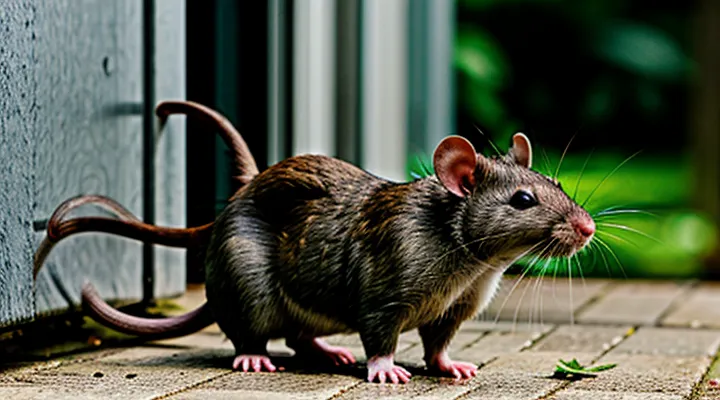
Understanding Rat Sneezing: An Overview
The Anatomy of a Sneeze
Nasal Passages and Respiratory System
Rats possess a compact nasal cavity that channels inhaled air through a series of bony turbinates lined with mucous‑producing epithelium. The mucosa harbors ciliated cells that transport mucus toward the nasopharynx, maintaining a moist surface and trapping foreign particles. Airflow is regulated by the interplay of nasal conchae, the septum, and surrounding musculature, which together ensure efficient ventilation of the lungs.
Sneezing occurs when the nasal epithelium detects an irritant that exceeds a sensory threshold. Mechanical stimulation by dust, pollen, or fungal spores activates trigeminal sensory fibers. Chemical irritants, such as ammonia or volatile organic compounds, provoke a similar response. Sudden temperature shifts can also disturb the delicate thermal balance of the nasal passages, prompting a reflex.
Typical triggers for occasional sneezing in rats include:
- Fine particulate matter (e.g., bedding dust)
- Allergens (e.g., mold spores, rodent feed additives)
- Pathogenic agents (e.g., Mycoplasma pulmonis)
- Irritating vapors (e.g., cleaning agents, anesthetic gases)
- Rapid changes in ambient temperature or humidity
The sneeze reflex follows a rapid neural circuit: sensory receptors transmit signals to the brainstem, which coordinates a burst of inspiratory muscle activity, closure of the glottis, and forceful expulsion of air through the nasal openings. This action clears the nasal lumen of the offending stimulus within milliseconds.
Frequent sneezing serves as a practical indicator of respiratory irritation in laboratory or pet rat populations. Monitoring sneeze frequency can aid in early detection of environmental hazards, infectious outbreaks, or suboptimal housing conditions, allowing timely intervention to protect animal welfare.
Reflex Arc and Triggers
Rats sneeze when a rapid, involuntary reflex arc is activated by stimuli that irritate the nasal mucosa. Sensory receptors in the nasal epithelium detect mechanical or chemical disturbances and generate action potentials that travel via the trigeminal nerve to the sneeze center in the medulla. The central circuit integrates the signal and sends coordinated efferent impulses through the facial and vagus nerves to contract the diaphragm, intercostal muscles, and nasal passages, producing a forceful expulsion of air.
Common triggers for this reflex include:
- Fine dust or particulate matter that contacts the nasal lining
- Volatile compounds such as ammonia, menthol, or strong odors
- Allergens like pollen, mold spores, or rodent‑specific proteins
- Pathogenic agents (bacterial, viral, or fungal) that inflame the mucosa
- Sudden temperature shifts, especially abrupt cooling of inhaled air
- Mechanical irritation from foreign objects or grooming debris
Each trigger activates the same sensory pathway, leading to the stereotyped sneeze response that protects the respiratory tract by clearing irritants.
Common Causes of Rat Sneezing
Environmental Factors
Dust and Allergens
Dust and allergens are common triggers of nasal irritation in rodents. When particles such as household dust, pollen, mold spores, or pet dander become airborne, they settle on the delicate mucous membranes of a rat’s nasal passages. The immune system recognizes many of these particles as foreign, releasing histamine and other mediators that cause swelling, increased mucus production, and reflexive expulsion through sneezing.
Typical dust‑related substances that provoke sneezing include:
- Fine cellulose fibers from bedding material
- Skin flakes and hair from co‑habiting animals
- Insect fragments and fecal debris
- Residual food particles and grain dust
Allergens act similarly, but the response often involves a sensitization phase. Repeated exposure can lead to an overactive immune reaction, resulting in more frequent or intense sneezing episodes. Reducing ambient dust levels, using low‑dander bedding, and maintaining strict cleaning routines are effective measures to minimize these respiratory irritants and prevent sneezing in pet rats.
Irritants and Chemicals
Rats sneeze when airborne particles stimulate the nasal mucosa, triggering a rapid expulsion of air to clear the passage. Irritants that reach the olfactory epithelium provoke this reflex, especially in environments where dust, pollen, or fine fibers are present.
- Dust from bedding or cage cleaning
- Pollen from indoor plants
- Fibrous material from nesting material
- Smoke particles from nearby combustion
Chemical substances can also induce sneezing by irritating the respiratory lining or interacting with sensory receptors. Common agents include:
- Ammonia vapors from urine accumulation
- Formaldehyde released by certain disinfectants
- Essential oil components such as eugenol or menthol in high concentrations
- Aerosolized pesticides or laboratory solvents
The mechanism involves activation of trigeminal nerve endings that detect noxious stimuli, leading to a coordinated muscular contraction that forces air out of the nasal cavity. Repeated exposure may cause hyperreactivity, increasing sneeze frequency and potentially compromising airway health.
For laboratory personnel and pet owners, maintaining low levels of particulate matter and avoiding strong chemical odors reduces the incidence of sneezing episodes, ensuring more reliable experimental data and better animal welfare. Regular cage cleaning, proper ventilation, and the use of low‑odor cleaning agents are effective preventive measures.
Humidity Levels and Air Quality
Humidity directly influences respiratory irritation in rodents. Low relative humidity dries nasal mucosa, reducing its ability to trap particles and increasing susceptibility to sudden involuntary expulsions. High humidity can promote mold growth and aerosolized spores, which also trigger sneezing. Both extremes create conditions where the rat’s nasal passages encounter irritants more readily.
Air quality determines the concentration of airborne particles that reach a rat’s olfactory and respiratory systems. Common irritants include dust, pollen, ammonia from urine, and volatile organic compounds from bedding. Elevated levels of these substances stimulate mechanoreceptors in the nasal epithelium, producing a reflexive sneeze to clear the airway.
Key environmental factors that correlate with increased sneezing incidents:
- Relative humidity below 30 % or above 70 %
- Particulate matter (PM2.5) concentration exceeding 35 µg/m³
- Ammonia concentrations above 25 ppm in enclosed cages
- Presence of mold spores or fungal hyphae in bedding material
Maintaining humidity within the 40–60 % range and ensuring proper ventilation reduces particle buildup. Regular cleaning to limit ammonia and mold, combined with air filtration, creates a stable environment that minimizes the physiological triggers for rat sneezing.
Health-Related Issues
Respiratory Infections
Rats sneeze when the nasal passages are irritated by infectious agents that target the respiratory tract. Common culprits include:
- Bacterial pathogens such as Streptococcus pneumoniae and Pasteurella multocida; they colonize the upper airway, provoke inflammation, and trigger reflex sneezing.
- Viral agents like Sendai virus and rodent parainfluenza virus; they replicate in epithelial cells, causing mucosal edema and increased secretions.
- Fungal organisms such as Aspergillus spp.; spores deposited in the nasal cavity can elicit an immune response leading to sneezing episodes.
Transmission occurs through direct contact, contaminated bedding, and aerosolized droplets. In densely populated colonies, the pathogen load rises, amplifying the frequency of sneezing events. Clinical signs often accompany infection: nasal discharge, ocular tearing, reduced activity, and weight loss. Laboratory confirmation relies on culture, polymerase chain reaction, or histopathology of nasal tissue.
Treatment protocols emphasize antimicrobial therapy tailored to the identified organism, supportive care with hydration and environmental sanitation, and isolation of affected individuals to prevent spread. Preventive measures include:
- Maintaining low humidity and adequate ventilation to reduce aerosol stability.
- Implementing routine health monitoring and quarantine for new arrivals.
- Applying prophylactic vaccinations where available, particularly against common viral agents.
Understanding the link between respiratory infections and sneezing enables precise diagnosis and effective management, reducing morbidity in laboratory and pet rat populations.
Allergies
Allergic reactions are a primary factor that can induce sneezing episodes in rodents. When a rat’s immune system identifies an airborne particle—such as dust, pollen, mold spores, or rodent‑specific bedding material—as harmful, it produces immunoglobulin E (IgE) antibodies. These antibodies bind to mast cells in the nasal mucosa; subsequent exposure triggers mast cell degranulation, releasing histamine and other mediators that irritate the nasal passages and generate the sneeze reflex.
Typical allergens affecting laboratory and pet rats include:
- Fine wood shavings (especially cedar and pine) that release volatile compounds.
- Dust from paper‑based bedding or cage cleaning products.
- Mold growth in humid environments or on wet food.
- Protein residues from stored grain or seed mixes.
- Inhaled chemicals such as aerosol disinfectants and fragrances.
Clinical signs accompanying allergic sneezing may involve:
- Repeated, non‑productive sneezes.
- Nasal discharge that is clear or slightly serous.
- Mild ocular irritation or tearing.
- Reduced activity due to discomfort, without fever or lethargy.
Differentiating allergy‑induced sneezing from infectious causes requires a systematic approach:
- Review cage conditions for potential irritants; eliminate or replace suspect materials.
- Conduct a thorough physical exam, noting the absence of fever, weight loss, or respiratory distress.
- Perform a nasal cytology or lavage to detect eosinophils, which indicate an allergic response.
- If necessary, apply serum IgE testing specific to common rodent allergens.
Management strategies focus on environmental control and, when required, pharmacologic intervention:
- Replace aromatic bedding with low‑dust, paper‑based alternatives.
- Maintain humidity below 60 % and ensure proper ventilation.
- Introduce hypoallergenic food formulations free of grain proteins.
- Administer antihistamines (e.g., diphenhydramine) or corticosteroid sprays under veterinary supervision to reduce inflammation.
Consistent monitoring of environmental variables and prompt adjustment of husbandry practices markedly reduce the frequency of allergic sneezing episodes in rats.
Stress and Anxiety
Rats exhibit sneezing episodes when exposed to acute or chronic psychological stress. Elevated corticosterone levels trigger inflammation in the nasal mucosa, increasing sensitivity to airborne particles and leading to reflexive expulsions.
Stress‑induced autonomic imbalance modifies nasal airflow patterns. Sympathetic overactivity narrows nasal passages, while parasympathetic withdrawal reduces mucosal lubrication. The resulting dryness irritates the epithelium and provokes sneeze reflexes.
Anxiety amplifies the response through heightened vigilance of sensory pathways. Laboratory observations reveal:
- Increased frequency of sneeze bouts during forced‑swim or restraint tests.
- Correlation between elevated plasma cortisol and sneeze intensity.
- Attenuation of sneezing after administration of anxiolytic agents.
These findings indicate that emotional distress directly influences the physiological mechanisms governing nasal irritation and reflexive sneezing in rats.
Dental Problems
Rats sneeze when irritation reaches the nasal passages, and dental disorders are a frequent source of that irritation. The incisors grow continuously; if the teeth become overgrown, misaligned, or develop sharp points, they can press against the palate or nasal turbinates, provoking a sneeze reflex.
The connection between dental pathology and sneezing includes several observable effects:
- Overgrown incisors contacting the nasal cavity
- Malocclusion creating abnormal pressure on the upper palate
- Dental abscesses producing swelling that narrows nasal airflow
- Tooth fractures exposing pulp tissue, leading to inflammation of surrounding structures
Veterinarians diagnose the problem by examining oral anatomy, measuring tooth length, and using radiographs to identify hidden lesions. Treatment typically involves trimming the incisors to proper length, correcting bite alignment with orthodontic appliances, and, when necessary, draining or surgically removing infected tissue. Post‑treatment monitoring ensures that the sneezing episode resolves and that the rat maintains normal dental health.
Differentiating Normal from Concerning Sneezing
Occasional Sneezing
Self-Cleaning Mechanism
Rats possess a specialized self‑cleaning system that maintains nasal patency and reduces the frequency of sneezing episodes. The system integrates mucociliary transport, epithelial turnover, and grooming actions to eliminate particulate matter and microbial contaminants.
Key components include:
- Mucociliary clearance: Ciliated epithelial cells propel a thin mucus layer toward the nasopharynx, trapping dust, pollen, and pathogens.
- Mucus secretion: Goblet cells and submucosal glands produce a viscoelastic fluid that captures irritants and facilitates their removal.
- Epithelial renewal: Continuous shedding of superficial cells removes adhered debris and damaged tissue.
- Self‑grooming: Rats use forepaws and whiskers to dislodge particles from the nasal vestibule and surrounding fur, supplementing internal mechanisms.
When any element of this system is compromised—by high allergen load, respiratory infection, or environmental irritants—the clearance capacity declines, allowing irritants to contact sensory receptors and trigger a sneeze reflex. Efficient operation of the self‑cleaning mechanism therefore directly influences the occurrence and intensity of sneezing in rats.
Reaction to Novel Scents
Rats possess an acute olfactory system that can trigger a sneeze when exposed to unfamiliar odors. Novel scents often contain volatile compounds that irritate the nasal mucosa, activating sensory receptors and initiating a rapid expulsion of air to clear the airway.
The sneeze reflex serves several functions in this context:
- Detects potentially harmful chemicals in the environment.
- Protects respiratory passages from particulate matter carried by new odors.
- Signals physiological stress to conspecifics, prompting avoidance behavior.
Research shows that rats respond more intensely to scents associated with predators, food spoilage, or synthetic chemicals. The intensity of the sneeze correlates with the concentration of irritant molecules and the animal’s prior exposure history. Repeated exposure can lead to habituation, reducing the frequency of sneezes, while sudden introduction of a fresh odor typically provokes an immediate response.
Understanding this reaction helps interpret sneezing episodes as indicators of environmental change rather than disease. Monitoring sneeze patterns can therefore provide insight into the presence of novel olfactory stimuli within a rat’s habitat.
Persistent or Severe Sneezing
Accompanying Symptoms
Rats that exhibit sneezing often display additional clinical signs that help differentiate the underlying cause. Commonly observed manifestations include nasal discharge, which may range from clear fluid to purulent material, and ocular secretions that accompany upper‑respiratory infections. Respiratory rate may increase, and labored breathing can be evident, especially if the nasal passages are obstructed. Fur loss or skin irritation around the snout may signal allergic reactions or irritant exposure, while reduced appetite and lethargy frequently accompany systemic infections.
Typical accompanying symptoms:
- Nasal discharge (clear, serous, or purulent)
- Conjunctival discharge or eye redness
- Elevated respiratory rate or audible wheezing
- Labored breathing or chest retractions
- Fur ruffling, especially near the nose and whisker pads
- Decreased food intake and reduced activity levels
Presence of these signs, together with sneezing, guides veterinary assessment toward infectious agents, environmental irritants, or allergic responses. Accurate observation of each symptom improves diagnosis and informs appropriate treatment strategies.
Changes in Behavior
Rats that sneeze intermittently often display measurable shifts in their daily patterns. Respiratory irritation, viral or bacterial infection, and exposure to airborne particles can trigger a reflex that temporarily disrupts normal activity. The immediate response typically includes a brief pause in locomotion, followed by a reduction in exploratory behavior and a preference for sheltered areas.
Behavioral alterations associated with sneezing episodes include:
- Decreased grooming frequency, reflecting discomfort or reduced motivation.
- Increased time spent immobile, suggesting a need to conserve energy while the airway clears.
- Heightened vigilance toward potential irritants, leading to avoidance of dusty or scented zones.
- Altered social interactions, with sneezing individuals receiving fewer initiations of play or grooming from cage mates.
Long‑term observation often reveals a correlation between recurrent sneezing and chronic changes such as reduced foraging efficiency and slower weight gain. These patterns provide researchers with indirect indicators of underlying respiratory health issues, allowing early intervention before severe pathology develops.
When to Seek Veterinary Care
Signs Requiring Professional Attention
Labored Breathing
Rats that exhibit occasional sneezing often show signs of respiratory distress, with labored breathing serving as a critical diagnostic indicator. When the nasal passages become inflamed, airflow resistance increases, forcing the animal to exert more effort during each inhalation. This heightened effort manifests as visible chest movements, audible wheezing, and a slower respiratory rate.
The relationship between sneezing episodes and compromised breathing can be traced to several physiological mechanisms:
- Upper airway irritation – irritants such as dust, ammonia, or pathogens trigger a sneeze reflex while simultaneously swelling the mucosa, narrowing the airway.
- Lower respiratory tract infection – viral or bacterial agents that cause pneumonia may provoke sneezing as a secondary response, while the primary infection impairs gas exchange, leading to effortful breaths.
- Allergic inflammation – hypersensitivity to environmental allergens induces histamine release, which both initiates sneezing and causes bronchoconstriction, forcing the rat to breathe more laboriously.
- Obstructive debris – foreign particles lodged in the nasal cavity can block airflow, prompting sneezes to expel the material; the obstruction also forces the rat to increase thoracic pressure to inhale.
Monitoring the pattern of labored breathing provides insight into the underlying cause of sneezing. Rapid, shallow breaths suggest acute airway obstruction, whereas prolonged, deep inhalations indicate compensatory mechanisms for reduced oxygen uptake. Veterinary assessment should include auscultation, nasal swabs, and imaging to differentiate between infectious, allergic, or environmental origins. Early identification of respiratory strain reduces the risk of secondary complications such as hypoxia or secondary infections, ultimately improving the animal’s prognosis.
Nasal Discharge
Rats produce a fluid from the nasal passages when the mucous membranes become irritated or inflamed. This secretion, known as nasal discharge, can appear clear, mucoid, or purulent, depending on the underlying condition.
Typical triggers of nasal discharge that may lead to sneezing include:
- Acute upper‑respiratory infections caused by viruses or bacteria.
- Allergic reactions to dust, bedding material, or food additives.
- Exposure to irritants such as strong odors, ammonia from waste, or aerosolized chemicals.
- Dental or sinus disease that obstructs normal drainage.
The appearance of the discharge provides diagnostic clues. Clear, watery fluid often signals a viral infection or allergic response, while yellow‑green, thick material suggests bacterial involvement. Blood‑tinged or frothy secretions may indicate trauma or severe inflammation of the nasal epithelium.
Monitoring nasal discharge assists in determining the severity of respiratory distress. Persistent or worsening secretion warrants veterinary examination, possible culture of the material, and targeted treatment such as antimicrobial therapy, antihistamines, or environmental modification to reduce irritants. Early identification of abnormal discharge helps prevent chronic sneezing episodes and protects overall health in laboratory and pet rat populations.
Lethargy and Appetite Loss
Rats that exhibit sudden sneezing often show additional signs that point to underlying health problems. Lethargy and reduced food intake frequently accompany nasal irritation, indicating that the respiratory issue is not isolated.
- Viral infections (e.g., Sendai virus) trigger inflammation of the nasal passages, leading to sneezing, fatigue, and diminished appetite.
- Bacterial agents such as Streptococcus spp. produce mucus accumulation, which impairs breathing and energy levels, causing the animal to withdraw from normal activity and eat less.
- Allergic reactions to dust, bedding material, or food additives provoke histamine release; the resulting congestion is paired with systemic dullness and a drop in food consumption.
- Metabolic disorders, including hypoglycemia, can manifest as intermittent sneezing due to weakened mucosal defenses, while the animal conserves energy by moving less and eating sparingly.
Persistent lethargy and appetite loss signal that the sneezing episode may be part of a broader pathological process. Immediate veterinary assessment, including nasal swabs, blood panels, and environmental review, is essential to identify the cause and initiate targeted treatment. Early intervention prevents progression to severe respiratory distress or secondary infections.
Weight Loss
Weight loss in laboratory rats can alter respiratory physiology, making occasional sneezing more likely. Reduced adipose tissue decreases the mechanical load on the thorax, which changes airflow dynamics during inhalation. This shift may trigger irritant receptors in the nasal mucosa, resulting in sneeze reflexes.
Key mechanisms linking reduced body mass to sneezing episodes include:
- Airway pressure variation – lower body weight reduces intrathoracic pressure, causing turbulent airflow that irritates nasal epithelium.
- Hormonal fluctuations – caloric restriction elevates cortisol and catecholamines; both hormones modulate mucosal sensitivity.
- Immune modulation – weight loss can suppress certain immune functions, allowing minor pathogens or allergens to provoke sneezing more readily.
Experimental observations support these connections. Rats subjected to a 30‑percent calorie reduction displayed a 15‑20 % increase in spontaneous sneezes compared with control groups. The effect persisted until body weight stabilized, after which sneeze frequency returned to baseline.
Therefore, monitoring sneezing frequency can serve as an indirect indicator of metabolic stress associated with weight loss in rodent studies. Adjusting diet protocols to maintain stable body mass reduces the incidence of such respiratory events.
Diagnostic Procedures
Physical Examination
Physical examination provides the primary data needed to determine the cause of intermittent sneezing in laboratory rats.
The examiner begins with a systematic visual assessment. Observe the animal’s posture, activity level, and respiratory pattern. Note any nasal discharge, facial swelling, or signs of distress. Check the fur for excessive grooming, which may indicate irritation.
Next, perform tactile evaluation. Gently palpate the nasal bridge and surrounding sinuses for tenderness or masses. Assess the oral cavity for overgrown incisors, which can impinge on nasal passages. Use a stethoscope to listen for abnormal lung sounds that suggest lower‑respiratory involvement.
Specific diagnostic steps may include:
- Nasal swab collection for cytology and microbial culture.
- Otoscopic inspection of the ear canal to rule out middle‑ear infection that can provoke reflex sneezing.
- Measurement of body temperature and weight to identify systemic illness.
Interpretation of findings links observed abnormalities to probable etiologies. Nasal discharge with neutrophilic inflammation points to bacterial rhinitis; clear discharge and mild turbidity suggest allergic or irritant exposure; dental overgrowth correlates with mechanical obstruction of airflow. Abnormal lung sounds combined with sneezing indicate a broader respiratory infection.
Concluding the examination, document all observations, correlate them with potential causes, and recommend targeted laboratory testing or environmental modifications to resolve the sneezing episodes.
Cultures and Imaging
Rats occasionally exhibit nasal expulsions that reflect acute airway irritation, a phenomenon useful for studying respiratory reflexes and disease models.
Laboratory cultures provide a controlled platform for dissecting the cellular origins of these expulsions. Primary nasal epithelial cells, harvested from adult specimens, are maintained in air‑liquid interface systems that preserve ciliary beat frequency and mucus production. Organotypic slices retain native neuronal connections, allowing assessment of sensory nerve activation by irritants such as dust, allergens, or viral particles. Co‑culture with immune cells reproduces inflammatory signaling that can amplify the sneeze reflex.
Imaging technologies translate cellular events into observable physiological responses. High‑resolution micro‑computed tomography visualizes airway lumen changes in real time, detecting transient narrowing during sneezing episodes. Two‑photon intravital microscopy, combined with calcium‑sensitive dyes, tracks activation of trigeminal ganglion neurons adjacent to the nasal epithelium. Functional magnetic resonance imaging maps brainstem regions engaged in the reflex arc, while optical coherence tomography measures mucus layer thickness before and after exposure.
The synergy of cultured systems and advanced imaging clarifies trigger pathways:
- Allergen or pathogen exposure → epithelial cytokine release → immune cell recruitment.
- Sensory nerve depolarization → trigeminal activation → motor output to nasal muscles.
- Airway constriction and mucus displacement captured by micro‑CT and OCT.
By linking in‑vitro cellular responses with in‑vivo structural and functional data, researchers obtain a comprehensive view of the mechanisms that cause rats to sneeze intermittently, facilitating translation to human respiratory health research.
Preventing and Managing Rat Sneezing
Optimizing Cage Environment
Substrate Choices
Rats sneeze when airborne particles irritate the nasal passages; the material placed on the cage floor directly influences particle concentration.
Common bedding materials differ in dust production, ammonia absorption, and allergen content. Wood shavings from pine or cedar release volatile oils that can provoke respiratory responses. Aspen shavings generate less scent but still contain fine particles. Corncob pellets produce moderate dust and may harbor mold if moisture accumulates. Paper-based products, such as shredded newspaper or compressed paper chips, offer low dust levels but can become compacted, reducing airflow.
Low‑dust, high‑absorption substrates that minimize sneezing include:
- Aspen wood shavings, untreated, with regular replacement.
- Compressed paper bedding, loosely fluffed before use.
- Fleece liners, washed weekly and dried thoroughly.
- Recycled cellulose pellets, pre‑moistened to reduce airborne fragments.
Effective management requires frequent spot cleaning, full substrate change every two weeks, and monitoring of humidity to prevent mold growth. Using a dust‑free substrate combined with consistent cleaning reduces the incidence of sneezing episodes in laboratory and pet rats.
Ventilation
Ventilation directly influences the frequency of sneezing in rats by controlling the concentration of airborne irritants. Poor airflow allows dust, mold spores, and ammonia from urine to accumulate, each capable of stimulating the nasal mucosa. Adequate exchange of indoor and outdoor air dilutes these particles, reducing the likelihood of reflexive sneezing.
Key ventilation parameters affecting rat respiratory health:
- Air exchange rate: Higher rates lower particulate density and volatile compounds.
- Filtration efficiency: Filters that capture fine dust and biological spores prevent their re‑circulation.
- Humidity control: Balanced humidity (40‑60 %) prevents drying of nasal passages while avoiding excess moisture that promotes mold growth.
- Temperature stability: Consistent temperatures avoid condensation on surfaces, which can release irritants into the air.
Maintaining a clean, well‑ventilated environment minimizes exposure to sneezing triggers, supporting the overall respiratory comfort of laboratory or pet rats.
Regular Cleaning
Regular cleaning reduces airborne irritants that trigger sneezing in rats. Dust, mold spores, and residual food particles accumulate in cages, tunnels, and surrounding environments. When these particles become airborne, they contact the nasal mucosa of rats, stimulating the sneeze reflex. Removing the source of irritants lowers the frequency of sneeze episodes.
Effective cleaning practices include:
- Daily removal of uneaten food and droppings from the cage floor.
- Weekly washing of bedding with a mild, non‑perfumed detergent, followed by thorough rinsing.
- Monthly disinfection of cage walls, feeding stations, and water bottles using a veterinarian‑approved sanitizer.
- Routine ventilation checks to ensure fresh air circulation and prevent humidity buildup that encourages mold growth.
Consistent implementation of these steps maintains a low‑dust environment, minimizes pathogen exposure, and directly addresses the physiological triggers of rat sneezing.
Dietary Considerations
Nutritional Support
Rats may sneeze when nasal passages encounter irritants, allergens, or inflammatory conditions. Diet directly influences mucosal health and immune competence, thereby affecting the frequency and severity of such episodes.
- Vitamin A – stabilizes epithelial cells, preserves mucosal barrier integrity.
- Vitamin C – functions as an antioxidant, reduces oxidative stress in respiratory tissues.
- Vitamin E – protects cell membranes from lipid peroxidation, supports anti‑inflammatory pathways.
- Omega‑3 fatty acids – modulate cytokine production, lessen airway inflammation.
- Zinc – essential for leukocyte activity, aids in pathogen clearance from the upper airway.
- Selenium – contributes to glutathione‑dependent antioxidant defenses, mitigates tissue damage.
Commercial rodent chow typically contains baseline levels of these nutrients, yet experimental protocols often require adjustment. Formulations enriched with the listed compounds improve mucosal resilience and reduce sneezing incidents linked to dietary deficiencies. Quality control measures—such as verifying vitamin stability during storage and ensuring consistent fatty‑acid profiles—prevent inadvertent nutrient loss.
Practitioners should assess feed composition regularly, supplement deficient nutrients, and avoid ingredients known to provoke respiratory irritation (e.g., dust‑rich powders, high‑protein spikes). Monitoring sneezing frequency alongside dietary changes provides feedback on the effectiveness of nutritional interventions.
Avoiding Allergens
Rats sneeze primarily when airborne particles irritate the nasal mucosa. Eliminating these particles reduces the frequency of sneezing episodes.
Common allergens that trigger nasal irritation in rats include dust, mold spores, pollen, and strong fragrances. Effective control measures consist of:
- Regularly cleaning cages and accessories with low‑dust bedding.
- Maintaining humidity below 60 % to inhibit mold growth.
- Storing feed in sealed containers to prevent contamination by insects or pollen.
- Using unscented, chemical‑free cleaning agents.
- Installing air filters in the room where rodents are housed.
By minimizing exposure to identified irritants, caretakers can lower the incidence of sneezing and improve overall respiratory health in laboratory and pet rats.
Stress Reduction Techniques
Enrichment
Enrichment supplies sensory, cognitive, and physical stimulation that can directly affect the respiratory health of laboratory and pet rats. Properly selected items reduce stress‑induced immunosuppression, which often correlates with fewer sneezing episodes. Conversely, poorly chosen enrichment may introduce airborne particles that trigger nasal irritation.
Key considerations for enrichment and rat sneezing:
- Material composition – Natural wood shavings, untreated paper, and cotton fibers release fine dust; replace with low‑dust alternatives such as compressed paper pulp or sealed plastic toys.
- Ventilation – Enrichment placed in poorly ventilated corners concentrates allergens; ensure airflow around tunnels, hideouts, and climbing structures.
- Cleaning frequency – Accumulated debris on enrichment objects becomes a source of mold spores; schedule regular sanitization without using strong aerosols that can irritate the nasal mucosa.
- Variety of textures – Providing smooth, non‑abrasive surfaces (e.g., polished ceramic bowls) minimizes mechanical irritation of the nasal passages while still offering tactile interest.
- Scented items – Essential oils or strong fragrances attract attention but often contain volatile compounds that provoke sneezing; avoid scented bedding or toys.
Implementing these guidelines creates an environment where enrichment fulfills its purpose of enhancing welfare without compromising respiratory comfort. Monitoring sneezing frequency after changes in enrichment can help identify problematic items and refine husbandry practices.
Social Interaction
Rats occasionally sneeze as a physiological response that can be linked to the dynamics of their social environment. Direct contact during group housing introduces airborne particles, nasal irritants, and pathogens that trigger sneezing episodes. Aggressive encounters increase respiratory stress, while affiliative behaviors such as grooming expose individuals to another’s nasal secretions, raising the likelihood of reflexive sneezing.
Key social factors influencing sneezing frequency include:
- High‑density cage conditions that limit airflow and concentrate irritants.
- Dominance disputes that elevate cortisol levels and affect nasal mucosa.
- Mutual grooming sessions that transfer mucus and microbial load.
- Introduction of unfamiliar conspecifics, which can provoke immune reactions.
Understanding these social determinants assists researchers in interpreting sneezing data, refining experimental controls, and improving welfare standards for laboratory and pet rat colonies. Adjusting group size, providing adequate ventilation, and monitoring hierarchy stability reduce unnecessary sneezing and enhance the reliability of physiological observations.
Routine Health Checks
Routine veterinary examinations provide the most reliable means of detecting conditions that provoke nasal discharge in rats. By assessing the animal’s health at regular intervals, practitioners can differentiate between infectious, allergic, or dental origins of sneezing and intervene before symptoms become chronic.
Key elements of a comprehensive health assessment include:
- Physical inspection of the head and nasal passages for crusting, swelling, or discharge.
- Measurement of body weight and condition score to identify malnutrition or systemic disease.
- Evaluation of dental alignment, as overgrown incisors can obstruct airflow and trigger sneezing.
- Review of cage hygiene, bedding material, and ambient temperature to rule out irritants.
- Laboratory testing (e.g., nasal swabs, blood panels) when respiratory infection is suspected.
Early identification of respiratory pathogens, such as Mycoplasma pulmonis, or allergic reactions to dust and scented products markedly reduces the frequency and severity of sneezing episodes. Prompt treatment—antibiotics for bacterial infections, antihistamines for allergies, or dental trimming for malocclusion—restores normal respiratory function.
Veterinary guidelines recommend health checks every three to six months for adult rats, with additional examinations following any change in sneezing pattern, appetite, or activity level. Owners should maintain detailed records of observations and schedule appointments with a veterinarian experienced in small‑animal care to ensure consistent monitoring and timely intervention.