
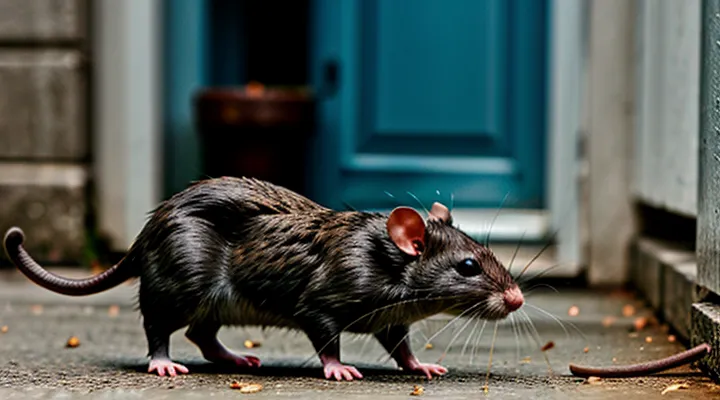
The Basics of Rat Odor
Natural Rat Scent
Rats emit a characteristic odor that originates from secretions of specialized glands and skin surface lipids. These natural scent compounds serve as chemical signals for intra‑species communication and environmental interaction.
Key components of the odor profile include:
- «pheromones» produced by the preputial and anal glands, influencing reproductive behavior;
- «fatty acids» such as palmitic and oleic acid, derived from sebaceous secretions;
- «volatile organic compounds» (VOCs) like aldehydes and ketones, released from urine and feces;
- «microbial metabolites» generated by skin‑associated bacteria, modifying scent intensity.
The scent system enables rats to delineate territory, identify conspecifics, and assess health status of peers. Chemical cues convey information about age, sex, and reproductive readiness, guiding social hierarchy and mating decisions.
Dietary composition, pathogen load, and stress levels alter the quantity and composition of secreted compounds. High‑protein diets increase nitrogenous waste, enhancing urine odor, while infections can elevate bacterial by‑products, intensifying overall scent.
Understanding natural rat scent informs detection technologies and control strategies. Trained canines and electronic sensors exploit specific VOC patterns to locate infestations, while targeted disruption of pheromone pathways offers a non‑lethal management approach.
Contributing Factors to Odor Strength
Rats emit a potent odor that results from a combination of physiological, microbial, and environmental influences. The intensity of the smell reflects the interaction of these elements, each contributing to the overall odor profile.
- « Sebaceous gland secretions » produce fatty acids that oxidize rapidly, generating volatile compounds with a characteristic musky scent.
- « Urinary metabolites » contain ammonia and sulfur‑containing molecules; high concentrations amplify the sharp, pungent notes.
- « Skin microbiota » metabolize glandular secretions, creating additional volatile organic compounds such as aldehydes and ketones that enhance odor complexity.
- « Dietary composition » influences the quantity of nitrogenous waste and fatty acids excreted, directly affecting the concentration of odor‑forming substances.
- « Stress‑induced hormonal changes » elevate cortisol levels, which modify gland activity and increase the release of odorous compounds.
- « Living conditions » such as poor ventilation, high humidity, and overcrowding promote microbial growth and prolong the persistence of volatile substances in the environment.
Collectively, these factors determine the strength and persistence of rat odor. Mitigating any single element—through improved hygiene, dietary adjustments, or environmental control—can reduce the overall olfactory impact.
Decoding the Causes of Strong Rat Odors
Environmental Influences
Rats emit distinctive odors as a direct response to the conditions of their surroundings. Nutrient composition of available food determines the volatile compounds released through saliva and urine; high‑protein diets increase ammonia production, while carbohydrate‑rich sources elevate lactic‑acid metabolites. Habitat characteristics further shape scent intensity. Subterranean burrows with limited ventilation trap moisture, fostering bacterial growth that converts waste into malodorous gases. Elevated ambient humidity accelerates this process, whereas arid environments reduce bacterial activity and consequently diminish odor.
Temperature fluctuations influence metabolic rate. Warm climates elevate respiration and excretion, leading to greater emission of volatile organic compounds. Conversely, cooler settings suppress metabolic activity, resulting in weaker scent signatures. Accumulation of waste material within nesting areas creates a feedback loop: increased fecal and urinary deposits provide substrates for microbial decomposition, intensifying the overall odor profile.
Key environmental factors include:
- Diet composition (protein vs. carbohydrate content)
- Burrow ventilation and humidity levels
- Ambient temperature and seasonal variation
- Waste management within the colony
- Presence of external chemicals (e.g., pesticides, industrial pollutants)
Chemical exposure alters the composition of rat secretions. Contact with solvents or heavy metals can integrate foreign molecules into excretions, producing atypical odors that differ from those generated by natural metabolic processes. Understanding these environmental determinants enables accurate assessment of rat scent patterns in both urban and rural settings.
Poor Sanitation
Rats emit a strong odor when they inhabit environments lacking proper hygiene. Accumulated waste provides abundant food sources, encouraging bacterial growth on the animals’ fur and skin. Moisture from standing water or clogged drainage systems creates conditions for mold and yeast, which further intensify the smell.
Key factors of inadequate sanitation that amplify the odor include:
- Unsecured garbage containers that attract scavenging and allow decomposition gases to linger.
- Leaking pipes or puddles that maintain high humidity, promoting microbial proliferation.
- Overcrowded shelters where rats are forced into close quarters, facilitating the transfer of scent‑producing bacteria.
- Lack of regular cleaning, which permits organic residues to build up and release volatile compounds.
These elements interact to produce a characteristic, unpleasant scent associated with rodent infestations in poorly maintained areas.
Accumulation of Waste
Waste accumulation creates an environment where organic matter decomposes rapidly, generating a suite of volatile compounds that contribute to the characteristic odor associated with rodents. Decomposing food scraps and refuse provide a nutrient-rich substrate for bacteria and fungi, whose metabolic activity releases ammonia, sulfides, and short‑chain fatty acids. These molecules are highly volatile and readily spread through the burrow system, coating the fur and skin of rats and increasing the intensity of their scent.
The process can be broken down into several steps:
- Organic material breaks down under aerobic and anaerobic conditions.
- Microbial populations proliferate, producing metabolic by‑products such as trimethylamine and cadaverine.
- Volatile compounds diffuse into the surrounding air and adhere to the animal’s pelage.
- Elevated odor levels enhance intra‑species communication and attract predators, influencing population dynamics.
Effective waste management reduces the availability of fermentable substrates, thereby limiting microbial growth and the resulting odoriferous emissions. Regular removal of garbage, sealed containers, and prompt cleaning of spillages are proven measures that diminish the chemical precursors of rat smell.
Moisture and Humidity
Moisture in the surrounding air directly influences the concentration of volatile organic compounds released by rats. Elevated humidity slows the evaporation of urine, glandular secretions, and skin oils, allowing odor‑carrying molecules to persist longer in the environment.
High humidity promotes bacterial and fungal proliferation on rat fur and in nesting material. Microbial metabolism breaks down organic residues into additional malodorous substances, intensifying the overall scent profile.
Wet fur retains more scent molecules because water molecules bind to hydrophobic compounds, preventing rapid dispersal. Consequently, rats inhabiting damp locations generate stronger, more persistent odors.
Key effects of moisture and humidity on rat odor:
- Reduced volatilization of odorants → prolonged detection time.
- Enhanced microbial activity → production of secondary odor compounds.
- Increased retention of scent molecules on fur and bedding → amplified intensity.
Managing environmental dryness therefore reduces the concentration and longevity of rat‑related odors.
Dietary Factors
Rats emit a distinctive odor that correlates strongly with the composition of their diet. Specific nutrients and food contaminants alter the microbial populations in the gastrointestinal tract, leading to the production of volatile compounds expelled through urine, feces, and skin secretions.
Key dietary contributors include:
- High‑protein meals rich in sulfur‑containing amino acids (cysteine, methionine). Their catabolism generates hydrogen sulfide and mercaptans, both pungent odorants.
- Fatty foods with elevated levels of polyunsaturated fatty acids. Oxidative degradation produces aldehydes and ketones that augment scent intensity.
- Fermentable carbohydrates such as starches and sugars. Excessive fermentation yields short‑chain fatty acids (butyrate, propionate) that intensify fecal odor.
- Spoiled or mold‑contaminated feed. Mycotoxins and fungal metabolites introduce additional aromatic compounds.
Conversely, diets low in protein and rich in fiber reduce the concentration of odor‑producing metabolites. Inclusion of prebiotic fibers promotes a balanced gut microbiome, diminishing the synthesis of malodorous substances. Regular rotation of feed sources prevents accumulation of specific odor‑enhancing components.
Monitoring nutrient ratios and ensuring feed freshness constitute effective strategies for controlling rat odor through dietary management.
Food Type and Digestion
Rats emit a distinctive odor that correlates closely with the composition of their diet and the efficiency of their digestive system. High‑protein foods increase the production of nitrogenous waste, such as ammonia, which is released through urine and skin secretions, intensifying the overall scent. Fat‑rich meals promote the formation of volatile fatty acids during intestinal fermentation, contributing to a sour, rancid note. Carbohydrate‑dominant diets generate fewer odorous metabolites, resulting in a milder smell.
Key digestive processes influencing odor:
- Proteolysis in the stomach and small intestine produces amino‑acid breakdown products, many of which are volatile and malodorous.
- Cecal fermentation of undigested fibers yields short‑chain fatty acids (acetate, propionate, butyrate) that diffuse into the bloodstream and are excreted via breath and secretions.
- Hepatic detoxification converts toxic metabolites into less volatile compounds; inefficiencies in this pathway elevate the release of odorous substances.
Adjusting food type toward balanced protein, moderate fat, and high digestible carbohydrates reduces the concentration of odor‑producing compounds, thereby mitigating the characteristic smell associated with rats.
Dietary Waste Products
Rats emit a distinctive odor largely because their diet generates metabolic waste that accumulates in body fluids and excreta. Protein‑rich foods increase nitrogenous compounds, while high‑fat or sugary meals promote fermentation by gut microbes. Both processes release volatile substances that disperse from the animal’s skin, urine, and feces.
Key waste products responsible for the smell include:
- Ammonia, produced from the breakdown of urea and amino acids, volatilizes rapidly and contributes a sharp, pungent note.
- Indole and skatole, derived from bacterial degradation of tryptophan, impart a fecal, earthy scent.
- Short‑chain fatty acids such as butyric and propionic acid, formed during carbohydrate fermentation, add sour, rancid notes.
- Sulfur‑containing compounds, notably hydrogen sulfide and dimethyl sulfide, arise from the metabolism of sulfur‑rich proteins and generate a rotten‑egg odor.
These compounds persist because rats lack efficient detoxification pathways for volatile nitrogen and sulfur metabolites. Consequently, waste accumulates in the anal glands and urine, continuously releasing odorants into the environment. The result is a persistent, recognizable smell that signals the presence of rats in infested areas.
Biological Contributors
Rats emit a distinctive odor due to several physiological mechanisms. The scent originates primarily from substances produced by the animal’s own body and from external agents that interact with these secretions.
- Glandular secretions: sebaceous and anal glands release fatty acids, volatile amines, and sulfide compounds that contribute to the characteristic smell.
- Skin microbiota: bacteria on the fur metabolize glandular secretions, generating additional volatile organic compounds.
- Diet: consumption of protein‑rich or fermentable foods alters the composition of excreted waste, influencing odor intensity.
- Genetic factors: specific alleles affect the quantity and composition of glandular output, leading to variation among individuals.
- Pathological conditions: infections, respiratory diseases, and parasitic infestations increase the production of malodorous metabolites.
These biological contributors collectively determine the intensity and quality of the odor associated with rats.
Urine and Feces
Rat odor originates primarily from metabolic waste expelled in urine and feces. Both excreta contain volatile compounds that disperse rapidly in confined spaces, creating a distinctive scent detectable by humans and predators.
Urine is rich in nitrogenous substances. Key odor‑producing components include:
- Ammonia, released through the breakdown of urea.
- 2‑Methylnaphthalene, a by‑product of aromatic amino‑acid metabolism.
- Phenols such as p‑cresol, formed by bacterial degradation of aromatic compounds.
These molecules possess low molecular weight and high vapor pressure, facilitating swift evaporation and diffusion.
Feces contribute additional malodorous substances. Predominant volatiles are:
- Indole and skatole, derived from tryptophan catabolism.
- Short‑chain fatty acids (butyric, valeric acids) produced by gut microbiota.
- Sulfur‑containing compounds, including hydrogen sulfide and methanethiol, generated during protein breakdown.
Combined, the emissions from urine and feces establish a persistent, pervasive odor environment. Accumulation intensifies in poorly ventilated areas, where the concentration of volatile organic compounds can exceed sensory thresholds, prompting avoidance behavior in humans and facilitating predator detection of rodent activity.
Ammonia Production
Rats emit a characteristic odor primarily because of ammonia released during protein metabolism. When dietary proteins are broken down, amino groups are removed, forming ammonia as a toxic intermediate. The liver converts most ammonia into urea for excretion, but excess ammonia accumulates in sweat, urine, and glandular secretions, contributing to the distinctive smell.
Key biochemical steps of ammonia production in rats:
- Deamination of amino acids by aminotransferases and dehydrogenases.
- Oxidative deamination of glutamate via glutamate dehydrogenase, yielding free ammonia.
- Catabolism of nucleic acids, releasing ammonia from purine and pyrimidine breakdown.
- Microbial fermentation in the gut, generating ammonia that diffuses into the bloodstream.
Ammonia concentration in rat secretions can reach several millimoles per liter, far exceeding levels in many other mammals. The high metabolic rate and omnivorous diet of rats increase protein turnover, amplifying ammonia output. Consequently, ammonia accumulation directly influences the noticeable scent associated with these rodents.
Pheromones
Rats emit a complex blend of volatile compounds that serve both as metabolic by‑products and as intentional chemical messages. These messages, known as pheromones, are synthesized in specialized glands and excreted in urine, saliva, and scent marks.
«Pheromones are chemical signals released by an individual to influence the behavior or physiology of another individual of the same species». In rats, pheromones mediate social hierarchy, reproductive readiness, and predator avoidance.
Key functions of rat pheromones include:
- Territory delineation through deposited urine and glandular secretions.
- Synchronization of estrus cycles among females exposed to male‑derived compounds.
- Activation of alarm responses when conspecifics detect stress‑related chemicals.
Detection relies on the vomeronasal organ and main olfactory epithelium, which contain receptors tuned to specific molecular structures such as sulfated steroids, major urinary proteins, and short‑chain fatty acids. Neural pathways transmit these signals to limbic regions, prompting rapid behavioral adjustments.
Experimental studies identify compounds like 2‑heptanone, a volatile emitted during aggressive encounters, and trimethylamine, a marker of reproductive status. Manipulation of these substances alters social interactions, confirming their direct influence on rat odor perception.
Understanding pheromonal communication clarifies why rats are perceived as strongly scented, linking metabolic emissions to purposeful intra‑species signaling.
Glandular Secretions
Rats emit a characteristic odor primarily due to the activity of specialized exocrine glands. These glands release volatile compounds that disperse into the environment, providing chemical signals for conspecifics and predators alike.
The main sources of odor in rats include:
- Harderian glands – located behind the eyes, secrete lipid‑rich secretions containing porphyrins and pheromonal substances.
- Sebaceous glands – distributed across the skin, produce fatty acids and wax esters that oxidize to malodorous compounds.
- Anal scent glands – situated near the cloaca, emit a mixture of aliphatic acids, aldehydes, and steroids used in territorial marking.
- Urinary bladder epithelium – releases urea and ammonia, contributing to the overall scent profile.
Secretions from these glands contain low‑molecular‑weight molecules such as isovaleric acid, skatole, and various sulfides. Their high vapor pressure facilitates rapid evaporation, ensuring that the odor is detectable at a distance. The composition of glandular output varies with age, sex, and reproductive status, influencing the intensity and specificity of the scent.
Understanding the biochemical pathways underlying glandular secretion provides insight into rat communication, disease detection, and pest management strategies.
Preputial Glands
Preputial glands, also known as clitoral or Cowper’s glands in rodents, are paired exocrine structures located near the genital papilla. They secrete a lipid‑rich fluid that coats the ventral surface of the animal. This secretion contains volatile compounds such as fatty acids, steroids, and pheromonal molecules, which contribute significantly to the characteristic odor of rats.
The fluid released by the glands adheres to the fur and skin, providing a persistent scent that can be detected by conspecifics over considerable distances. Chemical analysis shows high concentrations of androstenone, androstenol, and other odorants that modulate social behavior, territorial marking, and reproductive status.
In laboratory settings, removal or blockage of preputial glands leads to a measurable reduction in ambient odor levels, confirming their primary role in scent production. The glands also participate in antimicrobial defense by delivering lipids that inhibit bacterial growth on the skin surface.
Key functions of preputial glands:
- Production of pheromone‑laden secretion
- Maintenance of coat hygiene through antimicrobial lipids
- Facilitation of intra‑species communication via odor cues
Understanding the biochemical output of these glands clarifies the source of the strong smell associated with rats and highlights their importance in both natural and experimental environments.
Flank Glands
Flank glands are paired exocrine structures located on the lateral abdomen of rodents. They produce a complex secretion rich in volatile fatty acids, steroidal compounds, and proteinaceous pheromones. Release of this fluid occurs during grooming, aggressive encounters, and mating, contributing directly to the distinctive scent associated with rats.
Key characteristics of the secretion:
- High concentration of lactic, butyric, and isovaleric acids, which generate a sharp, musky odor.
- Presence of cholesterol‑derived steroids that function as chemical signals for conspecifics.
- Protein components that bind odor molecules, enhancing stability and detectability.
The glands are innervated by sympathetic fibers, allowing rapid discharge in response to stress or social stimuli. Hormonal regulation, particularly by testosterone, increases secretion volume in sexually mature males, intensifying their olfactory imprint on the environment. Environmental factors such as diet and microbial colonization of the skin modulate the exact composition of the fluid, leading to individual variation in scent profiles.
Overall, flank glands serve as a primary source of the odor that characterises rats, facilitating territory marking, hierarchical communication, and reproductive signaling. Their biochemical output explains why these animals emit a strong, recognizable smell in both laboratory and wild settings.
Bacterial Activity
Rats emit a characteristic odor because microorganisms colonize their skin and fur, converting nutrients into volatile metabolites.
- Predominant bacterial genera include Staphylococcus, Corynebacterium and Pseudomonas.
- These microbes synthesize short‑chain fatty acids, ammonia, sulfur‑containing compounds and aldehydes.
- The resulting volatile organic compounds (VOCs) disperse into the surrounding air, creating the familiar scent.
Environmental conditions modulate bacterial activity. High humidity, warm temperatures and protein‑rich diets promote rapid microbial growth, increasing VOC production. Conversely, dry, cool habitats and regular grooming reduce bacterial load and attenuate odor.
The odor profile serves practical functions. Detection dogs exploit the VOC signature to locate rodents in agricultural and urban settings. Understanding bacterial contributions enables targeted hygiene interventions, such as antimicrobial grooming agents, to diminish the smell and improve pest‑management outcomes.
Skin Bacteria
Rats emit a distinctive odor that originates largely from microorganisms inhabiting their skin. The skin surface provides a moist, nutrient‑rich environment where bacteria proliferate, metabolize secreted compounds, and release volatile organic substances. These volatiles combine with urine and glandular secretions, producing the characteristic scent associated with rodents.
Key bacterial groups identified on rat skin include:
- Staphylococcus species, particularly Staphylococcus epidermidis, which break down fatty acids into short‑chain aldehydes and ketones.
- Corynebacterium spp., known for converting amino acids into pungent amines.
- Propionibacterium species, which generate propionic acid and related esters.
- Pseudomonas spp., capable of producing sulfur‑containing compounds.
Metabolic pathways common to these microbes involve lipase activity that hydrolyzes sebum lipids, deamination of amino acids, and fermentation of carbohydrates. The resulting mixture of aldehydes, ketones, amines, and sulfur compounds diffuses from the fur and skin surface, creating the odor detectable by predators and humans alike.
Environmental factors such as humidity, diet, and colony density influence bacterial load and metabolic output. Higher humidity enhances bacterial growth, while protein‑rich diets increase substrate availability for amine production. Crowded conditions elevate transmission of skin microbes, amplifying overall scent intensity.
Understanding the microbial contribution to rat odor informs pest‑control strategies, including the use of targeted antimicrobials or environmental modifications to disrupt bacterial metabolism and reduce olfactory cues.
Gut Flora
Rats emit a distinctive odor that originates largely from microbial activity within the gastrointestinal tract. The resident bacterial community ferments dietary components, generating volatile metabolites that diffuse through the gut wall and are released in breath, urine, and feces.
Key odor‑producing compounds include:
- «short‑chain fatty acids» such as acetate, propionate and butyrate;
- «indole» and «skatole», derived from tryptophan catabolism;
- phenolic substances like phenol and p‑cresol;
- sulfur‑containing molecules, for example hydrogen sulfide and methanethiol.
The composition of gut flora varies with nutrient intake, age and environmental exposure. High‑protein diets increase protein‑fermenting bacteria, raising levels of indole and sulfur compounds, while fiber‑rich diets favor short‑chain fatty‑acid producers, altering the odor profile. Antibiotic treatment or probiotic supplementation can shift microbial populations, resulting in measurable changes in emitted volatiles.
Understanding the microbial basis of rat odor supports the development of non‑invasive detection methods and informs strategies for pest management, as odor intensity correlates with bacterial load and metabolic activity.
Differentiating Between Odor Sources
Pet Rats vs. Wild Rats
Pet rats typically emit a milder scent than their wild counterparts because they live in controlled environments, receive regular grooming, and consume a consistent diet. Their odor is limited to natural body secretions and occasional bedding residue.
Wild rats develop a stronger smell due to several factors:
- Exposure to diverse waste sources, including garbage and decaying matter, which coats fur with pungent compounds.
- Presence of external parasites such as mites and fleas that release additional odoriferous substances.
- Inconsistent grooming opportunities, leading to accumulation of oils, urine, and fecal particles on the coat.
- Variable diet rich in protein and carrion, producing metabolic by‑products with distinctive smells.
The contrast in odor intensity reflects differences in habitat hygiene, diet composition, and parasite load, clarifying the underlying reasons for the characteristic smell associated with each group.
Healthy Odor vs. Unhealthy Odor
Rats constantly release volatile compounds that reflect their internal state. The composition of these emissions separates normal metabolic processes from pathological conditions, providing a reliable indicator of health.
«Healthy odor» originates from balanced gut microbiota and efficient protein metabolism. Dominant compounds include low‑level aldehydes, short‑chain fatty acids, and mild amines that produce a faint, earthy scent. Absence of strong sulfur or putrefaction notes signals intact liver function and adequate nutrition.
«Unhealthy odor» emerges when infection, poor diet, or stress disrupt normal biochemical pathways. Elevated levels of trimethylamine, phenols, and hydrogen sulfide generate sharp, ammonia‑like or rancid aromas. Persistent intensity indicates compromised immune response or organ dysfunction.
Key distinctions:
- Source: balanced microbiome vs. dysbiosis or infection
- Chemical markers: low aldehydes, short‑chain fatty acids vs. high trimethylamine, phenols, hydrogen sulfide
- Scent profile: faint, earthy vs. strong, ammonia‑like or putrid
- Health implication: normal physiology vs. potential disease or malnutrition
Monitoring these olfactory cues allows early detection of health issues in rodent populations without invasive procedures.
Signs of Illness-Related Odor
Rats often emit a distinctive odor when physiological processes are disrupted by disease. This odor serves as an early indicator of health problems, allowing caretakers and researchers to intervene promptly.
Key manifestations of illness‑related odor include:
- A sharp, ammonia‑like scent emanating from urine or feces;
- A sour, metallic aroma on the animal’s fur;
- A sweet, fermentative smell near the nest area;
- Persistent foul odor after handling, resistant to routine cleaning.
Underlying mechanisms involve metabolic by‑products of pathogenic bacteria, altered protein breakdown, and accumulation of volatile compounds such as trimethylamine, phenols, and ketones. Infections of the respiratory or urinary tracts amplify these substances, producing the characteristic smells noted above.
Detection relies on direct observation of scent changes, trained scent‑detection dogs, and laboratory analysis of breath or excreta samples using gas chromatography–mass spectrometry. Each method quantifies specific volatile organic compounds linked to particular illnesses.
Recognizing «signs of illness‑related odor» enables timely veterinary assessment, reduces the spread of contagious agents within colonies, and improves the reliability of experimental data by ensuring subjects are free from covert infections.
Identifying Stress-Related Odor
Rats emit a complex blend of volatile compounds that reflect physiological state, environmental conditions, and social interactions. Among these emissions, the odor associated with acute or chronic stress provides a non‑invasive indicator of animal welfare and can influence conspecific behavior.
The chemical signature of «stress-related odor» includes elevated levels of corticosterone metabolites, catecholamine breakdown products, and specific fatty acid derivatives. These substances appear in urine, feces, and glandular secretions, creating a distinct volatile profile that differs from baseline emissions.
Identification relies on analytical techniques capable of separating and quantifying trace compounds. Commonly employed methods are:
- Gas chromatography‑mass spectrometry (GC‑MS) with solid‑phase microextraction (SPME) fibers for sample collection.
- Proton‑transfer reaction mass spectrometry (PTR‑MS) for real‑time monitoring of volatile organic compounds.
- Nuclear magnetic resonance (NMR) spectroscopy for structural confirmation of unknown metabolites.
Behavioral assays complement chemical analysis. Sniffing tests using naïve rats assess attraction or avoidance responses to collected samples, while operant conditioning paradigms quantify discrimination thresholds for stress‑induced odors.
Application of these approaches supports early detection of stress in laboratory colonies, informs enrichment strategies, and enhances the validity of experimental models that involve stress physiology.
Strategies for Odor Management and Prevention
Improving Rat Habitat Hygiene
Rats emit a strong odor when waste, urine, and decomposing food accumulate in their living area. Bacterial colonies thrive on damp bedding, while inadequate ventilation traps volatile compounds. These factors combine to create the characteristic smell associated with rodent habitats.
Effective hygiene practices include:
- Daily removal of solid waste and uneaten food.
- Weekly replacement of absorbent bedding with a low‑moisture substrate.
- Installation of ventilation ducts that provide a minimum air exchange rate of 10 L min⁻¹ per cage.
- Application of a broad‑spectrum disinfectant to surfaces every 72 hours, following manufacturer‑specified contact times.
- Monitoring of dietary composition to limit high‑protein ingredients that increase nitrogenous waste.
- Routine inspection for moisture leaks and prompt repair of damaged enclosure components.
Implementing these measures reduces odor intensity, minimizes pathogen load, and promotes stable physiological conditions for experimental or captive populations. The result is a cleaner environment that supports animal welfare and data reliability.
Regular Cage Cleaning Protocols
Regular cage sanitation directly limits the development of odor in laboratory rodents. Accumulated urine, feces, and soiled bedding release volatile compounds that become noticeable in the animal facility. Consistent removal of these sources prevents the buildup of malodorous substances.
Daily spot cleaning removes fresh waste without disturbing the animal. Weekly full bedding replacement eliminates residual contaminants and restores a clean environment. Monthly deep sanitation includes cage disassembly, thorough washing, and application of a validated disinfectant.
- Remove the animal from the cage and place it in a temporary holding container.
- Discard used bedding and dispose of waste according to biohazard protocols.
- Rinse the cage with warm water to eliminate loose debris.
- Apply an approved disinfectant, ensuring full coverage of interior surfaces.
- Allow the disinfectant to act for the manufacturer‑specified contact time.
- Rinse the cage with deionized water to remove chemical residues.
- Dry the cage completely using a validated drying method.
- Re‑assemble the cage, add fresh bedding, and return the animal.
Personal protective equipment must include gloves, lab coat, and eye protection during each cleaning stage. Disinfectants should be chosen for efficacy against common rodent pathogens and for minimal residual odor. Drying procedures must prevent moisture retention, which can foster microbial growth and contribute to unpleasant smells.
Implementing the described cleaning regimen maintains a low‑odor environment, supports animal welfare, and upholds the standards required for accurate scientific observation.
Bedding Choices and Absorbency
Bedding directly affects the intensity of odor produced by pet rats. Moisture retained in the substrate creates an environment for bacterial and fungal proliferation, which releases volatile compounds detectable by humans. Low‑dust materials reduce respiratory irritation, allowing rats to remain clean without excessive grooming that spreads scent particles.
Key properties influencing odor control are:
- High absorbency – rapidly wicks away urine and droppings, limiting microbial growth.
- Low particulate content – prevents dust clouds that carry odor molecules.
- Neutral scent – does not add artificial fragrance that can mask underlying smells.
Common bedding options ranked by absorbency:
- Paper‑based pellets – excellent absorbency, minimal dust, biodegradable.
- Aspen shavings – moderate absorbency, low resin content, low dust.
- Hemp fibers – good absorbency, slightly higher dust, natural antimicrobial properties.
- Corncob bedding – low absorbency, high dust, prone to mold in humid conditions.
- Pine shavings – poor absorbency, high resin content, strong pine odor that compounds rat scent.
Optimal odor management combines a high‑absorbency substrate with frequent replacement. Changing bedding daily for the first week after introduction, then every two to three days thereafter, maintains a dry environment and suppresses microbial activity. Monitoring humidity levels within the cage and providing adequate ventilation further reduces the risk of odor buildup.
Ventilation Techniques
Ventilation strategies directly address the odor problem caused by rodent activity. Effective airflow removes volatile compounds released by urine, feces, and glandular secretions, preventing accumulation in confined spaces.
Key techniques include:
- Continuous exhaust fans positioned near suspected nesting sites; they create negative pressure that draws odorous air outward.
- Supply air ducts delivering filtered fresh air; filtration removes particulates that can trap scent molecules.
- Inline activated‑carbon filters installed in ductwork; carbon adsorbs organic compounds, reducing perceived smell.
- Periodic high‑velocity purge cycles; short bursts of increased airflow flush stagnant air pockets.
- Balanced make‑up air systems; they maintain pressure equilibrium, avoiding infiltration of external contaminants that could mask or amplify rodent odor.
Implementation guidelines recommend selecting fan capacity based on room volume (CFM = room ft³ × air‑change rate). A minimum of six air changes per hour is typical for spaces prone to rodent infestation. Maintenance schedules must include filter replacement and fan inspection to sustain performance.
Properly designed ventilation eliminates the primary source of detectable odor, supporting hygiene standards and reducing the need for chemical deodorizers.
Dietary Adjustments for Odor Reduction
Rats emit strong odors primarily because their diet supplies substrates for bacterial fermentation in the gut and on the skin. Adjusting feed composition can markedly reduce these volatile compounds.
- Reduce protein levels, especially animal‑derived sources rich in sulfur‑containing amino acids such as methionine and cysteine. Lower sulfur intake limits production of hydrogen sulfide and mercaptans, which contribute to foul smells.
- Limit foods high in fermentable carbohydrates (e.g., sugary treats, starchy grains). Excess fermentable substrates increase intestinal bacterial activity, generating malodorous gases.
- Increase dietary fiber from sources like oat bran or cellulose. Fiber promotes regular bowel movements and dilutes waste, decreasing the concentration of odor‑producing metabolites.
- Provide fresh, clean water continuously. Adequate hydration supports kidney function and reduces concentration of nitrogenous waste in urine, a common source of pungent odor.
- Incorporate probiotic strains (e.g., Lactobacillus spp.) to balance gut microbiota. A stable microbial community suppresses overgrowth of odor‑producing bacteria.
- Choose low‑fat feed formulations. High fat content slows digestion, extending the period during which bacterial fermentation can occur.
- Add natural odor‑neutralizing additives such as dried rosemary or parsley. These herbs contain aromatic compounds that mask or inhibit the release of unpleasant volatiles.
Implementing these dietary measures creates a less favorable environment for odor‑producing processes, resulting in noticeably fresher‑smelling rodents. Continuous monitoring of body condition and waste output ensures that nutritional adjustments do not compromise health while achieving odor reduction.
High-Quality Food Options
High‑quality nutrition directly influences the intensity of a rodent’s scent. Diets rich in lean protein, low‑fat content, and balanced micronutrients limit the production of odorous waste compounds that accumulate in the gastrointestinal tract and excretions.
Nutrients that support efficient metabolism reduce the breakdown of proteins into volatile amines. Foods with minimal artificial additives prevent the formation of pungent by‑products during digestion. Consistent intake of fresh, unprocessed ingredients maintains a stable gut flora, further decreasing foul‑smelling metabolites.
Recommended high‑quality food options include:
- «Lean poultry or fish, cooked without added fats»
- «Whole‑grain cereals enriched with vitamins and minerals»
- «Fresh vegetables such as carrots, broccoli, and leafy greens»
- «Low‑sugar fruits, for example blueberries or apples, sliced and served fresh»
Implementing these selections promotes a healthier digestive environment, which in turn diminishes the characteristic odor associated with rodents.
Supplementation for Gut Health
Rats emit a distinct odor that often correlates with imbalances in the gastrointestinal microbiota. Dysbiosis increases the production of volatile sulfur compounds, which contribute to the characteristic smell. Strengthening gut health through targeted supplementation can mitigate these metabolic by‑products.
Key supplements supporting a balanced microbiome include:
- Probiotic blends containing Lactobacillus and Bifidobacterium strains; they colonize the intestine, compete with odor‑producing bacteria, and enhance short‑chain fatty‑acid synthesis.
- Prebiotic fibers such as inulin, fructooligosaccharides, and resistant starch; they nourish beneficial microbes, promote regular bowel movements, and reduce substrate availability for putrefactive bacteria.
- Digestive enzymes (protease, amylase, lipase) that improve macronutrient breakdown, limiting protein fermentation that generates malodorous metabolites.
- Antioxidant compounds like N‑acetylcysteine and glutathione precursors; they support mucosal integrity and detoxify reactive sulfur species.
Effective dosing follows species‑specific guidelines: probiotic colony‑forming units should range from 10⁸ to 10⁹ CFU per day; prebiotic inclusion rates typically reach 5 % of total diet weight; enzyme supplementation aligns with measured feed intake. Monitoring fecal pH and odor intensity provides practical feedback on regimen efficacy.
Research demonstrates that “Supplementation with a multi‑strain probiotic reduced fecal odor by up to 30 % in laboratory rats” («Probiotic supplementation reduces fecal odor in laboratory rats»). Consistent application of the outlined nutrients improves microbial diversity, lowers production of malodorous compounds, and consequently diminishes the odor associated with rodent models.
Addressing Health-Related Odors
Rats emit odors that stem from metabolic waste, glandular secretions, and microbial breakdown of organic material. These volatile compounds accumulate in confined spaces, creating a detectable scent that signals the presence of the animals.
Odor sources include:
- Urine and feces, rich in ammonia and sulfides.
- Sebaceous secretions from the anal and preputial glands.
- Decomposing carcasses and contaminated food stores.
- Bacterial activity on waste products, generating additional volatile organic compounds.
Health implications of persistent rodent odor encompass respiratory irritation, heightened risk of allergic sensitization, and potential transmission of pathogens such as hantavirus and leptospirosis. Inhalation of ammonia and sulfide vapors can exacerbate asthma and provoke mucosal inflammation.
Mitigation measures:
- Implement rigorous sanitation protocols to remove waste promptly.
- Install mechanical ventilation to disperse airborne contaminants.
- Apply enzymatic cleaners that degrade odor‑producing compounds.
- Employ integrated pest management to reduce rodent populations.
- Use activated carbon filters or ozone generators in high‑risk areas.
Consistent application of these practices limits exposure to harmful vapors, safeguards indoor air quality, and reduces the likelihood of disease outbreaks linked to rodent presence.
Veterinary Consultation
Veterinary consultation for a rodent presenting with noticeable odor begins with a focused history. Owner reports should include diet composition, recent changes in housing, grooming habits, and any signs of illness such as lethargy, discharge, or abnormal urination. Physical examination targets skin condition, fur quality, anal and genital regions, and the presence of odoriferous secretions.
Common sources of malodor in rats are:
- Urinary tract infections or bladder stones, producing ammonia‑rich scent.
- Skin infections caused by bacteria, fungi, or parasites, leading to greasy or sour smell.
- Poor dental health, where accumulated plaque emits a pungent odor.
- Dietary imbalances, especially high‑protein or fermentable foods that increase fecal odor.
- Hormonal changes during puberty or breeding cycles, which can alter scent glands.
During the consultation, the veterinarian performs:
- Visual inspection of coat and skin for lesions, scaling, or discoloration.
- Palpation of the abdomen to detect bladder enlargement or masses.
- Collection of urine for dipstick analysis and culture.
- Swabs from affected areas for microbiological testing.
- Dental examination with a speculum or magnification to assess incisor wear and plaque buildup.
Treatment plans are tailored to identified causes. Antibiotic therapy addresses bacterial infections, while antifungal agents target fungal lesions. Urinary calculi require dietary modification, increased water intake, and possibly surgical removal. Dental disease is managed by regular trimming and professional cleaning. Nutritional adjustments involve balanced commercial rodent diets supplemented with fresh vegetables and limited high‑protein treats.
Preventive measures emphasized in follow‑up appointments include:
- Routine cage cleaning to reduce ammonia accumulation.
- Scheduled dental checks at least twice annually.
- Provision of chew toys to promote oral health and reduce plaque.
- Monitoring of water consumption and ensuring fresh supply.
- Regular veterinary wellness exams to detect early signs of infection or metabolic disorders.
Treatment of Underlying Conditions
Rats emit a strong odor when physiological problems disrupt normal metabolic processes. The scent often signals infections, dental disease, skin parasites, or metabolic imbalances that require medical attention.
Common sources of unpleasant odor include bacterial or fungal infections of the respiratory tract, overgrown incisors causing oral decay, mange or lice infestations, and liver or kidney dysfunction that alters urine composition. Each condition generates volatile compounds that accumulate on fur and in the environment.
Effective management focuses on eliminating the root cause:
- Administer appropriate antimicrobial agents for confirmed bacterial or fungal infections.
- Perform regular dental examinations; trim incisors and treat abscesses to reduce oral bacterial load.
- Apply licensed antiparasitic medications to eradicate mites, lice, or fleas; repeat treatment as directed.
- Adjust diet to ensure balanced nutrition, reduce protein excess, and maintain adequate hydration; monitor weight and waste output.
- Conduct routine health screenings, including blood work and urinalysis, to detect organ dysfunction early and initiate supportive therapy.
Addressing the primary health issue removes the source of the malodorous compounds, improves overall well‑being, and diminishes the characteristic smell associated with diseased rodents.
The Role of Olfactory Communication in Rats
Scent Marking Behavior
Rats rely on scent marking to establish territories, communicate reproductive status, and signal predator presence. Specialized glands—urinary, anal, and flank—produce volatile compounds that coat surfaces and persist in the environment. These chemicals convey identity and hierarchy, allowing conspecifics to recognize familiar individuals without direct contact.
Key aspects of scent marking behavior include:
- Glandular secretion: Each gland releases a distinct blend of aliphatic acids, steroids, and peptides that encode information about age, sex, and health.
- Deposition patterns: Rats preferentially mark corners, junctions, and elevated points, creating a network of olfactory cues that map their spatial domain.
- Temporal dynamics: Fresh marks attract immediate investigation, while older deposits serve as long‑term territorial boundaries.
The resulting odor profile stems from the accumulation of these secretions, amplified by communal nesting and foraging activities. Environmental factors such as humidity and temperature affect compound volatility, influencing how far the scent disperses and how long it remains detectable. Consequently, the characteristic smell of rats reflects a complex system of chemical communication essential for social organization and survival.
Recognition of Individuals and Groups
Rats depend on a highly developed olfactory system to discriminate between conspecifics. Distinctive chemical signatures released from urine, dorsal gland secretions, and skin lipids provide each animal with a unique odor profile that other rats can detect and match to known individuals. This capability enables rapid identification of familiar and unfamiliar partners during foraging, mating, and territorial encounters.
Group cohesion arises from a shared colony odor that emerges when members repeatedly exchange scent cues through grooming, nest building, and communal defecation. The collective odor functions as a social barcode, allowing rats to recognize members of their own group and to avoid outsiders, thereby reducing aggressive encounters and facilitating cooperative behaviors.
Key elements of olfactory social recognition include:
- Urinary pheromones that encode individual identity.
- Dorsal gland secretions that convey reproductive status.
- Continuous scent mixing within the nest that creates a colony‑wide odor signature.
- Processing of volatile and non‑volatile compounds by the main olfactory bulb and the accessory olfactory system.
- Integration of scent information in the amygdala and hippocampus, which drives memory‑based discrimination.
Neural pathways translate chemical inputs into behavioral responses. The vomeronasal organ detects peptide‑based cues, while the main olfactory epithelium captures volatile compounds. Signals converge in the accessory olfactory bulb, where pattern recognition circuits compare incoming profiles with stored templates of «individual» and «group» odors. Accurate matching triggers appropriate social actions, such as affiliative grooming for nest‑mates or defensive aggression toward intruders.
Reproductive Signaling
Rats emit a complex bouquet of volatile compounds that serve as cues for reproductive status. Specialized glands, such as the preputial, flank, and urine-producing organs, release pheromones that convey estrus, dominance, and territorial boundaries. These chemicals bind to olfactory receptors of conspecifics, triggering hormonal cascades that synchronize mating cycles and suppress rival fertility.
Key elements of reproductive signaling include:
- Major urinary proteins that transport volatile ligands, extending their detection range.
- Sex-specific steroid metabolites, for example, androstenone and estradiol derivatives, which differentiate male and female scent profiles.
- Temporal variation in secretion rates, aligning peak odor intensity with the fertile window of females.
Research demonstrates that disruption of these signaling pathways alters social hierarchy and mating success. Experimental suppression of pheromone production reduces female attraction and delays male aggression, confirming the direct link between odor emission and reproductive communication. «The presence of estrus-linked volatiles predicts successful copulation within a 24‑hour window», a study on laboratory rats concludes.