
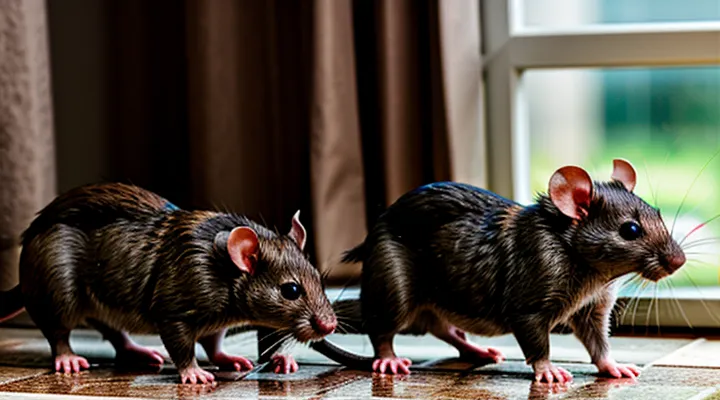
The Fundamentals of Rat Grooming
Grooming as a Primal Instinct
Rats groom themselves because the behavior is rooted in an ancient survival mechanism. The act of cleaning fur, whiskers, and paws removes parasites, debris, and excess oil, directly preserving the integrity of the skin and sensory organs. By maintaining a tidy coat, rats reduce the risk of infection and improve the efficiency of tactile perception, which is vital for navigation and foraging.
Grooming also regulates body temperature. Licking spreads saliva, which evaporates and cools the animal during periods of heat stress. Conversely, the removal of wet fur after exposure to moisture prevents heat loss in colder conditions.
The behavior serves a communicative function within colonies. Repetitive self‑grooming signals a state of calm, reducing tension among nearby individuals. When a rat observes a conspecific engaged in grooming, the observer often mirrors the action, reinforcing group cohesion.
Additional advantages include:
- Reduction of stress hormones through rhythmic movements.
- Strengthening of motor coordination as the animal manipulates its limbs and mouth.
- Preparation for reproductive activities by ensuring a clean appearance that may influence mate selection.
Collectively, these functions demonstrate that grooming is not a peripheral habit but a fundamental instinct that underpins health, thermoregulation, social stability, and reproductive success in rats.
The Mechanics of Rat Grooming
Body Parts Used in Grooming
Rats engage in frequent self‑grooming to maintain fur condition, regulate temperature, and control parasites. The behavior relies on several anatomical structures that enable precise cleaning and stimulation.
- Forepaws: equipped with dexterous digits and sensitive pads, they manipulate fur, remove debris, and reach difficult areas.
- Hindlimbs: assist in cleaning the ventral surface and lower limbs; strong muscles provide leverage.
- Mouth: incisors and tongue work together to untangle knots, trim overgrown hair, and spread saliva, which contains antimicrobial compounds.
- Tail: vertebrae and skin folds allow the tail to be lifted and brushed against the body, aiding in the removal of loose fur and mites.
- Whiskers (vibrissae): serve as tactile guides, directing the paws and mouth to targeted spots.
Each structure contributes to a coordinated grooming sequence. Forepaws initiate the process, pulling and smoothing fur. Hindlimbs follow, addressing the underside. The mouth finishes by addressing knots and applying saliva. The tail and whiskers provide additional contact points, ensuring thorough coverage of the entire body.
Common Grooming Postures
Rats engage in self‑grooming numerous times each day; the postures they adopt reveal the purpose and efficiency of each cleaning episode. Observers can identify three primary configurations that dominate the grooming repertoire.
- Forelimb‑to‑head stretch – The animal lifts a forepaw and touches the snout, ears, or whiskers. This posture isolates the facial region, allowing precise removal of debris and redistribution of secretions.
- Back‑to‑tail rub – The rat arches its back while dragging the hindquarters across the cage wall or a solid surface. Contact with a rough substrate dislodges loose fur and parasites from the dorsal coat and tail.
- Whole‑body lick – The animal extends its tongue along the length of the body, often while perched on a platform. This motion cleans the ventral surface and reaches areas inaccessible to the forelimbs.
Each posture correlates with a specific grooming target, reduces the risk of skin irritation, and contributes to thermoregulation and social signaling. Recognizing these patterns clarifies why rats allocate considerable time to self‑maintenance.
Primary Reasons for Frequent Rat Grooming
Maintaining Hygiene and Health
Removing Dirt and Parasites
Rats groom themselves to keep their fur free of debris and to control ectoparasite loads. The behavior directly removes particles that could impair thermoregulation and sensory function.
Key mechanisms of dirt and parasite removal include:
- Mechanical action: Forepaws and teeth scrape loose soil, dead skin, and plant material from the coat.
- Saliva application: Enzymes and antimicrobial peptides in saliva break down organic matter and inhibit bacterial growth.
- Mouth‑to‑fur transfer: Rats bite at the base of the tail and hindquarters, areas prone to mite colonization, dislodging parasites.
- Frequency adjustment: Increased grooming after exposure to dirty environments or when parasite counts rise, ensuring timely elimination.
Effective grooming reduces the risk of skin infections, improves mobility, and maintains overall health, making it a critical self‑maintenance strategy for rats.
Distributing Natural Oils
Rats engage in frequent self‑grooming primarily to spread the natural oils produced by their sebaceous glands. These lipids coat each hair shaft and the underlying skin, creating a continuous protective layer.
The distribution process occurs as the animal uses its forepaws to comb through the fur, transferring oil from the head and back to the limbs, tail, and ventral surfaces. Repetitive strokes ensure that oil reaches even the most distal hairs, maintaining uniform coverage.
Key benefits of this oil layer include:
- Water repellency – oil reduces wetting, preserving insulation when the animal encounters moisture.
- Thermal regulation – a thin oil film minimizes heat loss by limiting convection across the coat.
- Antimicrobial protection – fatty acids exhibit bacteriostatic and antifungal activity, limiting pathogen colonization.
- Skin integrity – oil maintains epidermal flexibility, preventing cracks that could lead to injury.
The grooming cycle typically follows a predictable pattern: head cleaning, dorsal combing, limb brushing, and tail smoothing. Each phase moves oil progressively outward, ensuring that the entire coat benefits from the sebaceous secretions. This systematic redistribution underlies the observable frequency of rat grooming.
Social Bonding and Communication
Allogrooming in Rat Colonies
Allogrooming, the exchange of fur‑to‑fur cleaning between individuals, constitutes a primary social activity in rat colonies. Researchers have documented that allogrooming occurs more often than self‑directed grooming, particularly during periods of social re‑integration following separation or introduction of new members.
The behavior serves several functions:
- Social bonding: Physical contact during grooming reinforces affiliative relationships and stabilizes group hierarchy.
- Stress mitigation: Grooming exchanges reduce corticosterone levels, providing immediate physiological relief.
- Parasite control: Removal of ectoparasites and debris from hard‑to‑reach body regions complements self‑grooming efforts.
- Information transfer: Chemical cues deposited on fur convey reproductive status, health condition, and individual identity.
Experimental observations reveal that allogrooming frequency correlates with group density and familiarity. In dense colonies, rats allocate up to 30 % of active time to mutual grooming, while isolated individuals rely exclusively on self‑grooming. The presence of a dominant individual often triggers increased grooming among subordinates, a pattern interpreted as appeasement.
Neurobiological studies associate allogrooming with activation of the oxytocinergic system. Administration of oxytocin antagonists reduces grooming bouts, whereas exogenous oxytocin enhances them, indicating a hormonal basis for the social reward.
In summary, allogrooming complements self‑grooming by strengthening social cohesion, alleviating stress, managing parasites, and facilitating chemical communication, thereby explaining the high overall grooming activity observed in rat populations.
Reinforcing Social Hierarchies
Rats engage in frequent self‑grooming to communicate and maintain their position within the colony’s rank structure. The act produces visible and olfactory cues that other members readily detect, allowing individuals to assess each other's health, stress level, and dominance status without direct confrontation.
Grooming serves several hierarchical functions:
- Cleanliness displays physical vigor, reinforcing the groomer’s claim to higher rank.
- Subordinates increase grooming frequency after encounters with dominant rats, signaling acquiescence.
- Scent residues left during grooming spread through the environment, creating a chemical map of individual status.
- Dominant rats observe the grooming patterns of peers, using the information to adjust their own behavior and reinforce authority.
Through these mechanisms, self‑grooming operates as a low‑risk, continuously updated signal that stabilizes the social order and reduces the need for aggressive disputes.
Stress Reduction and Self-Soothing
Grooming as a Calming Mechanism
Rats devote a substantial portion of their active time to self‑grooming, a behavior observed across laboratory and wild populations. Grooming episodes occur more frequently when individuals encounter novel environments, handling, or social disruption, indicating a direct link between the act and internal state regulation.
Self‑grooming reduces physiological markers of stress. Activation of cutaneous mechanoreceptors during fur cleaning stimulates afferent pathways that increase parasympathetic tone, lower heart rate, and diminish circulating corticosterone. Concurrent release of endogenous opioids produces analgesic and anxiolytic effects, reinforcing the behavior as a self‑soothing mechanism.
Empirical studies support these mechanisms:
- Rats exposed to mild stressors show a 30‑40 % rise in grooming frequency within minutes, accompanied by a measurable drop in plasma corticosterone.
- Administration of opioid antagonists (e.g., naloxone) suppresses grooming bouts and prolongs stress‑induced tachycardia, confirming opioid involvement.
- Lesions of the dorsal raphe nucleus, a source of serotonergic input, reduce grooming duration, suggesting serotonergic modulation of the calming response.
Understanding grooming as a stress‑mitigation strategy informs animal‑care protocols. Providing enrichment items that facilitate grooming (e.g., textured surfaces) can lower baseline anxiety levels, improve experimental reproducibility, and enhance overall welfare.
Displacement Grooming
Rats often groom themselves in environments that provoke stress, anxiety, or conflict. When the immediate cause of agitation is absent or cannot be addressed directly, the animal redirects the grooming behavior toward a neutral body part. This phenomenon, known as displacement grooming, serves as a coping mechanism that reduces physiological arousal without confronting the original stimulus.
Typical triggers include:
- Presence of a dominant conspecific that restricts access to resources
- Sudden changes in lighting or cage configuration
- Exposure to predator odors without actual threat
- Social isolation following brief group housing
Neurochemical studies link displacement grooming to elevated levels of corticosterone and activation of the hypothalamic‑pituitary‑adrenal axis. Brain regions implicated are the amygdala, which processes threat perception, and the basal ganglia, which coordinate repetitive motor patterns. Pharmacological suppression of dopamine signaling diminishes the frequency of displacement grooming, confirming the role of reward pathways in sustaining the behavior.
Observations in laboratory settings demonstrate that displacement grooming predicts subsequent aggression or avoidance behaviors. Rats that exhibit high rates of this self‑directed grooming are more likely to withdraw from novel arenas or display increased biting during social encounters. Consequently, measuring displacement grooming provides researchers with a reliable indicator of underlying stress states and can inform the design of enrichment protocols aimed at reducing maladaptive coping strategies.
Thermoregulation
Evaporative Cooling Through Saliva
Rats groom themselves repeatedly, and a primary physiological benefit is heat dissipation through saliva‑mediated evaporation. When a rat licks its fur, a thin film of saliva coats the hair shaft. As the liquid evaporates, it absorbs latent heat from the skin surface, lowering body temperature without requiring specialized sweat glands.
The cooling effect operates as follows:
- Saliva spreads uniformly across the coat by rapid tongue movements.
- Evaporation occurs at the air–liquid interface, converting thermal energy into vapor.
- The resulting heat loss is proportional to the rate of evaporation, which increases with higher ambient temperature and lower humidity.
Experimental data show that rats exposed to temperatures above 30 °C exhibit a 2–3 °C drop in core temperature within minutes of intensified grooming. Infrared thermography confirms localized cooling at groomed body regions, while control animals without grooming maintain higher surface temperatures.
Factors modulating evaporative cooling include:
- Ambient humidity – high moisture reduces evaporation efficiency.
- Airflow – increased ventilation accelerates vapor removal.
- Fur density – dense coats retain saliva longer, enhancing heat extraction.
- Metabolic rate – elevated activity raises internal heat, prompting more frequent licking.
Through saliva evaporation, rats achieve rapid thermoregulation despite the absence of conventional sweat glands. This mechanism explains the observed correlation between self‑grooming frequency and environmental heat stress.
Maintaining Fur Insulation
Rats groom repeatedly to preserve the thermal properties of their fur. By removing dirt, parasites, and excess moisture, grooming keeps the hair fibers clean and free of substances that could impair heat retention. The action also realigns individual hairs, allowing the coat to lie flat and trap a consistent layer of air close to the skin, which reduces conductive and convective heat loss.
The grooming process distributes sebaceous secretions across the fur surface. These oils create a hydrophobic barrier that minimizes evaporative cooling and helps maintain the coat’s flexibility. Consistent oil coverage prevents the hair from becoming brittle, ensuring that the insulating structure remains intact during seasonal temperature fluctuations.
Key outcomes of this behavior include:
- Elimination of debris that disrupts airflow within the fur.
- Alignment of hair shafts to maximize air pocket formation.
- Uniform spread of oils to enhance water resistance.
- Reduction of heat loss through convection and evaporation.
Potential Issues Related to Grooming
Over-Grooming and Its Causes
Stress and Anxiety as Triggers
Rats increase self‑grooming when confronted with stressful or anxiety‑inducing conditions. Acute stressors such as predator odor, social defeat, or sudden changes in lighting elevate corticosterone levels, which in turn activate the hypothalamic‑pituitary‑adrenal axis. The resulting hormonal surge amplifies neural activity in the amygdala and prefrontal cortex, regions that regulate emotional responses and repetitive behaviors.
Neurochemical pathways link anxiety to grooming. Elevated norepinephrine and serotonin turnover correlate with higher grooming frequencies. Dopaminergic signaling in the striatum modulates the motor patterns underlying the cleaning sequence, and dysregulation of this system under stress promotes compulsive grooming bouts.
Experimental observations support the connection:
- Exposure to a novel environment raises grooming duration by 30‑45 % within the first 10 minutes.
- Administration of anxiogenic drugs (e.g., yohimbine) produces a dose‑dependent increase in grooming bouts.
- Chronic unpredictable stress leads to persistent grooming elevation, even after stressors are removed.
Environmental factors influence the trigger strength. Overcrowding, limited nesting material, and inconsistent feeding schedules create chronic anxiety, sustaining high grooming rates. Conversely, enrichment items such as tunnels and chewable objects reduce baseline grooming by mitigating stress signals.
Understanding stress‑related grooming provides a reliable behavioral marker for assessing anxiogenic interventions and for screening anxiolytic compounds in rodent models.
Skin Irritations and Allergies
Rats groom themselves to remove substances that cause discomfort on the skin. Irritants and allergens trigger this behavior by stimulating sensory nerves, leading to increased licking, scratching, and fur‑raking.
Common sources of skin irritation and allergic reactions in rats include:
- Parasites such as mites, fleas, and lice that bite or embed in the epidermis.
- Environmental allergens like dust, bedding fibers, and mold spores that contact the skin.
- Chemical irritants from cleaning agents, disinfectants, or residual pesticides.
- Food allergens introduced through contaminated feed or treats.
- Infections caused by bacteria or fungi that produce inflammatory exudates.
When any of these agents contact the skin, they activate mast cells and histamine release, producing redness, swelling, and itching. The rat’s grooming response serves to physically remove the offending particles and to spread saliva, which contains enzymes and antimicrobial compounds that can neutralize microbes and soothe inflammation.
Persistent grooming may indicate chronic exposure to irritants or an underlying allergic condition. Effective management requires:
- Regular inspection of the animal’s coat for signs of parasites or lesions.
- Use of low‑dust, hypoallergenic bedding and avoidance of scented cleaning products.
- Routine health checks to identify infections early.
- Gradual introduction of new foods while monitoring for adverse skin reactions.
By minimizing exposure to known irritants and promptly treating allergic responses, the frequency of self‑grooming can be reduced, promoting healthier skin and overall well‑being in rats.
Under-Grooming and Health Concerns
Neglect and Illness Indicators
Rats that groom themselves excessively often signal underlying problems. When grooming escalates beyond normal maintenance, it can reflect poor husbandry, stress, or physiological disorders. Observers should differentiate routine cleaning from pathological behavior by monitoring frequency, intensity, and accompanying symptoms.
Key indicators that excessive grooming may stem from neglect or illness include:
- Persistent hair loss or bald patches, especially on the back, tail, or limbs.
- Red, inflamed, or ulcerated skin where grooming has removed protective fur.
- Presence of parasites, visible mites, or strong odor suggesting inadequate sanitation.
- Weight loss or reduced body condition despite adequate food availability.
- Lethargy, reduced activity, or abnormal posture accompanying grooming sessions.
- Abnormal discharge from eyes, nose, or ears, indicating infection or systemic disease.
- Changes in grooming pattern, such as focused scratching of a single area, which may point to localized pain or injury.
Prompt veterinary assessment and improvement of cage conditions are essential when these signs appear, as early intervention can prevent progression to severe health decline.
Consequences of Poor Hygiene
Rats maintain skin integrity, thermoregulation, and sensory function through regular self‑grooming. When hygiene deteriorates, these systems suffer measurable setbacks.
- Accumulated debris blocks vibrissae, reducing tactile acuity and impairing navigation.
- Moisture and organic matter foster bacterial proliferation, leading to dermatitis, fur loss, and ulceration.
- Parasite infestations increase as unchecked fur provides a habitat for mites and fleas, intensifying blood loss and anemia.
- Compromised skin barrier permits entry of opportunistic pathogens, raising the risk of systemic infections such as septicemia.
- Chronic irritation triggers stress responses, elevating cortisol levels and suppressing immune competence.
Consequently, rats exhibiting poor grooming display reduced foraging efficiency, diminished reproductive success, and higher mortality rates. Maintaining optimal grooming behavior directly mitigates these adverse outcomes.
Observing Grooming Behaviors
What Normal Grooming Looks Like
Rats maintain a predictable grooming routine that serves hygiene, thermoregulation, and sensory function. The sequence begins with rapid head and facial strokes, using the forepaws to clean whiskers, eyes, and ears. This is followed by a series of body passes: the forepaws sweep the neck and shoulders, then the hind paws reach the flank and abdomen. A final series of rear‑leg kicks and tail flicks removes debris from the lower back and tail base. Each pass lasts 1–3 seconds, and a complete cycle repeats every 5–10 minutes under normal conditions.
Typical characteristics of normal grooming include:
- Frequency: 5–15 bouts per hour, increasing during daylight when activity peaks.
- Posture: Upright stance with forepaws lifted, head tilted forward; the animal remains alert, eyes open.
- Duration: Individual bouts last 10–30 seconds; longer sessions may indicate stress or illness.
- Orderliness: The pattern follows a fixed progression from head to tail, rarely deviating unless disrupted.
Normal grooming does not involve excessive licking, frantic pawing, or prolonged immobility. Observers should note the rhythmic, repeatable nature of the behavior and the absence of signs such as hair loss, skin lesions, or abnormal fur texture, which would suggest pathological grooming.
Identifying Abnormal Grooming Patterns
Rats engage in self‑grooming to maintain fur condition, remove parasites, and regulate body temperature. Normal grooming exhibits a predictable sequence: head cleaning, fore‑limb strokes, body rubs, and tail grooming, each lasting a few seconds and occurring several times per hour. Deviations from this pattern can signal stress, neurological disorders, or metabolic disease.
Key indicators of abnormal grooming:
- Repetitive bouts lasting longer than typical cycles, often exceeding one minute per episode.
- Focus on a single body region, such as persistent scratching of the hindquarters or excessive facial licking.
- Grooming frequency that surpasses the normal range, with more than ten episodes per hour.
- Grooming that interferes with normal activity, causing reduced food intake, weight loss, or visible fur damage.
Identification methods:
- Direct observation in a controlled environment, recording duration, frequency, and body zones involved.
- Video analysis using software that timestamps grooming events and quantifies movement patterns.
- Comparative assessment against baseline data from healthy cohorts matched for age, sex, and strain.
- Integration of physiological measures (corticosterone levels, body temperature) to correlate grooming spikes with stress markers.
Recognizing atypical grooming enables early intervention, guiding adjustments in housing conditions, enrichment, or medical treatment. Consistent monitoring ensures that grooming remains a maintenance behavior rather than a symptom of pathology.