
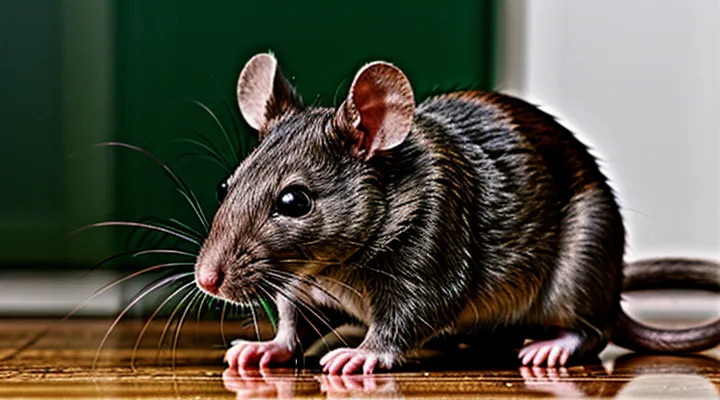
Brain Structure and Its Role in Cognitive Abilities
Neocortex Development and Function
The neocortex, the most recently evolved cerebral cortex layer, provides the structural basis for the advanced problem‑solving abilities observed in rats. During embryogenesis, radial glial cells generate excitatory neurons that migrate outward to form six distinct layers, each characterized by specific connectivity patterns. Post‑natal synaptic pruning refines these circuits, increasing signal‑to‑noise ratios and supporting efficient information processing.
Key functional properties of the rat neocortex include:
- Integration of multimodal sensory inputs, allowing rapid assessment of environmental cues.
- Generation of hierarchical representations, enabling abstraction of patterns from raw data.
- Support of spatial navigation through place and grid cell networks linked to the hippocampal formation.
- Mediation of flexible decision‑making via reciprocal connections with prefrontal regions.
These capabilities translate into observable behaviors such as maze learning, obstacle avoidance, and tool use. The layered architecture, combined with experience‑dependent plasticity, equips rats with a neural substrate that can encode, store, and retrieve complex associations, thereby accounting for their notable cognitive performance.
Hippocampus and Memory Formation
Rats exhibit advanced learning abilities that stem largely from the structure and activity of the hippocampus. This brain region integrates sensory input with spatial cues, enabling the formation of stable representations of the environment. Place cells within the CA1 and CA3 subfields fire at specific locations, providing a neural map that guides navigation and decision‑making.
During experience, synaptic connections in the dentate gyrus undergo long‑term potentiation, strengthening pathways that encode new information. The same circuitry supports pattern separation, allowing rats to distinguish similar contexts and avoid interference between memories. Consolidation processes transfer hippocampal traces to cortical areas, preserving learned tasks such as maze navigation over extended periods.
Empirical studies illustrate these mechanisms. In the Morris water maze, rats rapidly locate a hidden platform after a few trials, demonstrating spatial memory that relies on hippocampal integrity. Lesions to the hippocampus disrupt performance, confirming its necessity for acquisition and recall. Optogenetic inhibition of CA3 pyramidal cells impairs the ability to adapt to altered platform locations, highlighting the region’s role in flexible updating of memory.
Key features of the hippocampal system that contribute to rat cognition include:
- Adult neurogenesis in the dentate gyrus, providing fresh neurons that enhance encoding of novel stimuli.
- Theta rhythm synchronization, coordinating information flow between subfields during exploration.
- Sharp‑wave ripples, brief high‑frequency events that replay recent experiences and reinforce learning.
Collectively, these properties explain how rats achieve sophisticated problem‑solving and adaptive behavior, underscoring the hippocampus as the neural substrate for their notable intelligence.
Olfactory Bulb: A Sensory Advantage
Rats rely on an exceptionally developed olfactory bulb, the brain region that receives and processes odor information from the nasal epithelium. The organ contains a high density of mitral and tufted cells, each forming thousands of synaptic connections with downstream structures, enabling rapid and precise signal integration.
Key functional benefits of this arrangement include:
- Fine odor discrimination – minute differences in volatile compounds generate distinct activation patterns, allowing rats to differentiate food sources, predators, and conspecifics.
- Robust odor memory – synaptic plasticity within the bulb links specific scents to spatial cues, supporting long‑term recall of safe routes and resource locations.
- Social communication – pheromonal signals processed by the bulb convey reproductive status, hierarchy, and territorial boundaries, influencing group dynamics.
- Adaptive foraging – fast detection of trace chemicals guides efficient exploration of complex environments, reducing energy expenditure.
These capabilities feed directly into higher‑order cognitive processes. Enhanced scent perception supplies abundant, reliable data for the hippocampus and prefrontal cortex, regions responsible for spatial mapping, decision making, and problem solving. Consequently, the olfactory bulb supplies the sensory foundation that underlies the remarkable learning speed and behavioral flexibility observed in rats.
Learning and Adaptability: The Pillars of Rat Intelligence
Observational Learning: Mimicry and Social Cues
Rats acquire new behaviors by watching conspecifics, a capacity that underlies their reputation for intelligence. When a naïve individual observes a trained partner handling a novel food source, it often replicates the partner’s technique without prior trial‑and‑error. This form of observational learning accelerates adaptation to changing environments and reduces exposure to predators or toxins.
Key features of rat observational learning include:
- Mimicry of motor patterns – Video recordings show that observers reproduce precise paw movements and head orientations displayed by demonstrators, indicating retention of detailed action sequences.
- Sensitivity to social cues – Rats respond to vocalizations, whisker contacts, and scent marks that signal the success or failure of a behavior, adjusting their own attempts accordingly.
- Neural substrates – Mirror‑like neurons in the anterior cingulate cortex and the basolateral amygdala fire both during execution and observation of actions, providing a physiological basis for imitation.
- Contextual flexibility – Experiments demonstrate that rats can transfer observed strategies from one maze configuration to another, suggesting abstraction beyond simple stimulus‑response mapping.
Laboratory studies using controlled demonstrator‑observer pairings reveal that rats with limited prior experience acquire complex tasks—such as lever pressing for food or navigating obstacle courses—more rapidly than isolated subjects. The efficiency of this learning mode reflects an evolutionary advantage: groups that share successful foraging techniques can exploit resources with minimal individual risk.
In natural settings, observational learning supports the spread of adaptive behaviors across colonies. For instance, when a few individuals discover a new shelter type, the majority adopt the same construction method after brief exposure to the innovators’ activity. This rapid cultural transmission contributes to the species’ resilience in urban and rural habitats alike.
Operant Conditioning: Reward-Based Learning
Operant conditioning demonstrates that rats can modify behavior through consequences. When a specific action leads to a reward, the likelihood of repeating that action increases, revealing the capacity for associative learning.
Reward‑based learning relies on positive reinforcement, shaping, and reinforcement schedules. Positive reinforcement delivers a desirable stimulus—typically food—immediately after a target response. Shaping reinforces successive approximations toward a complex behavior. Variable‑ratio and variable‑interval schedules sustain high response rates by delivering rewards unpredictably.
Experimental evidence includes:
- Lever pressing in a Skinner box produces a food pellet, establishing a direct link between action and reward.
- Maze navigation paired with intermittent food rewards accelerates route optimization.
- Progressive‑ratio tasks measure the maximum effort a rat will exert for a single reward, indicating motivation and decision‑making.
These findings illustrate that rats possess the ability to evaluate outcomes, adjust strategies, and retain learned associations. Operant conditioning thus provides a concrete framework for explaining rat intelligence through measurable, reward‑driven behavior.
Spatial Learning and Navigation Strategies
Rats acquire spatial information through a network of hippocampal place cells that fire at specific locations, providing an internal map of the environment. Grid cells in the entorhinal cortex generate a hexagonal coordinate system, allowing precise distance measurement and direction estimation. Together, these cells support path integration, the process of updating position based on self‑motion cues without external references.
Navigation relies on multiple sensory modalities. Visual landmarks anchor the internal map, while whisker‑derived tactile data resolve ambiguities in low‑light conditions. Olfactory gradients guide movement toward food sources, and auditory cues contribute to orientation in cluttered spaces. Integration of these signals occurs in the posterior parietal cortex, which translates multimodal input into motor plans.
Experimental paradigms illustrate strategy use. In the Morris water maze, rats form a direct route to a hidden platform after repeated trials, demonstrating allocentric mapping. Radial arm mazes reveal the ability to remember visited arms, indicating working memory combined with spatial cues. Open‑field foraging tasks show preference for efficient shortcuts, reflecting flexible planning.
Typical navigation strategies include:
- Goal‑directed navigation: selection of the shortest path to a known target using stored map coordinates.
- Route learning: repetition of a specific sequence of turns and landmarks, reducing reliance on the full map.
- Exploratory sampling: systematic scanning of unknown areas to update the internal representation before committing to a goal.
Neurochemical modulation influences performance. Dopamine enhances reinforcement of successful routes, while acetylcholine promotes attention to novel cues during exploration. Disruption of hippocampal activity impairs place cell stability, leading to random search patterns and increased error rates.
Collectively, these mechanisms explain how rats solve complex spatial problems, underpinning their reputation for high cognitive ability.
Problem-Solving Prowess
Maze Navigation: Classic Studies and Insights
Rats navigate mazes with speed and precision that reveal sophisticated learning mechanisms. Early experiments demonstrated that rats acquire spatial maps rather than merely forming stimulus‑response chains. Edward Tolman’s “rat in a maze” study showed that rats develop a “cognitive map,” enabling them to choose efficient routes after brief exposure to a new layout. B. F. Skinner’s operant conditioning work, using maze chambers equipped with rewards, clarified how reinforcement schedules shape turn‑by‑turn decisions.
Key insights from classic research include:
- Latent learning – rats explore without immediate reinforcement, later applying that knowledge when a reward becomes available.
- Place vs. response learning – hippocampal lesions impair navigation based on external cues, while striatal damage disrupts habit‑driven routes.
- Transfer of learning – after mastering one maze, rats adapt quickly to altered configurations, indicating flexible spatial representations.
- Error patterns – systematic back‑tracking and hesitation reveal internal conflict between competing strategies.
Subsequent studies refined maze design. The radial arm maze quantified working memory by measuring repeat entries into arms, while the Morris water maze tested spatial memory using distal visual cues. Modern neuroimaging links performance to theta‑rhythm modulation in the hippocampus, confirming that rats integrate proprioceptive feedback with environmental landmarks.
Collectively, these investigations illustrate that rats possess robust spatial cognition, rapid associative learning, and the capacity to form abstract representations of their surroundings—core attributes underlying their overall intelligence.
Tool Use and Innovation in Laboratory Settings
Rats in controlled experiments frequently manipulate objects to obtain food or escape, providing direct evidence of tool use and problem‑solving capacity. In maze configurations that require moving a barrier, rats lift, push, or tilt the obstacle with their forepaws, demonstrating an understanding of the causal relationship between action and outcome.
Typical laboratory tasks illustrate this ability:
- Lever‑press sequences where a rat must pull a lever to release a platform, then use the platform as a stepping stone.
- Puzzle boxes containing a detachable lid; rats learn to gnaw the edge, remove the lid, and retrieve the reward.
- Multi‑step foraging challenges that involve dragging a weighted object to a designated zone before accessing a food source.
Innovation emerges when rats develop strategies not explicitly trained. In novel setups, individuals experiment with alternative grips, alter the order of actions, and sometimes combine previously unrelated behaviors to solve a new problem. Observational studies show that naïve rats adopt successful techniques after watching a demonstrator, indicating social transmission of innovative solutions.
Neurobiological data link these behaviors to activity in the prefrontal cortex, which encodes action planning, and the hippocampus, which supports spatial mapping of object locations. Dopaminergic signaling correlates with trial‑and‑error learning, reinforcing successful manipulations and discouraging ineffective attempts.
Collectively, laboratory observations of object manipulation and spontaneous solution generation substantiate the view that rodent cognition includes sophisticated tool use, reinforcing scientific accounts of rat intelligence.
Decision-Making Under Uncertainty
Rats continuously assess ambiguous cues to select actions that maximize survival and reproductive success. Their nervous systems integrate sensory input, internal states, and probabilistic information, allowing rapid calculations of expected outcomes. This capacity emerges from a densely interconnected prefrontal cortex, hippocampus, and basal ganglia, which together encode value, risk, and temporal discounting.
Neural recordings reveal that rats adjust choice strategies when reward probabilities shift. When uncertainty rises, they increase exploratory sampling, reflected in heightened dopaminergic signaling that signals prediction error. Simultaneously, the orbitofrontal cortex updates outcome expectations, guiding flexible reallocation of attention toward informative stimuli.
Key mechanisms underlying uncertain decision‑making include:
- Bayesian inference: neuronal ensembles represent probability distributions of possible states, updating beliefs as new data arrive.
- Reinforcement learning: dopamine‑mediated error signals drive adjustments in action values, balancing exploitation and exploration.
- Risk assessment: amygdala circuits evaluate potential losses, modulating choice bias toward safer options under high threat.
Experimental paradigms such as the probabilistic reversal learning task demonstrate that rats can rapidly shift preferences after a single unexpected outcome, indicating a sophisticated ability to revise predictions without explicit instruction. This adaptability illustrates why rodents exhibit advanced cognitive performance in unpredictable environments.
Social Intelligence in Rat Colonies
Empathy and Prosocial Behavior
Rats demonstrate empathy and prosocial actions that illuminate the neural mechanisms underlying advanced cognition. Experimental paradigms reveal that rodents respond to the distress of conspecifics by increasing exploratory behavior toward the source of the signal, indicating affective resonance. This response persists even when the observer receives no direct benefit, suggesting an intrinsic motivation to alleviate another’s discomfort.
Neurobiological investigations identify the anterior cingulate cortex (ACC) and the insular cortex as central nodes mediating empathic processing. Functional imaging shows heightened ACC activity when rats observe a peer receiving a mild shock, while pharmacological inhibition of this region diminishes helping behavior. Parallel studies demonstrate that oxytocin release in the nucleus accumbens enhances the likelihood of food sharing with unfamiliar individuals, linking hormonal modulation to prosocial choices.
Key empirical observations supporting empathic capacities in rats:
- Rats free trapped cage‑mates by manipulating a door, even when no food reward is present.
- Subjects increase grooming of stressed peers, reducing cortisol levels in both parties.
- Social learning tasks reveal that observers acquire avoidance responses after witnessing a partner’s aversive experience, without direct exposure.
These findings collectively argue that rodents possess affective and cooperative competencies comparable to those observed in higher mammals. The presence of dedicated neural circuits, coupled with hormone‑driven reinforcement, provides a robust scientific explanation for the sophisticated social intelligence exhibited by rats.
Communication: Vocalizations and Scent Marking
Rats rely on two primary communication channels to navigate complex social environments: acoustic signaling and chemical cues.
Acoustic signaling consists of ultrasonic vocalizations (USVs) that convey emotional states, territorial information, and mating readiness. Adults emit low‑frequency calls during aggressive encounters, while pups produce high‑frequency chirps to solicit maternal care. The auditory cortex and amygdala decode these frequencies, enabling rapid behavioral adjustments. USVs also facilitate group cohesion; synchronized calling during foraging reduces predation risk.
Chemical signaling involves scent marking through urine, feces, and secretions from the flank and preputial glands. Each deposit contains a unique blend of volatile and non‑volatile compounds that encode individual identity, reproductive status, and hierarchical rank. Detection occurs via the vomeronasal organ, which triggers specific neural pathways linked to memory formation. Scent trails persist beyond visual range, allowing rats to maintain spatial maps of resource locations and social boundaries.
Key aspects of rat communication:
-
Vocalizations
- High‑frequency pup calls (≈ 40 kHz) – trigger maternal retrieval.
- Mid‑frequency adult calls (≈ 20 kHz) – signal aggression or submission.
- Context‑dependent modulation – alters call duration and intensity.
-
Scent marking
- Urine spots – convey sex and dominance cues.
- Glandular secretions – provide stable individual signatures.
- Fecal deposits – reinforce territory borders.
The integration of auditory and olfactory information supports sophisticated decision‑making, resource allocation, and social learning, illustrating the advanced cognitive capacities of rats.
Social Hierarchies and Cooperation
Rats maintain structured social hierarchies that reduce conflict and optimize resource distribution. Dominance is established through agonistic encounters, vocalizations, and scent marking, allowing subordinate individuals to recognize their rank without prolonged aggression. This hierarchy stabilizes group dynamics, enabling predictable interactions and efficient allocation of food and nesting sites.
Cooperative behaviors emerge when individuals work together to achieve goals unattainable alone. Examples include:
- Collective foraging, where experienced rats lead novices to hidden food sources, increasing overall intake.
- Allogrooming, which removes parasites and reinforces social bonds, lowering stress hormones.
- Joint nest construction, where multiple rats coordinate material transport and placement, producing shelters that provide better insulation and predator protection.
Neurobiological studies link these social patterns to enhanced cognitive functions. Elevated dopamine activity in the mesolimbic pathway correlates with reward processing during cooperative tasks, while increased oxytocin receptor expression in the amygdala facilitates recognition of conspecifics’ emotional states. Such neurochemical modulation supports learning, memory, and flexible decision‑making.
The combination of hierarchical order and cooperative interaction illustrates advanced social intelligence in rats, offering a model for exploring the evolution of complex group behavior in mammals.
Genetic and Environmental Factors Influencing Rat Cognition
Heritability of Intelligence Traits
Rats exhibit measurable cognitive abilities that can be traced to genetic contributions. Twin and selective‑breeding experiments reveal that a substantial proportion of variance in problem‑solving speed, spatial navigation, and memory retention is attributable to inherited factors. Estimates of narrow‑sense heritability (h²) for these traits typically range from 0.3 to 0.6, indicating that genetics account for 30‑60 % of observed differences among individuals.
Key observations from laboratory studies include:
- Cross‑generational selection for maze performance raises average success rates by 15‑20 % within three generations, demonstrating rapid response to genetic pressure.
- Inbred strains display consistent disparities in learning curves, with some lines solving novel tasks twice as fast as others under identical conditions.
- Genome‑wide association scans identify loci on chromosomes 2, 7, and 12 linked to neurotransmitter regulation, synaptic plasticity, and cortical development, all correlating with higher cognitive scores.
These findings support a model in which inherited variation shapes neural circuitry that enhances exploratory behavior, pattern recognition, and adaptive learning. Consequently, the pronounced intellect observed in rats reflects both evolutionary selection for flexible foraging strategies and the measurable genetic architecture underlying their mental capacities.
Enriched Environments and Brain Plasticity
Rats housed in cages that contain varied objects, tunnels, nesting material, and opportunities for social interaction exhibit measurable changes in neural architecture. Such settings provide continuous sensory, motor, and cognitive stimulation that differs markedly from standard laboratory housing.
Research demonstrates that enriched conditions increase hippocampal neurogenesis, elevate levels of brain‑derived neurotrophic factor (BDNF), and promote dendritic arborization in cortical regions. These alterations enhance synaptic connectivity, allowing neural circuits to reorganize in response to experience.
Behavioral assays reveal that rats from enriched environments solve spatial mazes, discriminate odors, and adapt to novel tasks more rapidly than peers kept in barren cages. Performance gains correlate with the observed structural remodeling, indicating that experience‑driven plasticity directly supports higher‑order problem‑solving abilities.
Consequently, the relationship between complex surroundings and brain adaptability provides a mechanistic explanation for the advanced cognitive capacities observed in rats, underscoring the importance of environmental complexity in shaping rodent intelligence.
Early Life Experiences and Cognitive Development
Early postnatal periods shape neural circuitry in rats. Maternal licking‑grooming stimulates oxytocin release, which enhances synaptic density in the hippocampus. Pups receiving high levels of tactile stimulation display superior maze performance and faster acquisition of associative tasks.
Prenatal conditions influence brain development through hormonal and nutritional pathways. Gestational exposure to stress hormones elevates corticosterone in embryos, suppressing neurogenesis in the dentate gyrus. Adequate protein and omega‑3 fatty acids support myelination and dendritic branching, leading to higher problem‑solving efficiency.
Environmental enrichment during the first weeks of life accelerates cortical maturation. Access to varied textures, tunnels, and objects promotes exploratory behavior, strengthening prefrontal‑striatal connections. Rats raised in enriched cages outperform peers from barren environments on reversal learning tests.
Epigenetic modifications link early experiences to long‑term cognitive outcomes. DNA methylation patterns established by maternal care regulate expression of brain‑derived neurotrophic factor (BDNF). Reduced BDNF transcription correlates with deficits in spatial memory and reduced flexibility in decision‑making tasks.
Key factors affecting cognitive development in juvenile rats:
- Maternal tactile interaction (licking‑grooming, nursing frequency)
- Prenatal nutrition (protein, essential fatty acids)
- In‑utero stress exposure (corticosterone levels)
- Postnatal environmental complexity (objects, social partners)
- Early social play (peer‑initiated interactions)
- Epigenetic regulation of neurotrophic genes
Collectively, these early life variables determine the efficiency of neural networks responsible for learning, memory, and adaptive behavior, providing a biological basis for the notable intelligence observed in rodent models.
Evolutionary Advantages of Rat Intelligence
Survival in Diverse Environments
Rats thrive in deserts, sewers, forests, and urban rooftops because their cognitive abilities enable rapid problem solving, flexible foraging, and efficient social coordination. Neural circuitry supporting spatial memory allows individuals to navigate complex mazes of tunnels and burrows, locate food caches, and avoid predators. Enhanced learning speed permits quick adaptation to novel hazards such as new chemicals or trap mechanisms, reducing mortality in fluctuating habitats.
Their social intelligence facilitates information exchange about resource locations and danger signals. Vocalizations, scent markings, and tactile cues transmit learned behaviors across generations, creating a cultural transmission that expands the species’ ecological niche. Cooperative breeding and division of labor within colonies improve offspring survival and resource allocation, especially in environments where food is scarce or competition is intense.
Key mechanisms that link cognition to environmental resilience include:
- Spatial mapping: Hippocampal development supports detailed mental representations of terrain, enabling efficient route planning.
- Operant flexibility: Prefrontal modulation allows rats to modify established habits when outcomes change, such as avoiding newly introduced toxins.
- Social learning: Mirror‑neuron systems promote imitation of successful foraging techniques observed in conspecifics.
- Stress regulation: Adaptive hypothalamic‑pituitary‑adrenal responses maintain performance under unpredictable conditions, preventing cognitive decline.
Predation Avoidance and Resource Acquisition
Rats exhibit sophisticated strategies for evading predators and securing food, traits that underpin their reputation for intelligence. Their survival depends on rapid detection of threats, coordinated escape, and efficient exploitation of diverse resources.
- Vigilance cycles alternate with foraging, reducing exposure time.
- Acute auditory and olfactory systems identify predator cues at distances beyond visual range.
- Alarm vocalizations trigger immediate flight responses in conspecifics.
- Social learning transmits knowledge of safe routes and hazardous zones across generations.
- Spatial memory stores detailed maps of shelter locations, enabling swift retreat.
For resource acquisition, rats demonstrate flexibility and problem‑solving capacity. They manipulate objects to access concealed food, select nutritionally optimal items, and adjust diet composition according to seasonal availability. Olfactory discrimination guides them to high‑quality caches, while working memory tracks depletion rates, prompting relocation before resources are exhausted.
Neurobiological research links these behaviors to enhanced hippocampal plasticity, robust dopaminergic signaling, and expanded olfactory bulb circuitry. Synaptic remodeling supports rapid encoding of predator‑related patterns, whereas reward pathways reinforce successful foraging tactics. Collectively, these mechanisms explain the advanced cognitive performance observed in rats when confronting predation pressure and resource scarcity.
Reproductive Success and Adaptation
Rats achieve extraordinary reproductive output, with females capable of producing eight litters per year and each litter containing up to twelve offspring. This high fecundity creates intense intra‑specific competition for limited resources, driving selective pressure for individuals that can locate food, avoid predators, and exploit novel niches.
Short generation intervals—approximately 21 days from birth to sexual maturity—allow advantageous mutations to spread rapidly through populations. Genes influencing spatial memory, olfactory discrimination, and flexible learning are therefore amplified across successive cohorts, reinforcing cognitive capacities that enhance survival and breeding success.
Environmental variability further shapes rat behavior. Urban ecosystems present fluctuating waste streams, structural obstacles, and diverse chemical cues. Rats that adjust foraging routes, memorize complex tunnel networks, and modify social hierarchies secure greater access to nourishment and mates, directly translating behavioral adaptability into higher reproductive rates.
Key adaptive mechanisms include:
- Enhanced hippocampal plasticity supporting rapid acquisition of new spatial maps.
- Sensitive vomeronasal system detecting pheromonal signals that coordinate mating and territorial defense.
- Social learning that transmits successful foraging techniques across generations without genetic change.
Collectively, the interplay of prolific breeding, swift generational turnover, and environmental complexity selects for advanced problem‑solving abilities, providing a scientific basis for the notable intelligence observed in rat populations.
Comparisons with Other Intelligent Species
Similarities to Primate Cognition
Rats display cognitive capacities that closely parallel those observed in primates, challenging the notion that complex mental processes are exclusive to higher mammals. Both groups excel at spatial navigation, employing hippocampal circuits to form and retrieve detailed maps of their environments. Experimental mazes reveal that rats, like monkeys, can integrate distal cues with self‑motion information to choose optimal routes after minimal exposure.
Problem‑solving abilities provide another point of convergence. When presented with novel obstacles, rats manipulate objects, plan sequences of actions, and modify strategies after failure—behaviors identical to tool‑use trials recorded in capuchin and chimpanzee studies. This flexibility stems from prefrontal cortex activity that supports working memory and executive control in both taxa.
Social learning further aligns rat and primate cognition. Observational experiments show rats acquiring food‑retrieval techniques by watching conspecifics, mirroring the imitation patterns documented in baboons. Such transmission of knowledge relies on mirror‑neuron–like systems that encode observed actions and facilitate replication.
Key similarities:
- Hippocampal‑dependent spatial mapping
- Prefrontal‑mediated flexible problem solving
- Observational learning and imitation
- Use of working memory for multi‑step tasks
These shared mechanisms underscore a convergent evolution of intelligence, where ecological pressures have shaped comparable neural architectures in distantly related mammals.
Differences and Unique Adaptations
Rats display sophisticated problem‑solving, spatial memory, and social learning that exceed expectations for small mammals. These capabilities arise from distinct physiological and behavioral adaptations that separate them from many other rodents.
- Enlarged neocortical regions, particularly the prefrontal cortex, support flexible decision‑making and planning.
- High synaptic density in the hippocampus enhances long‑term spatial mapping and navigation.
- Robust neurogenesis persists into adulthood, allowing continuous refinement of neural circuits.
- Advanced olfactory bulb structure provides rapid detection of chemical cues, facilitating efficient foraging and predator avoidance.
Behavioral adaptations reinforce cognitive performance. Rats exhibit:
- Complex social hierarchies that require constant assessment of dominance, cooperation, and conflict resolution.
- Elaborate burrow systems with multiple chambers, demanding spatial awareness and memory of tunnel networks.
- Adaptive foraging strategies, such as opportunistic diet selection and tool‑use in laboratory settings, demonstrating flexibility in novel environments.
- High reproductive turnover, which pressures rapid learning to maximize offspring survival under variable conditions.
Collectively, these morphological, neurological, and social traits constitute a suite of unique adaptations. The integration of advanced brain architecture with dynamic behavioral repertoires explains the pronounced intelligence observed in rats compared with many other small mammals.
Implications for Understanding General Intelligence
Rats demonstrate sophisticated learning, memory, and problem‑solving abilities that parallel many aspects of human cognition. Their neural architecture, characterized by a highly plastic hippocampus and prefrontal cortex, supports rapid adaptation to novel environments and efficient encoding of complex sequences. Experimental evidence shows that rats can navigate mazes, manipulate objects, and exhibit social learning, indicating that their intelligence is not confined to instinctual behavior but involves abstract processing.
These findings reshape theories of general intelligence by providing a mammalian model that bridges the gap between simple reflexive systems and higher‑order reasoning. The implications include:
- Validation of cross‑species neural correlates for learning speed, suggesting that core mechanisms of intelligence are conserved across mammals.
- Evidence that flexible problem solving can arise from relatively compact brain structures, challenging assumptions that large cortical volume is a prerequisite for advanced cognition.
- Insight into the role of dopamine‑mediated reinforcement in shaping strategic planning, informing computational models of decision making.
- Demonstration that social transmission of knowledge occurs without language, highlighting the importance of observational learning in the evolution of intelligence.
By integrating rodent data into broader cognitive frameworks, researchers can refine metrics of intelligence, develop more accurate animal models for neuropsychiatric disorders, and improve artificial systems that mimic biological learning processes.