
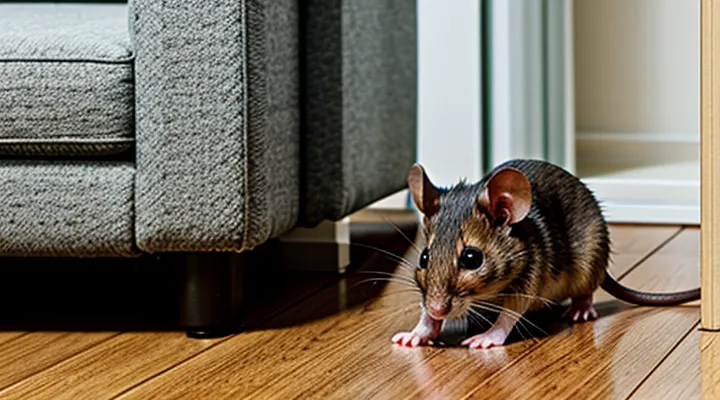
Understanding the Mouse Problem in Apartment Buildings
Why Mice Infest Apartments
Food Sources and Shelter
Mice in multi‑unit residences locate food wherever waste accumulates, moisture persists, or unsecured containers exist. Common sources include:
- Uncovered pantry items, especially grains, nuts, and pet food left in open bowls.
- Crumbs and spills on countertops, floors, and behind appliances.
- Garbage cans without tight‑fitting lids or overflowing bags.
- Leaking pipes, condensation on windows, and damp basements that provide liquid for consumption.
These items supply the calories mice need to reproduce rapidly. Eliminating access reduces population growth and diminishes the incentive for occupants or property managers to resort to poison.
Shelter opportunities arise from structural gaps and clutter. Typical sites are:
- Gaps around utility lines, vent pipes, and door frames larger than ¼ inch.
- Unsealed cracks in walls, floors, and foundation walls.
- Storage areas filled with boxes, clothing, or furniture that create hidden pathways.
- Attics, crawl spaces, and basements where insulation and debris offer concealment.
Mice exploit these refuges to avoid predators and human activity. Sealing openings and decluttering limit safe harbor, forcing rodents into exposed areas where bait placement becomes more effective.
When food and shelter are abundant, residents may experience frequent sightings and request extermination. Property managers, often responsible for health‑code compliance, then employ rodenticides as a control measure. Reducing attractants and eliminating shelter directly lowers the need for chemical intervention, decreasing risk to non‑target occupants and pets.
Entry Points and Building Vulnerabilities
Mice infiltrate apartment complexes through structural weaknesses that provide unprotected pathways between the exterior and interior spaces. Identifying and sealing these routes is essential for any effective rodent control program, especially when poison baits are deployed.
Typical ingress locations include:
- Gaps around utility penetrations (pipes, cables, vent ducts) that lack proper collars or flashing.
- Openings at the base of exterior walls, such as cracked mortar, missing brick, or deteriorated siding.
- Unsealed door and window frames, particularly where weatherstripping is absent or damaged.
- Roof-to-wall junctions where flashing is corroded or improperly installed.
- Drainage system defects, including uncovered floor drains and broken sewer traps.
- Service shafts and elevator pits that are not fitted with mesh screens.
- Chimney flues without caps or with cracked crowns.
Each vulnerability creates a direct line of access for rodents, allowing them to navigate to common areas where poison stations are placed. Unaddressed entry points also increase the likelihood of non‑target species encountering bait, raising safety concerns.
Remediation measures should prioritize:
- Installing stainless‑steel mesh or hardware cloth around all penetrations.
- Applying expanding foam or cement‑based sealants to cracks and gaps.
- Replacing or repairing damaged flashing and roof seals.
- Ensuring that all floor drains are equipped with tight‑fitting covers.
- Conducting a comprehensive inspection of service shafts and installing barrier screens.
By systematically eliminating these pathways, property managers reduce mouse traffic, limit exposure to toxic baits, and improve overall building integrity. This approach aligns with best practices for integrated pest management in high‑density residential environments.
Legal and Ethical Considerations
Tenant Responsibilities
Tenants share accountability for preventing and managing rodent infestations in multi‑unit dwellings. Their actions directly affect the effectiveness of any poisoning or exclusion program implemented by property managers.
- Keep food sealed and stored in airtight containers; promptly clean spills and crumbs.
- Dispose of trash in sealed bags and use building‑provided receptacles with tight‑fitting lids.
- Maintain personal living spaces free of clutter that could conceal food sources or nesting material.
- Report sightings of mice, droppings, or gnaw marks to the landlord or management office without delay.
- Follow all instructions accompanying rodent‑control products, including placement restrictions and safety warnings.
- Refrain from using unauthorized poisons or traps that could jeopardize other residents or pets.
Failure to observe these duties may prolong infestation, increase health risks, and trigger lease violations. Most rental agreements include clauses that permit landlords to charge tenants for remediation costs caused by neglect.
Adhering to these responsibilities supports a coordinated approach to mouse control, reduces reliance on chemical interventions, and promotes a safer living environment for all occupants.
Landlord Obligations
Landlords must ensure that rodent‑related hazards are eliminated and that any pest‑control measures comply with health‑and‑safety regulations. Failure to address mouse poisoning incidents can expose tenants to toxic substances and create liability for the property owner.
State and local housing codes typically classify pest‑infestation as a habitability issue. Under these statutes, landlords are required to maintain premises free from conditions that attract rodents, to repair structural defects that allow entry, and to provide safe, professionally administered extermination services when infestations occur.
Key obligations include:
- Conducting a thorough inspection of common areas and individual units to identify sources of rodent activity.
- Promptly sealing entry points such as cracks, gaps around pipes, and damaged screens.
- Engaging licensed pest‑control contractors to apply approved, low‑toxicity baits or traps.
- Providing tenants with written notice of any pesticide application, including product name, location, and safety precautions.
- Keeping detailed records of inspections, treatments, and follow‑up actions for a minimum of one year.
- Responding to tenant complaints within a specified timeframe, typically 24‑48 hours, and documenting the response.
If a landlord neglects these duties, regulatory agencies may issue citations, impose fines, or require remedial action. Tenants may also pursue legal claims for breach of the implied warranty of habitability, potentially resulting in rent abatement or damages. Maintaining compliance protects resident health, reduces litigation risk, and preserves the property’s reputation.
Humane vs. Lethal Control Methods
Effective mouse management in multi‑unit residences requires a clear distinction between humane and lethal approaches. Humane options aim to remove rodents without killing them, while lethal solutions eliminate the pests instantly.
Humane methods include:
- Live‑capture traps that separate mice from the building for release far from human habitation.
- Structural exclusion: sealing entry points, installing mesh screens, and maintaining proper waste disposal to prevent ingress.
- Ultrasonic or scent‑based repellents that deter activity without physical contact.
These tactics prioritize occupant safety, reduce chemical exposure, and comply with animal‑welfare regulations. Implementation demands regular inspection, prompt trap emptying, and ongoing maintenance of barriers.
Lethal methods consist of:
- Snap traps delivering rapid mechanical death.
- Electronic traps that electrocute rodents instantly.
- Rodenticides, either in bait stations or formulated pellets, causing fatal poisoning after ingestion.
Lethal options provide swift population reduction and require fewer follow‑up actions. However, they introduce risks of accidental poisoning of children, pets, and non‑target wildlife, and may violate local ordinances governing pesticide use.
Choosing between humane and lethal strategies depends on:
- Scale of infestation – extensive problems often necessitate a combined approach.
- Resident health concerns – households with vulnerable occupants favor non‑chemical solutions.
- Legal constraints – jurisdictions may restrict certain rodenticides or mandate humane treatment.
A balanced program typically starts with exclusion and live‑capture to assess severity, then integrates targeted lethal devices where immediate control is essential. Continuous monitoring ensures that any resurgence is addressed promptly, maintaining a pest‑free environment without compromising safety.
Identifying the Responsible Party
Who Pays for Pest Control
Landlord-Provided Services
Landlords are typically responsible for maintaining a habitably safe environment, which includes managing rodent infestations. When mice are found dead from poison, the property manager must determine the source, remove contaminated units, and prevent further exposure to tenants.
Effective landlord‑provided services often consist of:
- Professional inspection to locate bait stations, traps, or unauthorized chemical use.
- Immediate removal of poisoned carcasses and thorough sanitation of affected areas.
- Replacement of compromised food storage, waste containers, and sealing of entry points.
- Documentation of actions taken, including photos, service reports, and communication logs with residents.
Legal frameworks in many jurisdictions require landlords to address pest problems promptly. Failure to act can result in liability for health risks, tenant complaints, and potential penalties. Compliance usually involves notifying tenants of planned interventions, providing written notices, and offering alternative accommodation if necessary during remediation.
Preventive measures that landlords can integrate into regular maintenance include scheduled pest‑control contracts, routine building inspections, and tenant education on proper waste disposal. By delivering these services, property owners reduce the likelihood of accidental poisoning incidents and uphold the standards of a safe residential environment.
Tenant-Initiated Solutions
Tenants can significantly reduce rodent activity by implementing practical, self‑directed measures. First, identify and seal potential entry points such as gaps around pipes, vents, and doors. Use steel wool combined with caulk for small openings and install door sweeps on all exterior doors.
Maintain a clean environment that discourages food sources. Store food in sealed containers, promptly clean spills, and avoid leaving pet food unattended. Regularly dispose of garbage in tightly sealed bags and place bins on the building’s designated collection points.
Deploy traps in concealed locations where mouse activity is observed. Snap traps provide immediate reduction; when using bait, select non‑toxic options to prevent accidental poisoning of other residents or pets. Record trap placement, dates, and catch counts to track effectiveness.
Document all observations and actions. Keep a log of sightings, damage, and communications with management. Written records support requests for professional pest‑control services and can be referenced in disputes.
Communicate findings to the property manager or landlord in writing, citing local housing codes that require habitability standards. Request a written response outlining planned remediation steps and timelines. If the landlord fails to act, tenants may file complaints with municipal health departments or pursue small‑claims litigation.
Organize a tenant coalition to share resources and coordinate efforts. Collective action can amplify pressure on management, facilitate bulk purchasing of supplies, and ensure consistent implementation of preventive practices throughout the building.
By sealing entryways, maintaining sanitation, using traps, documenting evidence, and engaging with property owners or authorities, tenants create a proactive defense against mouse infestations without relying solely on external pest‑control services.
Factors Determining Responsibility
Lease Agreements
Lease agreements serve as the primary contractual mechanism for allocating responsibility for rodent control in multi‑unit residential buildings. The document can specify which party—landlord or tenant—must detect, report, and remediate mouse infestations, thereby preventing unauthorized use of toxic substances. By embedding clear obligations, the lease reduces ambiguity that often leads to illicit poisoning attempts.
Effective clauses typically include:
- Mandatory reporting: tenants must inform management within 24 hours of any mouse sighting.
- Authorized treatment: only licensed pest‑control contractors may apply rodenticides or traps, as designated by the landlord.
- Access provision: landlords retain the right to enter affected units for inspection and treatment, with notice consistent with local law.
- Liability allocation: tenants are liable for damages caused by improper handling of poison; landlords assume liability for failures to provide safe, pest‑free premises.
- Cost responsibility: the lease delineates whether treatment expenses are covered by rent, a service fee, or passed to the tenant for repeat violations.
Incorporating these provisions protects occupants from accidental exposure, safeguards property, and establishes enforceable standards for pest management. When lease terms are rigorously drafted and consistently applied, they become a deterrent against unsanctioned poisoning and support systematic, safe control strategies throughout the building.
Source of Infestation
Mice enter an apartment building through the same pathways that allow any small rodent to infiltrate a structure. Cracks in exterior walls, gaps around utility penetrations, and deteriorated weather‑stripping create direct routes from the surrounding environment into individual units. Openings around pipes, cables, and vents often remain unnoticed during routine maintenance, providing unobstructed access for rodents.
Typical origins of a mouse problem include:
- Structural deficiencies: broken plaster, loose siding, missing foundation seals.
- Utility interfaces: unsealed pipe sleeves, gaps around electrical conduits, roof vent openings.
- Waste management failures: overflowing trash bins, uncovered compost, food residues in communal areas.
- Vegetation proximity: overgrown landscaping, tree branches touching the building envelope, dense shrubbery against walls.
- Adjacent infestations: rodents moving between neighboring apartments through shared walls, floors, or ceilings.
Identifying the precise source is essential for any eradication plan. A systematic inspection of the building envelope, utility entry points, and common areas reveals entry routes and attractants. Once documented, targeted sealing, sanitation improvements, and exclusion measures can be implemented, reducing the likelihood that poisoned bait will affect non‑target species and increasing the overall efficacy of the control program.
Effective Control Strategies
Prevention Techniques
Sealing Entry Points
Sealing entry points is the most reliable preventive measure against mouse infestations in multi‑unit residences. By eliminating access routes, the likelihood that rodents encounter toxic baits within apartments drops dramatically, reducing both health risks and the need for chemical control.
Typical entry points include gaps around utility penetrations, cracks in foundation walls, unsealed vent openings, and gaps beneath doors or windows. In older buildings, deteriorated weatherstripping, damaged plaster, and improperly installed pipe sleeves also provide easy passage for mice.
Effective sealing requires a systematic approach:
- Inspect each unit and common areas for openings larger than ¼ inch.
- Use steel wool or copper mesh to fill small gaps, then apply a high‑quality silicone or polyurethane sealant.
- Install metal flashing or cement‑based patches over larger cracks in walls or floors.
- Replace worn weatherstripping on doors and windows with abrasion‑resistant profiles.
- Secure utility penetrations with rigid conduit sleeves and caulk the surrounding voids.
After initial sealing, conduct a follow‑up inspection within two weeks to verify that all repairs remain intact. Schedule quarterly checks, especially after severe weather or building renovations, to address new gaps promptly. Consistent maintenance of sealed entry points sustains a rodent‑free environment and minimizes reliance on poison-based interventions.
Proper Food Storage
Proper food storage reduces the likelihood that residents will resort to rodent poisons. Sealed containers prevent mice from accessing crumbs, limiting attraction to common kitchen waste. When food sources are unavailable, rodents are less likely to infiltrate apartments, decreasing the need for chemical control measures.
Effective storage practices include:
- Use airtight, plastic or glass containers for all dry goods, pet food, and bulk items.
- Keep refrigerated leftovers covered within two hours of preparation.
- Store pantry items on high shelves, away from floor level and walls.
- Dispose of garbage in sealed bags and remove it from the building daily.
- Clean spills immediately and sweep surfaces regularly to eliminate residue.
Consistent application of these measures lowers mouse activity, which in turn minimizes exposure to toxic baits and reduces the risk of accidental poisoning among tenants.
Waste Management
Effective waste handling reduces the likelihood that residents will resort to rodent poisons. Improper trash storage creates food sources that attract mice, prompting occupants to use lethal bait. Proper disposal practices diminish this pressure and support building-wide pest‑control programs.
Secure containers with tight‑fitting lids prevent access to food waste. Regular collection schedules remove refuse before it accumulates. Designated drop‑off points located away from living units limit exposure to rodent attractants.
When waste is managed correctly, the need for individual poisoning diminishes, allowing professional pest managers to implement integrated control measures:
- Seal entry points identified during inspections.
- Deploy bait stations monitored by trained staff.
- Rotate non‑chemical deterrents such as ultrasonic devices where appropriate.
- Educate tenants on proper waste segregation and prompt reporting of spills.
Building administrators should enforce policies that:
- Require all tenants to use approved containers.
- Conduct quarterly audits of waste‑storage areas.
- Provide clear instructions on disposing of food scraps and organic waste.
By eliminating the primary food source, waste management directly influences who applies rodent poisons and supports safer, more sustainable control strategies.
Extermination Methods
Trapping Options
Effective rodent control in multi‑unit dwellings often requires mechanical capture methods when chemical options are unsuitable or restricted. Traps provide a direct means of reducing mouse populations while limiting exposure to non‑target occupants.
Common trapping devices include:
- Snap traps – steel bar mechanism that delivers a rapid lethal force; inexpensive, reusable, and available in various sizes to match mouse dimensions. Placement near walls, behind appliances, and in concealed corners maximizes contact rates.
- Live‑catch traps – cage‑style enclosures with a trigger plate; capture mice unharmed for subsequent release or humane euthanasia. Suitable for environments where poison use is prohibited, but require frequent monitoring to prevent stress or disease spread.
- Electronic traps – battery‑powered units that emit a high‑voltage pulse upon entry, instantly killing the rodent. Advantages include no mess and easy disposal of carcasses; however, initial cost is higher and power reliability must be ensured.
- Glue boards – adhesive surfaces that immobilize rodents. Effective for short‑term monitoring but generally discouraged for control due to prolonged suffering and difficulty in disposal.
Selection criteria for each device should consider:
- Safety – ability to prevent accidental activation by children or pets.
- Maintenance – frequency of checking, cleaning, and resetting.
- Regulatory compliance – adherence to local housing codes that may restrict certain trap types.
- Resident acceptance – perception of humane treatment and visual impact within living spaces.
Strategic deployment combines multiple trap types along established mouse pathways. Initial placement focuses on high‑traffic zones identified through droppings, gnaw marks, and nesting material. After a reduction phase, traps are spaced farther apart to maintain surveillance and prevent re‑infestation. Regular inspection schedules, documentation of captures, and prompt disposal of carcasses complete the mechanical control cycle.
Baits and Rodenticides
Baits and rodenticides constitute the primary chemical approach for mouse control in multi‑unit residences. Their effectiveness depends on proper selection, placement, and compliance with safety regulations.
Anticoagulant rodenticides are divided into first‑generation (e.g., warfarin) and second‑generation (e.g., brodifacoum) compounds. First‑generation agents require multiple feedings; second‑generation agents achieve lethal doses after a single ingestion but present higher secondary‑poisoning risk. Non‑anticoagulant options, such as bromethalin and zinc phosphide, act on the nervous system or produce rapid gastric distress, providing alternatives when resistance to anticoagulants is documented.
Bait formulations include solid blocks, pellets, and gel matrices. Stationary devices protect the bait from moisture and non‑target exposure, while free‑placement granules allow coverage of extensive travel corridors. Attractants—grain, peanut butter, or synthetic scents—enhance acceptance by mice accustomed to diverse food sources.
Placement guidelines require stations to be mounted 2–4 inches from walls, behind appliances, and within 10 feet of observed activity. Devices must be tamper‑resistant, locked, or placed in inaccessible locations to prevent contact by children, pets, and maintenance staff. Regular inspection ensures bait integrity and records consumption rates.
Safety compliance involves adhering to EPA registration, local housing authority mandates, and Material Safety Data Sheet (MSDS) instructions. Operators must wear protective gloves, maintain exposure logs, and dispose of uneaten bait according to hazardous waste protocols.
Resistance management recommends rotating active ingredients every 6–12 months and avoiding repeated use of the same anticoagulant class. Combining chemical control with sanitation—eliminating food residues, sealing entry points, and reducing clutter—reduces population pressure and limits bait dependence.
Key considerations:
- Choose rodenticide class based on resistance history and occupancy risk.
- Use tamper‑resistant stations positioned near wall junctions.
- Monitor bait consumption and replace depleted units promptly.
- Document application dates, product details, and observed mouse activity.
- Integrate exclusion, sanitation, and trapping to sustain long‑term control.
Professional Pest Control Services
Professional pest control companies identify the source of rodent poisoning in multifamily buildings through inspection of common entry points, waste management practices, and resident reports. Technicians verify whether a tenant, a neighboring unit, or an unauthorized individual introduced toxic bait, and they assess the risk of secondary poisoning to pets and humans.
After source identification, the service provider implements an integrated control plan. Key components include:
- Sealing gaps around pipes, vents, and utility openings to prevent ingress.
- Installing tamper‑resistant bait stations in concealed locations, calibrated to target mice while limiting exposure to non‑target species.
- Conducting regular monitoring visits to replace bait, record activity, and adjust placement based on observed patterns.
- Providing residents with clear guidelines on waste storage, food waste disposal, and reporting suspicious substances.
Professional teams adhere to local health regulations and licensing requirements, ensuring that all chemicals used meet safety standards. Documentation of each intervention, including product type, concentration, and placement coordinates, supports compliance audits and liability protection.
When illegal or unsafe poisoning is detected, the contractor notifies property management and, if necessary, local authorities. This escalation prevents escalation of health hazards and facilitates corrective action, such as removal of unauthorized bait and education of occupants.
Choosing a licensed pest control provider reduces the likelihood of accidental exposure, improves eradication efficiency, and offers a transparent record of actions taken to protect residents and property.
Long-Term Management
Ongoing Monitoring
Effective control of rodent poisoning in a multi‑unit building relies on continuous observation of pest activity, chemical usage, and resident reports. Ongoing monitoring supplies the data needed to pinpoint the individual or location responsible for deploying toxic bait, while also revealing patterns that indicate ineffective or hazardous practices.
Data collection should include:
- Weekly inspection of common areas, stairwells, and utility rooms for bait stations, dead rodents, and signs of tampering.
- Digital logging of each sighting, specifying date, time, exact location, and condition of the bait.
- Anonymous resident surveys distributed quarterly to capture unreported incidents and perceived sources of poison.
- Regular review of pest‑control service records to verify compliance with approved protocols and to detect unauthorized applications.
Analysis of the compiled information enables rapid response. When a cluster of incidents emerges, targeted verification—such as testing bait residues or interviewing nearby occupants—confirms the source. Immediate removal of unauthorized poison, followed by documentation and notification to building management, prevents further exposure.
Sustained monitoring also supports long‑term prevention. Trend reports generated monthly identify recurring problem zones, allowing adjustments to integrated pest‑management plans, reinforcement of resident education, and, if necessary, contractual changes with pest‑control providers. Continuous oversight thus transforms a reactive situation into a proactive safety strategy.
Community-Wide Approaches
Community-wide approaches unite residents, building management, and municipal services to identify and stop the placement of rodent poison in multi‑unit housing. Joint inspections verify compliance with pest‑control regulations, while shared reporting platforms allow tenants to document suspicious substances in real time.
Coordinated education programs deliver concise guidance on safe pest‑management practices, alternative control methods, and legal responsibilities. Training sessions, distributed through flyers and digital newsletters, reduce reliance on illicit poison use by informing occupants of approved integrated pest‑management (IPM) protocols.
Effective response mechanisms require clear escalation pathways. When a poisoning incident is reported, the following steps are executed:
- Immediate isolation of the affected area to prevent further exposure.
- Notification of the property manager, local health department, and licensed pest‑control contractor.
- Collection of evidence (e.g., bait containers, residue samples) for forensic analysis.
- Implementation of a remediation plan that includes thorough cleaning, safe disposal of contaminated materials, and replacement of bait with approved, low‑risk alternatives.
Long‑term prevention depends on regular community meetings that review incident data, adjust policies, and reinforce collective accountability. By maintaining transparent communication and shared responsibility, the entire building reduces the likelihood of clandestine poison deployment and safeguards occupant health.