
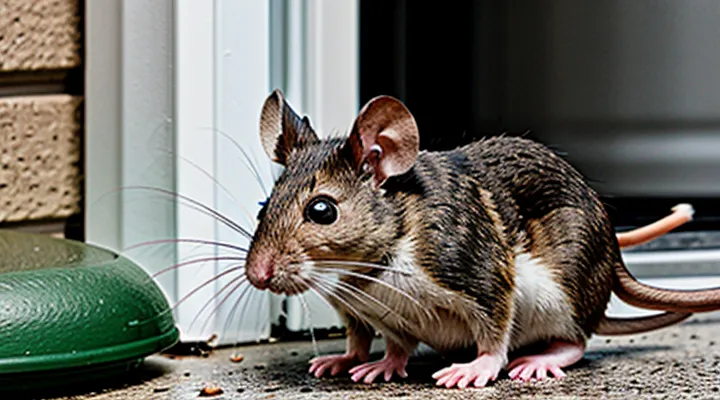
Understanding the Problem of Rodent Infestation in Multi-Apartment Buildings
The Impact of Mouse Infestation
Health Risks and Diseases
Rodent infestations in multi‑unit residential structures create direct threats to occupant health. Mice transmit pathogens that can cause severe, sometimes fatal, conditions.
- Hantavirus pulmonary syndrome – respiratory failure after inhalation of aerosolized rodent excreta.
- Leptospirosis – kidney and liver damage following contact with urine‑contaminated surfaces.
- Salmonellosis – gastrointestinal illness from consumption of food contaminated by droppings.
- Lymphocytic choriomeningitis – neurological symptoms after exposure to infected saliva or urine.
- Allergic reactions – asthma exacerbation and rhinitis triggered by mouse dander and urine proteins.
Transmission occurs through inhalation of dust laden with dried droppings, direct contact with contaminated surfaces, and ingestion of food tainted by urine or feces. These routes bypass any protective barriers, affecting all residents regardless of individual hygiene practices.
Responsibility for mitigating these hazards rests on several parties. Property owners must ensure structural integrity that prevents entry points. Management companies are obliged to implement regular inspection schedules, engage licensed pest‑control contractors, and maintain documentation of actions taken. Tenants share duty by reporting sightings promptly and storing food in sealed containers. Municipal health departments provide oversight through building code enforcement and may issue remediation orders when infestations exceed acceptable limits.
Effective disease prevention requires coordinated action: prompt reporting, systematic sealing of openings, scheduled baiting and trapping, and ongoing monitoring. Failure to allocate these duties appropriately sustains rodent populations and prolongs exposure to the outlined health risks.
Property Damage and Contamination
Mice in multi‑unit dwellings cause structural damage and health hazards. Chewed wiring, insulation, and cabinetry create repair costs that must be allocated among parties with legal or contractual duties. Contamination from urine and feces introduces pathogens, attracts insects, and degrades indoor air quality, requiring professional cleaning and possible remediation.
Responsibility for preventing and addressing these issues typically follows a hierarchy:
- Building owner or management: maintains common areas, ensures building envelope integrity, and enforces pest‑control contracts that cover shared infrastructure.
- Individual leaseholders: keep personal units clean, promptly report sightings, and allow access for inspections and treatments.
- Homeowners’ association (where applicable): adopts bylaws that define inspection schedules, funding mechanisms for extermination services, and penalties for non‑compliance.
Legal frameworks reinforce this division. Local housing codes often mandate that landlords provide a habitability‑compliant environment, which includes effective rodent control. Lease agreements commonly contain clauses assigning repair costs for damage directly linked to rodent activity to the party responsible for the breach. Failure to act can trigger tenant claims for damages, health‑related compensation, or municipal enforcement actions.
Effective mitigation relies on coordinated action. Prompt detection, regular maintenance of seals and waste disposal, and documented communication between landlords, tenants, and management reduce the likelihood of costly repairs and contamination incidents.
Psychological Distress and Quality of Life
Rodent infestations in multi‑unit residential blocks generate measurable psychological strain for occupants. Persistent sightings or evidence of mice trigger anxiety about disease transmission, disrupt sleep patterns, and create a feeling of helplessness that erodes personal wellbeing.
The mental burden manifests as heightened stress levels, reduced sense of safety, and lower overall satisfaction with the living environment. Surveys consistently link exposure to rodents with declines in standardized quality‑of‑life scores, indicating that the presence of pests directly impairs emotional stability and daily functioning.
Responsibility for managing the problem rests with several actors:
- Property owners: ensure structural integrity, seal entry points, and fund professional extermination services.
- Building management firms: schedule regular inspections, coordinate pest‑control contracts, and maintain records of remedial actions.
- Tenants: report sightings promptly, keep personal spaces clean, and avoid practices that attract rodents.
- Municipal health authorities: set regulatory standards, conduct compliance audits, and intervene when private parties fail to address infestations.
When accountability is clearly defined and enforced, the frequency of mouse sightings declines, thereby reducing the sources of stress identified above. Effective control measures correlate with improvements in residents’ reported quality of life, confirming that proper allocation of duties is a critical component of mental‑health preservation in communal housing.
Identifying Key Stakeholders and Their Responsibilities
Property Owners and Management Companies
Legal Obligations and Regulations
Legal frameworks governing rodent mitigation in residential complexes assign duties to specific parties. Primary statutes—public health codes, housing safety regulations, and building ordinances—mandate that structures maintain sanitary conditions free from vermin. These provisions typically require the property owner or managing entity to implement preventive measures, conduct regular inspections, and address infestations promptly.
The landlord’s obligations are defined in lease legislation and local housing standards. Lease agreements often contain clauses that obligate the landlord to ensure habitability, which includes pest control. Failure to comply may result in fines, mandatory remediation orders, or liability for tenant damages.
Tenants share responsibilities under tenancy laws. Occupants must keep personal spaces clean, dispose of waste properly, and report signs of infestation to the management. Non‑compliance can lead to breach of contract or eviction proceedings.
Enforcement mechanisms involve:
- Municipal health departments issuing citations and ordering corrective action.
- Building code officials conducting periodic audits and imposing penalties for violations.
- Courts adjudicating disputes between landlords and tenants, awarding damages or ordering specific performance.
Compliance with these regulations ensures that rodent control remains a coordinated effort, with clear legal accountability for both property managers and residents.
Proactive Prevention Measures
In multi‑unit residential buildings, preventing mouse infestations requires coordinated, forward‑looking actions rather than reactive extermination. Effective prevention starts with structural integrity: sealing cracks, repairing gaps around utility penetrations, and installing metal mesh on vent openings eliminates entry points before rodents can exploit them.
Key proactive measures include:
- Conducting quarterly inspections of common areas, basements, and utility rooms to identify potential harborage sites.
- Implementing a routine maintenance schedule that addresses drainage issues, moisture accumulation, and waste management deficiencies.
- Providing residents with clear guidelines for proper food storage, prompt trash removal, and reporting of sightings.
- Installing bait stations and monitoring devices in strategic, non‑resident zones, calibrated for early detection rather than mass control.
- Maintaining an up‑to‑date pest‑management plan that complies with local health regulations and incorporates professional consultation.
Responsibility for these measures rests primarily with the building’s management entity, which must allocate resources, enforce compliance, and oversee contractor performance. Unit owners contribute by maintaining interior conditions that do not attract rodents, while tenants support the effort through adherence to sanitation standards and timely communication of any signs of activity.
Continuous monitoring, documented inspection reports, and periodic review of the prevention strategy ensure that emerging risks are addressed before infestation levels rise. This systematic approach minimizes health hazards, protects property values, and reduces reliance on emergency pest‑control interventions.
Responsive Extermination Efforts
In multi‑family residences, rodent control requires coordinated action among owners, managers, and tenants. Effective extermination depends on rapid detection, prompt treatment, and ongoing monitoring. Delayed response allows infestations to spread, increasing health risks and property damage.
Owners or condominium boards typically contract licensed pest‑control providers. The contract must specify response timeframes, treatment methods, and documentation procedures. Managers oversee compliance, schedule inspections, and verify that providers follow integrated pest‑management (IPM) protocols.
Tenants contribute by reporting sightings immediately, maintaining cleanliness, and sealing entry points within their units. Prompt communication triggers the provider’s emergency response, ensuring that treatment begins within the agreed window.
Key elements of a responsive extermination program:
- 24‑hour reporting hotline for residents
- Guaranteed on‑site assessment within 12 hours of notification
- Targeted, low‑toxicity treatments applied by certified technicians
- Follow‑up inspections at 7‑day and 30‑day intervals
- Written verification of eradication and preventive recommendations
Adherence to these practices limits mouse populations, protects occupants, and fulfills the legal obligations of property owners and managers.
Tenants« Role in Prevention and Reporting
Maintaining Hygiene and Sanitation
Effective mouse control in multi‑unit residential structures depends on rigorous hygiene and sanitation practices. Cleanliness reduces food sources, water access, and shelter opportunities for rodents, thereby limiting infestation potential.
Responsibility for maintaining sanitary conditions is distributed among several parties:
- Property owners and management companies: implement regular cleaning schedules for common areas, ensure waste disposal systems function properly, and contract licensed pest‑control services for routine inspections.
- Tenants: store food in sealed containers, promptly clean spills, keep personal storage spaces free of clutter, and report signs of rodent activity to management.
- Local health or housing authorities: enforce building codes related to waste management, ventilation, and structural integrity; conduct periodic compliance audits and issue remediation orders when violations are identified.
Coordinated action across these groups sustains a hygienic environment that discourages mouse presence and supports long‑term pest‑free occupancy.
Prompt Reporting of Sightings
Prompt reporting of mouse sightings is essential for effective rodent management in multi‑family dwellings. Immediate notification allows pest‑control professionals to assess infestations before they spread, reducing health risks and property damage.
Tenants bear the first duty to observe and communicate any rodent activity. Their reports should include:
- Date and time of observation
- Exact location (apartment number, common area, or utility space)
- Description of evidence (live mouse, droppings, gnaw marks, tracks)
- Photographic documentation, if possible
Building administration must establish a clear, accessible channel for these reports, such as a dedicated email address, a mobile app, or a 24‑hour hotline. The response protocol should specify:
- Acknowledgment of the report within 30 minutes.
- Assignment of an inspection team within two hours.
- Initiation of treatment measures no later than 24 hours after verification.
Pest‑control contractors are responsible for documenting each incident, confirming the scope of infestation, and providing a written action plan. This record supports accountability and enables the property manager to track trends across the complex.
Consistent, rapid reporting creates a feedback loop that informs preventive measures, such as sealing entry points, improving waste storage, and scheduling routine inspections. Failure to report promptly hinders containment efforts and increases remediation costs.
In summary, swift communication from residents, a reliable reporting system from management, and timely action by pest‑control specialists together ensure that rodent issues are addressed efficiently and responsibly.
Cooperation with Extermination Efforts
Effective mouse management in multi‑unit residential structures requires coordinated action among all parties that influence the building’s environment. Individual residents, unit owners, property managers, pest‑control contractors, and municipal health agencies each hold a distinct function that, when aligned, prevents infestations and reduces remediation costs.
- Residents report sightings promptly, provide access for treatment, and maintain personal storage areas free of food debris.
- Unit owners ensure interior spaces comply with hygiene standards and cooperate with scheduled inspections.
- Property managers schedule regular professional assessments, secure entry to common areas, and enforce lease clauses that mandate pest‑control compliance.
- Pest‑control firms conduct targeted interventions, document findings, and advise on structural improvements that deter rodents.
- Health authorities supply guidelines, verify compliance with local regulations, and may intervene when public‑health thresholds are exceeded.
Cooperation relies on clear communication channels: a standardized reporting form, a shared calendar for treatment visits, and a documented cost‑sharing agreement. Written contracts should specify response times, responsibilities for preparation, and procedures for follow‑up verification. Failure to adhere to these protocols typically results in prolonged infestations, increased expenses, and potential legal liability.
Municipal Authorities and Public Health Departments
Setting Standards and Guidelines
Effective rodent management in multi‑unit residential complexes requires clear standards that assign responsibility and outline actionable procedures. Establishing these standards begins with a formal policy document that identifies the parties accountable for each aspect of control, specifies performance metrics, and mandates compliance monitoring.
Key responsibilities are typically divided among three groups:
- Building owners: approve pest‑control contracts, allocate budget, and ensure policy enforcement.
- Property managers: schedule inspections, oversee treatment implementation, and maintain records of activities and outcomes.
- Residents: report sightings promptly, cooperate with access requests, and adhere to preventive measures such as proper waste disposal.
A comprehensive set of guidelines supports the policy:
- Inspection schedule – conduct visual assessments and trap checks at least quarterly, with additional visits after reported activity.
- Service provider selection – require licensed exterminators with documented efficacy, and include performance clauses in service agreements.
- Reporting protocol – implement a standardized form for residents to log incidents, triggering a 24‑hour response window.
- Documentation – retain inspection reports, treatment logs, and resident communications for a minimum of two years to facilitate audits.
- Training – provide annual briefings for managers and informational flyers for occupants to reinforce preventive practices.
Compliance verification involves periodic audits by an independent authority or municipal health department, with findings used to adjust the policy and reinforce accountability. By codifying these standards, multi‑apartment buildings achieve systematic, measurable control of mouse infestations and reduce the risk of recurring problems.
Enforcement and Oversight
Enforcement and oversight of rodent control in multi‑family dwellings rely on a defined hierarchy of authority. Primary responsibility rests with the property management organization, which must implement preventive measures, schedule regular inspections, and retain licensed pest‑control services. These actions are subject to verification by municipal health departments, which issue permits, conduct compliance audits, and impose penalties for violations.
- Property manager: establishes sanitation standards, coordinates extermination contracts, maintains documentation of interventions.
- Homeowners’ association (if applicable): adopts bylaws that require resident participation in pest‑prevention, enforces collective obligations, and levies fines for non‑compliance.
- Licensed pest‑control contractor: executes treatment plans, provides certification of service completion, and reports outcomes to the managing entity.
- Municipal health authority: performs periodic site visits, reviews records, and enforces local ordinances governing pest management.
Legal frameworks differ by jurisdiction, but most statutes mandate that landlords provide a habitability‑compliant environment, which explicitly includes control of disease‑carrying rodents. Compliance monitoring involves scheduled inspections, mandatory record‑keeping, and the issuance of corrective orders when deficiencies are identified. Failure to address identified issues within prescribed timeframes triggers administrative sanctions, including fines or suspension of occupancy permits.
Residents report sightings through designated channels—typically a building‑wide communication platform or a municipal hotline. Reported incidents trigger an immediate inspection by the responsible manager, followed by treatment by the contracted exterminator. Documentation of the response, including dates, actions taken, and verification of eradication, is archived for audit by the health department and for future reference in dispute resolution.
Addressing Widespread Infestations
Addressing a pervasive mouse problem in multi‑unit residential buildings requires clear allocation of duties among owners, managers, and tenants. Property owners bear ultimate liability for structural integrity and common‑area sanitation; they must contract licensed pest‑control services, ensure regular inspections, and fund remediation measures that affect shared spaces. Building managers act as operational liaisons, coordinating service schedules, documenting infestations, and enforcing compliance with maintenance standards. Tenants are responsible for maintaining cleanliness within their units, promptly reporting sightings, and cooperating with treatment protocols.
Effective response to an outbreak follows a systematic approach:
- Conduct a building‑wide assessment to identify entry points, nesting sites, and population hotspots.
- Implement an integrated pest‑management plan that combines trapping, baiting, and exclusion techniques, applied by certified professionals.
- Seal structural gaps, repair damaged utilities, and install barriers to prevent re‑entry.
- Establish a reporting system that logs incidents, tracks treatment dates, and monitors outcomes.
- Review and update lease agreements to include explicit clauses on rodent‑control obligations and penalties for non‑compliance.
Consistent enforcement of these responsibilities reduces recurrence, protects health, and preserves property value.
Legal Framework and Regulatory Compliance
Local Ordinances and Building Codes
Requirements for Pest Control
Effective pest‑control programs in multi‑unit residential buildings must satisfy legal, health, and operational criteria. Local housing codes typically mandate that the property owner or managing agent maintain a rodent‑free environment, enforce structural repairs, and ensure that common areas are inspected regularly. Tenants are required to keep personal spaces sanitary, report signs of infestation promptly, and cooperate with treatment procedures.
Key requirements include:
- Written pest‑management plan approved by municipal health authorities.
- Quarterly inspections of foundations, waste‑disposal zones, and utility penetrations.
- Documentation of all observations, actions taken, and chemical applications, retained for a minimum of two years.
- Immediate sealing of entry points identified during inspections, using materials resistant to gnawing.
- Use of EPA‑registered rodenticides or traps, applied by certified exterminators only.
- Notification to residents at least 48 hours before any treatment that may affect common areas.
Compliance monitoring involves periodic audits by the building’s administrative board or an external compliance officer. Failure to meet the stipulated standards can trigger fines, legal liability, and potential termination of insurance coverage. Maintaining the required records and adhering to the schedule ensures that responsibility for rodent control remains clearly assigned and that health risks are minimized.
Penalties for Non-Compliance
Regulatory statutes governing residential complexes impose explicit duties on owners, managing agents, and, where contractually defined, tenants to implement effective rodent‑prevention programs. Failure to meet these obligations triggers enforceable sanctions.
Applicable penalties include:
- Monetary fines calculated per day of non‑compliance, ranging from several hundred to several thousand dollars depending on jurisdiction.
- Mandatory remediation orders requiring immediate professional pest‑control intervention, with costs charged to the responsible party.
- Suspension or revocation of rental‑operation licenses for property managers who repeatedly disregard control requirements.
- Civil liability for damages incurred by occupants, such as property loss or health‑related expenses, assessed in court.
- Inclusion of non‑compliant status in public housing registries, influencing future financing and insurance eligibility.
Enforcement agencies may also impose additional measures, such as temporary occupancy restrictions or court‑issued injunctions, until satisfactory pest‑management practices are documented and verified.
Lease Agreements and Tenant Responsibilities
Clauses Related to Pest Control
Legal documents governing multi‑unit residences often contain specific provisions that assign mouse‑control duties. Lease agreements may include a “Pest‑Control Clause” that outlines the landlord’s obligation to maintain a rodent‑free environment and the tenant’s responsibility to report infestations promptly. Building codes typically require property owners to implement preventive measures, such as sealing entry points and ensuring proper waste disposal. Health regulations may mandate periodic inspections and professional extermination services, with penalties for non‑compliance.
Common clauses related to rodent management include:
- Maintenance Obligation: Landlord must keep structural elements intact, repair cracks, and maintain screens to block entry.
- Reporting Requirement: Tenant must notify management of any mouse activity within a specified timeframe.
- Access Permission: Landlord granted right to enter units for inspection or treatment after reasonable notice.
- Professional Service Provision: Contract with licensed pest‑control provider, with frequency of treatment defined (e.g., quarterly or after confirmed infestation).
- Cost Allocation: Expenses for routine prevention covered by landlord; costs arising from tenant negligence (e.g., improper food storage) charged to tenant.
- Termination Clause: Failure to address infestations may constitute breach, allowing tenant to terminate lease or withhold rent per statutory guidelines.
These provisions collectively define the division of responsibility, ensuring that both property owners and occupants contribute to effective mouse control in multi‑apartment buildings.
Consequences of Tenant Negligence
Tenant negligence in mouse prevention creates immediate health hazards. Rodent droppings and urine can contaminate food preparation areas, trigger allergic reactions, and transmit diseases such as hantavirus and leptospirosis. Residents who ignore sanitation standards expose themselves and neighboring households to these risks, increasing medical expenses and prompting public‑health interventions.
Negligent behavior also raises financial and legal burdens for the building. The following outcomes are typical:
- Escalated pest‑control fees as infestations spread beyond a single unit.
- Damage to structural components, wiring, and insulation caused by gnawing, leading to costly repairs.
- Violation of lease agreements or local housing codes, resulting in fines or litigation.
- Potential termination of tenancy for repeated non‑compliance, affecting the tenant’s rental record.
Collectively, these consequences underscore the necessity of strict adherence to mouse‑management protocols by each occupant.
Effective Strategies for Mouse Control
Integrated Pest Management Approaches
Combination of Methods
Effective rodent management in multi‑unit dwellings relies on an integrated approach that blends several control techniques. Combining preventive, mechanical, chemical, and biological measures reduces the likelihood of infestations and limits the need for repeated interventions.
- Sanitation and structural maintenance: sealing cracks, repairing leaks, and maintaining clean common areas prevent access to food and shelter.
- Mechanical barriers: installing door sweeps, mesh screens, and trap stations blocks entry and captures individuals.
- Chemical applications: targeted use of rodenticides in secured bait stations reduces population while minimizing exposure to residents.
- Biological controls: employing natural predators or repellents in appropriate zones complements other tactics.
- Monitoring: regular inspection of traps, bait stations, and signs of activity provides data for adjusting the strategy.
Responsibility for each component rests with specific parties:
- Building owner or management company: finances and oversees structural repairs, contracts pest‑control services, and ensures compliance with local health regulations.
- Property manager: schedules inspections, maintains records of findings, and coordinates communication between contractors and residents.
- Tenants: keep private spaces free of food waste, report signs of activity promptly, and cooperate with access requests for treatment.
- Licensed pest‑control contractor: conducts professional assessments, installs and services traps and bait stations, and applies chemicals according to safety standards.
- Municipal health authority: enforces statutory requirements, conducts periodic audits, and provides guidance on best practices.
A coordinated workflow typically follows these steps: initial inspection by the contractor, documentation of vulnerabilities, implementation of preventive measures by management, deployment of mechanical and chemical controls, ongoing monitoring by the property manager, and periodic review with the health authority to verify compliance and adjust tactics as needed. This structured collaboration ensures that rodent control remains effective, compliant, and sustainable across the entire building.
Long-Term Solutions
Effective long‑term control of mice in multi‑unit residential structures requires coordinated actions that extend beyond immediate extermination. Sustainable outcomes depend on structural safeguards, systematic monitoring, and clear accountability among stakeholders.
A comprehensive approach includes:
- Installation of sealed building envelopes: wall, floor, and roof penetrations must be caulked or fitted with metal flashing to eliminate entry points.
- Regular maintenance schedules: property managers should contract licensed pest‑management firms to conduct quarterly inspections, identify signs of infestation, and apply preventive treatments.
- Waste management protocols: centralized trash rooms need airtight containers, routine collection, and resident instructions to avoid litter accumulation.
- Landscaping controls: vegetation trimmed at least 12 inches from building foundations reduces shelter for rodents and limits access routes.
- Resident participation agreements: lease documents should specify tenant duties, such as proper food storage and prompt reporting of sightings, with enforcement mechanisms for non‑compliance.
- Legal framework reinforcement: local housing regulations can mandate minimum standards for rodent prevention, allowing authorities to impose penalties on owners who neglect obligations.
Long‑term success rests on integrating these measures into the building’s operational policy, assigning responsibility to the property owner or management company, and ensuring that all parties understand their roles. Continuous documentation of inspections and remedial actions provides evidence of compliance and facilitates timely adjustments when new risks emerge.
Professional Pest Control Services
Expertise and Specialized Equipment
Professional pest management in multi‑unit residential structures relies on two essential components: qualified expertise and purpose‑built equipment.
Qualified expertise includes integrated pest‑management (IPM) training, understanding of building construction, knowledge of sanitation standards, and familiarity with local health regulations. Practitioners apply IPM principles to assess infestation levels, identify entry points, and design long‑term control plans that minimize chemical use while protecting residents.
Purpose‑built equipment enables accurate detection and effective mitigation. Common tools comprise:
- Infrared and thermal imaging devices for locating hidden activity.
- Motion‑activated cameras to verify rodent movement patterns.
- Bait stations with tamper‑proof locks, calibrated for targeted species.
- Electronic traps that deliver rapid, humane kills and log capture data.
- Sealant guns and steel mesh for sealing wall voids, utility penetrations, and pipe openings.
Implementation follows a coordinated workflow. Property owners allocate resources; building managers schedule inspections and maintain records; certified pest‑control firms deliver expertise, deploy equipment, and generate reports that guide corrective actions. The division of responsibility ensures that each stakeholder contributes the specific knowledge or tool required to achieve sustained rodent suppression across the entire complex.
Safety Protocols and Chemical Use
Responsibility for rodent management in multi‑family residences rests primarily with property owners or their appointed management firms, who must ensure that all control measures comply with health‑safety regulations and do not expose occupants to undue risk.
Legal statutes and local health ordinances designate the landlord as the party obliged to maintain a pest‑free environment. These rules require documented inspection schedules, prompt remediation of infestations, and adherence to approved pest‑control methods. Tenants are expected to report sightings promptly and cooperate with access requests for treatment.
Safety protocols for chemical rodent control include:
- Verification that the product is registered for indoor residential use.
- Preparation of a written application plan specifying target areas, dosage, and timing.
- Use of personal protective equipment (gloves, masks, eye protection) by applicators.
- Isolation of treated spaces until residues dry and re‑entry is safe.
- Disposal of empty containers and excess chemicals in accordance with hazardous‑waste guidelines.
Chemical selection must prioritize low‑toxicity agents approved for occupied buildings. Integrated pest management (IPM) practices—such as sealing entry points, removing food sources, and employing traps—should precede or accompany chemical use. Applicators must receive certification or documented training on product handling, label instructions, and emergency response procedures.
Enforcement of these duties is carried out by municipal health inspectors, who may issue citations or mandate corrective actions if protocols are ignored. Failure to comply can result in liability for property damage, health claims, and penalties. Continuous documentation of inspections, treatments, and tenant communications provides evidence of compliance and protects both owners and occupants.
Resident Education and Awareness Programs
Informational Materials
Informational resources clarify the division of duties for rodent management in multi‑unit residential structures. These documents identify the parties obligated to act, the actions they must perform, and the timeline for implementation, thereby preventing ambiguity and reducing infestation risk.
The primary agents include the property management company, the building owner, individual leaseholders, and, where applicable, municipal health authorities. Materials assign routine inspection to the manager, preventive measures such as sealing entry points to the owner, and prompt reporting of sightings to tenants. Local health departments are cited as overseers of compliance with public‑health regulations.
Typical formats comprise printed brochures, laminated signage for common areas, digital PDFs distributed via resident portals, and short instructional videos posted on building websites. Distribution methods involve placement at entryways, inclusion in welcome packets for new occupants, and periodic email reminders.
Essential content elements consist of a concise definition of the pest, common attractants, step‑by‑step procedures for detection and reporting, contact information for certified exterminators, and reference to relevant statutory obligations. Visual aids, such as diagrams of typical entry routes, enhance comprehension.
Effective creation of these materials requires adherence to clear language, consistent branding, and regular updates to reflect changes in legislation or service contracts. Stakeholders should review drafts before publication to ensure accuracy and legal conformity.
Workshops and Seminars
Workshops and seminars provide a practical framework for clarifying accountability in rodent management within multi‑unit residential properties. By gathering property owners, managers, maintenance staff, and pest‑control professionals, these events create a shared understanding of legal obligations, contractual duties, and operational procedures.
During a typical session, experts present current regulations governing pest control, illustrate contractual clauses that assign responsibility to landlords or homeowners’ associations, and demonstrate inspection protocols that enable early detection of mouse activity. Participants receive checklists for routine monitoring, templates for service agreements, and guidelines for documenting remediation actions.
Key benefits of organized training include:
- Immediate clarification of who must finance and schedule extermination services.
- Standardized reporting formats that simplify communication between tenants and service providers.
- Access to case studies illustrating successful resolution of infestations through coordinated efforts.
- Opportunities for networking with certified pest‑control firms, allowing property managers to vet reliable contractors.
Follow‑up seminars reinforce knowledge by reviewing recent incident reports, updating participants on changes in municipal health codes, and offering refresher courses on best‑practice sanitation measures. Consistent attendance ensures that all stakeholders remain informed about evolving responsibilities and maintain compliance with health‑safety standards.