
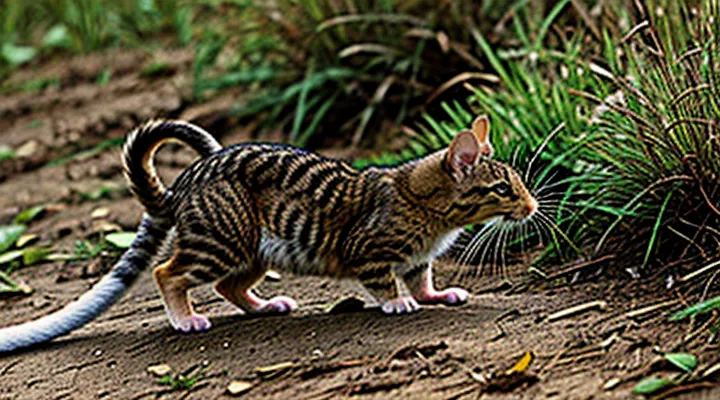
Introduction to Mouse Predation
The Role of Mice in the Ecosystem
Mice are among the most numerous vertebrates in temperate and tropical habitats, maintaining high reproductive rates that sustain their populations despite intense predation pressure. Their abundance creates a reliable energy source for a wide array of carnivores and omnivores.
Mice contribute to ecosystem processes through several mechanisms. They transport seeds across micro‑habitats, influencing plant community composition. Burrowing activity mixes organic matter into the soil, enhancing aeration and nutrient cycling. Their consumption of insects and arthropods regulates invertebrate populations, reducing herbivory pressure on vegetation.
Predators that depend on mice include:
- Raptors such as owls, hawks, and falcons
- Serpents, particularly pit vipers and colubrids
- Mammalian hunters like foxes, weasels, and feral cats
- Small carnivorous mammals, e.g., martens and raccoons
These predators rely on mouse abundance to sustain reproductive output and territorial stability. Fluctuations in mouse numbers trigger corresponding changes in predator breeding success, litter size, and migration patterns, demonstrating tightly coupled trophic relationships.
Through seed dispersal, soil modification, and serving as a primary prey item, mice uphold nutrient flow and energy transfer across multiple trophic levels, reinforcing the structural integrity of wild ecosystems.
Factors Influencing Predator-Prey Dynamics
Mice occupy a central position in many terrestrial food webs, serving as a primary energy source for a diverse assemblage of carnivores. The composition and intensity of predation on these small rodents are shaped by a suite of ecological variables that operate at spatial and temporal scales.
Habitat structure determines encounter rates between predators and mice. Dense understory and ground cover provide refuge, reducing visibility for visual hunters such as raptors and foxes, while open fields facilitate pursuit by fast‑moving carnivores like weasels. Seasonal fluctuations modify habitat complexity; leaf litter in autumn and snow cover in winter alter concealment opportunities and influence predator hunting efficiency.
Prey availability exerts a bottom‑up control on predator populations. High mouse densities support larger numbers of specialist hunters, whereas scarcity forces generalist predators to shift diet toward alternative vertebrates or invertebrates. Conversely, predator abundance imposes top‑down pressure that can suppress mouse populations, especially when territorial carnivores maintain stable territories with limited overlap.
Inter‑specific competition among predators affects hunting pressure on mice. Apex predators (e.g., coyotes) may exclude mesopredators (e.g., martens) from prime foraging zones, indirectly reducing predation on rodents. Conversely, intraguild predation—where larger carnivores consume smaller ones—modifies the net impact of each predator on mouse mortality.
Human activities introduce additional drivers. Habitat fragmentation creates edge environments that often favor opportunistic hunters such as domestic cats, increasing predation rates near settlements. Agricultural practices that remove cover or apply rodenticides alter both mouse abundance and predator exposure to toxins, reshaping the dynamics of the system.
Disease dynamics can regulate predator and prey numbers simultaneously. Pathogens that disproportionately affect mice lower prey availability, while diseases transmitted to predators through consumption of infected rodents can reduce predator survival, thereby releasing predation pressure.
Key factors influencing predator‑prey interactions involving wild mice:
- Habitat complexity and seasonal cover
- Seasonal and annual fluctuations in mouse density
- Predator community composition and territorial behavior
- Competition and intraguild predation among carnivores
- Anthropogenic habitat alteration and chemical control measures
- Disease prevalence in both prey and predator populations
Understanding how these variables intersect provides a comprehensive framework for predicting which species exert the greatest hunting pressure on wild mice under varying ecological conditions.
Mammalian Predators of Mice
Carnivores
Felines
Felines constitute the primary mammalian predators of small rodents in natural ecosystems. Their anatomical and physiological traits—sharp retractable claws, powerful jaw muscles, and acute night vision—enable rapid capture of mice. Muscular forelimbs deliver a precise strike, while whisker sensors detect minute vibrations, allowing detection of prey concealed in dense underbrush.
Wild cat species most frequently implicated in mouse predation include:
- European wildcat (Felis silvestris)
- African wildcat (Felis lybica)
- Bobcat (Lynx rufus)
- Eurasian lynx (Lynx lynx)
Domestic cats (Felis catus) also contribute significantly to mouse mortality, particularly in peri‑urban and agricultural settings where they roam outdoors. Their hunting cycles peak during twilight hours, aligning with the crepuscular activity patterns of many mouse species.
Ecological studies quantify felid predation as a regulating factor for mouse populations, influencing seed dispersal and disease dynamics. Removal of local felid presence often correlates with measurable increases in rodent abundance, demonstrating a direct cause‑effect relationship between felid hunting pressure and mouse density.
Canines
Canine species are among the primary predators of wild rodents. Wolves (Canis lupus) capture mice opportunistically during pack movements, especially in tundra and forest edges where small mammals are abundant. Red foxes (Vulpes vulpes) specialize in hunting rodents, employing stealth and rapid bursts of speed to seize mice in open fields and brush. Coyotes (Canis latrans) supplement their diet with mice, particularly during pup-rearing periods when protein demand rises. African wild dogs (Lycaon pictus) occasionally target mice when larger prey is scarce, relying on coordinated hunting tactics that can be adapted to small, fast-moving targets.
Key behavioral adaptations enable canines to hunt mice effectively:
- Acute hearing detects rustling in dense vegetation.
- Sharp vision discerns movement at low light levels.
- Flexible jaws and dentition allow quick capture of small prey.
- Social hunting strategies, in pack‑hunting species, increase encounter rates with mouse populations.
Ecological impact of canine predation on mouse communities includes regulation of population density, reduction of crop damage, and indirect effects on seed dispersal through altered foraging patterns. These dynamics reinforce the role of canids as integral components of terrestrial food webs, influencing both prey abundance and predator–prey balance.
Mustelids
Mustelids constitute a diverse family of carnivorous mammals that frequently prey on small rodents such as mice. Their anatomical adaptations—elongated bodies, powerful jaws, and sharp claws—enable swift capture in dense vegetation, burrows, and leaf litter.
Among the mustelids most associated with mouse predation are:
- European mink (Mustela lutreola) – actively hunts mice in riparian habitats, often entering ground nests.
- Stoat (Mustela erminea) – pursues mice across tundra and forest edges, relying on speed and ambush tactics.
- American mink (Neovison vison) – exploits aquatic margins and adjacent fields, capturing mice that forage near water.
- European polecat (Mustela putorius) – infiltrates mouse burrows, extracting prey with minimal disturbance.
- Weasel (Mustela nivalis) – specializes in hunting solitary mice, using rapid bursts of movement to overcome prey defenses.
Physiological traits supporting this diet include a high metabolic rate that demands frequent intake of protein-rich prey, and a dentition pattern optimized for shearing flesh. Behavioral observations confirm that mustelids employ both active hunting and opportunistic scavenging, with mouse capture representing a consistent component of their energy budget across seasons.
Population studies indicate that regions with abundant mustelid presence exhibit lower mouse densities, reflecting the predators’ impact on rodent community structure. Conservation of mustelid habitats therefore contributes indirectly to the regulation of mouse populations in natural ecosystems.
Omnivores
Bears
Bears are opportunistic carnivores that occasionally capture small rodents such as mice. Their diet primarily consists of vegetation, insects, fish, and larger mammals, but the nutritional value of rodents makes them a supplemental resource during periods of scarcity.
In northern forests and mountainous regions, brown and black bears encounter mice while foraging for berries, roots, and carrion. When a mouse is detected near a food cache or den entrance, a bear may seize the animal with its paws and consume it whole or discard the carcass after extracting the meat.
Key factors influencing bear predation on mice include:
- Seasonal food availability: reduced plant resources in late summer and autumn increase reliance on animal protein.
- Habitat overlap: dense understory and fallen logs provide shelter for mice, facilitating encounters.
- Individual foraging behavior: younger or subadult bears exhibit higher curiosity and exploratory hunting attempts.
The impact of bear predation on mouse populations is limited. Mice reproduce rapidly, and bear consumption represents only a minor mortality source compared to avian predators, snakes, and mammalian carnivores specialized in rodent hunting. Nonetheless, bear predation contributes to the transfer of energy from small prey to apex consumers within the ecosystem.
Raccoons
Raccoons (Procyon lotor) are medium‑sized omnivores that regularly include mice in their diet. Their opportunistic feeding habits, strong forepaws, and dexterous manipulation allow them to capture, kill, and transport small rodents from burrows, leaf litter, and ground nests. Nighttime activity aligns with the peak periods of mouse movement, increasing encounter rates.
Key traits that facilitate mouse predation:
- Highly sensitive whiskers and tactile receptors that detect prey in low‑light conditions.
- Sharp incisors capable of delivering a quick, lethal bite to the neck or spine.
- Agile climbing ability, enabling access to arboreal mouse nests and storage sites.
- Strong memory for food caches, allowing raccoons to store captured mice for later consumption.
Geographically, raccoons occupy diverse habitats across North America and introduced populations in Europe and Asia, where they exert pressure on local mouse communities. Their presence often reduces mouse abundance in suburban and forested areas, contributing to natural pest control. Interactions with other mouse predators, such as owls and foxes, are generally competitive; raccoons can dominate shared feeding sites due to their size and intelligence.
Human‑altered environments provide abundant refuse and shelter, enhancing raccoon populations and, consequently, their impact on mouse numbers. Management practices that limit food waste and secure structures can mitigate raccoon density and maintain balanced rodent dynamics.
Avian Predators of Mice
Birds of Prey
Owls
Owls are primary nocturnal predators of small rodents, including mice, across diverse ecosystems. Their success stems from a combination of anatomical and behavioral adaptations that enable efficient detection, capture, and consumption of prey.
Key adaptations include:
- Large, forward‑facing eyes that provide acute binocular vision and a high density of rod cells for low‑light sensitivity.
- Asymmetrical ear openings that create a precise auditory map, allowing localization of rustling rodents beneath leaf litter or in burrows.
- Silent flight facilitated by specialized feather structures, reducing aerodynamic noise and preventing alerting of prey.
- Powerful talons and a hooked beak designed to grasp and dispatch struggling mammals quickly.
Dietary analyses reveal that mice constitute a substantial proportion of the owl’s intake, varying by species and habitat. For example:
- Barn Owl (Tyto alba) – often captures more than half of its prey items as field mice during breeding seasons.
- Great Horned Owl (Bubo virginianus) – regularly includes wood mice and meadow voles in its diet, especially in forest edges.
- Eastern Screech‑Owlet (Megascops asio) – supplements its diet with juvenile mice when they are abundant in suburban gardens.
Hunting behavior follows a predictable sequence: perch selection, silent approach, rapid descent, and immediate consumption or transport to a nest site. Owls adjust hunting height and perch distance according to prey density, employing a “hover‑and‑pounce” technique when ground cover limits visibility.
Through these mechanisms, owls exert significant predation pressure on mouse populations, contributing to the regulation of rodent numbers and the maintenance of ecological balance.
Hawks and Falcons
Hawks and falcons are primary avian predators of wild rodents, including mice. Their visual acuity exceeds 6 times that of humans, enabling detection of prey from heights of several hundred meters. Once a target is identified, a rapid stoop or hover positions the bird within striking distance, and a powerful talon strike delivers lethal force.
Key adaptations that facilitate mouse capture:
- Keen eyesight – central fovea provides high-resolution focus on small, fast-moving mammals.
- Aerodynamic body – streamlined shape reduces drag during high-speed dives.
- Robust talons – curved, sharp claws generate grip strength up to 150 N, sufficient to immobilize a mouse.
- Acute hearing – supplemental detection of rustling movements in dense vegetation.
Representative species that regularly include mice in their diet:
- Red-tailed Hawk (Buteo jamaicensis) – inhabits open fields across North America; diet composition typically 30‑50 % small mammals.
- Eurasian Sparrowhawk (Accipiter nisus) – forest specialist in Europe and Asia; frequently captures mice during low-level pursuits.
- Peregrine Falcon (Falco peregrinus) – global distribution; exploits cliffside and urban ledges, seizing mice from ground cover after high-velocity stoops.
- American Kestrel (Falco sparverius) – smallest falcon in the Americas; combines hovering with swift ground attacks to seize mice and other insects.
Population studies indicate that regions with abundant hawk and falcon presence exhibit lower mouse densities, confirming their regulatory effect on rodent communities. Conservation of these raptors therefore supports natural pest control and maintains ecological balance.
Other Mouse-Eating Birds
Various bird species supplement their diets with small rodents, especially mice, and play a measurable role in regulating rodent populations.
Birds of prey dominate this niche. Cooper’s hawk (Accipiter cooperii) captures mice in forest edges and suburban woodlands, employing rapid dashes from perches. Red-tailed hawk (Buteo jamaicensis) hunts open fields, seizing mice with powerful talons during low‑altitude flights. Peregrine falcon (Falco peregrinus) targets mice when perched near watercourses, delivering swift strikes from brief stoops.
Owls contribute significantly during nocturnal hours. Barn owl (Tyto alba) detects mouse movement through acute hearing, dropping silently onto nests and burrows. Short‑eared owl (Asio flammeus) patrols grasslands at dusk, grasping mice with silent wingbeats. Great horned owl (Bubo virginianus) pursues mice across varied habitats, using strong feet to immobilize prey.
Corvids and passerines also capture mice opportunistically. Common raven (Corvus corax) scavenges mouse carcasses and occasionally kills live individuals with coordinated attacks. Magpie (Pica pica) raids mouse nests, extracting young rodents. Shrike species, such as the great grey shrike (Lanius excubitor), impale captured mice on thorns for later consumption.
Key characteristics of mouse‑eating birds
- Sharp, curved talons for grasping.
- Hooked beaks for killing and tearing.
- Acute visual or auditory senses for locating prey.
- Flexible hunting strategies ranging from aerial pursuits to ground ambushes.
These avian predators, through diverse hunting methods and habitats, collectively influence mouse abundance across ecosystems.
Reptilian and Amphibian Predators
Snakes
Snakes are among the most effective predators of wild mice, exploiting a range of physiological and behavioral adaptations to capture these small mammals.
Heat‑sensing pits, acute olfactory receptors, and rapid strike mechanics enable many species to locate concealed prey even in low‑light conditions. Venomous snakes immobilize mice with neurotoxic or hemotoxic compounds, while non‑venomous constrictors apply sustained pressure until the prey suffocates. Both strategies minimize struggle and reduce the risk of injury to the predator.
Common snake groups that regularly feed on mice include:
- Colubridae (e.g., gopher snakes, rat snakes)
- Viperidae (e.g., copperheads, rattlesnakes)
- Boidae (e.g., boa constrictors, pythons)
- Elapidae (e.g., coral snakes, king cobras)
Hunting tactics vary with habitat and time of day. Ambush predators remain motionless near mouse pathways and strike when prey passes. Active hunters patrol territories, tracking scent trails and pursuing moving targets. Nocturnal species rely heavily on thermal vision, while diurnal hunters use visual cues.
By removing a substantial portion of the mouse population, snakes help regulate rodent density, limiting the spread of diseases carried by these mammals and reducing competition for seed‑producing vegetation. Their predatory pressure also influences the behavior and distribution of mouse communities, shaping ecosystem dynamics at multiple trophic levels.
Lizards
Lizards are among the vertebrate predators that regularly capture wild mice. Their predatory behavior relies on acute visual acuity, rapid locomotion, and a powerful bite capable of subduing prey larger than typical insects.
Key adaptations include:
- Binocular vision that detects motion at distances of several meters.
- Muscular limbs that generate bursts of speed across leaf litter and rocky surfaces.
- Jaw mechanics that deliver crushing force sufficient to break small vertebrate skulls.
Species documented to hunt mice include:
- Monitor lizards (Varanus spp.), especially larger individuals that ambush rodents in open habitats.
- Gila monsters (Heloderma suspectum), which seize mice during nocturnal foraging.
- Water monitors (Varanus salvator), known to pursue mice along riverbanks and mangrove swamps.
- Large skinks (Mabuya spp.) that opportunistically capture mice when encountered on forest floors.
By removing adult and juvenile mice, lizards contribute to the regulation of rodent density, thereby influencing seed predation rates, disease transmission dynamics, and competition among other small‑mammal predators. Their role as mesopredators integrates them into trophic cascades that shape community structure across diverse ecosystems.
Frogs and Toads
Frogs and toads constitute a notable proportion of vertebrate predators that capture small rodents such as mice in natural ecosystems. Their predatory activity derives from opportunistic foraging behavior, nocturnal hunting patterns, and the ability to exploit both aquatic and terrestrial habitats.
- Species most frequently observed preying on mice include the American bullfrog (Lithobates catesbeianus), the European common frog (Rana temporaria), and the European common toad (Bufo bufo). These amphibians possess large, extensible mouths and rapid tongue projection that enable the capture of mammals up to half their own body mass.
- Hunting occurs primarily at dusk and during rain events when mice are active near water sources. Amphibians detect prey through visual motion cues and vibrations transmitted through the substrate.
- Digestive physiology allows rapid processing of mammalian tissue; gastric secretions break down protein efficiently, and metabolic rates increase during the feeding episode, supporting growth and reproduction.
Quantitative surveys in temperate wetlands report that frogs and toads account for 5‑12 % of total mouse predation events, with individual amphibians consuming 1‑3 mice per week during peak activity seasons. Their contribution to rodent population regulation complements that of avian, mammalian, and reptilian predators, reinforcing trophic stability across riparian and meadow habitats.
Invertebrate Predators
Spiders
Spiders are efficient predators of small mammals, including wild mice, through the capture of juveniles that fall into their webs. Their silk structures act as passive traps; when a mouse accidentally contacts the sticky threads, the spider immobilizes the prey with a rapid envenomation response.
- Orb‑weaving spiders produce large, horizontally oriented webs capable of supporting the weight of a mouse.
- Funnel‑web and sheet‑web species create dense, horizontal sheets that entangle the animal’s limbs.
- Some ground‑dwelling wolf spiders hunt mice directly by ambush, using speed and powerful chelicerae.
The venom contains neurotoxins that quickly paralyze the mouse’s nervous system, allowing the spider to inject digestive enzymes and consume the liquefied tissue. This predation contributes to the regulation of mouse populations in forest floors, grasslands, and agricultural margins.
Spiders’ hunting efficiency is enhanced by their ability to detect vibrations transmitted through silk, enabling precise localization of struggling prey. Their role as mammalian predators, though less conspicuous than that of birds of prey or carnivorous mammals, represents a significant ecological interaction within terrestrial food webs.
Insects
Insects occupy a niche in the predation of wild mice, either by attacking vulnerable juveniles or by exploiting carcasses. Their involvement is limited to species capable of subduing very small prey or processing dead tissue.
- Tiger beetles (Cicindelinae) seize mouse pups that stray into open ground, delivering a swift bite that can cause fatal injury.
- Solitary hunting wasps (e.g., Sphex and Ammophila) immobilize tiny rodents, including newborn mice, to provision nests for their larvae.
- Army ants (Eciton spp.) form massive foraging columns that can overwhelm and dismember young mice caught in their path.
- Carrion beetles (Silphidae) locate mouse carcasses, lay eggs on the remains, and their larvae consume the flesh, accelerating decomposition.
- Blowflies (Calliphoridae) deposit eggs on dead mice; emerging maggots rapidly break down soft tissue, removing potential disease sources.
These insects contribute to mouse mortality through direct predation of nestlings, opportunistic scavenging, and rapid removal of carcasses, thereby influencing population dynamics in natural ecosystems.
Human Impact on Mouse Predation
Habitat Loss and Fragmentation
Habitat loss and fragmentation reshape the community of predators that rely on wild mice for food. When continuous ecosystems are broken into isolated patches, the abundance and composition of hunting species shift dramatically.
Large carnivores such as foxes, coyotes, and raptors require extensive territories. Fragmented landscapes limit their range, reduce breeding sites, and increase mortality from vehicle collisions. As a result, these top predators become scarce, decreasing pressure on mouse populations in many areas.
Mid‑level hunters, including mustelids (e.g., weasels, stoats) and small owls, adapt more readily to patchy environments. They exploit edge habitats created by forest clearing, agricultural fields, and urban interfaces. Their populations often increase where open spaces border remaining vegetation, leading to intensified predation on mice in those zones.
Species that depend on dense, undisturbed cover—such as certain snakes and ground‑dwelling birds—experience habitat contraction. Loss of leaf litter and understory vegetation diminishes shelter for both predators and prey, altering encounter rates.
Key impacts of habitat alteration on mouse predators:
- Reduced predator diversity: Fewer species can persist in small, isolated patches.
- Elevated edge effects: Predators favoring open‑edge habitats become more common.
- Altered movement patterns: Fragmented corridors force predators to travel longer distances, increasing energy expenditure and exposure to hazards.
- Changed population dynamics: Declines in apex predators may allow mesopredator populations to expand, intensifying predation pressure on mice.
Overall, habitat degradation modifies which animals hunt mice, where they do so, and how frequently encounters occur. Conservation of contiguous habitats and the restoration of connectivity are essential to maintain balanced predator–prey relationships.
Introduction of Invasive Species
Invasive mammals, reptiles, and avian species often become top predators of native rodent populations after establishing themselves in new ecosystems. Their predatory impact can alter the abundance and distribution of wild mice, leading to cascading ecological effects.
Key invasive predators include:
- European brown rat (Rattus norvegicus), which outcompetes indigenous carnivores and preys on juvenile mice.
- House mouse (Mus musculus) when introduced to islands, where it preys on smaller murine species.
- Red fox (Vulpes vulpes), expanding from Europe into North America and Australia, adds a mammalian predator pressure on local mouse communities.
- Feral cat (Felis catus), widely distributed across continents, captures both adult and juvenile mice in agricultural and urban fringes.
- Common raven (Corvus corax), introduced to certain regions, scavenges and actively hunts mice.
These species typically lack natural enemies in the introduced range, allowing their populations to increase rapidly. Their hunting behavior often exceeds that of native predators in both frequency and efficiency, resulting in measurable declines in mouse numbers. Management strategies that target invasive predator control—such as trapping, exclusion fencing, and habitat restoration—can mitigate their impact and help preserve native rodent diversity.
Pest Control Measures
Predators such as owls, hawks, snakes, and carnivorous mammals naturally reduce mouse populations. Their hunting behavior limits rodent reproduction and dispersal, especially in habitats lacking human disturbance.
Human‑implemented pest control strategies complement natural predation. Effective measures include:
- Exclusion: sealing building openings, installing metal flashing, and using hardware cloth to prevent entry.
- Sanitation: removing food residues, storing grain in airtight containers, and maintaining vegetation at a distance from structures.
- Trapping: deploying snap traps, live‑catch cages, and electronic devices positioned along established runways.
- Rodenticides: applying anticoagulant baits in tamper‑proof stations, monitoring for secondary poisoning, and rotating active ingredients to avoid resistance.
- Biological agents: introducing predatory birds through nesting boxes, encouraging feral cat colonies in controlled environments, and employing rodent‑specific viruses where authorized.
Integrated pest management (IPM) combines these tactics, emphasizing regular inspection, data‑driven decision making, and minimal environmental impact. Continuous monitoring of mouse activity guides adjustments, ensuring sustained suppression without unnecessary chemical reliance.
Adaptations of Mice to Predation
Camouflage and Defensive Behaviors
Predators of wild mice rely heavily on visual concealment to approach prey undetected. Many small carnivores—such as weasels, stoats, and certain owl species—exhibit fur or plumage patterns that break up their outline against leaf litter, bark, or grass. This cryptic coloration reduces the likelihood of triggering a mouse’s acute auditory and tactile alarm system.
Mice counteract predation through a suite of defensive behaviors:
- Freezing: Immediate cessation of movement lowers the silhouette and reduces sound emission.
- Erratic sprinting: Sudden, unpredictable bursts of speed increase distance while complicating a predator’s pursuit trajectory.
- Burrow retreat: Rapid entry into complex tunnel systems provides physical barriers that many aerial or larger terrestrial hunters cannot breach.
- Vigilance rotations: Group members take turns scanning the environment, ensuring continuous detection of approaching threats.
Both predator camouflage and mouse defensive tactics evolve in response to one another, creating a dynamic arms race that shapes their respective hunting and survival strategies.
Reproductive Strategies
Predators of wild mice exhibit reproductive adaptations that maximize hunting efficiency and offspring survival. Small carnivores such as weasels, owls, and snakes often breed during periods when mouse populations peak, aligning offspring emergence with abundant prey. This temporal synchronization reduces juvenile starvation risk and enhances growth rates.
Mice themselves employ strategies that influence predator pressure. Rapid sexual maturity, multiple litters per season, and large clutch sizes generate high turnover, creating a constant supply of vulnerable juveniles. Such reproductive output sustains predator populations while also prompting selective pressure for more specialized hunting techniques.
Key reproductive traits shaping the predator‑prey relationship include:
- Seasonal breeding synchronized with prey abundance.
- Short gestation periods enabling quick generation turnover.
- High litter numbers that offset high juvenile mortality.
- Early weaning and rapid development of predator offspring, allowing early independence in hunting.
These mechanisms generate a dynamic equilibrium: predator reproductive cycles adapt to mouse population fluctuations, while mouse reproductive vigor ensures persistent availability of prey, maintaining the ecological balance of wild mouse habitats.
The Web of Life: Interconnectedness of Species
Predators of wild mice form a critical node in terrestrial food webs, linking primary consumers to higher trophic levels. Small mammals such as mice convert plant seeds and insects into biomass that supports a diverse array of carnivores, each influencing population dynamics and energy flow.
- Small mustelids (e.g., weasels, stoats) specialize in rapid pursuit and capture of mice, regulating rodent abundance.
- Raptors (e.g., barn owls, hawks) provide aerial predation, transferring energy to avian top predators.
- Canids (e.g., foxes, coyotes) incorporate mice into broader mammalian diets, affecting predator–prey balance across habitats.
- Reptiles (e.g., snakes, monitor lizards) consume mice opportunistically, linking ectothermic and endothermic pathways.
These interactions generate feedback loops: reduced mouse numbers can lower predator reproductive success, while predator pressure can prevent overgrazing by rodents, preserving vegetation structure. Conversely, excess predation may trigger trophic cascades, altering insect populations and seed dispersal patterns.
Understanding the interconnectedness of species through mouse predation clarifies ecosystem resilience. Each predator contributes to nutrient recycling, habitat heterogeneity, and the maintenance of biodiversity, illustrating how a single prey group anchors multiple ecological processes.