
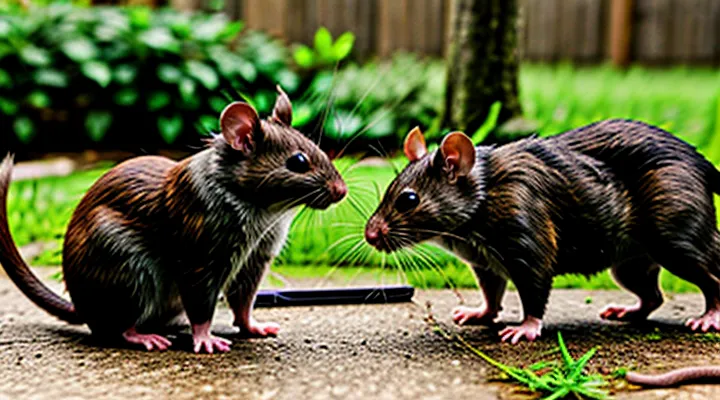
Understanding the Rodent Threat
Why Professional Intervention is Crucial
Health Risks Posed by Rats
Rats transmit a range of pathogens that can cause severe disease in humans. Direct contact with rat urine, feces, or saliva introduces bacteria such as Leptospira (leptospirosis), Salmonella (food poisoning), and Streptobacillus moniliformis (rat‑bite fever). Inhalation of aerosolized particles from contaminated dust or grain can lead to hantavirus pulmonary syndrome, a life‑threatening respiratory condition. Parasites carried by rats, including fleas (vectors of plague) and mites, expand the spectrum of infectious agents. Allergens present in rat dander and droppings trigger asthma attacks and chronic respiratory irritation, especially in vulnerable populations.
- Bacterial infections: leptospirosis, salmonellosis, rat‑bite fever.
- Viral diseases: hantavirus pulmonary syndrome, lymphocytic choriomeningitis.
- Parasitic threats: plague‑carrying fleas, tapeworms, mites.
- Allergic reactions: asthma exacerbation, rhinitis, dermatitis.
These hazards justify the deployment of trained pest‑control professionals. Certified operators employ containment‑grade traps, disinfectant protocols, and post‑capture decontamination to minimize exposure risk. Accurate identification of infestation sites, combined with systematic removal and environmental sanitation, reduces pathogen load and prevents recurrence. Failure to address rat‑related health threats promptly can result in outbreaks, increased medical costs, and compromised public safety.
Structural Damage Caused by Infestations
Rats compromise building integrity by gnawing on load‑bearing components, insulation, and utility lines. Their incisors can sever wooden joists, weaken roof trusses, and breach drywall, leading to sagging floors and compromised roof structures. Damage to electrical wiring creates fire hazards, while chewed plumbing results in leaks, mold growth, and corrosion of metal fixtures.
- Wood framing: gnawed beams, joists, and studs reduce structural support.
- Roofing: perforated shingles and damaged rafters allow water infiltration.
- Insulation: shredded material loses thermal efficiency and invites pest activity.
- Electrical systems: stripped conductors increase short‑circuit risk.
- Plumbing: punctured pipes cause water damage and weaken surrounding masonry.
Professional trapping services address these risks by deploying targeted bait stations, live‑capture devices, and exclusion techniques that prevent re‑entry. Certified operators assess infestation levels, identify entry points, and implement control measures that halt ongoing damage. Prompt, systematic removal reduces repair costs and restores structural stability.
Identifying Rat Infestations
Signs of Rat Presence
Droppings and Urine Trails
Droppings and urine trails provide the most reliable indicators of rat presence and movement patterns. Professionals examine size, shape, and composition of feces to distinguish species, gauge health, and estimate population density. Urine residues, detectable with ultraviolet light or scent‑tracking dogs, reveal active pathways and concealment sites that are otherwise invisible.
Key applications include:
- Location verification: Concentrated droppings confirm a nest or foraging area, prompting targeted trap deployment.
- Pathway mapping: Urine trails outline preferred routes, allowing technicians to place snap traps or live‑catch devices along high‑traffic corridors.
- Species identification: Larger, cylindrical droppings indicate Norway rats; smaller, pellet‑shaped feces point to roof rats, influencing bait selection.
- Activity assessment: Fresh, moist droppings and strong urine odor signal ongoing infestation, justifying immediate intervention.
- Safety planning: Recognizing areas with heavy urine accumulation helps avoid exposure to pathogens such as leptospirosis during trap placement.
Accurate interpretation of these signs reduces guesswork, improves trap success rates, and limits unnecessary disruption to non‑target wildlife.
Gnaw Marks and Damage
Gnaw marks provide the most immediate evidence of rodent activity. Teeth of rats leave V‑shaped incisions on wood, plastic, and wiring, with the opening wider at the entry point and tapering toward the bite. The depth of a mark correlates with the animal’s size and the duration of the infestation, allowing pest‑control specialists to estimate population density and prioritize treatment zones.
Damage caused by rats extends beyond visible bites. Common manifestations include:
- Compromised structural integrity of beams, joists, and insulation.
- Severed electrical conductors leading to short circuits or fire hazards.
- Contaminated food stores and surfaces with urine, feces, and pathogens.
- Degraded plumbing where gnawed pipes result in leaks and water loss.
Professional rat‑catchers assess gnaw patterns during a site inspection. They record the location, orientation, and dimensions of each mark, then map the findings to identify high‑traffic pathways. This data informs trap placement, ensuring devices intercept movement along established routes rather than relying on random deployment.
Effective trapping reduces ongoing damage by eliminating the source of gnawing. Once the infestation is controlled, repair crews can address structural repairs, replace damaged wiring, and implement sanitation measures. Continuous monitoring after removal verifies that gnaw marks cease, confirming that the rodent population has been successfully eradicated.
Unusual Noises and Odors
Unusual sounds and smells provide the most reliable early indicators of rodent activity, allowing professionals to pinpoint locations for trap placement. High‑frequency squeaks, intermittent gnawing on wood or plastic, and faint scratching within walls betray the presence of rats even before visual signs appear. These noises intensify during nocturnal feeding periods and decrease when traps are set, offering a measurable response to control efforts.
Odors complement acoustic cues by revealing the scale and severity of infestation. Concentrated ammonia‑like scent from urine, a sharp metallic smell from blood‑tinged droppings, and the musty aroma of nesting material each correspond to specific behavioral zones. Professionals assess odor intensity to prioritize high‑risk areas and to select trap types—live‑capture cages for low‑odor zones, snap traps for heavily scented sites.
Key observations for effective trapping:
- Continuous high‑pitched squeaking → active nest; position multiple traps nearby.
- Intermittent gnawing on structural elements → travel routes; install snap or electronic traps along walls.
- Strong ammonia odor → established feeding area; use bait with strong attractants and replace traps frequently.
- Metallic blood odor → recent mortality; remove carcasses promptly to prevent secondary attraction and place sanitation traps.
Professional Trapping Methods
Mechanical Traps
Snap Traps
Snap traps remain a cornerstone of professional rodent control. Their mechanical action delivers rapid, lethal force, reducing suffering and preventing escape. The design typically incorporates a spring‑loaded bar, a trigger plate, and a sturdy base that resists tampering.
Key characteristics of high‑quality snap traps include:
- Hardened steel spring calibrated for consistent closure speed.
- Adjustable trigger sensitivity to accommodate varying rodent sizes.
- Reinforced housing that withstands gnawing and moisture.
- Easy‑release loading mechanism for safe setup.
- Compatibility with a range of baits and placement accessories.
Effective deployment follows a systematic approach. Identify active runways, feeding zones, and nesting sites through visual inspection and tracking. Position traps perpendicular to wall edges, with the trigger plate facing the expected travel direction. Use a small amount of attractive bait—such as peanut butter, dried fruit, or commercial lure—applied to the trigger area to ensure contact. Space devices 12–18 inches apart along the identified pathway; increase density in high‑traffic zones.
Maintenance protocols ensure continued performance. Inspect traps daily, remove captured rodents, and reset mechanisms. Replace worn springs or corroded components promptly. Store unused units in a dry environment to preserve spring tension. Documentation of trap locations, dates of placement, and outcomes supports data‑driven adjustments to the control program.
Live Traps
Live traps capture rodents without killing them, allowing humane removal and relocation. Professional pest controllers select models that combine durability, secure doors, and easy cleaning. Common designs include:
- Wire-mesh cages with spring‑loaded doors triggered by a pressure plate.
- Plastic boxes with hinged lids activated by a bait‑sensitive latch.
- Multi‑catch units that hold several individuals before requiring emptying.
Effective use begins with proper placement. Traps should be positioned along walls, near entry points, or in areas showing gnaw marks and droppings. Elevating traps a few inches off the floor prevents interference from non‑target species. Bait selection influences capture rates; high‑protein foods such as peanut butter, tuna, or boiled egg attract rats more reliably than grain‑based options.
Checking traps at least twice daily reduces stress on captured animals and prevents escape. Once caught, rodents are transferred to a secure container, transported to a remote release site at least two miles from the infestation, and released during daylight to increase survival chances. Local wildlife regulations often dictate permissible release distances and species; compliance prevents legal complications.
Advantages of live trapping include reduced public concern over lethal methods, preservation of valuable research specimens, and lower risk of secondary poisoning. Limitations involve higher labor intensity, the need for frequent monitoring, and potential for captured rats to become aggressive. Selecting high‑quality traps and adhering to a strict schedule mitigates these drawbacks and maintains control efficacy.
Glue Boards: Ethical Considerations
Glue boards are a common component of commercial rodent control programs. They consist of a sticky surface that immobilizes rats upon contact, allowing removal without the need for live capture devices.
Ethical concerns surrounding glue boards focus on three primary issues:
- Animal welfare – Rats experience prolonged distress as they struggle to escape, often leading to severe injury or death from dehydration, starvation, or internal trauma.
- Non‑target capture – Sticky traps do not discriminate between species; birds, reptiles, and beneficial insects may become victims, resulting in unintended ecological harm.
- Humane disposal – Once immobilized, rats must be euthanized promptly. Delayed or improper handling can cause unnecessary suffering and may violate animal welfare regulations.
Regulatory frameworks in many jurisdictions classify glue boards as inhumane, restricting or banning their use in professional settings. Alternatives such as snap traps, electronic devices, or exclusion methods provide rapid, lethal outcomes with reduced suffering and lower risk to non‑target organisms.
Professional pest managers who prioritize ethical standards typically adopt a hierarchy of control: first, eliminate entry points; second, employ bait stations with anticoagulant or bromethalin formulations; third, reserve mechanical traps for confirmed infestations. This approach minimizes reliance on adhesive devices while maintaining effective rat suppression.
Chemical Control
Rodenticides: Types and Application
Rodenticides are chemical agents designed to control rodent populations through lethal action. Their effectiveness depends on proper selection, dosage, and deployment.
Common categories include:
- Anticoagulants – inhibit blood clotting, leading to internal hemorrhage. Subdivided into first‑generation (warfarin, chlorophacinone) and second‑generation (bromadiolone, difenacoum) compounds, the latter requiring lower exposure for mortality.
- Neurotoxins – disrupt nerve function. Bromethalin interferes with mitochondrial ATP production, causing cerebral edema; zinc phosphide releases phosphine gas upon ingestion, producing cellular toxicity.
- Metabolic poisons – affect vitamin pathways. Cholecalciferol (vitamin D₃) induces hypercalcemia, resulting in renal failure; sodium nitrite causes methemoglobinemia, impairing oxygen transport.
- Multiple‑action formulations – combine active ingredients to mitigate resistance development and broaden target species range.
Application guidelines:
- Target assessment – identify species, infestation level, and environmental constraints before selecting a rodenticide class.
- Placement – locate baits along walls, near gnawing sites, and within concealed channels; secure bait stations to prevent non‑target access.
- Dosage control – adhere to label‑specified concentrations; over‑application can increase secondary poisoning risk and accelerate resistance.
- Rotation strategy – alternate between anticoagulant and non‑anticoagulant products on a quarterly basis to limit tolerance buildup.
- Safety measures – use tamper‑resistant containers, wear protective gloves, and store products away from food preparation areas; maintain records of usage for regulatory compliance.
Monitoring after deployment includes verifying bait consumption, inspecting for mortality signs, and adjusting treatment intervals based on observed efficacy. Proper integration of rodenticide types with strategic application reduces rodent activity while minimizing ecological impact.
Safety Protocols for Chemical Use
Professional rodent control frequently involves the application of rodenticides, fumigants, and other hazardous chemicals. Safe handling of these substances protects personnel, non‑target wildlife, and the environment.
- Wear appropriate personal protective equipment (gloves, goggles, respirators, impermeable clothing) before any contact with chemicals. Verify that PPE meets the specifications of the material safety data sheet (MSDS).
- Ensure adequate ventilation in treatment areas. Use local exhaust fans or open windows to maintain air exchange rates that prevent accumulation of toxic vapors.
- Label all containers with product name, concentration, hazard symbols, and expiration date. Store chemicals in locked, temperature‑controlled cabinets away from food, water, and incompatible substances.
- Follow strict inventory controls. Record receipt, usage, and disposal dates in a log to facilitate traceability and regulatory compliance.
- Implement spill‑containment measures. Keep absorbent pads, neutralizing agents, and disposal bags within easy reach. Clean spills immediately according to the MSDS protocol.
- Conduct regular training sessions. Cover hazard recognition, proper dosing, equipment calibration, and emergency response. Require certification renewal annually.
- Prepare emergency procedures. Post clearly visible instructions for decontamination, first‑aid treatment, and contact information for medical and environmental authorities.
Adhering to these protocols minimizes occupational risk, ensures effective rodent management, and aligns with legal requirements governing hazardous chemical use.
Advanced Trapping Technologies
Smart Traps and Monitoring Systems
Smart traps combine electronic sensing, automated actuation, and wireless communication to improve rodent control efficiency. Sensors detect movement, heat signatures, or infrared emissions, triggering a rapid closure mechanism that captures the target without manual intervention. Once activated, the device logs the event, timestamps it, and transmits the data to a central dashboard accessible via computer or mobile app.
Key components of a modern rodent capture system include:
- Detection module: ultrasonic, PIR, or thermal sensors calibrated for typical rat activity patterns.
- Actuation unit: electric solenoid or pneumatic latch delivering a swift, humane kill or containment.
- Power source: rechargeable lithium‑ion battery or solar panel, providing up to several weeks of autonomous operation.
- Connectivity layer: Bluetooth Low Energy, Wi‑Fi, or LoRaWAN modules enabling real‑time alerts and remote status checks.
- Data management: cloud‑based platform aggregating capture counts, locations, and environmental parameters for trend analysis.
Integration with monitoring software allows pest‑control professionals to prioritize high‑risk zones, schedule maintenance visits, and verify trap performance without site inspection. Automated reports generate heat maps that highlight infestation hotspots, supporting evidence‑based decision making.
Cost considerations focus on upfront investment versus long‑term labor savings. While smart devices carry higher initial prices than traditional snap traps, reduced field visits, lower bait consumption, and precise targeting offset expenses over typical contract periods.
Deployment best practices recommend placing devices along known runways, near food sources, and at entry points. Regular firmware updates ensure sensor accuracy and cybersecurity compliance, maintaining system reliability throughout the control program.
CO2 Traps
CO₂ traps exploit the natural attraction of rats to carbon dioxide, a by‑product of mammalian respiration. The device releases a controlled stream of gas into a sealed chamber where a bait or mechanical capture mechanism awaits. When a rat enters, the elevated CO₂ concentration overwhelms its olfactory cues, prompting rapid entry and preventing escape.
Key design elements include:
- A regulated CO₂ source, typically a pressurized cylinder or chemical generator, calibrated to maintain concentrations between 3 % and 5 % within the trap.
- A one‑way entry portal that closes automatically after detection, ensuring humane containment.
- A venting system that safely dissipates excess gas after capture, protecting operators and non‑target species.
Advantages of CO₂ traps:
- High specificity for rodents that rely heavily on scent tracking.
- Minimal reliance on lethal poisons, reducing secondary poisoning risks.
- Compatibility with indoor and semi‑enclosed environments where traditional snap traps are less effective.
Limitations to consider:
- Requirement for periodic refilling or replacement of the CO₂ supply.
- Potential for reduced efficacy in well‑ventilated areas where gas disperses quickly.
- Necessity for trained personnel to handle pressurized gas safely, adhering to occupational safety standards.
Operational guidelines:
- Verify that the trap is positioned along known rat pathways, such as wall junctions or near food sources.
- Calibrate the CO₂ flow rate before deployment, using a calibrated flow meter.
- Conduct a leak test to ensure the chamber remains sealed during operation.
- Monitor the trap at regular intervals, removing captured rodents and resetting the system.
- Document CO₂ usage and capture data for compliance with pest‑management protocols.
When integrated into a comprehensive rodent‑control program, CO₂ traps provide an efficient, targeted method for reducing rat populations while maintaining safety and regulatory compliance.
Integrated Pest Management (IPM) for Rats
Holistic Approach to Rodent Control
Inspection and Assessment
Professional rat control begins with a systematic inspection of the target area. Inspectors enter the premises, observe structural features, and record evidence of rodent activity. Typical indicators include droppings, gnaw marks, urine stains, burrows, and grease trails. Photographs and detailed notes create a baseline for subsequent actions.
Assessment follows inspection. Inspectors evaluate the severity of infestation, identify species, and determine the most vulnerable entry points. The process includes:
- Mapping of active zones on a floor plan.
- Quantifying droppings per square meter to gauge population density.
- Testing for disease hazards using standard swab kits.
- Reviewing building maintenance records for structural deficiencies.
Risk analysis translates findings into actionable priorities. High‑traffic zones receive immediate attention, while peripheral areas are scheduled for later treatment. The outcome guides the selection of trapping devices, placement density, and bait formulation, ensuring that control measures align with the documented conditions.
Exclusion and Prevention
Effective rodent control begins with exclusion and prevention, reducing the need for lethal traps. Sealing potential entry points eliminates access to food, shelter, and water, which are critical for rat survival. Common vulnerabilities include gaps around utility penetrations, foundation cracks, vent openings, and door sweeps. Applying durable materials such as steel wool, copper mesh, or expanding foam ensures long‑term blockage.
Maintaining a clean environment removes attractants. Regular removal of waste, proper storage of grain and feed in sealed containers, and prompt cleaning of spills deprive rodents of sustenance. Landscaping practices that keep vegetation trimmed away from building foundations prevent rats from using overgrown plants as pathways.
Structural modifications further deter infestation. Installing self‑closing doors, securing chimney caps, and fitting rodent‑proof vent covers create physical barriers. In multi‑unit facilities, coordinated inspections verify that each unit adheres to the same standards, preventing re‑entry from neighboring spaces.
A concise checklist for exclusion and prevention:
- Inspect exterior walls, roof, and foundation for openings larger than ¼ in.; seal with appropriate material.
- Install door sweeps and weatherstripping on all exterior doors.
- Fit steel mesh over vents, utility openings, and crawl‑space access points.
- Store food, feed, and waste in containers with tight‑locking lids.
- Remove debris, compost piles, and standing water within 20 ft of the building.
- Trim shrubs, trees, and groundcover to maintain a clear perimeter.
- Conduct quarterly inspections and document repairs to ensure compliance.
Implementing these measures creates an inhospitable environment for rats, minimizes reliance on traps, and supports long‑term pest management objectives.
Sanitation Practices
Effective rodent control relies on sanitation that eliminates food, water, and shelter sources. Clean environments reduce the likelihood of infestations and improve trap success rates.
Key sanitation measures include:
- Immediate removal of food debris and spills; store dry goods in sealed containers.
- Regular disposal of garbage in tightly sealed bins; empty bins daily in high‑traffic areas.
- Prompt repair of leaky pipes, dripping faucets, and condensation sources that provide water.
- Sealing entry points such as cracks, gaps around utility lines, and vent openings with durable materials.
- Maintaining clutter‑free storage areas; stack boxes off the floor and keep aisles clear.
- Routine cleaning of kitchens, dining facilities, and waste handling zones with approved disinfectants.
- Implementing pest‑monitoring logs to track sanitation compliance and identify problem zones.
Integrating these practices with professional trapping strategies creates a hostile environment for rodents, ensuring that placed traps encounter fewer alternative resources and increasing capture efficiency. Continuous monitoring and strict adherence to sanitation protocols are essential components of any comprehensive rodent management program.
Monitoring and Follow-Up
Effective rodent control does not end with the placement of traps. Continuous observation and systematic follow‑up determine whether a program achieves long‑term suppression.
After initial deployment, technicians record trap locations, bait types, and activation times. Data are entered into a centralized log that timestamps each capture. This log supports trend analysis, allowing practitioners to identify hotspots and adjust trap density accordingly.
Monitoring activities include:
- Daily inspection of trap status (set, sprung, or empty).
- Immediate removal of captured rodents to prevent decomposition and odor buildup.
- Verification of bait integrity; replace spoiled or depleted bait promptly.
- Documentation of environmental variables such as temperature and humidity, which influence trap performance.
Follow‑up actions rely on the collected information. If capture rates decline, professionals may:
- Increase trap concentration in the affected zone.
- Rotate bait formulations to counter habituation.
- Introduce alternative trapping devices (e.g., multi‑catch stations) to address residual activity.
Regular reporting cycles—weekly summaries for field crews and monthly reviews for management—ensure accountability. Performance metrics, such as average captures per trap per day, guide resource allocation and justify adjustments to the control strategy.
Finally, post‑intervention audits verify that rodent activity remains below predefined thresholds. Persistent monitoring for several weeks after the last capture confirms program success and reduces the risk of reinfestation.
Post-Trapping Procedures
Carcass Removal and Disposal
Effective removal of dead rodents is a critical component of any professional pest‑control operation. Failure to handle carcasses properly can attract secondary infestations, spread disease, and violate health‑code regulations.
The process begins with immediate containment. Trappers wear disposable gloves and use sealed, puncture‑resistant bags to isolate each carcass. Bags are labeled with the capture date, location, and species to facilitate record‑keeping and compliance audits.
Disposal options are governed by local ordinances and the scale of the operation:
- Incineration: Preferred for large‑scale services; requires a licensed incinerator that reaches temperatures above 850 °C to ensure pathogen destruction. Carcasses are placed in metal containers, sealed, and logged in a waste‑tracking system.
- Landfill burial: Permitted when incineration is unavailable. Carcasses must be double‑bagged, placed in approved landfill cells, and covered with at least 30 cm of soil. Documentation of the burial site and date is mandatory.
- Composting: Allowed for small quantities in controlled facilities. Compost piles must maintain temperatures between 55–65 °C for a minimum of three days, followed by a curing period of at least 30 days before any material is repurposed.
After disposal, the work area undergoes thorough sanitization. A disinfectant solution containing at least 1,000 ppm chlorine is applied to surfaces, and all tools are either autoclaved or chemically sterilized before storage.
Record maintenance is essential. Each removal event is recorded in a digital log that includes:
- Date and time of capture.
- Species identification.
- Disposal method and verification number.
- Personnel responsible for handling.
These records support regulatory compliance, enable trend analysis, and provide evidence of responsible waste management.
Disinfection and Cleanup
After a rodent capture, thorough disinfection eliminates pathogens that rats can transmit. Apply an EPA‑registered disinfectant to all surfaces that the animal contacted, including floors, walls, and equipment. Follow the product’s contact time to ensure microbial reduction.
Remove debris such as droppings, urine stains, and gnawed material before disinfecting. Use disposable gloves and a mask to protect personnel from aerosolized contaminants. Collect waste in sealed, puncture‑proof bags and dispose of it according to local hazardous‑waste regulations.
Key steps for effective cleanup:
- Inspect the affected area for hidden droppings, nests, and chew marks.
- Ventilate the space for at least 15 minutes to disperse airborne particles.
- Sweep or vacuum dry residues using a HEPA‑filtered device; discard the filter after use.
- Mop wet surfaces with a disinfectant solution, ensuring complete coverage.
- Dry the area thoroughly to prevent mold growth.
Documentation of the process supports compliance with health‑safety standards. Record the date, chemicals used, contact times, and personnel involved. Retain the log for future audits or pest‑management reviews.
Preventing Future Infestations
Effective rodent control ends with measures that stop re‑entry. After eliminating an active population, focus on habitat modification, sanitation, and ongoing surveillance.
Structural exclusion blocks access points. Seal cracks larger than ¼ in, install metal flashing around utility penetrations, and fit tight‑fitting door sweeps. Replace deteriorated roofing, repair foundation voids, and ensure vents are fitted with mesh screens sized no larger than ¼ in.
Sanitation removes attractants. Store feed in sealed containers, keep garbage in containers with tight lids, and remove food debris promptly. Eliminate standing water, maintain vegetation at least 12 in from building walls, and clear clutter that provides shelter.
Continuous monitoring detects early activity. Deploy passive snap traps or electronic sensors along perimeter walls, inspect them weekly, and record any captures. Adjust exclusion measures based on findings.
Key actions to prevent recurrence