
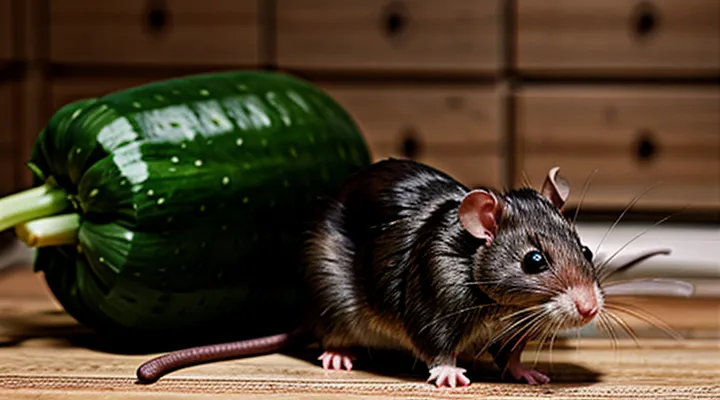
«Understanding Rat Dietary Needs»
«Essential Nutrients for Rats»
«Vitamins and Minerals»
Rats require a diet rich in vitamins and minerals to support growth, immune function, and reproduction. Fresh vegetables supply many of these micronutrients when offered in appropriate quantities.
- Carrots – high in beta‑carotene (vitamin A precursor) and moderate potassium.
- Broccoli – provides vitamin C, vitamin K, and calcium; also contains glucosinolates that support detoxification.
- Spinach – rich in vitamin K, folate, and iron; limited to small portions because of oxalates.
- Bell peppers (red) – excellent source of vitamin C and vitamin A; low in calories.
- Sweet potatoes – deliver beta‑carotene, vitamin C, and manganese; serve cooked and cooled.
- Zucchini – supplies vitamin C, potassium, and magnesium; low in fiber.
- Peas – contain vitamin K, vitamin C, and phosphorus; offer protein as well.
Portion sizes should not exceed 10 % of the total daily intake; a typical adult rat can safely consume 1–2 tablespoons of mixed vegetables per day. Wash thoroughly, remove any wilted or bruised sections, and serve raw unless the vegetable is difficult to chew (e.g., sweet potatoes, which are best boiled and cooled).
Avoid vegetables high in oxalic acid (e.g., large amounts of spinach, beet greens) or excessive calcium (e.g., kale, collard greens) to prevent kidney stone formation. Do not feed raw potatoes, rhubarb, or nightshade family members, as they contain toxic compounds. Regular rotation of vegetable choices ensures a broad spectrum of micronutrients without overloading any single nutrient.
«Fiber and Water Content»
Fiber and moisture are essential dietary factors for pet rats. Adequate fiber supports gastrointestinal motility and prevents impaction, while sufficient water content aids hydration and kidney function.
Rats thrive on vegetables that deliver at least 2–3 grams of crude fiber per 100 grams of fresh weight and contain 80 percent or more water. Foods meeting both criteria should constitute the majority of the vegetable portion of a rat’s diet.
- Kale (≈2.6 g fiber, 84 % water)
- Spinach (≈2.2 g fiber, 91 % water)
- Romaine lettuce (≈1.2 g fiber, 95 % water)
- Zucchini (≈1.1 g fiber, 94 % water)
- Bell pepper, red (≈1.0 g fiber, 92 % water)
Vegetables with moderate fiber and water levels complement the diet, providing variety without compromising nutritional balance.
- Carrot (≈2.8 g fiber, 88 % water) – higher sugar, feed sparingly
- Cucumber (≈0.5 g fiber, 95 % water) – low fiber, useful for hydration
Low‑fiber, low‑moisture vegetables should be limited to occasional treats.
- Broccoli stems (≈2.6 g fiber, 89 % water) – high calcium, feed in small portions
- Green beans (≈2.7 g fiber, 90 % water) – acceptable in moderation
Consistent inclusion of high‑fiber, high‑moisture vegetables ensures optimal digestive health and fluid balance for rats. Regular monitoring of stool consistency and water intake confirms the adequacy of the selected vegetables.
«Safe and Beneficial Vegetables for Rats»
«Leafy Greens»
«Kale and Spinach»
Kale and spinach are leafy greens frequently offered to pet rats as part of a varied diet. Both provide high levels of vitamins A, C, and K, as well as calcium, iron, and dietary fiber, while contributing minimal calories.
Nutritional highlights include:
- Vitamin A: supports vision and immune function.
- Vitamin C: acts as an antioxidant, essential because rats cannot synthesize it.
- Vitamin K: promotes blood clotting and bone metabolism.
- Calcium and iron: contribute to skeletal health and oxygen transport.
- Fiber: aids gastrointestinal motility.
These nutrients help maintain ocular health, strengthen bones, and bolster the immune system. However, kale and spinach contain oxalic acid and goitrogenic compounds that can interfere with calcium absorption and thyroid function if consumed in excess. Excessive intake may also cause loose stools.
Feeding recommendations:
- Rinse thoroughly to remove pesticides or soil residues.
- Offer raw leaves, chopped into bite‑size pieces.
- Limit to 1–2 teaspoons per rat per day, alternating with other greens such as romaine lettuce, arugula, or parsley.
- Observe stool consistency; reduce portion if diarrhea occurs.
- Provide fresh vegetables daily; discard uneaten portions after 24 hours to prevent spoilage.
When incorporated responsibly, kale and spinach enrich a rat’s diet with essential micronutrients while minimizing potential adverse effects.
«Bok Choy and Romaine Lettuce»
Bok choy and romaine lettuce are frequently included in a balanced diet for pet rats because they supply essential vitamins, minerals, and fiber without excessive calories.
Bok choy delivers high levels of vitamin C, vitamin K, calcium, and potassium, while its low oxalate content minimizes the risk of kidney stone formation. The vegetable’s crisp texture encourages chewing, supporting dental health.
Romaine lettuce provides vitamin A, folate, and a modest amount of fiber. Compared with iceberg lettuce, romaine contains more nutrients and less water, making it a more substantive source of energy. Its tender leaves are easy for rats to ingest, reducing the chance of gastrointestinal irritation.
Feeding guidelines:
- Offer 1–2 grams of each vegetable per 100 grams of body weight, divided into two daily portions.
- Serve fresh, washed pieces; remove wilted or bruised sections before presentation.
- Limit total vegetable intake to no more than 10 % of the rat’s overall diet to prevent nutrient imbalance.
- Rotate with other approved greens to ensure a varied nutrient profile.
Consistent, moderate inclusion of bok choy and romaine lettuce supports immune function, ocular health, and overall vitality in laboratory and companion rats.
«Root Vegetables»
«Carrots and Sweet Potatoes»
Carrots provide rats with beta‑carotene, fiber, and vitamin C. The natural sweetness encourages consumption, while the fiber supports healthy digestion. Offer raw, washed carrot sticks in small pieces; a typical portion is one to two teaspoons per day for an adult rat.
Sweet potatoes supply complex carbohydrates, potassium, and vitamin A. Their creamy texture and moderate sugar content make them an attractive supplement. Serve cooked, unseasoned sweet potato, cooled to room temperature, in bite‑size cubes. Limit intake to one to two teaspoons daily to avoid excess calories.
Feeding guidelines
- Wash thoroughly before serving.
- Serve raw carrot, cooked sweet potato; never add salt, butter, or spices.
- Rotate with other vegetables to ensure a balanced diet.
- Monitor weight and stool consistency; adjust portions if rats gain weight or develop diarrhea.
«Beets and Parsnips»
Beets and parsnips are acceptable components of a balanced rat diet when offered in moderation and prepared correctly.
- Beets supply vitamin C, potassium, and fiber, contributing to immune support and digestive health.
- Parsnips deliver vitamin A, folate, and manganese, aiding vision, cell growth, and metabolic functions.
- Both vegetables contain natural sugars; excessive intake may lead to weight gain or gastrointestinal upset.
Preparation guidelines:
- Wash thoroughly to remove soil and pesticide residues.
- Peel beets to eliminate the bitter outer layer; parsnips can be peeled or left unpeeled if clean.
- Cook by steaming or boiling until soft; raw pieces may be too tough and increase the risk of choking.
- Cool to room temperature before serving; avoid adding salt, butter, or seasoning.
Feeding limits and precautions:
- Offer no more than one tablespoon of each vegetable per day for an adult rat; adjust portion size for juveniles.
- Introduce gradually, monitoring for signs of diarrhea or reduced appetite.
- Discontinue if the rat shows any allergic reaction or persistent digestive issues.
- Store leftovers in a sealed container in the refrigerator for up to 24 hours; discard any moldy or spoiled portions.
«Cruciferous Vegetables»
«Broccoli and Cauliflower»
Broccoli and cauliflower are among the most suitable cruciferous vegetables for pet rats. Both provide high levels of vitamin C, fiber, and antioxidants, supporting immune function and digestive health.
Nutritional profile
- Vitamin C: protects against oxidative stress.
- Dietary fiber: promotes regular bowel movements.
- Calcium and potassium: contribute to bone strength and electrolyte balance.
- Low caloric density: suitable for weight management.
Feeding guidelines
- Offer raw or lightly steamed pieces no larger than 1 cm³.
- Limit to 1–2 tablespoons per week to avoid excessive gas production.
- Remove any wilted or spoiled portions before serving.
Potential concerns
- Overconsumption may cause bloating or mild diarrhea due to raffinose content.
- Some rats may exhibit a temporary aversion to the bitter taste of raw florets; gentle introduction with a small amount of fruit puree can improve acceptance.
- Ensure no added seasonings, oils, or butter, which can be harmful.
Incorporating these vegetables into a balanced diet, alongside a high‑quality rat pellet base and occasional fruit or protein treats, provides essential nutrients without compromising health.
«Brussels Sprouts»
Brussels sprouts provide a viable option for rat owners seeking nutritious vegetable supplements. The cruciferous buds contain high levels of vitamins C and K, moderate calcium, and dietary fiber that supports digestive health. Their low sugar content aligns with the carbohydrate limits recommended for small rodents.
When offering Brussels sprouts, follow these guidelines:
- Wash thoroughly to remove pesticide residues.
- Present raw or lightly steamed pieces no larger than a half‑inch cube.
- Limit to one to two small pieces (approximately 5 g) per rat, two to three times per week.
- Observe the animal for signs of gas or discomfort; reduce frequency if bloating occurs.
Potential issues include the production of gas from raffinose, which can cause abdominal distress, and the presence of oxalic acid that may affect calcium absorption if over‑consumed. Moderation and proper preparation mitigate these risks, ensuring Brussels sprouts contribute positively to a balanced rat diet.
«Other Safe Vegetables»
«Peas and Green Beans»
Peas and green beans are among the most appropriate vegetable options for laboratory and pet rats. Both provide essential nutrients without excessive sugar or fat, making them safe for regular inclusion in a balanced diet.
Peas deliver protein (approximately 5 g per 100 g), dietary fiber, and vitamins A, C, K, as well as folate. Green beans contribute similar fiber content, vitamin K, vitamin C, and minerals such as calcium and iron. The combination supplies a modest amount of carbohydrates, supporting energy needs without causing rapid blood‑glucose spikes.
- Protein: 4–5 g / 100 g (peas)
- Fiber: 3–4 g / 100 g (both)
- Vitamin C: 40 mg / 100 g (peas), 16 mg / 100 g (green beans)
- Vitamin K: 24 µg / 100 g (green beans)
Preparation guidelines: wash thoroughly, remove any strings from green beans, and serve raw or lightly steamed for 2–3 minutes. Overcooking destroys heat‑sensitive vitamins and reduces palatability. Avoid adding salt, butter, or seasoning.
Recommended portion: 1–2 tablespoons of each vegetable per 100 g body weight, offered two to three times weekly. Excessive quantities can cause digestive upset, including gas and loose stools, due to the high fiber content.
Potential concerns: fresh peas and green beans may harbor pesticide residues; sourcing organic produce or washing with a vegetable‑safe cleanser mitigates risk. Frozen varieties are acceptable if thawed without added sauces. Sprouted peas should be excluded because they contain higher levels of antinutrients.
Incorporating peas and green beans alongside a core grain‑based diet enhances nutritional completeness while providing variety that encourages natural foraging behavior. Regular monitoring of weight and stool consistency ensures the vegetables remain beneficial.
«Bell Peppers and Cucumbers»
Bell peppers and cucumbers are among the vegetables that can be offered safely to pet rats when prepared correctly.
Bell peppers provide vitamins A, C, and B6, as well as antioxidants. Rats generally prefer the red, orange, or yellow varieties; green peppers contain higher levels of solanine, which may cause gastrointestinal upset if fed in large amounts. Feed raw, washed pieces no larger than a quarter‑inch cube, limiting the portion to 1–2 small bites per day. Remove seeds and core, as they are harder to digest. Excessive consumption can lead to loose stools due to the high fiber content.
Cucumbers consist mainly of water and contain modest amounts of vitamin K and potassium. Their low calorie density makes them a suitable occasional treat, especially in warm weather when rats seek hydration. Offer thin slices or small cubes, removing the skin only if it appears waxed or treated with pesticides. Limit intake to a few bites per day; overfeeding may cause diarrhea because of the high water content.
Both vegetables should be introduced gradually, observing the animal for signs of digestive disturbance. Provide fresh, pesticide‑free produce and discard any leftovers after a few hours to prevent spoilage. Incorporating bell peppers and cucumbers alongside a balanced pellet diet enriches the nutritional profile and adds variety without compromising health.
«Vegetables to Avoid or Feed in Moderation»
«Potentially Harmful Vegetables»
«Onions and Garlic»
Onions and garlic are frequently listed among vegetables considered for rodent diets, yet both contain compounds that pose health risks to rats.
The primary toxic agents are thiosulphates, which can cause oxidative damage to red blood cells. Ingestion may lead to hemolytic anemia, gastrointestinal irritation, and, in severe cases, organ failure. Toxicity is dose‑dependent; even small quantities can accumulate if offered regularly.
Guidelines for feeding rats:
- Avoid raw or cooked onions and garlic entirely.
- Do not include powdered forms, sauces, or seasonings containing these ingredients.
- If an accidental bite occurs, monitor for pale mucous membranes, lethargy, or dark urine and seek veterinary care promptly.
In summary, onions and garlic should be excluded from rat nutrition to prevent thiosulphate‑induced toxicity.
«Avocado and Raw Beans»
Avocado and raw beans are frequently mentioned when evaluating safe vegetables for pet rats, yet both present significant health risks.
Avocado contains persin, a compound toxic to many mammals. The fruit’s flesh, skin, and pit all retain measurable levels of this toxin. Even small portions can cause gastrointestinal irritation, respiratory distress, or cardiac complications in rats. Consequently, avocado should be excluded from a rat’s diet.
Raw beans, particularly varieties from the Phaseolus genus, contain high concentrations of lectins and phytohemagglutinins. These proteins damage intestinal lining, provoke vomiting, and may lead to severe dehydration. Cooking neutralizes the toxins; however, serving beans uncooked exposes rats to acute toxicity. Unprocessed kidney beans are especially hazardous.
Key considerations
- Avoid avocado entirely; no part of the fruit is safe for rats.
- Do not feed raw beans; only offer fully cooked, unseasoned beans in moderation.
- Monitor rats for signs of distress (vomiting, diarrhea, lethargy) after accidental ingestion.
- Replace these items with proven safe vegetables such as carrots, broccoli, and bell peppers.
«Vegetables to Feed Sparingly»
«Corn and Potatoes»
Corn and potatoes are frequently offered to pet rats as occasional treats. Both provide carbohydrates and certain micronutrients, but each requires specific handling to remain safe.
- Sweet corn kernels supply glucose, dietary fiber, and small amounts of vitamin C and B‑complex vitamins.
- White potato flesh delivers starch, potassium, and vitamin C when cooked.
- Both vegetables contain minimal protein compared with leafy greens, so they should not replace primary protein sources.
Rats tolerate corn and potatoes only when cooked without added salt, butter, or seasoning. Raw potatoes contain solanine, a toxic glycoalkaloid; cooking reduces solanine to safe levels. Corn should be boiled or steamed briefly to soften kernels and eliminate potential mold spores. Cool the vegetables to room temperature before offering.
- Limit portions to 1–2 teaspoons per rat per day to prevent excess calorie intake.
- Observe for signs of digestive upset, such as loose stools or reduced appetite, after introducing these foods.
- Avoid canned corn or processed potato products, which often contain added sugars, sodium, or preservatives.
When incorporated responsibly, corn and potatoes can diversify a rat’s diet, supplying energy and variety without compromising health. Regular monitoring and adherence to portion guidelines ensure these vegetables remain beneficial rather than detrimental.
«Rhubarb and Artichokes»
Rhubarb and artichokes are often mentioned when owners consider expanding a rat’s vegetable repertoire, yet both require careful handling.
Rhubarb contains oxalic acid concentrated in its leaves and stems. The toxin can cause kidney damage and gastrointestinal distress in rodents. Only the cooked petioles, stripped of any leaf material, are marginally safer, but the risk remains high. Most veterinary guidelines advise excluding rhubarb entirely from a rat’s diet.
Artichokes offer fiber, antioxidants, and modest amounts of potassium. The edible portions—cooked hearts and tender leaf tips—are digestible and can be introduced in small quantities. Overfeeding may lead to soft stools because of the high fiber content.
Practical recommendations:
- Avoid raw rhubarb; do not feed any part of the plant.
- If rhubarb is offered, ensure it is thoroughly cooked, leaf‑free, and limited to a single bite per week; monitor for signs of discomfort.
- Provide artichoke hearts cooked without added salt or butter.
- Limit artichoke servings to 1–2 teaspoons per rat, three times a week at most.
- Observe each animal for changes in stool consistency or appetite after introducing a new vegetable.
Overall, artichokes can be a safe occasional supplement, whereas rhubarb presents a significant toxicity risk and is generally unsuitable for pet rats.
«Preparing Vegetables for Rat Consumption»
«Washing and Cutting Techniques»
Properly prepared vegetables reduce the risk of bacterial contamination and digestive upset in pet rats. Clean, cut, and store each item with consistent methods to maintain nutritional value and safety.
Rinsing vegetables removes soil, pesticide residues, and surface microbes. Recommended steps:
- Place produce under a steady stream of cool water for 30 seconds.
- For leafy greens, submerge in a bowl of water mixed with one tablespoon of white vinegar per quart, let stand for two minutes, then rinse again.
- Use a soft brush on firm surfaces such as carrots or cucumbers to dislodge stubborn particles.
- Pat dry with a clean paper towel or let air‑dry on a rack before cutting.
Cutting techniques affect a rat’s ability to chew and digest. Follow these guidelines:
- Trim off any woody stems, tough cores, or large seeds that could cause blockage.
- Slice into bite‑size pieces roughly one to two centimeters in length; this size matches a rat’s natural gnawing behavior.
- For leafy vegetables, tear into loose shreds rather than cutting into compact bundles, allowing easy handling.
- Use a sanitized, sharp knife to produce clean edges that do not splinter.
After preparation, store cut vegetables in a shallow, airtight container in the refrigerator. Replace portions daily to prevent spoilage and maintain freshness.
«Cooking Methods»
«Steaming and Boiling»
Steaming and boiling are the most reliable ways to make vegetables safe and digestible for pet rats. Both methods soften fibrous tissue, reduce bacterial load, and preserve most vitamins while eliminating harmful pesticides. After cooking, vegetables must be cooled to room temperature before serving to avoid thermal injury.
Suitable vegetables for these techniques include:
- Carrots, sliced or diced, steamed 5–7 minutes or boiled 3–5 minutes.
- Broccoli florets, steamed 4–6 minutes or boiled 2–4 minutes; avoid over‑cooking to preserve vitamin C.
- Green beans, steamed 4 minutes or boiled 2 minutes; trim ends and remove any strings.
- Peas, steamed 3 minutes or boiled 2 minutes; serve whole or lightly mashed.
- Zucchini, sliced, steamed 4 minutes or boiled 2 minutes; discard seeds if large.
- Spinach, steamed 2 minutes or boiled 1 minute; limit quantity due to oxalate content.
Preparation guidelines:
- Rinse vegetables thoroughly under running water; use a brush for firm produce.
- Cut into bite‑size pieces to ensure even cooking and easy consumption.
- Use a minimal amount of water—just enough to generate steam or cover the vegetables briefly for boiling.
- Do not add salt, oil, seasoning, or butter; these additives can harm rats’ renal and digestive systems.
- After cooking, spread vegetables on a clean surface to cool; discard any leftovers after 24 hours to prevent spoilage.
Steaming retains more nutrients than boiling, but both methods achieve the primary goal of rendering vegetables safe for rodents. Consistent use of these preparation techniques supports a balanced diet and reduces the risk of gastrointestinal upset.
«Raw vs. Cooked Vegetables»
Rats can consume both raw and cooked vegetables, but the nutritional impact and safety differ. Raw vegetables retain most vitamins, fiber, and enzymes, offering a high‑water content that supports hydration. However, some raw items contain natural toxins or tough fibers that can cause digestive upset. Proper washing removes pesticides and soil contaminants, reducing the risk of bacterial infection.
Cooking softens cell walls, making certain nutrients more bioavailable and eliminating harmful compounds such as oxalic acid in spinach or goitrogens in cruciferous greens. Heat also kills surface microbes, lowering the chance of food‑borne illness. Overcooking, however, destroys heat‑sensitive vitamins (e.g., vitamin C) and reduces fiber quality.
When choosing between raw and cooked, consider the following guidelines:
- Safety first: always wash raw vegetables thoroughly; steam or blanch to deactivate toxins in raw broccoli, kale, or cauliflower.
- Digestibility: serve cooked carrots, sweet potatoes, and peas to aid digestion for older or sensitive rats.
- Nutrient balance: provide a mix—raw bell peppers, cucumber, and leafy greens for vitamin C and antioxidants; cooked squash, zucchini, and pumpkin for easier absorption of beta‑carotene.
- Portion control: limit high‑water raw foods (e.g., lettuce) to prevent diarrhea; limit cooked starchy vegetables to avoid excess calories.
A balanced diet alternates raw and lightly cooked vegetables, ensuring rats receive a full spectrum of nutrients while minimizing digestive problems and exposure to harmful substances. Regular observation of stool quality and appetite will indicate whether adjustments in preparation are needed.
«Introducing New Vegetables to Your Rat’s Diet»
«Gradual Introduction Strategy»
When adding new plant foods to a rat’s diet, begin with a single, well‑tolerated vegetable and observe the animal for at least 48 hours. This minimizes digestive upset and identifies any adverse reactions before expanding the variety.
- Choose a fresh, pesticide‑free vegetable; wash thoroughly and cut into bite‑size pieces.
- Offer only a small portion (approximately ½ teaspoon for a small adult rat) alongside the regular pellet or seed mix.
- Record the rat’s behavior, stool consistency, and appetite during the observation period.
- If no negative signs appear, increase the amount gradually over the next few days, still limiting to one new vegetable at a time.
- After successful acclimation, introduce a second vegetable using the same incremental approach, keeping the total vegetable portion under 1 teaspoon per day for an average adult.
Repeat the cycle until a balanced selection of safe vegetables is established, ensuring each addition is documented and any intolerance prompts immediate removal of the offending food.
«Monitoring for Adverse Reactions»
When new vegetables are added to a rat’s diet, systematic observation is essential to detect any negative health effects. Immediate visual checks and ongoing records provide the most reliable protection against toxicity or intolerance.
Key indicators of adverse reactions
- Reduced water intake
- Diarrhea or abnormal stool consistency
- Lethargy or sudden loss of activity
- Unexplained weight loss
- Respiratory distress, coughing, or sneezing
- Swelling around the mouth or eyes
- Changes in grooming behavior or fur condition
Monitoring protocol
- Introduce a single vegetable type in a measured quantity; keep the rest of the diet unchanged.
- Observe the animal for the first 24 hours, noting any of the listed indicators.
- Continue twice‑daily checks for the next five days, recording food intake, stool appearance, and activity level.
- If no symptoms appear, repeat the process with a second vegetable, maintaining the same observation schedule.
- Should any sign emerge, discontinue the test vegetable, revert to the baseline diet, and consult a veterinarian.
Documentation practice
- Use a simple log sheet: date, vegetable introduced, amount offered, observed signs, and any action taken.
- Store records for at least six months to identify patterns across multiple vegetables.
- Share summaries with veterinary professionals when seeking dietary advice.
By adhering to this structured monitoring routine, caretakers can confidently expand a rat’s vegetable selection while minimizing health risks.
«Quantity and Frequency of Vegetable Feeding»
«Recommended Portion Sizes»
Rats thrive on a diet that includes fresh vegetables, but portion control prevents digestive upset and obesity.
A typical adult rat should receive vegetables that constitute roughly 10–15 % of its total food intake, equivalent to 1–2 tablespoons (15–30 g) of chopped produce each day. Smaller juveniles require proportionally less, while larger breeding pairs may tolerate the upper limit.
- Carrot (raw, peeled): 1 teaspoon (≈5 g) per rat daily.
- Broccoli florets: 1 teaspoon (≈5 g) per rat daily; limit to every other day to avoid gas.
- Bell pepper (any color, seeded): 1 teaspoon (≈5 g) per rat daily.
- Zucchini (raw, sliced): 1 teaspoon (≈5 g) per rat daily.
- Spinach (fresh, washed): ½ teaspoon (≈2 g) per rat daily; rotate with other greens to prevent oxalate buildup.
- Cucumber (seedless): 1 teaspoon (≈5 g) per rat daily.
All vegetables must be rinsed, trimmed of tough stems or seeds, and served fresh. Offer portions in the morning; remove leftovers after a few hours to discourage spoilage. Rotate varieties weekly to ensure a broad nutrient profile while maintaining the recommended gram limits.
«Daily vs. Occasional Treats»
Rats require a varied diet that includes fresh vegetables for essential vitamins, minerals, and fiber. Some vegetables can be offered every day without risk of nutritional imbalance, while others should be limited to occasional treats because of higher sugar content, strong flavors, or potential gastrointestinal sensitivity.
- Leafy greens such as kale, romaine lettuce, and spinach (in moderation)
- Bell peppers, any color, diced
- Carrots, shredded or thinly sliced
- Zucchini, chopped
- Broccoli florets, small portions
- Cucumber, peeled and sliced
These items are low in sugar, high in fiber, and provide consistent nutrient support, making them suitable for daily feeding.
- Sweet potatoes, cooked and cooled, small cubes
- Corn kernels, fresh or frozen, a few pieces
- Peas, fresh or thawed, limited amount
- Apple slices (skin removed) – only a few thin pieces
- Berries (strawberry, blueberry) – one or two whole berries
These vegetables contain higher natural sugars or stronger flavors; offering them sparingly prevents weight gain and digestive upset.
Guidelines: provide 1‑2 tablespoons of fresh vegetables per rat each day, rotating varieties to avoid monotony. Reserve occasional treats for 1‑2 times per week, limiting each to a teaspoon or less. Remove any uneaten produce within two hours to maintain hygiene.