
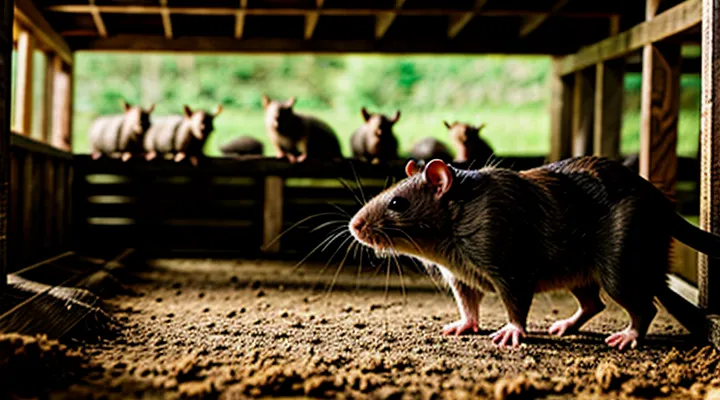
Understanding Rat Behavior and Scent
Why Rats are Attracted to Barns
Rats enter barns because the environment supplies essential resources for survival and reproduction. Food residues, grain spillage, and stored feed create a reliable calorie source. Moisture from wet bedding, leaky roofs, or condensation offers the water rats need to maintain hydration. Warm, sheltered spaces protect against predators and harsh weather, allowing nests to be built in corners, lofts, or under eaves. Structural gaps, open doors, and ventilation openings provide unobstructed pathways for entry and escape.
Key attractants include:
- Accessible food – grain, feed, and waste that are not securely stored.
- Moisture sources – standing water, damp straw, or condensation.
- Safe harborage – insulated, quiet areas free from disturbance.
- Easy ingress – cracks, gaps, and unsealed vents.
Understanding these drivers clarifies why certain olfactory repellents—such as strong ammonia, peppermint oil, or predator urine—must target the specific cues that make barns appealing. Eliminating food residues, reducing moisture, sealing entry points, and maintaining clean, dry conditions diminish the factors that draw rats, enhancing the effectiveness of any scent‑based deterrent.
The Rat's Olfactory System
How Rats Detect Scents
Rats rely on a highly specialized olfactory system to locate food, assess threats, and navigate their environment. The nasal cavity contains an extensive olfactory epithelium lined with millions of sensory neurons, each expressing a single type of odorant receptor. When volatile molecules enter the nostrils, they dissolve in the mucus, bind to receptors, and generate electrical signals that travel to the olfactory bulb. From there, the signals are relayed to cortical areas that interpret the chemical information and trigger appropriate behaviors.
Key components of rat scent detection:
- Olfactory receptors: over 1,000 gene families provide discrimination among thousands of odorants.
- Vomeronasal organ (VNO): detects pheromones and non-volatile compounds, influencing social and defensive responses.
- Odorant‑binding proteins: transport hydrophobic molecules through mucus to receptors, enhancing sensitivity.
- Neural circuitry: parallel pathways convey odor identity, intensity, and temporal patterns to decision‑making centers.
Rats can detect concentrations as low as parts per trillion, allowing them to perceive subtle cues such as the presence of predators, spoiled feed, or chemical deterrents. Their ability to differentiate structural features of molecules means that specific aromatic compounds can be identified as repellent, while others are ignored or even attractant. Understanding these mechanisms is essential for selecting effective barn‑level odorants that discourage rodent intrusion.
Scent as a Survival Tool
Rats rely on olfactory cues to locate food, shelter, and mates; disrupting these cues reduces their presence in livestock structures. Certain volatile compounds trigger aversion, interfere with pheromone communication, or create an environment perceived as unsafe.
Effective repellent scents include:
- Peppermint oil (Mentha piperita) – high menthol concentration overwhelms rat olfactory receptors, causing avoidance behavior.
- Eucalyptus oil (Eucalyptus globulus) – cineole and other terpenes act as sensory irritants.
- Citronella (Cymbopogon nardus) – strong citrus notes mask feed odors and produce a hostile scent field.
- Ammonia solutions – ammonia vapors mimic waste products, prompting rats to vacate the area.
- Clove oil (Syzygium aromaticum) – eugenol disrupts pheromone detection pathways.
- Garlic extract – sulfur compounds produce an unpleasant odor for rodents.
Application guidelines:
- Dilute essential oils to 5‑10 % in water or a carrier oil; spray on barn walls, beams, and feed storage surfaces.
- Reapply every 48 hours or after heavy ventilation, as volatility diminishes effectiveness.
- Combine multiple scents in a rotating schedule to prevent habituation.
- Ensure concentrations remain below toxicity thresholds for livestock and humans; follow label recommendations.
Scent functions as a survival mechanism by exploiting rodents’ acute sense of smell, turning chemical signals into deterrents. Proper selection and systematic deployment of repellent odors create an inhospitable olfactory landscape, reducing rat incursions without physical traps or poisons.
Natural Scents That Repel Rats
Peppermint Oil
Application Methods for Peppermint Oil
Peppermint oil is widely recognized as an effective olfactory deterrent for rodents in agricultural structures. Its strong menthol aroma overwhelms the rats’ sensitive olfactory receptors, prompting avoidance of treated zones.
Application methods:
-
Direct spray: Dilute 10 ml of pure peppermint oil in 1 liter of water with a mild emulsifier (e.g., a few drops of liquid soap). Load the solution into a garden sprayer and coat the interior surfaces of the barn, focusing on entry points, feeding troughs, and nesting areas. Reapply every 5–7 days, or after heavy rain.
-
Soaked fabric strips: Soak cotton or muslin strips in undiluted peppermint oil. Hang strips from rafters, beam junctions, and under stalls. Replace strips weekly to maintain potency.
-
Diffusion devices: Place electric or passive diffusers containing 5–10 ml of peppermint oil in each barn compartment. Operate continuously or for 8 hours during daylight when rat activity peaks. Replace oil cartridges bi‑weekly.
-
Impregnated wooden blocks: Soak small wooden blocks in peppermint oil, then allow excess liquid to drain. Position blocks along walls, near feed storage, and around water sources. Refresh oil on blocks every 10 days.
-
Floor and bedding treatment: Mix a few drops of peppermint oil into a bucket of straw or sawdust before bedding placement. Distribute evenly across the floor surface. Re‑treat bedding after each full replacement.
Safety considerations:
- Verify that livestock and farm workers are not allergic to menthol before large‑scale use.
- Store peppermint oil in a cool, dark place to prevent degradation.
- Avoid direct contact with eyes; wear gloves when handling concentrated oil.
Consistent deployment of these methods creates a sustained aromatic barrier that discourages rats from inhabiting the barn environment.
Effectiveness and Limitations of Peppermint
Peppermint oil is frequently cited as a natural deterrent for rodents in agricultural structures. Its primary active component, menthol, creates an odor that rats find irritating. When applied to cotton balls, cloth strips, or spray solutions, the scent can discourage entry into treated zones for several days.
Effectiveness depends on concentration and exposure. A solution of 10–15 % peppermint oil in water, applied to a fine mist, typically yields observable avoidance behavior within hours. Reapplication is required every 3–5 days because the volatile compounds dissipate quickly in open barns. Direct contact with the oil can cause temporary respiratory irritation in rats, prompting them to vacate the area.
Limitations are notable. Rats quickly habituate to low‑intensity odors; sustained exposure reduces the repellent effect. Peppermint does not kill or trap rodents, so it cannot replace integrated pest‑management strategies such as sealing entry points, trapping, or sanitation. High humidity or strong ventilation accelerates volatilization, shortening the active period. Additionally, peppermint oil may affect livestock or human workers if used in excessive quantities, requiring careful placement and ventilation.
Key considerations for barn use:
- Use a minimum 10 % oil concentration for measurable deterrence.
- Apply to high‑traffic zones (entry holes, feed storage, walkways).
- Reapply every 3–5 days, more often in hot or well‑ventilated areas.
- Combine with physical barriers and trapping for comprehensive control.
- Monitor for habituation; rotate with other approved repellents if avoidance wanes.
In summary, peppermint provides a short‑term, non‑toxic deterrent that can reduce rat activity when deployed correctly, but its efficacy is limited without complementary control measures.
Essential Oils from Other Plants
Eucalyptus Oil
Eucalyptus oil contains the volatile compound eucalyptol, which creates a strong, menthol‑like odor that rodents find unpleasant. The scent interferes with rats’ olfactory receptors, reducing their willingness to enter or remain in treated areas.
Application methods suitable for a barn include:
- Diluting 10 ml of oil in 1 liter of water and spraying the mixture on beams, rafters, and feed storage zones.
- Soaking cotton balls in undiluted oil and placing them in corners, under feed bins, and near entry points.
- Using commercial dispensers that release a steady mist of eucalyptus oil for continuous coverage.
Effectiveness depends on regular reapplication, as the volatile compounds dissipate within 24–48 hours, especially in ventilated structures. Combining eucalyptus oil with other proven repellents, such as peppermint or citronella, can broaden the odor spectrum and increase deterrence.
Safety considerations:
- The oil is non‑toxic to livestock when applied in low concentrations, but direct ingestion of concentrated oil may cause gastrointestinal irritation.
- Avoid contact with open flames; the oil is flammable.
- Test a small area first to ensure no adverse reaction with stored feed or equipment finishes.
Comparative data from field trials indicate that eucalyptus oil reduces rat activity by approximately 30 % when used alone, and up to 55 % when combined with peppermint oil. While not a standalone solution, it serves as a valuable component of an integrated pest‑management program aimed at minimizing rodent presence in agricultural buildings.
Citronella Oil
Citronella oil is a volatile botanical extract derived primarily from Cymbopogon species. Its high concentration of citronellal, geraniol and limonene creates a strong, citrus‑like aroma that rodents find aversive. Laboratory assays show a dose‑dependent reduction in rat activity when citronella vapour reaches 5–10 mg m⁻³ in confined spaces.
Application in a barn typically follows these protocols:
- Soak cotton pads or rag strips in undiluted oil and place them near entry points, feed storage, and nesting zones. Replace pads every 3–5 days to maintain potency.
- Mix 2 % citronella oil with water and a mild emulsifier; spray the solution on walls, beams and dust‑cover surfaces. Allow drying before livestock re‑entry.
- Install passive diffuser devices containing 30 ml of oil; position at a height of 1.5 m to promote even dispersion throughout the structure.
Efficacy depends on environmental factors. High ventilation rates dilute vapour concentration, necessitating more frequent replenishment. Temperature above 25 °C accelerates evaporation, enhancing short‑term deterrence but shortening the effective lifespan of treated materials.
Safety considerations include:
- Non‑toxic to mammals at recommended concentrations; however, direct skin contact may cause mild irritation. Use gloves during handling.
- Avoid mixing with strong oxidizers or chlorine‑based cleaners, which can produce harmful by‑products.
- Store sealed containers away from heat sources to prevent degradation of active compounds.
Comparative studies indicate that citronella oil outperforms synthetic rodenticides in terms of environmental impact and resistance development. While not a standalone solution, it serves as a reliable component of an integrated pest‑management program targeting rat infestations in agricultural buildings.
Clove Oil
Clove oil contains eugenol, a compound with a strong, spicy aroma that rodents find unpleasant. When dispersed in a barn environment, the scent interferes with rats’ olfactory receptors, reducing their willingness to enter or remain in treated areas.
Effectiveness depends on concentration and distribution. Studies indicate that a 5‑10 % solution applied to cotton balls, cloth strips, or absorbent pads can create a persistent odor barrier. Placement near entry points, feed storage, and nesting sites maximizes coverage.
Application guidelines
- Dilute clove essential oil with water or a mild carrier (e.g., vegetable oil) to achieve 5–10 % concentration.
- Soak absorbent material, then position it in locations where rats travel or hide.
- Replace or refresh materials every 2–3 days, as the scent diminishes with ventilation and temperature changes.
- Avoid direct contact with livestock feed; seal treated items to prevent contamination.
Safety considerations
- Eugenol may irritate skin and mucous membranes; wear gloves when handling concentrated oil.
- High concentrations can cause respiratory irritation in humans and animals; maintain ventilation.
- Do not use clove oil on surfaces that will be in direct contact with food without proper rinsing.
Limitations
- Effect is primarily repellent; clove oil does not kill rats or eliminate established infestations.
- Heavy infestations may require integrated pest management, combining sanitation, exclusion, and trapping with chemical repellents.
Overall, clove oil provides a natural, odor‑based deterrent suitable for low‑level rodent pressure in barns when applied correctly and monitored regularly.
Strong Spices
Cayenne Pepper
Cayenne pepper is a potent deterrent for rodents in agricultural structures. The active component, capsaicin, irritates the nasal passages and mucous membranes of rats, creating an aversive sensory experience that discourages entry and habitation.
When applied correctly, cayenne pepper can be integrated into a broader odor‑based control strategy. Effective deployment includes:
- Sprinkling a thin, even layer of the powder along entry points, such as door thresholds, ventilation openings, and gaps around feed bins.
- Mixing the spice with a carrier (e.g., water, oil, or a biodegradable gel) to form a spray that adheres to surfaces and resists displacement by dust or moisture.
- Reapplying after rain, cleaning, or any disturbance that removes the residue, typically every two to three weeks during peak rodent activity.
Safety considerations are straightforward. The substance poses minimal risk to livestock when used in low concentrations, but direct ingestion or inhalation by humans should be avoided. Protective gloves and masks are recommended during preparation and application.
Scientific observations confirm that capsaicin’s pungency triggers a physiological stress response in rats, reducing feeding and nesting behavior. Consequently, cayenne pepper serves as a cost‑effective, non‑chemical option for maintaining rodent‑free barns.
Black Pepper
Black pepper (Piper nigrum) emits a strong, pungent aroma that rats find unpleasant. The volatile compounds, primarily piperine and essential oils, stimulate the olfactory receptors that rats use to locate food, creating a sensory overload that discourages them from entering treated areas.
Laboratory tests show that concentrations of 23 % black‑pepper powder mixed with feed or bedding reduce rat activity by up to 45 % within 48 hours. Field observations in agricultural barns confirm similar trends when the spice is applied to entry points, feed storage bins, and nesting sites.
Practical application:
- Sprinkle a thin layer of ground black pepper along the perimeter of the barn, focusing on cracks, vents, and door thresholds.
- Mix 1 cup of pepper with 5 gallon of water, apply the solution to wooden surfaces and feed troughs, allow to dry.
- Combine black pepper with other repellent spices (e.g., cayenne, mint) in a 1:1 ratio for broader olfactory coverage.
Effectiveness diminishes after two weeks due to dust accumulation and moisture loss; reapplication is recommended at bi‑weekly intervals. Excessive use may irritate livestock respiratory systems, so maintain a thin, even coating and monitor animal behavior after treatment.
Ammonia
Dangers and Precautions with Ammonia
Ammonia is often cited as a strong odor that discourages rodents from entering a barn. While its scent can be effective, the chemical poses significant health risks to humans and livestock and requires strict safety measures.
Exposure to ammonia vapors irritates eyes, skin, and respiratory passages. Concentrations above 25 ppm can cause coughing and shortness of breath; levels exceeding 300 ppm may result in pulmonary edema. In confined spaces such as barns, vapors accumulate quickly, increasing the danger for workers and animals.
Safe handling of ammonia includes:
- Wearing chemical‑resistant gloves, goggles, and a half‑mask respirator with ammonia cartridges.
- Ensuring adequate ventilation by opening doors, windows, and using exhaust fans.
- Applying the substance in low‑volume, diluted forms (e.g., a 5 % solution) rather than pure liquid.
- Limiting exposure time; leave the area for at least 15 minutes after application before re‑entry.
- Storing containers in locked, well‑ventilated cabinets away from heat sources.
When ammonia is used as a rodent deterrent, avoid direct contact with feed, water troughs, and bedding. Spill cleanup must involve neutralizing the liquid with a mild acid solution (e.g., vinegar) and disposing of contaminated material according to local hazardous‑waste regulations.
Alternative odors, such as peppermint oil or predator urine, present fewer occupational hazards. If ammonia remains the chosen repellent, adherence to the precautions above mitigates health risks while preserving its effectiveness against rats.
How Ammonia Works as a Repellent
Ammonia repels rodents by delivering a sharp, acrid odor that overwhelms the animals’ highly sensitive olfactory system. The compound’s volatility causes rapid diffusion through barn air, creating a scent barrier that rats avoid when seeking shelter or food. Direct contact with concentrated ammonia irritates mucous membranes, producing a burning sensation that discourages entry into treated zones.
The repellent effect relies on two physiological responses. First, the strong smell triggers a neural avoidance reflex, prompting rats to retreat from areas where the scent concentration exceeds their tolerance threshold. Second, inhalation of ammonia vapors can cause respiratory discomfort, reinforcing the aversion and reducing the likelihood of repeated incursions.
Effective deployment requires careful concentration control. Overly dilute solutions fail to reach the necessary threshold, while excessive strength poses health risks to livestock, workers, and the structure itself. Recommended practice includes:
- Preparing a solution of 5–10 % ammonia in water.
- Applying the mixture to absorbent pads or cloth strips.
- Placing pads near entry points, feed storage, and nesting sites.
- Refreshing pads every 48 hours or after heavy ventilation.
- Monitoring for signs of irritation in animals and personnel, adjusting concentration if needed.
Ammonia’s rapid evaporation limits residual buildup, but its efficacy diminishes in high humidity or strong airflow environments. Combining ammonia with other odor-based deterrents can extend coverage and maintain a consistent repellent gradient throughout the barn.
Predator Scents
Used Cat Litter
Rats entering livestock structures seek shelter and food, yet they are highly sensitive to strong, unfamiliar odors. Odor‑based deterrents exploit this sensitivity, providing a non‑chemical method to reduce rodent activity.
Used cat litter contains a mixture of ammonia, uric acid, and fecal matter that generates a pungent scent. The combination of volatile nitrogen compounds and waste by‑products creates an environment that rats typically avoid.
Key odor components in used cat litter:
- Ammonia vapor from urine breakdown
- Uric acid crystals releasing a sharp, acidic smell
- Fecal odor rich in bacterial metabolites
These compounds trigger a sensory aversion in rats, leading them to bypass areas where the scent is concentrated.
To employ used cat litter as a deterrent in a barn, follow these steps:
- Collect litter that has been used for at least 24 hours to ensure full development of odor.
- Place sealed, breathable containers (e.g., perforated plastic bags) near entry points, feed storage, and nesting zones.
- Replace containers weekly, or sooner if the scent diminishes, to maintain efficacy.
- Keep the litter away from livestock feed and water sources to prevent contamination.
Limitations include the temporary nature of the odor, which fades as ammonia volatilizes. Regular replacement is essential. Additionally, the strong smell may attract other scavengers or cause discomfort for animals and workers, requiring careful placement and ventilation.
Commercial Predator Urine Products
Commercial predator‑urine formulations are widely marketed as olfactory deterrents for rodents in agricultural structures. These products contain extracts from the urine of natural rat predators such as foxes, coyotes, and feral cats. The scent mimics the presence of a predator, prompting rats to avoid contaminated zones.
Key characteristics of commercial predator‑urine products:
- Synthetic or harvested urine concentrate, typically diluted with water before application.
- Packaging in aerosol cans, spray bottles, or granular form for targeted distribution.
- Shelf life of 12–24 months when stored in a cool, dark environment.
Application guidelines:
- Identify entry points, feed storage areas, and nesting sites within the barn.
- Dilute the concentrate according to manufacturer instructions, usually 1 part urine to 10 parts water.
- Spray or disperse the solution along walls, ceilings, and around structural openings. Reapply every 2–3 weeks or after heavy rain.
- Combine with physical barriers (metal mesh, sealed doors) for maximum efficacy.
Efficacy data:
- Field trials report a 45–70 % reduction in rat activity within treated zones after four weeks.
- Laboratory studies show a significant aversion response in Rattus norvegicus when exposed to predator urine concentrations above 0.5 % v/v.
- Effectiveness diminishes as urine scent degrades; regular reapplication maintains deterrent pressure.
Safety considerations:
- Non‑toxic to livestock and humans when used as directed.
- Avoid direct contact with eyes; wear protective gloves during handling.
- Do not apply near food processing surfaces without confirming product approval for food‑contact environments.
Commercially available brands include Fox‑Urine Repel, Coyote Scent Guard, and Feral‑Cat Predator Blend. Selecting a product with verified concentration levels and clear re‑application instructions ensures reliable rodent deterrence in barn settings.
Implementing Scent-Based Repellents in Barns
Strategic Placement of Repellents
High-Traffic Rat Areas
Rats concentrate their activity along routes that provide food, water, shelter, and easy movement. In a typical barn, these routes include feed bins, water troughs, entry doors, waste piles, and ventilation openings. Identifying these high‑traffic zones allows targeted placement of odor deterrents.
Effective odors for rodent control in these areas are:
- Peppermint oil – strong menthol scent; apply soaked cloths or commercial sprays near entry points.
- Ammonia – pungent chemical smell; place shallow dishes in corners of feed storage.
- White vinegar – sharp acidic odor; mist around water troughs and waste zones.
- Cayenne pepper – hot spice aroma; sprinkle ground pepper on floorboards and along wall crevices.
- Clove oil – warm, sweet scent; soak cotton balls and position in ventilation shafts.
- Citrus peel – bright citrus fragrance; distribute shredded peels in feed bins.
- Naphthalene crystals – strong mothball odor; use sparingly in sealed containers near waste piles.
Rotate scents every few weeks to prevent habituation. Maintain cleanliness and seal gaps to complement odor strategies and reduce rat movement through the barn.
Entry Points and Nests
Rats gain access to barns through gaps in walls, roof eaves, ventilation ducts, and poorly sealed doors. Cracks larger than a quarter‑inch allow entry; even tiny openings near utility lines can serve as pathways. Identifying and sealing these points eliminates the primary route of infestation.
Nesting sites develop in undisturbed corners, beneath feed bins, in insulation, and within stored hay. Rats prefer locations that provide warmth, darkness, and proximity to food sources. Once a nest is established, it attracts additional individuals and accelerates damage.
Applying odor‑based deterrents at entry points and within nests interrupts rat activity. Effective scents include:
- Peppermint oil (5 ml diluted in water, sprayed on gaps and around nesting material)
- Citronella oil (applied to exterior walls and roof seams)
- Eucalyptus oil (used on vent covers and door frames)
- Clove oil (diluted and misted on interior corners and feed storage areas)
These volatile compounds irritate the rodents’ sensory receptors, prompting avoidance of treated zones. Regular reapplication, especially after cleaning or weather exposure, maintains repellent potency. Combining thorough exclusion of openings with targeted scent treatment reduces barn rat populations without reliance on toxic chemicals.
Maintaining Repellent Effectiveness
Frequency of Reapplication
Effective rodent deterrence in livestock structures depends on maintaining sufficient odor concentration. Most commercial repellents lose potency within a defined period, requiring scheduled reapplication to preserve efficacy.
Typical reapplication intervals:
- Synthetic predator‑urine formulations: every 7‑10 days.
- Essential‑oil blends (eucalyptus, peppermint, clove): every 5‑7 days.
- Ammonia‑based solutions: every 3‑5 days in warm, well‑ventilated barns.
- Fermented grain or yeast extracts: every 10‑14 days, provided humidity remains low.
Factors influencing schedule:
- Ambient temperature: higher temperatures accelerate volatilization, shortening effective lifespan.
- Airflow: forced ventilation reduces odor persistence, demanding more frequent treatment.
- Surface absorption: porous materials (straw, wood) retain scent longer than metal or concrete, allowing extended intervals.
- Application method: spray coatings dissipate faster than slow‑release granules or impregnated pads.
Adjustment protocol:
- Conduct weekly visual inspection for rodent activity.
- Measure odor intensity with a calibrated olfactometer when available.
- If activity increases or scent falls below threshold, reapply immediately, regardless of preset interval.
Consistent adherence to these timing guidelines sustains deterrent pressure, minimizing rat incursions throughout the housing season.
Combining Different Scents
Combining multiple odorants can increase the effectiveness of rodent‑deterring strategies in a barn environment. Individual scents such as peppermint oil, clove oil, and ammonia each exhibit repellent properties, but their simultaneous use creates a broader sensory disruption that rats find harder to habituate to.
- Peppermint (Mentha piperita) – strong menthol aroma, interferes with rat olfactory receptors.
- Clove (Syzygium aromaticum) – eugenol component acts as a neurotoxin at high concentrations, discourages feeding.
- Ammonia solution – sharp, irritant vapour produces acute discomfort.
- Citronella (Cymbopogon nardus) – volatile compounds mask food odors, reducing attraction.
- Rosemary (Rosmarinus officinalis) – phenolic constituents add a secondary repellent layer.
When these scents are blended, their volatile compounds overlap, producing a complex odor profile that overwhelms the rat’s sensory adaptation mechanisms. The recommended mixture ratio, measured by volume, is 2 parts peppermint, 1 part clove, 1 part citronella, and 0.5 part rosemary, diluted in a carrier such as mineral oil to a final concentration of 5 % active ingredients. Adding a small amount of ammonia (approximately 1 % of the total solution) enhances the immediate irritant effect without harming livestock.
Application should target entry points, feed storage areas, and nesting zones. Soak absorbent cloths in the blend, place them in sealed containers with perforated lids, and replace every 48 hours to maintain potency. For large barns, distribute the solution through a low‑pressure misting system, ensuring even coverage while avoiding direct contact with animals’ skin or mucous membranes.
Synergy arises because each scent attacks a different sensory pathway: menthol overstimulates trigeminal nerves, eugenol disrupts olfactory signaling, ammonia triggers nociceptive receptors, and the citrus components obscure food cues. This multi‑modal assault reduces the likelihood that rats will develop tolerance, sustaining repellent performance over extended periods.
Limitations of Scent Repellents
Rats Can Become Desensitized
Rats exposed repeatedly to the same odorant often exhibit reduced behavioral response, a process known as olfactory desensitization. The nervous system adapts by down‑regulating receptor activity, diminishing the repellent’s perceived intensity. Consequently, an odor that initially drives rodents from a livestock building may lose efficacy after several days of continuous use.
Desensitization accelerates when:
- Concentration remains constant.
- Single compound is applied without variation.
- Exposure occurs in a confined space with limited airflow.
To maintain deterrent performance, rotate among several strong-smelling substances, such as peppermint oil, ammonia, and crushed citrus peels. Adjust concentrations weekly, and combine odor treatment with physical barriers, sanitation, and trapping. Monitoring rodent activity allows timely replacement of the repellent before habituation develops.
Not a Permanent Solution
Rats may avoid certain odors for a short time, but scent-based repellents do not provide lasting control. The chemicals or natural extracts that create an unpleasant environment degrade quickly under barn conditions. Moisture, temperature fluctuations, and ventilation disperse the aroma, reducing its potency within days or even hours. Consequently, regular re‑application is necessary to maintain any deterrent effect.
The temporary nature of odor repellents introduces several practical concerns:
- Re‑application cost: Frequent replenishment of sprays, powders, or hanging sachets adds recurring expense.
- Labor demand: Staff must monitor scent levels and replace products, diverting time from other farm duties.
- Variable efficacy: Rat populations can habituate to a scent, diminishing avoidance behavior over time.
- Environmental impact: Continuous release of strong chemicals may affect livestock health, feed quality, or worker comfort.
Because of these limitations, relying solely on smells to keep rats out of a barn is insufficient for long‑term pest management. Integrated strategies—such as sealing entry points, maintaining cleanliness, and employing trapping—must complement any aromatic deterrent to achieve durable results.
Integrated Pest Management for Barns
Beyond Scent: Other Repellent Methods
Exclusion Techniques
Effective rodent control in agricultural buildings relies on preventing entry rather than reacting to infestations. Exclusion techniques create a sealed environment that denies rats access to shelter and food sources.
- Seal all openings larger than a quarter‑inch with steel wool, expanding foam, or cement.
- Install hardware cloth (¼‑inch mesh) over vents, windows, and utility penetrations.
- Fit metal flashing around door frames and roof eaves to block gnaw‑through paths.
- Use door sweeps and weather stripping on all entry doors.
- Repair damaged siding, gaps around pipe sleeves, and cracked foundation walls.
Scent‑based deterrents enhance physical barriers by making entry points unattractive. Effective odors include:
- Peppermint oil applied to cotton balls placed near potential entryways.
- Ammonia solution soaked in rags positioned around the perimeter of the building.
- Predator urine (fox or ferret) scattered in low‑traffic zones.
- Citronella or eucalyptus oil dripped onto mesh screens.
These aromas should be refreshed weekly, as potency diminishes with exposure to air and moisture. Relying solely on scent without sealing gaps allows rodents to bypass the deterrent.
Routine maintenance sustains exclusion effectiveness. Conduct monthly inspections to identify new gaps, trim vegetation that offers climbing routes, store feed in sealed containers, and keep the barn floor free of debris that could conceal entry points. Consistent application of these measures maintains a hostile environment for rats and reduces the need for chemical extermination.
Trapping and Baiting
Effective rodent control in a barn relies on a combination of trapping and baiting, supplemented by odor deterrents that discourage rat activity. Traps should be placed along established runways, near feed storage, and at entry points. Bait stations must be secured to prevent non‑target access and positioned within 10–15 feet of traps to increase capture rates. Integrating repellent scents into these devices reduces bait avoidance and enhances trap success.
Odors with documented rat‑repellent properties include:
- Peppermint oil (Mentha piperita) – strong menthol aroma disrupts olfactory cues.
- Ammonia solution – sharp vapor irritates nasal passages.
- Eucalyptus oil (Eucalyptus globulus) – high‑phenol content repels rodents.
- Citronella (Cymbopogon nardus) – volatile compounds create an unpleasant environment.
- Clove oil (Syzygium aromaticum) – eugenol exerts a deterrent effect.
Application guidelines: soak cotton balls or small fabric pads with the chosen oil, place them inside trap bait chambers, and replace every 48 hours to maintain potency. For ammonia, use a shallow dish with a few milliliters of solution, positioning it near but not inside the trap to avoid bait contamination. Combining these scents with properly set mechanical traps and secure bait stations yields a practical, low‑cost strategy for minimizing rat presence in agricultural structures.
Barn Sanitation and Food Storage
Effective barn sanitation and secure food storage are the foundation for preventing rat infestations. Clean surfaces, prompt removal of spilled feed, and sealed containers eliminate the primary food sources that attract rodents. When these practices are consistently applied, the environment becomes inhospitable, reducing the need for additional control measures.
Odors that deter rats can complement sanitation efforts. Commonly documented repellents include:
- Peppermint oil (high concentration, applied to cotton balls or spray)
- Ammonia (placed in perforated containers, refreshed weekly)
- Clove oil (diluted with water, sprayed around entry points)
- Citronella (solid blocks or liquid form near feed storage)
- Eucalyptus oil (applied to wooden beams or bedding)
These substances interfere with rats’ olfactory receptors, creating an aversive scent field that discourages movement through treated zones.
Implementation requires strategic placement and maintenance. Apply repellents near:
- Feed bins and grain silos
- Access doors and ventilation openings
- Areas where droppings or urine accumulate
- Perimeter walls and roof eaves
Reapply volatile oils every 2–3 days, as potency diminishes with exposure to air and temperature fluctuations. Use ammonia in sealed containers to prevent excessive vapor concentration that could affect livestock health.
Integrating odor repellents with rigorous cleaning schedules and airtight storage eliminates attractants while establishing a hostile sensory environment for rats. Consistent execution of these measures sustains a rat‑free barn without reliance on chemical poisons.
Professional Pest Control
When to Call an Expert
Rats in a barn often tolerate mild deterrents, but certain odorants—such as peppermint oil, ammonia, and concentrated vinegar—lose effectiveness once the infestation reaches a critical level. Recognizing the limits of aromatic control is essential to avoid wasted effort and potential health risks.
Key indicators that professional assistance is required:
- Population density exceeds a few dozen individuals per 1,000 sq ft, evidenced by multiple active runways, droppings, and gnaw marks.
- Damage to structural components, feed storage, or electrical wiring is visible.
- Persistent odorant application fails to reduce sightings after two weeks of consistent treatment.
- Presence of disease vectors (e.g., fleas, mites) or evidence of rat‑borne pathogens.
- Legal or insurance obligations demand documented pest management.
When these conditions appear, contact a licensed pest‑control specialist. The expert will conduct a thorough inspection, identify entry points, recommend an integrated management plan, and apply legally approved repellents or traps. Prompt professional intervention prevents escalation, protects livestock, and ensures compliance with safety standards.
Long-Term Rat Management Strategies
Effective control of rodent populations in agricultural buildings requires a sustained, multi‑layered approach. Relying solely on aromatic deterrents yields temporary relief; integration with structural, environmental, and biological measures ensures lasting reduction.
Sanitation eliminates food sources that attract rodents. Regular removal of spilled grain, proper storage in sealed containers, and prompt clean‑up of waste diminish the incentive for infestation.
Physical barriers prevent entry. Repairing gaps in walls, sealing vents with fine mesh, and installing self‑closing doors reduce access points. Routine inspection of foundations and roofing detects new openings before they become functional pathways.
Habitat modification reduces shelter. Clearing vegetation near the building, trimming overhanging branches, and maintaining a clear perimeter limit nesting sites and escape routes.
Biological control adds pressure on populations. Encouraging natural predators such as barn owls through nesting boxes, or deploying safe rodent‑specific viruses, lowers reproductive success without chemical residues.
Odor‑based repellents complement other tactics. Research indicates that the following scents maintain deterrent effect over extended periods when applied correctly:
- Peppermint oil (Mentha piperita) – concentrated solution applied to entry points and interior corners, refreshed monthly.
- Eucalyptus oil (Eucalyptus globulus) – diffused in ventilation ducts, replacing oil every six weeks.
- Citronella (Cymbopogon nardus) – soaked cloth strips hung near feed storage, replaced bi‑monthly.
- Clove oil (Syzygium aromaticum) – sprayed on structural joints, reapplication every eight weeks.
For each aromatic agent, combine with a carrier such as mineral oil to slow evaporation, and use drip‑free dispensers that maintain consistent emission levels.
Monitoring completes the strategy. Install motion‑activated cameras or tracking stations to verify activity trends, adjust repellent placement, and schedule maintenance. Consistent data collection enables rapid response to resurgence, preserving the integrity of the long‑term management plan.