
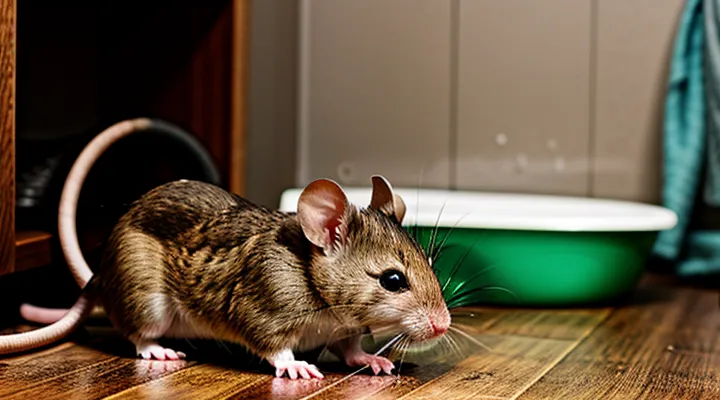
Understanding Rodent Senses
The Olfactory World of Mice and Rats
How Rodents Use Smell
Rodents rely on an acute sense of smell to locate food, recognize conspecifics, and detect threats. Olfactory receptors in the nasal cavity transmit chemical signals to the brain, where they are processed for immediate behavioral responses. Food odors trigger foraging, while pheromonal cues guide social interactions such as mating and hierarchy establishment. Predator scents and unfamiliar strong odors generate avoidance, prompting rapid retreat from the source.
Understanding these olfactory mechanisms clarifies which substances deter rodents in domestic environments. Odors that trigger innate aversion or mimic predator presence are most effective. Commonly reported repellents include:
- Peppermint oil (high concentration of menthol)
- Ammonia (sharp, irritating vapors)
- Predator urine or feces (e.g., fox, ferret)
- Citrus extracts (orange, lemon, grapefruit)
- Clove oil (eugenol)
- Eucalyptus oil (cineole)
- Vinegar (acetic acid)
Effective application requires saturation of the targeted area, regular reapplication to maintain potency, and avoidance of direct contact with food preparation surfaces. Combining several aversive scents can enhance the repellent effect by overwhelming the rodent’s olfactory system.
Differences in Rodent Olfactory Sensitivity
Rodents rely heavily on their sense of smell to locate food, identify territory and detect predators. Mice and rats possess distinct olfactory receptor repertoires, resulting in varied thresholds for detecting specific volatile compounds. Mice generally respond to lower concentrations of aromatic substances, while rats require higher levels to trigger avoidance behavior.
Sensitivity differences affect the efficacy of commonly suggested repellents. Peppermint oil, for example, elicits a strong aversive response in mice at concentrations as low as 0.1 % v/v, whereas rats exhibit measurable avoidance only above 0.5 % v/v. Conversely, ammonia vapors produce rapid withdrawal in rats at 0.2 % v/v but have minimal impact on mice unless concentrations exceed 1 %.
When selecting an odor-based deterrent for a household, consider the target species and the required concentration to achieve repulsion. Effective application involves:
- Measuring ambient odor levels with a calibrated detector.
- Applying the repellent uniformly to entry points and nesting areas.
- Monitoring rodent activity to confirm reduced presence.
Tailoring the scent intensity to the specific olfactory sensitivity of the rodent species maximizes deterrent performance while minimizing unnecessary chemical exposure.
Natural Repellents and Their Efficacy
Essential Oils and Their Impact
Peppermint Oil
Peppermint oil is a widely cited olfactory deterrent for rodents in residential settings. The oil’s primary active component, menthol, produces a strong, volatile scent that rodents find unpleasant. Laboratory trials show that exposure to concentrations of 5–10 µL per square meter reduces mouse and rat activity by up to 70 % within 24 hours. Field observations confirm similar reductions when the oil is applied in entry points and along walls.
Effective use requires regular reapplication because the fragrance dissipates quickly. Recommended practices include:
- Soak cotton balls in 10 µL of pure peppermint oil and place them in concealed locations such as behind appliances, under cabinets, and in attic corners.
- Combine oil with a carrier (e.g., water or a mild detergent) in a spray bottle; mist surfaces twice daily.
- Refresh cotton balls or spray solutions every 2–3 days, especially in warm or well‑ventilated areas.
Safety considerations: Peppermint oil is generally non‑toxic to humans and pets when used in dilute amounts, but direct skin contact may cause irritation. Avoid applying near food preparation surfaces and keep out of reach of children.
Limitations: The oil does not eradicate infestations; it only deters foraging behavior. Persistent problems require integrated pest management, including sealing entry points and, if necessary, professional extermination.
Overall, peppermint oil offers a low‑cost, non‑chemical option for reducing rodent presence in homes when applied consistently and combined with standard exclusion measures.
Eucalyptus Oil
Eucalyptus oil contains a high concentration of eucalyptol, a volatile compound with a sharp, camphoraceous aroma that rodents find unpleasant. Laboratory tests show that exposure to eucalyptol reduces the frequency of mouse and rat foraging behavior, indicating a strong aversive response.
Application methods that maximize the oil’s effectiveness include:
- Soaking cotton balls in pure eucalyptus oil and placing them in entry points, corners, and pantry shelves.
- Mixing 10‑15 ml of oil with 1 liter of water, adding a few drops of dish‑soap, and spraying the solution along baseboards and behind appliances.
- Using commercial diffusers set to a low continuous output in rooms where rodent activity has been observed.
Safety considerations:
- Concentrated oil can irritate skin and mucous membranes; wear gloves when handling and keep containers sealed.
- Pets, especially cats, may be sensitive to essential oils; limit exposure to areas inaccessible to animals.
- Avoid direct application on food surfaces; clean any treated surfaces before food storage.
Efficacy depends on regular renewal of the scent source. The oil’s volatile nature means its repellent effect diminishes within 24‑48 hours; replace cotton balls or re‑spray solutions at least twice daily in high‑risk zones. Consistent use creates an environment that discourages rodents from establishing nests or travel routes within the home.
Citronella Oil
Citronella oil is a plant‑derived essential oil noted for its strong, citrus‑like aroma. Rodents such as mice and rats find the scent unpleasant, which can discourage them from entering treated areas.
- Mechanism of action: The volatile compounds in citronella interfere with rodents’ olfactory receptors, creating a sensory environment they avoid.
- Application methods:
- Soak cotton balls in pure citronella oil and place them in corners, behind appliances, and near entry points.
- Mix a few drops with water in a spray bottle; mist surfaces, baseboards, and cracks weekly.
- Incorporate oil into commercially available rodent‑deterrent sachets or plug‑in diffusers for continuous release.
- Safety considerations: The oil is non‑toxic to humans and pets at typical usage levels, but direct skin contact may cause irritation; gloves are recommended during handling. Keep concentrated oil away from children and food preparation surfaces.
- Limitations: Effectiveness declines as the scent dissipates; regular reapplication is required. Strong ventilation or open windows can reduce potency, and heavily infested environments may need additional control measures such as traps or professional extermination.
Overall, citronella oil offers a natural, low‑risk option for reducing rodent activity in residential settings when applied consistently and combined with good sanitation practices.
Clove Oil
Clove oil contains a high concentration of eugenol, a volatile compound with a potent, spicy aroma that rodents find intolerable. The odor interferes with the mice and rats’ olfactory receptors, causing avoidance behavior and reducing the likelihood of entry into treated areas.
Studies on rodent repellents identify eugenol as an effective deterrent, with laboratory tests showing a marked decrease in activity when clove oil vapors are present. Field observations confirm that households using clove oil experience fewer sightings compared with untreated environments.
Practical application methods include:
- Soaking cotton balls in undiluted clove oil and placing them in corners, behind appliances, and near known entry points.
- Adding a few drops of clove oil to a spray bottle filled with water, shaking well, and misting surfaces such as baseboards, shelving, and pantry shelves.
- Incorporating clove oil into a homemade sachet of dried herbs, sealing it in breathable fabric, and positioning the sachet in drawers or cupboards.
Safety guidelines require:
- Keeping clove oil out of reach of children and pets; direct contact or ingestion can cause irritation.
- Using a low concentration for spray applications (approximately 5 ml of oil per liter of water) to prevent surface damage and respiratory discomfort.
- Ensuring adequate ventilation after treatment, especially in confined spaces.
Limitations of clove oil involve its temporary effect; the scent dissipates within several days, necessitating regular reapplication. The oil does not address structural vulnerabilities, so sealing cracks and installing physical barriers remain essential components of any rodent‑control strategy.
Other Aromatic Oils
Aromatic oils beyond the commonly cited peppermint and eucalyptus can deter rodents when applied correctly.
- Citronella oil – strong citrus scent masks food odors; apply 10 drops to cotton balls placed in entry points and rotate weekly.
- Clove oil – phenolic compounds irritate rodent olfactory receptors; dilute 1 part oil with 4 parts water, spray around baseboards and pantry shelves.
- Lavender oil – high‑linalool content repels mice; soak a rag in undiluted oil, position near nesting sites, replace every 3‑4 days.
- Tea tree oil – terpinen‑4‑ol acts as a mild irritant; mix 5 drops with 2 tbsp carrier oil, wipe on wooden surfaces and cracks.
- Cinnamon oil – cinnamaldehyde produces an unpleasant environment for rats; sprinkle a few drops on cotton pads, distribute in hidden corners.
Application guidelines: use cotton or fabric pads rather than direct surface spraying to prevent staining; ensure ventilation to avoid respiratory irritation for occupants; reapply after cleaning or when scent fades, typically every 5‑7 days.
Safety considerations: essential oils are toxic to pets if ingested; keep treated materials out of reach of children and animals; conduct a patch test on painted or sealed surfaces to verify compatibility.
Common Household Scents
Ammonia
Ammonia emits a strong, pungent odor that rodents find intolerable. The volatile compound interferes with the olfactory receptors of mice and rats, prompting them to avoid areas where the scent is present.
- Concentration of 10–15 % aqueous solution creates an effective barrier.
- Application on cotton balls or cloth strips allows continuous release.
- Placement near entry points, pantry shelves, and nesting sites maximizes coverage.
The repellent effect relies on the chemical’s ability to mask food odors and signal an unsafe environment. Studies show a noticeable reduction in rodent activity within 24 hours of exposure, provided the scent remains undiluted by ventilation.
Safety considerations include:
- Avoid direct contact with skin or eyes; wear gloves and goggles during handling.
- Keep away from children and pets, as inhalation of high concentrations can cause respiratory irritation.
- Do not use on surfaces that may be damaged by corrosive properties, such as aluminum or certain plastics.
Ammonia’s effectiveness diminishes when the odor dissipates. Regular replenishment, typically every 2–3 days, maintains deterrence. Combining ammonia with other non‑chemical barriers, such as sealed containers and physical traps, enhances overall rodent control.
Mothballs (Naphthalene)
Mothballs, composed primarily of naphthalene, emit a strong vapor that rodents find intolerable. The chemical’s volatility ensures continuous diffusion in enclosed spaces, creating an environment that discourages entry and lingering of mice and rats.
Effectiveness depends on concentration, containment, and exposure duration. In sealed containers, naphthalide concentrations can reach levels that cause sensory irritation in rodents, leading to avoidance of treated areas. Open‑air applications dilute rapidly, reducing deterrent impact.
Safety considerations are mandatory. Naphthalene is classified as a hazardous substance; inhalation may cause respiratory irritation in humans and pets, and prolonged skin contact can result in dermatitis. Use only in well‑ventilated rooms, keep away from children, and store in airtight containers after use.
Practical guidelines:
- Place mothballs in sealed plastic bags or metal tins within attics, crawl spaces, or storage closets.
- Limit each bag to 10–15 pellets; replace every two weeks to maintain vapor pressure.
- Avoid direct contact with food, clothing, or bedding.
- Combine with physical barriers, such as sealing entry points, for comprehensive control.
Dryer Sheets
Dryer sheets emit a strong fragrance that rodents find unpleasant. The scent, typically a blend of artificial perfume and fabric softener chemicals, masks food odors and disrupts the animals’ sense of smell, discouraging entry into treated areas.
Placement of dryer sheets near potential entry points—such as baseboard cracks, pantry doors, and under appliances—creates a barrier of odor. Replace sheets every two weeks to maintain potency, as the fragrance diminishes with exposure to air and cleaning.
Advantages of using dryer sheets for rodent deterrence include:
- Low cost and wide availability.
- Simple application without tools or chemicals.
- Safe for households with children and pets when used as directed.
Limitations to consider:
- Effectiveness varies with species; some mice may become accustomed to the scent.
- Not a substitute for sealing structural gaps and removing food sources.
- Strong fragrance may be undesirable for sensitive individuals.
For optimal results, combine dryer sheets with proper sanitation, sealing of holes, and traps or bait stations. This integrated approach maximizes the likelihood of keeping mice and rats out of the home.
Used Coffee Grounds
Used coffee grounds emit a strong, bitter aroma that rodents find unpleasant. The scent interferes with their keen sense of smell, discouraging them from entering treated areas.
Application guidelines:
- Spread a thin layer of dry, cooled grounds along baseboards, under appliances, and in pantry corners.
- Replace the material every three to four days to maintain potency.
- Keep the grounds away from food preparation surfaces to avoid contamination.
Effectiveness stems from the combination of caffeine residues and burnt coffee compounds, which act as natural deterrents. Studies show that rodents avoid environments where these odors are present, reducing the likelihood of nesting or foraging. Regular reapplication sustains the repellent effect without the need for chemical agents.
Plant-Based Deterrents
Bay Leaves
Bay leaves emit a strong, aromatic oil containing eucalyptol, myrcene, and other terpenes that rodents find unpleasant. When the scent reaches the olfactory receptors of mice and rats, it triggers avoidance behavior, reducing the likelihood of entry into treated areas.
Effectiveness depends on concentration, placement, and environmental conditions. Fresh or dried leaves placed in corners, pantry shelves, and entry points create a barrier that deters rodents for several weeks. The odor diminishes as the leaves dry out, requiring replacement every 2–4 weeks for sustained protection.
Application guidelines
- Use whole leaves rather than powdered form to maximize surface area.
- Position 3–5 leaves in each potential access point; increase quantity in high‑traffic zones.
- Replace leaves when the scent weakens, typically after two weeks in warm, dry rooms.
- Combine with sealing cracks and proper food storage for comprehensive control.
Limitations include reduced potency in well‑ventilated spaces and minimal impact on established infestations. Bay leaves do not kill rodents; they function solely as a repellent. For severe problems, integrate chemical baits or traps alongside the aromatic method.
Safety considerations are straightforward: bay leaves are non‑toxic to humans and pets, but ingesting large quantities may cause gastrointestinal irritation. Keep leaves out of reach of children and animals that might chew them.
Overall, bay leaves provide a low‑cost, natural option for discouraging mice and rats in residential settings when applied consistently and combined with sound exclusion practices.
Chili Peppers and Capsaicin
Chili peppers contain capsaicin, a volatile compound that produces a sharp, pungent odor and causes irritation to mammalian sensory receptors. The scent is detectable by mice and rats, and the irritant effect discourages them from entering treated areas.
Capsaicin binds to TRPV1 receptors located in the nasal epithelium and oral cavity of rodents. Activation of these receptors triggers a burning sensation and a rapid aversive response, prompting the animal to avoid the source. The chemical’s volatility ensures that the repellent effect extends beyond direct contact, covering a broader zone.
Research on rodent behavior shows reduced activity in environments where capsaicin concentrations exceed a threshold of 0.1 mg L⁻¹. Field trials using powdered chili pepper in grain stores reported a 45 % decline in infestation rates over a four‑week period. Laboratory assays confirm that capsaicin‑treated surfaces deter both house mice (Mus musculus) and Norway rats (Rattus norvegicus) without causing mortality.
Practical use in residential settings includes:
- Sprinkling dried chili powder along baseboards, entry points, and behind appliances.
- Preparing a spray by dissolving 1 % capsaicin extract in water with a mild detergent; apply to cracks, holes, and perimeter walls.
- Placing whole dried peppers in mesh bags near known rodent pathways; replace weekly to maintain potency.
Safety measures require keeping capsaicin preparations away from food preparation surfaces, children’s play areas, and pets that may be sensitive to the irritant. Use gloves when handling concentrated extracts, and ensure adequate ventilation to avoid respiratory discomfort.
Limitations arise from rodents’ ability to habituate to low‑level odors; regular reapplication restores effectiveness. Capsaicin does not address structural deficiencies such as gaps or nesting sites, so sealing entry points remains essential. The compound may also attract insects that feed on spicy residues, necessitating integrated pest management.
Combining capsaicin deterrents with exclusion techniques and sanitation practices yields the most reliable reduction in rodent presence within a home.
Garlic
Garlic emits a sulfur‑rich odor that rodents find unpleasant, making it a viable indoor repellent for mice and rats. The active component, allicin, releases volatile compounds when the cloves are crushed or heated, and these molecules interfere with the rodents’ olfactory receptors, prompting avoidance of treated areas.
Effectiveness depends on concentration and exposure time. Fresh garlic placed in strategic locations—near entry points, pantry shelves, and hidden nesting sites—creates a short‑term barrier. For longer coverage, a solution of minced garlic mixed with water (approximately 1 cup of minced garlic per 2 liters of water) can be sprayed on surfaces and allowed to dry. Reapplication every 48 hours maintains potency as the scent diminishes with ventilation.
Advantages:
- Readily available and inexpensive.
- Non‑toxic to humans and pets when used in typical indoor quantities.
- No chemical residues remain after the odor fades.
Limitations:
- Strong smell may be undesirable for occupants.
- Effect diminishes in well‑ventilated spaces; sealed areas retain the scent longer.
- Not universally effective; some rodent populations may become habituated after repeated exposure.
Safety considerations:
- Store whole cloves out of reach of children and pets to prevent ingestion of large amounts.
- Avoid applying garlic directly to food storage containers; use separate, sealed sachets or cloth pouches.
In practice, garlic works best as part of an integrated pest‑management plan that includes exclusion of entry points, sanitation, and trapping. When combined with these measures, the garlic odor contributes to a hostile environment for mice and rats, reducing the likelihood of infestation.
Application Methods and Best Practices
Strategic Placement of Scents
Identifying Rodent Pathways
Identifying the routes rodents use to enter a residence is a prerequisite for any odor‑based deterrent strategy. Without locating these pathways, the placement of repellent scents will be ineffective, allowing pests to bypass treated zones.
Typical indicators of rodent activity include:
- Gnaw marks on wood, plastic, or wiring
- Small droppings along baseboards, cabinets, or behind appliances
- Grease or urine stains on walls and floors
- Noises such as scratching or scurrying, especially at night
- Presence of shredded material or nests in concealed areas
Inspection should begin at the exterior, examining the building envelope for gaps larger than ¼ inch. Follow the perimeter with a flashlight, probing openings around vents, utility penetrations, foundation cracks, and roof eaves. Inside, check under sinks, behind refrigerators, and within attic or crawl spaces. Use a mirror on an extendable pole to view hidden corners, and consider a low‑light camera to confirm activity.
After pathways are mapped, seal each opening with appropriate materials: steel wool combined with caulk for small holes, metal flashing for larger gaps, and concrete or expanding foam for foundation cracks. Ensure doors and windows have weatherstripping that eliminates gaps.
Once the structure is secured, concentrate repellent odors—such as peppermint oil, clove oil, or ammonia—near identified entry points and along established travel corridors. Regularly re‑inspect for new breaches, as rodents quickly exploit any weakness that reappears.
Securing Scented Materials
Effective odors for rodent deterrence in residential settings rely on proper handling of scented products. Improper placement can diminish potency and create health hazards for occupants. Secure usage requires attention to concentration, containment, and durability.
- Choose high‑purity essential oils (peppermint, clove, eucalyptus) or commercially formulated repellent sachets. Verify that the product specifies a minimum active ingredient percentage.
- Store liquids in dark, airtight containers made of glass or high‑density polyethylene. Keep containers away from direct sunlight and temperature extremes to prevent volatilization.
- Apply oils to cotton balls, felt pads, or absorbent strips. Enclose each impregnated element in a perforated plastic bag or mesh pouch to limit spillage while allowing scent diffusion.
- Position sealed packets in areas of known activity: behind appliances, under sinks, along baseboards, and in wall voids. Replace or refresh every two to three weeks, as scent strength diminishes over time.
- Ensure that children and pets cannot access the sealed packets. Use child‑proof latches or install packets within inaccessible cavities.
Maintenance includes inspecting seals for cracks, discarding expired products, and rotating placement to prevent rodents from habituating. Consistent security of scented materials sustains repellent efficacy and safeguards household health.
Concentration and Persistence
Maintaining Scent Potency
Effective rodent deterrence relies on the strength of the odor source. Once the scent fades, pests quickly resume activity, so preserving aroma intensity is essential.
Store natural repellents—such as peppermint oil, eucalyptus, or clove oil—in airtight containers away from heat, sunlight, and moisture. Exposure to air and light accelerates oxidation, reducing volatile compounds that rodents detect.
Refresh synthetic sachets or cotton balls every two to three weeks. Re‑saturate them with a measured amount of essential oil (approximately 10 ml per 100 ml of carrier) to maintain a consistent vapor release.
Rotate different scents on a weekly schedule. Alternating odors prevents rodents from habituating to a single fragrance, extending overall effectiveness.
Implement the following maintenance routine:
- Inspect repellent locations weekly for discoloration or dryness.
- Replace depleted or evaporated materials promptly.
- Clean surfaces where oils are applied with a mild detergent before re‑application to remove residue that can trap scent.
- Monitor ambient temperature; higher temperatures increase evaporation, requiring more frequent re‑application.
By controlling storage conditions, adhering to a regular refresh cycle, and rotating odor types, homeowners ensure that the deterrent fragrance remains potent and continuously discourages mice and rats from inhabiting indoor spaces.
Frequency of Reapplication
Rodent‑deterring odors lose potency as the volatile compounds evaporate or become absorbed by surrounding surfaces. Reapplication timing depends on the scent’s chemical stability, environmental conditions, and method of deployment.
- Peppermint oil on cotton balls: effective for 2‑3 days in a closed room; 5‑7 days in a well‑ventilated area. Replace or refresh every 48‑72 hours for consistent results.
- Eucalyptus or clove oil sprays: maintain noticeable concentration for 4‑5 days on hard surfaces. Re‑spray every 5 days, or sooner if strong airflow is present.
- Ammonia solutions on rags: noticeable odor persists 1‑2 days. Apply fresh solution daily in high‑traffic zones.
- Commercial rodent repellent granules: release scent for 2‑3 weeks. Stir or redistribute granules weekly to expose fresh surface area.
Environmental factors accelerate degradation. High humidity, temperature above 25 °C, and strong drafts shorten the active period by up to 50 %. In such conditions, reduce the interval by half.
Consistent scheduling prevents gaps in protection. Establish a calendar based on the shortest‑lasting product in use; for mixed approaches, align reapplication dates to the most frequent interval to simplify maintenance.
Combining Repellents for Enhanced Effect
Combining several odor-based deterrents increases the likelihood of deterring mice and rats by targeting multiple sensory receptors simultaneously. When one scent loses potency, another remains active, maintaining continuous pressure on the pests.
Synergistic effects arise because rodents respond to a range of volatile compounds; overlapping aversions reduce the chance of habituation. A mixture that includes both strong and subtle aromas creates a layered barrier that is harder for the animals to ignore.
- Peppermint oil (Mentha piperita) paired with eucalyptus oil (Eucalyptus globulus) – both stimulate the olfactory nerves, while the distinct chemical profiles prevent adaptation.
- Clove oil (Syzygium aromaticum) combined with citronella (Cymbopogon nardus) – clove’s eugenol disrupts feeding behavior, citronella’s citronellal adds a repellent overlay.
- Ammonia solution blended with a few drops of rosemary oil (Rosmarinus officinalis) – ammonia provides a harsh, immediate deterrent; rosemary contributes a lingering, less irritating scent for prolonged effect.
Application guidelines: dilute essential oils to a 5 % concentration in water or a carrier such as mineral oil; soak cotton balls or spray the solution onto cloth strips. Place treated materials near entry points, nesting sites, and food storage areas. Rotate the scent combinations every two weeks to avoid desensitization.
Safety notes: avoid direct skin contact with concentrated oils; use gloves when handling ammonia. Keep treated items out of reach of children and pets, and test on a small surface to verify material compatibility. Proper ventilation mitigates respiratory irritation for occupants.
Limitations and Considerations
Scent Habituation
Why Rodents Become Desensitized
Rodents quickly lose responsiveness to repellent odors when the same scent is applied continuously. Repeated exposure triggers olfactory adaptation: receptors become less sensitive, and the brain reduces signal transmission after persistent stimulation. This physiological process diminishes the perceived intensity of the odor, allowing mice and rats to ignore it.
Habituation further reduces effectiveness. Animals learn that a constant smell does not signal danger, especially when no actual threat follows. The more often the scent is present without negative consequences, the more likely the rodent will treat it as background noise.
Chemical factors also contribute. Volatile compounds evaporate, decreasing concentration over time. Exposure to heat, humidity, or ventilation accelerates degradation, weakening the odor’s deterrent power. Additionally, other household smells can mask or dilute the repellent, making it harder for rodents to detect.
Practical response requires varying the olfactory stimulus. Rotating different essential oils, such as peppermint, eucalyptus, or clove, prevents receptor fatigue. Combining scent barriers with physical controls—traps, sealing entry points, and sanitation—maintains pressure on rodents and reduces the chance of desensitization. Regularly refreshing the application and monitoring concentration ensure the odor remains a credible deterrent.
Rotating Repellents
Rotating repellents rely on periodic changes in emitted odor to prevent mice and rats from adapting to a single scent. Continuous exposure to one smell often leads rodents to habituate, diminishing the deterrent effect. By cycling between several proven odors, the device sustains an unpredictable olfactory environment that rodents find aversive.
Effective odors for residential rodent control include:
- Peppermint oil – strong menthol aroma that irritates rodent sensory receptors.
- Eucalyptus oil – high‑cineole content creates a harsh nasal stimulus.
- Clove oil – eugenol component disrupts rodent olfactory processing.
- Citronella – citrus‑based scent that repels many small mammals.
- Ammonia – sharp chemical odor that mimics predator waste.
A typical rotation schedule alternates each scent every 12‑24 hours, with a brief neutral interval (30‑60 minutes) to avoid overlap. Devices often employ programmable timers or smart‑home integration to manage the cycle automatically.
Key operational considerations:
- Concentration: maintain oil dilution at 5‑10 % in water or carrier solvent to ensure vapor release without overpowering occupants.
- Placement: position units near entry points, pantry shelves, and concealed wall voids where rodents travel.
- Maintenance: replace cartridges or refill reservoirs weekly, and clean nozzles to prevent clogging.
- Safety: store essential oils out of reach of children and pets; avoid direct skin contact with undiluted oils.
Studies indicate that rotating olfactory deterrents reduce rodent activity by up to 70 % compared with static scent emitters, provided the schedule prevents habituation and the selected odors are refreshed regularly.
Safety Concerns for Humans and Pets
Toxicity of Certain Substances
Rodent‑deterring odors often rely on chemicals that can pose health risks if misused. Understanding the toxicity profile of each agent is essential for safe application in residential settings.
Peppermint oil, a common botanical repellent, contains menthol and menthone. Inhalation of concentrated vapors may cause respiratory irritation, especially for individuals with asthma. Dermal contact can produce skin sensitization. Dilution to no more than 5 % in water before spraying reduces adverse effects.
Ammonia releases ammonia gas, which irritates mucous membranes and eyes. Prolonged exposure at concentrations above 25 ppm can impair lung function. Use in well‑ventilated areas only; avoid placement near food preparation zones.
Naphthalene, the primary component of traditional mothballs, is classified as a possible human carcinogen. Inhalation or ingestion may cause hemolytic anemia, particularly in children and individuals with G6PD deficiency. The substance should not be applied where pets or small children have access.
Citrus extracts, such as orange or lemon oil, contain limonene. While generally low in acute toxicity, ingestion of large quantities can lead to gastrointestinal upset. Skin contact may result in mild irritation for sensitive users.
Essential oil blends that include clove, eucalyptus, or rosemary share similar risks: high concentrations can provoke allergic reactions, neurotoxicity, or liver enzyme induction. Recommended practice limits application to a few drops per square meter and mandates thorough ventilation after use.
Safety checklist for using odor‑based rodent repellents:
- Verify concentration limits on product labels.
- Apply in areas with adequate airflow; keep windows open for at least 30 minutes after treatment.
- Store chemicals out of reach of children and pets.
- Use protective gloves and eye protection when handling undiluted oils or powders.
- Monitor for signs of irritation—coughing, eye redness, skin rash—and discontinue use if symptoms appear.
Choosing low‑toxicity options and adhering to manufacturer guidelines minimizes health hazards while maintaining an environment that discourages mouse and rat activity.
Proper Ventilation and Handling
Effective odor control against rodents depends on more than selecting the right scent; adequate airflow and safe product management are essential. Fresh air dilutes concentrated aromas, preventing the scent from becoming overpowering or irritating to occupants. Install exhaust fans in kitchens, basements, and storage areas where repellents are applied. Keep windows open when weather permits, creating cross‑ventilation that distributes the odor evenly throughout the house.
When handling chemical or natural repellents, follow these precautions:
- Wear disposable gloves and protective eyewear to avoid skin or eye contact.
- Apply products in well‑ventilated rooms; use a mask if the formulation generates strong vapors.
- Store unopened containers in a cool, dry place away from direct sunlight and out of reach of children and pets.
- Dispose of empty packaging according to local hazardous‑waste guidelines to prevent accidental exposure.
Regularly inspect ventilation pathways for blockages. Clean or replace filters every 30 days to maintain consistent airflow. Rotate scent sources every two weeks; continuous exposure can desensitize rodents, reducing efficacy. By integrating proper ventilation with disciplined handling practices, the chosen odor remains potent enough to deter mice and rats while safeguarding human health.
Complementary Rodent Control Strategies
Exclusion Techniques
Effective rodent control in residential settings relies on preventing entry rather than relying solely on olfactory deterrents. Exclusion techniques create a physical barrier that eliminates access to food, shelter, and nesting sites.
Identify and seal all potential openings larger than a quarter‑inch. Use steel wool or copper mesh combined with expanding polyurethane caulk for cracks around foundations, utility penetrations, and pipe sleeves. Install metal flashing on the undersides of windows and doors to block gaps that plastic weather‑stripping cannot cover.
Apply door sweeps to exterior doors, ensuring the sweep contacts the floor without impeding movement. Fit tight‑fitting screens on vents and chimney flues; reinforce with wire mesh of ¼‑inch apertures to deter gnawing.
Maintain exterior landscaping to reduce shelter. Trim vegetation at least two feet from the house, remove debris piles, and keep firewood stored off the ground on pallets with a clearance of six inches.
Inspect the roof for damaged eaves, soffits, and roofing material. Replace missing shingles and seal vent openings with metal covers.
Implement a routine inspection schedule: monthly visual checks of seals, semi‑annual verification of door sweeps, and annual professional assessment of the building envelope.
By systematically eliminating ingress points, homeowners reduce reliance on scent‑based repellents and achieve lasting rodent exclusion.
Sanitation Practices
Maintaining a clean environment eliminates food sources that attract rodents and reduces the presence of odors that draw them indoors. Regularly sweep and mop floors, wipe countertops, and vacuum upholstery to remove crumbs and spilled food. Store dry goods in sealed containers; avoid leaving pet food out overnight. Empty trash bins daily, using bags with tight‑closing lids, and keep exterior receptacles away from building openings.
Effective waste handling includes:
- Promptly disposing of spoiled produce and leftovers.
- Rinsing recyclable containers before storage.
- Cleaning recycling bins with mild detergent weekly.
Moisture control prevents mold and dampness, which emit scents appealing to mice and rats. Repair leaky pipes, use dehumidifiers in basements, and ensure proper ventilation in kitchens and bathrooms. Dry surfaces discourage nesting and reduce the release of volatile compounds that rodents seek.
Sanitation also extends to outdoor areas that can serve as entry points. Keep gutters clear of debris, trim vegetation away from foundations, and store firewood off the ground. Regularly clean pet cages, litter boxes, and bird feeders, discarding waste in sealed containers.
By eliminating food residues, controlling moisture, and managing waste, the household environment becomes inhospitable to rodents, reducing reliance on chemical repellents and reinforcing the natural aversion rodents have to certain strong odors.
Trapping and Professional Services
Odor‑based deterrents reduce rodent activity, but they seldom eliminate an established infestation. Traps and professional pest‑control services provide the necessary follow‑through to achieve lasting results.
Snap traps, live‑catch cages, and electronic devices can be impregnated with strong scents such as peppermint oil, ammonia, or commercial rodent‑repellent formulations. The scent attracts rodents to the device while the mechanical action delivers a swift kill or capture. These tools are inexpensive, require minimal maintenance, and allow homeowners to target specific entry points.
Professional pest‑control operators conduct a thorough inspection, identify hidden nesting sites, and deploy bait stations that combine attractive food with potent olfactory repellents. Technicians calibrate trap density, rotate scent formulations to prevent habituation, and integrate structural sealing to block re‑entry. Their expertise ensures compliance with local regulations and reduces the risk of non‑target exposure.
Key considerations when choosing traps or a service provider:
- Proven efficacy of the scent component against mice and rats.
- Warranty or guarantee covering repeat visits.
- Transparent pricing and clear description of materials used.
- Certification or licensing of technicians.
- Customer reviews confirming prompt response and thorough follow‑up.