
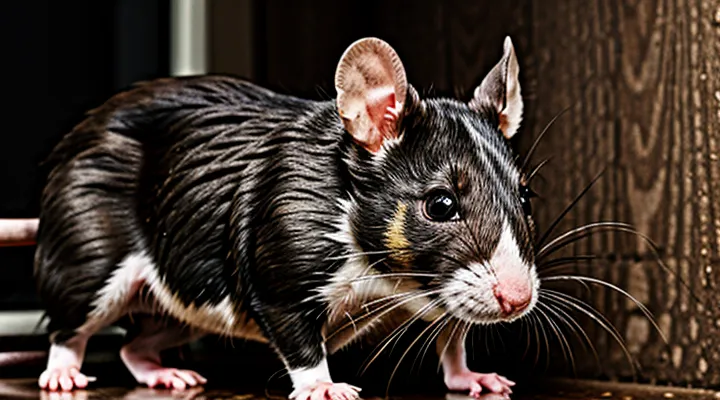
Choosing Your Pet Rat: A Guide
Factors to Consider
Temperament and Personality
Rats display a range of temperaments that influence suitability for a household environment.
- Standard Fancy rats: generally sociable, curious, and quick to bond with humans; they tolerate handling and adapt well to new surroundings.
- Dumbo rats: characterized by calm disposition and a preference for gentle interaction; they often remain relaxed during extended petting sessions.
- Hairless (Satin) rats: tend to be confident and inquisitive, showing eagerness to explore their enclosure and engage with owners.
- Rex rats: exhibit playful behavior and a high level of activity; they respond positively to enrichment toys and maze challenges.
Temperament varies within each breed, shaped by early socialization and individual genetics. Rats raised with regular human contact typically develop lower stress responses, while those isolated early may display heightened skittishness. Personality traits such as intelligence, problem‑solving ability, and affection level can be assessed through simple tests: offering food puzzles, introducing novel objects, and observing reactions to gentle hand contact.
Selecting a breed for a home setting requires matching the animal’s typical behavioral profile with the owner’s capacity for interaction, space, and enrichment. Breeds known for calm, affectionate temperaments suit families seeking a low‑maintenance companion, whereas more active, exploratory types thrive where owners can provide extensive playtime and mental stimulation.
Health and Longevity
When evaluating a pet rat for home life, health status and expected lifespan are decisive criteria. A rat’s longevity reflects both genetic predisposition and the quality of husbandry it receives.
The average lifespan of domesticated rats ranges from 2 to 3 years, with some individuals reaching 4 years under optimal conditions. Longevity is affected by diet quality, environmental hygiene, stress levels, and breed‑specific susceptibility to disease.
- Standard Fancy Rats – Lifespan 2–3 years; common conditions include respiratory infections and tumors.
- Dumbo Rats – Lifespan 2–3 years; ear cartilage can be prone to injury, but otherwise health comparable to standards.
- Hairless (Sphynx) Rats – Lifespan 2–2.5 years; lack of fur increases risk of skin infections and temperature regulation problems.
- Rex Rats – Lifespan 2–3 years; curly coat may trap debris, requiring more frequent cleaning to prevent dermatological issues.
- Long‑haired Rats – Lifespan 2–3 years; grooming demands raise the likelihood of matting and secondary skin infections.
To extend a rat’s life expectancy, adhere to the following practices:
- Provide a balanced diet of high‑quality pellets, fresh vegetables, and limited treats; avoid excessive sugary or fatty foods.
- Maintain cage cleanliness with daily spot cleaning and weekly deep sanitation to prevent bacterial growth.
- Ensure temperature stability between 18 °C and 24 °C; avoid drafts and direct sunlight.
- Supply ample enrichment—tunnels, chew toys, and climbing structures—to reduce stress and promote physical activity.
- Schedule regular veterinary examinations, focusing on respiratory health, dental assessment, and tumor screening.
Among the common varieties, standard Fancy Rats and Dumbo Rats exhibit the most consistent health records and achieve the upper end of the typical lifespan range when cared for properly. Selecting one of these breeds, coupled with rigorous husbandry, offers the greatest probability of a long, healthy companionship.
Size and Appearance
When evaluating rat breeds for a household environment, size and appearance provide the most immediate criteria for suitability. Smaller individuals occupy less floor space, fit easily into standard cages, and present fewer challenges when handling. Larger rats may require more robust enclosures and can be more demanding in terms of feeding and cleaning. Visual characteristics, such as coat length, coloration, and body proportions, influence both aesthetic preference and maintenance requirements.
Key points to consider:
- Body length: Miniature varieties measure 5–7 inches (12–18 cm) without the tail, while standard breeds reach 8–10 inches (20–25 cm). Miniatures suit limited living areas; standard sizes accommodate owners who prefer a more substantial pet.
- Weight range: Miniature rats typically weigh 150–250 g; standard rats range from 300–500 g. Lower weight eases transport and reduces the risk of injury during handling.
- Coat type: Hairless strains lack fur, eliminating shedding but requiring skin care to prevent dryness. Long‑haired breeds shed more and need regular grooming; short‑haired types are low‑maintenance.
- Color patterns: Pigmentation does not affect health, yet certain colors (e.g., albino) may be more sensitive to bright lighting. Pattern variations such as hooded or tuxedo are purely decorative.
- Body shape: Muscular, stocky builds are common in standard breeds; slender frames appear in dwarf varieties. Shape influences agility and the type of play equipment that fits comfortably.
Selecting a breed aligned with the available space and the owner’s grooming willingness ensures a harmonious integration of the animal into the home.
Availability
Availability of rat breeds for domestic care varies by region, source type, and demand. Commercial pet stores typically stock the most common varieties, such as the standard brown, black, and white laboratory‑derived rats. These are inexpensive, widely distributed, and replenished regularly through bulk breeding programs.
Specialty breeders focus on distinct phenotypes, including fancy colors (e.g., brindle, lilac, blue) and unique coat types (e.g., hairless, rex). Their stock is limited, requiring pre‑order or waiting lists. Prices reflect rarity and the breeder’s reputation for health testing and lineage documentation.
Online marketplaces expand access but introduce variable quality. Reputable vendors provide health certificates, quarantine guarantees, and clear return policies. Unverified sellers may lack these safeguards, increasing risk of disease and genetic defects.
Legal restrictions affect availability in certain jurisdictions. Some areas prohibit ownership of specific breeds or require permits for exotic types. Prospective owners should consult local animal control regulations before purchasing.
Summary of availability channels:
- Pet store shelves: high volume, standard breeds, low cost.
- Certified breeders: limited supply, diverse phenotypes, higher price.
- Online retailers: broad reach, variable standards, need due diligence.
- Rescue organizations: occasional adult rats, adoption fees, limited selection.
Popular Rat Breeds for Pet Owners
Standard Rat («Fancy Rat»)
Characteristics
When evaluating pet rats, focus on measurable traits that affect suitability for indoor companionship. Key dimensions include size, coat type, temperament, grooming demand, and health profile.
- Size: Standard rats weigh 250–300 g; larger “giant” varieties reach 400–500 g. Smaller size eases handling for children, while larger size may suit owners who prefer a more substantial presence.
- Coat type:
- Smooth – short, glossy hair; minimal shedding, low grooming requirements.
- Rex – plush, velvety texture; moderate shedding, occasional brushing.
- Hairless – exposed skin; heightened sensitivity to temperature, requiring controlled environment.
- Satin – iridescent sheen; similar care to smooth coat but with a distinctive luster.
- Temperament:
- Standard – generally curious, active, and social; adapts quickly to new environments.
- Giant – often calmer, less hyperactive; may display slower learning curves but maintains strong bonds.
- Albino – bright-eyed, highly inquisitive; may be more prone to stress under bright lighting.
- Grooming demand: Smooth and satin coats need weekly inspection; Rex coats benefit from bi‑weekly brushing; hairless rats require daily skin checks and humidity control.
- Health profile: All breeds share susceptibility to respiratory infections and tumors; however, hairless rats exhibit higher rates of skin lesions, while giants show increased incidence of joint strain due to larger mass.
Assess each characteristic against household constraints—space, temperature control, time for grooming, and tolerance for potential health issues—to determine the most appropriate breed for a home setting.
Care Considerations
When evaluating a rat breed for a home environment, the primary determinant of long‑term success is the quality of care the animal receives. Proper attention to habitat, nutrition, health monitoring, social interaction, and mental stimulation creates conditions in which any suitable breed can thrive.
-
Housing: Provide a cage with solid flooring, adequate ventilation, and a minimum of 2 sq ft per rat. Include multiple levels, nesting material, and a secure latch to prevent escapes. Clean the enclosure weekly and spot‑clean waste daily.
-
Diet: Offer a balanced commercial rat mix supplemented with fresh vegetables, occasional fruit, and a reliable source of protein such as boiled egg or mealworms. Ensure constant access to clean water; a bottle with a stainless‑steel tip reduces contamination risk.
-
Health: Schedule regular veterinary examinations, focusing on dental wear, skin condition, and respiratory signs. Conduct weekly checks for mites, wounds, or abnormal behavior. Vaccination is not standard, but parasite control is essential.
-
Social needs: Rats are inherently social; keep them in same‑sex pairs or small groups to prevent loneliness and stress. Observe hierarchy dynamics and intervene only when aggression threatens welfare.
-
Enrichment: Rotate toys, tunnels, and chew items to prevent boredom. Provide safe climbing structures and opportunities for foraging, such as hidden treats in tissue paper.
-
Handling: Begin gentle, short sessions early to build trust. Support the rat’s body fully, avoiding sudden movements that may cause injury. Consistent handling reduces fear and improves cooperation during health checks.
Adhering to these care considerations ensures that the chosen breed integrates smoothly into a household, minimizing health issues and promoting a harmonious relationship between owners and pets.
Dumbo Rat
Unique Features
Choosing a pet rat involves examining the distinctive characteristics that set each breed apart. Unique features influence care requirements, interaction possibilities, and suitability for different living environments.
- Standard Short‑Haired Rat – smooth, glossy coat; average body length 20‑25 cm; balanced proportions; minimal grooming needs.
- Long‑Haired Rat (Rex, Satin, or Straight) – elongated fur that may reach 2 cm; requires regular brushing to prevent matting; increased sensitivity to temperature fluctuations.
- Rex Rat – plush, velvety coat formed by short, wavy hair; dense undercoat provides additional insulation; shedding less than other long‑haired varieties.
- Satin Rat – sleek, satiny sheen on the coat; hair lies flat against the body; lower propensity for tangles, yet still benefits from occasional grooming.
- Dumbo Rat – ears positioned low on the skull, creating a “droopy” appearance; larger ear surface area may affect heat retention; ear cartilage is softer, demanding gentle handling.
- Hairless Rat – absence of fur reveals delicate skin; heightened need for humidity control and protection from drafts; skin may develop minor scabs if exposed to rough surfaces.
- Manx Rat – naturally tailless or with a very short tail; tail reduction reduces risk of tail injuries; spinal alignment remains typical, but careful handling of the lumbar region is advised.
Each breed’s physical traits dictate specific husbandry considerations, such as temperature regulation, grooming frequency, and enclosure design. Understanding these unique features enables informed selection of the rat that aligns with the owner’s capacity to meet its specialized needs.
Care Considerations
When evaluating a rat breed for domestic life, attention to daily care determines the animal’s health and temperament. Essential factors include diet, housing, grooming, and health monitoring.
- Nutrition: provide a balanced commercial rat mix supplemented with fresh vegetables, limited fruit, and occasional protein sources; avoid high‑fat treats that can cause obesity.
- Cage environment: choose a spacious, multi‑level enclosure with solid flooring; line the floor with paper bedding that absorbs moisture and controls odor; ensure ventilation without drafts.
- Enrichment: install tunnels, chew toys, and climbing structures to satisfy natural foraging and exploratory behavior; rotate items regularly to prevent boredom.
- Hygiene: clean the cage weekly, spot‑clean waste daily, and replace bedding to reduce respiratory risk; wash hands before and after handling to prevent zoonotic transmission.
- Health checks: inspect ears, eyes, and skin for signs of mites, dermatitis, or discharge; monitor weight and activity levels; schedule veterinary visits for vaccinations and parasite control.
Adhering to these care considerations supports the well‑being of any rat breed kept as a pet and informs a responsible selection process.
Rex Rat
Coat Type and Texture
When evaluating rat breeds for domestic life, coat type and texture directly affect maintenance, health considerations, and suitability for owners with specific preferences.
Short‑haired varieties, such as the standard laboratory and fancy “Dumbo” lines, present a sleek, dense coat that sheds minimally. Grooming requires weekly brushing to remove loose hair and prevent matting. Their low maintenance makes them appropriate for first‑time owners and households with limited cleaning time.
Long‑haired breeds, including the “Rex” and “Silky” types, possess a flowing coat that requires daily combing to avoid tangles. These rats are prone to skin irritation if debris accumulates, and they produce more dander, which may trigger allergies. Prospective owners should be prepared for increased grooming effort and regular coat inspections.
Hairless rats lack fur entirely, exposing delicate skin that demands careful humidity control and frequent moisturization. Their lack of a protective coat raises susceptibility to temperature fluctuations, so ambient conditions must remain stable. They generate the least dander, offering a viable option for allergy‑sensitive individuals.
Coat texture variations, such as curly or wiry fur, combine aspects of the above categories. Curly coats shed less than straight long hair but still require routine brushing to keep curls from knotting. Wiry coats are resilient to matting but may conceal skin issues, necessitating regular visual checks.
Key factors to align with owner capabilities:
- Grooming frequency (daily, weekly, minimal)
- Dander production (high, moderate, low)
- Sensitivity to temperature and humidity
- Potential for skin problems
Matching these coat characteristics with the household environment and caretaker commitment ensures the selected rat breed integrates smoothly into home life.
Care Considerations
When evaluating a rat breed for a household, the primary focus must be on the animal’s care requirements. Understanding these requirements prevents health problems, reduces stress, and promotes a stable environment.
Key care considerations include:
- Nutrition – Provide a balanced diet of commercial pellets, fresh vegetables, and limited treats. Adjust portions according to the breed’s size and activity level.
- Housing – Choose a cage that offers at least 2 sq ft of floor space per rat, solid flooring, and secure ventilation. Include nesting material and multiple hiding spots.
- Social interaction – Rats are highly social; maintain at least a pair of compatible individuals. Monitor group dynamics to avoid aggression.
- Health monitoring – Conduct weekly checks for respiratory signs, skin lesions, and abnormal behavior. Schedule veterinary examinations every six months.
- Grooming – Regularly trim overgrown nails and inspect ears for wax buildup. Bathing is unnecessary for most breeds; a clean cage suffices.
- Environmental enrichment – Supply chew toys, tunnels, and climbing structures. Rotate items weekly to sustain curiosity.
- Handling – Introduce gentle, consistent handling sessions of 5–10 minutes each day. Observe the rat’s response to gauge comfort level.
Each factor interacts with breed-specific traits. For example, larger breeds may need more spacious cages, while hairless varieties require stricter temperature control. Aligning care practices with these nuances ensures the selected rat thrives in a home setting.
Hairless Rat («Sphynx Rat»)
Special Needs
When a rat requires special care, breed selection directly affects the owner’s ability to meet those demands.
- Health vulnerabilities: certain strains exhibit predisposition to respiratory infections, skin disorders, or dental problems.
- Temperament variations: some lines display heightened anxiety or aggression, demanding more frequent interaction and training.
- Grooming needs: hairless or partially hairless rats lack natural insulation, necessitating regular temperature monitoring and skin moisturization.
- Dietary requirements: breeds with metabolic sensitivities may need customized nutrient ratios to prevent obesity or deficiencies.
- Environmental enrichment: active breeds thrive on complex cage layouts, while less active types tolerate simpler setups.
Evaluating potential breeds involves comparing their documented special‑need profiles against the household’s capacity for monitoring, veterinary access, and time investment. Standard fancy rats typically present fewer health complications, whereas hairless and dwarf varieties often demand stricter environmental controls and more frequent veterinary consultations.
Practical steps for owners include:
- Obtain a veterinary health report before acquisition.
- Install temperature‑stable housing with adequate bedding to protect vulnerable skin.
- Provide a balanced diet formulated for the specific metabolic profile of the chosen strain.
- Schedule routine health checks to catch early signs of breed‑related ailments.
- Allocate daily interaction periods to address behavioral sensitivities.
Choosing a breed aligned with the owner’s resources ensures that special‑need rats receive consistent, appropriate care and maintain long‑term wellbeing.
Care Considerations
When choosing a pet rat breed for a household, the primary factor is the level of care the animal requires. Prospective owners must assess whether their environment can meet the species‑specific demands for nutrition, housing, health monitoring, and social interaction.
- Nutrition: Provide a balanced diet of high‑quality commercial rat pellets, supplemented with fresh vegetables, limited fruit, and occasional protein sources. Monitor portion sizes to prevent obesity, a common issue in confined settings.
- Housing: Use a solid‑bottom cage with adequate ventilation. Minimum floor space should allow each rat at least 2 sq ft of floor area; include multiple levels and hideouts to encourage natural climbing behavior.
- Social needs: Rats are highly social; keep them in compatible pairs or small groups. Observe hierarchy formation and intervene only if aggressive patterns emerge.
- Health maintenance: Conduct weekly visual checks for respiratory discharge, skin lesions, or abnormal behavior. Schedule veterinary examinations at least once a year and vaccinate against common pathogens where available.
- Grooming and hygiene: Provide chew toys to wear down continuously growing incisors. Trim nails only if they become overgrown, and clean the cage weekly to control odor and prevent bacterial growth.
- Environmental enrichment: Rotate toys, tunnels, and foraging puzzles regularly to prevent boredom and reduce stress‑induced stereotypies.
Adequate attention to these elements ensures that any selected rat breed can thrive in a domestic setting, minimizing welfare concerns and fostering a rewarding owner‑pet relationship.
Satin Rat
Coat Luster
When evaluating a rat for a household, coat luster provides a reliable indicator of overall health and breed suitability. A glossy, uniform sheen reflects strong fur follicles, adequate oil production, and a balanced diet, whereas a dull or patchy appearance often signals nutritional deficiencies, parasites, or genetic issues. Breeds known for naturally bright coats—such as the Satin, the Standard, and the Dutch—frequently maintain higher levels of sheen with minimal grooming, making them practical choices for owners seeking low‑maintenance pets.
Key aspects of coat luster to consider:
- Texture and shine – smooth, reflective fur suggests healthy skin and proper grooming habits.
- Color consistency – uniform pigmentation without fading or discoloration indicates genetic stability.
- Shedding frequency – moderate shedding aligns with a well‑balanced coat; excessive loss may point to underlying problems.
- Response to diet – high‑protein, omega‑rich foods enhance gloss, while low‑quality feed reduces luster.
Selecting a rat breed with a naturally lustrous coat reduces the need for intensive care, supports visual health monitoring, and contributes to a pleasant living environment.
Care Considerations
When evaluating a rat breed for domestic life, the primary focus must be on the animal’s health, environment, and behavioral needs. Prospective owners should assess the breed’s susceptibility to common ailments such as respiratory infections, skin disorders, and dental problems. Regular veterinary check‑ups, a balanced diet rich in protein and fiber, and consistent grooming routines reduce the risk of illness. Housing must provide adequate ventilation, a secure enclosure with multiple levels, and bedding that is dust‑free to prevent respiratory irritation. Temperature control is essential; rats thrive in environments maintained between 65 °F and 75 °F, with humidity below 50 % to discourage mold growth.
Key care considerations include:
- Dietary requirements: Fresh vegetables, high‑quality pellets, and occasional protein sources; limit sugary treats.
- Social interaction: Most breeds exhibit strong social instincts; housing at least two compatible individuals prevents loneliness and stress.
- Exercise opportunities: Provide chew toys, tunnels, and climbing structures to promote muscular development and mental stimulation.
- Cleaning schedule: Spot‑clean daily, replace bedding weekly, and disinfect the enclosure monthly to control pathogens.
- Handling tolerance: Gradual, gentle handling from a young age builds trust and reduces fear responses.
By addressing these factors, owners can ensure that the selected rat breed adapts safely and comfortably to a household setting.
Understanding Rat Needs Beyond Breed
Socialization and Companionship
When evaluating a rat variety for a household, social behavior and the capacity to provide companionship are decisive factors. Rats are inherently gregarious; a strain that readily bonds with humans reduces the risk of loneliness and associated health problems. Breeds that display calm interaction patterns tend to integrate smoothly into family routines, allowing owners to handle them confidently and enjoy regular contact.
Key considerations for socialization and companionship include:
- Temperament stability – breeds that maintain a steady demeanor across various stimuli are easier to train for gentle handling.
- Affection frequency – some strains seek constant physical contact, offering continuous interaction for owners who desire daily engagement.
- Adaptability to multi‑rat environments – varieties that thrive in groups encourage natural social structures, enhancing overall well‑being.
- Responsiveness to human cues – rats that quickly learn to associate voices or gestures with rewards facilitate effective bonding sessions.
Selecting a breed that excels in these areas ensures a pet that not only adapts to the home setting but also actively contributes to the owner’s emotional comfort. Continuous exposure to gentle handling, regular play sessions, and opportunities for group living reinforce the rat’s social instincts, resulting in a companion that remains lively, trusting, and cooperative throughout its lifespan.
Cage Requirements
A suitable enclosure is the foundation of successful rat keeping. The cage must accommodate the animal’s activity level, provide ventilation, and allow routine maintenance.
- Minimum floor area: 2 sq ft per rat; larger space reduces stress and promotes exercise.
- Height: at least 12 inches; vertical climbing platforms increase enrichment.
- Material: powder‑coated metal or sturdy plastic; avoid untreated wood that can splinter or harbor mold.
- Bar spacing: ½ inch or less; prevents escape and injury.
- Mesh panels: stainless steel or coated wire for airflow; solid back panels reduce drafts.
- Flooring: solid base with removable trays; wire floors are unsuitable for long‑term health.
Secure the cage in a quiet, temperature‑stable location. Ambient temperature should remain between 65 °F and 75 °F; direct sunlight and drafts are detrimental. Provide a lockable door that seals tightly to block pests while allowing easy access for cleaning.
Routine cleaning is essential. Replace bedding weekly, sanitize surfaces with a mild, non‑toxic disinfectant, and inspect for wear. Ensure all accessories—hideouts, chew toys, water bottles—are anchored securely to prevent tipping.
By adhering to these specifications, owners create an environment that supports the well‑being of any domestic rat breed.
Diet and Nutrition
When evaluating which rat breed suits a household environment, nutrition emerges as a decisive factor. Each breed exhibits distinct metabolic rates, dental growth patterns, and susceptibility to diet‑related ailments; these biological traits shape the suitability of a pet rat for a particular home.
A breed with a rapid metabolism, such as the fancy dwarf, demands a higher caloric intake than larger varieties. Insufficient energy can lead to weight loss and weakened immunity, compromising the animal’s ability to adapt to domestic routines. Conversely, larger breeds like the standard brown rat tolerate a modestly richer diet without excess fat accumulation. Understanding these differences prevents mismatched feeding regimes that could jeopardize health.
Key nutritional components apply universally, yet their proportional emphasis varies by breed:
- Protein: 18‑20 % of daily calories; essential for muscle development and fur quality. Small‑bodied breeds require the upper range to sustain rapid growth.
- Fiber: 5‑7 % of diet; supports gastrointestinal motility and dental wear. Breeds with aggressive incisor growth benefit from higher fiber content.
- Fat: 4‑6 % of calories; supplies energy and aids vitamin absorption. Larger breeds tolerate the higher limit; dwarf breeds should stay near the lower threshold.
- Vitamins & Minerals: Adequate calcium and phosphorus balance prevents skeletal issues; vitamin C supplementation is unnecessary for rats but may be useful for breeds prone to respiratory infections.
Feeding schedule influences behavioral stability. Providing two measured portions per day maintains steady blood glucose levels, reduces aggression, and aligns with the natural foraging rhythm. Unlimited access to fresh water is mandatory; dehydration accelerates dental problems, especially in fast‑growing breeds.
Supplemental considerations include:
- Dental chews: Hard vegetables (e.g., carrots) or commercially available chew sticks mitigate overgrowth, a concern for breeds with pronounced incisors.
- Probiotics: Fermented foods or specialized powders improve gut flora, decreasing the incidence of diarrhea common in breeds with sensitive digestion.
- Weight monitoring: Weekly weighing detects early signs of obesity or malnutrition, enabling prompt dietary adjustments.
Selecting a rat breed for home keeping therefore requires aligning the animal’s physiological demands with a tailored nutrition plan. Breeds whose metabolic and dental profiles match the caretaker’s ability to provide precise dietary ratios are the most viable candidates for a healthy domestic environment.
Healthcare and Veterinary Care
When selecting a pet rat for a household, the health profile of the breed influences the level of veterinary attention required. Breeds differ in susceptibility to respiratory infections, dental problems, and skin conditions, making health considerations a primary factor in the decision.
Key health aspects to evaluate include:
- Respiratory resilience – Some varieties, such as the Dumbo rat, exhibit a higher incidence of sinusitis due to their facial structure.
- Dental stability – Breeds with robust jaw alignment, like the standard fancy rat, tend to experience fewer overgrowth issues.
- Skin integrity – Hairless rats demand meticulous humidity control to prevent dermatitis, whereas coated breeds are less vulnerable.
- Lifespan expectations – Average longevity ranges from 2 to 3 years; certain lines, especially those bred for specific colors, may have shorter lifespans due to genetic stressors.
Routine veterinary care should encompass:
- Initial health assessment – A comprehensive examination within the first two weeks of ownership establishes baseline metrics.
- Quarterly check‑ups – Monitoring weight, coat condition, and respiratory sounds identifies emerging problems early.
- Dental trimming – Professional evaluation of incisor length prevents malocclusion; owners may supplement with chew toys to promote natural wear.
- Parasite prophylaxis – External parasites are rare but possible; topical treatments applied seasonally reduce risk.
- Vaccination – No standard vaccines exist for rats; preventive focus rests on hygiene and environmental control.
Proper husbandry complements veterinary efforts. Provide a balanced diet rich in protein, fresh vegetables, and limited sugary treats to support immune function. Maintain cage cleanliness, ensure adequate ventilation, and avoid drafts that can exacerbate respiratory issues. By aligning breed selection with these health criteria, owners minimize medical interventions and promote a stable, long‑lasting partnership with their pet rat.
Training and Enrichment
When evaluating a rat breed for domestic life, training capacity and enrichment requirements directly influence the animal’s adaptability and well‑being.
Different breeds exhibit distinct learning patterns:
- Standard laboratory‑type rats respond quickly to click‑training and can master simple obstacle courses within weeks.
- Dumbo rats display a calmer temperament, making them receptive to gentle hand‑target training but slower to solve complex puzzles.
- Rex rats possess a sensitive coat and may become distracted by tactile stimuli; they thrive on repetitive cue‑association drills rather than extensive problem‑solving tasks.
Enrichment needs must align with the chosen breed’s sensory preferences:
- Provide chew‑safe wooden blocks, tunnels, and rotating toys to satisfy the strong gnawing instinct common to all varieties.
- Incorporate scent‑rich materials (e.g., dried herbs) for breeds that show heightened olfactory curiosity, such as standard rats.
- Offer textured platforms and soft bedding for breeds with delicate fur, like Dumbo rats, to prevent skin irritation.
- Schedule daily interaction sessions—hand‑out, foraging games, and brief free‑range periods—to maintain social engagement and prevent stereotypic behaviors.
Matching a breed’s training aptitude with the owner’s commitment to daily enrichment yields a stable, content pet. Select a breed whose learning speed fits the household schedule and whose enrichment preferences can be consistently met, ensuring long‑term health and harmonious cohabitation.
Making the Right Choice for Your Home
Assessing Your Lifestyle
Assessing your lifestyle is the first step in selecting a rat breed that will thrive in a home environment. Identify the daily rhythm, available space, and interaction expectations before narrowing choices.
Key lifestyle dimensions include:
- Time commitment – amount of daily interaction and handling required.
- Living area – size of cage, ventilation, and separation from other pets.
- Activity level – preference for high‑energy exploration versus calm companionship.
- Household composition – presence of children, other small animals, or allergy concerns.
- Schedule consistency – regular feeding, cleaning, and play times.
Each dimension aligns with specific breed traits. For instance, breeds known for calm temperaments, such as the “Dumbo” or “Hairless” varieties, suit households with limited interaction time or younger children. Energetic breeds like “Standard Fancy” rats thrive where owners can provide daily play sessions and larger enclosures. Breeds with distinctive coat types, such as “Satin” or “Rex,” may require additional grooming and a dust‑free environment, making them appropriate for owners who can allocate extra maintenance time.
Match your personal constraints to these breed characteristics to ensure a compatible and sustainable pet‑rat partnership.
Sourcing Reputable Breeders or Rescues
When choosing a rat breed suitable for a home environment, the source of the animal is as vital as the breed itself. A reputable breeder or rescue ensures healthy genetics, proper socialization, and accurate background information.
Key indicators of a trustworthy breeder include:
- Registration with recognized rodent societies or clubs.
- Transparent health records for each litter, covering common conditions such as respiratory infections and tumors.
- A clean, well‑ventilated facility where rats are observed interacting daily.
- Written policies on breeding practices, including limits on litter size and age of breeding stock.
- Willingness to answer detailed questions about lineage, temperament, and care requirements.
Essential criteria for selecting a rescue organization are:
- Affiliation with animal welfare groups that follow standard intake and quarantine procedures.
- Documentation of veterinary examinations, vaccinations, and any previous health issues.
- Availability of behavioral assessments that indicate suitability for a household setting.
- Clear adoption contracts outlining responsibilities, return policies, and post‑adoption support.
Steps to verify credibility:
- Request references from recent adopters or buyers.
- Conduct a site visit or arrange a video tour of the breeding or rescue facility.
- Review online reviews and check for any complaints filed with consumer protection agencies.
- Confirm that the organization complies with local regulations on exotic pet sales and rescues.
By adhering to these guidelines, prospective owners can secure rats that match their desired breed characteristics while minimizing health risks and ensuring responsible ownership.
Preparing for Your New Pet
Before bringing a rat into your home, secure the environment, acquire proper supplies, and plan for ongoing care.
- Cage with solid flooring, secure latch, and ventilation
- Bedding made of paper or aspen, avoiding pine or cedar
- Water bottle with stainless‑steel tubing, cleaned weekly
- Food dish for fresh produce, separate from pellet container
- Chewing toys, tunnels, and hideouts for enrichment
Place the cage on a stable surface away from direct sunlight, drafts, and loud appliances. Line the bottom with two inches of bedding, then arrange tunnels and shelters to create a clear travel path. Install the water bottle at a height reachable by the rat but protected from tipping. Fill the food dish with a balanced pellet mix, supplementing with small portions of fresh vegetables and occasional fruit.
Provide a diet that meets protein, fiber, and vitamin requirements. Offer a measured amount of pellets twice daily, replace uneaten food each evening, and rotate fresh vegetables to prevent boredom. Ensure water remains fresh and free of debris.
Schedule a veterinary examination within the first week of arrival. A qualified small‑animal vet can assess health, vaccinate if necessary, and advise on parasite prevention. Record weight, coat condition, and any abnormal behavior for future reference.
Rats thrive on social interaction; keep them in same‑sex pairs or small groups to reduce stress. Introduce new companions gradually, monitoring for aggression. Begin handling sessions after the rat appears calm in its cage; use gentle, steady movements to build trust.
Review the checklist weekly: verify cage cleanliness, replenish food and water, inspect toys for wear, and observe behavior for signs of illness. Consistent preparation creates a stable setting that supports the rat’s well‑being and enhances the owner’s experience.