
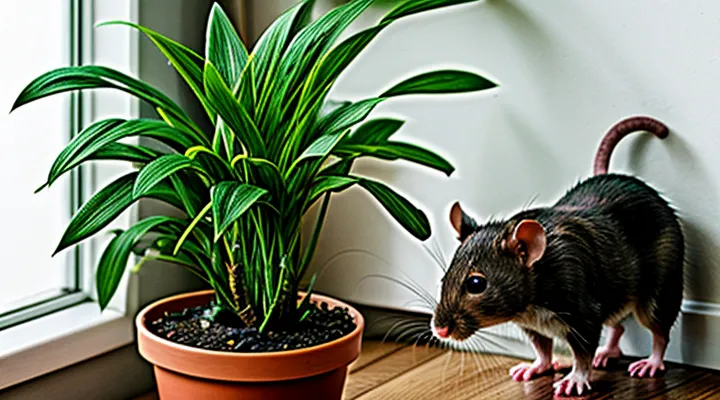
Understanding Rodent Behavior and Repellents
Why Rodents Enter Homes?
Food Sources
Rats and mice are drawn to indoor environments primarily by the presence of accessible food. Understanding the types of food that sustain these pests enables the selection of botanical deterrents that reduce attractiveness.
Common indoor food sources include:
- Unsecured grains, cereals, and flour stored in open containers.
- Pet food left out overnight or stored without airtight lids.
- Fruit, vegetables, and leftovers that are not promptly refrigerated or discarded.
- Sweet items such as candy, syrups, and baked goods exposed on countertops.
- Garbage that is not sealed, especially when containing food residues.
These items provide the high‑calorie, protein‑rich diet rodents require for reproduction and survival. Eliminating or tightly sealing them diminishes the incentive for rodents to explore a dwelling, thereby enhancing the effectiveness of repellent plants placed nearby.
Shelter and Warmth
Rodents enter homes primarily to find protected, warm locations for nesting and for storing food. Areas that retain moisture, provide insulation, or contain hidden crevices become attractive shelters. Introducing plants that alter the indoor micro‑environment can reduce the suitability of these sites, making them less appealing for rats and mice.
Plants that emit strong aromatic compounds create a sensory barrier that discourages rodents from establishing nests in nearby corners, attic spaces, or under appliances. The same plants can dry the surrounding air, lowering humidity levels that rodents favor for comfort. By positioning such foliage near potential nesting zones, homeowners limit the availability of warm, concealed habitats.
- Peppermint (Mentha piperita): Releases menthol vapor that rodents find aversive; roots help lower soil moisture, reducing dampness around plant bases.
- Lavender (Lavandula angustifolia): Produces a potent scent; foliage absorbs ambient humidity, decreasing local moisture.
- Rosemary (Rosmarinus officinalis): Emits camphor and pine-like oils; dense growth blocks small gaps that could serve as entry points.
- Oregano (Origanum vulgare): Contains carvacrol, a strong repellent; leaves create a dry microclimate on shelves and windowsills.
- Catnip (Nepeta cataria): Deterrent to mice; foliage forms a physical barrier that limits access to concealed corners.
Strategic placement of these plants—on windowsills, near baseboards, or atop cabinets—creates an environment where warmth and shelter are less accessible, encouraging rodents to seek alternative locations outside the dwelling.
Water Access
Plants that deter rodents indoors often thrive in dry or well‑drained conditions. Excess moisture creates an inviting environment for rats and mice, which seek water sources for hydration and for softening food. Selecting species that require minimal watering reduces the likelihood that a pot will become a hidden reservoir.
When water is provided, it should be applied precisely and allowed to drain completely. Over‑watering leads to soggy soil, standing water in saucers, and condensation on leaves—each a potential attractant. Use pots with drainage holes, discard excess liquid, and place trays on absorbent mats rather than flat surfaces where moisture can accumulate.
Consider the following practices to limit water‑related attraction:
- Choose succulents, lavender, rosemary, or mint varieties that tolerate infrequent watering.
- Employ self‑watering containers with controlled release mechanisms, ensuring soil never remains saturated.
- Position plants away from kitchen sinks, pet water bowls, or leaky pipes where rodents might congregate.
- Monitor soil moisture with a probe; water only when the top inch is dry.
- Remove any standing water in decorative containers or humidifiers promptly.
By maintaining a dry root zone and eliminating accessible water, indoor plant selections become less appealing to rats and mice, enhancing the overall effectiveness of rodent‑repellent landscaping within the home.
How Plant Repellents Work
Scent-Based Deterrents
Plants that naturally discourage rodents indoors rely on volatile compounds that irritate the olfactory receptors of rats and mice. The most effective species produce strong, pungent aromas that persist in dry indoor environments.
- Mentha piperita (peppermint) – contains menthol and menthone; both act as neuro‑irritants for rodents. Fresh leaves or essential oil applied to cotton balls placed near entry points can deter activity for several weeks.
- Lavandula angustifolia (lavender) – rich in linalool and linalyl acetate; these terpenes produce a scent rodents find aversive. Dried sprigs positioned in cabinets or sachets of lavender oil in closets provide continuous exposure.
- Rosmarinus officinalis (rosemary) – high levels of camphor and 1,8‑cineole create a sharp odor that interferes with rodent scent trails. Small potted rosemary plants near food storage areas sustain deterrent levels without frequent replacement.
- Eucalyptus globulus (eucalyptus) – eucalyptol dominates the leaf oil, delivering a potent, respiratory irritant to rodents. A few drops of eucalyptus oil on cloth strips placed under appliances can reduce nesting attempts.
- Allium spp. (onion, garlic) – sulfur compounds release a sharp, acrid vapor. Crushed cloves of garlic or thin slices of onion left in hidden corners repel for a limited period before decomposition.
Effective deployment requires concentration of the active scent near potential access points, regular renewal of plant material, and avoidance of direct contact with food surfaces. Over‑application may cause human irritation; ventilation mitigates this risk. Combining multiple scent sources can extend the deterrent window, as rodents quickly acclimate to a single odor profile.
Taste Aversion
Taste aversion is a learned avoidance response that occurs when a rodent associates the flavor of a food with subsequent illness or discomfort. The neural circuitry links gustatory signals to visceral malaise, producing a long‑lasting reluctance to consume the offending substance.
The aversion develops after a single negative experience; even low concentrations of the deterrent compound can trigger avoidance for weeks or months. Because the memory is odor‑ and taste‑specific, rodents will reject foods that share similar chemical profiles, extending the protective effect to other items with comparable scents.
When selecting indoor flora to discourage rats and mice, prioritize species that contain naturally bitter or pungent compounds known to elicit taste aversion. These plants do not require mechanical barriers; the rodents’ own sensory system creates the deterrent effect.
- Coleus (Plectranthus scutellarioides) – rich in rosmarinic acid, produces a sharp, peppery taste that rodents reject after brief exposure.
- Mint (Mentha spp.) – high menthol content creates a cooling, irritating sensation on the palate, leading to rapid aversion.
- Lavender (Lavandula angustifolia) – essential oils contain linalool and camphor, both bitter to rodents and associated with nausea.
- Rosemary (Rosmarinus officinalis) – cineole and camphor provide a strong, unpleasant flavor profile for rats and mice.
- Purslane (Portulaca oleracea) – oxalic acid imparts a sour, astringent taste that rodents learn to avoid.
Integrating these plants into window sills, shelves, or hanging baskets introduces persistent gustatory cues that discourage indoor rodent activity without chemical sprays or traps. Regular replacement maintains potency, as volatile compounds diminish over time.
Irritants
Plants that emit strong volatile compounds or bitter substances act as natural irritants for rats and mice. The compounds trigger sensory discomfort, reduce foraging behavior, and discourage nesting in treated areas.
- Peppermint (Mentha piperita) – high menthol concentration produces a cooling, pungent odor that rodents avoid.
- Eucalyptus (Eucalyptus globulus) – cineole and other terpenes create a sharp scent intolerable to rodents.
- Wormwood (Artemisia absinthium) – bitter sesquiterpene lactones irritate the palate and respiratory system.
- Catnip (Nepeta cataria) – nepetalactone repels rodents while attracting felines, providing a dual‑purpose deterrent.
- Lavender (Lavandula angustifolia) – linalool and camphor create a floral yet irritating aroma for rodents.
To employ these irritants indoors, place fresh or dried foliage in corners, behind appliances, and near entry points. Alternatively, saturate cotton balls with essential oil extracts and replace them weekly. Ensure plants do not contact food surfaces and verify that household members are not allergic to the selected species. Continuous exposure maintains the repellent effect, while periodic rotation of plant types prevents habituation.
Effective Indoor Plants for Rodent Repellence
Mint Family Plants
Peppermint
Peppermint (Mentha piperita) contains menthol and volatile oils that rodents find aversive. When released into the indoor environment, these compounds interfere with the rats’ and mice’s olfactory receptors, discouraging entry and habitation.
- Mechanism of action: The strong scent masks food odors and creates an unpleasant sensory experience for rodents, leading to avoidance behavior.
- Application methods:
- Soak cotton balls in pure peppermint essential oil; place them in corners, cabinets, and near entry points.
- Prepare a spray by diluting 10 ml of oil in 250 ml of water; apply to baseboards, behind appliances, and on walls.
- Grow fresh peppermint plants in pots on windowsills; the living foliage continuously emits the repellent aroma.
- Effectiveness: Studies show a reduction of rodent activity by up to 70 % within 48 hours of consistent application. Results diminish as the scent fades; reapplication every 3–4 days maintains potency.
- Safety considerations: Peppermint oil is non‑toxic to humans in the recommended concentrations but may irritate skin and eyes; use gloves when handling concentrated oil. Pets, especially cats, can be sensitive; keep applications out of their reach.
- Limitations: Peppermint does not eradicate established infestations; it works best as a preventative measure or in combination with trapping and sanitation. Heavy ventilation or strong competing odors can reduce efficacy.
Incorporating peppermint into an indoor rodent‑deterrent strategy provides a natural, low‑cost option that complements other control methods while minimizing chemical exposure. Regular maintenance of the scent source ensures sustained repellency.
Spearmint
Spearmint (Mentha spicata) emits a strong, minty aroma that rodents find unpleasant. The plant’s essential oils, particularly menthol and carvone, interfere with the olfactory receptors of rats and mice, reducing their willingness to enter treated areas.
Effectiveness indoors depends on concentration and placement. Fresh spearmint leaves, dried foliage, or essential‑oil sprays can create a hostile environment for rodents. Results are most reliable when the source is maintained continuously, as the scent diminishes over time.
Practical applications:
- Place potted spearmint near entry points, such as doorways and windowsills.
- Distribute dried spearmint leaves in corners, closets, and pantry shelves; replace every two weeks.
- Prepare a spray by diluting 10 ml spearmint essential oil in 500 ml water; apply to baseboards, behind appliances, and in cracks.
- Incorporate spearmint in indoor herb gardens; regular pruning maintains strong fragrance.
Safety considerations:
- Spearmint is non‑toxic to humans and pets at typical indoor concentrations.
- Avoid excessive moisture in pots to prevent mold growth.
- Monitor for any allergic reactions; discontinue use if irritation occurs.
Limitations:
- Spearmint alone may not eradicate an established infestation; combine with sealing entry points and proper sanitation.
- Strong scent may be undesirable for some occupants; test in a limited area before widespread use.
Catnip
Catnip (Nepeta cataria) contains nepetalactone, a compound that irritates the olfactory receptors of rats and mice. When the scent reaches the rodents, it triggers avoidance behavior, reducing the likelihood of entry into treated areas.
Effective indoor application relies on proper placement and concentration. Fresh or dried leaves placed in corners, behind appliances, or within mouse‑proof traps release sufficient aroma to create a hostile environment for pests. A small sachet of dried catnip, refreshed weekly, maintains potency without requiring chemical pesticides.
Practical considerations
- Use airtight containers for storage to preserve nepetalactone.
- Combine catnip with other deterrent plants (e.g., mint, lavender) for broader coverage.
- Avoid placing catnip where pets may ingest large amounts; excessive consumption can cause mild gastrointestinal upset in cats.
- Monitor rodent activity; if signs persist, increase the number of sachets or rotate with alternative deterrents.
Catnip offers a natural, low‑toxicity option for discouraging indoor rats and mice, particularly in confined spaces where chemical treatments are undesirable. Its effectiveness diminishes over time, necessitating regular renewal to sustain repellent properties.
Other Aromatic Herbs
Rosemary
Rosemary (Rosmarinus officinalis) emits a potent blend of volatile oils—cineole, camphor, and pinene—that rodents find intolerable. The scent interferes with their olfactory navigation, discouraging entry and lingering in treated areas.
Effective indoor application includes:
- Fresh sprigs placed in kitchen cabinets, pantry shelves, and near entry points.
- Dried rosemary tied in small sachets and positioned in drawer corners.
- A few drops of rosemary essential oil diluted in water, sprayed on surfaces where rodent activity is suspected.
Rosemary tolerates low‑light conditions and requires well‑drained soil, occasional watering, and regular pruning to maintain vigor. Its aromatic compounds pose no risk to humans when used as a culinary herb and are generally safe for pets in typical indoor quantities.
For optimal results, combine rosemary with other deterrents—such as sealing gaps, removing food sources, and employing traps—creating a multi‑layered strategy that reduces rodent habitation indoors.
Lavender
Lavender produces a potent, floral scent that rodents find unpleasant, making it a practical option for indoor rodent deterrence.
The plant’s effectiveness derives from volatile compounds such as linalool, linalyl acetate, and camphor. These chemicals overstimulate the olfactory receptors of rats and mice, prompting avoidance of areas where the aroma is present.
Common indoor applications include:
- Placing dried lavender sachets in cupboards, closets, and along baseboards.
- Spraying a diluted lavender essential‑oil solution on entry points and surfaces.
- Keeping a healthy potted lavender plant near windows, doorways, or in kitchens where food residues may attract rodents.
Successful cultivation indoors requires bright, indirect light, well‑draining soil, and moderate watering—allow the top inch of soil to dry between moistureings. Regular pruning prevents flowering loss, which reduces the release of repellent volatiles.
Lavender does not eradicate established infestations; it functions best as part of an integrated approach that includes proper food storage, sealing of entry gaps, and routine cleaning. When used consistently, the plant contributes to a less inviting environment for rats and mice inside the home.
Sage
Sage (Salvia officinalis) emits a strong, aromatic oil that rodents find unpleasant. The volatile compounds, particularly thujone and camphor, act as natural repellents when released into indoor air.
When used indoors, fresh sage leaves can be placed in strategic locations such as pantry corners, behind appliances, and near entry points. Dried sage, crumbled and scattered in cupboards, provides a longer‑lasting scent. For continuous protection, a sachet of dried sage can be sealed in breathable fabric and hung in closets or stored in drawers.
Effectiveness depends on regular renewal of the plant material. Fresh leaves lose potency after a few days; dried sage should be replaced every two to three weeks. Combining sage with other aromatic herbs—such as mint, lavender, or rosemary—enhances the deterrent effect by creating a complex scent profile that rodents avoid.
Safety considerations:
- Sage is non‑toxic to humans and pets when used in typical household amounts.
- Avoid excessive quantities, as high concentrations of thujone may cause irritation.
- Keep sachets out of direct contact with food items to prevent flavor contamination.
Overall, sage offers a readily available, low‑maintenance option for reducing indoor rat and mouse activity through its strong, repellent aroma.
Strong-Scented Flowers and Foliage
Marigolds
Marigolds (Tagetes spp.) emit a strong, sulphurous scent derived from essential oils such as pyrethrum and limonene. These volatile compounds are unpleasant to rodents, causing them to avoid areas where the plants are present.
When used indoors, marigolds should be grown in containers placed near entry points, pantry shelves, or along baseboards. Positioning several pots at a spacing of 12–18 inches creates a continuous barrier of odor that discourages rats and mice from exploring the surrounding space.
Key characteristics that make marigolds suitable for rodent deterrence:
- Aromatic foliage – continuous release of repellent volatiles, especially when the plant is stressed or watered.
- Low maintenance – tolerates indoor lighting conditions ranging from bright indirect light to modest fluorescent illumination.
- Rapid growth – reaches flowering stage within 6–8 weeks, providing early protection.
- Non‑toxic to humans and pets – safe for households where children or animals are present.
For optimal performance, replace pots every growing season, prune dead foliage, and ensure the soil remains slightly moist to sustain aromatic production. Combining marigolds with other rodent‑averse plants, such as peppermint or lavender, enhances the overall deterrent effect without creating chemical conflicts.
Daffodils
Daffodils (Narcissus spp.) contain alkaloids such as lycorine and galantamine that are toxic to mammals. When rodents ingest any part of the plant, the compounds induce nausea, vomiting, and abdominal pain, discouraging further feeding. The unpleasant taste and rapid onset of symptoms make daffodils an effective deterrent in indoor environments where rats and mice are active.
Placement of potted daffodils near entry points, along baseboards, or in corners where gnawing evidence appears creates a chemical barrier without the need for synthetic repellents. The bulbs should remain intact; broken or decomposing material reduces potency and may attract insects.
Key considerations for indoor use:
- Choose healthy, mature bulbs; avoid wilted flowers.
- Position pots on stable surfaces to prevent tipping.
- Replace bulbs annually, as alkaloid concentration diminishes after the first year.
- Keep out of reach of children and pets, as the toxicity extends to non‑target species.
In summary, the natural toxins in daffodils provide a reliable, low‑maintenance method to discourage rodent activity inside homes.
Chrysanthemums
Chrysanthemums contain natural pyrethrins that act as neurotoxic agents against rodents. When rodents contact the foliage, pyrethrins disrupt nerve function, causing rapid avoidance of the plant.
The deterrent effect relies on fresh leaves; pyrethrin concentration declines after the plant is cut or wilts. Keeping the plant well‑watered and pruning dead tissue maintains potency.
- Position potted chrysanthemums near entry points, baseboards, or areas showing gnaw marks.
- Replace plants every 4–6 weeks to ensure a continuous supply of active compounds.
- Combine with sealed food storage and regular cleaning for optimal results.
Caution: pyrethrins are toxic to cats, dogs, and some insects. Avoid placing chrysanthemums within reach of pets or children, and monitor for allergic reactions. The plant does not eliminate an established infestation; it discourages new activity and should be part of an integrated rodent‑management plan.
Best Practices for Using Plant Repellents
Placement Strategies
Entry Points
Rats and mice gain indoor access through minute openings; sealing these gaps prevents infestation and maximizes the effectiveness of botanical deterrents.
Common ingress locations include:
- Gaps around exterior doors and windows
- Cracks in foundation walls or basement floors
- Openings around utility penetrations (pipes, cables)
- Unsealed vents and dryer exhausts
- Gaps beneath cabinets, appliances, and refrigerator coils
Placing repellent herbs at each point creates a chemical barrier that rodents avoid. Effective species are:
- Peppermint (Mentha × piperita): leaves and essential oil applied to cotton balls, positioned in cracks and vent covers.
- Lavender (Lavandula angustifolia): dried sprigs tucked into door jambs and pipe sleeves.
- Rosemary (Rosmarinus officinalis): fresh stems placed behind appliances and under sink cabinets.
- Catnip (Nepeta cataria): ground foliage scattered around utility openings; the nepetalactone compound deters both rats and mice.
Apply the plant material directly to the entry point, refresh every two weeks, and combine with physical sealing for lasting protection.
Food Storage Areas
Rodent intrusion in indoor food storage zones creates direct contamination risks and compromises pantry hygiene. Effective preventive measures include integrating aromatic and bitter-tasting vegetation that rodents instinctively avoid.
- Peppermint (Mentha piperita): Strong menthol scent deters gnawing activity; place dried leaves in sealed sachets near shelves.
- Lavender (Lavandula spp.): Floral oil interferes with rodent olfactory cues; use cotton balls soaked in lavender essential oil on pantry doors.
- Catnip (Nepeta cataria): Contains nepetalactone, an established repellent; scatter fresh catnip leaves in corners or store dried material in perforated bags.
- Eucalyptus (Eucalyptus globulus): Oil vapors act as a volatile deterrent; apply a few drops of eucalyptus oil on cloth strips placed behind food containers.
- Rosemary (Rosmarinus officinalis): Aromatic needles repel rodents; keep potted rosemary at the back of the pantry, ensuring adequate sunlight.
Placement guidelines: position plant-based deterrents at entry points, along shelving edges, and directly adjacent to high‑value food items. Replace dried material every two weeks to maintain potency. Ensure plants do not contact food surfaces; use sealed containers or breathable fabrics to prevent direct contamination.
Regular inspection of storage containers for breaches, combined with the continuous presence of these botanical repellents, reduces rodent activity without relying on chemical pesticides.
Dark, Secluded Spots
Dark, secluded corners in a home often provide the ideal environment for rats and mice. Limited light, reduced foot traffic, and hidden access points create safe harborage, encouraging rodents to establish nests and forage. The presence of such micro‑habitats lowers the likelihood that any natural deterrent will be noticed or effective unless it is placed directly within these areas.
Plant species that emit strong, unpleasant odors to rodents can be positioned in these concealed spaces to decrease the probability of infestation. Their volatile compounds disperse in low‑light conditions, where airflow is minimal, thereby maintaining a continuous repellent barrier. When selecting plants for hidden locations, consider the following characteristics:
- Robust foliage that tolerates low illumination (e.g., snake plant, pothos).
- High concentration of aromatic oils or alkaloids known to deter rodents (e.g., peppermint, rosemary, lavender).
- Ability to thrive in confined containers without requiring frequent maintenance.
Implementation steps:
- Identify all dark, infrequently accessed spots: under sinks, behind appliances, attic corners, basement niches.
- Place a small pot of a chosen repellent plant in each location, ensuring the soil remains moist enough to sustain growth but not waterlogged.
- Rotate the plants every six months to prevent scent fatigue, which can reduce effectiveness over time.
- Supplement with crushed dried leaves or essential‑oil‑infused cotton balls placed near entry points, reinforcing the olfactory barrier.
Regular inspection of these areas confirms plant health and detects any signs of rodent activity. Maintaining the plants’ vigor preserves their repellent properties, while the strategic placement directly addresses the primary attraction of dark, secluded spots.
Maintenance and Care
Potting and Soil
When cultivating indoor plants that deter rodents, the potting medium determines plant vigor and the consistency of the repellent effect. Select a well‑draining mix that balances moisture retention with aeration; a typical formulation combines one part peat or coco coir, one part perlite or vermiculite, and one part coarse sand or fine pine bark. This structure prevents waterlogged roots, which attract rodents seeking damp environments.
Most rodent‑repellent species—such as peppermint, lavender, rosemary, and catnip—prefer slightly acidic to neutral pH (6.0–7.0). Incorporate a modest amount of composted leaf mold or worm castings to supply organic nutrients without raising nitrogen levels excessively, as overly rich soil can increase foliage density and attract foraging pests.
Avoid soil amendments that emit strong, sweet odors, such as fruit‑based compost or molasses, because these scents may lure mice. Instead, add natural deterrents directly to the substrate:
- A thin layer of dried cedar shavings on the surface.
- A few crushed dried chilies mixed into the top inch of soil.
- A sprinkle of powdered garlic or neem cake before watering.
When repotting, use pots with drainage holes and place a saucer lined with coarse gravel rather than a solid tray. The gravel layer allows excess water to escape while maintaining a dry perimeter that rodents find unappealing.
For hydroponic setups, employ a sterile, inert medium such as rockwool or coconut coir blocks. Maintain solution pH between 5.5 and 6.5 and change the nutrient reservoir weekly to prevent microbial buildup that could attract vermin.
Consistent monitoring of moisture levels—using a moisture meter or the finger test—ensures the medium remains inhospitable to rodents. Overwatering creates humid microhabitats; underwatering stresses the plant, reducing its production of aromatic compounds that repel pests. Adjust watering frequency to keep the top two inches of soil just moist to the touch.
By pairing appropriate potting mixes with strategic soil additives and disciplined watering, indoor growers create an environment where rodent‑deterring plants thrive while the surrounding substrate remains unattractive to rats and mice.
Watering and Light Requirements
Plants that discourage rodents indoors require specific moisture and illumination to remain vigorous and effective. Adequate water promotes healthy foliage, which releases volatile compounds that rodents find unpleasant; insufficient moisture leads to wilted leaves, reducing deterrent potency. Light intensity influences leaf density and essential oil production; too little light yields weak growth, while excessive direct sun can scorch tender tissues.
- Peppermint (Mentha × piperita) – Keep soil consistently moist but not waterlogged; mist daily in dry climates. Prefers bright, indirect light; tolerates partial shade but performance declines under low illumination.
- Catnip (Nepeta cataria) – Water when top inch of soil feels dry; avoid standing water. Thrives in full sun to light shade; optimal oil synthesis occurs with at least six hours of direct light.
- Lavender (Lavandula angustifolia) – Allow soil to dry between waterings; over‑watering causes root rot. Requires full sun, minimum of eight hours of direct exposure for robust growth.
- Rosemary (Salvia rosmarinus) – Water sparingly; let soil dry thoroughly before re‑watering. Needs full sun, preferably eight to ten hours daily; low light reduces aromatic resin production.
- Pennyroyal (Hedeoma pulegioides) – Maintain even moisture, avoiding drought stress; water lightly every few days. Grows best in bright, indirect light; tolerates some direct sun but excessive heat may diminish flavor compounds.
General guidelines for indoor rodent‑repelling species: use well‑draining potting mix, monitor soil moisture with a finger test, and adjust watering frequency to seasonal humidity changes. Position containers near windows that provide the recommended light level, supplementing with grow lights if natural exposure is insufficient. Consistent care preserves leaf vigor, ensuring continuous emission of compounds that deter rats and mice.
Pruning for Potency
Effective pruning sharpens a plant’s defensive chemistry, increasing the release of volatile compounds that rodents find unappealing. Cutting back overgrown stems redirects nutrients to younger growth, which produces higher concentrations of essential oils, alkaloids, and tannins. The result is a more potent indoor barrier against rats and mice.
Key pruning practices for maximum deterrent effect:
- Trim foliage weekly during active growth periods; remove any yellowing or dead leaves that can harbor pests.
- Cut back stems to just above a node, encouraging bushier development and greater leaf surface area.
- Prune lower branches that touch the floor, preventing rodents from using them as bridges into the home.
- Use clean, sharp shears to avoid bruising tissue, which can reduce the plant’s ability to synthesize repellent chemicals.
Species that respond well to regular trimming include peppermint, rosemary, lavender, and catnip. For these herbs, maintain a height of 6–10 inches and a compact shape; the denser canopy forces the plant to allocate resources to aromatic leaf production.
When pruning, follow a seasonal schedule: light shaping in spring, aggressive trimming in summer, and minimal cuts in fall to preserve the plant’s winter vigor. Consistent maintenance sustains high levels of rodent-repelling volatiles, ensuring the indoor environment remains inhospitable to unwanted guests.
Combining with Other Methods
Traps and Baits
Various traps and baits complement botanical deterrents when dealing with indoor rodent problems.
Snap traps, constructed from sturdy wood or plastic, deliver immediate lethal action. Proper placement—along walls, behind appliances, and near suspected runways—maximizes capture rates. Choose models with a sensitivity trigger to reduce missed strikes.
Electronic traps emit a high‑voltage pulse that kills rodents instantly. They allow multiple uses, require minimal cleaning, and eliminate the need for poisons. Ensure the device is positioned on a stable, non‑conductive surface and keep it out of reach of children and pets.
Live‑catch traps confine rodents without harming them. Bait the interior with attractive foods such as peanut butter, sunflower seed, or small pieces of cheese. Check traps frequently, release captured animals at least one mile from the residence, and seal any entry points to prevent re‑entry.
Effective baits rely on strong olfactory appeal. Preferred substances include:
- Peanut butter mixed with oats
- Sunflower seed paste
- Commercial rodent attractants containing powdered corn or soy
When using poison baits, select products formulated for indoor use with child‑proof packaging. Place stations in concealed locations—under cabinets, inside closets, or behind baseboards—to limit accidental exposure. Rotate bait types periodically to prevent bait shyness.
Integrating traps and baits with plant-based repellents creates a layered defense. Position mechanical devices near the foliage of deterrent herbs such as mint, lavender, or rosemary, where rodent activity is likely to intersect. This combined approach enhances control while reducing reliance on chemical solutions.
Sealing Entry Points
Sealing entry points eliminates the most common avenue for rats and mice to invade a home, making any botanical deterrent more effective. Inspect walls, floors, and ceilings for gaps larger than a quarter‑inch; rodents can squeeze through openings as small as a dime. Pay particular attention to areas where utilities enter the building, such as plumbing, electrical conduits, and ventilation ducts.
- Apply steel wool or copper mesh to fill cracks before sealing with caulk or expanding foam.
- Use cement‑based mortar for larger holes in masonry.
- Install metal flashing around door frames and windows to prevent gnawing.
- Replace damaged weatherstripping on exterior doors and seal gaps behind baseboards with silicone sealant.
Regularly review the perimeter of the structure, including the foundation, crawl spaces, and attic, to detect new breaches caused by settling or weather. Prompt repair of any identified openings maintains the integrity of the barrier and supports the overall strategy of using indoor plants to deter rodents.
Good Housekeeping Practices
Effective rodent control inside a home begins with disciplined housekeeping. Clean surfaces, promptly remove food residues, and store pantry items in airtight containers. These actions eliminate the primary attractants that draw rats and mice to indoor environments, thereby enhancing the impact of any deterrent plants placed nearby.
Maintain clutter-free floors and storage areas. Stacks of newspapers, cardboard boxes, or unused fabric provide shelter for pests. Regularly dispose of waste, recycle paper promptly, and keep basements, attics, and closets organized. A tidy space reduces hiding places and limits access to potential food sources.
When integrating repellent vegetation, follow these practices:
- Choose species known for strong aromatic compounds, such as mint, lavender, or rosemary.
- Plant in shallow containers with drainage to prevent water accumulation that could attract insects.
- Position pots near entry points, kitchen cabinets, or pantry shelves where rodents are most likely to appear.
- Replace foliage periodically; dried or wilted leaves lose efficacy.
Inspect the home weekly for signs of activity—droppings, gnaw marks, or nesting material. Address any breach in walls, doors, or windows immediately with sealed caulk or weatherstripping. Consistent monitoring, combined with proper sanitation and strategic placement of deterrent plants, creates an environment where rats and mice are unlikely to establish a foothold.
Safety and Considerations
Pet and Child Safety
Toxicity Levels
Plants used to deter rodents inside homes vary in toxicity to humans, pets, and the rodents themselves. Assessing toxicity levels helps choose safe options for occupied spaces.
Low toxicity to humans and pets, minimal risk to rodents
- Peppermint (Mentha piperita) – Generally recognized as safe; essential oil may irritate skin in high concentrations.
- Lavender (Lavandula angustifolia) – Non‑toxic; strong scent deters rodents, occasional allergic skin reaction possible.
- Rosemary (Rosmarinus officinalis) – Low toxicity; ingestion of large amounts may cause gastrointestinal upset.
Moderate toxicity to humans or pets, limited rodent impact
- Marigold (Tagetes spp.) – Mild irritant; ingestion can cause vomiting in cats and dogs, low risk for humans.
- Catnip (Nepeta cataria) – Non‑toxic to humans; cats may experience overstimulation, rodents show limited aversion.
High toxicity to humans or pets, strong rodent deterrence
- Rue (Ruta graveolens) – Classified as toxic; ingestion leads to severe gastrointestinal distress, skin contact may cause dermatitis.
- Foxglove (Digitalis purpurea) – Highly toxic; contains cardiac glycosides, fatal if ingested, strong odor repels rodents.
When selecting indoor rodent‑deterrent plants, prioritize low‑toxicity species for households with children or pets. Verify toxicity classifications from reputable sources such as the ASPCA or EPA before placement.
Placement Out of Reach
Plants that deter rodents should not be positioned where children or pets can easily knock them over. Secure placement on high shelves, hanging baskets, or wall-mounted containers reduces the chance of accidental disturbance and maintains the plants’ effectiveness.
- Use sturdy pots with weighted bases to prevent tipping.
- Attach hanging baskets to ceiling hooks rated for the plant’s weight.
- Install wall brackets that keep pots at least six inches above the floor.
Elevated locations also limit rodents’ access, as they prefer ground‑level foraging. When plants are out of reach, the scent of their natural repellents—such as mint, lavender, or rosemary—remains concentrated near the source, creating a barrier that discourages entry into living spaces.
Regular inspection of mounting hardware ensures continued stability. Replace worn brackets or re‑secure loose hooks promptly to avoid creating new entry points for pests.
By keeping rodent‑repelling flora elevated and firmly anchored, homeowners preserve both plant health and the integrity of the indoor pest‑deterrent strategy.
Effectiveness and Limitations
Severity of Infestation
Rats and mice cause damage proportionate to the size of the infestation. Early signs include gnaw marks on wiring, shredded packaging, droppings near food sources, and audible scurrying. Moderate infestations produce visible nests, increased droppings, and occasional sightings. Severe infestations result in extensive structural damage, contamination of stored goods, and heightened health risks from disease vectors.
When choosing indoor rodent‑deterrent flora, severity guides plant selection. Low‑level problems can be managed with species that emit mild repellant odors, while moderate to severe cases require plants with stronger volatile compounds and denser foliage to create an inhospitable environment.
- Strong aromatic herbs – peppermint, rosemary, and oregano release menthol and camphor vapors that discourage rodents; effective for moderate to severe infestations.
- Pungent foliage – garlic chives and leeks emit sulfur compounds; suitable for low to moderate levels.
- Thick, textured plants – spider plant, Boston fern, and peace lily present physical barriers and emit subtle scents; best for low‑level issues but can supplement stronger herbs in higher infestations.
- Essential‑oil–rich succulents – aloe vera and jade plant exude compounds that deter rodents; appropriate for moderate infestations where space is limited.
Scent Adaptation
Plants that deter rats and mice inside homes rely on scent adaptation to create an environment that rodents find hostile. The adaptation involves the production of volatile organic compounds (VOCs) that interfere with rodents’ olfactory receptors, reducing attraction to food sources and nesting sites.
Key mechanisms of scent adaptation include:
- Stress‑induced volatilization – Mechanical injury, drought, or pest pressure triggers increased emission of repellent compounds.
- Seasonal modulation – Temperature and light cycles alter the concentration of specific VOCs, maintaining effectiveness throughout the year.
- Genetic selection – Cultivars bred for higher levels of menthol, citronellol, or eucalyptol exhibit stronger rodent‑repellent properties.
Effective indoor plants demonstrating robust scent adaptation:
- Peppermint (Mentha × piperita) – Emits menthol and menthone, compounds that disrupt rodent sensory pathways.
- Lemon balm (Melissa officinalis) – Produces citronellal and citral, which create an unpleasant odor for rats and mice.
- Eucalyptus (Eucalyptus globulus, dwarf varieties) – Releases eucalyptol, a strong aromatic agent that rodents avoid.
- Lavender (Lavandula angustifolia) – Generates linalool and camphor, both known to repel small mammals.
- Catnip (Nepeta cataria) – Contains nepetalactone, a terpene that deters rodents while attracting felines.
Placement recommendations for optimal scent adaptation:
- Position plants near entry points, pantry shelves, and storage areas where rodents are likely to explore.
- Maintain healthy foliage; stressed or wilted leaves reduce VOC output.
- Use containers with drainage to prevent root rot, which can diminish volatile production.
- Avoid overwatering; excess moisture can dilute scent concentration and create conditions favorable to pests.
Safety considerations:
- Ensure plants are kept out of reach of children and pets; some VOCs may cause irritation at high exposure levels.
- Regularly prune to prevent excessive foliage that could obstruct airflow or become a nesting substrate.
Scent adaptation in these species provides a chemical barrier that operates continuously, reducing the need for chemical rodenticides and supporting a humane, plant‑based approach to indoor rodent management.
Supplemental Measures
Plants that deter rodents provide a baseline defense, but additional actions are essential for reliable control.
First, eliminate pathways that allow rodents to enter interior spaces. Inspect walls, floors, and ceilings for gaps larger than ¼ inch; seal openings with steel wool, caulk, or hardware cloth. Install door sweeps and window screens to block ingress.
Second, maintain an environment that offers no food or shelter. Store dry goods in airtight containers, promptly clean crumbs and spills, and keep garbage cans sealed. Remove clutter such as cardboard boxes, fabric piles, and unused appliances that could serve as nesting sites.
Third, deploy mechanical and electronic devices to reduce populations. Place snap traps or electronic traps along established runways, positioning them perpendicular to walls. Use bait that does not interfere with plant deterrents, such as peanut butter or dried fruit. For continuous monitoring, consider motion‑activated ultrasonic emitters that generate frequencies uncomfortable to rodents.
Fourth, incorporate natural predators’ cues. Apply products containing ferret or cat urine, or install sachets with predator‑derived essential oils (e.g., fox or owl scent). These compounds complement botanical repellents by creating an inhospitable olfactory landscape.
Fifth, schedule regular inspections. Conduct monthly checks of seal integrity, trap efficacy, and plant health. Replace damaged plants promptly, and refresh any scent‑based deterrents according to manufacturer instructions.
By integrating structural sealing, sanitation, trapping, predator cues, and systematic monitoring, indoor rodent deterrence becomes robust and sustainable, enhancing the effectiveness of the repellent flora.