
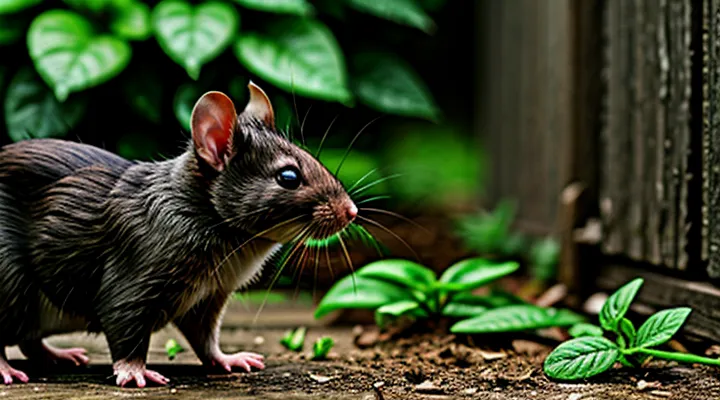
Understanding Rat Behavior and Plant Repellents
Why Rats are a Problem
Rats cause extensive structural damage. They gnaw electrical wiring, compromising safety and increasing fire risk. Wooden beams, insulation and plumbing are vulnerable to persistent chewing, leading to costly repairs.
Rats serve as vectors for numerous pathogens. Saliva and droppings contaminate food supplies, facilitating transmission of leptospirosis, hantavirus, salmonellosis and other zoonotic diseases. Human exposure often occurs in residential kitchens and storage facilities.
Rapid reproduction amplifies infestation potential. A single female can produce several litters annually, each containing up to a dozen offspring. Population surges overwhelm sanitation efforts, depress property values and strain municipal pest‑control resources.
Effective mitigation integrates habitat exclusion, waste management and botanical deterrents. Sealing cracks, maintaining clean environments and employing plant‑based repellents reduce attraction and discourage colonisation, forming a comprehensive strategy against rodent incursions.
How Plants Can Deter Rodents
Rats avoid environments where specific aromatic or bitter compounds are present. Certain herbs and shrubs release volatile oils that interfere with rodent olfactory receptors, reducing attraction to food sources and shelter.
- «peppermint» – high menthol content creates an unpleasant scent for rats; oil applied to soil or foliage enhances effectiveness.
- «lavender» – linalool and camphor act as natural repellents; planting near entry points limits rodent movement.
- «rosemary» – cineole and camphor provide strong odor; dense growth forms a barrier that discourages nesting.
- «eucalyptus» – eucalyptol produces a sharp aroma; leaf litter repels rodents in garden beds.
- «marigold» – thiophenes emit a pungent smell; intercropping with vegetables deters rats without harming crops.
- «garlic» – allicin releases a sulfurous odor; crushed cloves placed around foundations repel burrowing activity.
- «mustard plant» – glucosinolates break down into irritant compounds; planting in rows creates a chemical fence.
Effective deployment requires planting at least three feet apart to allow airflow of volatile oils. Soil should remain well‑drained; excess moisture diminishes scent dispersion. Regular pruning maintains plant vigor and ensures continuous release of repellent compounds. Applying diluted essential‑oil sprays to foliage once a week reinforces natural deterrence, especially during peak breeding seasons.
Combining multiple species creates a layered defense, reducing the likelihood of rodents adapting to a single scent. Monitoring for signs of activity and adjusting plant placement sustains long‑term protection without chemical pesticides.
Top Plants for Rat Repellence
Mint Family Herbs
Peppermint (Mentha piperita)
Peppermint (Mentha piperita) belongs to the Lamiaceae family, characterized by aromatic, square‑stalked herbaceous growth. The plant produces glossy, serrated leaves that emit a strong, mentholaceous scent when crushed. This volatile compound, menthol, acts on the olfactory and sensory systems of rodents, causing discomfort and discouraging entry into treated areas.
The repellent effect derives from essential oil extraction or direct use of fresh or dried foliage. Menthol interferes with the rodents’ nasal receptors, reducing their willingness to explore environments saturated with the aroma. Studies have demonstrated a decline in rat activity when peppermint oil concentrations reach 5‑10 % in carrier solutions.
Practical applications include:
- Diluting peppermint essential oil in water (1 ml per litre) and spraying around entry points, storage rooms, and waste containers.
- Placing sachets of dried peppermint leaves in attic spaces, basements, and crawl‑spaces.
- Planting mature peppermint bushes along perimeter fences to create a continuous aromatic barrier.
Effectiveness varies with environmental conditions; high humidity and ventilation diminish scent persistence, necessitating reapplication every 3‑5 days. Overuse may attract insects that feed on the plant, requiring integrated pest‑management considerations.
Safety considerations:
- Essential oil should be handled with gloves, as direct skin contact may cause irritation.
- Pets, especially cats, can be sensitive to concentrated menthol; keep applications away from animal sleeping areas.
- Avoid planting peppermint in water‑intensive gardens, as the species spreads aggressively via rhizomes.
Overall, peppermint offers a natural, non‑chemical option for reducing rat presence through sensory disruption, provided that application frequency and environmental factors are managed appropriately. «Peppermint oil contains menthol, a compound that irritates rodent sensory receptors», confirming its role in rodent deterrence.
Spearmint (Mentha spicata)
Spearmint («Mentha spicata») is recognized for its ability to discourage rats through the emission of volatile oils. The plant releases menthol, carvone, and limonene, compounds that create an olfactory environment uncomfortable for rodents. Continuous diffusion of these scents interferes with rats’ sensory navigation and feeding behavior, reducing the likelihood of infestation.
The species thrives in temperate climates and can be cultivated in garden beds, borders, or container pots. Its rapid growth and tolerance for partial shade allow placement near building foundations, compost areas, and storage sheds where rat activity is common. Regular pruning promotes dense foliage, enhancing the release of repellent volatiles.
Practical deployment includes:
- Planting live spearmint around perimeter zones vulnerable to rodent entry.
- Harvesting fresh leaves and crushing them to increase surface area before distributing in problem spots.
- Preparing a spray by steeping dried spearmint in hot water, cooling, and applying to cracks, gaps, and entry points.
- Using commercially available spearmint essential oil diluted with water for targeted misting.
Effectiveness varies with environmental conditions; moisture levels and wind may diminish scent concentration. Integrating spearmint with other aromatic deterrents—such as peppermint, rosemary, or catnip—creates a multi‑layered barrier, enhancing overall rodent resistance while preserving garden biodiversity.
Allium Family
Garlic (Allium sativum)
Garlic (Allium sativum) contains sulfur‑rich compounds such as allicin, which emit a strong odor and taste that are unpleasant to rodents. The volatile chemicals interfere with rats’ olfactory receptors, reducing their willingness to enter treated areas.
Key characteristics that make garlic an effective rodent deterrent:
- High concentration of organosulfur compounds creates a persistent scent barrier.
- Natural origin avoids reliance on synthetic pesticides.
- Low toxicity to humans and non‑target wildlife when applied correctly.
Typical application methods:
- Crushed or minced garlic mixed with water to form a spray; apply to entry points, baseboards, and storage containers.
- Dried garlic powder sprinkled around perimeters, concealed in cloth sachets, or placed in bait stations.
- Fresh garlic cloves buried shallowly near holes or cracks to release odor continuously.
Scientific observations indicate that rats exposed to garlic‑based treatments display reduced foraging activity and increased avoidance of treated zones. Effectiveness diminishes over time as the odor dissipates; reapplication every few days maintains deterrent strength.
Precautions:
- Strong scent may be undesirable for indoor environments; ventilation mitigates lingering odor.
- Excessive quantities can attract insects; use measured amounts.
- Combine garlic with other repellent plants (e.g., mint, lavender) for synergistic effect.
Onion (Allium cepa)
Onion (Allium cepa) belongs to the Alliaceae family and contains high concentrations of sulfur‑rich compounds such as allicin. These volatile substances emit a pungent aroma that interferes with the olfactory receptors of rodents.
Research indicates that the strong scent discourages rats from entering areas where onion material is present. The odor masks food cues and creates an environment perceived as hostile, leading to reduced foraging activity and avoidance of nesting sites.
Practical measures for employing onion as a rodent deterrent include:
- Planting mature onion bulbs around building foundations, garden borders, and waste storage zones.
- Distributing chopped onion pieces or dried flakes in cracks, burrows, and entry points.
- Preparing a spray by steeping crushed onion in water for several hours, then applying the liquid to surfaces frequented by rats.
- Replacing onion material regularly to maintain potency, as volatile compounds dissipate over time.
Caution: High concentrations may irritate the eyes and mucous membranes of humans and pets. Protective gloves and eyewear are advisable during handling. Continuous monitoring of effectiveness is recommended, as rat populations can adapt to persistent stimuli.
Other Effective Plants
Rue (Ruta graveolens)
Rue (Ruta graveolens) is a herbaceous perennial known for its strong, pungent aroma, which deters rodents through olfactory disruption. The plant contains volatile oils such as rutin and alkaloids that create an unpleasant environment for rats, reducing their presence in gardens and storage areas.
Key characteristics supporting rodent repellent activity:
- Aromatic foliage releases a bitter scent that rats find aversive.
- Essential oil composition interferes with rat sensory receptors.
- Growth habit allows placement around foundations, compost piles, and garden borders.
Cultivation guidelines for effective use:
- Plant in well‑drained soil with full sun exposure; mature plants reach 60–90 cm in height.
- Space individuals 30–45 cm apart to form a dense barrier.
- Prune regularly to maintain foliage density and enhance scent emission.
- Avoid planting near edible crops, as the strong flavor may affect neighboring plants.
Safety considerations:
- Leaves and stems are toxic if ingested by humans or livestock; wear gloves when handling.
- Pets may be sensitive to the plant’s compounds; monitor for signs of irritation.
Integrating rue into a broader strategy of rodent deterrence, alongside other aromatic species such as lavender, mint, and marigold, strengthens protection without relying on chemical poisons. The plant’s durability and low maintenance make it a practical component of environmentally friendly pest management.
Black Pepper (Piper nigrum)
Black pepper (Piper nigrum) possesses strong aromatic compounds, primarily piperine, that create an odor and taste unpleasant to rodents. The volatile oils interfere with rats’ olfactory receptors, prompting avoidance of treated areas.
Application methods focus on direct contact and environmental dispersion. Ground pepper can be sprinkled along baseboards, entry points, and garden borders. For prolonged effect, a mixture of pepper and water may be sprayed onto surfaces, allowing the solution to dry and leave a residual scent barrier. In indoor settings, pepper sachets placed near suspected pathways provide continuous deterrence without chemical residues.
Advantages include low cost, natural origin, and ease of deployment. The substance does not accumulate in the environment, reducing risk to non‑target organisms when used in moderate quantities.
Limitations involve short‑term efficacy; rain or cleaning can remove the residue, necessitating reapplication. Highly concentrated doses may irritate human skin or mucous membranes, requiring protective gloves during handling.
Practical guidelines:
- Use freshly ground pepper for maximum potency.
- Apply a thin layer to cracks, gaps, and perimeters.
- Reapply after heavy rain or thorough cleaning.
- Store pepper in airtight containers to preserve aromatic strength.
When integrated with other non‑chemical measures—such as sealing entry points and maintaining sanitation—black pepper contributes effectively to a comprehensive rat‑deterrent strategy.
Euphorbia lathyris (Mole Plant)
Euphorbia lathyris, commonly called the mole plant, belongs to the Euphorbiaceae family and is recognized for its potent chemical defenses. The plant produces a milky latex rich in diterpenoid esters that act as a strong irritant to mammals, including rodents. When rats gnaw the foliage or seeds, the latex induces severe oral and gastrointestinal distress, discouraging further feeding.
Key attributes contributing to rodent deterrence:
- High concentration of toxic latex that causes immediate pain and inflammation.
- Seeds contain bitter alkaloids that repel foraging behavior.
- Rapid growth allows establishment of a barrier around structures prone to infestation.
- Low palatability for non‑target wildlife due to unpleasant taste and odor.
Cultivation guidelines:
- Plant in well‑drained soil with full sun exposure; mature plants reach 1–1.5 m in height.
- Space individuals 30–45 cm apart to create a dense hedge.
- Wear protective gloves when handling, as latex can cause skin irritation.
- Prune regularly to maintain barrier density and prevent seed dispersal beyond intended area.
When integrated into integrated pest management, Euphorbia lathyris provides a chemical deterrent that reduces rat activity without reliance on synthetic rodenticides. Proper placement around foundations, waste storage, or garden edges enhances its effectiveness while minimizing risk to humans and pets.
Marigolds (Tagetes spp.)
Marigolds (Tagetes spp.) are widely recognized for their capacity to deter rodents. The plants emit a pungent aroma derived from thiophenes and essential oils, which rodents find unpleasant. This natural repellent effect reduces the likelihood of rat activity in gardens and around structures where marigolds are established.
Key characteristics that contribute to rodent deterrence:
- Strong, sulfur‑rich scent released from leaves and flowers.
- Presence of compounds such as α‑terthienyl, toxic to many insects and unappealing to rats.
- Dense foliage that creates a physical barrier, limiting easy access to soil and shelter.
Effective deployment strategies:
- Plant marigolds in rows along perimeter walls, fences, or the base of buildings.
- Maintain a spacing of 30–45 cm between plants to ensure continuous coverage of scent.
- Combine with other rodent‑repellent species, such as lavender or mint, for a synergistic effect.
Cultivation considerations:
- Prefer full sun exposure; tolerates light shade.
- Soil should be well‑drained, with a pH range of 6.0–7.0.
- Regular watering promotes vigorous growth, enhancing aromatic output.
- Deadheading extends blooming period, sustaining repellent properties throughout the growing season.
Strategic Planting for Maximum Effect
Garden Placement
Plant selection alone does not guarantee effective rat control; strategic garden placement determines whether repellent vegetation can create an inhospitable environment for rodents. Positioning plants that emit strong aromatic compounds near potential entry points limits access and discourages foraging within the cultivated area.
- Locate aromatic herbs such as mint, rosemary, and oregano along fence lines, raised beds, and the perimeter of vegetable plots. Their volatile oils create a scent barrier that rats tend to avoid.
- Install dense, low‑growth plants like lavender and sage at the base of structures, including sheds, compost bins, and external walls. The combination of foliage density and scent reduces hiding places and navigable pathways.
- Position repellent shrubs, for example, catnip or pennyroyal, at least 30 cm away from fruit‑bearing bushes to prevent rats from crossing the scented perimeter to reach food sources.
- Avoid planting attractive food sources, such as corn or squash, adjacent to repellent species. Separate these crops by a minimum of one meter to prevent rats from bypassing the deterrent zone.
Effective placement also considers soil moisture and drainage. Well‑drained soil discourages burrowing, while mulches that retain excess moisture should be kept away from repellent plant rows. Regular pruning maintains plant vigor and ensures continuous emission of deterrent compounds. By integrating these spatial practices, a garden can leverage the natural properties of specific plants to sustain a rat‑averse environment.
Potting and Indoor Use
Potting rats‑deterring plants for indoor environments requires attention to substrate, container, and maintenance conditions.
A well‑draining mix composed of peat, perlite, and compost provides aeration while retaining sufficient moisture for aromatic foliage. Slightly acidic to neutral pH (6.0‑7.0) supports most species used for rodent control.
Containers should feature drainage holes, be sized to accommodate root expansion, and be made of inert material such as terracotta or plastic to avoid chemical leaching. A saucer beneath each pot prevents water damage to flooring.
Light exposure varies among species; many effective varieties thrive in bright, indirect sunlight, while a few tolerate low‑light zones. Consistent humidity levels between 40 % and 60 % reduce leaf stress and maintain volatile oil production, which contributes to rodent deterrence.
Typical indoor options include:
- « Pennyroyal (Mentha pulegium) » – strong mint scent, requires moist soil and partial shade.
- « Lavender (Lavandula angustifolia) » – fragrant flowers, prefers well‑drained soil and full sun.
- « Catnip (Nepeta cataria) » – emits nepetalactone, thrives in moderate light and regular watering.
- « Rosemary (Rosmarinus officinalis) » – woody herb, needs excellent drainage and ample sunlight.
- « Eucalyptus (Eucalyptus globulus) » – leaves release cineole, prefers bright light and slightly dry conditions.
Regular pruning removes dead material, encourages fresh growth, and sustains the release of repellent compounds. Monitoring for pests and adjusting watering schedules extend plant vitality, ensuring continuous indoor protection against rats.
Combining Repellent Strategies
Plants that deter rodents can be integrated with complementary tactics to achieve lasting control. Botanical deterrents emit strong odors or contain compounds that rodents find unpalatable; when positioned near entry points, food stores, or nesting sites, they create a chemical barrier that discourages foraging.
Combining botanical deterrents with physical and environmental measures enhances effectiveness:
- Install sealed containers and eliminate food residues to remove attractants.
- Deploy snap or electronic traps at established runways, ensuring placement adjacent to repellent plants for increased encounter rates.
- Introduce natural predators such as barn owls or feral cats, positioning perches or nesting boxes near repellent vegetation to encourage predation.
- Apply rodent‑resistant landscaping, using mulch or gravel around the base of repellent plants to obstruct burrowing.
Synchronizing timing maximizes impact: apply fresh plant material during peak activity periods, then activate traps and reinforce sanitation. Regular monitoring identifies gaps in coverage, allowing adjustments to plant placement or trap density.
A coordinated approach that merges chemical, mechanical, and ecological defenses yields a robust barrier, reducing rodent presence more reliably than isolated methods.
Considerations and Limitations
Plant Toxicity
Plant toxicity provides a practical basis for selecting species that discourage rodent activity. Toxic compounds interfere with the nervous system, digestion, or metabolic processes of rats, causing aversion or mortality after ingestion.
- Nightshade family (Solanaceae) – alkaloids such as solanine and tomatine deter feeding; examples include tomato leaves and belladonna. - Castor bean (Ricinus communis) – ricin protein is lethal in minute quantities; strong odor also repels rodents. - Oleander (Nerium oleander) – cardiac glycosides produce rapid toxicity; foliage exudes a bitter taste that discourages gnawing. - Foxglove (Digitalis purpurea) – digitoxin and related glycosides affect cardiac function; rats avoid the plant after brief exposure. - Datura species – tropane alkaloids cause severe neurological effects; scent and taste act as a natural barrier.
Effective deployment involves planting toxic species around the perimeter of structures, integrating them with non‑toxic barriers, and maintaining sufficient density to prevent rats from bypassing the deterrent zone. Soil conditions, climate, and growth habit influence the concentration of active compounds; mature plants generally exhibit higher toxicity levels.
Safety considerations demand isolation of toxic plants from children, domestic animals, and livestock. Regular monitoring prevents accidental ingestion and ensures that the deterrent effect persists without compromising non‑target species.
Utilizing plants with inherent toxicity offers a biologically based method for reducing rat presence while minimizing reliance on synthetic chemicals.
Effectiveness and Expectations
Plants that deter rodents are often promoted as natural alternatives to chemical baits. Their practical value depends on the concentration of repellent compounds, the target species’ sensory sensitivity, and the environmental conditions in which they are deployed. Expectation of complete eradication through vegetation alone is unrealistic; effectiveness typically ranges from modest to moderate, requiring supplemental control measures.
Effectiveness varies among species:
- Mint (Mentha spp.) – strong aromatic oils, temporary aversion observed in laboratory tests.
- Pennyroyal (Mentha pulegium) – high menthol content, short‑term deterrence reported.
- Garlic (Allium sativum) – sulfur compounds, limited field data, effect diminishes with habituation.
- Lavender (Lavandula angustifolia) – volatile oils, minor impact on nocturnal foraging.
- Catnip (Nepeta cataria) – nepetalactone, occasional avoidance behavior, not consistent across populations.
Realistic outcomes include reduced foraging activity near planting zones and lower signs of infestation in confined spaces such as gardens or storage areas. Success hinges on strategic placement, regular maintenance to preserve plant vigor, and integration with physical barriers, sanitation, and, when necessary, professional rodent management. Expectations should focus on incremental pressure on rodent populations rather than absolute exclusion.
Maintenance and Care
Rat‑deterring flora requires consistent upkeep to preserve its effectiveness. Healthy roots, vigorous foliage, and optimal growth conditions create an environment that rodents find unattractive.
Soil must remain well‑drained yet retain enough moisture for species such as «mint», «lavender», and «rosemary». Incorporate organic matter before planting, then monitor moisture levels weekly; water when the top inch of soil feels dry. Excess water promotes fungal growth, which can weaken plant defenses.
Regular pruning removes weak or damaged stems, encourages dense growth, and eliminates hiding spots for pests. Trim back leggy sections after flowering, and thin crowded shoots to improve air circulation. Use clean, sharp tools to prevent disease transmission.
Fertilization supports vigorous growth. Apply a balanced, slow‑release fertilizer in early spring, following manufacturer dosage. Avoid high‑nitrogen formulas that encourage tender, rapidly expanding tissue, which may be less resistant to rodent chewing.
Seasonal adjustments enhance resilience:
- Spring: inspect soil pH, amend with compost, initiate watering schedule.
- Summer: increase watering frequency during heat waves, provide partial shade for heat‑sensitive varieties.
- Autumn: reduce fertilizer, allow foliage to die back naturally, mulch to protect roots from frost.
- Winter: ensure soil remains unfrozen, limit watering to prevent root rot, prune only dead material.
Implementing these maintenance practices sustains the repellent properties of the selected plants, ensuring long‑term protection against rodent intrusion.