
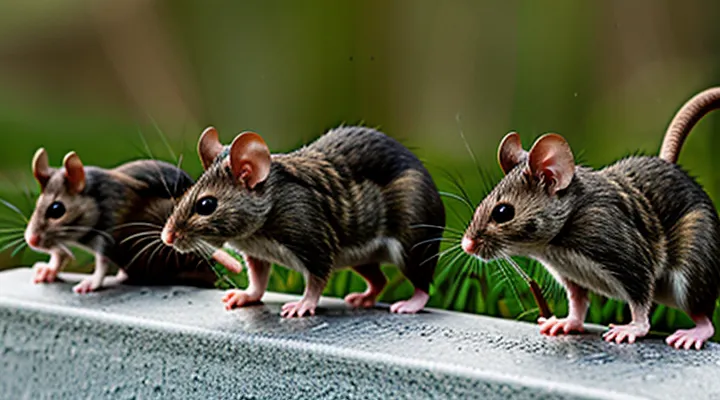
Understanding Rodent Behavior and Insulation
Why Rodents Invade Homes
Rodents enter residential structures primarily to secure food, shelter, and water. Food residues, pet food, and improperly stored groceries create a reliable nutrient source. Gaps around doors, windows, utility penetrations, and foundation cracks provide unobstructed paths for entry. Moisture accumulation in basements, crawl spaces, or leaky pipes supplies the hydration needed for survival. Warm indoor temperatures, especially during colder months, offer a stable environment that reduces energy expenditure for thermoregulation.
Certain building materials influence the likelihood of infestation. Insulating substances that emit strong odors, contain natural repellents, or possess a texture unsuitable for gnawing deter mice and rats. Examples include:
- Mineral wool treated with rodent‑repellent additives
- Rigid foam boards infused with bittering agents
- Fiberglass batts coated with non‑toxic scent deterrents
Conversely, insulation composed of soft fibers, untreated cellulose, or organic fibers can attract gnawing activity, providing both nesting material and a food source. The presence of such materials near entry points amplifies the risk of colonization.
Effective prevention combines sealing all potential ingress routes with the installation of rodent‑resistant insulation. Sealing gaps with steel wool, caulk, or metal flashing eliminates access. Replacing attractant‑prone insulation with treated, hard‑surface products removes a key incentive for rodents to establish a nest inside the building.
How Rodents Interact with Insulation
Nesting Habits and Materials
Mice and rats construct nests to retain heat, protect offspring, and conceal activity. They favor enclosed, soft, and easily manipulated substrates that can be gathered quickly. Common choices include shredded paper, fabric fibers, dried plant material, and fine wood shavings. Open, rigid, or abrasive surfaces are rarely selected because they impede nest formation and increase exposure to predators.
Materials that deter nesting also discourage rodents from gnawing on insulation. Effective insulators possess one or more of the following characteristics:
- Rigid polymer matrices that resist compression and cannot be shredded.
- Smooth, non‑porous surfaces that prevent adhesion of fibers.
- Embedded fibers or granules that are too coarse for rodents to manipulate.
- Chemical additives that emit odors unattractive to rodents without compromising safety.
Insulators combining rigidity with a smooth exterior create an environment unsuitable for nest building, thereby reducing the likelihood of mouse or rat damage. Selecting such products aligns with the goal of minimizing rodent activity in insulated spaces.
Chewing and Damaging Properties
Rodents frequently target building insulation, compromising thermal performance and fire safety. Effective insulation resists gnawing through a combination of physical hardness, unpleasant taste, and chemical deterrents.
Materials that exhibit these protective characteristics include:
- Rigid mineral wool – dense fibers and high compressive strength limit bite penetration; added borate compounds create an aversive taste.
- Closed‑cell foam board – solid cellular structure resists deformation; silicone or phenolic additives produce a bitter flavor that discourages chewing.
- Fiberglass with resin coating – resin layer increases surface hardness and masks irritating fibers, reducing incentive to gnaw.
- Polyisocyanurate panels – high rigidity and low moisture absorption prevent softening under rodent saliva; flame‑retardant additives add a chemical repellent effect.
- Metal sheeting or foil‑faced insulation – metal surface is impenetrable to teeth; reflective coating also deters rodents by altering perceived temperature.
Key properties that diminish rodent damage:
- Hardness – prevents teeth from cutting through material.
- Low palatability – bitter or toxic additives discourage ingestion.
- Moisture resistance – eliminates softening that would facilitate chewing.
- Structural integrity – maintains shape under repeated bites, reducing the creation of entry points.
Selecting insulation that combines these attributes markedly lowers the likelihood of rodent infiltration and prolongs the lifespan of the building envelope.
Insulation Types and Rodent Resistance
Fiberglass Insulation
Characteristics and Rodent Perception
Rodent‑averse insulators share distinct physical and chemical traits that trigger avoidance behavior. Materials commonly rejected by mice and rats exhibit one or more of the following properties:
- High surface hardness that resists gnawing.
- Low thermal conductivity, creating a cold sensation detectable through whisker contact.
- Inherent bitter or metallic taste that discourages oral exploration.
- Presence of volatile compounds (e.g., copper sulfate, capsaicin) that emit an unpleasant odor detectable by the olfactory system.
- Electrical charge or static discharge that delivers a mild shock upon contact.
Rodents assess these traits through sensory pathways finely tuned for survival. The whisker array provides tactile feedback on surface texture and temperature, while the olfactory epithelium detects chemical cues indicating toxicity or unpalatability. Taste receptors evaluate any material that enters the mouth, and the somatosensory system registers pain or discomfort from electrical stimuli. When one or more of these signals surpass a species‑specific aversion threshold, the animal aborts interaction and seeks alternative routes, effectively rendering the insulator ineffective for rodent control.
Effectiveness Against Gnawing
Effective rodent deterrence hinges on a material’s resistance to chewing. Hard, brittle substances such as fiberglass, mineral wool, and ceramic-coated foams fracture under bite pressure, preventing sustained gnawing. Flexible polymers like silicone and high‑density polyethylene absorb bite energy, but their softness allows repeated chewing, reducing long‑term protection.
Key factors influencing gnawing resistance include:
- Tensile strength above 30 MPa; higher values impede incisors from cutting.
- Surface hardness (Shore D ≥ 70) that resists indentation.
- Low moisture absorption; dry fibers maintain rigidity.
- Embedded deterrents (e.g., bittering agents, metal mesh) that increase bite discomfort.
Materials meeting these criteria—fiberglass batts with resin binders, mineral wool with added silica, and ceramic‑coated polyurethane panels—consistently outperform softer foams and plain plastics in field trials. Their structural integrity limits rodent access to underlying wiring, preserving electrical safety and reducing fire risk.
Cellulose Insulation
Properties and Rodent Deterrents
Insulating materials that repel mice and rats share specific physical and chemical characteristics. Rough textures, sharp edges, and low moisture content create environments that rodents find difficult to gnaw or nest in. Synthetic polymers such as polyethylene foam, polypropylene, and expanded polystyrene resist chewing due to their high tensile strength and low tensile yield. Metal alloys like stainless steel and aluminum, when formed into thin sheets, provide a hard, non‑absorbent barrier that rodents cannot penetrate without significant effort.
Key deterrent properties include:
- Hardness – high Shore D rating prevents bite marks.
- Low palatability – absence of organic compounds eliminates taste attraction.
- Thermal stability – resistance to heat and cold discourages nesting.
- Moisture resistance – dry surfaces deny the humidity rodents seek for shelter.
Commonly employed rodent‑resistant insulators:
- Closed‑cell spray foam – expands to fill gaps, creates airtight seal, remains rigid.
- Rigid foam board – dense, smooth surfaces, easy to cut and install.
- Metal sheathing – galvanized or stainless steel sheets, often used around pipe penetrations.
- Fiber‑reinforced composites – combine glass fibers with polymer matrix, offering strength and chew resistance.
Installation practices enhance effectiveness. Seal all entry points, apply insulation tightly against structural members, and avoid gaps larger than ¼ inch. Periodic inspection for bite marks or compression confirms continued integrity. Selecting materials with the described properties reduces the likelihood of rodent damage and maintains thermal performance over the building’s lifespan.
Chemical Additives and Their Role
Chemical additives are incorporated into insulation products to reduce damage caused by rodents. Manufacturers embed substances that deter gnawing, repel scent, or cause toxicity when ingested. The additives function through direct contact with the animal’s sensory system or by delivering a lethal dose after consumption.
- Repellent agents: capsaicin, DEET, and essential‑oil extracts create an aversive taste or odor that mice and rats avoid.
- Toxic compounds: boric acid, zinc phosphide, and specific rodenticides become harmful when the animal chews the material, leading to mortality or incapacitation.
- Anti‑gnaw fillers: steel fibers, aluminum particles, and silica sand increase hardness, making the insulation physically resistant to bite marks.
Effectiveness depends on concentration, distribution uniformity, and the species’ tolerance. High‑dose formulations can achieve rapid deterrence but may raise safety concerns for humans and pets. Regulatory agencies set maximum allowable limits for toxicants, requiring manufacturers to balance rodent protection with health standards. Proper labeling informs installers of the presence of additives, ensuring appropriate handling and post‑installation ventilation.
Long‑term performance is linked to additive stability. Some repellents volatilize over months, reducing efficacy, while metal‑based fillers retain deterrent properties indefinitely. Selecting insulation with a proven additive profile helps maintain structural integrity and minimizes repair costs associated with rodent activity.
Mineral Wool Insulation
Structure and Rodent Avoidance
Insulators that deter mice and rats share specific structural characteristics. Rigid, non‑porous surfaces prevent gnawing and nesting, while smooth finishes eliminate footholds. Materials with low thermal conductivity reduce the incentive for rodents to seek warmth behind the barrier.
- Metal sheaths with sealed seams: stainless steel or aluminum, welded joints, no exposed edges.
- Polypropylene or PVC panels: solid cores, thickness ≥ 3 mm, reinforced ribs to resist chewing.
- Ceramic tiles with glazed surfaces: glazed coating, no micro‑cracks, high hardness.
- Composite boards containing rodent‑repellent additives: integrated bitter agents, ultraviolet‑stabilized polymers, dense fiber matrix.
Avoidance mechanisms operate through physical and chemical means. Smooth textures deny grip, forcing rodents to expend excess energy to climb. Hardness exceeds the bite force of common rodents, causing rapid wear on teeth and discouraging further attempts. Chemical deterrents, such as capsaicin or bitterants, activate taste receptors, producing an immediate aversive response. Additionally, the absence of gaps eliminates shelter opportunities, removing the primary motivation for infestation.
Selection criteria prioritize durability, seamless installation, and compliance with safety standards. Products must withstand environmental exposure without degradation that could create entry points. Compatibility with existing wiring or piping ensures a continuous barrier, eliminating the need for supplemental sealing measures.
Fire Retardancy and Pest Control
Rodents avoid insulating products that combine thermal resistance with chemical deterrents. The most effective solutions integrate fire‑retardant polymers and additives that are unpalatable or toxic to mice and rats, creating a dual barrier against fire spread and infestation.
- Polyethylene foam infused with ammonium sulfate; high fire‑rating, releases a pungent odor when chewed.
- Rigid polyurethane panels containing boric acid; flame‑retardant, boron compounds act as a stomach irritant for rodents.
- Mineral wool treated with silica gel and copper‑based biocides; non‑combustible, metal ions disrupt rodent digestive processes.
- Fiberglass mats coated with zinc phosphate; fire‑resistant, zinc salts deter gnawing through taste aversion.
Selection criteria prioritize a minimum flame spread index of 25, a smoke development rating below 450, and documented rodent repellency in laboratory tests. Installation guidelines recommend sealing all joints with fire‑rated, rodent‑proof tape to prevent entry points. Regular inspection for damage maintains both fire safety and pest control performance.
Foam Board Insulation (Rigid Foam)
Material Density and Rodent Access
Material density directly determines a rodent’s ability to breach insulation. High‑density substances resist gnawing forces, while low‑density composites yield under minimal pressure. The relationship between density and access explains why certain insulators are effectively avoided by mice and rats.
Dense options that limit penetration include:
- Steel sheathing (≈7.8 g/cm³): requires sustained pressure beyond typical gnawing capacity.
- Ceramic tiles (≈2.5 g/cm³): hard surface fractures only under extreme force.
- Glass fiber boards (≈0.9 g/cm³ but with reinforced lattice): combines moderate density with structural rigidity, preventing bite‑through.
- Concrete panels (≈2.4 g/cm³): offers both mass and hardness, deterring entry.
Materials with low mass and soft structure permit easy access:
- Polyurethane foam (≈0.03–0.05 g/cm³): compresses under minimal bite pressure.
- Soft rubber (≈0.9 g/cm³ but highly pliable): deforms quickly, allowing rodents to create tunnels.
- Fiberglass insulation batts (≈0.04 g/cm³): fibers separate under chewing, exposing gaps.
Selecting insulation for rodent‑prone environments therefore hinges on choosing high‑density or structurally reinforced products. Dense barriers increase the energy required for gnawing, reducing the likelihood of successful intrusion.
Potential Vulnerabilities
Rodent‑averse insulation materials possess specific weaknesses that can compromise their effectiveness and safety. Recognizing these vulnerabilities enables targeted mitigation and informed selection.
- Physical degradation: Mice and rats gnaw through fibrous or foam layers, creating holes that reduce thermal resistance and allow moisture ingress.
- Chemical susceptibility: Certain polymer‑based insulators dissolve or soften when exposed to rodent saliva, accelerating loss of structural integrity.
- Installation gaps: Improper sealing at joints, corners, or penetrations leaves openings that rodents exploit, undermining the protective barrier.
- Moisture retention: Damaged insulation traps water, fostering mold growth and attracting rodents, which further deteriorates the material.
- Fire risk: Compromised insulation can ignite more readily when rodents introduce nesting material or electrical faults.
Addressing these points requires rigorous inspection, use of rodent‑resistant formulations, and meticulous sealing during installation. Continuous monitoring prevents minor breaches from escalating into larger system failures.
Spray Foam Insulation
Expansion and Sealing Abilities
Rodent‑averse insulation relies on physical expansion and airtight sealing to prevent entry and nesting. When moisture or temperature changes occur, certain foams swell, closing gaps that could otherwise serve as entry points. The expansion creates a continuous barrier that remains effective even after the material cures.
Key properties that enhance this barrier include:
- Closed‑cell foam – expands up to 150 % of its original volume, filling voids and maintaining rigidity under pressure.
- Self‑adhesive sealants – flow into cracks, harden, and bond to surrounding surfaces, eliminating pathways.
- Thermal‑responsive polymers – increase in density when heated, tightening around pipe joints and seams.
Materials combining these traits provide durable protection by sealing existing openings and preventing new ones from forming, thereby reducing the likelihood of mouse and rat intrusion.
Rodent Resistance Claims
Rodent‑resistant insulation products are marketed with specific performance claims. Manufacturers typically assert that their materials deter chewing, resist nesting, and maintain thermal integrity after exposure to mice or rats. These statements are based on laboratory tests, field trials, or proprietary formulations.
The most common claims include:
- Chew‑proof composition – the product contains fibers or additives that are unpalatable or physically difficult for rodents to gnaw.
- Nesting deterrence – the material’s texture or odor prevents rodents from using it as a shelter.
- Durability after infestation – the insulation retains R‑value and structural integrity even after repeated bites.
- Compliance with industry standards – the product meets or exceeds specifications set by ASTM, ISO, or local building codes for pest resistance.
Verification of these claims relies on controlled experiments. Standard procedures involve exposing sample panels to a defined number of rodents for a set period, then measuring bite depth, weight loss, and thermal performance. Independent laboratories may repeat the tests to confirm reproducibility. Results are often reported as percentages of damage reduction compared to conventional insulation.
Regulatory bodies do not certify rodent resistance as a separate safety category, but they require manufacturers to substantiate marketing statements with documented data. Failure to provide credible evidence can lead to enforcement actions, product recalls, or liability claims.
Consumers should evaluate the evidence before selecting a product. Critical factors include the test methodology, sample size, and whether the study reflects real‑world conditions such as building ventilation, moisture levels, and rodent species diversity. Products that disclose detailed test reports and third‑party verification offer the most reliable assurance of performance.
Factors Influencing Rodent-Insulation Interaction
Installation Quality
Gaps and Openings
Rodents such as mice and rats are attracted to insulation that contains any opening, because gaps allow entry, nesting, and movement through concealed spaces. An uninterrupted barrier forces the animals to seek alternative routes, reducing the likelihood of infestation within walls and attics.
Typical weaknesses involve:
- Seams between rigid foam panels that are not sealed with tape or caulk.
- Edges of fiberglass batts where the vapor barrier is torn or missing.
- Loose‑fill cellulose or rock wool left with voids after installation.
- Gaps around conduit, wiring, or pipe penetrations that are not wrapped with rodent‑proof material.
Each of these openings creates a pathway that rodents can exploit. The size of the aperture matters: openings as small as ¼ inch permit mouse entry, while rats can squeeze through gaps up to 2 inches wide. Materials that shrink, crack, or degrade over time increase the risk of new gaps forming.
Effective prevention focuses on eliminating all detectable openings. Strategies include:
- Applying fire‑rated, rodent‑resistant sealant to all seams and joints.
- Installing metal flashing or steel mesh around penetrations before placing insulation.
- Using continuous, board‑type insulation that spans the full surface without seams.
- Inspecting installed insulation for voids and filling them with dense, non‑loose material.
By ensuring that insulation remains a solid, gap‑free layer, the structure denies rodents the concealed routes they seek, thereby maintaining the integrity of the building envelope.
Proper Sealing Techniques
Proper sealing prevents rodents from accessing electrical insulation, thereby reducing the risk of damage and fire. Effective barriers must eliminate gaps larger than ¼ inch, because mice and rats can squeeze through openings of this size. Materials chosen for sealing should be resistant to gnawing, non‑toxic, and compatible with the surrounding structure.
Key considerations include:
- Use steel‑wool or copper mesh wrapped around cables before applying sealant; rodents cannot chew through metal fibers.
- Apply high‑grade silicone or polyurethane caulk to fill joints, cracks, and conduit penetrations; these compounds harden into a durable, chew‑resistant layer.
- Install rigid conduit sleeves (e.g., PVC or metal) over exposed wiring runs; secure sleeves with stainless‑steel clamps to prevent movement.
- Seal utility entry points with expandable foam reinforced with mesh; the foam expands to fill voids while the mesh adds structural resistance.
- Perform a visual inspection after installation; verify that all seams are continuous and that no exposed insulation remains.
Regular maintenance checks should focus on identifying new gaps caused by building settlement, weathering, or rodent activity. Prompt repair of compromised seals restores protection and maintains system integrity.
Home Environment
Food Sources and Attractants
Rodents are drawn to materials that provide easy access to nutrition. When selecting barrier products, consider the presence of food residues, scent carriers, and embedded attractants that can compromise the integrity of the insulation.
- Grain, seed, and nut fragments left on surfaces create a direct lure for mice and rats. Even minute particles can encourage gnawing and tunnel formation through the barrier.
- Sweet or aromatic substances, such as honey, syrup, or fruit peels, emit volatile compounds detectable by rodent olfactory receptors. These odors penetrate porous insulation, prompting animals to breach the material.
- Protein-rich waste, including meat scraps, cheese, and pet food, releases strong scent cues. Insulators that absorb or retain these odors become targets for foraging behavior.
- Moisture-laden debris, like spilled liquids or damp crumbs, fosters mold growth. Mold odors attract rodents seeking shelter and water, increasing the likelihood of barrier damage.
Effective rodent-resistant insulation incorporates the following features:
- Non-absorbent surfaces that repel liquids and prevent odor retention.
- Smooth, hard-to-gnaw exteriors that discourage chewing on food particles.
- Integrated deterrent compounds that neutralize common attractant scents without affecting human occupants.
- Sealed seams and joints that block the passage of airborne odor molecules.
Maintaining a clean environment around the installation site reduces the probability of food-driven intrusion. Regular removal of debris, prompt cleanup of spills, and secure storage of consumables complement the physical properties of the chosen insulator, ensuring long‑term protection against rodent activity.
Entry Points and Vulnerabilities
Rodents reach building cavities through any breach in the envelope, regardless of the insulation type installed. Gaps around pipes, recessed lighting, attic vents, and foundation cracks provide direct routes to the material that could otherwise deter them.
Typical vulnerabilities include:
- Unsealed gaps at utility penetrations
- Damaged or missing soffit vent screens
- Cracks in foundation walls or slab edges
- Openings around HVAC ducts and chimney flues
- Loose or deteriorated siding and trim
When these openings exist, even insulation that rodents find unappealing loses its protective value. Materials such as rigid foam, mineral wool, and certain spray foams possess properties that deter gnawing, but their effectiveness is compromised if rodents can bypass them through structural gaps. Continuous coverage without interruption is essential for maintaining the deterrent effect.
To preserve the integrity of rodent‑resistant insulation, identify and seal all entry points before installation. Apply high‑quality caulking, expanding foam, or metal mesh to close gaps. Replace damaged vent screens with rodent‑grade hardware. Verify that all pipe and conduit sleeves are fitted with tight collars. Conduct a post‑installation inspection to confirm uninterrupted insulation coverage and the absence of new penetrations.
Strategies for Rodent-Proofing Insulation
Integrated Pest Management Approaches
Sealing Entry Points
Sealing entry points eliminates the pathways rodents use to reach insulation, thereby reducing the likelihood that mice and rats will encounter and damage insulating materials. Effective sealing creates a continuous barrier that prevents infiltration through gaps, holes, and cracks in walls, floors, ceilings, and utility penetrations.
Key actions for a robust seal include:
- Inspecting all exterior and interior surfaces for openings larger than ¼ inch, the size most rodents can squeeze through.
- Applying expanding polyurethane foam to irregular gaps around pipes, vents, and wiring conduits; the foam hardens to block passage while adhering to surrounding material.
- Installing steel wool or copper mesh in narrow openings before applying sealant, providing a physical deterrent that resists chewing.
- Using silicone‑based caulk for seams around windows, doors, and trim, ensuring a flexible yet airtight seal that withstands temperature fluctuations.
- Reinforcing foundation cracks with hydraulic cement, which expands as it cures, filling voids and creating a durable, rodent‑proof joint.
Regular maintenance—re‑examining sealed areas after seasonal changes or building modifications—preserves the integrity of the barrier and sustains the protective effect against rodent‑sensitive insulation types.
Eliminating Food and Water Sources
Eliminating food and water sources directly reduces the attractiveness of any barrier that rodents might consider for entry. When sustenance is unavailable, mice and rats lose the incentive to explore gaps, cracks, or insulated openings, even if those structures are designed to deter them.
Key effects of removing nourishment include:
- Immediate decline in rodent activity near the insulated area.
- Lowered probability of gnawing attempts, as gnawing is often driven by hunger.
- Decreased likelihood of accidental breaches caused by foraging behavior.
Implementation steps:
- Store all food in sealed, rodent‑proof containers.
- Clean spills and crumbs promptly; maintain a spotless environment.
- Install drip‑free fixtures; repair leaks to eliminate standing water.
- Remove pet food dishes after each feeding; avoid leaving water bowls unattended.
By consistently denying access to edible material and moisture, the perceived risk of entering insulated spaces outweighs any potential benefit, making the barriers effectively feared by rodents. This approach complements physical insulation measures, ensuring comprehensive rodent control.
Regular Inspections and Maintenance
Early Detection of Rodent Activity
Early detection of rodent presence allows prompt selection of barrier materials that rodents avoid, reducing damage and health risks. Detecting activity before infestation expands the range of effective insulators, as preventive measures can be installed while the problem is still localized.
Common techniques for identifying rodent activity include:
- Visual inspection of gnaw marks, droppings, and nesting material in concealed areas.
- Placement of non‑toxic tracking powders or fluorescent dust near potential entry points; footprints become visible under UV light.
- Use of motion‑activated cameras or infrared sensors to capture nocturnal movement.
- Installation of electronic monitoring devices that register chew‑induced voltage changes on wiring or conduit.
When early signs are confirmed, materials such as metal mesh, rigid polycarbonate, or dense mineral wool can be applied to vulnerable sections. These substances deter chewing due to hardness, lack of palatability, or thermal properties that rodents find uncomfortable. Prompt replacement of susceptible insulation with such deterrent options halts further penetration and safeguards structural integrity.
Repairing Damaged Insulation
Rodents such as mice and rats tend to shun insulation that contains strong scents, abrasive textures, or dense fibers. When these barriers become compromised, the protective effect disappears, allowing rodents to explore the cavity and cause further damage. Restoring the barrier promptly preserves the deterrent quality and prevents structural deterioration.
Typical rodent‑averse insulation materials include:
- Foam panels infused with peppermint oil or capsaicin.
- Fiberglass batts treated with copper‑based additives.
- Mineral wool with a coarse, gritty surface.
- Rigid polyurethane boards containing silica particles.
Repairing compromised insulation follows a systematic approach:
- Identify the breach. Locate all holes, tears, or gaps larger than ¼ inch.
- Remove damaged sections. Cut away torn or contaminated material to expose clean substrate.
- Prepare the area. Clean debris, dry moisture, and seal cracks in the surrounding structure with a rodent‑resistant sealant.
- Install replacement material. Cut new insulation to match the original dimensions, then press or staple it firmly into place, ensuring no gaps remain.
- Apply a deterrent coating. Spray or brush the installed piece with a certified rodent‑repellent treatment compatible with the insulation type.
- Inspect for continuity. Verify that the repaired segment integrates seamlessly with adjacent insulation, maintaining uniform density and coverage.
After repair, reinforce the area by:
- Sealing entry points such as gaps around pipes, vents, and wiring.
- Installing metal mesh or steel wool strips at openings to block gnawing.
- Conducting periodic visual checks to detect early signs of rodent activity.
By adhering to these steps, the insulation regains its protective function and continues to deter mice and rats effectively.
Choosing the Best Insulation for Rodent Control
Comparing Efficacy of Different Materials
Rodent‑averse insulators differ markedly in their ability to deter mice and rats. Laboratory and field observations rank materials by the frequency of gnawing incidents, longevity of protection, and ease of installation.
- Metal (steel, copper, aluminum): No evidence of chewing; maintains integrity under moisture; installation requires fastening hardware.
- Concrete and masonry blocks: Resists penetration; surface can be roughened to increase friction; heavy handling limits use in retrofit projects.
- Ceramic tiles and glass panels: Impervious to gnawing; brittle under impact; suitable for wall cladding where structural support exists.
- High‑density polymers (polycarbonate, HDPE): Moderate resistance; some rodents test edges but rarely achieve full breach; lighter than metal, easier to cut to size.
- Treated wood (pressure‑preserved, borate‑infused): Initial deterrent effect; rodents eventually chew through softened fibers; suitable for temporary barriers.
Comparative data show metal and concrete provide the highest efficacy, with ceramic and glass offering comparable protection where structural constraints permit. High‑density polymers serve as secondary options when weight or flexibility is critical, while treated wood should be limited to short‑term applications. Selecting the optimal material balances durability, installation practicality, and cost while ensuring consistent rodent exclusion.
Cost-Benefit Analysis of Rodent-Resistant Options
Evaluating rodent‑deterring insulation requires comparing upfront expense, installation complexity, longevity, and effectiveness against gnawing pests.
Key evaluation criteria include material price per square foot, labor hours for installation, expected service life, documented resistance to mouse and rat damage, and any recurring maintenance or replacement costs. Environmental impact and compliance with fire codes also influence total cost of ownership.
- Mineral wool – $1.20–$1.80 / ft²; moderate installation effort; resistant to chewing; lifespan 30 years; fire‑resistant; minimal maintenance.
- Closed‑cell spray foam – $1.50–$2.30 / ft²; professional application required; highly resistant to gnawing; lifespan 25 + years; airtight seal reduces energy loss; higher upfront cost.
- Cellulose treated with rodent‑deterrent additives – $0.90–$1.20 / ft²; DIY‑friendly; partial resistance; lifespan 15–20 years; may require re‑treatment; lower material cost but increased risk of damage.
- Fiberglass with embedded metal mesh – $1.00–$1.50 / ft²; standard installation; mesh prevents penetration; lifespan 20 years; effective barrier with modest price increase.
- Steel wool barrier combined with foam – $0.70 / ft² for steel wool plus foam cost; labor‑intensive; creates physical deterrent; lifespan tied to foam; inexpensive but labor cost may offset savings.
Cost‑benefit analysis shows that high‑performance options such as closed‑cell spray foam and mineral wool deliver lower long‑term energy losses and reduced repair expenses, outweighing their higher initial price. Lower‑cost treatments like treated cellulose provide short‑term savings but increase the probability of rodent damage, leading to potential re‑insulation and energy penalties. Selecting an option should balance budget constraints with the projected frequency of rodent activity, expected energy savings, and maintenance capacity.
Professional Recommendations and Best Practices
Rodent‑resistant insulation must combine material properties that discourage gnawing with installation techniques that eliminate access points. Professionals rely on evidence‑based criteria to choose and apply such products.
- Select materials with high tensile strength and low palatability, such as closed‑cell polyurethane foam, mineral wool, or rigid polystyrene with added rodent‑deterrent additives. Avoid cellulose‑based or fibrous products that rodents can chew easily.
- Verify that the chosen insulation conforms to fire‑safety standards (e.g., ASTM E84) and moisture‑resistance requirements for the specific building envelope.
- Install insulation in continuous layers, sealing seams with rodent‑proof tape or caulk. Use metal or PVC flashing around penetrations, conduit entries, and utility openings.
- Apply physical barriers—steel mesh, hardware cloth, or metal plates—behind insulation in vulnerable zones (e.g., attics, crawl spaces) to prevent entry.
- Conduct a pre‑installation inspection to identify existing rodent activity, remove debris, and set bait stations where necessary.
- After installation, schedule periodic visual checks and use motion‑sensor cameras or tracking powders to confirm the absence of rodent movement.
- Document all materials, sealants, and barrier locations in maintenance logs to facilitate future inspections and replacements.
Adhering to these practices maximizes the durability of insulation and reduces the likelihood of damage caused by mice and rats.