
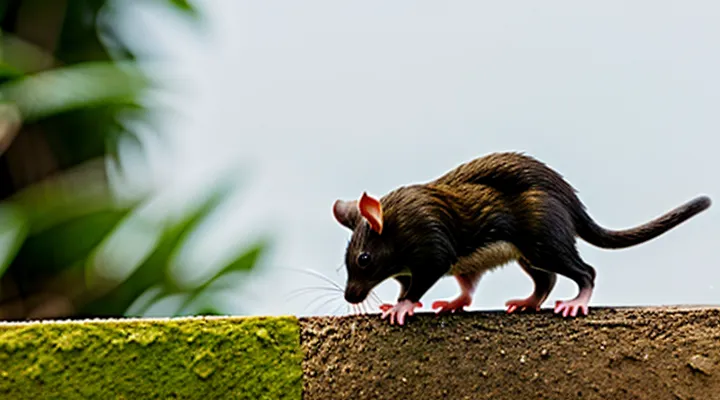
Understanding Dambo Rat Dietary Needs
Essential Nutritional Requirements
Macronutrients
Fruits provide the primary macronutrients required by Dambo rats: carbohydrates, modest protein, and minimal fat. Carbohydrate content supplies energy for their high activity level, while fiber supports gastrointestinal health. Protein from fruit contributes to tissue maintenance but must remain low to avoid excess nitrogen load. Fat should be limited, as rodents metabolize dietary lipids efficiently and excess fat can lead to obesity.
Typical macronutrient profiles for suitable fruits are:
- Apple (without seeds) – ~13 g carbohydrate, 0.3 g protein, 0.2 g fat per 100 g; high soluble fiber.
- Blueberry – ~14 g carbohydrate, 0.7 g protein, 0.3 g fat per 100 g; rich in antioxidants and dietary fiber.
- Pear – ~15 g carbohydrate, 0.4 g protein, 0.1 g fat per 100 g; contains pectin, a soluble fiber.
- Strawberry – ~8 g carbohydrate, 0.8 g protein, 0.4 g fat per 100 g; low calorie, high vitamin C.
- Melon (cantaloupe) – ~8 g carbohydrate, 0.8 g protein, 0.2 g fat per 100 g; high water content aids hydration.
Guidelines recommend offering fruit as a supplement, not exceeding 10 % of total daily intake. This proportion maintains a balanced macronutrient distribution while preventing excessive sugar consumption. Introduce new fruits gradually to monitor tolerance and avoid gastrointestinal upset.
Micronutrients
Micronutrients are the primary factor when selecting fruit for Dambo rats. Adequate intake supports bone health, immune function, and metabolic efficiency.
Key micronutrients include vitamin C for antioxidant protection, vitamin A for vision and skin integrity, potassium for electrolyte balance, calcium for skeletal development, and magnesium for enzymatic activity. Deficiencies in any of these can impair growth and reduce lifespan.
- Blueberries – high vitamin C, moderate potassium.
- Papaya – abundant vitamin A, good source of magnesium.
- Mango – rich vitamin C, provides potassium and calcium.
- Strawberries – notable vitamin C, contains magnesium.
- Cantaloupe – supplies vitamin A and potassium.
- Kiwi – delivers vitamin C and calcium.
Portion control is essential; a single piece of fruit (approximately 10 g) offered two to three times per week satisfies micronutrient needs without excess sugar. Monitoring weight and stool consistency ensures the diet remains balanced.
General Dietary Guidelines
When incorporating fruit into a Dambo rat’s diet, adhere to clear nutritional principles to maintain health and prevent digestive upset. Fruit should complement a balanced regimen of pellets, fresh vegetables, and occasional protein sources, never replace staple foods.
- Choose low‑sugar varieties such as berries, apples (core removed), and pears; avoid citrus, grapes, and tropical fruits high in acidity or fructose.
- Offer fruit in small portions—no more than 10 % of total daily intake, roughly a teaspoon per 100 g of body weight.
- Serve fruit fresh, washed, and cut into bite‑size pieces to facilitate chewing and reduce choking risk.
- Introduce new fruit gradually, observing for signs of diarrhea, weight loss, or reduced appetite; discontinue if adverse reactions appear.
- Store fruit in the refrigerator for no longer than 24 hours; discard any softened or moldy pieces to prevent bacterial growth.
- Rotate fruit selections weekly to provide a range of vitamins while preventing over‑reliance on a single type.
Following these guidelines ensures that fruit contributes essential nutrients without compromising the overall dietary balance required for optimal Dambo rat health.
Safe Fruits for Dambo Rats
Berries
Strawberries
Strawberries can be part of a balanced diet for Dambo rats when offered in moderation. The fruit supplies vitamin C, fiber, and antioxidants, contributing to immune support and digestive health. Natural sugars in strawberries are lower than in many other fruits, reducing the risk of rapid blood‑glucose spikes. However, the high water content can cause loose stools if the animal consumes excessive amounts.
- Serve fresh, ripe strawberries only; avoid canned or processed varieties that contain added sugars or preservatives.
- Wash thoroughly to remove pesticide residues; a brief soak in a mild vinegar solution followed by a rinse is effective.
- Cut into bite‑size pieces no larger than 0.5 cm to prevent choking.
- Limit intake to 1–2 small pieces (approximately 5 g) per week per rat, adjusting based on individual tolerance.
- Observe for signs of gastrointestinal upset after introduction; discontinue if diarrhea or vomiting occurs.
- Store in the refrigerator, sealed in a low‑humidity container, and discard any bruised or moldy portions.
Incorporating strawberries according to these guidelines provides nutritional benefits without compromising the health of Dambo rats.
Blueberries
Blueberries are a safe and nutritious fruit option for Dambo rats when offered in moderation. They provide antioxidants, vitamin C, dietary fiber, and low levels of sugar compared to many other fruits. The antioxidant profile helps combat oxidative stress, while the fiber supports healthy digestion.
When introducing blueberries, follow these guidelines:
- Offer fresh or frozen berries that are free from additives or sweeteners.
- Rinse thoroughly to remove any pesticide residues.
- Cut into small pieces or mash to prevent choking.
- Limit the portion to no more than 1–2 berries per day for an adult rat; juveniles should receive half that amount.
- Monitor the animal for signs of gastrointestinal upset, such as loose stools, and adjust the quantity accordingly.
Blueberries should complement a balanced diet that primarily consists of high‑quality rodent pellets, occasional vegetables, and limited protein sources. Overreliance on fruit can lead to excess caloric intake and potential weight gain, so treat them strictly as a supplemental snack. Regularly rotating fruit choices reduces the risk of nutrient imbalances and maintains the rat’s interest in its diet.
Raspberries
Raspberries provide a balanced source of vitamins, fiber, and antioxidants that complement the diet of Dambo rats. The fruit’s low sugar content reduces the risk of obesity while delivering vitamin C, vitamin K, and manganese, which support immune function and bone health.
A typical serving for an adult Dambo rat consists of one to two fresh berries, sliced to prevent choking. Offer the fruit no more than twice a week to maintain variety without overwhelming the animal’s digestive system.
Feeding guidelines:
- Wash thoroughly to remove pesticide residues.
- Remove any bruised or moldy portions.
- Present the berries at room temperature; chilled fruit may cause gastrointestinal upset.
- Monitor the rat after the first exposure for signs of diarrhea or allergic reaction.
Excessive consumption can lead to soft stools due to the high fiber content. If stools become loose, reduce the frequency or discontinue raspberries temporarily. Incorporate raspberries as part of a diverse fruit rotation that includes apple, banana, and kiwi, ensuring overall nutritional balance.
Melons
Watermelon
Watermelon provides hydration and modest amounts of vitamins that can complement the diet of Dambo rats. The fruit’s high water content helps maintain fluid balance, while vitamin C and beta‑carotene contribute to antioxidant intake.
- Serve small cubes, no larger than 1 cm per side.
- Limit to two to three cubes per week; excess sugar may disrupt gastrointestinal health.
- Remove all seeds; they pose choking hazards and contain trace amounts of cyanogenic compounds.
- Offer fresh pieces only; discard any that have begun to soften or develop mold.
The sugar concentration in watermelon exceeds that of most leafy greens, so overfeeding can lead to weight gain or dental issues. Additionally, the fruit’s acidity may irritate sensitive stomach linings if given on an empty stomach. Monitoring the rat’s response after the first few servings is advisable.
Incorporating watermelon as an occasional treat adds variety without compromising nutritional balance, provided the guidelines above are followed.
Cantaloupe
Cantaloupe offers a high moisture content and a moderate level of natural sugars, making it a practical fruit choice for Dambo rats that require hydration and energy. The flesh contains approximately 90 % water, vitamins A and C, and potassium, all of which support healthy skin, vision, and electrolyte balance in these small rodents.
When incorporating cantaloupe into a Dambo rat’s diet, follow these guidelines:
- Offer only the orange‑fleshed portion; remove the rind and seeds, which are difficult to digest and may contain harmful compounds.
- Cut the fruit into bite‑size cubes, roughly ½ cm³, to prevent choking.
- Limit servings to 1–2 grams per 100 g of body weight per day, equivalent to a small cube for an adult rat, to avoid excessive sugar intake.
- Introduce the fruit gradually, monitoring for signs of digestive upset such as loose stools or reduced appetite.
Cantaloupe should complement a balanced diet that primarily consists of a high‑quality pellet or seed mix, fresh vegetables, and occasional protein sources. Regularly rotate fruit options to provide nutritional variety and reduce the risk of palate fatigue.
Overall, cantaloupe meets the hydration and vitamin needs of Dambo rats while delivering a palatable treat, provided it is served in controlled portions and prepared safely.
Other Safe Fruits
Apples (Seedless)
Seedless apples provide a safe, nutrient‑rich option for Dambo rats. The fruit contains natural sugars, fiber, and vitamins A and C, supporting energy levels and immune function without the risk of choking on seeds.
- Offer a small slice (approximately 1 × 2 cm) once or twice a week.
- Remove the core completely to eliminate any residual stone fragments.
- Serve fresh, uncoated, and free from pesticide residues; rinse thoroughly before cutting.
Excessive intake may cause digestive upset due to high sugar content, so monitor weight and stool consistency after introduction. Combine apple pieces with a balanced pellet diet to maintain overall nutritional adequacy.
Pears (Seedless)
Seedless pears provide a safe, palatable option for Dambo rats seeking fruit supplementation. The flesh is soft, low‑fiber, and free of hard seeds that could cause choking or gastrointestinal blockage.
Nutritional profile (per 100 g fresh fruit):
- Calories: 57 kcal
- Carbohydrates: 15 g (primarily fructose and glucose)
- Dietary fiber: 2 g
- Vitamin C: 4 mg (≈5 % of daily requirement)
- Vitamin K: 4 µg
- Potassium: 119 mg
- Minimal fat and protein
Feeding guidelines:
- Offer small, bite‑size pieces (approximately 1 cm cubes) to prevent overconsumption.
- Limit to 1–2 % of the rat’s total daily caloric intake; excessive sugar may lead to obesity or dental issues.
- Wash thoroughly to remove pesticide residues; organic varieties are preferable.
- Monitor for individual tolerance; discontinue if signs of diarrhea or soft stool appear.
Overall, seedless pears contribute hydration and quick energy without the hazards associated with fruit pits, making them a suitable addition to a balanced Dambo rat diet when provided in controlled portions.
Bananas
Bananas are a common fruit offered to Dambo rats because they provide a quick source of carbohydrates, potassium, and vitamin C. The high sugar content makes bananas an energy booster, while the potassium supports normal muscle function. Vitamin C contributes to immune health, although rats synthesize this vitamin internally, so the benefit is supplementary.
When feeding bananas, follow these guidelines:
- Offer no more than a thin slice (approximately 5 mm thick) once or twice a week.
- Remove the peel completely; the skin contains indigestible fibers that can cause gastrointestinal blockage.
- Serve fresh, ripe fruit; over‑ripe bananas develop excess fermentable sugars that may lead to diarrhea.
- Monitor the rat’s weight and overall health; sudden increases in sugar intake can predispose to obesity and dental issues.
Potential drawbacks include rapid blood‑sugar spikes and the risk of dental wear from frequent sugary treats. Balance banana portions with a diet rich in hay, pellets, and low‑sugar vegetables to maintain nutritional equilibrium.
Unsuitable Fruits for Dambo Rats
Citrus Fruits
Oranges
Oranges can be part of a balanced diet for Dambo rats when offered in moderation. The fruit supplies vitamin C, potassium, and dietary fiber, which support immune function and gastrointestinal health. However, the high natural sugar content requires careful portion control to prevent weight gain and blood‑sugar spikes.
Feeding recommendations:
- Offer only the orange flesh; discard the peel, seeds, and any white pith, which may contain irritants.
- Provide a segment no larger than one‑quarter of a typical orange slice per rat, equivalent to roughly 5 g of fruit.
- Limit orange servings to two to three times per week, interspersed with low‑sugar vegetables and a staple grain mix.
- Observe the animal for signs of digestive upset, such as loose stools, and discontinue if symptoms appear.
Potential concerns include acidity, which may exacerbate dental wear or cause oral irritation in some individuals. Rats with a history of diabetes or obesity should receive orange treats only under veterinary supervision. Properly prepared, oranges add variety and nutritional value without compromising health.
Lemons
Lemons appear among the fruit choices considered for Dambo rats, but their characteristics limit practical use. The fruit provides vitamin C, small amounts of calcium and potassium, and a modest carbohydrate content. High citric acid concentration creates a sharply acidic environment that can irritate the oral cavity and digestive tract of rodents. Lemon seeds contain trace cyanogenic compounds; even a single seed may pose toxicity risks.
Feeding recommendations:
- Offer only the flesh, never the rind or seeds.
- Limit portions to a maximum of one teaspoon (≈5 g) per week for an adult Dambo rat.
- Introduce gradually, monitoring for signs of discomfort, reduced appetite, or changes in stool consistency.
- Combine with low‑acid fruits (e.g., apples or blueberries) to balance overall dietary pH.
Because the acidic nature of lemons can disrupt the natural gut flora of Dambo rats, most caretakers prefer alternative fruits with milder pH levels and comparable nutrient profiles. Regular veterinary consultation is advisable when incorporating any citrus fruit into the diet.
Grapefruits
Grapefruit can be offered to Dambo rats, but several factors limit its practicality. The fruit’s high acidity and bitter compounds may cause digestive upset if introduced abruptly. Moreover, grapefruit contains furanocoumarins that interfere with the metabolism of certain medications, which can be problematic for rats receiving veterinary treatments.
Key considerations for feeding grapefruit:
- Portion size: Limit to a small slice (approximately 1 cm × 1 cm) no more than twice a week.
- Preparation: Remove all seeds and peel; present only the flesh to avoid ingestion of bitter rind.
- Observation: Monitor for signs of diarrhea, reduced appetite, or lethargy after the first exposure.
- Compatibility with diet: Ensure the majority of the rat’s diet consists of high‑fiber pellets, fresh vegetables, and low‑sugar fruits; grapefruit should remain a supplementary treat.
If adverse reactions occur, discontinue grapefruit immediately and consult a veterinarian. Safer fruit alternatives include apple slices (seed‑less), blueberries, and ripe banana, which provide comparable vitamins without the same level of acidity.
Avocados
Avocados contain high levels of monounsaturated fats, potassium, and vitamin E, nutrients that can support coat condition and energy metabolism in Dambo rats. The fruit’s soft flesh is easily masticated, reducing the risk of dental injury.
Potential concerns include persin, a compound concentrated in avocado leaves, skin, and pit. Persin can cause gastrointestinal upset in rodents if ingested in large amounts. The edible pulp contains only trace persin, making it safe when offered in moderation.
Feeding guidelines:
- Offer ½‑¼ cm³ of ripe avocado flesh per 100 g of body weight, no more than three times per week.
- Remove skin and pit completely before serving.
- Observe the animal for signs of diarrhea or reduced appetite after the first exposure; discontinue if adverse reactions appear.
Avocado should complement, not replace, a balanced diet of commercial rodent pellets, fresh vegetables, and occasional fruits such as apples or berries. Regular inclusion of a small avocado portion can add dietary variety while maintaining overall nutritional adequacy.
Grapes
Grapes can be included in a Dambo rat’s diet, but only under strict guidelines. They offer simple sugars, water, and small amounts of vitamins C and K, which provide quick energy and hydration. The fruit’s low fiber content means it should not replace the staple of hay, pellets, and leafy greens.
- Offer only seed‑free varieties; seeds pose a choking hazard and may contain trace toxins.
- Provide a maximum of one to two whole grapes per week for an adult rat; younger or smaller individuals require less, typically a single quarter of a grape.
- Wash grapes thoroughly to remove pesticide residues; organic produce is preferable.
- Cut grapes into bite‑size pieces to facilitate chewing and reduce the risk of aspiration.
Excessive consumption can lead to digestive upset, including diarrhea and obesity, due to the high sugar concentration. Monitor the animal’s weight and stool consistency after introducing grapes. If any signs of discomfort appear, discontinue the fruit immediately.
Stone Fruits (Pits Removed)
Cherries
Cherries can be offered to Dambo rats, but only in limited amounts and with specific precautions. The fruit’s high sugar content makes it a treat rather than a staple, and the pits pose a choking hazard and contain cyanogenic compounds that are toxic if ingested.
- Serve only fresh, pitted flesh; remove all seeds completely before offering.
- Limit portions to no more than one or two small cherry halves per rat per week.
- Observe the animal for signs of digestive upset, such as soft stools or reduced appetite, after consumption.
- Ensure the cherries are washed thoroughly to eliminate pesticide residues.
Nutritionally, cherries provide vitamin C, potassium, and antioxidants, which can contribute to overall health when incorporated sparingly. However, their sugar level may disrupt normal blood‑glucose regulation if overfed, and the acidic nature of the fruit could irritate sensitive gastrointestinal tracts in some individuals.
In summary, cherries are a safe occasional supplement for Dambo rats when prepared correctly, but they should never replace balanced rodent pellets, fresh vegetables, and other low‑sugar fruit options that better meet the species’ dietary requirements.
Peaches
Peaches can be offered to Dambo rats as an occasional treat, provided they are prepared correctly and given in limited quantities.
- Fresh peach flesh supplies natural sugars, vitamins A and C, and dietary fiber.
- The fruit’s water content helps maintain hydration.
- Low levels of calcium and potassium complement the rat’s mineral needs.
Feeding guidelines:
- Remove the pit completely; it contains cyanogenic compounds that are toxic even in small amounts.
- Wash the fruit thoroughly to eliminate pesticide residues.
- Cut the flesh into bite‑size pieces no larger than ½ cm to prevent choking.
- Introduce a small portion (approximately 1 g per 100 g body weight) and observe for digestive upset.
- Limit servings to two or three times per week; excessive sugar may lead to obesity or dental issues.
Monitoring the rat’s response after each offering ensures that peaches remain a safe addition to the diet. Adjust frequency or portion size if signs of diarrhea, weight gain, or reduced appetite appear.
Plums
Plums provide a source of vitamins A and C, dietary fiber, and modest amounts of potassium, all of which can complement the diet of a Dambo rat when offered in moderation. The fruit’s natural sugars are lower than those of many other berries, reducing the risk of rapid blood‑glucose spikes.
When introducing plums, follow these guidelines:
- Offer only fresh, ripe fruit; avoid bruised or over‑ripe portions that may harbor mold.
- Remove the pit completely; the stone contains cyanogenic compounds that are toxic to small rodents.
- Cut the flesh into bite‑size cubes (approximately 0.5 cm) to prevent choking.
- Limit the portion to no more than 5 g per 100 g of body weight per week, integrating it with the regular pellet and vegetable regimen.
Potential concerns include the presence of trace amounts of oxalic acid, which may contribute to urinary crystal formation in susceptible individuals. Monitoring urine color and frequency can help detect early signs of discomfort.
Seasonal availability influences the cost and freshness of plums. When fresh fruit is not accessible, a small quantity of unsweetened, frozen plum puree, thawed and drained of excess liquid, can serve as an alternative, provided the same portion limits are observed.
Overall, plums can be a safe, occasional treat for Dambo rats, enriching their diet with micronutrients while requiring careful preparation and portion control to avoid digestive or toxic issues.
How to Introduce Fruits to Dambo Rats
Preparation Techniques
Washing
Properly cleaning fruit before offering it to Dambo rats prevents ingestion of pesticides, bacteria, and surface residues that can harm their delicate digestive systems. Use fresh, cold water and a gentle brush to remove visible soil; avoid harsh chemicals, as any trace may remain on the fruit’s skin.
- Rinse each piece under running water for at least 15 seconds.
- Scrub with a soft produce brush, focusing on crevices.
- Submerge in a bowl of water mixed with a small amount of food‑grade vinegar (1 part vinegar to 4 parts water) for 2–3 minutes.
- Rinse again thoroughly to eliminate any vinegar taste.
- Pat dry with a clean cloth or paper towel before cutting into bite‑size portions.
After washing, store the fruit in a sealed container in the refrigerator and use within 24–48 hours to maintain freshness and nutritional value for the rats.
Cutting
When offering fruit to Dambo rats, the way the fruit is cut directly affects digestibility and safety. Slice each piece into uniform cubes measuring no more than ½ inch (1.3 cm) on each side. This size prevents choking and allows the animal to chew efficiently. Remove all seeds, pits, and rind that may contain toxins or sharp edges. Rinse the fruit under cool running water to eliminate pesticide residues, then pat dry with a clean cloth before serving.
Recommended fruits, prepared according to the guidelines above, include:
- Apple (core removed, skin optional)
- Blueberries (whole, as they are naturally small)
- Mango (flesh only, no seed)
- Papaya (seedless, skin removed)
- Pear (core removed, skin optional)
Avoid citrus segments larger than a quarter inch, as the acidity can irritate the oral cavity. Provide fresh fruit daily, discarding any leftovers after two hours to prevent bacterial growth. Consistent preparation standards support optimal health and reduce the risk of gastrointestinal issues in these small rodents.
Portion Control
Fruit can enrich a Dambo rat’s diet, but excessive sugar or acidity may cause digestive upset. Controlling the amount offered prevents weight gain and maintains gut health.
A typical fruit serving for an adult Dambo rat should not exceed 5 % of total daily calories. Offer fruit two to three times per week, limiting each session to a few bite‑sized pieces. Fresh fruit must be washed, seeded, and free of pesticide residues.
- Apple (core removed): 1–2 mm cubes, up to 2 g per serving.
- Blueberries: 1–2 whole berries, approximately 1 g.
- Pear (skin removed): 1–2 mm cubes, up to 2 g.
- Strawberries: 1 small piece, about 1 g.
- Kiwi (skin removed): ½ mm slice, up to 1 g.
Avoid grapes, cherries, and citrus segments larger than a pea, as they pose higher risk of toxicity or acidity.
Observe the rat’s weight and stool consistency weekly. Reduce or discontinue fruit if weight rises rapidly or soft stools appear. Adjust portions gradually when introducing a new fruit, ensuring the total fruit intake remains within the 5 % caloric limit.
Observation for Adverse Reactions
When introducing new fruit items to a Dambo rat’s diet, systematic monitoring of physiological and behavioral responses is essential. Record baseline parameters—weight, stool consistency, activity level—before each fruit trial. Offer a single fruit type in a measured portion, then observe the animal for a minimum of 24 hours, noting any deviation from the baseline.
Typical adverse indicators include:
- Diarrhea or soft stools
- Reduced appetite or refusal to eat
- Lethargy or diminished movement
- Excessive scratching or skin irritation
- Respiratory distress or unusual vocalizations
If any of these signs appear, discontinue the fruit immediately, revert to the standard diet, and consult a veterinary professional. Document the fruit variety, quantity, and timing of symptoms to refine future dietary selections and prevent repeat occurrences.
Important Considerations for Feeding Fruits
Frequency of Feeding
Fruit should be a supplemental component of a Dambo rat’s diet, not a primary source of nutrition. Veterinary guidelines advise offering fruit no more than two to three times per week. This schedule prevents excess sugar intake while providing enrichment and essential vitamins.
When fruit is included, follow these limits:
- Quantity: ½ to 1 cm³ of fruit per 100 g body weight per serving.
- Portion size: One to two small pieces (e.g., a slice of apple or a few berries) per feeding.
- Timing: Provide fruit in the morning or early afternoon, allowing the animal to process the sugars before the active evening period.
Adjust frequency for individual health status. Rats with weight concerns or metabolic issues should receive fruit less often, possibly once weekly, whereas healthy, active individuals may tolerate the upper limit of three weekly servings. Continuous monitoring of body condition and stool consistency confirms that the feeding schedule remains appropriate.
Monitoring Health
When offering fruit to Dambo rats, systematic health observation ensures dietary safety and supports overall well‑being. Begin each feeding cycle with a baseline record of body weight, fur condition, and activity level. Compare these metrics after introducing new fruit varieties to detect any adverse reactions promptly.
Key parameters to monitor include:
- Weight fluctuations – sudden gain or loss may indicate excessive sugar intake or digestive intolerance.
- Fecal consistency – soft or watery stools suggest over‑consumption of fructose; hard pellets may signal insufficient fiber.
- Hydration status – check skin elasticity and eye appearance; fruit with high water content can improve hydration, but excessive moisture may lead to diarrhea.
- Dental health – inspect incisors for wear or overgrowth, as fibrous fruit skins aid natural grinding.
- Behavioral changes – lethargy, reduced grooming, or aggression can signal metabolic stress.
Implement a weekly check‑list, updating records after each fruit introduction. If any parameter deviates from the established baseline for more than two consecutive days, discontinue the suspect fruit and consult a veterinarian experienced with exotic rodents. Regular veterinary examinations, ideally quarterly, provide professional assessment of blood glucose, vitamin levels, and organ function, confirming that fruit choices remain compatible with the rat’s physiology.
Variety in Diet
A varied fruit component enhances the overall health of Dambo rats by supplying essential vitamins, minerals, and antioxidants that complement a protein‑rich base diet. Diversity prevents nutrient gaps and reduces the risk of dietary monotony, which can lead to digestive upset.
When selecting fruits, prioritize those with low sugar concentration, minimal seeds, and a soft texture that the animal can easily ingest. Recommended options include:
- Blueberries – high in antioxidants, safe in small portions.
- Strawberries – source of vitamin C, remove stems before offering.
- Raspberries – provide fiber and vitamin K, feed sparingly due to acidity.
- Apple (core removed) – supplies vitamin A and potassium, limit to thin slices.
- Kiwi – rich in vitamin E, ensure skin is peeled and flesh is cut into bite‑size pieces.
- Papaya – offers digestive enzymes, serve without seeds.
Avoid citrus fruits, grapes, and cherries because of high acidity, potential toxicity, or large pits that pose choking hazards. Introduce each new fruit gradually, observing the animal for signs of intolerance such as loose stool or reduced appetite.
Portion control is critical: limit fruit to no more than 10 % of the total daily intake, measured in ½‑to‑1 gram increments per 100 grams of body weight. Offer fruit two to three times per week, alternating varieties to maintain nutritional balance. Rotate selections regularly to expose the rat to a broader spectrum of phytonutrients while preventing overreliance on a single fruit type.