
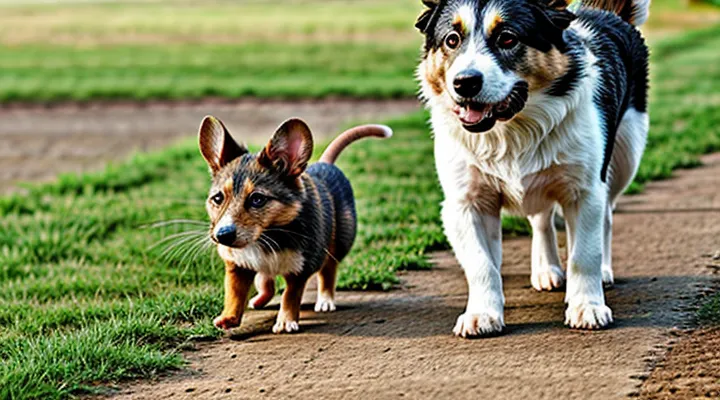
Understanding the Instinct: Dogs and Rodent Control
The Predator-Prey Relationship in Canine History
Early Roles of Dogs in Pest Management
Dogs have been employed to suppress rodent populations for millennia. Early agricultural societies recognized the value of canine predators in protecting grain stores, and archaeological evidence from ancient Egypt and Mesopotamia shows dogs positioned near granaries and barns.
Classical texts from Rome describe “mousers” trained to patrol warehouses and marketplaces. Medieval European records list “rat‑catching dogs” as essential assets for monasteries, inns, and ships, where infestations threatened food supplies and disease control.
Key canine types historically selected for rodent hunting include:
- Small, agile terriers (e.g., Jack Russell, Rat Terrier) bred for speed and tenacity.
- Long‑bodied, low‑to‑ground breeds such as Dachshunds, capable of entering burrows.
- Compact, muscular hounds like the French Greyhound, used on farms for rapid pursuit.
Training emphasized scent discrimination, rapid response to movement, and endurance in confined spaces. Dogs worked alongside humans, retrieving caught rodents and alerting handlers to infestation hotspots, thereby reducing reliance on toxic substances.
These early practices shaped the genetic emphasis on prey drive, agility, and size that modern mouse‑hunting breeds retain, informing contemporary assessments of canine effectiveness against small vermin.
Genetic Predisposition for Hunting Small Prey
Genetic influences shape a dog’s instinct to pursue and subdue tiny vertebrates. Selection for hunting ability has left measurable signatures in the canine genome, especially in loci governing sensory acuity, motor coordination, and drive. Variants in the DRD4 and MAOA genes correlate with heightened motivation and reduced fear of rapid movement, while polymorphisms in the olfactory receptor cluster enhance detection of rodent scent trails. Muscle‑fiber composition genes, such as MSTN, contribute to the burst speed required for short‑range chases.
Breeds that retain these alleles display a measurable propensity for rodent capture. The following breeds exhibit the strongest genetic predisposition for hunting small prey:
- Terrier families (e.g., Jack Russell, Rat Terrier, Cairn Terrier) – enriched for DRD4 high‑activity alleles and superior olfactory receptor diversity.
- Small hound types (e.g., Beagle, Harrier) – carry MAOA variants linked to sustained tracking drive and robust scent discrimination.
- Working terrier mixes (e.g., Parson Russell, Fox Terrier) – combine MSTN‑related fast‑twitch muscle fibers with heightened visual acuity genes.
- Certain spaniel lines (e.g., English Springer Spaniel) – possess a blend of sensory and motor gene clusters favoring low‑level ground pursuit.
These genetic patterns translate into observable behavior: rapid response to squeaks, persistent digging, and focused attention on moving shadows. Recognizing the hereditary basis of prey drive allows owners and breeders to predict a dog’s effectiveness in rodent control, guide training protocols, and inform health monitoring for traits such as muscle metabolism and stress response.
Top Dog Breeds Known for Mouse Catching
Terriers: Masters of the Hunt
Jack Russell Terrier
The Jack Russell Terrier is a small, energetic breed renowned for its instinctive hunting ability. Bred in the 19th century to chase foxes and vermin, the breed retains a sharp prey drive that translates well to mouse control.
Physical characteristics support this function. The dog weighs 13–17 lb, stands 10–15 in tall, and possesses a compact, muscular frame that enables rapid acceleration and tight maneuverability in confined spaces. A dense, weather‑resistant coat protects the animal while it works in varied environments.
Behavioral traits further enhance effectiveness. The breed exhibits high alertness, quick decision‑making, and relentless focus on moving targets. These qualities, combined with strong scent discrimination, allow the Jack Russell to locate and pursue small rodents with minimal distraction.
Practical considerations for using the Jack Russell Terrier in mouse control include:
- Training: Basic obedience and recall are essential; targeted hunting drills reinforce the natural chase instinct.
- Socialization: Early exposure to household members and other pets prevents excessive aggression toward non‑target animals.
- Health: The breed’s robust constitution tolerates active work, though regular dental care and joint monitoring are advisable.
Overall, the Jack Russell Terrier’s blend of size, agility, and innate predatory drive makes it one of the most reliable canine options for managing mouse populations in domestic and agricultural settings.
Rat Terrier
The Rat Terrier is a compact, energetic breed frequently employed for rodent control. Its muscular frame, standing between 10 and 18 inches at the shoulder, combines speed with endurance, enabling rapid pursuit of small prey.
Key attributes that support mouse hunting include:
- High prey drive – innate instinct to chase and capture vermin.
- Agility – ability to navigate tight spaces and low‑lying areas where mice hide.
- Intelligence – quick learning of commands and adaptation to varied hunting scenarios.
- Stamina – sustained activity without fatigue, suitable for prolonged barn or house work.
Historically, Rat Terriers served on farms and in warehouses, where they consistently reduced mouse populations. Their keen sense of smell and sharp hearing locate hidden rodents, while a decisive bite eliminates the target. Owners report reliable performance in both indoor and outdoor environments.
Effective use of a Rat Terrier for mouse control requires regular exercise, mental challenges, and a balanced diet to maintain health. Early socialization and consistent training reinforce the breed’s natural hunting instincts while preventing excessive aggression toward non‑target animals. Proper veterinary care, including vaccinations and parasite prevention, ensures the dog remains fit for active duty.
Cairn Terrier
The Cairn Terrier originated in the Scottish Highlands as a vermin‑control dog. Its compact frame, typically 10–13 inches tall and weighing 13–14 lb, allows entry into tight spaces where rodents hide.
Key attributes that support mouse hunting include:
- Acute olfactory sense that detects prey beneath floorboards or in burrows.
- High energy level and stamina for rapid, sustained pursuit.
- Strong prey drive inherited from ancestors that tracked foxes and badgers.
- Sturdy jaws capable of gripping and subduing small mammals without injury.
In practice, Cairn Terriers respond well to basic scent‑training and can locate mice in residential settings, barns, and gardens. Their confidence around humans reduces the need for constant supervision, yet they require regular exercise to prevent destructive behavior when prey is absent.
Overall, the breed combines size, agility, and instinctual hunting skill, making it a reliable choice for owners who need an effective rodent‑catcher.
Yorkshire Terrier
Yorkshire Terriers possess a strong prey drive despite their small stature. Their compact size enables them to navigate tight spaces where rodents hide, while their keen sense of smell and quick reflexes allow swift detection and pursuit of mice. The breed’s high energy level translates into persistent chasing behavior, making them effective at flushing rodents from walls, attics, and cupboards.
Key characteristics that support mouse hunting:
- Keen olfactory ability – detects scent trails in confined areas.
- Agility – squeezes through narrow openings and climbs vertical surfaces.
- Alert temperament – remains focused on moving targets and reacts instantly.
- Territorial instinct – defends home environment, prompting pursuit of intruders.
Training enhances these natural traits. Early exposure to controlled mouse-scent stimuli builds confidence, while positive reinforcement rewards successful chase attempts. Consistent practice ensures the dog distinguishes between play and genuine hunting, reducing unwanted aggression toward household pets.
Potential limitations include the breed’s delicate bone structure, which may be vulnerable to injury if the dog attempts to catch larger or aggressive rodents. Supervision during initial hunting sessions mitigates risk. Providing a safe, escape‑free environment maximizes effectiveness while safeguarding the dog’s health.
Overall, the Yorkshire Terrier combines sensory acuity, physical agility, and a driven personality, making it a viable candidate among small‑to‑medium breeds for controlling mouse populations in residential settings.
Miniature Schnauzer
The Miniature Schnauzer combines compact size with a strong predatory instinct, making it a viable candidate for mouse control in homes and small farms. Bred originally to chase vermin, the breed retains sharp senses, quick reflexes, and a tenacious bite. Its dense, wiry coat protects against minor scratches, and its moderate energy level allows sustained activity without excessive wear on the environment.
Key characteristics that support mouse-hunting performance:
- Keen hearing and sight – detects subtle movements under furniture and in walls.
- Natural prey drive – inherited from ancestor terriers, prompts pursuit of small rodents.
- Alert, confident demeanor – encourages consistent engagement rather than hesitation.
- Adaptability to indoor settings – comfortable in confined spaces, easy to train for specific tasks.
Training considerations:
- Introduce a scent cue (e.g., a live mouse or a synthetic lure) to reinforce the hunting response.
- Use short, positive reinforcement sessions to shape the chase and capture behavior.
- Provide regular mental stimulation to prevent boredom, which can diminish focus on vermin.
Health and maintenance factors:
- Average lifespan of 12–15 years offers long-term pest-control utility.
- Minimal grooming needs reduce distraction from hunting duties.
- Low predisposition to hereditary conditions ensures consistent performance.
Overall, the Miniature Schnauzer’s blend of sensory acuity, drive, and suitability for indoor environments positions it as an effective mouse-catching breed.
Other Instinctive Hunters
Dachshund
The Dachshund, originally bred to pursue burrowing game, possesses traits that make it a competent mouse catcher. Its elongated body and short legs allow it to enter narrow tunnels where rodents hide. Strong scent detection enables the dog to locate prey even in concealed spaces. A determined temperament drives the animal to persist until the target is captured.
Key characteristics that support mouse hunting:
- Scent acuity: Highly developed olfactory sense identifies mouse trails.
- Body shape: Low, flexible frame fits into tight burrows.
- Drive: Natural instinct to chase and flush out small mammals.
- Alertness: Quick reaction to subtle movements or sounds.
Effectiveness varies with individual training and environment. Regular exposure to controlled hunting scenarios enhances the Dachshund’s confidence and success rate. Proper handling prevents injuries, as the breed’s enthusiasm can lead to aggressive bites if the mouse resists.
Overall, the Dachshund’s anatomy, sensory abilities, and instinctual drive qualify it as one of the dog breeds capable of catching mice, provided it receives appropriate guidance and supervision.
Manchester Terrier
The Manchester Terrier is a compact, agile breed historically employed for vermin control. Its origins trace to 19th‑century England, where it was developed to hunt rats and mice in warehouses and homes. The breed’s physical characteristics—muscular frame, strong jaws, and high stamina—enable rapid pursuit and effective capture of small prey.
Key attributes that make the Manchester Terrier an efficient mouse hunter include:
- Size and agility: Weighing 12–22 lb, the dog can navigate tight spaces and move swiftly across floors and walls.
- Sharp bite and grip: Dental structure and strong neck muscles allow a firm hold on a mouse without causing injury to the dog.
- High prey drive: Bred for hunting, the breed exhibits an instinctive focus on moving rodents.
- Alert temperament: Constant vigilance reduces the chance of rodents evading detection.
Training reinforces natural instincts. Early exposure to live or simulated rodents builds confidence, while consistent reward‑based commands sharpen the dog’s response to rustling sounds. Proper socialization prevents excessive aggression toward household pets, ensuring the Manchester Terrier remains a reliable, controllable pest‑control companion.
Overall, the Manchester Terrier’s combination of size, strength, instinct, and trainability positions it among the most capable canine options for mouse hunting.
Border Terrier
The Border Terrier is a small, agile breed historically employed to control rodent populations on farms and in homesteads. Its compact size enables entry into narrow burrows and tight spaces where mice hide.
Physically, the breed possesses a low‑to‑the‑ground stance, strong forequarters, and a dense, weather‑resistant coat that protects against scratches and bites. These features provide stability and endurance during prolonged pursuits underground.
Temperamentally, Border Terriers exhibit a high prey drive, sharp focus, and persistent determination. They respond quickly to scent cues, maintain concentration despite distractions, and display a willingness to work independently without excessive guidance.
Key attributes that facilitate effective mouse hunting:
- Acute sense of smell for locating hidden prey
- Sturdy, muscular build suited for digging and maneuvering in confined tunnels
- Endurance for sustained activity without fatigue
- Natural instinct to chase and capture small vermin
Collectively, these characteristics make the Border Terrier a reliable option for those seeking a canine capable of reducing mouse infestations.
Patterdale Terrier
The Patterdale Terrier is a compact, muscular breed developed for vermin control in the rugged terrain of England’s Lake District. Its low‑to‑the‑ground build, powerful jaws, and quick acceleration enable it to pursue and subdue small prey such as mice with efficiency.
Key physical traits that aid in rodent capture include:
- Height of 13–15 cm at the shoulder, allowing access to tight spaces.
- Weight of 6–9 kg, providing sufficient strength without sacrificing agility.
- Dense, weather‑resistant coat that protects against drafts in burrows.
Behaviorally, the breed exhibits a pronounced prey drive, relentless determination, and a willingness to work independently. These characteristics stem from centuries of selective breeding for hunting ground‑hunting pests, resulting in a dog that will track, chase, and kill rodents without extensive direction.
Historically, Patterdale Terriers were employed by farmers and gamekeepers to eliminate field mice and other small vermin threatening crops and stored provisions. Their success in these roles established the breed’s reputation as a reliable pest‑control companion.
In contemporary settings, owners report consistent results when using Patterdale Terriers for indoor or out‑building mouse management. The dogs adapt to both rural and urban environments, provided they receive regular exercise to channel their high energy levels.
Effective deployment requires early socialization and basic recall training to ensure safety during hunts. Positive reinforcement methods encourage the natural instinct while preventing excessive aggression toward non‑target animals. Regular health checks, particularly for joint and dental issues, support sustained performance in rodent‑hunting tasks.
Factors Influencing a Dog's Mouse-Catching Ability
Breed-Specific Traits and Temperament
Dog breeds that excel at catching mice share distinct physical and behavioral characteristics. Small to medium size, high prey drive, keen hearing, and rapid reflexes enable effective pursuit of rodents. Energetic temperaments combined with independent problem‑solving tendencies encourage spontaneous hunting without constant direction from owners.
Key traits influencing mouse‑hunting ability:
- Alertness – constant awareness of subtle movements and sounds.
- Agility – ability to maneuver in tight spaces, climb, and dig.
- Persistence – willingness to chase prey until capture.
- Temperament – confidence around small animals, low fear response.
Breeds that consistently display these attributes include:
- Jack Russell Terrier – intense focus, strong digging instinct, rapid bursts of speed.
- Miniature Schnauzer – sharp hearing, sturdy build, natural inclination toward vermin control.
- Rat Terrier – high prey drive, adaptable to indoor and outdoor environments, tenacious pursuit.
- Yorkshire Terrier – compact size, acute scent detection, quick reflexes.
- Border Terrier – resilient, excellent at navigating underbrush, persistent tracking.
Temperament assessment reinforces breed selection. Dogs that are confident yet not overly aggressive maintain control over captured mice without causing injury. Conversely, overly timid or overly dominant dogs may either flee or mishandle prey. Evaluating a dog’s response to moving objects, willingness to explore confined areas, and consistency of focus provides reliable indicators of mouse‑hunting potential.
Training and Socialization
Encouraging Natural Instincts
Dogs with a pronounced prey drive can be effective rodent hunters when their natural instincts are supported. Breeds that consistently display tracking, chasing, and capture behavior include:
- Jack Russell Terrier
- Rat Terrier
- Miniature Schnauzer
- Dachshund
- Border Collie
- Australian Cattle Dog
These breeds possess acute scent perception, high energy levels, and a historic role in pest control. To channel these traits toward mouse capture, follow a structured approach:
- Introduce a realistic scent source, such as a live mouse or a synthetic rodent odor, in a controlled environment.
- Conduct short, frequent tracking sessions that end with a successful capture or simulated kill, reinforcing the behavior with praise and a food reward.
- Gradually increase the complexity of the search area, adding obstacles and varying lighting conditions to mimic typical household settings.
- Maintain a consistent schedule, preventing skill degradation and preserving motivation.
Environmental factors also influence performance. Provide ample space for movement, ensure safe, non‑toxic surfaces, and eliminate distractions that could suppress the dog’s focus. Regular health checks guarantee that the animal’s physical condition supports vigorous activity.
By selecting breeds with innate predatory aptitude and applying systematic conditioning, owners can reliably harness canine instincts for effective mouse control.
Discouraging Harmful Behaviors
Dog breeds with strong rodent‑hunting instincts often pursue mice instinctively. When owners encourage this behavior, they risk unnecessary killing, disruption of local ecosystems, and potential legal repercussions.
Breeds commonly able to catch mice include:
- Jack Russell Terrier
- Rat Terrier
- Miniature Schnauzer
- Dachshund
- Cairn Terrier
- Border Terrier
Discouraging destructive predatory actions protects wildlife and promotes humane treatment of all animals. Effective measures consist of consistent obedience training, providing mental and physical enrichment, and limiting unsupervised access to areas where rodents may appear. Positive reinforcement for non‑aggressive responses replaces chasing with calm behavior.
Implementing these practices ensures that a dog’s natural abilities are channeled responsibly, safeguarding both the pet and the surrounding environment.
Environmental Considerations
Rural Versus Urban Settings
The ability of dogs to control rodent populations depends heavily on the environment in which they operate. Rural areas provide open fields, barns, and grain storage where prey is abundant and visibility is high, while urban neighborhoods present limited outdoor space, frequent human traffic, and fewer natural hiding places for mice.
In countryside settings, breeds with strong scenting capabilities, high stamina, and a natural drive to chase small game excel.
- Beagle – keen nose, persistent tracking.
- German Shorthaired Pointer – versatile hunter, works well in fields.
- Border Collie – intelligent, adaptable to varied terrain.
- Jack Russell Terrier – small, agile, thrives in barns and hedgerows.
City environments demand compact size, low noise, and the ability to operate within confined indoor or balcony spaces. Breeds that combine alertness with a calm demeanor are most effective.
- Miniature Schnauzer – alert, manageable size, good indoor hunter.
- Rat Terrier – energetic yet adaptable to apartment life.
- French Bulldog – sturdy, tolerates close quarters, responsive to training.
- Dachshund – low profile, excels at flushing rodents from tight spaces.
Training methods must reflect the setting. Rural dogs benefit from extended field exercises that reinforce tracking and endurance, whereas urban dogs require short, focused sessions that emphasize precision and rapid response to limited cues. Nutrition, health monitoring, and regular veterinary care are essential in both contexts to maintain the dogs’ hunting efficiency.
Availability of Prey
The presence of small rodents in a given environment determines whether a dog can be expected to hunt them successfully. Urban apartments typically host few mice, limiting opportunities for any breed. Rural farms, grain storage facilities, and barns often sustain mouse populations at levels that support regular predation.
Key factors influencing prey availability include:
- Food source density – Areas with abundant grain, waste, or shelter attract larger mouse colonies.
- Seasonal cycles – Reproductive peaks in spring and autumn increase rodent numbers, providing more targets.
- Human activity – Practices such as regular pest control or sanitation reduce mouse presence, diminishing hunting chances for dogs.
When prey is plentiful, breeds with strong scent drives and agility—such as terriers, dachshunds, and certain hounds—demonstrate higher capture rates. In contrast, environments where mice are scarce render even the most capable hunters ineffective, regardless of breed.
Responsible Pet Ownership and Pest Control
Health Risks Associated with Rodent Hunting
Parasites and Diseases
Dog breeds employed for rodent control are frequently exposed to parasites and diseases carried by mice. Direct contact with captured rodents, ingestion of prey, or environmental contamination creates pathways for infection.
Common parasites transmitted from mice to dogs include:
- Toxocara canis and Toxascaris leonina eggs deposited in rodent feces, which dogs can ingest while hunting.
- Echinococcus multilocularis cysts present in rodent tissues, leading to alveolar echinococcosis in canines.
- Fleas (Ctenocephalides spp.) and ticks (Ixodes ricinus) that infest rodents and subsequently attach to dogs.
- Mites such as Sarcoptes scabiei that can be acquired from rodent burrows.
Rodent‑borne diseases affecting hunting dogs comprise:
- Leptospirosis caused by Leptospira spp., entering through skin abrasions or ingestion of contaminated water.
- Hantavirus infection, rare in canines but documented in regions with high rodent prevalence.
- Salmonellosis resulting from consumption of infected rodent meat.
- Plague (Yersinia pestis) transmitted via flea bites from rodent hosts.
Preventive measures:
- Administer broad‑spectrum anthelmintics monthly, targeting nematodes, tapeworms, and protozoa.
- Use veterinary‑approved flea and tick preventatives year‑round.
- Conduct regular fecal examinations and serological testing for leptospirosis and other zoonoses.
- Restrict access to dead rodents, and clean hunting areas to reduce environmental contamination.
- Provide vaccinations against leptospirosis and rabies where applicable.
Monitoring health status through routine veterinary check‑ups ensures early detection of parasite burdens and disease onset, maintaining the effectiveness of canine rodent control.
Injuries from Bites
When evaluating dogs capable of hunting rodents, bite‑related injuries demand attention because they affect both animal welfare and handler safety.
Common injuries resulting from a dog’s bite include:
- Puncture wounds that penetrate skin and muscle, creating a pathway for bacterial infection.
- Lacerations that may sever blood vessels, leading to rapid blood loss.
- Contusions and bruising caused by the force of the bite, potentially damaging underlying tissue.
- Avulsion injuries where skin or tissue is torn away, often requiring surgical repair.
- Nerve damage that can result in loss of sensation or motor function in the affected area.
Effective management begins with immediate wound cleaning, application of pressure to control bleeding, and professional veterinary assessment. Antibiotic therapy is indicated for deep punctures or contaminated wounds. Tetanus prophylaxis should be considered when vaccination status is uncertain. In severe cases, suturing, debridement, or reconstructive surgery may be necessary.
Preventive measures focus on proper training, controlled environments, and regular health checks to reduce the likelihood of aggressive encounters. Selecting mouse‑hunting breeds with documented temperament stability further minimizes bite risk.
Safe Practices for Dogs and Rodents
Veterinary Care and Prevention
Dogs that are employed to catch mice require veterinary oversight that addresses the unique health risks of hunting small rodents. Regular examinations should focus on orthopedic health, as frequent rapid movements and sudden stops increase the likelihood of joint strain and ligament injury. Immunizations against common canine diseases must be up‑to‑date, with particular attention to rabies protection due to potential exposure to infected wildlife. Parasite control is essential; rodents can transmit fleas, ticks, and intestinal worms, so a year‑round prophylactic regimen is mandatory.
Preventive measures that support a mouse‑hunting dog’s performance include:
- Vaccination schedule: core vaccines (rabies, distemper, parvovirus) plus region‑specific boosters.
- Parasite management: monthly flea and tick preventatives, quarterly deworming, and regular fecal examinations.
- Nutritional plan: high‑protein diet calibrated for active metabolism, supplemented with joint‑support nutrients such as glucosamine and omega‑3 fatty acids.
- Physical conditioning: routine stretching, controlled agility drills, and gradual exposure to hunting scenarios to build stamina and prevent overuse injuries.
- Dental care: daily brushing and biannual cleanings to reduce bacterial load that could spread systemically after bites or scratches.
Monitoring for signs of illness—lethargy, loss of appetite, coughing, or abnormal gait—allows early intervention, preserving the dog’s ability to fulfill its rodent‑control role while maintaining overall welfare.
Alternative Pest Control Methods
Dogs with strong predatory instincts can reduce rodent populations, yet relying solely on canine hunters may leave gaps in an integrated pest‑management plan.
Alternative approaches complement canine activity and address infestations where dogs are unsuitable or unavailable.
- Snap or live traps positioned along walls and near food sources
- Ultrasonic emitters calibrated to frequencies that deter mice without harming pets
- Chemical baits formulated for low toxicity to non‑target species, applied in tamper‑proof stations
- Biological agents such as barn owls, feral cats, or predatory insects introduced under controlled conditions
- Sanitation measures: sealed food containers, regular waste removal, and elimination of clutter that provides shelter
- Structural exclusion: sealing gaps, installing door sweeps, and reinforcing foundation cracks
Combining canine hunters with these tactics creates redundancy, reduces reliance on any single method, and limits the risk of resistance or habituation. For example, traps placed in areas where dogs patrol can capture individuals that evade detection, while ultrasonic devices discourage entry into newly sealed openings.
Effective rodent control therefore involves a layered strategy: select dog breeds known for mouse‑hunting ability, augment their presence with mechanical, acoustic, chemical, biological, and structural interventions, and maintain rigorous housekeeping to deny rodents access to food and refuge.
Ethical Considerations of Using Dogs for Pest Control
Dogs have been employed to reduce rodent populations for centuries, yet their deployment raises distinct ethical questions. First, the welfare of the animal must be assured. Training programs should avoid harsh punishments, prioritize positive reinforcement, and provide regular veterinary care. Second, the risk of injury to the dog is real; hunting mice can expose dogs to diseases, parasites, and physical harm from bites or contaminated environments. Mitigation measures include health screenings, protective gear, and limiting exposure time.
Third, the impact on non‑target wildlife warrants scrutiny. Dogs may chase or kill birds, amphibians, or beneficial insects while pursuing rodents. Ethical practice requires supervision, clear boundaries, and exclusion zones to protect vulnerable species. Fourth, the use of dogs should not replace humane, integrated pest‑management strategies. Chemical controls, sanitation, and structural barriers remain essential; dogs function best as a supplemental, not sole, method.
Key considerations for responsible canine pest control:
- Consent and purpose – owners must choose breeds with natural predatory instincts and ensure the dog’s role aligns with its temperament.
- Training standards – certified trainers should implement humane techniques, avoiding coercion.
- Health safeguards – vaccinations, deworming, and regular health checks are mandatory.
- Environmental protection – monitoring to prevent collateral damage to wildlife.
- Legal compliance – adherence to local animal welfare regulations and pest‑control statutes.
Addressing these points balances effective rodent reduction with the moral obligation to protect canine health, prevent unnecessary suffering of other animals, and uphold societal standards for responsible animal use.