
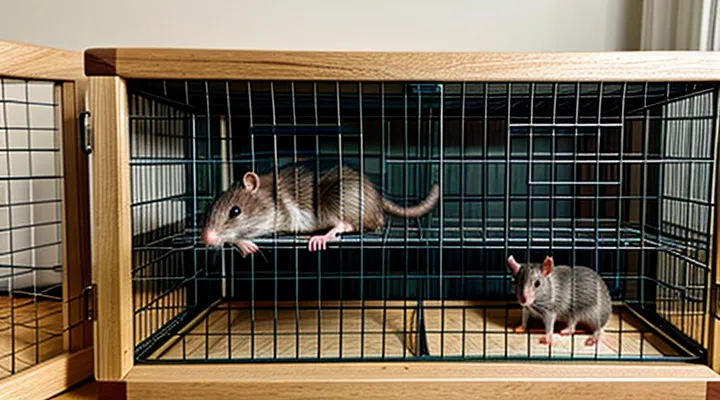
Understanding Rat Needs for Optimal Housing
Space Requirements
Minimum Dimensions
A rat’s well‑being depends on sufficient space for movement, exploration, and exercise. An enclosure that fails to meet basic size requirements restricts natural behaviors and can lead to stress‑related health issues.
- Floor area: at least 0.19 m² (approximately 2 sq ft) per adult rat. For two rats, provide a minimum of 0.38 m² (4 sq ft). Larger floor space improves enrichment options and reduces territorial conflicts.
- Height: minimum 30 cm (12 in). Rats climb frequently; a taller cage allows vertical exploration and the placement of ladders, platforms, and hanging toys.
- Depth: at least 30 cm (12 in) to accommodate bedding depth, tunnels, and nesting material without crowding the floor space.
- Ventilation: openings must occupy no less than 15 % of the cage surface to ensure adequate airflow while preventing drafts.
When multiple rats share a cage, multiply the floor‑area figure by the number of occupants and maintain the same height and depth standards. Selecting a cage that satisfies these dimensions supports the animal’s physical health and behavioral needs.
Importance of Vertical Space
Rats are arboreal by nature; they instinctively seek height to explore, perch, and escape ground-level threats. A cage that incorporates vertical space aligns with this behavior, providing a more realistic environment.
Vertical dimensions allow rats to climb ladders, ropes, or platforms, which engages muscles used in natural locomotion. Regular climbing supports joint health, maintains muscle tone, and reduces the risk of obesity. Elevated perches also serve as observation points, decreasing anxiety by offering a sense of security.
Effective use of height requires careful planning. The cage interior should include:
- Secure, stable platforms positioned at varying levels.
- Climbing aids such as braided rope, wooden dowels, or mesh tunnels.
- Safe anchoring points to prevent collapse under the animal’s weight.
- Easy access for cleaning, with removable shelves or hinged panels.
When measuring, prioritize a cage height that exceeds the rat’s standing length by at least 1.5 times. This ratio ensures sufficient room for full extension of limbs while climbing. Position food and water stations on lower levels to encourage movement between tiers, promoting consistent activity throughout the day.
In summary, incorporating vertical space into a rat enclosure replicates natural habitats, enhances physical health, and mitigates stress. Selecting a cage with adequate height, sturdy climbing structures, and accessible cleaning features directly contributes to the well‑being of the animal.
Types of Cages
Wire Cages
Wire cages are a prevalent option for housing rats because they provide reliable ventilation, easy cleaning, and durable construction. The open framework allows airflow that reduces humidity and odor buildup, which are critical for rodent health.
Key specifications for an appropriate wire cage include:
- Bar spacing no larger than ½ inch (≈1.3 cm) to prevent escape and injury.
- Minimum floor area of 2 sq ft (≈0.19 m²) per adult rat; larger enclosures improve activity levels.
- Height of at least 12 in (≈30 cm) to accommodate climbing and nesting structures.
- Sturdy, rust‑resistant metal such as stainless steel or powder‑coated steel to avoid corrosion and toxic coatings.
- Secure, chew‑proof latch mechanisms that allow quick access without compromising security.
Maintenance considerations focus on hygiene and durability. Removable trays or grate floors simplify waste removal; a smooth interior surface prevents nicks and facilitates disinfectant application. Periodic inspection of bar integrity and latch function is mandatory to detect wear before it compromises safety.
Safety and enrichment aspects require attention to interior layout. Provide solid platforms or hammocks to protect paws from sharp edges, and attach chew‑proof toys or tunnels to satisfy natural exploratory behavior. Ensure that any accessories are affixed securely to avoid collapse. Properly sized wire cages, when built to these standards, meet the physiological and behavioral needs of rats while offering owners straightforward upkeep.
Advantages of Wire Cages
Wire cages are frequently recommended for pet rats because their design supports the animal’s natural behaviors and health requirements.
- Mesh walls provide constant airflow, reducing humidity and preventing respiratory problems.
- Open structure allows visual monitoring of activity, facilitating early detection of illness or injury.
- Horizontal and vertical bars create a climbing surface, encouraging exercise and muscle development.
- Removable trays simplify cleaning, enabling thorough removal of waste and minimizing bacterial growth.
- Metal construction resists gnawing damage, extending the cage’s lifespan compared with plastic alternatives.
The combination of ventilation, observation ease, enrichment opportunities, hygiene, and durability makes wire cages a practical choice for maintaining a rat’s well‑being.
Disadvantages of Wire Cages
Wire cages are frequently chosen for small‑animal housing because of their low cost and ease of cleaning. However, several inherent drawbacks make them unsuitable for optimal rat welfare.
- Insufficient insulation – Metal bars conduct heat and cold, causing rapid temperature fluctuations that can stress rats and increase the risk of respiratory illness.
- Limited enrichment opportunities – The open grid design restricts the placement of climbing structures, tunnels, and bedding, reducing the ability to satisfy rats’ natural exploratory behavior.
- Risk of injury – Gaps between bars may trap paws or tails, leading to bruises, abrasions, or broken digits.
- Noise amplification – Metal frames generate echoing sounds when rats move, which can heighten stress levels.
- Poor humidity control – Open ventilation accelerates moisture loss, leading to dry skin and compromised fur condition.
These factors collectively diminish the health, comfort, and behavioral fulfillment of rats housed in wire enclosures, indicating that alternative cage types should be prioritized when selecting an appropriate habitat.
Aquarium/Glass Tanks
Aquarium or glass tank enclosures are frequently considered for small rodents because they provide a clear view of the animal and are easy to clean. Their rigid walls prevent chewing damage, and the sealed design reduces the risk of escape. However, several functional aspects limit their suitability for a pet rat.
- Ventilation: Most glass tanks rely on a single opening or mesh lid, which may not supply sufficient airflow. Inadequate ventilation can lead to humidity buildup and respiratory issues.
- Space: Rats require vertical climbing opportunities and horizontal room for exploration. Standard aquarium dimensions often constrain these behaviors, especially if the tank lacks multiple levels or platforms.
- Enrichment: The smooth interior surfaces offer little opportunity for gnawing or nesting. Adding chewable items, tunnels, and hammocks is essential but may be difficult to secure inside a glass enclosure.
- Temperature regulation: Glass conducts heat and cold more readily than wood or plastic cages. Without a reliable heating pad or cooling system, the interior temperature can fluctuate dramatically.
When selecting an enclosure, evaluate whether the tank can accommodate a secure, ventilated lid, provide at least 0.5 square feet of floor space per rat, and allow for enrichment accessories. If these criteria cannot be met, a purpose‑built rodent cage typically offers a more appropriate environment for a healthy, active rat.
Advantages of Aquariums
Choosing an appropriate enclosure for a pet rat involves evaluating material, size, ventilation, and ease of cleaning. An aquarium meets these criteria and offers distinct benefits.
- Transparent walls allow continuous visual monitoring without disturbing the animal.
- Seamless glass surfaces prevent chewing damage and reduce escape risk.
- Standard aquarium lids provide secure, predator‑proof closure while maintaining airflow through drilled vents.
- Wide base dimensions facilitate placement of enrichment items such as tunnels, wheels, and climbing structures.
- Flat, non‑porous interior simplifies disinfection with mild detergents, eliminating bacterial buildup.
- Compatibility with commercial aquarium accessories (heaters, filters) enables climate control for species requiring specific temperature or humidity levels.
The structural rigidity of glass supports stable stacking of bedding and substrate, preserving the rat’s natural digging behavior. Moreover, the clear view enhances owner engagement, allowing immediate assessment of health indicators such as coat condition and activity level. When paired with appropriate bedding and enrichment, an aquarium serves as a practical, durable, and hygienic housing solution for rats.
Disadvantages of Aquariums
Aquariums are often considered for small‑animal housing, but they present several drawbacks that make them unsuitable for a pet rat.
- Lack of ventilation leads to high humidity, which promotes respiratory problems and skin irritation in rodents.
- Smooth glass walls prevent climbing and chewing, depriving rats of natural behaviors essential for mental health.
- Limited floor space restricts movement; rats require a horizontal area at least three times their body length to explore and exercise.
- Absence of solid flooring prevents the use of bedding, increasing the risk of foot injuries and hindering waste absorption.
- Glass construction makes cleaning difficult; water residue can accumulate, fostering bacterial growth that endangers the animal’s health.
- Aquariums cannot be securely locked, allowing escape through gaps or loose lids, which compromises safety.
These factors collectively undermine the welfare of a rat and indicate that alternative enclosures—such as wire cages with solid bases—are more appropriate for meeting the species’ physiological and behavioral needs.
DIY Enclosures
Rats require a secure, spacious enclosure that mimics natural habitats while allowing easy maintenance. Building a cage yourself offers control over size, materials, and cost, ensuring the environment meets the animal’s physiological and behavioral needs.
A well‑designed DIY enclosure should incorporate the following elements:
- Minimum floor area of 2 sq ft per rat, with additional space for each extra animal.
- Height of at least 12 inches to accommodate climbing structures.
- Solid base of untreated wood or acrylic to prevent gnawing damage.
- Wire mesh of 0.25 mm gauge for ventilation, secured with stainless‑steel hardware cloth to avoid rust.
- Locking mechanisms that prevent escape yet allow quick access for cleaning.
- Rounded edges on all frames to reduce injury risk.
- Removable sections for easy waste removal and substrate changes.
Materials such as melamine, PVC panels, and powder‑coated metal provide durability without toxic off‑gassing. When constructing the frame, use corner brackets and non‑lead screws to maintain structural integrity. Seal joints with a pet‑safe silicone to block gaps where rats could hide or escape.
Enrichment features—shelves, tunnels, and chew toys—should be integrated during assembly. Attach platforms with brackets, ensuring they support the animal’s weight. Provide nesting material in a dedicated corner, and include a water bottle with a stainless‑steel spout to prevent contamination.
Regular inspection of the enclosure’s components is essential. Replace any worn mesh, tighten loose hardware, and verify that the ventilation remains unobstructed. Cleaning should involve removing all accessories, washing the base with a mild, unscented detergent, and rinsing thoroughly before reassembly.
By following these specifications, a homemade cage can meet the standards required for healthy rat housing, offering a cost‑effective and customizable solution.
Benefits of DIY Cages
A self‑constructed rat enclosure offers several practical advantages that directly affect the suitability of the habitat.
First, custom dimensions allow precise alignment with the animal’s activity level and space requirements. Builders can create levels, tunnels, and platforms that match the rat’s natural climbing behavior, eliminating the compromises often found in pre‑made cages.
Second, material selection enhances durability and safety. Using stainless‑steel mesh, solid wood, or acrylic panels eliminates the risk of rust, sharp edges, or toxic coatings present in some commercial options. The ability to replace individual components extends the cage’s lifespan and reduces long‑term costs.
Third, cost efficiency results from sourcing raw materials at bulk rates and avoiding markup on branded products. A well‑planned DIY project typically costs a fraction of an equivalent ready‑made cage while delivering equal or superior functionality.
Fourth, sanitation improves through design that incorporates removable trays, easy‑access doors, and detachable accessories. Cleaning routines become faster, decreasing stress on the animal and minimizing pathogen buildup.
Fifth, adaptability supports future modifications. As the rat matures or breeding needs change, the enclosure can be expanded or reconfigured without purchasing an entirely new system.
Key benefits of building a rat cage:
- Precise sizing for optimal enrichment
- Superior material control for health and durability
- Lower initial investment and reduced replacement expenses
- Streamlined cleaning via modular components
- Flexible redesign to meet evolving requirements
Overall, a homemade enclosure aligns closely with the criteria for an appropriate rat habitat, delivering tailored space, safety, affordability, and long‑term adaptability.
Considerations for DIY Cages
When constructing a rat enclosure yourself, begin with the cage’s dimensions. A single adult rat requires at least 2 sq ft of floor space; a pair needs 4 sq ft. Provide a minimum height of 12 in to accommodate climbing and nesting structures.
Select materials that resist gnawing and corrosion. Untreated pine, acrylic panels, and stainless‑steel wire mesh meet these criteria. Avoid soft woods, painted surfaces, and thin plastic that a rat can breach.
Ventilation is critical for air quality and odor control. Incorporate a mesh side wall or a series of small vents spaced no more than 1 in apart. Ensure openings are too small for the animal to escape but large enough to allow airflow.
Safety hinges on eliminating sharp edges and loose fittings. Sand all cut surfaces, file rough corners, and secure hardware with lock‑tight nuts. Regularly inspect joints for loosening.
Cleaning efficiency influences health. Design the cage with removable trays or a sloped floor that directs waste toward a collection bin. Use non‑porous surfaces that tolerate mild disinfectants without degradation.
Enrichment can be integrated into the DIY design. Attach wooden dowels, hanging tunnels, and chew blocks to the interior framework. Position these elements at varying heights to encourage natural behaviors.
Cost considerations include material price, tools required, and labor time. Bulk purchasing of wire mesh and acrylic reduces per‑unit expense. Simple joinery, such as corner brackets, minimizes the need for specialized equipment.
Durability improves with proper sealing. Apply a food‑grade silicone sealant to all seams exposed to moisture. Replace worn components promptly to prevent structural failure.
Summarized checklist:
- Minimum floor area: 2 sq ft per rat
- Height: ≥ 12 in
- Materials: untreated pine, acrylic, stainless‑steel mesh
- Ventilation: mesh side wall, 1‑in spaced vents
- Safety: sanded edges, lock‑tight hardware
- Cleaning: removable trays, non‑porous surfaces
- Enrichment: dowels, tunnels, chew blocks
- Cost: bulk materials, simple joinery
- Durability: food‑grade silicone sealant, regular inspections
Adhering to these parameters yields a functional, safe, and maintainable homemade enclosure suitable for housing rats.
Key Features of a Good Rat Cage
Bar Spacing
Preventing Escapes
Choosing a cage that reliably contains a rat requires attention to escape‑prevention features. Secure latches, appropriate bar spacing, and robust construction are non‑negotiable elements.
A cage that minimizes the risk of escape should include:
- Double‑locking door mechanisms; a primary latch supplemented by a secondary catch.
- Bar spacing no greater than 0.5 cm (0.2 in) to prevent the animal from slipping through.
- Reinforced corners and joints, preferably welded or bonded with pet‑safe adhesives.
- A solid, chew‑resistant base made of metal or thick acrylic to block tunneling.
- Mesh panels with a fine weave that resists gnawing and eliminates gaps.
Additional measures reinforce containment:
- Regularly inspect hinges, screws, and latch components for wear; replace compromised parts immediately.
- Apply a thin layer of non‑toxic deterrent spray to interior surfaces where chewing is observed.
- Position the cage on a stable, level surface to avoid tipping that could expose openings.
- Use a secondary containment barrier, such as a playpen or acrylic cover, during handling or cleaning.
Implementing these specifications ensures the enclosure remains secure, reduces stress for the rat, and simplifies maintenance for the caretaker.
Preventing Injuries
Selecting an enclosure that minimizes the risk of injury is essential for a healthy rat. The cage must be constructed from sturdy, chew‑resistant material such as solid plastic or metal with no sharp edges. Wire bars should be spaced no wider than ½ inch to prevent paws from slipping through, and all joints should be securely welded or glued to avoid breakage under the animal’s activity.
Key safety features include:
- A solid base that eliminates gaps where a rat could become trapped.
- Rounded corners on all components to reduce impact trauma.
- Secure, lockable doors that cannot be opened by the rat’s strong teeth.
- Adequate ventilation that does not compromise structural integrity.
- Removable, easy‑to‑clean trays that do not contain loose parts.
Additional precautions involve regular inspection of the cage for signs of wear, immediate replacement of any cracked or frayed sections, and avoidance of accessories with small detachable pieces. By adhering to these specifications, the enclosure provides a secure environment that prevents common injuries such as fractures, entanglements, and dental damage.
Flooring Options
Solid Surfaces
Choosing a cage for a pet rat involves assessing the material that forms the interior floor and walls. Solid surfaces determine the animal’s safety, ease of maintenance, and overall well‑being.
Common solid surfaces include high‑density polyethylene, stainless steel, tempered glass, untreated wood, and composite panels. Each material presents distinct physical properties that influence a rat’s environment.
- Durability: material must resist deformation under the animal’s weight and activity.
- Chew resistance: rats gnaw constantly; surfaces should limit damage and ingestion of fragments.
- Cleanability: smooth, non‑porous finishes allow thorough disinfection without residue buildup.
- Toxicity: no release of harmful chemicals or heavy metals when exposed to urine or saliva.
- Thermal stability: surface should not become excessively hot or cold, which could stress the animal.
Materials that satisfy all criteria are typically stainless steel with a powder‑coated finish or high‑density polyethylene panels. Both provide robust chew resistance, are easy to sanitize, and remain inert under normal cage conditions. Glass can be used for viewing panels but should not serve as the primary floor due to fragility. Untreated wood is prone to gnawing and moisture damage and therefore is unsuitable for the main surface. Composite panels may be acceptable if they feature a sealed, non‑porous coating verified for pet safety.
Wire Grids and Foot Health
Wire grids are a common component of rodent enclosures, but their design directly influences a rat’s foot health. Smooth, tightly spaced bars prevent the formation of pressure points that can lead to sore pads, ulcerations, or claw overgrowth. Coarse or widely spaced grids allow the animal’s weight to concentrate on individual toes, increasing the risk of trauma.
Key characteristics for a safe wire floor:
- Bar diameter: 2 mm or less reduces surface pressure.
- Bar spacing: 0.5 cm (0.2 in) or narrower limits toe penetration.
- Material finish: polished stainless steel or powder‑coated aluminum eliminates sharp edges.
- Support structure: rigid framing prevents sagging that creates uneven surfaces.
If a wire floor is used, supplemental bedding or a solid platform should be provided for resting. Regular inspection of the paws for redness, swelling, or abnormal nail growth is essential; early detection prevents chronic injury.
When evaluating cage options, prioritize models that combine a wire grid with a solid resting area, or choose fully solid flooring with a removable wire section for enrichment. This balance maintains ventilation while protecting the rat’s feet.
Ventilation
Airflow Requirements
Proper ventilation is essential for a rat enclosure because rodents depend on fresh air to regulate body temperature and prevent respiratory problems. A cage must allow continuous exchange of indoor and outdoor air without creating drafts that could chill the animal.
Key airflow criteria include:
- Minimum exchange rate of 10 air changes per hour; larger cages may require higher rates.
- Openings positioned near the top of the cage to let warm, moist air rise and exit.
- Mesh or slatted panels with openings no larger than 1 mm to prevent escape while permitting airflow.
- Absence of sealed compartments; all sections should be accessible to the same air volume.
Materials such as stainless‑steel wire, polycarbonate with vented lids, or acrylic with drilled ventilation holes meet these standards. When evaluating a potential enclosure, verify that the manufacturer specifies ventilation performance or provides dimensions that allow calculation of the air change rate.
In practice, observe the cage for signs of inadequate ventilation: condensation on walls, persistent odors, or rats exhibiting labored breathing. Adjust by adding additional vents or using a fan to increase circulation, ensuring the airflow remains gentle and uniform throughout the habitat.
Avoiding Ammonia Buildup
Selecting an appropriate enclosure for a rat requires attention to air quality, specifically the prevention of ammonia accumulation. Ammonia originates from urine and feces; without adequate control it can irritate respiratory passages, impair growth, and increase susceptibility to infection.
Key design characteristics that limit ammonia levels:
- Solid, non‑porous flooring that prevents urine absorption into cage walls.
- Open‑mesh sides or dedicated ventilation panels that promote continuous airflow.
- Sufficient interior volume; at least 0.5 cubic feet per adult rat reduces moisture concentration.
- Easily removable trays or liners that allow rapid removal of waste.
Effective maintenance practices complement cage design:
- Spot‑clean droppings and wet bedding at least twice daily.
- Replace the entire substrate weekly, using highly absorbent material such as paper‑based or aspen shavings.
- Wash interior surfaces with a mild, chlorine‑free detergent and rinse thoroughly every two weeks.
- Install a charcoal filter on any enclosed ventilation system to absorb volatile compounds.
By integrating these structural features and routine cleaning protocols, the enclosure maintains low ammonia concentrations, supporting optimal rat health and comfort.
Accessibility and Cleaning
Large Doors
When choosing a cage for a rat, the size and accessibility of the entrance are critical. A door that is too small restricts movement, complicates cleaning, and may cause stress. Large doors provide unobstructed entry, simplify transport, and allow easier inspection of the animal’s health.
A door suitable for a rat enclosure should meet the following criteria:
- Minimum opening width of 4 inches (10 cm) to accommodate the animal’s body and a hand for handling.
- Height of at least 6 inches (15 cm) to permit upright posture during handling.
- Secure latch mechanism that can be opened with one hand yet remains child‑proof.
- Construction from rust‑free metal or reinforced acrylic to resist gnawing.
- Smooth edges to prevent injury to the rat’s delicate skin.
- Ability to detach completely for full cage access during deep cleaning.
Large doors also improve ventilation by allowing the installation of mesh panels without compromising structural integrity. When the door swings outward, it reduces the risk of the cage tipping over when the rat pushes against it. Conversely, a hinged door that opens inward should incorporate a sturdy support bracket to prevent warping.
In practice, cages featuring removable front panels with oversized openings outperform those with narrow sliding doors. The increased clearance shortens handling time, reduces the likelihood of escape, and facilitates the placement of enrichment items such as tunnels and climbing structures. Selecting a cage with a well‑designed large door therefore enhances the overall welfare and management of pet rats.
Removable Trays
When evaluating cages for a pet rat, the design of the floor system directly influences hygiene, ease of maintenance, and animal welfare. Removable trays provide a solid foundation for these considerations.
A removable tray creates a sealed compartment that can be lifted out without disassembling the cage. This arrangement prevents waste from contaminating the cage interior, reduces the frequency of deep cleaning, and limits the exposure of the rat to harsh cleaning agents. The tray’s ability to be swapped quickly also facilitates regular inspection of the cage base for signs of wear or damage.
Key attributes of an effective removable tray include:
- Material durability: Rigid plastic or stainless‑steel surfaces resist chewing and cracking under the rat’s activity.
- Secure fit: Latches or sliding tracks should hold the tray firmly to avoid accidental displacement.
- Ease of removal: Handles or grip edges enable one‑hand extraction, minimizing stress on the animal.
- Size compatibility: The tray must cover the entire cage floor, leaving no gaps where debris can accumulate.
- Water‑resistance: A sealed bottom prevents moisture seepage that could promote mold growth.
Choosing a cage equipped with a well‑engineered removable tray eliminates the need for frequent, labor‑intensive cleaning cycles and supports a healthier environment for the rat.
Material Safety
Non-Toxic Materials
When selecting an enclosure for a rat, the safety of the construction material is paramount. Non‑toxic components prevent accidental ingestion, skin irritation, and respiratory issues that can arise from harmful chemicals.
Recommended non‑toxic materials include:
- Glass: Transparent, inert, and free of chemicals that could leach into the environment.
- Stainless steel: Corrosion‑resistant, durable, and does not contain lead or cadmium.
- Food‑grade plastics: High‑density polyethylene (HDPE) and polypropylene (PP) are approved for contact with animals and resist degradation.
- Untreated hardwood: Birch, maple, or beech provide sturdy structures without aromatic oils; avoid cedar, pine, and untreated softwoods that emit toxic fumes.
- Powder‑coated metal: Coatings applied without lead or volatile organic compounds (VOCs) offer a safe finish; verify certification before purchase.
Avoid cages constructed from painted or printed plastics that may contain phthalates, BPA, or heavy metals. Metal cages with galvanized or zinc‑based finishes can also release harmful substances over time.
Ensuring that all surfaces are smooth, free of sharp edges, and easy to clean further reduces health risks for the animal. Regular inspection for cracks or wear maintains the integrity of the non‑toxic barrier throughout the rat’s lifespan.
Chew-Proof Components
When choosing a cage for a rat, the durability of its components directly affects the animal’s safety and the owner’s workload. Rats gnaw continuously; any material that yields to their incisors can become a hazard, allowing escape or exposing sharp edges. Selecting components that resist chewing eliminates these risks and reduces the frequency of repairs.
Key characteristics of chew‑proof elements include:
- Hard‑plastic polymers such as polycarbonate or high‑density polyethylene; they maintain structural integrity under constant gnawing.
- Metal bars made from stainless steel or powder‑coated steel; they provide a barrier that rats cannot bite through and resist corrosion.
- Tempered glass panels for viewing areas; they are impervious to chewing and allow clear observation without compromising security.
- Ceramic or stone flooring tiles that withstand bite forces and are easy to clean, preventing wear that could create cracks.
Regular inspection of all components ensures early detection of any wear. Replacing worn parts promptly preserves the cage’s protective function and supports a stable environment for the rat.
Furnishing the Rat Cage
Essential Accessories
Food Bowls and Water Bottles
When evaluating a rat enclosure, the choice of feeding accessories directly influences hygiene and animal welfare. A suitable food dish must resist gnawing, be easy to clean, and allow ample space for the rat’s foraging behavior. Stainless‑steel bowls provide durability, are dishwasher‑safe, and do not retain odors. Ceramic dishes, glazed without lead, offer similar durability and a heavier base that prevents tipping. Plastic containers are lightweight but prone to chewing damage and may retain scratches that harbor bacteria; only high‑density, chew‑resistant variants should be considered.
Placement of the bowl should consider the cage’s layout. The dish should sit on a solid surface, away from the water source to prevent spillage, and be positioned where the rat can easily access it without obstructing tunnels or exercise wheels. A shallow depth (approximately 2–3 cm) accommodates the rat’s small snout while minimizing waste accumulation.
Water delivery systems must maintain a constant supply without leakage. The most reliable option is a sipper bottle equipped with a stainless‑steel or polycarbonate nozzle. Key specifications include:
- Capacity of 250–500 ml, sufficient for daily consumption while minimizing weight.
- A securely sealed cap to prevent accidental opening.
- A nozzle that releases water only when the rat licks, reducing spillage.
- Compatibility with cage bar spacing; the bottle’s mounting bracket should fit standard wire gauges (1 inch or 1.5 inch).
Regular maintenance is essential. Both bowls and bottles should be cleaned with hot, soapy water after each change of bedding, followed by a thorough rinse to remove residue. Bottles require periodic inspection of the nozzle for cracks or clogging; a simple test—pressing the nozzle to release a drop—confirms functionality.
In summary, optimal feeding equipment for a rat habitat combines durable, chew‑resistant materials, appropriate sizing, strategic placement, and ease of sanitation. Selecting stainless‑steel or high‑quality ceramic bowls alongside a well‑designed sipper bottle ensures consistent nutrition and water availability while supporting overall cage hygiene.
Hiding Spots and Nests
Rats require concealed areas where they can retreat from activity and feel secure. A suitable cage must incorporate at least one dedicated hiding spot and a nest chamber that meets the following criteria:
- Size – interior dimensions of the hideout should allow the rat to turn fully and lie flat; a minimum of 6 × 6 × 6 inches is recommended for an adult.
- Materials – natural fibers such as untreated fleece, shredded paper, or cotton provide warmth and are safe for chewing. Plastic or metal enclosures must be lined with soft bedding to prevent skin irritation.
- Ventilation – openings should permit airflow while maintaining privacy; mesh windows on the side of a hideout work well.
- Accessibility – entrance should be low enough for the rat to enter without strain, ideally 1.5 inches high and 2 inches wide.
- Stability – the structure must be anchored to the cage floor or walls to avoid tipping when the rat moves inside.
Placement of hiding spots influences the rat’s stress level. Position the hideout in a quieter corner, away from the main feeding area and high‑traffic zones. Provide multiple options if the cage houses more than one rat, allowing each individual to claim a preferred refuge.
Nest chambers serve as sleeping and breeding sites. Use absorbent bedding such as aspen shavings or paper pellets, and replace it regularly to control odor and moisture. Adding a small, removable nest box simplifies cleaning while preserving the rat’s sense of enclosure.
In summary, a cage that supports rat welfare must feature a well‑sized, ventilated, and comfortably lined hideout, plus a dedicated nest area with appropriate bedding. These elements together create a secure environment that encourages natural behavior and reduces stress.
Chew Toys and Enrichment
Chew toys and enrichment are critical factors when evaluating a cage that will support a rat’s health and behavior. A cage lacking appropriate items encourages excessive gnawing of bars, leading to dental problems and stress. Selecting a habitat that accommodates a variety of safe chew objects reduces these risks and promotes natural foraging instincts.
- Wooden blocks (untreated pine or apple) provide sturdy surfaces for gnawing.
- Cardboard tunnels and tubes offer both chewable material and hidden pathways.
- Natural branches (birch, willow) serve as durable chew sources and climbing structures.
- Hemp rope or sisal fibers supply flexible textures for gnawing and manipulation.
- Hard plastic chew toys designed for small rodents deliver long‑lasting durability.
Enrichment extends beyond chew items. A suitable enclosure must include vertical space, platforms, and hideouts to mimic a rat’s natural environment. Incorporating climbing ladders, hammocks, and nest boxes encourages exploration and exercise, preventing boredom‑related behaviors such as bar chewing or repetitive pacing.
Practical guidelines:
- Ensure all chew toys are free of chemicals, paints, or splinters.
- Rotate items weekly to sustain interest and prevent habituation.
- Position chew objects at multiple cage levels to stimulate movement.
- Combine chewable materials with bedding that can be shredded, such as paper pulp, to reinforce natural nesting behavior.
- Verify that the cage’s dimensions allow placement of enrichment pieces without crowding the animal.
By integrating diverse chew toys and structured enrichment into the cage design, owners create an environment that satisfies a rat’s instinctual needs, supports dental health, and reduces stress‑related behaviors. This approach directly informs the choice of an appropriate housing solution for pet rats.
Bedding and Substrate
Safe Bedding Materials
Safe bedding is a critical factor when selecting an enclosure for a pet rat. The material must support hygiene, comfort, and the animal’s natural behaviors without compromising health.
Ideal bedding choices include:
- Paper‑based products (e.g., shredded paper, kiln‑dried paper pulp). These absorb moisture, are dust‑free, and can be shredded by the rat for nesting.
- Aspen shavings. Soft, low‑scent wood that produces minimal dust and resists mold growth.
- Coconut fiber (coir). Provides a texture suitable for digging, absorbs humidity, and remains stable over long periods.
Materials to avoid:
- Cedar or pine shavings. Aromatic oils cause respiratory irritation and can damage sensitive lung tissue.
- Corn‑based bedding. High starch content attracts mold and encourages bacterial proliferation.
- Cat litter containing clumping agents. Chemical binders are toxic if ingested and generate fine particles harmful to the respiratory system.
Maintenance guidelines:
- Replace the entire bedding layer every two weeks or sooner if it becomes soiled.
- Spot‑clean daily by removing waste and wet spots to prevent ammonia buildup.
- Monitor humidity; ideal levels range from 40 % to 60 % to discourage mold while keeping the nest comfortable.
Selecting a low‑dust, absorbent, and non‑toxic substrate directly influences the overall suitability of the cage, promoting a healthy environment for the rat’s longevity and well‑being.
Absorbency and Odor Control
When evaluating a rat enclosure, the ability of the interior to manage moisture and scent directly affects animal health and caretaker comfort. Effective absorbency prevents wet spots that can lead to skin irritation, urinary tract problems, and bacterial growth. Materials such as paper‑based bedding, aspen shavings, and coconut coir each hold moisture at different rates; paper products typically retain the most liquid per volume, while aspen offers moderate absorption with low dust levels.
Odor control relies on both the substrate’s capacity to trap volatile compounds and the cage’s ventilation design. Activated charcoal filters, sealed bottom trays, and removable liners reduce the accumulation of ammonia and fecal odors. A cage with multiple air openings or a mesh side panel enhances airflow, diluting scent concentration without exposing the rat to drafts.
Key considerations for absorbency and odor mitigation:
- Substrate selection – prioritize low‑dust, high‑capacity absorbents; replace weekly to maintain effectiveness.
- Bottom tray system – use a removable, washable tray lined with a disposable, absorbent pad; discard pads regularly.
- Ventilation – ensure at least two opposite openings for cross‑flow; avoid fully sealed enclosures.
- Supplementary filters – incorporate charcoal or zeolite inserts in side vents; replace according to manufacturer guidelines.
Choosing a cage that integrates these features minimizes moisture buildup and odor, supporting a hygienic environment for the rat and a more pleasant experience for the owner.
Exercise and Play
Wheels and Tunnels
When evaluating a cage for a pet rat, the inclusion of a wheel and a tunnel system directly influences the animal’s physical health and behavioral enrichment. A wheel must meet specific criteria: it should be solid‑sided to prevent foot injuries, have a diameter of at least 11 inches (28 cm) for adult rats, and rotate smoothly without squeaking. Materials such as powder‑coated metal or reinforced plastic provide durability and ease of cleaning. Avoid wheels with mesh or wire bars, as they can trap claws and cause abrasions.
Tunnels serve as essential passages that mimic natural burrowing behavior. Effective tunnel designs exhibit the following attributes:
- Diameter of 2–3 inches (5–7 cm) to accommodate the rat’s body without restriction.
- Rigid construction from PVC, acrylic, or untreated wood to prevent collapse.
- Seamless connections that eliminate sharp edges or gaps where paws could snag.
- Ability to be rearranged, allowing the rat to explore varying configurations.
Integrating both elements into the cage interior should not compromise space for bedding, food, and water containers. A balanced layout allocates at least 2 sq ft (0.19 m²) of floor area per rat, with the wheel and tunnels positioned away from the cage’s corners to encourage movement across the entire enclosure. Proper placement also facilitates cleaning routines, reducing the buildup of waste in hard‑to‑reach areas.
Selecting a cage that accommodates a suitably sized wheel and a well‑constructed tunnel network ensures the rat can exercise, explore, and exhibit natural behaviors, thereby supporting overall welfare.
Ropes and Ladders
When evaluating an enclosure for a pet rat, the inclusion of ropes and ladders influences climbing behavior, exercise, and mental stimulation. Ropes provide vertical pathways that mimic natural foraging routes; ladders create stepped routes between levels. Both elements must meet safety and durability criteria.
Materials should be untreated, non‑toxic, and resistant to chewing. Natural fibers such as sisal or hemp, when tightly woven, withstand repeated gnawing without fraying. Plastic or metal ladders require smooth edges and a coating free of lead or zinc. All components must be securely attached to the cage frame to prevent collapse under the rat’s weight, typically 100–150 g per individual.
Dimensions affect usability. A rope diameter of 1–1.5 cm allows a rat’s paws to grasp comfortably while preventing entanglement. Ladder rung spacing of 2–3 cm matches the animal’s stride, enabling effortless ascent. Height differences between cage levels should not exceed 10 cm; greater vertical gaps increase the risk of injury.
Installation guidelines:
- Anchor each rope with a metal eyelet or reinforced loop at both ends.
- Verify that the rope tension holds without sagging when the rat climbs.
- Position ladders at a slight angle (10–15°) to reduce stress on joints.
- Space multiple climbing routes evenly to avoid crowding in a single area.
Maintenance considerations include weekly inspection for frayed fibers, loose fittings, or rust. Replace compromised sections promptly to preserve a safe environment. Cleaning can be performed with warm water and mild soap; rinse thoroughly to eliminate residue.
Overall, ropes and ladders enhance a rat’s enclosure when they are constructed from safe materials, sized appropriately, and installed securely. Their presence contributes to a habitat that supports natural climbing instincts while minimizing health hazards.