
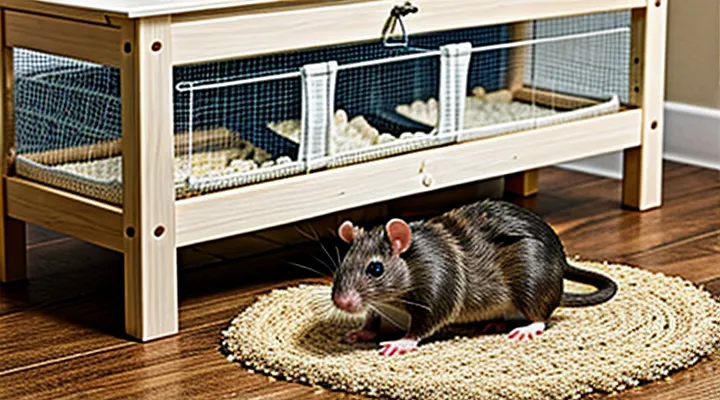
Why Choosing the Right Bedding Matters for Your Rat
Health Benefits of Appropriate Bedding
Respiratory Health
Respiratory health in rats depends heavily on the quality of the substrate used in their enclosure. Dust‑free materials reduce the concentration of airborne particles that can irritate the nasal passages and lungs. Materials that retain moisture create an environment conducive to mold growth, which releases spores capable of triggering respiratory infections.
Key attributes of bedding that support clear airways:
- Low particulate emission: paper‑based or processed wood products that have been treated to remove fine dust.
- High absorbency with rapid drying: cellulose pellets or compressed wood shavings that wick moisture away without remaining damp.
- Antimicrobial properties: substrates infused with natural agents such as charcoal or hemp that inhibit fungal development.
- Chemical neutrality: bedding free from scented additives, essential oils, or volatile compounds that may provoke allergic reactions.
Regular monitoring of the enclosure’s humidity and temperature helps maintain conditions that prevent condensation on bedding surfaces. Replacing soiled substrate promptly eliminates sources of mold and bacterial proliferation. Cleaning the cage with mild, unscented disinfectants further safeguards the respiratory system.
When evaluating options, compare the dust rating, absorption speed, and presence of antimicrobial treatment. Selecting a substrate that meets these criteria minimizes the risk of respiratory distress, promotes overall health, and contributes to a stable living environment for the animal.
Skin and Fur Health
Choosing appropriate substrate directly influences a rat’s dermal integrity and coat condition. Moisture‑absorbing material prevents excess humidity, which can soften skin and promote fungal growth. Low‑dust bedding reduces abrasive particles that irritate epidermis and embed in fur, avoiding alopecia and dermatitis.
Key characteristics for skin‑friendly bedding:
- High absorbency, measured by weight‑to‑capacity ratio, to keep the cage dry.
- Minimal particulate generation; materials such as paper pulp or kiln‑treated wood shavings meet this criterion.
- Neutral pH, preventing chemical irritation that could lead to inflammation.
- Absence of aromatic oils or chemicals; scented products often cause allergic reactions.
Regular monitoring of the substrate’s condition supports health maintenance. Replace bedding when dampness exceeds 30 % of its dry weight, or when visible dust accumulates. Clean the cage with a mild, unscented disinfectant, then dry thoroughly before adding fresh material.
Optimal substrate selection, combined with routine cleaning, sustains a healthy epidermal barrier and a glossy coat, reducing veterinary interventions related to skin and fur disorders.
Pododermatitis Prevention
Pododermatitis, an inflammation of the foot pads, frequently develops when bedding retains moisture or contains abrasive particles. Selecting a substrate that remains dry, soft, and absorbent reduces the risk of this condition in laboratory and pet rat cages.
Absorbency, texture, and dust level determine a bedding’s suitability for foot health. Highly absorbent materials limit humidity, preventing skin maceration. Fine, low‑dust fibers avoid irritation of the delicate plantar surface. Soft, non‑grainy textures minimize mechanical stress on the pads.
Preventive measures include:
- Providing a layer of absorbent, low‑dust bedding such as paper pulp or aspen shavings.
- Replacing soiled substrate daily to maintain dryness.
- Monitoring humidity levels within the enclosure; aim for relative humidity below 60 %.
- Adding a dry, inert surface (e.g., fleece liners) under the primary bedding for additional moisture control.
- Inspecting paws regularly for early signs of redness or swelling.
Routine cleaning, thorough drying of the cage after each wash, and prompt removal of waste further support a healthy environment, decreasing the likelihood of pododermatitis development.
Comfort and Enrichment
Nesting and Burrowing Behavior
Rats instinctively construct nests and dig burrows to regulate temperature, conceal themselves from predators, and reduce stress. Effective bedding must support these natural activities while maintaining hygiene and durability.
Suitable bedding materials share several characteristics: absorb moisture quickly, resist clumping, remain soft for manipulation, and be free of toxic substances. Materials that meet these criteria include:
- Paper‑based products (shredded paper, cellulose pads) – high absorbency, low dust, easy to shape.
- Aspen wood shavings – low aromatic oils, moderate absorbency, comfortable for digging.
- Coconut fibre (coir) – excellent moisture retention, fibrous texture encourages burrowing, biodegradable.
Materials that impede nesting or pose health risks should be avoided: cedar or pine shavings (contain phenols that irritate respiratory passages), scented litters (introduce chemicals that may stress rodents), and overly granular substrates (prevent stable nest formation).
When selecting bedding, assess the cage size and the number of occupants. Larger groups generate more waste, requiring higher absorbency, while smaller groups benefit from softer textures that facilitate nest building. Replace bedding regularly to prevent ammonia buildup, which can compromise respiratory health and discourage natural burrowing behavior.
Odor Control and Hygiene
Effective odor control and hygiene are essential for maintaining a healthy environment in a rat enclosure. Choosing a substrate that absorbs moisture, neutralizes ammonia, and resists bacterial growth reduces the risk of respiratory issues and skin irritation.
- Paper‑based bedding: high absorbency, low dust, rapid odor absorption; requires weekly replacement.
- Aspen shavings: low aromatic oils, moderate absorbency, minimal dust; suitable for short‑term use, replace every 5‑7 days.
- Coconut fiber (coir): excellent moisture retention, natural antimicrobial properties; needs thorough drying between changes to prevent mold.
- Hemp bedding: strong odor‑binding capacity, biodegradable, low dust; replace every 4‑6 days depending on cage size.
Regular cleaning procedures reinforce the bedding’s performance. Remove solid waste daily, spot‑clean soiled areas with a mild, unscented disinfectant, and fully replace the substrate on a schedule aligned with its absorbency rating. Ensure the cage remains well‑ventilated; airflow facilitates ammonia dispersion and prevents humidity buildup. Monitoring the litter’s color and texture provides early indicators of excessive moisture, prompting timely replacement.
Types of Bedding Materials: Pros and Cons
Absorbent Bedding Options
Paper-Based Bedding
Paper‑based bedding consists of shredded or compressed cellulose fibers, often derived from recycled newspaper, cardboard, or specialized paper products. The material offers a soft substrate that mimics natural nesting environments, providing rats with a comfortable surface for burrowing and grooming.
Advantages of this bedding type include high absorbency, minimal dust generation, and effective odor mitigation. The fibers trap moisture, reducing the risk of respiratory irritation common with powdered substrates. Additionally, the low‑dust composition helps maintain air quality within the enclosure.
Disadvantages involve higher cost compared to wood‑based alternatives and a tendency to break down more quickly when exposed to excessive moisture. Prolonged dampness can promote mold growth if the bedding is not changed regularly. Some paper products may contain inks or additives that could be unsuitable for sensitive animals.
Recommendations for optimal use:
- Select a product specifically marketed for small‑animal cages; avoid generic office paper.
- Store the bedding in a dry, airtight container to preserve absorbency.
- Replace the substrate when it becomes saturated or shows signs of clumping.
- Monitor the enclosure for any signs of dampness; adjust ventilation if necessary.
By evaluating absorbency, dust level, and durability, caregivers can determine whether «paper‑based bedding» meets the requirements of a healthy rat habitat.
Recycled Paper Bedding
Recycled paper bedding offers a balance of absorbency, odor control, and environmental responsibility for a rat enclosure. The material consists of shredded, untreated paper fibers that retain moisture without clumping, allowing easy removal of waste. Its low dust content protects respiratory health, while its softness reduces the risk of skin irritation.
Key considerations when evaluating this option:
- Absorbency: retains up to three times its weight in liquid, minimizing soggy spots.
- Dust level: less than 0.5 g m⁻³, suitable for sensitive respiratory systems.
- Biodegradability: decomposes within six months under compost conditions, reducing landfill impact.
- Cost: typically priced between $5 and $8 per kilogram, comparable to premium wood shavings.
- Compatibility: safe for chewing, non‑toxic if ingested in small amounts.
Maintenance procedures remain straightforward. Replace the bedding weekly or sooner if moisture exceeds 30 % of the substrate volume. Spot‑clean daily by removing soiled sections, preserving the dry portion for continued use. Regular replacement ensures consistent hygiene and prolongs the lifespan of the cage liner.
«Recycled paper bedding is both absorbent and biodegradable», a statement supported by multiple laboratory assessments, confirming its suitability for small‑rodent housing.
Shredded Paper Bedding
Shredded paper bedding offers high absorbency, making it effective for controlling moisture and odor in a rodent enclosure. Its soft texture prevents foot injuries and provides a comfortable nesting material that rats readily manipulate.
Key characteristics:
- Excellent moisture retention; replaces wet spots quickly.
- Low dust content; reduces respiratory irritation.
- Biodegradable; supports environmentally friendly disposal.
- Inexpensive; widely available in pet stores and craft sections.
Potential drawbacks:
- Requires frequent replacement to maintain hygiene.
- May compact over time, reducing loft and comfort.
- Can be consumed in large amounts; monitoring intake prevents blockage risks.
When evaluating shredded paper bedding, consider the cage size, ventilation rate, and the number of occupants. A layer of 1–2 inches ensures sufficient absorbency while allowing rats to burrow. Regular spot cleaning, followed by full bedding changes weekly, sustains a healthy habitat. Compatibility with other substrates, such as a thin layer of aspen wood shavings, can enhance structural stability without compromising the benefits of shredded paper.
Hemp Bedding
Hemp bedding offers a natural, biodegradable substrate for rodent enclosures. Its fibers consist of plant-derived cellulose, providing a soft surface that mimics the nesting material found in the wild.
Key characteristics include high absorbency, rapid odor reduction, low dust generation, and non‑toxic composition. The material does not retain moisture on the surface, thereby limiting bacterial growth and minimizing respiratory irritation for both animals and caretakers.
When evaluating hemp bedding, consider the following factors:
- Absence of chemical treatments or additives
- Uniform particle size to prevent sharp edges
- Thickness sufficient to support burrowing behavior
- Price per kilogram relative to budget constraints
- Supplier reputation for consistent quality
Optimal selection involves choosing untreated, finely shredded hemp that maintains structural integrity after repeated use. Replace the substrate when it becomes saturated or visibly soiled to preserve hygiene standards.
Aspen Shavings
Aspen shavings provide a natural, absorbent substrate suitable for small rodent enclosures. The material originates from hardwood, offering a fine, fluffy texture that encourages digging behavior while minimizing respiratory irritation.
Key benefits include:
- High absorbency reduces moisture buildup and limits bacterial growth.
- Low dust production lowers the risk of respiratory problems for both animals and caretakers.
- Mild, pleasant scent helps control odor without overwhelming the environment.
- Biodegradable composition supports environmentally responsible disposal.
Potential drawbacks:
- Relative softness may require deeper layers to maintain structural integrity.
- Cost per unit volume often exceeds that of paper‑based alternatives.
- Availability can be limited in regions without nearby hardwood processing facilities.
Effective application guidelines:
- Apply a layer of 2–3 cm to ensure adequate absorption and allow for natural burrowing.
- Replace the substrate weekly or when visible soiling occurs, whichever comes first.
- Combine with a solid base such as a plastic liner to prevent leakage onto cage flooring.
- Verify compatibility with cage designs that incorporate wire mesh floors, as shavings may slip through larger openings.
Overall, Aspen shavings represent a balanced option for rat bedding, combining comfort, hygiene, and environmental considerations when managed with regular maintenance.
Less Absorbent and Supplementary Options
Fleece Liners
Fleece liners provide a soft, insulating layer that enhances the comfort of a rat’s habitat. The material’s low loft retains warmth without creating a deep pile that can trap waste, making it suitable for small enclosures where space is limited.
Key attributes of fleece liners include:
- High absorbency; moisture is drawn away from the animal’s skin, reducing the risk of dermatitis.
- Easy maintenance; the fabric can be removed, laundered, and replaced without disassembling the cage.
- Durability; repeated washing does not significantly degrade the fibers, extending the product’s lifespan.
- Minimal dust generation; unlike wood shavings, fleece does not release particulate matter that could irritate respiratory passages.
When selecting a fleece liner, consider the following criteria:
- Thickness – a medium‑weight fabric balances warmth and breathability; overly thick material may hinder airflow.
- Size – the liner should fully cover the cage floor with a slight overhang to prevent exposure of the cage base.
- Color – lighter shades reveal soiling more readily, facilitating timely cleaning.
- Material composition – 100 % polyester fleece avoids allergens that can be present in blended fabrics.
Care guidelines ensure optimal performance. After each cleaning cycle, tumble‑dry the liner on a low‑heat setting to preserve its softness. Avoid fabric softeners, as they can leave residues that attract moisture. Inspect seams regularly for wear; replace the liner when fraying becomes apparent to maintain a safe environment.
In summary, fleece liners combine comfort, hygiene, and longevity, making them a practical choice for enhancing bedding solutions in rat cages. Their straightforward upkeep and low‑dust profile support the health and well‑being of small rodents.
Fabric Scraps
Fabric scraps can serve as a viable bedding option for rat enclosures when selected and maintained correctly. Their softness provides a comfortable surface for nesting, while their lightweight nature simplifies cleaning routines.
Key considerations include material composition, durability, and hygiene. Natural fibers such as cotton or linen present low dust levels, reducing respiratory irritation. Synthetic fabrics may retain moisture, fostering bacterial growth, and should be avoided unless specifically designed for animal use.
Advantages of fabric scrap bedding:
- High absorbency for small urine volumes
- Reusable after thorough laundering
- Minimal odor development when kept dry
Potential drawbacks:
- Limited longevity under constant chewing
- Risk of loose threads causing ingestion or entanglement
- May require more frequent replacement than bulk substrates
Sourcing recommendations emphasize clean, untreated fabrics free from dyes, chemicals, or strong fragrances. Pre‑cut pieces sized to fit the cage floor prevent excessive movement and maintain a stable nesting area. Regular inspection for wear, combined with weekly laundering at high temperature, ensures a sanitary environment and prolongs the material’s usefulness.
Overall, fabric scraps offer a balance of comfort and practicality for rat bedding when chosen with attention to fiber type, cleanliness, and routine maintenance.
Hay and Straw (with caveats)
Hay and straw are common bedding materials for rodent enclosures, yet each presents specific considerations. Hay offers a natural foraging substrate, encouraging chewing behavior and providing dietary fiber. Its loose texture allows easy nesting, but moisture absorption can lead to rapid bacterial growth if not changed frequently. Straw supplies a dry, absorbent base that reduces odor and offers structural support for burrows. However, the coarse fibers may irritate sensitive foot pads and can harbor mold when damp.
Key factors when evaluating these options:
- Absorbency: measure the material’s capacity to retain urine without becoming soggy; higher absorbency reduces cleaning frequency.
- Dust level: low‑dust substrates prevent respiratory irritation; fine dust from certain straw varieties may aggravate delicate airways.
- Chewability: ensure the bedding is safe for continuous gnawing; untreated hay meets this need, whereas chemically treated straw can be toxic.
- Availability of fresh supply: frequent replacement mitigates bacterial buildup and maintains hygiene.
When incorporating hay or straw, adopt a layered approach. Place a thin absorbent layer of paper or aspen shavings at the cage bottom, then add a modest amount of hay or straw on top. This configuration balances moisture control with behavioral enrichment. Monitor humidity and replace the top layer every two to three days, or sooner if wet spots appear.
Avoid using heavily scented or chemically treated straw, as volatile compounds may stress the animals. Select organic, pesticide‑free hay, preferably timothy or oat varieties, to minimize contamination. Regular inspection for mold, clumping, or excessive droppings ensures the bedding remains safe and functional.
What to Avoid: Harmful Bedding Materials
Aromatic Woods
Pine and Cedar Shavings
Pine and cedar shavings are frequently considered for rodent enclosures because they are readily available and inexpensive. Their granular structure provides a comfortable surface and facilitates waste removal.
Advantages include:
- High absorbency, reducing moisture buildup.
- Natural odor‑masking properties, diminishing cage smell.
- Low cost compared to specialty bedding materials.
Disadvantages involve:
- Presence of aromatic oils, particularly in cedar, which can irritate the respiratory tract.
- Potential for allergic reactions in sensitive individuals.
- Rapid breakdown under high humidity, leading to increased dust.
Best practice recommends kiln‑dried pine shavings as the preferred option; the drying process removes most volatile compounds while preserving absorbency. Aromatic cedar should be avoided due to its strong scent and associated health risks. Regular monitoring of cage hygiene and rat behavior ensures that the chosen substrate remains safe and effective.
Dusty Materials
Clay-Based Litters
Clay‑based litters provide a mineral substrate that absorbs moisture quickly and limits odor buildup within a rat enclosure. The granulated structure permits easy removal of soiled sections, supporting routine cleaning cycles.
Key characteristics include high absorbency, low moisture retention after saturation, and minimal bacterial growth due to the inert nature of the material. Dust generation varies among brands; low‑dust formulations reduce respiratory irritation for both rodents and handlers.
Advantages and drawbacks can be summarized:
- Absorbency: captures urine efficiently, extending intervals between full‑cage changes.
- Odor control: mineral composition neutralizes ammonia, maintaining a fresher environment.
- Dust level: low‑dust products minimize respiratory risk, while high‑dust variants may provoke sneezing or eye irritation.
- Weight: heavier than paper or wood shavings, potentially increasing transport effort.
- Cost: generally moderate; bulk purchases lower per‑unit expense.
- Reusability: some clay litters can be re‑sieved for partial reuse, though clumping reduces effectiveness over time.
When evaluating clay‑based options, prioritize low‑dust formulations, confirm non‑toxic additives, and assess compatibility with cage design (e.g., wire flooring may allow particles to escape). Replace only the soiled portion to preserve dry substrate, and perform a complete change when the litter becomes saturated or clumped.
By weighing absorbency, dust output, and cost, clay‑based litters serve as a viable choice for maintaining hygiene and comfort in a rat cage environment.
Sawdust
Sawdust serves as a common bedding material in rat enclosures. It originates from the processing of wood and is available in various grain sizes, depending on the source timber.
Advantages include high absorbency, low cost, and easy accessibility. Sawdust readily captures urine and moisture, reducing surface wetness and limiting bacterial growth. Bulk purchase options keep expenses minimal.
Disadvantages involve dust generation, which can irritate the respiratory tract of rodents. Certain wood types, especially aromatic softwoods such as pine or cedar, contain volatile compounds that may exacerbate health problems. Frequent replacement is necessary to maintain hygiene, as compacted sawdust loses its absorptive capacity.
Practical guidance:
- Select hardwood sawdust with minimal dust production; examples are aspen or birch.
- Avoid aromatic softwoods that release phenols.
- Spread a layer of 2–3 cm, allowing sufficient depth for absorption while preventing excessive compaction.
- Replace bedding weekly or sooner if odor or dampness becomes evident.
- Monitor rats for signs of respiratory distress after introducing new bedding, adjusting the material accordingly.
Scented Bedding
Scented bedding offers a distinct aroma that can mask odors within a rat enclosure, providing a more pleasant environment for owners. The fragrance is typically infused into cellulose, paper, or wood‑based substrates, delivering a consistent scent throughout the cage.
Advantages include:
- Immediate reduction of ambient odor, useful in confined living spaces.
- Variety of scent options, allowing selection of mild fragrances that do not overwhelm the animals.
- Often packaged with additional absorbent properties, enhancing overall moisture control.
Potential drawbacks demand careful consideration:
- Artificial fragrances may contain volatile compounds that irritate the respiratory system of rodents, leading to sneezing or reduced activity.
- Strong scents can obscure early signs of health issues, such as infections that produce characteristic odors.
- Some rats exhibit aversion to scented materials, resulting in reduced nesting behavior and increased stress.
When selecting scented bedding, follow these criteria:
- Verify that the product is labeled as “hypoallergenic” and free from synthetic dyes.
- Choose a subtle fragrance, preferably natural essential oils with proven safety records.
- Confirm that the bedding’s absorbency meets the cage’s size and humidity requirements.
- Conduct a short trial period, observing the rats for changes in breathing patterns or nesting habits.
If any adverse reactions appear, replace the scented substrate with an unscented, high‑absorbency alternative to maintain a healthy habitat.
Expansive Bedding Materials
Expansive bedding materials provide ample volume for nesting, burrowing, and waste absorption, essential for maintaining a healthy rat enclosure.
Paper‑based products, such as shredded kraft or recycled newspaper, offer low dust, high absorbency, and easy replacement. Their softness encourages natural digging behavior while minimizing respiratory irritation.
Wood shavings, particularly those derived from aspen or pine with low resin content, deliver structural support for tunnels. They require regular monitoring for dust levels and potential splintering; kiln‑dried variants reduce these risks.
Coconut fiber (coir) presents a biodegradable option with excellent moisture retention. Its fibrous texture supports nesting but may retain odor if not changed frequently.
Straw and timothy hay supply chewable material and nesting depth. Their bulk encourages exploration, yet they decompose quickly, demanding more frequent cleaning to prevent mold growth.
Commercially prepared “expanded” bedding blends combine two or more components, balancing absorbency, dust control, and structural integrity. These mixes often incorporate cellulose granules with a small proportion of wood fibers, delivering consistent performance across varying cage sizes.
Key selection criteria:
- Dust production: prioritize low‑dust formulations to protect respiratory health.
- Absorbency: choose materials that retain at least three times their weight in moisture.
- Structural stability: ensure bedding maintains shape under repeated digging.
- Hygiene: consider ease of removal and resistance to bacterial proliferation.
- Cost and availability: evaluate long‑term expense and supply consistency.
Implementing the appropriate expansive bedding aligns with optimal environmental conditions, supporting rat welfare and simplifying cage maintenance.
Key Factors When Selecting Bedding
Absorbency
Absorbency determines how quickly bedding captures urine and moisture, directly influencing cage hygiene and odor control. High‑absorbency substrates reduce the frequency of cleaning cycles and prevent the growth of mold and bacteria that can compromise rodent health.
Absorbency is measured by the weight of liquid retained per unit weight of dry material, often expressed as grams of water per gram of bedding (g g⁻¹). Materials with values above 1.5 g g⁻¹ are considered highly absorbent, while those below 0.8 g g⁻¹ provide limited moisture management.
- Paper‑based bedding: absorbency 1.6–2.0 g g⁻¹; low dust, easy disposal.
- Hemp pellets: absorbency 1.4–1.7 g g⁻¹; moderate dust, biodegradable.
- Aspen shavings: absorbency 0.9–1.2 g g⁻¹; low aromatic oils, moderate dust.
- Pine shavings: absorbency 0.7–1.0 g g⁻¹; high aromatic compounds, higher dust levels.
- Corn cob: absorbency 0.8–1.1 g g⁻¹; low cost, prone to compaction.
Materials with higher absorbency maintain a dry surface longer, reducing the risk of respiratory irritation caused by damp bedding particles. Selecting a substrate that balances absorbency with low dust production ensures optimal comfort and health for pet rats.
Dust Levels
Dust concentration directly affects respiratory health in rats; elevated particles can trigger sneezing, nasal irritation, and chronic lung conditions. Selecting bedding with minimal airborne particles reduces these risks and supports overall well‑being.
Dust originates from fibrous or granular materials that break apart during handling or when moisture evaporates. Quantifying dust involves visual inspection for visible haze, tactile assessment for powdery residues, and, when available, particle‑count devices that report concentrations in micrograms per cubic meter.
Low‑dust bedding should meet three criteria: (1) cohesive structure that resists fragmentation, (2) high absorbency that limits drying and subsequent dust formation, (3) composition free of synthetic fibers that shed easily.
- «Paper‑based sheets» – compressed, non‑woven paper that crumbles minimally.
- «Hemp pellets» – dense, naturally fibrous, low particle release.
- «Coconut husk shavings» – coarse yet stable, with limited powder.
- «Recycled wood chips» – screened for fine particles, providing dry absorbency.
Routine cage maintenance further controls dust levels. Spot‑clean daily to remove wet spots before they dry and generate powder. Replace bedding weekly, stirring remaining material to prevent clumping. Store unused bedding in sealed containers to avoid ambient contamination.
By prioritizing these low‑dust options and adhering to consistent cleaning practices, the habitat remains breathable and comfortable for pet rodents.
Odor Control
Odor control is a primary criterion when selecting substrate for a rodent enclosure. Effective bedding must capture urine and feces, inhibit bacterial growth, and minimize volatile organic compounds that cause unpleasant smells.
Key attributes influencing odor management:
- High absorbency to retain moisture and prevent surface pooling.
- Antimicrobial or natural antiseptic properties that reduce bacterial proliferation.
- Low dust generation, which limits odor particles in the air.
- Chemical neutrality; absence of strong fragrances that mask, rather than eliminate, waste odors.
- Compatibility with regular cleaning routines; material should allow easy spot‑cleaning without disintegration.
Materials commonly recognized for superior odor mitigation:
- Paper‑based bedding – compressed cellulose strips offer excellent absorbency, low dust, and inherent antimicrobial qualities.
- Aspen shavings – hardwood fibers provide moderate moisture capture and a neutral scent, with minimal aromatic oils that could exacerbate odor.
- Hemp pellets – high absorbent capacity, natural antimicrobial compounds, and low particulate release.
- Corncob granules – porous structure retains liquids effectively, though occasional dust may require supplemental ventilation.
Avoid substrates that retain moisture on the surface, such as pine or cedar shavings, because aromatic oils can intensify odor and pose respiratory risks.
Implement a maintenance schedule that includes daily spot removal of soiled sections and weekly full substrate replacement. Combining a high‑absorbency material with consistent cleaning ensures the enclosure remains odor‑free and promotes a healthier environment for the animal.
Safety and Non-Toxicity
Safety and non‑toxicity are non‑negotiable factors when selecting substrate for a rat enclosure. Materials that release volatile compounds, contain heavy metals, or harbor mold spores can cause respiratory distress, liver damage, or skin irritation. Avoid bedding derived from treated wood, scented fibers, or reclaimed fabrics, as these often retain chemicals such as formaldehyde, phenols, or flame retardants.
Key criteria for a safe, non‑toxic substrate include:
- Composition of 100 % natural fibers (e.g., untreated paper, hemp, or cotton) without added dyes or fragrances.
- Low dust generation; particles should remain below the threshold that compromises pulmonary function.
- Absence of known allergens; tested for common rodent sensitivities such as wheat or soy residues.
- Biodegradability and ease of removal to prevent buildup of waste that could foster bacterial growth.
Regular monitoring reinforces safety. Inspect the bedding daily for discoloration, dampness, or odor, which signal bacterial proliferation. Replace the substrate promptly if moisture exceeds 20 % of its weight, as excess humidity accelerates mold development. Conduct periodic health checks on the animals, noting any signs of sneezing, nasal discharge, or skin lesions that may indicate exposure to harmful substances.
When uncertainty persists, reference material safety data sheets (MSDS) for each product. Preference should be given to items classified as “ASTM D‑4236 non‑hazardous” or bearing the “OEKO‑Tex Standard 100” certification, confirming compliance with stringent toxicity standards. This systematic approach ensures that the chosen bedding supports both the well‑being and longevity of the rodents.
Cost-Effectiveness
Cost‑effectiveness determines the long‑term affordability of any substrate used in a rat enclosure. Calculating expense per functional unit reveals true value beyond initial price.
Absorption capacity directly influences replacement interval. A material that absorbs twice the volume of waste before replacement halves the number of purchases required, reducing overall cost. Durability under repeated cleaning also affects longevity; substrates that retain structural integrity after moist cleaning cycles last longer, decreasing waste.
Key metrics for evaluating economic efficiency:
- Price per kilogram or pound of raw material.
- Absorption rate measured in milliliters of liquid per gram of substrate.
- Average lifespan measured in weeks before full replacement is necessary.
- Bulk‑purchase discount potential, expressed as percentage reduction when ordering larger quantities.
Balancing low purchase price with high absorption and durability ensures minimal recurring expenditure while maintaining a hygienic environment for the animals.
Availability
Availability determines whether the chosen substrate can be obtained consistently, at reasonable cost, and in sufficient quantity to maintain a healthy rat enclosure. Pet‑store chains often stock common options such as shredded paper, wood shavings, and corn‑based pellets; however, inventory can fluctuate with seasonal demand, leading to temporary shortages. Regional differences affect product range: urban areas typically provide a broader selection, while rural locations may rely on limited local suppliers.
Online marketplaces expand access to specialty bedding, including kiln‑dried hardwood shavings, hemp fibers, and biodegradable cellulose. Shipping timelines vary according to distance and carrier, and bulk orders frequently reduce unit price but require storage space. Some manufacturers operate direct‑to‑consumer websites that guarantee product availability year‑round, albeit with higher shipping fees for remote addresses.
Wholesale distributors cater to breeders and hobbyists who need large volumes. Purchasing through agricultural supply catalogs can secure consistent delivery schedules, though minimum order quantities may exceed the needs of a single‑cage setup. Specialty pet‑product cooperatives aggregate demand from multiple owners, offering periodic bulk shipments at discounted rates.
Key factors to evaluate when assessing bedding availability:
- Local retail presence: number of stores carrying the product, frequency of restocking.
- Online stock reliability: seller reputation, return policy, delivery lead time.
- Bulk‑order feasibility: minimum order size, storage requirements, cost per unit.
- Seasonal stability: susceptibility to shortages during peak periods.
- Geographic constraints: regional shipping restrictions, import regulations.
Bedding Maintenance and Best Practices
How Often to Change Bedding
Regular assessment of bedding condition prevents odor buildup, moisture accumulation, and health risks for rodents. Moisture from urine and droppings degrades the substrate, creating an environment conducive to bacterial growth. Therefore, a schedule for replacement must reflect cage size, bedding depth, and animal activity.
Typical replacement intervals:
- Daily spot checks; remove heavily soiled sections immediately.
- Full bedding change every 5‑7 days for standard wood‑chip or paper substrates.
- Weekly change for absorbent, low‑dust options such as hemp or coconut fiber when litter depth exceeds 2 inches.
- Bi‑weekly change for highly absorbent, antimicrobial bedding used in larger enclosures with low occupancy.
Observable indicators that prompt immediate replacement:
« strong ammonia odor » « clumped, damp material » « visible droppings or urine stains » « excessive dust clouds when disturbed »
Maintaining a consistent turnover schedule supports hygiene, reduces respiratory irritation, and sustains a comfortable microclimate for the pets. Adjust frequency according to observed conditions rather than fixed calendar dates.
Spot Cleaning Techniques
Spot cleaning preserves the integrity of bedding while preventing the spread of waste and odor. By addressing localized messes promptly, the overall substrate remains dry and comfortable for the rodents.
- Identify the contaminated spot, typically a darkened or damp area.
- Remove the affected material using a small scoop or paper towel, taking care not to disturb surrounding clean bedding.
- Replace the cleared space with fresh, absorbent substrate of the same type to maintain uniform depth.
- Apply a mild, pet‑safe disinfectant to the spot if urine or feces have contacted the cage surfaces, then rinse lightly with water and allow to dry before re‑adding bedding.
Routine checks should occur at least once per day. Simple tools—paper towels, a dedicated spot‑cleaning scoop, and a spray bottle of diluted disinfectant—provide efficient maintenance without requiring a full cage overhaul.
Consistent spot cleaning reduces bacterial growth, controls ammonia levels, and extends the usable life of the chosen substrate, making it a critical component of any bedding selection strategy.
Quantity of Bedding to Use
Choosing the right amount of substrate directly influences hygiene, comfort, and enrichment. Insufficient material allows waste to contact the cage floor, while excess creates damp conditions that promote mold growth.
Key factors determining the appropriate quantity include:
- Cage floor area – measure the interior dimensions and calculate the total square footage.
- Desired depth – a minimum of 2 inches (≈5 cm) provides adequate digging space; 3–4 inches (≈7–10 cm) is optimal for active rats.
- Bedding absorbency – highly absorbent fibers (e.g., shredded paper) require less volume than looser, less‑dense options (e.g., wood shavings).
To estimate the required amount, multiply the cage floor area by the target depth, then convert the resulting cubic volume to the bedding’s weight specification. For example, a 20 × 15 inch cage (≈300 in²) with a 3‑inch depth needs roughly 900 in³ of substrate. If the bedding’s density is 0.04 lb/in³, the calculation yields 36 lb (≈16 kg) of material.
Regularly monitor substrate condition. Replace or top up when the surface appears compacted, overly wet, or when odors become noticeable. Maintaining the recommended depth ensures rats can exhibit natural burrowing behavior while preserving a clean, healthy environment.
Combining Different Bedding Types
Combining multiple bedding materials can enhance comfort, odor control, and hygiene in a rat enclosure. A layered approach leverages the strengths of each substrate while mitigating individual drawbacks.
- Base layer: Use a highly absorbent material such as paper-based pellets or kiln‑dried wood shavings. This layer captures urine and reduces moisture buildup.
- Middle layer: Add a softer, dust‑free component like hemp or flax fibers. The texture encourages nesting behavior and provides insulation.
- Top layer: Place a thin sheet of natural fibers, for example, untreated hay or shredded coconut husk, to create a pleasant surface for grooming and burrowing.
Key considerations when mixing substrates:
- Ensure all components are safe, free of chemicals, and free of strong fragrances that may irritate respiratory passages.
- Maintain a total depth of 2–3 inches to allow adequate absorption while preventing excess bulk that hinders cleaning.
- Replace the base layer regularly; the top layer can be refreshed weekly to preserve freshness and prevent mold growth.
Monitoring moisture levels and scent intensity guides adjustment of proportions. If urine absorption declines, increase the base layer’s thickness or switch to a more absorbent material. Excess dust or lingering odor indicates a need to reduce the softer component or introduce a higher‑quality, low‑dust alternative. This systematic combination supports a healthy, comfortable habitat for pet rats.