
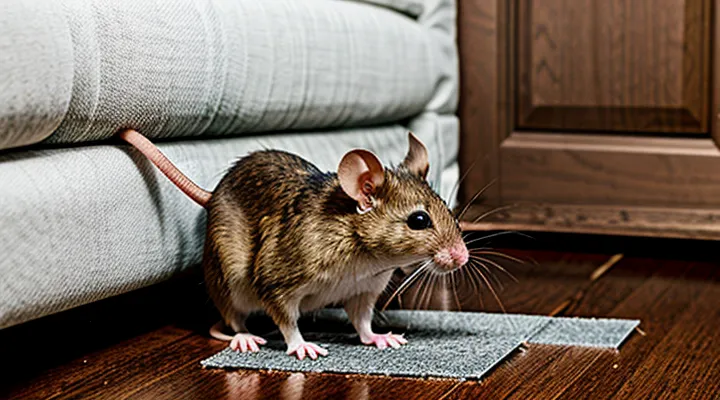
Understanding the Mouse Problem
Signs of a Mouse Infestation
Droppings and Urine Trails
Droppings and urine trails are primary indicators of a mouse infestation and must be addressed promptly to prevent health hazards and discourage further activity.
Fresh droppings appear as small, dark, rice‑shaped pellets, typically found along walls, behind appliances, and in pantry corners. Older droppings may turn lighter and crumble easily. Urine leaves a faint, oily sheen that can be detected by a characteristic ammonia odor, especially in concealed areas such as crawl spaces or under cabinets.
Health risks associated with rodent excreta include transmission of Hantavirus, Salmonella, and leptospirosis. Inhalation of dried particles can irritate respiratory passages, while direct contact may cause skin irritation or infection. Therefore, immediate containment and thorough decontamination are essential.
Effective removal steps:
- Wear disposable gloves and a mask rated N95 or higher.
- Moisten droppings with a disinfectant solution (e.g., 1 % bleach) to prevent aerosolization.
- Collect solid waste with a damp paper towel and place it in a sealed plastic bag.
- Saturate urine‑stained surfaces with the same disinfectant, let it sit for at least 10 minutes, then wipe clean.
- Dispose of all cleaning materials in a sealed container and wash hands thoroughly after removal.
After cleaning, monitor for new droppings or urine trails. Persistent signs indicate active entry points that require sealing, such as gaps around pipes, vents, or foundation cracks. Installing steel wool or caulk in these openings reduces the likelihood of re‑infestation.
Regular inspection of high‑risk zones, combined with prompt excreta removal, forms a critical component of any comprehensive mouse control strategy.
Gnaw Marks and Damage
Mice leave distinctive gnaw marks that signal active infestation. The holes are typically ¼‑½ inch in diameter, with clean, V‑shaped cuts on wood, plastic, or wiring. Fresh scratches appear lighter in color than surrounding material, indicating recent activity.
Common damage locations include baseboards, pantry shelves, electrical cords, and structural beams. Wood framing may develop splintered edges, while plastic containers show jagged bite marks. Severed wires pose fire hazards; insulation may be stripped, exposing conductive cores.
Identifying gnaw patterns guides placement of traps and baits. Concentrated markings near entry points suggest preferred routes, allowing targeted sealing. Damage assessment also reveals the severity of the problem, informing whether professional extermination or DIY measures are sufficient.
Repair and prevention steps:
- Remove and discard contaminated food packaging.
- Cut away gnawed sections of wood or plastic; replace with fresh material.
- Inspect all exposed wiring; replace damaged cords or install conduit.
- Apply steel wool or copper mesh to seal gaps larger than ¼ inch.
- Use rodent‑proof containers for stored goods.
- Clean affected areas with a disinfectant to eliminate scent trails.
Prompt remediation reduces structural loss, protects electrical systems, and limits future mouse activity.
Strange Noises
Strange sounds in walls, ceilings, or attics often indicate the presence of rodents. Mice generate high‑pitched squeaks, rapid scratching, and faint scurrying that differ from the deeper thumps of larger pests. Recognizing these auditory clues allows swift intervention before infestations spread.
Typical noises include:
- Rapid, intermittent squeaking during nighttime hours.
- Light, rapid scratching on insulation or drywall.
- Soft rustling as mice move through stored materials.
- Occasional thudding when a mouse drops a small object.
When such sounds are detected, immediate steps enhance control effectiveness:
- Locate the source by tracing the sound to a specific wall cavity or floorboard.
- Seal visible entry points with steel wool and caulk to prevent further ingress.
- Deploy snap traps or electronic bait stations near the identified activity zone.
- Apply a concentrated rodent repellent spray to cracks and crevices to discourage lingering.
- Inspect stored food and waste containers; store items in airtight containers and remove excess debris.
Monitoring the noise after these measures confirms success. A noticeable decline or cessation of the described sounds signals reduced activity, while persistent noises suggest additional hiding spots requiring further sealing and trapping. Consistent attention to auditory evidence streamlines eradication efforts and protects the home from structural damage.
Unpleasant Odors
Mice produce strong, lingering smells that often signal a hidden infestation. Their urine, droppings, and secretions contain ammonia and pheromones, creating a sour, musky odor that can permeate walls, cabinets, and insulation. The presence of such scent indicates not only current activity but also potential health hazards, as bacterial growth thrives in contaminated areas.
Addressing unpleasant odors requires a two‑step approach: eliminate the source and neutralize residual scent.
- Locate and remove all droppings, nests, and contaminated materials; wear gloves and a mask to prevent inhalation of harmful particles.
- Disinfect surfaces with a solution of one part bleach to ten parts water, or use enzymatic cleaners designed to break down organic residues.
- Seal cracks, gaps, and entry points to stop further contamination and prevent re‑infestation.
- Deploy traps or bait stations to reduce the rodent population, thereby limiting future odor production.
- Place activated charcoal or baking soda in affected rooms to absorb lingering fumes after cleaning.
Consistent sanitation and prompt removal of mouse‑related waste are essential for restoring a neutral indoor environment and supporting long‑term pest‑control success.
Why Mice Are a Problem
Health Risks
Mice infestations pose several direct health hazards to occupants. Their droppings, urine, and saliva contain pathogens that can contaminate food, surfaces, and air. Common diseases transmitted by rodents include:
- Hantavirus pulmonary syndrome, contracted through inhalation of aerosolized droppings.
- Salmonellosis, resulting from ingestion of food contaminated by fecal matter.
- Leptospirosis, spread via urine that contacts skin cuts or mucous membranes.
- Lymphocytic choriomeningitis virus (LCMV), transmitted through exposure to infected secretions.
Allergic reactions and asthma attacks may be triggered by mouse allergens that accumulate in dust and fabrics. Additionally, mice gnaw electrical wiring, increasing the risk of fire and exposure to toxic fumes from burning insulation. Prompt and thorough eradication reduces these medical and safety threats.
Property Damage
Mice cause extensive damage to residential structures, wiring, and stored goods. Their gnawing habit compromises insulation, wooden beams, and drywall, creating entry points for additional pests and increasing energy loss. Electrical cables are especially vulnerable; chewed wires can spark fires or cause circuit failures, leading to costly repairs and safety hazards.
Common manifestations of rodent‑related damage include:
- Frayed or exposed electrical wiring.
- Holes in insulation, flooring, and wall panels.
- Contaminated food containers and pantry items.
- Stained or shredded fabrics and upholstery.
- Corroded or chewed plumbing components.
Identifying these signs early allows homeowners to intervene before damage escalates. Visual inspection of concealed areas—attics, basements, and behind appliances—reveals gnaw marks, droppings, and nesting material. Monitoring for unexplained electrical outages or unusual odors further confirms infestation impact.
Effective elimination tactics focus on sealing entry points, deploying snap traps or electronic devices, and applying targeted bait stations. After removal, replace compromised materials, reinforce vulnerable structures with steel‑mesh or cement, and schedule periodic inspections to verify that damage does not recur. Prompt remediation minimizes repair costs and restores the integrity of the dwelling.
Prevention: The First Line of Defense
Sealing Entry Points
Inspecting Your Home's Exterior
Inspect the building’s outer envelope to locate potential entry points before implementing any control measures. Examine the foundation for cracks, gaps around utility penetrations, and loose mortar; seal each opening with steel wool, caulk, or cement as appropriate. Verify that all doors and windows close tightly; install weather‑stripping or door sweeps where gaps exceed a quarter of an inch. Check the roofline for damaged eaves, missing shingles, or open soffits; repair and cover exposed areas with metal flashing or mesh.
Around the property, remove debris that offers shelter: stack firewood away from walls, trim vegetation that contacts the house, and keep mulch at least six inches from the foundation. Ensure garbage containers have tight‑fitting lids and are positioned away from the building.
Maintain a clear perimeter by installing a continuous barrier of hardware cloth (¼‑inch mesh) around crawl‑space vents, basement openings, and any other below‑grade access points. Use expanding foam for irregular gaps that cannot be covered with rigid material.
Regularly patrol the exterior after weather events; heavy rain or wind can create new fissures. Document each inspection, noting repaired locations and any recurring weaknesses. This systematic approach reduces the likelihood of mice infiltrating the interior and supports long‑term pest‑free conditions.
Using Appropriate Materials for Sealing
Sealing entry points blocks mouse access and prevents reinfestation. Begin with a thorough inspection of the building envelope: examine gaps around pipes, vents, doors, windows, and foundation cracks. Measure each opening to select a material that offers lasting resistance to gnawing.
- Steel wool (grade #4 or finer) – packs tightly into irregular holes; combine with caulk to secure and hide the bundle.
- Copper mesh – similar to steel wool but corrosion‑resistant; suitable for moisture‑prone areas.
- Hardware cloth (¼‑inch mesh) – cuts to size, fastened with screws or nails; ideal for larger gaps such as utility openings.
- Expanding polyurethane foam – fills cavities up to two inches; apply only where rodents cannot reach the foam surface, then trim excess.
- Silicone or acrylic caulk – seals small cracks and seams; use a high‑quality, paint‑able formula for interior joints.
- Concrete or mortar – repairs foundation cracks and large structural gaps; cure fully before applying secondary seals.
After installation, verify that no exposed edges remain. Reinforce high‑traffic zones with a secondary barrier—e.g., a strip of hardware cloth over a caulked joint—to deter repeated chewing. Periodically re‑inspect sealed areas, especially after seasonal temperature shifts, to address any new wear or movement.
Choosing durable, rodent‑proof materials and applying them correctly eliminates the most common pathways mice use to enter homes, thereby supporting long‑term control efforts.
Food and Water Management
Storing Food Properly
Proper food storage is a critical component of any effective rodent control plan. When food is sealed in airtight containers, the scent that draws mice disappears, and the insects’ access to nutrition is blocked, making the environment unsuitable for infestation.
- Keep dry goods in plastic or glass containers with tight‑locking lids.
- Refrigerate or freeze perishable items promptly.
- Store pet food in sealed bins and remove leftovers after each feeding.
- Clean pantry shelves regularly and dispose of crumbs or spills immediately.
- Use metal shelving where possible; wood can retain odors and provide nesting material.
Implementing these practices eliminates primary food sources, discourages mouse activity, and supports long‑term prevention.
Cleaning Up Spills and Crumbs
Keeping surfaces free of food residues is essential for preventing rodent activity. Mice are attracted to even minor sources of nourishment; eliminating spills and crumbs removes the incentive to explore a dwelling.
- Wipe countertops, tables, and kitchen appliances immediately after use. Use a damp cloth followed by a disinfectant to ensure no sugary or protein residues remain.
- Sweep floors nightly, paying special attention to corners, under cabinets, and behind appliances where particles accumulate.
- Vacuum carpets and rugs regularly; a high‑efficiency filter captures tiny food particles that can sustain rodents.
- Empty trash bins daily and seal lids tightly. Replace liners frequently to avoid leakage that can create additional food sources.
- Store dry goods in airtight containers made of metal or heavy‑wall plastic. Inspect packaging for tears before placement on shelves.
- Clean pet feeding areas after each meal. Remove leftover kibble and wash bowls with hot, soapy water to eliminate scent trails.
Consistent implementation of these practices reduces the availability of sustenance, thereby decreasing the likelihood of mouse infestation.
Eliminating Water Sources
Eliminating water sources deprives mice of a critical survival need, forcing them to relocate or succumb to dehydration.
- Seal leaks in pipes, faucets, and appliances; replace worn washers and use plumber’s tape where necessary.
- Dry out areas beneath sinks, behind refrigerators, and inside cabinets; install moisture‑absorbing pads or desiccant packets.
- Repair roof penetrations, gutters, and downspouts that allow rainwater to pool near the foundation.
- Remove standing water from pet dishes, birdbaths, and plant trays; use trays with drainage holes and empty them daily.
- Keep laundry rooms and basements well ventilated; employ dehumidifiers to maintain relative humidity below 50 %.
By systematically removing accessible moisture, homeowners create an environment unsuitable for mouse habitation, complementing other control measures.
Effective Mouse Removal Methods
Trapping Solutions
Snap Traps
Snap traps are a mechanical solution that kills mice instantly by delivering a rapid, high‑force strike to the neck or spine. The device consists of a spring‑loaded bar, a trigger mechanism, and a bait platform. When a mouse contacts the trigger, the bar snaps shut, causing immediate death and preventing prolonged suffering. The simplicity of the design allows for repeated use after each capture, making snap traps a cost‑effective component of a comprehensive rodent control strategy.
Effective use of snap traps requires careful placement and bait selection:
- Position traps along walls, behind appliances, and near known activity zones; mice travel close to surfaces.
- Set traps perpendicular to the wall, with the trigger end facing the wall to align with the mouse’s natural path.
- Use high‑protein or fatty baits such as peanut butter, bacon bits, or small pieces of cheese; secure the bait to prevent premature removal.
- Deploy multiple traps spaced 1–2 feet apart in heavily infested areas to increase catch rates.
- Check traps daily, dispose of dead rodents in sealed bags, and reset the mechanism promptly.
- Keep traps out of reach of children and pets; consider protective covers or placement in inaccessible locations.
Regular monitoring and prompt replacement of bait maintain trap efficacy, while proper disposal minimizes health risks. Snap traps, when used systematically, provide reliable, immediate reduction of mouse populations inside residential environments.
Live Traps
Live traps provide a humane alternative to lethal devices, allowing capture and release of mice without killing them. The traps consist of a hinged compartment with a trigger mechanism that closes the door when the rodent enters to reach bait.
Key considerations when selecting a live trap:
- Size appropriate for house mice (approximately 4–5 inches long); a 5‑inch square cage is sufficient.
- Transparent walls for visual monitoring.
- Durable construction to prevent escape once the door snaps shut.
- Easy‑to‑clean interior to maintain hygiene.
Effective placement follows a pattern of mouse activity:
- Identify high‑traffic zones such as along walls, behind appliances, and near food storage.
- Position traps with the entry side facing the wall, because mice travel close to surfaces.
- Use a small amount of attractive bait—peanut butter, sunflower seeds, or bits of cheese—placed at the far end of the chamber to encourage full entry.
- Set traps in quiet, low‑light areas to reduce disturbance.
After setting, check traps at least twice daily. Prompt removal of captured mice prevents stress and potential injury. Release the animal at least one mile away from the residence, preferably in a wooded or field area with cover and access to water. Wear gloves during handling, and disinfect the trap before redeploying.
Maintenance tips:
- Clean the interior with mild detergent after each capture.
- Replace bait regularly to retain scent appeal.
- Inspect the trigger mechanism for wear and adjust tension if necessary.
When used correctly, live traps reduce mouse populations while adhering to humane standards, complementing other control measures such as sealing entry points and removing food sources.
Electronic Traps
Electronic traps provide a fast, humane solution for mouse control inside residential structures. The device contains a high‑voltage circuit that delivers an instantaneous shock when a rodent completes the circuit by stepping on a metal plate. The shock kills the mouse instantly, preventing suffering and eliminating the need for repeated handling of live captures.
Key characteristics to evaluate when selecting an electronic trap:
- Voltage output of at least 2,000 V, ensuring reliable lethality across a range of mouse sizes.
- Battery‑powered or mains‑connected options; battery units offer flexibility for placement away from outlets.
- Transparent or perforated housing, allowing observation of captures without opening the device.
- Safety interlock that disables the shock circuit when the lid is opened, protecting children and pets.
Effective placement maximizes capture rates:
- Position traps along walls, behind appliances, and near known entry points, because mice travel close to vertical surfaces.
- Install traps perpendicular to the wall, with the entry slot facing the wall, to align with natural movement patterns.
- Use one trap per 10‑15 sq ft in heavily infested zones; reduce density as activity declines.
- Replace batteries promptly when the indicator signals low power; a weak source reduces voltage and may fail to kill.
Maintenance procedures are straightforward. After each capture, open the trap, dispose of the carcass, and clean the interior with mild detergent to prevent buildup of odor or debris that could deter further entries. Reset the safety latch, reinstall the lid, and verify that the power indicator is active before returning the unit to service.
Performance data from independent studies show mortality rates exceeding 95 % for electronic traps when correctly positioned and powered. The rapid kill eliminates the risk of disease transmission associated with live captures, and the absence of poison removes secondary hazards to non‑target animals. Consequently, electronic traps constitute a proven component of comprehensive mouse eradication programs.
Proper Trap Placement and Baiting
Effective mouse control hinges on strategic trap positioning and appropriate bait selection. Place traps along established rodent pathways, typically within 2‑3 feet of walls where mice travel. Target corners, behind appliances, under cabinets, and near entry points such as gaps around pipes or vents. Ensure the trap’s trigger side faces the wall; rodents instinctively move parallel to surfaces and will encounter the device head‑on.
Choose bait that appeals to the mouse’s natural diet and remains attractive over time. Peanut butter, small pieces of cheese, or bits of dried fruit provide strong odor and high fat content. For increased potency, combine a protein source (e.g., cooked ham) with a sweet component (e.g., honey). Secure bait firmly to prevent removal without triggering the trap.
Follow these steps for optimal results:
- Identify high‑traffic zones by inspecting for droppings, gnaw marks, or nesting material.
- Position a trap at each identified location, aligning the trigger side toward the wall.
- Apply a pea‑sized amount of chosen bait directly onto the trigger mechanism.
- Set the trap according to manufacturer instructions, ensuring the spring is fully tensioned.
- Check traps daily; remove captured mice promptly and reset with fresh bait.
Maintain a clean environment to avoid deterring mice from bait. Eliminate competing food sources, seal cracks larger than ¼ inch, and store pantry items in sealed containers. Regular monitoring and adjustment of trap placement based on capture data will sustain long‑term rodent suppression.
Baits and Poisons
Understanding the Risks
Mice introduce pathogens that can cause salmonellosis, hantavirus, and leptospirosis. Their droppings and urine contaminate food surfaces, increasing the likelihood of gastrointestinal illness after ingestion. Direct contact with live rodents or their excreta can trigger allergic reactions and asthma attacks, especially in children and individuals with pre‑existing respiratory conditions.
Rodent gnawing compromises structural integrity. Chewed insulation, wooden framing, and plastic piping create entry points for water intrusion and reduce energy efficiency. Damage to electrical wiring creates short‑circuit risks and potential fire hazards.
Improper use of rodenticides presents secondary poisoning hazards. Toxic baits can be ingested unintentionally by pets, wildlife, or household members, leading to severe medical emergencies. Residual poison on carcasses may also expose scavenging animals to lethal doses.
Chemical control methods may lose effectiveness if rodents develop bait aversion. Repeated exposure to the same active ingredient can select for resistant populations, rendering standard traps and poisons ineffective and prolonging the infestation.
Failure to address a mouse problem promptly accelerates population growth. Female mice can produce up to ten litters per year, each containing five to eight offspring. Rapid reproduction expands the infestation exponentially, increasing all associated risks within weeks.
Key risk categories:
- Health: disease transmission, allergen exposure
- Property: structural damage, fire danger
- Safety: accidental poisoning, secondary toxicity
- Control efficacy: bait resistance, population surge
Mitigating these risks requires immediate identification of entry points, sanitation to eliminate food sources, and selection of control measures that minimize collateral harm. Regular monitoring after intervention confirms that risk factors remain suppressed.
Safe Usage and Placement
When applying mouse control measures, prioritize the safety of residents, children, and pets by choosing devices that minimize accidental contact and by placing them where non‑target animals cannot reach them.
Snap and electronic traps should be set along walls, behind appliances, and in concealed corners, because mice travel close to surfaces. Position traps with the trigger side facing the wall and secure them to prevent tipping. Avoid locations where food is prepared or stored, and keep traps at least 12 inches above floor level if pets are present.
Bait stations require strict containment. Install stations inside sealed boxes that open only when a mouse enters, and mount them on countertops, under sinks, or inside cabinets away from open edges. Ensure the boxes are anchored to prevent displacement, and label each station clearly to warn household members.
Safe placement checklist
- Mount traps and stations on the interior side of walls, not on exposed edges.
- Keep devices at least 18 inches from child‑accessible areas.
- Use tamper‑resistant bait containers with built‑in lock mechanisms.
- Inspect and replace traps regularly; discard captured rodents in sealed bags.
- Record locations of all devices to avoid accidental interaction during cleaning.
By following these placement rules, mouse control remains effective while protecting all occupants from unintended harm.
Types of Baits
Effective rodent control relies on selecting the appropriate bait to match the infestation’s characteristics. Different bait formulations target specific behaviors and resistance patterns, ensuring reliable results when used correctly.
- Anticoagulant baits – contain compounds such as warfarin, brodifacoum, or difethialone. They disrupt blood clotting, leading to mortality after several days of consumption. Suitable for established populations where resistance is low.
- Non‑anticoagulant baits – include bromethalin, cholecalciferol, and zinc phosphide. These agents act on the nervous system or metabolic pathways, providing alternatives when anticoagulant resistance is documented.
- Food‑based attractants – peanut butter, sunflower seed butter, dried fruit, or processed grain. Used in conjunction with snap traps or glue boards, they exploit mice’s preference for high‑fat and high‑carbohydrate foods.
- Protein‑rich baits – dried meat, fish flakes, or canned pet food. Effective in environments where mice have access to protein sources, such as kitchens or garages.
- Hybrid baits – combine a primary attractant with a secondary flavor enhancer, increasing palatability and reducing bait shyness.
Placement determines efficacy. Position baits along walls, behind appliances, and near known activity zones. Secure baits to prevent non‑target access, and replace them regularly to maintain potency. Monitoring consumption rates helps assess population decline and informs adjustments in bait type or concentration.
Repellents
Natural Repellents
Natural repellents provide a chemical-free alternative for discouraging rodents from entering living spaces. Their effectiveness relies on strong odors or tastes that mice find intolerable, creating an environment they avoid.
- Peppermint oil: Apply 10–15 drops to cotton balls and place them in entry points, cupboards, and under appliances. Replace every three days to maintain potency.
- Ammonia: Soak small containers in ammonia and position them near suspected pathways. The vapour mimics predator urine; refresh weekly.
- Mothballs: Distribute 2–3 mothballs in concealed areas such as crawl spaces and behind baseboards. Avoid direct contact with food or pets; replace monthly.
- Cedar shavings: Layer a thin bed of cedar chips in closets and storage bins. The natural scent repels while offering a dry storage medium.
- Clove or cayenne powder: Sprinkle a thin line of ground cloves or cayenne along walls, door frames, and vent openings. Reapply after cleaning or when the scent fades.
When deploying natural repellents, combine multiple agents to cover diverse entry points and maintain consistent exposure. Ensure ventilation to prevent buildup of strong odors that may affect occupants. Monitor activity for at least two weeks; a noticeable decline indicates successful deterrence. If mouse presence persists, integrate these repellents with structural sealing and trapping for comprehensive control.
Electronic Repellents
Electronic repellents are devices that emit sound, electromagnetic fields, or vibrations designed to disrupt the sensory systems of rodents. They operate without chemicals, relying on frequencies that are uncomfortable for mice but inaudible to most humans.
The primary mechanisms include ultrasonic waves that exceed 20 kHz, low‑frequency electromagnetic pulses that interfere with nerve signals, and vibrational units that generate continuous tremors. Each technology targets a different sensory pathway, increasing the likelihood of deterrence across varied mouse populations.
Effectiveness varies with environmental factors. Studies show consistent results in sealed rooms where sound waves can travel unobstructed; open floor plans reduce impact. Placement near entry points, along walls, and in concealed areas improves coverage. Devices rated for a minimum of 1,000 sq ft typically maintain the required intensity throughout the protected zone.
Best‑practice guidelines:
- Position units at least 12 inches above the floor to avoid furniture blockage.
- Space multiple units 15–20 ft apart in larger homes to eliminate dead zones.
- Keep devices away from large metal appliances that can absorb or reflect emissions.
- Replace batteries or verify power supply every six months to sustain output.
Safety considerations: ultrasonic models pose no risk to humans but may affect pet species with higher hearing ranges, such as cats or small dogs. Electromagnetic units should be installed away from medical equipment and sleeping areas to prevent interference. All devices comply with FCC regulations for residential use.
Limitations include reduced efficacy through thick walls, insulation, or open windows, and the possibility of habituation if mice are exposed continuously without complementary control measures. Integrating electronic repellents with traps, sealing entry points, and maintaining sanitation yields the most reliable reduction in rodent activity.
Post-Removal Actions and Continued Prevention
Sanitation After Removal
Cleaning and Disinfecting Infested Areas
Cleaning and disinfecting areas where mice have been active is essential for preventing disease spread and discouraging re‑infestation. Begin by wearing disposable gloves, a mask, and eye protection to avoid direct contact with droppings, urine, and nesting material. Remove all visible debris with a stiff brush or disposable wipes, placing waste in sealed plastic bags for disposal.
Next, apply a disinfectant approved for rodent‑borne pathogens. Solutions containing at least 1 % bleach (sodium hypochlorite) or a commercial enzymatic cleaner are effective. Saturate the contaminated surface, allow the contact time recommended by the manufacturer—typically 10–15 minutes—and then wipe clean with a disposable cloth. For porous materials such as insulation or carpeting that cannot be fully sanitized, discard them to eliminate hidden residue.
Finally, dry the treated area thoroughly. Use fans or dehumidifiers to reduce moisture, which otherwise attracts rodents. After drying, inspect the space for any remaining signs of activity and seal cracks or openings that could serve as entry points. Regular monitoring and prompt cleaning after any future sightings will maintain a hygienic environment and reduce the likelihood of mouse return.
Disposing of Carcasses Safely
Removing dead mice promptly prevents odor, disease spread, and secondary infestations. Follow these steps to dispose of carcasses safely after employing mouse control measures.
- Wear disposable gloves and a mask to avoid direct contact with body fluids.
- Place each carcass in a sealed, puncture‑resistant bag; double‑bag for added protection.
- Seal the outer bag with strong tape to prevent leakage.
- Dispose of the sealed package in an outdoor trash container that is collected weekly, or deliver it to a licensed hazardous‑waste facility if local regulations require.
After handling, remove gloves and mask without touching the exterior of the bags, then wash hands thoroughly with soap and water. Disinfect any surfaces that may have been contaminated using a solution of 1 % bleach (10 ml household bleach per litre of water) or an EPA‑approved disinfectant. Allow the disinfectant to remain on the surface for at least five minutes before wiping clean.
Check municipal guidelines for dead‑animal disposal; some jurisdictions mandate specific collection services or prohibit placement of animal remains in regular curbside bins. If a professional pest‑removal service was used, request confirmation that they follow local waste‑management rules.
Maintain a clean environment by removing food sources, sealing entry points, and regularly inspecting traps or bait stations. Prompt carcass disposal contributes directly to a hygienic, rodent‑free home.
Long-Term Prevention Strategies
Regular Home Inspections
Regular home inspections are a fundamental component of any effective rodent control strategy. By systematically examining the structure, occupants can identify and eliminate conditions that allow mice to enter and thrive.
Inspection tasks should include:
- Visual assessment of the building’s exterior for gaps larger than ¼ inch in siding, brickwork, and foundation.
- Examination of doors and windows for damaged weatherstripping or misaligned frames.
- Inspection of utility penetrations, such as pipe sleeves and cable conduits, for unsealed openings.
- Review of the attic and crawl spaces for accumulated debris, insulation displacement, and signs of gnawing.
- Verification that interior storage areas are kept tidy, with food containers sealed and waste removed promptly.
Frequency recommendations:
- Conduct a thorough walkthrough of the entire property at least once every month, focusing on high‑risk zones during colder months.
- Perform a detailed professional audit quarterly, allowing for specialized tools such as infrared cameras and rodent‑detection kits.
- Schedule immediate re‑inspection after any repair work that could create new entry points.
Documenting findings in a log facilitates trend analysis and ensures that remediation actions are tracked and repeated as necessary. Prompt sealing of identified gaps, replacement of compromised materials, and removal of attractants reduce the likelihood of infestation and support long‑term mouse elimination efforts.
Maintaining a Clean Environment
A tidy interior deprives mice of food, shelter, and nesting material, thereby reducing the likelihood of infestation. Regular removal of debris, prompt cleaning of spills, and secure storage of provisions eliminate the resources rodents seek.
- Sweep floors daily; vacuum carpets and upholstery to capture crumbs.
- Wipe countertops and tables after each meal; use disinfectant to remove residue.
- Empty trash cans nightly; employ bins with tight‑fitting lids.
- Store dry goods in sealed containers; avoid open bags or boxes.
- Keep pet food in metal or heavy‑plastic containers; discard uneaten portions promptly.
Routine inspections prevent conditions from re‑emerging. Inspect under appliances, behind furniture, and inside cabinets for hidden food particles or droppings. Repair cracks, gaps, and holes in walls, floors, and foundations to block entry points. Maintain proper ventilation to discourage dampness that attracts pests.
Consistent application of these practices creates an environment where mice cannot thrive, supporting long‑term rodent control without reliance on chemical or lethal measures.
Professional Pest Control Consultation
Professional pest‑control consultation provides a focused assessment of mouse activity and a tailored action plan. The specialist inspects entry points, identifies signs of infestation, and evaluates structural vulnerabilities. Based on this analysis, the consultant recommends the most effective removal techniques, such as bait stations, snap traps, and exclusion methods, while ensuring compliance with safety regulations.
Key components of the service include:
- Detailed inspection of interior and exterior areas for gnaw marks, droppings, and nesting material.
- Mapping of rodent pathways and potential access routes.
- Selection of control devices calibrated to the severity of the problem.
- Guidance on proper placement of traps and baits to maximize catch rates.
- Recommendations for sealing gaps, installing door sweeps, and reinforcing vent covers.
- Follow‑up visits to verify efficacy and adjust the strategy as needed.
Clients benefit from reduced risk of property damage, disease transmission, and recurring infestations. The consultation also clarifies cost expectations by outlining required materials, labor hours, and any warranty provisions. By relying on expert analysis rather than trial‑and‑error, homeowners achieve faster, more reliable mouse elimination.