
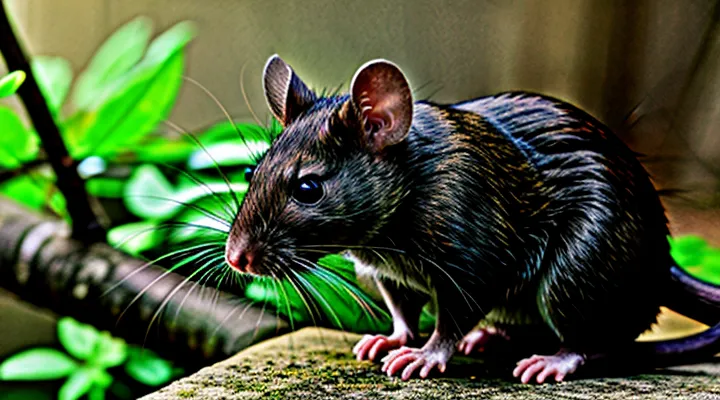
Understanding Rat Behavior and Chewing Needs
Why Rats Need to Chew
Dental Health and Growth
Rats require gnawing material that supports continuous incisor growth while preventing dental problems. Branches that are too soft allow excessive wear, leading to over‑growth and misalignment; overly hard wood can cause enamel fractures. Selecting appropriate wood types promotes balanced tooth wear and healthy jaw development.
- Hardness: Choose medium‑hard branches such as apple, pear, or cherry. These provide sufficient resistance to stimulate grinding without damaging enamel.
- Diameter: Opt for stems ½–1 inch thick. This size forces the rat to use both incisors and cheek teeth, encouraging uniform wear across the dental arcade.
- Texture: Prefer smooth bark with occasional natural ridges. Smooth surfaces reduce the risk of gum injury, while ridges create micro‑abrasion that aids in shaping teeth.
- Freshness: Provide fresh cuts weekly. Stale wood becomes brittle and may splinter, increasing the chance of oral injuries.
Regular monitoring of dental condition—checking for sharp edges, uneven wear, or over‑grown incisors—ensures that the chosen branches remain effective. Replacing worn or damaged pieces promptly maintains optimal oral health and supports normal growth rates.
Enrichment and Stress Reduction
Safe branches enhance a rat’s environment and lower anxiety by offering natural climbing surfaces, gnawing material, and tactile variety. Selecting appropriate wood requires attention to toxicity, treatment, and physical condition.
- Use hardwoods that lack toxic compounds (e.g., apple, pear, willow, maple).
- Avoid softwoods with high resin content such as pine or fir.
- Choose branches free of paint, varnish, pesticides, or preservatives.
- Prefer diameters between ¼ inch and ½ inch to accommodate small paws while allowing grip.
- Ensure bark is smooth, without sharp splinters or loose bark that could detach.
These characteristics support enrichment by encouraging exploratory behavior, providing a natural outlet for chewing, and simulating a burrow‑like setting that reduces stress hormones. Regular interaction with suitable branches promotes muscle development and mental sharpness.
Maintain branches through weekly inspection for cracks or splintered edges. Clean with warm water and a mild, unscented soap, then dry thoroughly before re‑introduction. Rotate branches every two weeks to preserve novelty and prevent habituation.
Optimal selections include:
- Apple tree twigs, harvested from pesticide‑free orchards.
- Willow shoots, soft enough for gentle gnawing while sturdy for climbing.
- Birch sticks, offering smooth bark and moderate hardness.
Providing these vetted branches delivers consistent enrichment and measurable reduction in stress‑related behaviors for laboratory or companion rats.
Identifying Safe Tree Branches
General Safety Guidelines
Avoiding Treated or Sprayed Wood
When selecting branches for rats, prioritize natural, untreated wood. Chemical preservatives, paint, or pesticide sprays introduce toxins that rats can ingest through chewing or grooming. These substances may cause liver damage, respiratory irritation, or digestive upset, compromising the animal’s health.
Safe branch characteristics:
- Fresh, solid hardwood such as oak, maple, or beech
- Naturally fallen limbs without visible decay
- Bark intact, providing texture for gnawing and climbing
- No visible coating, stain, or residue
Avoid wood that shows any of the following signs:
- Dark, oily sheen indicating paint or sealant
- Sprayed residue or a chemical odor
- Labels or markings denoting treatment (e.g., pressure‑treated, pressure‑preserved)
If uncertainty remains, rinse the branch with water, let it dry completely, and inspect for lingering smell before offering it to the rat. Selecting only untreated, chemical‑free wood ensures a safe environment for chewing, nesting, and play.
Ensuring Non-Toxic Species
Choosing branches for rats requires verification that each plant is non‑toxic. Toxic compounds such as oxalates, alkaloids, or saponins can cause gastrointestinal distress, renal failure, or neurological symptoms. Identify species through reputable veterinary or horticultural databases before placement in cages.
Key verification steps:
- Consult the ASPCA or a certified exotic‑pet veterinarian for an updated list of safe plants.
- Examine leaf, stem, and sap composition; avoid species with known irritants.
- Perform a small‑scale test: introduce a single leaf, observe for 24 hours, and monitor for vomiting, diarrhea, or lethargy.
- Record source information; cultivated varieties may differ from wild types in toxicity.
Commonly accepted non‑toxic species suitable for rat enrichment include:
- Bamboo (Phyllostachys spp.) – fibrous, low in toxins, provides chewing material.
- Hawthorn (Crataegus monogyna) – soft leaves, no known harmful compounds.
- Willow (Salix alba) – pliable twigs, safe for gnawing.
- Apple tree (Malus domestica) – non‑flowering branches – leaves lack harmful substances.
- Maple (Acer saccharum) – young shoots – minimal alkaloid content.
Exclude any branch displaying milky sap, strong odor, or thorns, as these traits often signal defensive chemicals. Regularly rotate branches to prevent mold growth and maintain hygiene. Document each addition in a care log to track rat health responses and adjust selections accordingly.
Proper Preparation of Branches
Proper preparation of branches is essential for providing rats with safe, chewable enrichment. Selecting appropriate wood, removing contaminants, and ensuring structural integrity reduce the risk of injury and illness.
- Choose hardwoods such as apple, pear, or willow; avoid softwoods, pine, and cedar, which contain resinous compounds harmful to rodents.
- Harvest branches from pesticide‑free areas; inspect the source for recent chemical treatments or fertilizer residues.
- Strip bark only when the species’ natural diet includes bark; otherwise, leave it intact to prevent accidental ingestion of loose pieces.
- Remove all leaves, twigs, and buds that could detach and become choking hazards.
- Cut the branch to a length of 6–12 inches, providing a manageable size for indoor cages while allowing ample chewing surface.
- Sand any rough edges or splinters with fine‑grit sandpaper; smooth surfaces prevent oral injuries.
- Soak the branch in a mild, chlorine‑free solution (e.g., diluted white vinegar) for 10–15 minutes to eliminate surface microbes, then rinse thoroughly with clean water.
- Air‑dry the branch completely in a well‑ventilated area; moisture retention encourages mold growth, which can be toxic to rats.
- Store prepared branches in a sealed container away from direct sunlight to preserve freshness and prevent pest infestation.
Regularly inspect stored branches for signs of mold, rot, or splintering before each use. By adhering to these preparation steps, caretakers ensure that chewing material contributes to dental health and mental stimulation without compromising safety.
Recommended Tree Species for Rats
Fruit-Bearing Trees
Fruit‑bearing trees that provide sturdy, non‑toxic branches are the most suitable for rodent access. Branches must support the animal’s weight, lack sharp thorns, and bear fruits that are not harmful if consumed.
- Apple (Malus domestica): thick limbs, smooth bark, low toxicity of the fruit.
- Pear (Pyrus communis): robust branches, minimal spines, edible fruit for rats.
- Plum (Prunus domestica): sturdy growth, moderate foliage density, fruit safe in moderation.
- Cherry (Prunus avium): strong wood, limited thorn presence, fruit acceptable when pits are removed.
- Peach (Prunus persica): solid branches, few thorns, fruit safe after pit removal.
Avoid trees with brittle limbs, extensive thorns, or poisonous seeds, such as hawthorn, elderberry, or certain citrus varieties. Selecting trees from the list above minimizes injury risk and prevents exposure to toxic compounds.
Deciduous Trees
Deciduous trees provide the most reliable options for safe rat climbing. Their branches are typically flexible, densely covered with foliage, and lack the toxic sap found in many conifers. These characteristics reduce the risk of injury and exposure to harmful substances.
Commonly recommended species include:
- Oak (Quercus spp.) – sturdy limbs, abundant leaves for concealment.
- Maple (Acer spp.) – smooth bark, moderate branch thickness.
- Birch (Betula spp.) – thin, flexible twigs that break under excessive weight, preventing falls.
- Poplar (Populus spp.) – rapid growth, extensive canopy coverage.
- Ash (Fraxinus spp.) – strong branches, minimal resin production.
When selecting a tree, prioritize mature specimens with well‑developed branch networks and avoid those treated with pesticides or herbicides. Regular inspection ensures that limbs remain intact and free of hazardous debris.
Specific Examples of Safe Branches
Rats thrive when provided with natural climbing material that lacks toxic compounds, sharp thorns, or excessive sap. The following branches meet those criteria and are commonly recommended for indoor and outdoor enclosures.
- Apple (Malus domestica) – smooth bark, low tannin content, no known rodent toxins.
- Pear (Pyrus communis) – similar texture to apple, safe sap, easy to clean.
- Cherry (Prunus avium) – soft wood, minimal bitterness, tolerates frequent handling.
- Maple (Acer spp.) – dense grain, low resin, resistant to rot when kept dry.
- Birch (Betula pendula) – thin bark that peels without harming the animal, non‑allergenic.
- Willow (Salix alba) – flexible twigs, safe for gnawing, quick regeneration.
- Oak (Quercus robur) – hard wood, durable, free of alkaloids that affect rodents.
These selections provide sturdy support for climbing, enable gnawing behavior, and avoid health risks associated with poisonous or abrasive plant material. When introducing branches, ensure they are free of pesticides, thoroughly rinsed, and periodically inspected for mold or decay. Proper maintenance preserves safety and extends the functional lifespan of each branch.
Unsafe Tree Species to Avoid
Toxic Woods
Rats tolerate only certain types of wood; many common varieties contain compounds that can cause liver, kidney, or gastrointestinal damage. Recognizing toxic options prevents accidental poisoning.
Toxic woods include:
- Cedar – contains aromatic oils that irritate respiratory passages and may lead to liver stress.
- Pine – resinous sap can cause digestive upset and kidney strain.
- Hemlock – harbors neurotoxins that affect nervous system function.
- Redwood – high tannin content may result in chronic liver irritation.
- Eucalyptus – essential oils are toxic when ingested, causing vomiting and diarrhea.
Symptoms of exposure often appear within hours: loss of appetite, lethargy, abnormal droppings, or signs of respiratory distress. Persistent exposure can lead to organ failure and death.
Safe alternatives for constructing chewing or nesting structures are:
- Apple wood – low in harmful compounds, readily chewed.
- Birch – soft texture, minimal toxin content.
- Poplar – easy to gnaw, non‑toxic.
- Willow – flexible, safe for ingestion.
When providing branches, ensure they are freshly cut, free of pesticides, and free from mold. Regularly inspect for signs of wear or decay; replace compromised pieces promptly. This practice maintains a health‑conscious environment and reduces the risk of toxin‑related illness.
Softwoods and Splintering Risks
Softwoods are frequently offered to pet rats because of their light weight and aromatic qualities, yet their cellular structure predisposes them to splinter formation. Splinters can penetrate delicate skin and cause internal wounds, especially when the wood dries or is exposed to chewing.
- Pine (Pinus spp.) – high splinter risk; resinous bark may detach in sharp fragments.
- Spruce (Picea spp.) – moderate risk; softer than pine but still prone to fracture under bite pressure.
- Cedar (Thuja spp.) – low to moderate risk; natural oils deter pests but can become brittle when aged.
- Fir (Abies spp.) – moderate risk; fine grain reduces large splinters but does not eliminate them.
Safe selection practices:
- Choose freshly cut, moisture‑rich branches; moisture maintains wood flexibility and reduces breakage.
- Inspect bark for cracks, peeling layers, or exposed fibers before offering the branch.
- Trim ends to eliminate sharp points; smooth surfaces lower the chance of puncture injuries.
- Rotate supplied branches regularly; replace any that become dry, splintered, or heavily chewed.
Providing softwood branches that meet these criteria minimizes injury while preserving enrichment benefits for rats.
Common Household Plants to Beware Of
Rats that are allowed to gnaw on plant material need guidance on which foliage poses a health risk. Many common indoor species contain toxins that can cause liver failure, respiratory distress, or gastrointestinal irritation in rodents. Owners should keep these plants out of reach or remove them entirely from environments where rats roam.
- Dieffenbachia (Dumb Cane) – calcium oxalate crystals damage oral tissues and can obstruct the airway.
- Philodendron – similar crystal content leads to swelling, pain, and difficulty swallowing.
- Peace lily (Spathiphyllum) – contains oxalic acid; ingestion produces vomiting and drooling.
- Pothos (Epipremnum aureum) – oxalate crystals cause oral irritation and digestive upset.
- Oleander – cardiac glycosides produce arrhythmias and can be fatal.
- English ivy (Hedera helix) – saponins cause vomiting, abdominal pain, and diarrhea.
- ZZ plant (Zamioculcas zamiifolia) – contains calcium oxalate; ingestion results in severe oral inflammation.
- Caladium – high levels of oxalates provoke swelling and potential respiratory blockage.
Selecting branches from non‑toxic species, such as willow, hazel, or fruit‑bearing trees, reduces the risk of poisoning. Providing safe, chewable wood alongside a diet of fresh vegetables and grains supports dental health while avoiding the hazards listed above.
Sourcing and Preparing Branches
Where to Obtain Safe Branches
Personal Yard or Garden
Rats kept outdoors benefit from natural chew material found in a home garden. Selecting branches that lack toxins, sharp thorns, or strong aromatic oils reduces the risk of digestive upset and dental injury.
- Apple (Malus domestica) – young, untreated twigs, no pesticide residues.
- Willow (Salix spp.) – flexible shoots, low tannin content.
- Hazelnut (Corylus avellana) – soft bark, readily chewed.
- Birch (Betula pendula) – smooth bark, non‑allergenic sap.
- Oak (Quercus robur) – mature, non‑brittle limbs, avoid leaves due to high tannins.
When harvesting, cut branches early in the season, wash thoroughly, and air‑dry for 24 hours to eliminate surface contaminants. Store in a dry, ventilated container to prevent mold growth.
Branches that should be excluded from a rat’s environment include those from:
- Poisonous plants such as yew, nightshade, and oleander.
- Species with high calcium oxalate crystals, like philodendron and dieffenbachia.
- Trees treated with systemic insecticides or fungicides.
Regularly inspect garden branches for rot, mold, or insect infestation. Replace any compromised material promptly to maintain a safe chewing supply for outdoor rats.
Reputable Nurseries or Pet Stores
When selecting branches for pet rats, the source matters as much as the product itself. Reputable nurseries and pet stores provide branches that meet health and safety standards, reducing the risk of pesticide residue, mold, or toxic wood species.
Key indicators of a trustworthy vendor include:
- Certification from agricultural or wildlife agencies confirming pesticide‑free cultivation.
- Transparent sourcing policies that specify tree species and harvesting methods.
- Availability of material safety data sheets or lab test results for contaminants.
- Positive customer reviews that mention successful rat health outcomes.
- Clear return or guarantee policies addressing quality concerns.
Visit the establishment in person whenever possible. Inspect the branches for signs of decay, excessive dust, or chemical odors. Verify that the wood is untreated, non‑painted, and free of adhesives. Ask staff about their inventory turnover; fresh stock reduces the chance of fungal growth.
When ordering online, request detailed photographs and a list of species used. Confirm that the seller ships in sealed, breathable packaging to prevent moisture buildup. Retain receipts and documentation for future reference, especially if health issues arise.
By adhering to these criteria, owners can confidently obtain branches that support dental health, enrichment, and overall well‑being for their rats.
Foraging Best Practices
When allowing rats to forage outdoors, select branches that will not damage their teeth or cause injury. Opt for wood that is naturally smooth, free of thorns, and without toxic sap. Avoid branches from trees known to produce irritants, such as eucalyptus, pine, or cedar, because the resin can irritate the respiratory system and digestive tract.
Key criteria for safe foraging material:
- Diameter between ½ inch and 1 inch; supports chewing without breaking into splinters.
- Freshness: dry, brittle wood can splinter, while overly moist wood fosters mold growth.
- Source: harvested from pesticide‑free environments; avoid areas treated with chemicals or near heavy traffic.
- Texture: smooth bark and rounded edges reduce the risk of cuts.
Implement the following practices to maintain a secure foraging area:
- Inspect each branch before offering it to the rat; discard any with cracks, knots, or mold.
- Rotate foraging items regularly to prevent bacterial buildup and to keep the environment stimulating.
- Provide a shallow water dish nearby to allow the rat to rinse debris from its mouth after chewing.
- Monitor the rat’s behavior; excessive gnawing or signs of discomfort indicate that the material may be unsuitable.
- Store spare branches in a clean, dry container to preserve their condition between foraging sessions.
By adhering to these guidelines, rat owners can create a safe, enriching foraging environment that promotes dental health and natural exploratory behavior.
Cleaning and Sterilizing Branches
Washing Procedures
When offering branches as chew toys or climbing aids, thorough cleaning eliminates pathogens, pesticide residues, and surface contaminants that could harm rodents. The washing protocol must be consistent, repeatable, and compatible with the natural texture of the wood.
- Rinse each branch under cool running water to remove loose debris and dust.
- Submerge the branch in a solution of one part white vinegar to three parts water for five minutes; vinegar acts as a mild disinfectant without degrading wood fibers.
- Scrub gently with a soft-bristled brush, focusing on crevices and bark seams where microbes may hide.
- Rinse again with clean water to flush out residual acidity.
- Soak the branch in a dilute hydrogen peroxide solution (3% peroxide diluted to 1% with water) for three minutes to neutralize remaining bacteria and spores.
- Perform a final rinse, then place the branch on a clean towel and allow it to air‑dry completely in a well‑ventilated area; direct sunlight speeds drying and provides additional UV sterilization.
After drying, inspect the branch for splinters or sharp edges. If any are present, sand them lightly with fine‑grade sandpaper, then repeat the rinse‑dry cycle to ensure no sanding residue remains. Store cleaned branches in a sealed container until they are introduced to the cage, preventing re‑contamination from dust or insects.
Implementing this procedure each time new branches are introduced maintains a hygienic environment, supports the health of pet rodents, and preserves the structural integrity of the natural materials they interact with.
Baking or Boiling for Sterilization
Branches used in rat enclosures must be free of parasites, mold, and bacterial contamination. Sterilization eliminates health risks without compromising structural integrity when performed correctly.
-
Baking
- Preheat oven to 250 °F (121 °C).
- Arrange branches on a baking sheet, ensuring spacing to allow air circulation.
- Heat for 30 minutes; longer exposure may cause brittleness in soft woods.
- Allow to cool in a clean environment before placement.
-
Boiling
- Submerge branches in a pot of water, ensuring full coverage.
- Bring water to a rolling boil and maintain for 10 minutes.
- Remove, drain, and spread on a sanitized surface to dry completely.
- Drying time varies; moisture must be eliminated to prevent mold growth.
Baking preserves natural oils better than boiling, which can leach resins from certain conifers. Boiling is effective for dense hardwoods that resist heat damage. Both methods render the material safe for rats when temperature and duration are strictly observed. Selecting the appropriate technique depends on branch type and the desired longevity of the grooming material.
Air Drying and Storage
Air‑drying eliminates moisture that can promote mold, rot, or bacterial growth on wooden branches intended for rat enrichment. Proper drying also reduces the risk of splintering caused by residual sap or soft wood fibers.
- Select fresh, untreated branches free of pesticides or chemical stains.
- Trim branches to appropriate lengths (5–10 cm) for cage use.
- Place branches in a well‑ventilated area away from direct sunlight.
- Allow at least 48 hours of exposure; extend time for thicker pieces.
- Rotate branches periodically to ensure even drying on all surfaces.
After drying, store branches in conditions that preserve their integrity and safety. Use containers that prevent humidity buildup and limit exposure to dust or pests.
- Keep branches in sealed, breathable bags (e.g., cotton or mesh) rather than airtight plastic.
- Store bags in a cool, dry drawer or cabinet with a moisture‑absorbing packet if needed.
- Inspect each branch before each use; discard any that show signs of cracking, mold, or unusual odor.
- Replace stored branches every three to six months to maintain optimal quality.
Following these air‑drying and storage practices ensures that the wooden branches remain safe, durable, and suitable for rat interaction.
Incorporating Branches into the Rat Environment
Placement and Design
Cage Layout Considerations
When selecting branches for a rat enclosure, the arrangement within the cage determines both safety and enrichment. Secure placement prevents tipping, while spacing allows natural climbing behavior without crowding.
Key considerations include:
- Diameter and thickness – Choose branches at least ½ inch thick to support the animal’s weight and resist splintering.
- Surface texture – Rough bark or natural ridges provide grip; smooth wood increases the risk of slips.
- Length and orientation – Provide horizontal spans of 8–12 inches for bridges and vertical sections of 6–10 inches for climbing, ensuring each element connects to a solid anchor point.
- Material integrity – Inspect for cracks, rot, or loose knots; replace any compromised pieces before introduction.
- Placement relative to accessories – Keep branches away from food dishes and water bottles to avoid contamination, and position them near hiding spots to encourage exploration.
Arrange branches to form a tiered network: lower platforms for resting, mid‑level routes for movement, and upper perches for observation. This vertical hierarchy mirrors natural habitats and distributes activity evenly across the cage, reducing stress and injury risk.
Providing Chewing Opportunities
Rats require regular gnawing to keep their incisors from overgrowing, and the choice of material directly affects dental health and overall well‑being. Safe branch options must be hardwoods free from toxic compounds, harvested from untreated trees, and sized to allow comfortable grasping and chewing.
Suitable woods include:
- Apple (unsprayed, fresh or dry)
- Willow (soft, flexible, non‑toxic)
- Birch (hard enough to resist splintering)
- Maple (dense, low in resin)
- Oak (provides durability without harmful tannins)
Branches should be at least one inch in diameter, free of bark that could detach, and cut to lengths of six to twelve inches to prevent accidental ingestion of large pieces. Prior to offering, sanitize by soaking in hot water for five minutes, then air‑dry completely; this eliminates surface contaminants while preserving the wood’s natural scent, which encourages chewing.
Rotate the selection weekly to prevent wear from creating sharp edges. Observe each rat for signs of excessive wear, splintering, or refusal, and replace any compromised pieces immediately. Providing a variety of textures—soft willow twigs alongside harder maple sticks—supports the natural gnawing behavior while minimizing the risk of dental injury.
Rotating and Replacing Branches
Rotating and replacing branches in a rat enclosure ensures ongoing safety and encourages natural foraging behavior. Continuous use of the same branches leads to wear, splinter formation, and loss of structural integrity, which can result in injury.
Key practices for branch rotation:
- Inspect each branch weekly for cracks, splinters, or soft spots.
- Remove any branch showing signs of damage before the next use.
- Introduce a fresh branch from a different source to prevent material fatigue.
When replacing a branch, follow these steps:
- Select untreated, pesticide‑free wood such as natural maple, birch, or apple. Avoid soft woods that compress easily.
- Clean the branch with warm water and a mild, animal‑safe sanitizer; rinse thoroughly and allow to dry completely.
- Roughen the surface lightly with sandpaper to remove sharp edges while preserving natural texture.
- Secure the branch using stainless‑steel wire or reinforced clips, ensuring no protruding hardware remains.
Additional considerations:
- Maintain a variety of diameters (¼‑½ inch) to accommodate different chewing strengths.
- Position branches at multiple heights to promote climbing and exploration.
- Rotate the entire set of branches every two to three weeks, even if no damage is visible, to distribute wear evenly.
Implementing systematic rotation and replacement eliminates hazards, sustains enrichment, and supports the overall health of the rodents.
Monitoring Your Rats’ Interaction
Observing Chewing Habits
Rats instinctively gnaw to maintain dental health, so the material they select reveals potential hazards. When a rat repeatedly bites a branch, the taste, texture, and scent provide clues about safety; avoidance often signals toxicity or excessive hardness that could damage teeth.
Observe the following indicators during chewing sessions: consistent, steady nibbling without hesitation; absence of drooling, gagging, or sudden cessation; and normal fecal output after ingestion. Any signs of irritation, excessive salivation, or reduced appetite require immediate removal of the branch and replacement with a verified safe option.
- Soft hardwoods such as apple, pear, and willow
- Fruit tree branches from cherry, plum, and peach (remove any blossoms or leaves)
- Fresh, pesticide‑free maple or birch twigs
- Small, non‑thorny branches of hazelnut or almond (ensure no bitter almond scent)
Replace each branch after a few days of use to prevent mold growth. Rotate varieties to encourage diverse chewing patterns and monitor changes in preference; a sudden shift may indicate an emerging health issue. Maintain a log of branch types, chewing duration, and any adverse reactions to refine selection over time.
Inspecting Branches for Wear
When selecting natural perches for pet rats, examine each branch for signs of deterioration before allowing access.
- Look for cracks that run the length of the wood; deep fissures compromise structural integrity.
- Test surface smoothness; splinters or rough bark can cause injuries to delicate paws.
- Assess moisture damage; soft, soggy sections indicate rot and will not support weight.
- Verify that no insect activity has hollowed the interior; tunnels reduce load‑bearing capacity.
A practical inspection routine includes gently flexing the branch to feel for give, tapping it to listen for hollow sounds, and running a fingertip along the surface to detect sharp edges. Replace any limb that fails these checks with a fresh, sturdy piece.
Consistent evaluation of wear prevents accidental falls and maintains a safe climbing environment for rats.
Addressing Potential Issues
When selecting natural perches for pet rodents, owners must anticipate hazards that can compromise health and safety. Unsuitable wood may splinter, harbor toxins, or support unwanted pests. Identifying these problems early prevents injuries and long‑term complications.
Key concerns include:
- Splintering: Soft or poorly cured timber breaks under pressure, creating sharp fragments that can puncture paws or mouths.
- Chemical contamination: Treated lumber, pressure‑treated pine, or branches from areas sprayed with pesticides contain residues toxic to small mammals.
- Mold and fungi: Damp wood fosters fungal growth, which can trigger respiratory issues or skin irritation.
- Insect infestation: Beetles, termites, or mite colonies hide within bark, leading to bites, allergic reactions, or disease transmission.
- Structural instability: Branches that wobble or collapse when a rat climbs increase the risk of falls and fractures.
Mitigation strategies involve sourcing fresh, untreated hardwoods from pesticide‑free environments, inspecting each piece for cracks or decay, and sanitizing with a mild, rodent‑safe disinfectant before use. Regularly rotate perches and monitor for signs of wear, mold, or insect activity. By addressing these potential issues, caretakers ensure that the chosen branches remain a safe, enriching element of the animal’s habitat.