
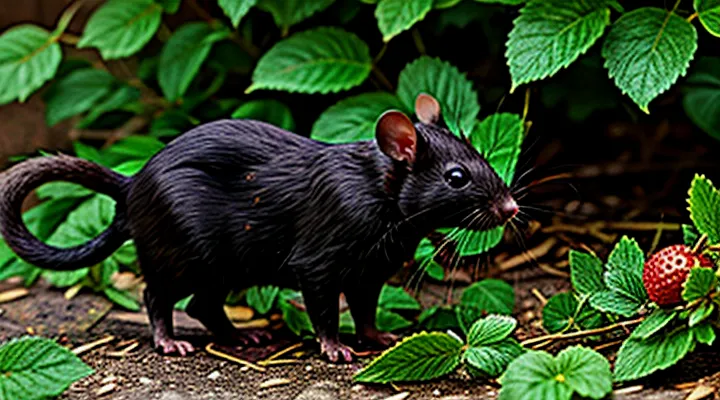
Understanding Rat Dietary Needs
Essential Nutrients for Rats
Rats require a balanced diet that supplies protein, fiber, vitamins, minerals, and essential fatty acids. When selecting berries as a supplemental treat, consider the nutrient profile each fruit contributes.
- Protein: Not abundant in berries; provide only trace amounts. Supplement with high‑protein foods such as cooked eggs, legumes, or commercial rat pellets.
- Fiber: Raspberries, blackberries, and strawberries deliver soluble and insoluble fiber, supporting digestive health and preventing constipation.
- Vitamin C: Strawberries and blueberries contain moderate vitamin C, aiding immune function and tissue repair.
- Vitamin A (beta‑carotene): Raspberries and blackberries include beta‑carotene, which the rat converts to vitamin A for vision and epithelial maintenance.
- Minerals: Blueberries supply manganese and potassium; blackberries provide calcium and iron in small quantities.
- Antioxidants: All listed berries are rich in flavonoids and anthocyanins, reducing oxidative stress.
Portion control is critical. Offer no more than one teaspoon of mixed berries per day for an adult rat, ensuring the primary diet remains nutritionally complete. Remove any stems, leaves, or seeds that could pose choking hazards or contain toxins. Regularly monitor weight and health indicators to confirm that berry supplementation does not displace essential nutrients from the core diet.
Foods to Avoid for Rats
Pet rats require a diet that excludes items that can cause digestive upset, toxicity, or nutritional imbalance. When considering berries as a treat, it is essential to recognize the broader category of foods that must be eliminated from a rat’s menu.
- Citrus fruits (oranges, lemons, grapefruits) – high acidity damages oral tissues and can lead to stomach irritation.
- Avocado – contains persin, a toxin harmful to rodents.
- Chocolate and caffeine‑containing products – methylxanthines are lethal in small doses.
- Raw potatoes and green tomatoes – solanine levels are toxic to rats.
- Processed foods with high salt, sugar, or artificial additives – contribute to obesity, kidney strain, and metabolic disorders.
- Dairy products – rats lack lactase, resulting in diarrhea and discomfort.
- Nuts with added seasoning or salt – excessive fat and sodium increase the risk of cardiovascular issues.
- Grapes and raisins – can cause acute kidney failure in rodents.
- Onions, garlic, and related Allium species – contain compounds that damage red blood cells.
- High‑fat animal meats (bacon, sausage) – provide unnecessary saturated fat and preservatives.
Avoiding these items supports optimal health and ensures that occasional berry portions remain a safe, nutritious supplement rather than a source of harm.
Safe Berries for Rat Consumption
Blueberries: Nutritional Benefits and Serving Suggestions
Blueberries are safe for rats when offered in moderation. They contain antioxidants, dietary fiber, vitamin C, and manganese, which support immune function, digestive health, and bone development. The low sugar content reduces the risk of obesity compared to many other fruits.
Nutritional highlights
- Antioxidants (anthocyanins) – protect cells from oxidative stress.
- Fiber – promotes regular bowel movements.
- Vitamin C – aids collagen synthesis and immune response.
- Manganese – contributes to enzyme activity and metabolism.
Serving guidelines
- Offer fresh, washed berries; avoid frozen varieties with added sugars.
- Cut berries into small pieces, roughly the size of a rat’s fingertip, to prevent choking.
- Limit intake to 1–2 berries per day for an adult rat, adjusting for weight and overall diet.
- Introduce gradually; observe for any signs of digestive upset before increasing the portion.
- Use berries as a treat, not a staple; maintain a balanced diet of commercial pellets, fresh vegetables, and occasional protein sources.
Providing blueberries according to these parameters adds nutritional variety without compromising a rat’s health.
Raspberries: Health Aspects and Feeding Tips
Raspberries are a viable berry option for pet rats, offering a range of nutrients without excessive caloric load.
Nutritional highlights include vitamin C, vitamin K, manganese, dietary fiber, and polyphenolic antioxidants. These compounds support immune function, bone health, and digestive regularity. The fruit’s low fat and modest sugar content align with the caloric requirements of small rodents.
Potential issues arise from pesticide residues, natural acidity, and the presence of tiny seeds. Residues can be mitigated by thorough washing; excessive acidity may irritate the gastrointestinal tract, especially in sensitive individuals. Seeds, while small, could pose a choking risk if not adequately softened. Over‑consumption can lead to diarrhea or weight gain, contradicting a balanced diet.
Feeding recommendations:
- Wash berries under running water; consider a brief dip in a dilute vinegar solution, then rinse.
- Offer only fresh, ripe fruit; discard wilted or moldy portions.
- Limit portion to one to two berries per rat, divided into small pieces to reduce choking hazard.
- Provide raspberries no more than two to three times per week, integrating them with a staple of high‑quality pellets, fresh vegetables, and occasional protein sources.
- Store unused berries in the refrigerator, covered, and use within 24 hours to preserve nutrient integrity.
When introduced gradually and monitored for adverse reactions, raspberries can enhance a rat’s diet with valuable micronutrients while maintaining overall health.
Strawberries: Vitamins and Safe Quantities
Strawberries are an appropriate fruit option for pet rats when offered in moderation. Their nutrient profile supplies several vitamins that contribute to overall health without overwhelming the animal’s diet.
- Vitamin C: supports immune function and antioxidant activity.
- Vitamin K: aids blood clotting and bone metabolism.
- Folate (Vitamin B9): essential for cellular division and tissue repair.
- Small amounts of Vitamin A and several B‑complex vitamins are also present.
Safe portions must respect the rat’s limited digestive capacity and the fruit’s natural sugar content. A typical adult rat can tolerate no more than ¼ cup (approximately 30 g) of fresh, diced strawberries per week. The fruit should be introduced gradually, monitoring for signs of gastrointestinal upset. Feeding frequency should not exceed two separate servings within a seven‑day period, and each serving should consist of only a few small pieces. Remove any uneaten portions after 15 minutes to prevent spoilage and mold growth.
Cranberries: Antioxidants and Moderation
Cranberries are an acceptable berry choice for pet rats, offering a concentrated source of natural antioxidants. Their phytochemical profile includes vitamin C, anthocyanins, and proanthocyanidins, which help neutralize free radicals and support cellular health.
The antioxidant content contributes to reduced oxidative stress, potentially improving immune function and protecting against age‑related degeneration. However, cranberries also contain high levels of organic acids and oxalates, which can irritate the digestive tract or promote urinary crystal formation if consumed excessively.
Feeding recommendations emphasize small, infrequent portions and careful preparation:
- Offer ¼ to ½ teaspoon of fresh, washed cranberries per adult rat, no more than two times per week.
- Use unsweetened, unsulphured dried cranberries only after rehydrating in water for several hours; limit to ¼ teaspoon per serving.
- Avoid canned varieties that contain added sugars or syrups.
- Observe the animal for signs of gastrointestinal upset or changes in urine color; discontinue if adverse effects appear.
Moderation ensures that rats benefit from the antioxidant properties without risking acidity‑related discomfort or mineral imbalances.
Blackberries: Fiber Content and Preparation
Blackberries are a safe option for laboratory and pet rats when offered in moderation. Their natural sweetness appeals to rodents, and they supply nutrients that complement a balanced rodent diet.
The fruit’s dietary fiber is primarily insoluble, supporting gastrointestinal motility. A 100‑gram portion of fresh blackberries contains approximately 5.3 grams of total fiber, of which about 2.5 grams are soluble and the remainder insoluble. This fiber level is comparable to that of other small berries, providing a modest contribution to the daily fiber requirement of an adult rat (roughly 1‑2 grams).
Proper preparation minimizes health risks:
- Rinse thoroughly under cool running water to remove pesticide residues and surface contaminants.
- Inspect each berry; discard any that are bruised, moldy, or overly soft.
- Remove stems and leaves, as they may cause digestive irritation.
- Cut berries into bite‑size pieces (no larger than 0.5 cm) to prevent choking.
- Offer a maximum of one to two berries per day, equivalent to 2‑4 grams of fresh fruit, ensuring the portion does not exceed 10 % of the rat’s total caloric intake.
- Store unused berries in a sealed container in the refrigerator for no more than 24 hours; discard any that develop spoilage.
When incorporated correctly, blackberries provide a source of fiber, vitamins, and antioxidants without compromising the primary nutritional regimen for rats.
Berries to Avoid and Why
Elderberries: Toxicity Concerns
Elderberries contain cyanogenic glycosides that release hydrogen cyanide when the fruit is broken down. In rats, even small amounts can cause rapid onset of toxicity, affecting respiratory and cardiovascular function. Laboratory studies show lethal doses as low as 0.5 g kg⁻¹ of fresh berries, indicating high risk for domestic pet rats.
Owners should treat elderberries as hazardous and keep them out of reach. If ingestion is suspected, monitor for:
- Labored breathing
- Tremors or seizures
- Sudden collapse
- Pale or bluish gums
Immediate veterinary intervention is required upon any of these signs. The safest practice is to exclude elderberries from all rat diets and avoid offering any part of the plant, including leaves and stems, which also contain toxic compounds.
Holly Berries: Poisonous Compounds
Holly (Ilex spp.) berries contain several toxic substances that make them unsafe for rodent consumption. The primary hazardous compounds are:
- Saponins – irritate gastrointestinal mucosa, cause vomiting and diarrhea.
- Phenolic acids (e.g., gallic acid) – disrupt cellular metabolism, leading to organ stress.
- Alkaloids – interfere with neurotransmission, potentially resulting in tremors or seizures.
- Anthocyanins in high concentrations – may act as mild hemolytic agents.
These chemicals can produce acute symptoms such as salivation, lethargy, abdominal pain, and, in severe cases, respiratory distress or death. Toxicity varies with berry maturity; unripe fruit often carries higher saponin levels. Laboratory analyses confirm that even small ingestions (0.5 g per 100 g body weight) provoke measurable physiological effects in rats.
Because of the documented toxicity, holly berries should be excluded from any diet intended for laboratory or pet rodents. Safer alternatives include berries lacking saponins and alkaloids, such as blueberries, strawberries, or raspberries, which have been shown to be well‑tolerated in controlled feeding studies.
Mistletoe Berries: Severe Health Risks
Mistletoe berries present a serious danger to rats. They contain viscotoxin, a potent cardiac glycoside that interferes with heart rhythm and can cause arrhythmia, bradycardia, or sudden cardiac arrest. The toxin also disrupts gastrointestinal function, leading to vomiting, diarrhea, and severe abdominal pain. Neurological symptoms such as tremors, seizures, and paralysis may develop as the compound crosses the blood‑brain barrier.
Key health hazards include:
- Cardiac toxicity: irregular heartbeat, potential fatal arrest.
- Gastrointestinal distress: persistent vomiting and diarrhea.
- Neurological impairment: tremors, seizures, loss of motor control.
- Liver and kidney damage: elevated enzyme levels, impaired filtration.
Because the toxic dose is low, even a single berry can be lethal for a small rodent. Immediate veterinary intervention is required if ingestion is suspected. For safe berry selection, exclude mistletoe entirely and choose species proven non‑toxic, such as blueberries, strawberries, or raspberries.
Other Potentially Harmful Berries
Rats may ingest berries that contain toxic compounds, leading to acute or chronic health issues. The following fruits are known to pose a risk:
- Holly berries (Ilex spp.) – contain saponins and caffeine‑like alkaloids; ingestion can cause vomiting, diarrhea, and cardiac arrhythmia.
- Yew berries (Taxus spp.) – seeds and arils hold taxine alkaloids; symptoms include tremors, respiratory failure, and potentially fatal cardiac arrest.
- Elderberries (Sambucus nigra) – unripe – high levels of cyanogenic glycosides; consumption may result in nausea, dizziness, and respiratory distress.
- Raspberry leaves and stems – contain tannins and trace cyanogenic compounds; excessive intake can irritate the gastrointestinal tract and lead to dehydration.
- Juniper berries (Juniperus communis) – concentrated essential oils and terpenes; can cause renal irritation and central nervous system depression at high doses.
- Mistletoe berries (Viscum album) – contain viscotoxin; ingestion may trigger vomiting, abdominal pain, and severe hypotension.
Symptoms of berry toxicity in rats typically appear within hours and may include loss of appetite, lethargy, tremors, or abnormal heart rhythm. Immediate removal of the offending fruit, provision of fresh water, and veterinary assessment are recommended. Avoid offering any wild‑collected berries unless their safety is confirmed by a qualified veterinarian or reputable source.
Preparing Berries for Rats
Washing and Cleaning Procedures
When offering berries to pet rodents, thorough cleaning eliminates pesticide residues, soil particles, and microbial contaminants that could harm their digestive system.
Begin each cleaning cycle with fresh, cool water. Submerge the berries for 30 seconds to loosen surface debris, then gently agitate by swirling the container. Rinse under running water, using a fine mesh strainer to prevent loss of small fruit. For berries with skins that may trap contaminants—such as strawberries, blueberries, and raspberries—immerse briefly (10–15 seconds) in a solution of one part white vinegar to three parts water, then rinse again to remove any acidic taste.
After washing, dry the fruit on a clean, lint‑free cloth or paper towel. Allow a brief air‑dry period (2–3 minutes) to reduce excess moisture that could promote mold growth during storage.
Key steps for safe berry preparation
- Select fresh, firm berries without bruises or mold.
- Rinse in cool water, agitating for 30 seconds.
- Apply a diluted vinegar soak (1:3) for 10–15 seconds when skins are thick.
- Rinse thoroughly to remove all vinegar traces.
- Pat dry with a sterile cloth; air‑dry briefly before serving.
- Store cleaned berries in a sealed container in the refrigerator, use within 24 hours.
Adhering to these procedures ensures that the berries presented to rats are free from harmful residues and remain nutritionally beneficial.
Portion Control and Frequency
When offering berries to pet rats, portion size and feeding schedule determine whether the treat remains beneficial rather than a health risk. Small amounts prevent excess sugar intake, which can lead to obesity, dental problems, and gastrointestinal upset. Provide no more than one teaspoon of fresh berries per day for an adult rat weighing 300‑400 g; younger or smaller animals require half that amount.
- Blueberries: ½ tsp per day, cut into halves.
- Strawberries: ⅓ tsp per day, sliced thinly, seeds removed.
- Raspberries: ½ tsp per day, whole or halved.
- Blackberries: ½ tsp per day, whole or quartered.
- Cranberries (unsweetened, fresh): ¼ tsp per day, chopped.
Distribute the daily portion across two feeding sessions, typically morning and evening, to avoid a sudden sugar spike. Record each serving to ensure consistency and adjust quantities if weight gain or stool changes appear. Remove any uneaten berries within two hours to prevent spoilage and bacterial growth.
Introducing New Berries Safely
When adding unfamiliar berries to a rat’s diet, begin with a single, small piece and observe the animal for at least 24 hours. Record any changes in behavior, stool consistency, or appetite; these are primary indicators of tolerance.
Key steps for safe introduction:
- Choose berries that are low in sugar and free of seeds or pits that could cause choking.
- Wash thoroughly to remove pesticide residues; a mild vegetable wash is sufficient.
- Offer only fresh, ripe fruit; wilted or mold‑affected berries increase the risk of gastrointestinal upset.
- Limit the portion to no more than 5 % of the total daily food intake; excess fruit can disrupt the balance of nutrients.
- Introduce one variety at a time, spacing each new type by several days to isolate potential reactions.
Berries commonly accepted by rats when introduced correctly include:
- Blueberries – soft skin, minimal seeds.
- Strawberries – remove stems, offer in bite‑size pieces.
- Raspberries – monitor for tiny seeds; limit to a few per serving.
- Blackberries – similar precautions as raspberries.
- Cranberries – use unsweetened, fresh berries; avoid dried or canned versions.
Berries to avoid or treat with caution:
- Cherries – pits contain cyanogenic compounds; only the flesh should be given, and pits must be removed completely.
- Grapes – high sugar content and potential toxicity; limit to occasional, very small amounts.
- Elderberries – raw berries contain toxic substances; only cooked, sterilized forms are safe, and even then should be rare.
If any of the following signs appear—vomiting, diarrhea, lethargy, or loss of appetite—discontinue the berry immediately and consult a veterinarian experienced with rodents. Maintaining a log of introduced fruits, quantities, and observed reactions supports long‑term dietary planning and reduces the likelihood of adverse events.
Observing Your Rat After Feeding Berries
Signs of Allergic Reactions
When berries are added to a rat’s diet, owners must monitor the animal for immediate or delayed hypersensitivity. Recognizing the following indicators allows prompt intervention and prevents escalation.
- Persistent scratching or pawing at the skin
- Localized swelling, especially around the muzzle or ears
- Redness or raised welts on the fur-covered areas
- Sneezing, coughing, or labored breathing
- Vomiting or sudden onset of watery diarrhea
- Noticeable lethargy or loss of coordination
- Excessive salivation or drooling
Any combination of these signs after introducing a new fruit warrants removal of the berry and consultation with a veterinarian. Continuous observation during the first 24‑48 hours is essential for safe dietary expansion.
Digestive Issues and What to Do
Rats may experience gastrointestinal upset after consuming certain berries. Symptoms such as loose stools, reduced appetite, or abdominal swelling indicate that the fruit is irritating the digestive tract. Immediate steps include removing the offending berry, offering fresh water, and providing a bland diet of plain rabbit or mouse pellets for 24‑48 hours. If diarrhea persists, a small amount of plain, unsweetened yogurt can help restore gut flora; however, monitor for lactose intolerance.
Safe berry options for rats that are unlikely to cause digestive distress are limited. The following fruits are generally well‑tolerated when offered in moderation (no more than one teaspoon per week):
- Blueberries (fresh or frozen, no added sugar)
- Strawberries, sliced and de‑seeded
- Raspberries, with stems removed
- Blackberries, husked
Berries that should be avoided because they frequently trigger gastrointestinal irritation include:
- Cranberries (high acidity)
- Gooseberries (sharp tannins)
- Elderberries (potential toxicity)
- Any berry with mold or spoilage
When introducing a new berry, start with a single small piece and observe the rat for at least 12 hours. If no adverse reaction occurs, the berry may be incorporated into the regular treat rotation, always respecting the recommended frequency. Persistent or severe digestive problems warrant veterinary evaluation, as underlying conditions such as parasitic infection or dietary imbalance may be present.
When to Consult a Veterinarian
Feeding berries to pet rats can be safe, but certain conditions demand professional veterinary assessment. Observe the animal for any abnormal reactions after introducing new fruit. Immediate consultation is warranted if the rat exhibits vomiting, persistent diarrhea, loss of appetite, or sudden lethargy. Delayed medical advice is appropriate when subtle changes persist for more than 48 hours, such as mild weight loss, irregular grooming, or intermittent respiratory sounds.
Key indicators for seeking veterinary care include:
- Persistent gastrointestinal upset (vomiting, watery stools) lasting beyond 24 hours.
- Noticeable decline in body condition or weight despite normal feeding.
- Unexplained behavioral changes (reduced activity, aggression, or fearfulness).
- Signs of allergic reaction (swelling, itching, excessive scratching) after berry consumption.
- Respiratory distress (labored breathing, wheezing) following a new diet.
When any of these symptoms appear, contact a veterinarian promptly. Provide details about the type and quantity of berries offered, the rat’s age, and any previous health issues to facilitate accurate diagnosis and treatment. Regular health check‑ups remain essential for maintaining overall well‑being, especially when introducing novel foods into a rat’s diet.