
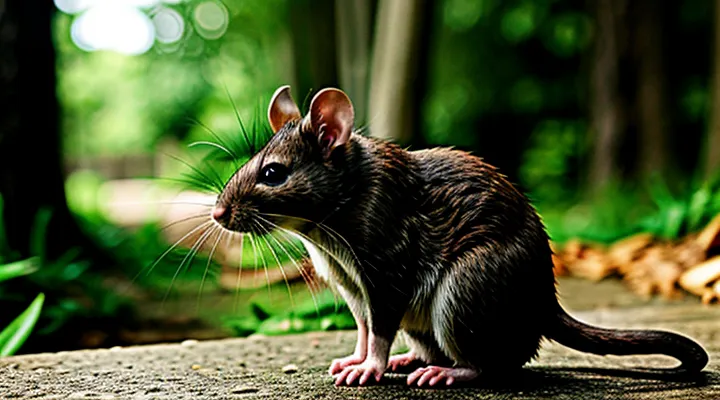
The Natural Predators of Rats
Feline Hunters
Domestic Cats
Domestic cats represent a primary source of danger for rats. Their predatory instincts, acute hearing, and sharp vision enable rapid detection of rodent movement. The scent of feline urine and fur signals a lethal presence, prompting avoidance behavior in rats.
Key factors that induce rat fear of house cats:
- Predatory scent – chemical cues from cat secretions trigger innate alarm responses.
- Silent stalk – low‑noise footfalls and flexible bodies allow cats to approach unnoticed, increasing perceived threat.
- Sharp claws and teeth – physical capability to inflict lethal injury reinforces avoidance.
- Rapid reflexes – quick lunges and swipes limit rats’ escape options, reinforcing learned fear.
- Auditory cues – soft purrs or hisses convey a predator’s proximity, heightening vigilance.
Observational studies confirm that rats exposed to domestic cats exhibit reduced foraging activity, increased use of concealed pathways, and elevated stress hormone levels. Experiments in controlled environments show a measurable decline in rat exploration when a cat’s presence is signaled by scent alone, demonstrating the potency of feline cues independent of direct contact.
Overall, the combination of olfactory signals, stealthy movement, and lethal weaponry makes domestic cats a dominant intimidator for rats, shaping their behavior to avoid areas where cats are active.
Wild Cats
Rats exhibit strong avoidance behavior toward several felid species that hunt them in natural habitats. Wild members of the cat family possess keen senses, stealthy movement, and rapid attack capability, making them effective predators for rodents. Consequently, rats recognize these predators as a significant threat and alter their activity patterns to reduce exposure.
Key wild cat predators that elicit fear in rats include:
- European wildcat (Felis silvestris) – nocturnal hunter, relies on ambush tactics in forested areas.
- Bobcat (Lynx rufus) – adaptable to diverse environments, employs powerful forelimbs to capture prey.
- Canada lynx (Lynx canadensis) – specializes in snow-covered regions, uses acute hearing to locate small mammals.
- Puma (Puma concolor) – occupies a broad range of habitats, capable of pursuing prey over long distances.
- Leopard (Panthera pardus) – excels in stealth within dense vegetation, capable of killing rodents with a single bite.
Behavioral studies show that rats reduce foraging time, increase vigilance, and favor concealed routes when these felids are present. The predator–prey dynamic is reinforced by the cats’ ability to detect rodent scent trails and motion, prompting rats to adopt heightened escape strategies.
Canine Adversaries
Domestic Dogs
Rats exhibit strong avoidance of domestic dogs because canine presence signals a reliable predator. The scent of a dog, the sound of its movement, and the visual cue of a larger mammal trigger innate fear responses in rats, leading them to seek shelter or flee when a dog is nearby.
Key factors that reinforce this aversion include:
- Olfactory cues: urine and fur carry predator odors that rats detect at low concentrations.
- Acoustic signals: barking and panting produce frequencies that rats associate with danger.
- Visual detection: the size and gait of a dog differ markedly from typical prey, prompting rapid escape behavior.
- Learned experience: rats that have survived encounters with dogs memorize the threat and avoid similar environments.
Consequently, domestic dogs rank among the most effective deterrents for rodent activity in residential and agricultural settings.
Wild Canids («Wolves», «Coyotes», «Foxes»)
Rats exhibit acute avoidance of wild canids, responding to visual, auditory, and olfactory cues that signal a high predation risk. Their nervous system prioritizes detection of large, mobile carnivores, triggering escape or concealment behaviors.
Wolves present the greatest threat due to their size, pack hunting tactics, and low-frequency vocalizations. Rats detect wolf presence through distant howls and the scent of urine or feces, then seek immediate shelter in deep burrows or thick vegetation. Their locomotion becomes erratic, and they reduce foraging activity in areas with recent wolf activity.
Coyotes, occupying similar ecological niches but often operating alone or in small groups, elicit comparable avoidance. Coyotes emit higher-pitched yips and barks that rats perceive as imminent danger. Rat populations near coyote territories display heightened vigilance, increased use of overhead cover, and a shift to nocturnal foraging to minimize overlap with coyote hunting periods.
Foxes, being smaller and more solitary, still provoke strong defensive responses. Their sharp, high-frequency cries and distinctive musk are readily identified by rats. In response, rats favor maze-like tunnel systems and increase reliance on scent trails to detect fox proximity. Fox presence also correlates with reduced surface activity and more frequent use of concealed entry points to food sources.
Key fear triggers for rats confronting wild canids
- Low-frequency howls (wolves)
- High-frequency yips and barks (coyotes)
- Sharp vocalizations and musky odor (foxes)
- Visual silhouette of a large predator
- Direct scent of canid urine or feces
These stimuli collectively shape rat behavior, compelling them to avoid areas dominated by wolves, coyotes, and foxes and to adopt defensive foraging strategies.
Avian Predators
Owls
Rats regard owls as a primary threat because owls combine stealth, acute vision, and silent flight. Their large forward‑facing eyes detect minute movements even in low light, allowing them to locate rats hidden under cover. The feather structure on the wing edges reduces aerodynamic noise, enabling a sudden approach that leaves rats little time to react. Owls also possess powerful talons capable of delivering a lethal grip, reinforcing the instinctive avoidance behavior observed in rodent populations.
Key factors that contribute to rat aversion toward owls include:
- Exceptional night vision that overcomes rats’ reliance on darkness for safety.
- Near‑silent wing beats that mask the predator’s approach.
- Rapid, precise strikes that capitalize on the rat’s limited escape speed.
- Territorial hunting patterns that concentrate owl activity in areas where rats forage.
Field observations confirm that rat activity diminishes near known owl roosts, and laboratory experiments demonstrate heightened stress responses in rats exposed to owl silhouettes or recorded calls. These findings underscore the role of owls as a decisive deterrent for rat behavior.
Hawks and Eagles
Rats exhibit a strong aversion to raptors, especially hawks and eagles, because these birds combine speed, acute vision, and aerial maneuverability that make them effective hunters of small mammals.
Hawks target rats by soaring at moderate altitudes, then diving with a rapid, angled descent that maximizes surprise. Their binocular sight detects the slightest movement from several hundred meters, allowing them to locate hidden rodents in fields or urban alleys. Once within striking range, a hawk’s talons close with enough force to immobilize the prey instantly.
Eagles surpass hawks in size and power, enabling them to capture larger rats and even groups. Their broad wings generate lift for prolonged glides, while a powerful beat can accelerate the bird to over 100 km/h during a stoop. Eagles possess a keen visual acuity—up to eight times that of humans—facilitating detection of rats beneath vegetation or in burrows.
Key factors that increase rat fear of these raptors:
- Visual dominance: superior eyesight reveals rats before they sense danger.
- Speed of attack: rapid dives reduce escape time to fractions of a second.
- Physical strength: talons and beak deliver lethal force, discouraging repeated exposure.
- Aerial presence: constant overhead patrol creates a persistent threat environment.
Consequently, the presence of hawks and eagles in an area reduces rat activity, as the rodents prioritize concealment and movement patterns that minimize exposure to aerial predators.
Reptilian Threats
Snakes
Rats perceive snakes as a primary threat because serpents combine visual, olfactory, and vibrational cues that trigger innate avoidance responses. Laboratory studies show that rats freeze, retreat, or emit alarm vocalizations when exposed to snake scent or movement, indicating a hard‑wired aversion. Field observations confirm that rat populations decline in habitats with high snake density, suggesting that predation pressure shapes rat distribution.
Key factors that make snakes especially intimidating to rats:
- Silhouette and motion: elongated body and rapid, sinuous locomotion create a distinct visual pattern that rats recognize as dangerous.
- Chemical signals: skin secretions and shed scales release pheromones detected by the rat’s vomeronasal organ, prompting avoidance.
- Vibrational cues: low‑frequency ground vibrations generated by snake locomotion travel through substrates, alerting rats to concealed predators.
- Predatory behavior: snakes employ ambush tactics, striking with minimal warning, which reinforces learned fear after a single encounter.
Neuroscientific data reveal that exposure to snake cues activates the rat amygdala and hypothalamus, regions governing fear and stress responses. Consequently, snakes rank among the most effective deterrents for rat activity, influencing both their foraging routes and nesting site selection.
Other Mammalian Foes
Weasels and Stoats
Rats encounter intense predation pressure from small mustelids, especially weasels and stoats, which consistently rank among the most feared carnivores in rodent habitats.
Weasels (Mustela nivalis) are slender, agile hunters with a body length of 15–25 cm and a rapid bite that can incapacitate prey in seconds. Their keen sense of smell detects rat scent trails, while their swift, serpentine movement allows them to pursue rats through narrow burrows and cluttered environments. Successful weasel attacks reduce local rat densities by up to 40 % in field studies, confirming their effectiveness as biological control agents.
Stoats (Mustela erminea) share the weasel’s body plan but possess a larger gape and a seasonal coat that provides camouflage in both snow and grass. Their hunting strategy combines explosive bursts of speed with precise strikes, targeting the rat’s neck or spinal region. Laboratory observations show stoats elicit immediate flight responses in rats, with escape attempts lasting less than five seconds before the predator secures capture.
Rats exhibit measurable fear responses to both species:
- Elevated cortisol levels when exposed to weasel or stoat scent.
- Rapid freezing or fleeing upon visual detection of the predator’s silhouette.
- Avoidance of tunnels and nesting sites marked by mustelid tracks or feces.
These physiological and behavioral reactions stem from the predators’ superior sensory acuity, speed, and lethal bite mechanics, which together create an environment where rats consistently prioritize evasion over foraging.
Badgers
Rats exhibit avoidance behavior toward badgers, a carnivorous mustelid that routinely preys on small mammals. Badgers possess powerful forelimbs, sharp claws, and a robust skull, enabling them to capture and kill rodents with efficiency. Their nocturnal hunting pattern overlaps with the active periods of many rat species, increasing encounter probability.
Key factors that trigger rat fear of badgers include:
- Scent cues: Badgers emit strong musk and urine marks that rats detect as a predator signature.
- Auditory signals: Low‑frequency growls and digging noises signal an approaching threat.
- Visual recognition: The distinctive black‑and‑white facial pattern and stout body shape are learned as dangerous.
- Physical capability: Badgers can dig burrows and break through rat tunnels, demonstrating direct access to rat shelters.
When a rat perceives any of these cues, it typically retreats to deeper sections of its burrow system, reduces foraging activity, or seeks alternative habitats. This behavioral shift reduces exposure to predation and limits the spread of disease vectors associated with badger‑rat interactions.
Raccoons
Raccoons are medium‑sized carnivores that regularly hunt small mammals, including rats. Their nocturnal activity overlaps with the peak foraging period of rats, increasing the likelihood of encounters. Raccoons possess strong forepaws, sharp teeth, and a reputation for persistent predation, which makes them a credible threat to rodent populations.
When a rat detects a raccoon, it typically exhibits avoidance behaviors such as rapid retreat to burrows, increased vigilance, and reduced foraging in open areas. These responses lower the rat’s chance of capture and reflect an innate fear of this predator.
Key factors that cause rats to regard raccoons as dangerous:
- Agile climbing ability allows raccoons to access nests and elevated shelter.
- Acute sense of smell and hearing detect rat movement even in cluttered environments.
- Strong bite force can subdue a rat quickly.
- Opportunistic feeding habits lead raccoons to target rats whenever available.
- Social learning among rats spreads awareness of raccoon presence through scent marks and alarm calls.
Ferrets
Ferrets are among the few mammals that consistently provoke avoidance behavior in rats. Their slender bodies allow rapid entry into burrows and crevices where rats hide, while their sharp teeth and instinctive hunting drive make them effective predators. The combination of a strong musky odor and audible rustling during pursuit further heightens rat anxiety, prompting flight or prolonged vigilance.
Key factors that make ferrets threatening to rats include:
- Predatory instinct – ferrets exhibit chase-and‑capture behavior that mirrors natural mustelid predators.
- Physical agility – flexible spine and elongated limbs enable pursuit through tight spaces.
- Sensory cues – distinctive scent and high‑frequency vocalizations alert rats to imminent danger.
- Experience – rats exposed to ferret encounters develop heightened stress responses, reducing foraging activity.
Laboratory studies show that rat heart rates increase and exploratory behavior declines when a ferret is present, confirming a measurable fear response. Consequently, ferrets are frequently employed in pest‑control trials to evaluate rat stress physiology and to test alternative deterrent methods.
Factors Influencing Rat Fear Response
Olfactory Cues
Rats rely heavily on scent to assess threats. When exposed to volatile compounds emitted by potential predators, they exhibit avoidance behaviors such as freezing, rapid retreat, or increased vigilance.
- Cat urine contains felinine and other sulfur‑rich molecules; rats detect these cues and immediately withdraw from the area.
- Snake skin shed releases specific lipids and protein fragments; the odor provokes heightened alertness and escape attempts.
- Owl feathers emit a distinct blend of fatty acids and pheromone‑like substances; rats respond with reduced foraging and heightened locomotor activity.
- Fox and raccoon feces contain a mixture of ammonia and short‑chain fatty acids; exposure triggers avoidance and increased use of shelter.
Laboratory studies confirm that olfactory detection of predator odor activates the rat’s amygdala and hypothalamic–pituitary–adrenal axis, producing measurable stress hormone spikes. Neural pathways linked to the main olfactory bulb and the vomeronasal organ process these signals, translating chemical information into defensive actions.
In environments lacking visual cues, scent remains the primary indicator of danger. Consequently, predator odors constitute a reliable predictor of which species rats will treat as threats.
Auditory Cues
Rats possess a highly developed auditory system that detects predator sounds and initiates avoidance behavior. Specific acoustic patterns elicit rapid freezing, escape, or heightened vigilance, reflecting an evolutionary adaptation to survive encounters with threatening species.
- High‑frequency squeaks of barn owls (approximately 2–4 kHz) produce immediate startle responses and sustained avoidance.
- Low‑frequency growls of feral cats, especially in the 100–300 Hz range, trigger locomotor suppression and rapid retreat.
- Sharp, repetitive chirps of hawk calls, characterized by rapid onsets and brief durations, induce freezing and increased grooming.
- Audible wing beats of large raptors, measured around 20–30 Hz with audible rustling, cause heightened alertness and vertical escape attempts.
- Vocalizations of snakes, including low hissing tones (30–80 Hz), generate avoidance and exploratory hesitation.
These auditory cues are processed by the rat’s medial geniculate nucleus and amygdalar circuits, producing consistent fear responses across individuals. Understanding the sound signatures that rats associate with danger informs both behavioral research and the design of non‑lethal deterrents for rodent management.
Visual Cues
Rats rely heavily on visual information to identify threats. Sharp contrasts, rapid motion, and distinctive outlines trigger avoidance behaviors, even when other senses are limited.
Key visual characteristics that signal danger include:
- Silhouette larger than the rat’s body, especially when upright or elongated.
- High‑contrast patterns such as black‑and‑white stripes or spotted coats.
- Sudden, erratic movements that break the background’s steady flow.
- Eye placement and size that suggest a predatory orientation.
These cues allow rats to recognize several predator groups:
- Avian hunters with broad wings and dark plumage.
- Small carnivorous mammals, such as weasels, whose low‑profile bodies and quick darting motions are readily detected.
- Reptilian predators, notably snakes, whose sinuous shapes and flickering tongues create distinctive visual signatures.
- Larger omnivores, including feral cats, whose upright posture and tail flicks provide clear warning outlines.
Visual perception works alongside olfactory and auditory signals, but the immediacy of sight enables rapid flight responses. Understanding which visual patterns elicit fear in rats informs the design of humane deterrents and improves experimental protocols that assess predator‑avoidance behavior.
Environmental Context
Rats modify their anti‑predator responses according to the physical and ecological features of their surroundings. In open, exposed areas they rely heavily on visual and auditory cues, while in cluttered or subterranean spaces tactile and olfactory signals dominate. This shift determines which species provoke the strongest avoidance.
In sparsely vegetated fields or urban alleys, aerial hunters such as barn owls and hawks generate the most pronounced flight responses. Ground predators like feral cats and foxes become primary threats in densely vegetated gardens or parklands where cover allows close approach. Snakes, especially pit vipers, elicit intense freezing behavior in burrow systems and dense underbrush where chemical detection is efficient.
Urban environments introduce additional variables. High human activity reduces the presence of natural carnivores, prompting rats to fear domestic dogs and feral pigeons more than wild raptors. Conversely, rural farms retain a broader predator spectrum, including birds of prey, mustelids, and larger mammals.
Seasonal changes further adjust fear patterns. During winter, reduced foliage heightens exposure to owls, while summer growth provides concealment that diminishes aerial threat perception but increases encounters with reptiles and amphibians.
Predator fear hierarchy by context
- Open, low‑cover zones: barn owl, hawk, feral cat
- Dense vegetation or burrows: snake (pit viper), fox, mustelid
- Urban alleys: domestic dog, feral pigeon, occasional rat‑killing cat
- Rural farms: combination of all above, with added presence of hawk and fox
These patterns illustrate that rat fear is not static; it adapts to the immediate environmental framework, shaping survival strategies across habitats.
Learned Aversions
Rats develop fear of certain predators through learned aversion, a process in which negative experiences or observed danger create lasting avoidance behavior. This form of conditioning relies on sensory cues that signal threat and on social transmission within rat colonies.
When a rat encounters an animal that inflicts pain, captures, or emits alarm signals, the brain associates those stimuli with danger. Repeated exposure solidifies the avoidance response, allowing the rat to recognize the predator even in the absence of direct harm. Observation of conspecifics reacting fearfully can also trigger aversion without personal injury.
Typical predators that become objects of learned avoidance include:
- Cats, whose scent and swift movements provoke strong avoidance.
- Dogs, especially larger breeds that have previously chased or attacked.
- Birds of prey such as owls and hawks, recognized by distinctive silhouettes and calls.
- Snakes, identified through hiss sounds and elongated bodies.
- Humans, when individuals experience handling that includes traps or sudden movements.
The aversion relies on multiple sensory pathways:
- Olfactory detection of predator pheromones or urine.
- Visual identification of characteristic shapes and motion patterns.
- Auditory recognition of species-specific warning calls.
- Social cues transmitted through grooming, vocalizations, or alarm pheromones among group members.
Understanding learned aversions informs experimental design, improves humane pest management, and guides the development of deterrents that exploit rats’ established fear responses.
The Impact of Predator Presence on Rat Behavior
Changes in Foraging Habits
Rats modify their foraging patterns when exposed to predators they avoid. Presence of cats, snakes, and birds of prey triggers immediate reduction in feeding time, increased reliance on sheltered locations, and a shift toward nocturnal activity. These adjustments minimize exposure during periods of highest predation risk.
- Cat avoidance: Rats shorten foraging bouts, favoring burrows and dense vegetation; they also increase hoarding to reduce trips outside the nest.
- Snake avoidance: Rats select routes with visual cover, prefer elevated pathways, and decrease ground-level foraging.
- Bird‑of‑prey avoidance: Rats adopt strictly nocturnal foraging, use dimly lit areas, and increase vigilance pauses between food searches.
Overall, predator‑induced fear reshapes rat foraging behavior from open, frequent, and daytime feeding to concealed, infrequent, and primarily night‑time activities. This behavioral shift enhances survival while maintaining caloric intake through strategic food storage.
Altered Reproduction Patterns
Rats exhibit measurable shifts in reproductive output when exposed to cues from natural predators. Olfactory signals from carnivores such as cats, snakes, and birds of prey trigger a hormonal cascade that suppresses gonadotropin release, reducing estrus frequency and litter size. Laboratory studies confirm that chronic exposure to predator scent lowers plasma luteinizing hormone concentrations by up to 30 %, directly limiting ovulation cycles.
Behavioral observations reveal that rats in predator‑rich environments allocate more time to vigilance and less to mating activities. This reallocation of energy results in delayed puberty onset, typically by 7–10 days compared to control groups. The delay aligns with reduced body condition scores, indicating that fear‑induced stress reallocates nutrients from reproductive tissues to survival mechanisms.
Key physiological effects of predator‑related stress include:
- Elevated corticosterone levels, which inhibit hypothalamic‑pituitary‑gonadal axis activity.
- Decreased prolactin secretion, limiting lactation potential in breeding females.
- Suppressed spermatogenesis in males, evidenced by lower sperm count and motility.
Population models integrating these parameters predict a 15 % decline in annual growth rates for rat colonies situated near consistent predator presence. Consequently, altered reproductive patterns constitute a primary mechanism by which predation risk regulates rodent population dynamics.
Increased Stress Levels
Rats exhibit heightened cortisol and adrenaline when exposed to cues from potential predators, a direct indicator of increased stress levels. The physiological response intensifies within minutes of detecting scent, sound, or visual signals associated with threatening species.
Elevated stress alters heart rate, reduces exploration, and impairs learning, confirming that predator presence is a primary driver of hormonal change. Laboratory studies consistently link these biomarker spikes to specific animal classes that rats recognize as dangerous.
- Domestic cats (Felis catus) – strong olfactory and auditory cues provoke rapid cortisol rise.
- Birds of prey (e.g., hawks, owls) – silhouette and aerial movement trigger acute stress responses.
- Canids (e.g., foxes, wolves) – scent marks and vocalizations cause sustained hormonal elevation.
- Larger rodents (e.g., adult rats, mice) – aggressive behavior and dominance displays increase stress in subordinate individuals.
- Reptilian predators (e.g., snakes) – movement patterns and heat signatures elicit immediate physiological arousal.
Persistent exposure to these stressors can suppress immune function and diminish reproductive success, underscoring the importance of predator detection in rat survival strategies. Understanding the link between specific threatening animals and stress escalation informs pest management, animal welfare protocols, and ecological research.
Habitat Avoidance
Rats demonstrate selective avoidance of environments that increase exposure to natural predators. This behavior reduces mortality and enhances reproductive success.
- Open fields with sparse cover expose rats to birds of prey such as hawks and owls. Lack of burrows or vegetation eliminates escape routes.
- Flood‑prone lowlands attract semi‑aquatic predators, including herons and otters. Rising water levels force rats onto exposed surfaces where they are vulnerable.
- Urban alleys heavily trafficked by feral cats present a constant predation threat. The presence of cat scent marks triggers avoidance of these corridors.
- Agricultural plots where barn owls nest provide auditory cues of predator activity. Rats retreat from these areas during nocturnal hunting periods.
- Dense shrubbery inhabited by snakes, especially rat snakes (Pantherophis spp.), creates tactile and chemical signals that rats interpret as danger zones.
In addition to predator presence, rats respond to indirect cues that signal higher risk:
- Elevated levels of rodent‑specific alarm pheromones detected in soil or air prompt relocation to cleaner habitats.
- Persistent human disturbance, such as frequent cleaning or pest‑control measures, discourages settlement in otherwise suitable sites.
- Unusual lighting conditions, including bright floodlights, increase visibility to nocturnal hunters and lead to habitat abandonment.
Overall, rats prioritize locations offering concealment, limited predator access, and stable microclimates, systematically avoiding habitats where these criteria are compromised.
Human-Induced Threats to Rats
Pest Control Measures
Rats exhibit strong aversion to specific predators; pest‑management strategies exploit this instinct to reduce infestations.
- Domestic cats – visual and olfactory cues trigger avoidance; presence of a cat deters rodent activity.
- Barn owls – nocturnal hunters whose calls and aerial patrols suppress rat movement.
- Ferrets – aggressive pursuit behavior creates a hostile environment for rats.
- Snakes – scent of reptilian predators elicits fear responses, limiting foraging.
Effective control methods incorporate these animals in several ways. Live‑cat programs place trained felines in warehouses or farms, while owl boxes encourage settlement of barn owls near storage facilities. Ferret‑based inspection teams locate hidden colonies, and synthetic snake‑musk sprays replicate reptilian odor to discourage entry.
Combining predator presence with conventional tools—such as snap traps, bait stations, and structural exclusion—produces a layered defense that lowers rat populations without reliance on chemicals.
Trapping Methods
Rats exhibit strong avoidance of species that pose a predatory threat, a behavior that can be harnessed for effective control. Traps designed to simulate the presence of these predators interrupt foraging patterns, reduce occupancy, and increase capture rates.
- Predator‑scent bait stations – contain fur, urine, or glandular secretions from cats, owls, or snakes; scent disperses through airflow, creating an inhospitable zone that deters entry.
- Mechanical predator models – life‑size silhouettes or moving replicas of hawks, snakes, or feral cats placed near entry points; motion sensors trigger brief flapping or rattling, prompting retreat.
- Ultrasonic emitters calibrated to rodent hearing range – emit high‑frequency pulses mimicking distress calls of prey species; continuous exposure leads to avoidance of the area.
- Live‑trap cages baited with predator cues – combine food attractants with concealed predator odors; rats enter for food but are captured when the door closes after a brief pause induced by fear response.
- Electronic pressure plates linked to alarm devices – detect weight, then release a short burst of predator sound or flashing light, startling the rat and activating a capture mechanism.
Effective deployment requires positioning traps along established runways, near burrow entrances, and in dark corners where rats travel. Regular replacement of scent material preserves potency; mechanical models need periodic cleaning to prevent desensitization. Monitoring frequency should match infestation level, with immediate removal of captured individuals to maintain deterrent impact.
Safety protocols dictate that all devices be secured against accidental activation by non‑target species or humans. Ethical considerations include minimizing suffering; live‑trap designs should allow prompt release or humane euthanasia following capture. Proper maintenance and adherence to local wildlife regulations ensure that predator‑based trapping remains both effective and responsible.
Poisoning
Rats exhibit avoidance behavior toward species capable of delivering lethal toxins. The threat of poisoning outweighs the risk of physical injury for many rodent populations, prompting instinctive evasion.
- Venomous snakes – rattlesnakes, copperheads, and other pit vipers inject hemotoxic or neurotoxic venom that quickly incapacitates mammals. Laboratory observations record rapid retreat and heightened vigilance in rats exposed to snake scent or visual cues.
- Poisonous spiders – widow and recluse spiders produce neurotoxins that disrupt synaptic transmission. Field studies note reduced rat activity near spider webs and burrows.
- Stinging insects – certain wasps (e.g., yellow jackets) and hornets inject venom containing histamine‑releasing compounds. Rats learn to associate buzzing sounds with painful stings and avoid nesting sites in proximity.
- Venomous amphibians – poison‑dart frogs and certain toads secrete alkaloid toxins that are fatal when ingested. Experimental trials show rats rejecting prey items coated with amphibian skin extracts.
- Predatory insects – assassin bugs release salivary enzymes that liquefy tissue and contain cytotoxic agents. Rats encountering these insects display avoidance of areas with high bug density.
The common denominator among these predators is the capacity to inflict rapid, toxic damage, which rats recognize as a high‑cost threat. Consequently, the presence of venomous or poisonous species shapes rat foraging patterns, habitat selection, and overall survival strategies.
Habitat Destruction
Habitat loss reshapes the predator‑prey network that influences rat behavior. When natural environments are fragmented or eliminated, the presence of species that typically provoke fear in rats diminishes, allowing rat populations to expand into new areas.
- Barn owls (Tyto alba) – nocturnal raptors that hunt rats from perches.
- Red‑tailed hawks (Buteo jamaicensis) – diurnal birds of prey that chase rats in open fields.
- Snakes such as the common garter (Thamnophis sirtalis) – ambush predators in dense cover.
- Foxes (Vulpes vulpes) – terrestrial hunters that pursue rats along ground routes.
- Domestic cats (Felis catus) – opportunistic predators in urban settings.
Destruction of forests, wetlands, and grasslands removes nesting sites for owls and hawks, reduces leaf litter and burrows favored by snakes, and limits the corridors used by foxes. Consequently, the frequency of encounters that trigger rat avoidance behavior declines. Rat colonies experience reduced predation pressure, leading to higher reproductive success and increased occupancy of human‑dominated landscapes.
The shift in predator availability directly affects rat distribution, disease transmission risk, and crop damage. Managing habitat preservation for these fear‑inducing species offers a practical lever to control rat populations without relying on chemical interventions.