
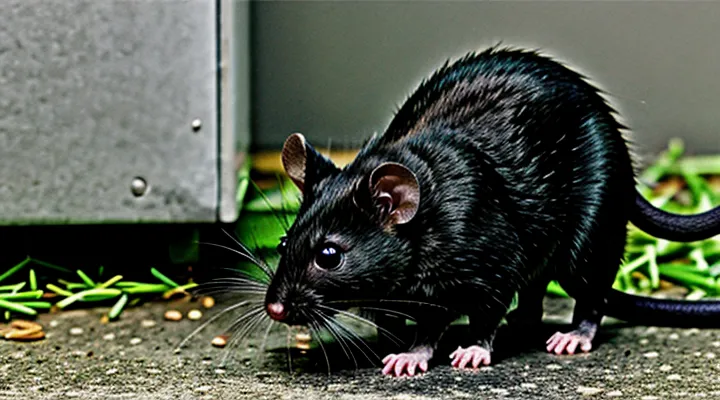
Understanding Rodenticides
Types of Rodenticides
Anticoagulants
Anticoagulant rodenticides are the most common chemical agents used to control rats and mice. They work by disrupting the blood‑clotting process, leading to internal bleeding and death after several days of ingestion.
Typical products contain first‑generation compounds such as warfarin, chlorophacinone, or diphacinone, and second‑generation compounds such as bromadiolone, difenacoum, or brodifacoum. First‑generation agents require multiple feedings; second‑generation agents achieve lethal effect after a single dose.
Purchasing options include:
- Local hardware or home‑improvement stores; most carry ready‑to‑use bait stations and individual sachets.
- Specialized pest‑control suppliers; they offer bulk quantities, professional‑grade formulations, and safety data sheets.
- Online marketplaces; reputable retailers provide product descriptions, dosage guidelines, and shipping restrictions.
- Agricultural co‑ops; they stock rodenticides for farm use, often with volume discounts.
Legal considerations vary by jurisdiction. Some regions restrict sales of second‑generation anticoagulants to licensed professionals, require proof of pest‑management need, or impose mandatory record‑keeping. Buyers must verify local regulations before completing a transaction.
Safety measures are essential: store bait in locked containers, label clearly, keep away from children, pets, and non‑target wildlife. Use tamper‑resistant bait stations to reduce accidental exposure.
When selecting a product, compare active ingredient, concentration, and required exposure time. Choose formulations that align with the target species, infestation severity, and compliance requirements.
Non-Anticoagulants
Non‑anticoagulant rodenticides are chemical agents that kill rats and mice without interfering with blood clotting. They act on the nervous system, calcium metabolism, or metabolic pathways, providing an alternative to warfarin‑based products.
Common formulations include bromethalin, which disrupts cellular energy production; cholecalciferol, a vitamin D₃ analogue that induces hypercalcemia; zinc phosphide, which releases phosphine gas after ingestion; and sodium nitrite, which causes methemoglobinemia. Each compound presents distinct onset times and secondary poisoning risks, influencing selection for specific infestations.
Typical purchase channels are:
- Large‑scale hardware chains that stock pest‑control aisles.
- Online marketplaces offering bulk packages with regulated shipping.
- Professional pest‑management distributors requiring proof of certification.
- Agricultural supply cooperatives serving farms and rural customers.
Regulatory frameworks often restrict sales to licensed applicators or mandate record‑keeping for quantities above defined thresholds. State or national statutes may prohibit certain active ingredients; compliance checks should precede any transaction.
Proper handling involves sealed containers, labeling with active ingredient and hazard statements, and storage in a locked, temperature‑controlled area. Personal protective equipment—gloves, goggles, and respirators where appropriate—must be used during application to prevent accidental exposure.
Factors to Consider When Choosing
Target Rodent Species
Identifying the specific rodent species present is essential before acquiring any toxic control agents. Different species exhibit distinct feeding behaviors, habitat preferences, and susceptibility to active ingredients, which directly influences product effectiveness and safety.
- Norway rat (Rattus norvegicus) – Large, nocturnal, prefers sewers, basements, and outdoor burrows; generally responsive to anticoagulant baits and bromethalin formulations.
- Roof rat (Rattus rattus) – Smaller, agile, occupies attics, trees, and elevated structures; often attracted to grain‑based baits and requires rapid‑acting compounds such as zinc phosphide.
- House mouse (Mus musculus) – Common in interior spaces, seeks food crumbs and shelter in walls; susceptible to low‑dose anticoagulants and first‑generation rodenticides.
- Field mouse (Apodemus spp.) – Outdoor dwellers, frequent gardens and grain stores; tend to avoid strong odors, making flavored baits or granular formulations more appropriate.
Product selection must align with the target species’ biology. For larger rats, bait stations with higher dosage concentrations ensure lethal intake, while for mice, low‑dose, discreet baits reduce the risk of non‑target exposure. Additionally, consider the environment: indoor applications demand tamper‑resistant packaging, whereas outdoor scenarios allow for larger, weather‑resistant bait blocks. Matching the rodent species to the correct toxic agent maximizes control efficiency and minimizes collateral damage.
Safety for Pets and Children
When obtaining rodent control products, prioritize measures that prevent accidental exposure to pets and children.
Select vendors that provide detailed ingredient lists, hazard warnings, and child‑resistant packaging. Verify that the product carries an EPA registration number or equivalent certification, indicating compliance with safety standards.
Read the label before purchase. Identify active ingredients, toxicity level, and recommended application sites. Choose formulations designed for indoor use only if the area is inaccessible to non‑target animals, or opt for low‑toxicity baits when children are present.
Store the poison in a locked cabinet, out of sight and reach of all household members. Keep the original container intact; transfer to unmarked containers compromises safety information.
Deploy bait only within secured bait stations. Position stations along walls, behind appliances, and in concealed corners where pets and children cannot climb. Replace stations regularly and dispose of dead rodents according to local regulations.
Key safety practices
- Keep bait stations locked or tamper‑proof.
- Place stations at least 3 feet above floor level or in enclosed compartments.
- Use bait stations with built‑in shields that allow only target rodents to enter.
- Inspect the area daily for signs of tampering or accidental contact.
- Educate household members about the presence of rodent control devices.
By adhering to these protocols, the risk of secondary poisoning or accidental ingestion by vulnerable individuals is minimized while maintaining effective rodent management.
Environmental Impact
Purchasing rodent control chemicals influences the environment at several stages. Production facilities emit greenhouse gases and generate hazardous waste, often requiring energy‑intensive processes. Packaging materials—typically plastic or metal containers—contribute to solid‑waste streams, especially when single‑use units dominate the market.
Transportation of these products adds carbon emissions proportional to distance traveled and delivery frequency. Bulk purchases from local distributors reduce mileage, while online orders from distant warehouses increase the carbon footprint.
When poison is applied, it can leach into soil and water bodies. Anticoagulant baits, for example, persist in groundwater and affect aquatic organisms. Secondary poisoning occurs when predators or scavengers consume poisoned rodents, disrupting local food webs.
Improper disposal of unused or expired bait amplifies contamination risks. Regulations often require sealed containers and designated collection points, yet compliance varies among retailers and consumers.
Mitigation measures include:
- Selecting suppliers that use biodegradable packaging.
- Favoring products with low environmental persistence.
- Consolidating orders to minimize transport emissions.
- Implementing integrated pest management to reduce reliance on chemical baits.
Evaluating these factors helps ensure that acquiring rodent control solutions does not compromise ecosystem health.
Efficacy and Speed of Action
When selecting a supplier for rodent control chemicals, the two decisive factors are how reliably the product eliminates pests and how quickly it acts after ingestion.
Products based on anticoagulants, such as bromadiolone or difenacoum, typically exhibit high efficacy, achieving mortality rates above 90 % in established infestations. Their delayed action—often 2–4 days—allows rodents to return to nesting sites, increasing the likelihood that secondary victims consume the bait, thereby amplifying overall impact.
Fast‑acting formulations, including bromethalin and zinc phosphide, cause death within 30 minutes to a few hours. These agents are useful for acute knock‑down needs, such as in food‑processing facilities where immediate removal of active rodents is mandatory. However, their rapid onset may limit secondary poisoning, potentially requiring higher application densities to reach comparable overall kill rates.
Choosing a purchase venue hinges on product availability and regulatory compliance.
- Large‑scale hardware chains: stock a broad range of anticoagulant blocks and pellets, suitable for long‑term management.
- Specialized pest‑control distributors: offer fast‑acting baits and professional‑grade formulations, often with safety data sheets and usage guidelines.
- Online marketplaces: provide convenient access to both categories, but buyers must verify seller credentials to ensure product authenticity and adherence to local pesticide regulations.
Assessing the trade‑off between efficacy and speed of action enables informed procurement decisions, aligning the chosen poison with the specific operational demands of the infestation.
Where to Purchase Rodenticides
Online Retailers
E-commerce Platforms
Online marketplaces offer the most accessible channels for acquiring rodent control products. Major platforms such as Amazon, eBay, and Walmart.com host a wide range of anticoagulant baits, snap traps, and electronic devices, all listed by verified sellers. These sites provide detailed product specifications, customer reviews, and competitive pricing, allowing buyers to compare effectiveness and safety features before purchase.
Specialized retailers, including PestControlDirect.com and DoMyOwn.com, focus exclusively on pest‑management supplies. Their catalogs include professional‑grade poisons, bulk packaging options, and compliance documentation required for commercial use. Shipping policies on these sites typically adhere to hazardous‑material regulations, ensuring that products are packaged and delivered according to federal guidelines.
Key considerations when selecting an e‑commerce source:
- Seller reputation: verified feedback scores and return policies.
- Product certification: EPA registration numbers or equivalent approvals.
- Delivery terms: tracking availability, age‑verification checks, and restricted‑area restrictions.
- Payment security: encrypted checkout and fraud‑protection mechanisms.
Compliance with local laws remains mandatory. Buyers must verify that the selected poison is legal for residential or commercial application in their jurisdiction, and that the platform’s terms of service permit the sale of restricted chemicals. Proper storage, labeling, and usage instructions accompany most listings, supporting safe handling after receipt.
Specialized Pest Control Stores
Specialized pest control retailers concentrate on professional-grade rodent management solutions and typically stock a broader range of anticoagulant baits, single‑dose pellets, and tamper‑resistant stations than general‑purpose outlets. These stores are often located in industrial zones, near agricultural supply centers, or within dedicated sections of large hardware chains that separate professional products from consumer lines.
Customers can expect the following advantages:
- Certified products complying with federal and state pesticide regulations.
- Access to bulk packaging, allowing cost‑effective purchasing for property managers or exterminators.
- Staff trained to advise on dosage, placement strategies, and safety protocols for non‑target species.
- Availability of auxiliary equipment such as bait stations, protective gloves, and disposal containers.
When selecting a vendor, verify the presence of an EPA registration number on each formulation and confirm that the retailer maintains a valid pesticide license. Online platforms operated by these specialists often require proof of professional use before shipping restricted items, ensuring compliance with legal restrictions. Shipping schedules typically prioritize rapid delivery to address urgent infestations, with options for same‑day or next‑day service in many metropolitan areas.
Local Stores
Hardware Stores
Hardware stores serve as primary retail outlets for rodent control agents. Their inventory typically includes anticoagulant baits, snap traps, and electronic devices designed for rats and mice. Products are stocked in dedicated pest‑control sections, often labeled with clear usage instructions.
Common rodent‑poison options found in these establishments are:
- First‑generation anticoagulants (e.g., warfarin‑based baits)
- Second‑generation anticoagulants (e.g., brodifacoum, difethialone)
- Non‑anticoagulant formulations such as zinc phosphide
Each category carries specific dosage guidelines and hazard warnings printed on the packaging.
Purchasers should verify that the product complies with local pesticide regulations, matches the target species, and includes child‑proof and pet‑resistant packaging. Reviewing the material safety data sheet (MSDS) provides essential information on toxicity, handling, and disposal.
When selecting a product, consider the following steps:
- Identify the infestation level and preferred control method.
- Compare active ingredients and concentration levels.
- Check expiration dates and storage recommendations.
- Ask store personnel for brand reliability and recent customer feedback.
Adhering to label directions and maintaining proper storage minimizes risk to non‑target organisms while ensuring effective rodent management.
Agricultural Supply Stores
Agricultural supply stores are primary venues for acquiring rodent‑control chemicals. These retailers cater to farms, orchards, and rural properties, maintaining inventories that comply with state pesticide regulations. Staff are typically trained to advise on product selection, dosage, and application methods, reducing the risk of misuse.
Common categories available include:
- Anticoagulant baits (single‑dose and multi‑dose formulations)
- Acute toxicants such as bromethalin or zinc phosphide
- Non‑chemical traps and bait stations designed for safe placement
When searching for a suitable outlet, verify that the store holds a valid pesticide license and that the products are labeled for use on rats and mice. Inquire about:
- The active ingredient and its mode of action.
- Recommended placement locations to target burrows and runways.
- Required safety precautions for handlers and non‑target wildlife.
Most agricultural supply chains provide online store locators or phone directories, enabling quick identification of the nearest location. Some chains also offer bulk purchasing options for larger operations, often accompanied by technical support from a licensed applicator.
Home and Garden Centers
Home and garden centers are a primary retail option for acquiring rodent control products. These stores typically stock a range of anticoagulant baits, non‑anticoagulant formulations, and pre‑packaged bait stations designed for use against rats and mice. The inventory often includes well‑known brands such as Havoc, Contrac, and D-Con, providing choices that match different infestation levels and environmental restrictions.
Staff at these locations can offer guidance on product selection, dosage recommendations, and safe placement. Employees are usually trained to recognize local licensing requirements, ensuring that customers purchase only approved formulations. Many centers also display safety data sheets and label information prominently, facilitating compliance with state and municipal regulations.
Advantages of purchasing rodent poison from home and garden centers include:
- Immediate availability; products are stocked on shelves for same‑day purchase.
- Competitive pricing; bulk packages and seasonal discounts are common.
- Physical inspection; customers can verify packaging integrity and expiration dates before buying.
- Local expertise; staff can advise on integrated pest‑management practices that complement chemical control.
When buying from these outlets, verify that the product is labeled for the target species, check the active ingredient concentration, and follow label instructions for storage and disposal. Proper use minimizes risk to non‑target animals and aligns with legal obligations governing hazardous substances.
Pharmacies and Drugstores (Specific Products)
Pharmacies and drugstores stock a limited range of rodent control products that meet regulatory standards for residential use. Most locations carry over‑the‑counter anticoagulant baits, typically packaged in tamper‑resistant containers of 0.5 kg or 1 kg. Common brands include:
- Brodifacoum‑based bait (e.g., “RatX‑100”) – single‑dose formulation, effective against both rats and mice, requires a 24‑hour waiting period before handling.
- Diphacinone pellets (e.g., “MiceStop”) – lower toxicity, suitable for households with children or pets; sold in 250 g sachets.
- Zinc phosphide blocks (e.g., “RodentKill”) – acute toxicant, available only in pharmacies with a pharmacist’s sign‑off; packaged in 100 g units.
Purchase procedures vary by jurisdiction. In many regions, the buyer must present a valid ID and sign a receipt acknowledging the hazardous nature of the product. Pharmacists often provide brief safety instructions, including placement in sealed bait stations and disposal of unused bait according to local hazardous‑waste guidelines.
Legal restrictions limit the concentration of active ingredients. Products containing second‑generation anticoagulants (e.g., brodifacoum) are generally restricted to a maximum of 0.005 % active ingredient per bait unit. First‑generation compounds (e.g., diphacinone) may be sold without a prescription but still require the buyer to accept a liability waiver.
Availability fluctuates with seasonal demand. During peak rodent activity (late summer to early winter), stock levels may be reduced, prompting pharmacies to place pre‑orders with wholesale distributors. Customers seeking immediate access should call ahead to confirm inventory and inquire about alternative formulations, such as non‑anticoagulant traps, which many drugstores also stock alongside chemical baits.
Safe Handling and Application
Personal Protective Equipment
When acquiring rodent control agents, handling the product safely requires specific protective gear. Direct contact with anticoagulant baits or toxic powders can cause skin irritation, respiratory distress, or accidental ingestion. Selecting the correct equipment minimizes these risks and ensures compliance with occupational safety regulations.
Essential items include:
- Nitrile or neoprene gloves, double‑layered for added barrier protection.
- Disposable coveralls or a chemical‑resistant jumpsuit to prevent contamination of personal clothing.
- Full‑face shield or safety goggles with anti‑fog coating to guard against splashes.
- Half‑mask respirator equipped with a P100 filter, suitable for aerosolized particles and vapors.
- Slip‑resistant, chemical‑resistant boots with steel toe caps for foot protection.
Maintenance of the gear is as critical as selection. Inspect gloves for punctures before each use, replace respirator cartridges according to exposure duration, and discard single‑use items after contact with toxic material. Decontaminate reusable clothing in a dedicated washing cycle with detergent and a rinse of diluted bleach, then dry separately from non‑contaminated laundry.
Documentation of PPE use supports incident reporting and regulatory audits. Record the type of protection worn, duration of exposure, and any breaches observed. This practice creates a verifiable safety trail and facilitates continuous improvement of handling procedures for rodent poison procurement.
Placement Strategies
Effective placement of rodent control agents determines the success of any eradication effort. Selecting locations where pests travel daily maximizes exposure while minimizing risk to non‑target species.
Identify high‑traffic pathways such as wall voids, under‑shelf gaps, and near food storage. Position bait stations directly adjacent to these routes, ensuring the device is concealed but accessible.
Place bait at least 2–3 feet apart to cover a broader area and prevent bait avoidance. In multi‑level structures, install stations on each floor, concentrating near stairwells and utility shafts.
Consider environmental factors: avoid direct sunlight, moisture, and extreme temperatures, which degrade active ingredients. Secure stations in weather‑proof containers when outdoors, mounting them on low‑lying vegetation or building foundations.
Maintain a systematic record of each placement, noting date, location, and product type. Regularly inspect stations for consumption levels, replenishing only when depletion reaches 25 % of the original load.
Follow local regulations regarding the disposal of expired or unused poison, using approved containers and designated collection points.
By adhering to these guidelines, operators achieve consistent bait uptake, reduce collateral exposure, and accelerate rodent population decline.
Storage Guidelines
Proper storage of rodent control products minimizes risk to humans, pets, and non‑target wildlife. Follow established protocols to preserve efficacy and ensure safety.
- Keep all bait in its original, sealed container until use.
- Store in a cool (10‑25 °C), dry location away from direct sunlight.
- Maintain a humidity level below 60 % to prevent degradation.
- Ensure the area is inaccessible to children, domestic animals, and wildlife.
Label each container with product name, active ingredient, concentration, and expiration date. Separate toxic substances from food, feed, and cleaning agents. Use locked cabinets or dedicated pest‑control rooms equipped with ventilation.
Inspect storage regularly for damage, leaks, or signs of pest intrusion. Replace compromised containers immediately. Dispose of expired or unused material according to local hazardous‑waste regulations; never discard in regular trash or down drains.
Disposal of Baits and Rodents
When handling rodent control substances, strict disposal procedures protect health, prevent accidental poisoning, and comply with environmental regulations.
After a baiting operation, collect all unused poison, packaging, and contaminated materials in a sealed, clearly labeled container. Do not discard these items in regular trash. Transfer them to a licensed hazardous‑waste facility or arrange for a certified disposal service. Keep records of the quantity removed, the disposal date, and the receiving agency.
The carcasses of rodents that have ingested poison must also be managed carefully. Place each dead animal in a disposable, puncture‑resistant bag, seal it, and store it in a secure area away from food preparation zones. Dispose of the sealed bags through a municipal animal‑carcass program or a designated biohazard collection point. Do not compost or bury untreated bodies, as residual toxin may leach into soil and groundwater.
Key steps for safe disposal:
- Secure unused bait, containers, and contaminated tools in a tamper‑proof container.
- Label the container with “hazardous rodent poison – do not recycle.”
- Arrange pickup by an authorized hazardous‑waste carrier or deliver to an approved drop‑off site.
- Bag each poisoned rodent individually, seal, and label as “biohazard – poisoned rodent.”
- Submit the bags to a municipal animal‑carcass service or licensed biohazard disposal provider.
- Document all actions, including quantities, dates, and disposal locations, for regulatory compliance.
Adhering to these protocols eliminates environmental risks, safeguards non‑target species, and ensures that the acquisition of rodent control products does not result in improper waste handling.
Alternatives to Chemical Control
Trapping Methods
Snap Traps
Snap traps remain a primary mechanical solution for eliminating rats and mice. Retail outlets that stock these devices include national hardware chains such as Home Depot and Lowe’s, which carry multiple brands and sizes for indoor and outdoor use. Regional hardware stores and farm‑supply markets (e.g., Tractor Supply Co.) offer comparable selections, often with bulk‑purchase discounts. Wholesale clubs like Costco and Sam’s Club provide value packs suitable for larger infestations.
Online platforms expand access to snap traps. Major e‑commerce sites—Amazon, Walmart.com, and Chewy—list a range of products, from basic wooden models to stainless‑steel traps with spring‑loaded mechanisms. Specialized pest‑control websites (e.g., Pest‑Control‑Products.com) deliver professional‑grade traps directly to consumers, sometimes with technical guidance.
Local pest‑control firms may sell snap traps as part of integrated‑pest‑management kits. Purchasing through these services ensures compliance with regional regulations and includes recommendations for safe placement.
Key considerations when selecting a source:
- Product certification (EPA‑registered, if applicable)
- Availability of child‑resistant packaging
- Return policy for defective units
- Pricing tiers for single units versus bulk orders
By targeting the described channels, consumers can obtain snap traps efficiently while adhering to safety standards.
Live Traps
Live traps provide a non‑chemical method for managing rats and mice, appealing to individuals who prefer humane or residue‑free solutions. These devices capture rodents alive, allowing release far from the property or disposal according to local regulations.
Retail options include:
- Home improvement chains (e.g., Lowe’s, Home Depot) – stock several models, from snap‑type to multi‑catch cages.
- Online marketplaces (Amazon, eBay) – offer a wide range of brands, customer reviews, and bulk pricing.
- Specialty pest‑control suppliers (Mice‑Away, Pest‑Control Products) – carry professional‑grade traps with reinforced construction and baiting accessories.
- Local hardware stores – often maintain a limited selection but provide immediate availability and in‑person advice.
Key considerations when selecting a live trap:
- Size – ensure the entrance and interior accommodate the target species; mouse traps require smaller openings than rat traps.
- Material – metal cages resist gnawing, while plastic units are lighter and easier to clean.
- Baiting system – integrated bait stations reduce handling and improve capture rates.
- Release mechanism – smooth doors or push‑out designs minimize stress on the captured animal.
- Compliance – verify that the trap conforms to regional wildlife regulations, especially concerning release distances.
Maintenance practices include regular cleaning with mild detergent, inspection for damage after each use, and replacement of worn components. Proper placement—along walls, near gnaw marks, and in concealed pathways—enhances effectiveness and reduces non‑target captures.
Glue Traps
Glue traps provide a non‑chemical method for capturing rats and mice. They consist of a sticky surface that immobilizes rodents when they step onto the board. The devices are widely available through several channels that cater to both professional pest managers and DIY users.
Retail options include:
- Large‑format home‑improvement chains; these stores stock a range of sizes, from small indoor pads to heavy‑duty floor trays.
- Online marketplaces such as Amazon, eBay, and specialty pest‑control sites; product pages often list detailed specifications and customer feedback.
- Local hardware outlets; many carry boxed kits that include adhesive sheets, disposal bags, and instructions.
- Veterinary or animal‑care supply distributors; some offer glue traps designed to minimize harm to non‑target wildlife.
- Professional pest‑control wholesalers; bulk packages are available for businesses that need regular replenishment.
When selecting a product, verify the adhesive strength, the dimensions of the trap, and any labeling that indicates compliance with regional wildlife‑protection regulations. Several jurisdictions restrict the use of glue traps in public areas or require that they be placed in sealed containers to prevent accidental capture of birds or small mammals.
Proper disposal is critical. After a capture, seal the trap in a plastic bag, label it, and discard according to local hazardous‑waste guidelines. This practice reduces the risk of secondary exposure and aligns with best‑practice pest‑management protocols.
Natural Deterrents
Natural deterrents provide an effective alternative to chemical rodent poisons, reducing risk to non‑target animals and humans. They rely on sensory aversion, habitat modification, or biological control to discourage rats and mice from entering structures.
Common natural options include:
- Peppermint oil applied to cotton balls or sprayed around entry points; rodents find the strong scent repellent.
- Predator urine, such as from foxes or cats, placed near suspected pathways; the scent signals danger.
- Dry mustard or cayenne pepper sprinkled on surfaces where rodents travel; the irritation deters movement.
- Ultrasonic devices emitting high‑frequency sound; rodents experience discomfort, while humans cannot hear the frequency.
When sourcing these products, consider retailers that specialize in pest‑management supplies, garden centers, or online platforms that list organic and eco‑friendly items. Verify that the product is labeled for rodent deterrence and conforms to local regulations.
Integrating natural deterrents with proper sanitation—sealing cracks, removing food sources, and maintaining clutter‑free environments—enhances overall control. This combined approach limits reliance on toxic baits and promotes a safer, more sustainable solution for rodent problems.
Professional Pest Control Services
Professional pest‑control providers handle rodent toxicants with compliance, safety, and effectiveness. These companies maintain licenses that permit the purchase, storage, and application of regulated baits, eliminating the need for individuals to source products independently.
Key advantages of using a certified service:
- Access to EPA‑approved formulations unavailable to the general public.
- Proper risk assessment to protect non‑target species, children, and pets.
- Trained technicians who apply bait in accordance with label directions and local ordinances.
- Ongoing monitoring and adjustments to ensure long‑term suppression.
When selecting a provider, verify the following criteria:
- Current state or municipal pest‑control license.
- Documented experience with rodent infestations in similar environments.
- Transparent reporting on bait types, placement strategies, and follow‑up schedules.
- Insurance coverage that includes liability for accidental exposure.
Engaging a professional service streamlines the acquisition of rodent poison, guarantees regulatory adherence, and reduces the hazards associated with DIY handling.