
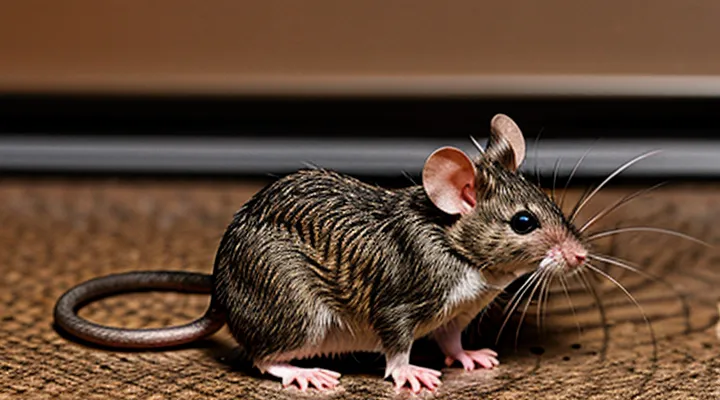
What Are Glue Traps?
How Glue Traps Work
Glue traps consist of a rigid base coated with a high‑strength, non‑toxic adhesive. The adhesive remains tacky for weeks, allowing it to immobilize rodents that step onto the surface. Bait, usually a food‑scented lure, is placed at the center of the trap to attract mice and rats. Once the animal contacts the glue, the adhesive bonds to its feet and tail, preventing escape.
Key functional elements:
- Adhesive formulation – polymer‑based resin that retains viscosity under varying humidity and temperature.
- Base material – cardboard or plastic sheet that provides structural support and prevents the glue from spreading.
- Bait placement – centrally located, often sealed in a small pouch to protect the scent until activation.
- Safety barrier – optional perforated cover that restricts accidental contact by pets or children while allowing rodent entry.
Effective deployment relies on strategic placement. Position traps along walls, behind appliances, and near known rodent pathways. Ensure the surface is clean and dry; moisture diminishes adhesive strength. Replace traps when the glue dries out or after a captured rodent is removed.
Disposal requires careful handling. Wear disposable gloves, place the used trap in a sealed bag, and discard according to local waste regulations. The design of modern glue traps eliminates the need for chemical poisons, reducing secondary poisoning risks while delivering reliable capture performance.
Types of Glue Traps
Glue traps for mice and rats fall into several distinct categories, each suited to particular environments and control strategies.
Standard board traps consist of a flat surface coated with a fast‑acting adhesive. They are typically manufactured from wood or rigid plastic, offering durability for indoor use where placement is stable.
Disposable traps feature a thin, lightweight base that can be folded or rolled for shipping. After capture, the entire unit is discarded, reducing cleanup time but increasing long‑term waste.
Reusable traps incorporate a replaceable adhesive strip or a washable surface. They are economical for high‑traffic areas, allowing multiple deployments without purchasing new units.
Scented traps contain attractants such as grain or pheromone blends. The added lure increases capture rates in settings where rodents are wary of plain surfaces. Unscented versions rely solely on the adhesive, suitable for environments where odors could be problematic.
Single‑catch traps present a confined area that secures one rodent per activation, simplifying disposal and minimizing damage to surrounding objects. Multi‑catch designs expose a larger adhesive surface, enabling several captures before removal, which is advantageous in severe infestations.
Outdoor‑rated traps are constructed from weather‑resistant materials and often include a protective cover to shield the adhesive from rain and dust. Indoor models lack these safeguards, focusing on maximum adhesion on smooth floors, walls, or countertops.
Choosing the appropriate type depends on location, infestation level, disposal preferences, and any regulatory constraints governing adhesive pest control products.
Factors to Consider Before Buying
Effectiveness and Rodent Size
Effective rodent glue must adhere to the target animal long enough to ensure capture. Formulations based on high‑strength adhesives create a rapid, irreversible bond when a mouse or rat steps onto the surface. Products that combine a non‑toxic resin with a strong tack maintain adhesion even in humid environments, preventing premature release.
Rodent size directly influences glue performance. Mice, weighing 15–30 g, exert less pressure on the adhesive surface; therefore, glue with a lower viscosity and a finer surface texture maximizes contact area. Rats, ranging from 200 g to over 500 g, generate greater force; they require glue with a higher shear strength and a thicker coating to withstand the additional weight without tearing.
Key considerations when selecting a purchase source:
- Adhesive strength rating – match low‑strength glue to mice, high‑strength to rats.
- Surface coating thickness – thin layer for small rodents, thicker layer for larger ones.
- Safety certifications – ensure non‑hazardous composition for indoor use.
- Shelf life – choose products with a documented expiration date to maintain potency.
- Supplier reliability – prefer vendors with verified customer reviews and clear return policies.
Choosing a retailer that lists detailed specifications for each glue type enables precise matching of adhesive properties to the size of the rodent population being targeted. This alignment maximizes capture rates while minimizing waste and the need for re‑application.
Safety Concerns
When selecting a retailer for rodent‑control adhesive, safety considerations must guide every decision. The product’s toxicity, packaging integrity, and compliance with regulatory standards determine the risk to humans, pets, and non‑target wildlife.
- Active ingredients should be listed clearly; avoid formulations that contain unregulated or undisclosed chemicals.
- Concentrations must meet limits set by agencies such as the EPA or equivalent local authorities.
- Packaging must be child‑resistant and sealed to prevent accidental exposure during transport and storage.
- Labels need to display hazard symbols, first‑aid instructions, and disposal guidelines in legible font.
- Suppliers should provide safety data sheets (SDS) that detail handling procedures, personal protective equipment, and emergency measures.
Purchasing from reputable online platforms or specialized pest‑control distributors reduces the likelihood of receiving counterfeit or expired glue. Verify that the vendor displays certification numbers and allows access to the product’s SDS before completing the transaction.
Implementing proper storage—cool, dry locations away from food preparation areas—minimizes accidental contact. When applying the adhesive, wear gloves and ensure ventilation; keep the substance out of reach of children and domestic animals. Disposal must follow local hazardous‑waste regulations to prevent environmental contamination.
Ethical Considerations
When selecting adhesive traps for rodents, the first ethical issue concerns animal welfare. Glue traps cause prolonged suffering; many jurisdictions classify them as inhumane. Buyers should prioritize alternatives that result in rapid, painless death or enable live capture for release.
Suppliers bear responsibility for transparent product information. Labels must disclose active ingredients, toxicity levels, and recommended handling procedures. Compliance with recognized standards, such as those set by pest‑control regulatory bodies, indicates a commitment to responsible manufacturing.
Consumers must verify that the product originates from reputable sources. Checking for certification numbers, safety data sheets, and third‑party audit reports reduces the risk of acquiring unregulated or counterfeit items. Purchasing from vendors who refuse to sell to regions where glue traps are prohibited demonstrates ethical purchasing behavior.
Disposal practices affect environmental health. Glue traps contain chemicals that can leach into soil and water if discarded improperly. Ethical buyers should follow manufacturer guidelines for containment and disposal, or select biodegradable options when available.
Legal considerations intersect with ethics. Many local statutes ban or restrict the sale of adhesive rodent traps. Ignoring such regulations not only violates the law but also undermines community standards for humane pest control. Adhering to applicable legislation aligns commercial activity with broader societal values.
Where to Purchase Glue Traps
Online Retailers
When sourcing glue traps for rodents, reliable e‑commerce platforms provide the most convenient access. Established marketplaces combine extensive product selections, user reviews, and dependable delivery options, allowing purchasers to compare prices and verify authenticity before committing.
Key online outlets include:
- Amazon – broad inventory, fast shipping for Prime members, extensive customer feedback.
- Chewy – pet‑focused catalog, competitive pricing, frequent promotions on pest‑control items.
- Home Depot – hardware‑store network, same‑day curbside pickup in many regions, detailed product specifications.
- Lowe’s – similar to Home Depot, offers online ordering with in‑store collection, comprehensive warranty information.
- Walmart – nationwide fulfillment, price‑match policy, multiple shipping tiers.
- Target – curated selection, convenient pickup lockers, regular discounts for registered users.
- DoMyOwn – specialty retailer for pest‑control supplies, bulk‑order discounts, expert product descriptions.
- Pest‑Control.com – dedicated site, direct manufacturer sourcing, detailed usage guidelines.
When evaluating an online seller, verify the following criteria:
- Authenticity – check that listings include manufacturer details and barcode numbers.
- Shipping policy – confirm delivery timeframes and handling of hazardous materials, if applicable.
- Return procedure – ensure a clear process for refunds or replacements in case of damaged goods.
- Customer ratings – prioritize vendors with high average scores and recent reviews specific to glue traps.
- Pricing transparency – compare listed prices with additional fees such as taxes and shipping to avoid hidden costs.
By concentrating on these platforms and verification steps, buyers secure legitimate rodent‑glue products efficiently and with minimal risk.
Amazon
Amazon offers a broad selection of rodent-control adhesives, making it a practical option for purchasing mouse and rat glue. The platform provides detailed product pages, customer reviews, and shipping options that help buyers assess effectiveness and suitability.
Key considerations when selecting glue traps on Amazon include:
- Brand reputation – Choose manufacturers with high ratings and consistent positive feedback.
- Trap size and capacity – Larger traps capture more rodents; verify dimensions before ordering.
- Safety features – Look for products with sealed containers to prevent accidental contact.
- Quantity and price – Bulk packs often reduce cost per unit; compare unit prices across listings.
Popular Amazon listings that meet these criteria are:
- Tomcat Glue Traps, 10‑Count – High‑strength adhesive, clear plastic housing, 4.5‑star average rating.
- Catchmaster Mouse and Rat Glue Boards, 20‑Count – Ultra‑strong glue, waterproof backing, 4.6‑star average rating.
- Killer Glue Traps, 25‑Count – Large surface area, non‑toxic adhesive, 4.4‑star average rating.
Shipping speed varies by seller; Prime‑eligible items typically arrive within two days. Return policies are standard across most listings, allowing refunds for defective or ineffective products. Use the filter tools on Amazon to narrow results by brand, price range, and customer rating to streamline the selection process.
eBay
eBay offers a broad selection of mouse and rat glue products, making it a practical option for individuals seeking effective rodent control solutions. The platform aggregates listings from numerous sellers, providing access to both well‑known brands and specialty formulations.
Key considerations when using eBay for this purpose:
- Seller reputation: Prioritize listings from sellers with high feedback scores (≥ 98 %) and a substantial number of completed transactions. This reduces the risk of receiving counterfeit or expired items.
- Product description: Verify that the listing includes clear details about the glue type (e.g., snap‑trap, sticky board), active ingredients, and safety warnings. Images should show the actual product, not stock photos.
- Pricing: Compare unit costs across multiple offers. Bulk packages often yield lower per‑unit prices, but confirm that the total quantity aligns with your intended usage.
- Shipping terms: Choose sellers offering tracked delivery and reasonable handling times. International shipments may incur additional customs fees; domestic sources typically provide faster receipt.
- Buyer protection: eBay’s Money Back Guarantee covers items that do not match their description. Retain all correspondence and packaging in case a claim is necessary.
By adhering to these guidelines, purchasers can efficiently locate reliable mouse and rat glue on eBay, secure competitive pricing, and benefit from the platform’s established dispute‑resolution mechanisms.
Specialty Pest Control Websites
Specialty pest‑control websites provide reliable access to mouse and rat adhesive products, often with detailed product specifications and professional support. These platforms focus exclusively on pest‑management solutions, ensuring inventory is current and compliance with safety standards.
- PestControlStore.com – Offers a comprehensive catalog of glue boards, bait stations, and monitoring devices. Product pages include material safety data sheets and usage guidelines.
- RodentSolutions.net – Features bulk purchasing options for commercial and residential users. The site supplies technical articles on trap placement and effectiveness.
- EcoPestGear.org – Specializes in environmentally certified adhesives, with clear labeling of active ingredients and disposal instructions. Customer service includes direct access to certified pest‑control consultants.
- TrapSupplyCo.com – Provides a searchable database of glue traps by size, strength, and target species. Shipping is expedited, and the site lists regulatory approvals for each product.
- ProPestTools.com – Hosts a professional forum where industry experts discuss product performance and field experiences. The marketplace includes exclusive brands not found on generic retailers.
When selecting a vendor, verify that the website lists up‑to‑date safety data, offers clear return policies, and provides contact information for technical assistance. These criteria help ensure the purchased adhesive traps meet regulatory requirements and perform effectively in targeted rodent control operations.
Local Retail Stores
Local retail stores remain a reliable source for acquiring mouse and rat glue. Large chain hardware outlets such as Home Depot, Lowe’s, and Menards typically stock multiple brands, including both traditional snap‑trigger traps and newer gel formulations. These retailers often place rodent‑control products in the pest‑control aisle beside pesticides and bait stations, allowing quick visual comparison of price, size, and active ingredients.
Independent hardware stores and regional chains (e.g., Ace Hardware, True Value) frequently carry specialty glue products not found in national chains. Their smaller inventory may include locally sourced or boutique brands that emphasize low‑odor or humane formulations. Visiting the store in person enables verification of expiration dates and inspection of packaging integrity.
Pet‑store chains (PetSmart, Petco) allocate shelf space for rodent‑control items in the small‑animal section. Their product selection often targets households with pets, offering non‑toxic glue options and clear usage instructions. Staff may provide guidance on safe placement to avoid accidental exposure to other animals.
Garden centers and lawn‑care retailers (e.g., Tractor Supply Co., local nurseries) place glue traps near gardening supplies, catering to outdoor rodent problems. These locations commonly stock larger, weather‑resistant traps suitable for sheds, barns, and greenhouses.
Key considerations when shopping in‑store:
- Verify the product’s active component (e.g., hexylene glycol) and ensure it complies with local regulations.
- Check packaging for clear usage directions and safety warnings.
- Compare unit price against quantity; bulk packs often reduce cost per trap.
- Confirm availability of replacement adhesive pads if the trap design allows reuse.
- Ask staff about current promotions or loyalty discounts that may apply.
Contacting the store ahead of the visit (via phone or online inventory lookup) can confirm stock levels and reduce unnecessary trips. When the desired glue product is unavailable, request that the retailer order it, providing a timeline for pickup. This proactive approach minimizes delays and secures the necessary rodent‑control solution from a local source.
Hardware Stores
Hardware retailers are a reliable source for rodent‑control adhesives. Large chains such as Home Depot, Lowe’s, and Menards stock a range of mouse and rat glue boards, often positioned in the pest‑control aisle alongside traps and baits. These stores provide consistent product availability, standardized packaging, and the option to compare brands side‑by‑side.
Local hardware outlets frequently carry regional or store‑brand glue products. Their inventory may reflect seasonal demand, allowing customers to obtain smaller packages for limited‑area use or bulk quantities for extensive infestations. Staff at independent shops can offer practical advice on placement, safety precautions, and disposal procedures.
Key considerations when selecting glue boards from hardware retailers:
- Brand reputation: Choose manufacturers with documented efficacy and clear labeling of active ingredients.
- Adhesive strength: Verify that the board’s surface is rated for both mice and larger rats to avoid premature release.
- Safety features: Opt for products with sealed packaging and child‑proof containers to reduce accidental exposure.
- Price per unit area: Calculate cost efficiency by dividing price by the total square inches of adhesive surface.
- Shelf life: Check expiration dates to ensure maximum potency at the time of purchase.
Purchasing through hardware stores also grants access to return policies and in‑store promotions, which can lower overall expense. For customers requiring immediate acquisition, most major retailers offer same‑day pickup or curbside service, eliminating shipping delays.
Home Improvement Stores
Home improvement retailers provide a reliable source for mouse and rat glue, offering consistent stock, competitive pricing, and the ability to inspect products before purchase. Large chains such as Home Depot, Lowe’s, and Menards carry a range of adhesive traps in the pest‑control aisle, typically including standard 1‑inch and 2‑inch glue boards, as well as larger, heavy‑duty options for severe infestations. These stores often feature brand selections like Tomcat, H.G. Hunt, and Trapper, allowing buyers to compare potency, adhesive strength, and safety certifications.
Key advantages of purchasing through home‑improvement outlets include:
- Immediate availability: products are stocked on shelves, eliminating shipping delays.
- In‑store expertise: staff can answer questions about placement, disposal, and complementary pest‑control measures.
- Return policies: most chains accept unopened items for refund, providing a safety net for unsatisfactory purchases.
- Bulk discounts: many locations offer price reductions on multi‑pack orders, useful for large‑scale applications.
When evaluating options, consider the following criteria:
- Adhesive strength – choose boards labeled “high‑strength” for larger rodents.
- Size – larger boards cover more area, reducing the number of units needed.
- Safety labeling – look for products complying with EPA guidelines to ensure proper handling.
- Price per unit – calculate cost effectiveness by dividing total price by board surface area.
For customers preferring online ordering, the same retailers provide e‑commerce platforms with store‑pickup or delivery. This approach maintains the benefits of in‑store stock while adding convenience. Inventory checks can be performed through the retailer’s website before visiting the physical location, ensuring the desired glue type is on hand.
In summary, home improvement stores represent a practical channel for acquiring rodent glue, combining accessibility, product variety, and professional support to meet both residential and commercial pest‑control needs.
Supermarkets and Discount Stores
Supermarkets and discount retailers are common outlets for rodent‑adhesive traps. These stores typically stock the product in the household‑cleaning or pest‑control sections, allowing quick access for consumers who need an immediate solution.
- Large‑scale grocery chains – Walmart, Target, Kroger, Safeway, and Publix often carry branded adhesive traps such as Tomcat, Kness, and Catchmaster. Prices range from $3 to $8 per pack, with multi‑pack discounts available. Online store locators can confirm in‑stock status before a visit.
- Discount operators – Aldi, Lidl, Dollar Tree, and Family Dollar provide generic or store‑brand adhesive traps. Cost per pack usually falls between $2 and $5, offering comparable effectiveness at lower price points. Stock may be limited to seasonal periods, so checking weekly flyers is advisable.
- Regional supermarkets – H‑E‑B, Meijer, and WinCo maintain similar product lines, often featuring local promotions that reduce price by up to 20 %. Inventory is typically refreshed biweekly.
- Warehouse clubs – Costco and Sam’s Club sell bulk packages (e.g., 12‑pack or 24‑pack) suitable for larger infestations. Unit cost drops to $0.30–$0.45 per trap, delivering significant savings for extensive use.
When purchasing from these outlets, verify the expiration date printed on the package, ensure the adhesive surface is intact, and read the safety instructions. Online ordering through the retailer’s website can guarantee availability and enable curbside pickup, reducing the time spent searching in‑store.
Agricultural Supply Stores
Agricultural supply stores frequently stock rodent adhesive products suitable for both indoor and outdoor use. These retailers cater to farmers and property owners, so they maintain a range of formulations that address large‑scale infestations and seasonal variations.
When visiting an agricultural supply outlet, consider the following factors:
- Product type: Choose between granular bait, liquid glue, or ready‑to‑apply strips based on the target area.
- Concentration: Verify the active ingredient level aligns with the size of the infestation.
- Packaging size: Bulk containers are cost‑effective for extensive properties; smaller units work for limited spaces.
- Safety data: Review the label for toxicity information, especially if livestock or pets are present.
- Warranty or return policy: Stores often offer guarantees on effectiveness or allow exchanges if the product fails to meet expectations.
Staff at these locations typically possess practical knowledge of pest control in agricultural settings. Ask for recommendations on application techniques that minimize non‑target exposure and enhance trap placement efficiency.
Pricing at agricultural supply stores tends to be competitive due to volume purchasing. Compare the unit price across brands, and factor in any seasonal discounts or loyalty programs.
In rural areas, many supply stores provide delivery services, ensuring timely access to rodent glue when immediate treatment is required. Verify delivery fees and lead times before placing an order.
Overall, agricultural supply retailers present a reliable source for rodent adhesive, offering diverse product selections, knowledgeable assistance, and pricing structures that suit both large and small operations.
Alternative Rodent Control Methods
Snap Traps
Snap traps remain a primary option for controlling rodent populations when rapid, humane elimination is required. They consist of a spring‑loaded bar that delivers a swift, lethal strike, minimizing suffering and preventing escape. The design eliminates the need for toxic substances, making snap traps suitable for homes with children or pets where glue products pose a contamination risk.
When selecting a retailer for snap traps, consider the following criteria:
- Product variety – stores that stock multiple sizes and trigger sensitivities allow customization for mouse or rat infestations.
- Quality assurance – manufacturers offering warranties or certifications indicate reliable construction and consistent performance.
- Availability of accessories – bait stations, disposal bags, and protective gloves streamline the trapping process and maintain hygiene.
- Customer feedback – platforms with verified reviews provide insight into real‑world effectiveness and durability.
Recommended purchasing channels include:
- Specialized pest‑control suppliers – online catalogs such as PestControlDirect.com and regional distributors list professional‑grade snap traps with bulk pricing.
- Home‑improvement chains – retailers like Home Depot and Lowe’s carry standard and heavy‑duty models, often with in‑store pickup options.
- Veterinary or agricultural supply stores – these outlets frequently stock traps designed for farm settings, offering higher trigger strength for larger rodents.
- E‑commerce marketplaces – Amazon and eBay provide extensive listings, but verify seller ratings and product specifications to avoid counterfeit items.
Placement of snap traps should follow best practices: position along walls, near entry points, and in concealed areas where rodent activity is observed. Regular inspection—at least once daily—ensures timely removal of captured rodents and replenishment of bait, sustaining trap efficacy.
By sourcing snap traps from reputable vendors that meet the outlined criteria, users achieve reliable rodent control while avoiding the drawbacks associated with adhesive solutions.
Electronic Traps
Electronic traps offer a non‑chemical option for rodent control, complementing adhesive products when a rapid, humane kill is required. Their high‑voltage circuitry delivers an instantaneous shock, eliminating the need for poisons or sticky surfaces. This feature reduces secondary poisoning risks and simplifies disposal, as the dead rodent drops into a sealed collection compartment.
When choosing an electronic trap, consider the following criteria:
- Voltage rating of at least 2,000 V to ensure immediate lethality.
- Capacity to hold multiple rodents, typically 2–4, for high‑traffic areas.
- Built‑in safety lock that disables the shock circuit while loading or cleaning.
- Battery or AC power source compatibility with the intended location.
- Warranty length of 12 months or more, indicating manufacturer confidence.
Reputable sources for purchasing electronic traps include:
- Major online marketplaces such as Amazon and Walmart, where product reviews and seller ratings provide transparent performance data.
- Specialized pest‑control retailers like Pest‑World and DoMyOwn, offering expert advice and bulk‑purchase discounts.
- Home‑improvement chains such as Home Depot and Lowe’s, which stock models suitable for both residential and commercial use.
- Local hardware stores that carry regional brands, allowing immediate inspection of build quality.
Integrating electronic traps with adhesive solutions involves placing traps along established rodent pathways, while reserving glue boards for secondary containment zones where live capture is impractical. Regular monitoring of both device types ensures prompt removal of captured rodents and maintains overall efficacy of the rodent‑management program.
Live Traps
Live traps provide a reusable, humane alternative for controlling mice and rats. They capture rodents without chemicals, allowing release at a safe distance.
When selecting a live trap, evaluate size, construction material, trigger sensitivity, and ease of cleaning. Choose models that accommodate the target species and fit the intended placement area.
Recommended sources for purchasing live traps include:
- Major e‑commerce platforms (Amazon, eBay) – extensive catalog, customer reviews, fast shipping.
- Home‑improvement chains (Home Depot, Lowe’s) – in‑store selection, immediate availability.
- Specialized pest‑control suppliers (Orkin, Pest‑Free) – professional‑grade designs, expert advice.
- Local hardware stores – convenient pickup, support for regional pest concerns.
Compare prices, warranty terms, and return policies before finalizing a purchase. Selecting a reputable retailer ensures product quality and reliable service.
Professional Pest Control Services
Professional pest control providers play a decisive role when consumers need reliable mouse and rat adhesive solutions. These firms combine regulatory compliance, safety protocols, and product expertise to ensure that glue products are applied correctly and stored securely. Their services typically include site assessment, selection of appropriate adhesive types, and post‑application monitoring.
Key advantages of engaging a licensed pest‑control company:
- Access to commercial‑grade glue formulations that meet federal pesticide standards.
- Certified technicians trained in safe handling, placement, and disposal of traps.
- Documentation of treatment records for liability and insurance purposes.
- Integrated pest‑management strategies that reduce reliance on single‑method approaches.
When evaluating potential contractors, consider the following criteria:
- Verification of state‑issued pest‑control licenses.
- Evidence of ongoing training in the latest adhesive technologies.
- Transparent pricing that separates product costs from labor fees.
- Customer references that demonstrate consistent success in rodent suppression.
- Availability of emergency response for infestations that require immediate action.
Selecting a professional service not only guarantees compliance with health and safety regulations but also maximizes the effectiveness of mouse and rat glue products. The combined expertise of trained personnel and high‑quality adhesive materials delivers a comprehensive solution for residential and commercial rodent problems.
Proper Use and Disposal of Glue Traps
Placement Strategies
Effective placement of rodent adhesive traps determines capture rates and minimizes collateral damage. Identify primary activity zones by observing droppings, gnaw marks, and pathways. Position traps perpendicular to walls, with the sticky surface facing the wall, because rodents travel along edges for safety. Deploy traps in concealed locations such as behind appliances, under cabinets, and within crawl spaces to target nocturnal foraging routes. Rotate trap locations every 3–4 days to prevent habituation and maintain pressure on the pest population.
When selecting purchase points, prioritize suppliers that stock a variety of trap sizes and adhesive strengths. Consider the following placement approaches for acquisition:
- Local hardware outlets: immediate availability, ability to inspect product integrity, and access to staff advice on optimal trap positioning.
- Pet‑care chains: broader inventory, often include environmentally‑friendly formulations, and provide promotional bundles for extensive coverage.
- Online marketplaces: extensive brand selection, customer reviews that reveal real‑world placement success, and options for bulk shipping to reduce per‑unit cost.
For indoor environments, place traps near entry points such as doorways, utility openings, and vent grilles. In outdoor settings, locate traps along fence lines, garden beds, and near garbage receptacles, ensuring they are sheltered from rain to preserve adhesive effectiveness. Use bait judiciously; a small amount of peanut butter or commercial attractant placed at the trap’s center concentrates activity without contaminating surrounding surfaces.
Regular monitoring is essential. Check traps daily, remove captured rodents promptly, and replace traps in the same or adjacent locations until activity ceases. Adjust placement based on observed movement patterns, increasing density in high‑traffic corridors and reducing it in low‑activity zones to conserve resources.
Safety Precautions
When purchasing adhesive traps for mice and rats, prioritize products that include clear safety documentation and comply with local hazardous‑material regulations. Verify that the vendor provides material‑safety data sheets (MSDS) and that packaging bears appropriate hazard symbols.
- Choose suppliers with accredited certifications (e.g., ISO 9001, OSHA compliance).
- Confirm that the adhesive formulation is non‑toxic to humans and pets when used as directed.
- Ensure the container is sealed, tamper‑evident, and labeled with storage temperature limits.
- Request batch numbers to track recalls or quality alerts.
During application, adopt the following precautions:
- Wear disposable nitrile gloves and protective eyewear to prevent skin contact and splashes.
- Apply traps in well‑ventilated areas; avoid confined spaces without airflow.
- Keep the product out of reach of children, domestic animals, and non‑target wildlife.
- Place traps on stable surfaces, away from food preparation zones and high‑traffic pathways.
- Do not handle the adhesive with bare hands; use a spatula or pre‑cut backing to position traps.
After use, follow these disposal guidelines:
- Seal used traps in a rigid, puncture‑resistant container before discarding.
- Label the container as “hazardous waste – rodent glue” and store it according to local waste‑management rules.
- If accidental exposure occurs, rinse the affected area with copious water for at least 15 minutes and seek medical advice.
- Report spills to the supplier’s safety hotline and clean the area with an appropriate solvent while wearing protective gloves.
Disposal Guidelines
When handling used mouse‑or rat‑adhesive products, follow these disposal procedures to protect health, prevent environmental contamination, and comply with regulations.
- Wear disposable gloves and eye protection before removing the trap.
- Place the trapped animal and glue board in a sealed, puncture‑resistant container such as a heavy‑duty plastic bag or a rigid box with a lid.
- Label the container with “Biological Hazard – Rodent” and the date of removal.
- Store the sealed container in a cool, dry area away from food preparation zones until disposal.
Dispose of the sealed container according to local hazardous‑waste guidelines. In most jurisdictions, rodent glue traps are classified as regulated waste and must be taken to an approved collection point or a licensed waste‑management service. Do not place them in regular household trash or recycling streams.
If a municipal program accepts biological waste, follow the agency’s instructions for drop‑off or curbside pickup. When using a private disposal contractor, request documentation confirming proper treatment, such as incineration or autoclaving, to ensure the adhesive and animal remains are rendered harmless.
After disposal, wash hands thoroughly with soap and water, and clean any surfaces that contacted the trap with an appropriate disinfectant. Maintain records of disposal dates and methods for audit purposes, especially if operating a facility subject to health‑inspection standards.