
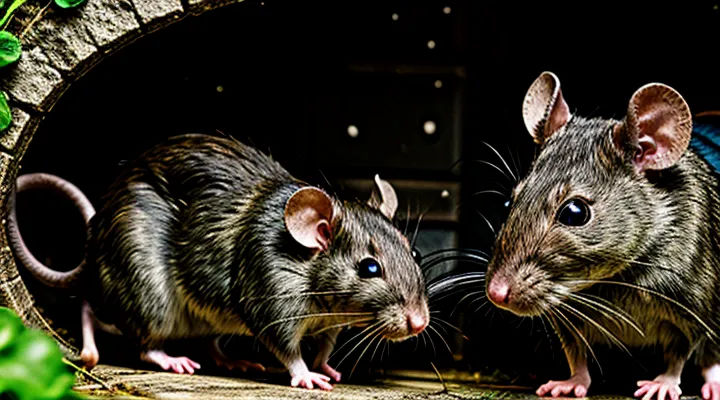
Understanding Rat Habitats
Key Factors Influencing Habitat Selection
Food Availability
Rats thrive where food is consistently accessible. In natural settings, their diet consists of seeds, nuts, insects, and plant material, while in human‑dominated areas they exploit refuse, grain stores, and processed foods.
Typical food sources across habitats include:
- Urban environments: discarded leftovers, pet food, garbage, bakery waste.
- Sewer systems: organic sludge, spilled liquids, rotting debris.
- Agricultural fields: harvested crops, stored grain, seed spillage.
- Forested zones: fallen nuts, berries, earthworms, arthropods.
- Coastal dunes: shellfish remnants, carrion, seaweed fragments.
Seasonal changes alter availability; winter reduces natural plant matter, prompting rats to shift toward stored or human‑supplied foods. Agricultural cycles create periodic surges of grain and seed abundance, leading to temporary population spikes. Waste management practices directly affect urban rat densities; efficient collection and secure storage limit food access, while open dumping encourages infestation.
Overall, the spatial distribution and density of rat populations correlate closely with the reliability and diversity of available nourishment. Effective control measures target these food sources to reduce habitat suitability.
Water Sources
Rats require fresh water for physiological functions, and natural habitats provide a variety of accessible sources. Streams, ponds, and marshes supply standing water, while seasonal rain creates temporary pools and puddles. Agricultural landscapes contribute irrigation canals, drainage ditches, and flooded fields that retain moisture for extended periods. Urban fringe environments offer leaky pipes, discarded containers, and sewer runoff, extending the range of viable water points.
Rats obtain water through direct consumption and by extracting moisture from food items such as fruits, vegetables, and insects. Their kidneys concentrate urine, allowing survival during brief droughts, yet populations thrive where water is regularly available. Access to reliable water sources influences colony size, reproductive rates, and territorial range.
Common natural water sources for rats include:
- Slow‑moving streams and creeks
- Seasonal ponds and vernal pools
- Flooded low‑lying fields and marshes
- Irrigation channels and drainage ditches
- Rain‑filled depressions and puddles
These environments support the species’ hydration needs and shape distribution patterns across diverse ecosystems.
Shelter and Protection from Predators
Rats occupy a variety of concealed spaces that provide physical barriers against predators. Underground tunnels, constructed in loose soil or soft substrate, offer depth and limited entry points, reducing exposure to birds of prey and larger mammals. In urban settings, rats exploit the voids of sewer systems, pipe networks, and building foundations, where darkness and structural complexity hinder predator detection. Above ground, they create nests using shredded vegetation, fabric, or insulation, typically positioned within dense shrubbery, debris piles, or under objects that obstruct line of sight.
Key features of effective shelter include:
- Multiple escape routes that allow rapid retreat when a threat is sensed.
- Camouflage materials that blend the nest with surrounding debris, masking visual cues.
- Structural reinforcement using compacted soil or gnawed materials, increasing resistance to disturbance.
Predator avoidance is reinforced by behavioral adaptations. Rats maintain vigilance through continuous auditory monitoring and whisker‑based tactile sensing, enabling early detection of approaching predators. They also employ scent marking to delineate safe zones and communicate danger to conspecifics. Seasonal adjustments, such as deeper burrowing during colder months, further enhance protection by limiting predator access.
Collectively, these structural and behavioral strategies ensure that rats secure reliable refuge across diverse environments, from rural fields to densely populated cities.
Temperature and Climate Considerations
Rats occupy environments where ambient temperature stays within limits that support metabolism, reproduction, and shelter construction. Temperatures below 0 °C force individuals to seek insulated burrows or heated structures, while prolonged heat above 35 °C accelerates dehydration and reduces survival rates.
Typical thermal preferences for the most widespread species are:
- Brown (Norway) rat: optimal activity at 10 – 30 °C; tolerates brief exposure to near‑freezing conditions when shelter is available.
- Black (roof) rat: prefers 20 – 30 °C; suffers reduced foraging efficiency in temperatures under 15 °C.
Humidity interacts with temperature to shape rat distribution. Moderate relative humidity (50 %‑70 %) maintains skin hydration and protects stored food from spoilage. In arid climates, rats increase nocturnal activity to avoid daytime desiccation; in tropical zones, high humidity combined with warm temperatures promotes rapid breeding cycles and larger colony sizes.
Seasonal climate shifts dictate shelter strategies. During winter, rats retreat to deep burrows, sewers, or insulated attics, where ground temperatures remain above freezing. In summer, they exploit shaded vegetation, underground tunnels, or air‑conditioned buildings to avoid overheating. These behavioral adjustments enable rats to persist across temperate, subtropical, and tropical regions despite fluctuating thermal conditions.
Types of Natural Rat Habitats
Urban and Suburban Environments
Sewers and Drains
Rats thrive in municipal sewer networks and drainage systems because these structures provide continuous moisture, steady temperatures, and abundant organic waste. The dark, subterranean corridors protect rodents from predators and extreme weather, while the constant flow of water facilitates movement between distant locations.
The suitability of sewers and drains for rat habitation stems from several factors:
- Interconnected tunnels allow rapid colonization of new areas.
- Accumulated debris and food residues supply a reliable diet.
- Damp surfaces prevent desiccation and support nesting material.
- Limited human disturbance enables long‑term occupancy.
Structural design influences rat density. Larger pipe diameters create spacious chambers for nesting, whereas steep gradients encourage rapid transit. Frequent junctions increase access points, expanding the reachable habitat range.
Effective management relies on regular inspection, trap placement at junctions, and sealing of unauthorized entry points. Maintenance schedules that remove organic build‑up and repair leaks reduce the resources that sustain rat populations.
Basements and Attics
Rats frequently occupy basements and attics because these areas provide shelter, consistent temperature, and easy access to food sources. Basements often retain moisture, creating a favorable environment for water‑dependent rodents. Structural gaps around foundations, utility lines, and vents serve as entry points, allowing rats to infiltrate without detection.
Attics offer similar advantages. Warmth generated by insulation, combined with concealed spaces behind beams and ducts, creates an ideal nesting habitat. Open roof vents, broken eaves, and loose roofing materials constitute common infiltration routes. Once inside, rats can travel through ceiling joists to reach living spaces below.
Typical indicators of rat activity in these zones include:
- Gnaw marks on wood, insulation, or wiring
- Accumulated droppings near food storage or entry points
- Nests made of shredded material in hidden corners
- Scratching sounds heard within walls or ceilings
Effective control measures focus on exclusion and sanitation. Seal cracks larger than ¼ inch, install metal flashing around utility penetrations, and maintain clean storage areas. Regular inspections of basement walls, attic insulation, and ventilation openings help detect early signs and prevent population growth.
Walls and Ceilings
Rats frequently exploit the interior spaces of walls and ceilings as essential components of their natural environment. Structural cavities provide protection from predators, stable temperatures, and proximity to food sources such as insulation, wiring, and stored provisions.
Key characteristics that make walls and ceilings suitable for rat habitation include:
- Concealed pathways: Gaps around pipes, ducts, and wiring allow entry and movement without detection.
- Nesting sites: Insulation material offers soft, warm bedding for breeding colonies.
- Moisture availability: Leaking pipes and condensation create humid micro‑habitats conducive to rodent health.
- Food access: Proximity to kitchens, pantries, and stored goods facilitates foraging.
- Safety from exposure: Elevated positions reduce contact with ground‑level threats and human activity.
Effective control measures focus on sealing entry points, repairing leaks, and removing accessible food and nesting materials. Regular inspections of wall and ceiling structures identify early signs of infestation, such as gnaw marks, droppings, or shredded insulation, enabling prompt remediation.
Garages and Sheds
Garages and sheds frequently serve as preferred locations for rats because they combine shelter, stable temperatures, and easy access to food sources. The structures are typically detached from the main residence, providing a discreet environment that reduces human disturbance.
Key structural traits that attract rodents include:
- Gaps around doors, windows, and foundation walls
- Unsealed vents, utility openings, and roof eaves
- Accumulated insulation or stored cardboard that offers nesting material
- Low light levels and consistent indoor climate
Stored items such as garden tools, seasonal decorations, pet feed, and discarded packaging create abundant foraging opportunities. Waste bins left outdoors or unsealed containers increase the availability of edible material, encouraging rats to establish burrows nearby.
Entry points arise from poorly fitted doors, cracked siding, and exposed piping. Rats exploit these weaknesses, squeezing through openings as small as a quarter inch. Once inside, they can travel along beams, rafters, and conduit pathways to reach additional shelter zones.
Effective management focuses on eliminating entry routes, maintaining cleanliness, and removing attractants. Sealing cracks, installing door sweeps, and securing food storage diminish the suitability of garages and sheds as rat habitats. Regular inspection and prompt repair of structural deficiencies sustain a hostile environment for these pests.
Gardens and Yards
Rats commonly occupy gardens and yards because these environments supply shelter, water, and abundant food. Dense vegetation, compost piles, and debris create protected nesting sites, while fruit trees, vegetable plots, and bird feeders provide continuous nourishment.
Typical characteristics of garden and yard habitats that attract rats include:
- Low-lying shrubs or ground cover that conceal entrances and burrows.
- Moist soil near irrigation systems or rain‑gathering depressions.
- Accumulated organic waste such as fallen fruit, vegetable scraps, and animal feed.
- Structures like sheds, toolboxes, or stacked firewood that offer dry, insulated hiding places.
Rats exploit these resources by establishing burrows beneath garden beds, utilizing hollow stems or roots for temporary refuge, and traveling along fence lines to access adjacent properties. Their activity can damage plants, contaminate produce, and compromise the structural integrity of garden installations.
Effective management focuses on habitat modification: remove excess debris, maintain clean compost containers, trim vegetation to eliminate dense cover, and secure food sources in rodent‑proof containers. Regular inspection of potential entry points and prompt repair of gaps in fences or building foundations reduce the likelihood of infestation.
Rural and Wild Areas
Fields and Farmlands
Rats commonly occupy open agricultural areas, where fields and farmlands provide essential resources for survival and reproduction. Grain crops, vegetable rows, and pasture grasses supply a steady food supply, while the loose soil and plant debris create suitable burrowing sites. Irrigation channels and drainage ditches offer moisture and additional shelter.
Key attributes of cultivated land that attract rats:
- Abundant food residues from harvest and storage activities
- Soft, aerated soil that facilitates tunnel construction
- Structures such as silos, barns, and equipment sheds that serve as nesting sites
- Seasonal variations that generate temporary shelters, e.g., fallen stalks after harvest
Population density on farms correlates with crop type, harvest frequency, and the effectiveness of waste management. Practices that reduce residual grain, seal storage facilities, and maintain clean field margins lower rat occupancy. Conversely, continuous planting cycles and inadequate sanitation sustain high numbers.
Forests and Woodlands
Rats thrive in forested ecosystems where structural complexity offers shelter, food, and breeding sites. The dense canopy creates a shaded understory that maintains moderate temperatures and high humidity, conditions favorable for rodent activity. Fallen leaves, decaying wood, and root systems provide nesting material and concealment from predators.
Key habitat components in forests and woodlands include:
- Ground layer: leaf litter and mosses harbor insects and seeds that constitute a primary diet.
- Shrub layer: dense thickets supply cover and pathways for movement.
- Fallen logs and stumps: serve as burrow sites and protect against weather extremes.
- Tree cavities: offer elevated refuge and storage space for food reserves.
Species such as the wood rat (Neotoma spp.) and the forest-dwelling brown rat (Rattus norvegicus) exploit these resources. Their foraging ranges extend from the forest floor to low branches, allowing access to a variety of plant matter, fungi, and invertebrates. Seasonal changes influence resource availability; during autumn, increased seed fall boosts food stores, while winter drives rats to rely more on stored provisions within their nests.
Human disturbance, including logging and habitat fragmentation, alters the spatial distribution of suitable sites. Remaining patches of mature woodland retain the essential structural elements that support stable rat populations, whereas cleared areas often see a decline in density due to loss of shelter and food sources.
Riverbanks and Wetlands
Riverbanks provide rats with abundant food sources such as seeds, insects, and plant material washed ashore. The proximity to water ensures a steady supply of moisture, essential for thermoregulation and digestion. Soft, erodible banks offer easy excavation for burrows, allowing rapid construction of shelter that can be concealed beneath vegetation or sediment layers.
Wetlands present a mosaic of microhabitats, including marsh grasses, shallow pools, and decaying organic matter. These conditions support high invertebrate densities, which constitute a primary protein source for rats. The saturated soil retains heat, reducing the energetic cost of maintaining body temperature during colder periods. Dense reed beds and emergent plants supply cover from predators while facilitating movement across the landscape.
Key characteristics of riverbank and wetland environments that favor rat populations:
- High productivity of plant and animal life, generating continuous food availability.
- Loose, moist substrate suitable for burrow development and nest insulation.
- Structural complexity offering protection and concealment.
- Seasonal water fluctuations that create new foraging opportunities and dispersal pathways.
Adaptations observed in rats occupying these habitats include strong swimming ability, heightened olfactory sensitivity for detecting submerged food, and flexible diet preferences that shift between terrestrial and aquatic prey. Population density tends to increase during periods of flood recession, when displaced insects and organic debris accumulate along the margins.
Caves and Burrows
Rats occupy subterranean environments that provide shelter, stable temperature, and protection from predators. Caves and burrows fulfill these requirements through natural insulation and limited exposure to external threats.
Key characteristics of these habitats include:
- Temperature regulation: underground spaces maintain temperatures within a narrow range, reducing metabolic stress.
- Moisture retention: damp conditions support the growth of fungi and insects, which serve as supplemental food sources.
- Structural complexity: tunnels and chambers create multiple escape routes and nesting sites.
- Limited light: low illumination suppresses visual predators and encourages nocturnal activity.
Species adapt to cave and burrow systems by modifying burrowing behavior, selecting sites with optimal soil composition, and establishing colonies that maximize resource use while minimizing competition. The resulting colonies exhibit high population density, coordinated foraging patterns, and shared vigilance against intruders.
Adaptability and Opportunism
Synanthropic Behavior
Synanthropic behavior describes the tendency of rats to exploit environments created or altered by humans. This pattern enables species such as the brown rat (Rattus norvegicus) and the black rat (Rattus rattus) to thrive in close proximity to settlements, agricultural facilities, and industrial complexes.
Human activities generate resources that attract rats: abundant refuse, predictable water sources, and structures offering protection from predators and weather. These conditions reduce the energetic costs of foraging and shelter construction, allowing rapid population growth.
Typical human‑associated sites include:
- Sewer systems and drainage tunnels
- Basements and crawl spaces
- Grain silos, warehouses, and food‑processing plants
- Urban parks with dense vegetation and litter
- Transportation hubs such as ports, train stations, and airports
Behavioral adaptations supporting synanthropy involve flexible diet selection, nocturnal foraging to avoid human disturbance, and high reproductive output. Rats can digest a wide range of organic materials, from discarded food to contaminated waste, and they adjust activity patterns to align with human schedules.
Ecological ramifications are significant. Dense rat populations increase the risk of zoonotic disease transmission, cause structural damage through gnawing, and compete with native small mammals for limited resources. Management strategies therefore focus on sanitation, structural sealing, and population control to mitigate these impacts.
Global Distribution of Rat Species
Rats occupy a broad range of ecosystems across all inhabited continents, adapting to diverse climatic and ecological conditions. Their presence is documented in temperate forests, tropical rainforests, arid deserts, high‑altitude plateaus, and urban environments, reflecting a high degree of ecological plasticity.
Key regions of rat diversity include:
- North America: Norway rat (Rattus norvegicus) and black rat (Rattus rattus) thrive in coastal cities and inland agricultural zones.
- South America: Amazonian rainforest hosts the arboreal Rattus argentiventer and several endemic murid species.
- Europe: Extensive populations of R. norvegicus inhabit river valleys, seaports, and densely populated urban centers.
- Africa: The African giant pouched rat (Cricetomys gambianus) occupies savannas and woodland margins, while R. rattus dominates coastal settlements.
- Asia: Wide distribution of R. norvegicus across temperate plains, and R. rattus in tropical islands and mountainous regions.
- Australia and Oceania: Introduced R. rattus and R. norvegicus are established in coastal cities, agricultural lands, and inland pastoral areas.
The adaptability of rats to both natural and anthropogenic habitats enables their global spread, making them one of the most widely distributed mammalian taxa on Earth.
Impact of Human Activity on Rat Habitats
Habitat Destruction and Fragmentation
Rats occupy a range of natural environments, from forest floors and grasslands to agricultural fields and the edges of human settlements. These habitats provide shelter, food sources, and routes for movement, forming the ecological foundation for rat populations.
Human activities increasingly remove or degrade these environments. Primary drivers include:
- Conversion of land for housing, industry, or infrastructure.
- Expansion of intensive farming that replaces diverse vegetation with monocultures.
- Pollution that contaminates soil and water, reducing resource quality.
When remaining habitats become divided by roads, fences, or urban blocks, they form isolated patches. This fragmentation limits the ability of rats to travel between resource zones, disrupts breeding patterns, and creates barriers to gene flow.
The combined effect of loss and division leads to measurable outcomes:
- Decline in population size due to reduced carrying capacity.
- Lower genetic variability, raising susceptibility to disease and environmental stress.
- Increased encounters with humans, elevating conflict and mortality rates.
- Altered predator‑prey relationships, potentially destabilizing local ecosystems.
Mitigation strategies focus on maintaining connectivity and preserving habitat quality. Practical measures comprise:
- Establishing green corridors that link fragmented patches.
- Protecting remnant natural areas from further development.
- Restoring degraded sites with native vegetation to enhance shelter and foraging opportunities.
These actions sustain the essential resources rats require and support the broader ecological functions they fulfill.
Introduction of Invasive Species
Rats occupy a range of natural and anthropogenic environments, including underground burrows, riparian zones, agricultural fields, forest edges, and urban infrastructure. These settings provide shelter, food sources, and breeding sites, but they also present opportunities for non‑native organisms to establish.
Human activities—global trade, transport of goods, release of captive animals, and accidental contamination—introduce species that were previously absent from rat habitats. Once established, invasive organisms compete for resources, alter predator–prey dynamics, and modify the physical structure of the environment, thereby influencing rat population distribution and health.
Key invasive species affecting rat ecosystems:
- Norway rat (Rattus norvegicus) hybrids – introduced through maritime traffic, they outcompete native rodent populations and spread pathogens.
- Brown tree snake (Boiga irregularis) – accidental importation to island habitats, reduces rat numbers through predation, leading to cascading ecological effects.
- European fire ant (Myrmica rubra) – spread via soil transport, disrupts ground‑dwelling rat colonies by aggressive foraging and nest destruction.
- Common carp (Cyprinus carpio) – released into freshwater systems, increases water turbidity and reduces aquatic invertebrate prey for semi‑aquatic rat species.
Waste Management and Food Sources
Rats thrive in environments where waste is readily available and food sources are abundant. The proximity of refuse piles, sewage systems, and improperly stored commodities creates conditions that support population growth and territorial expansion.
Key waste categories attracting rodents include:
- Municipal solid waste: uncovered trash cans, litter, and landfill edges.
- Food processing residues: grain spillage, meat trimmings, and dairy runoff.
- Agricultural by‑products: crop stalks, fruit shells, and animal manure.
- Sewer and drainage debris: organic sludge, grease, and decaying matter.
Rats exploit these resources through opportunistic foraging and nest construction. They transport food particles into burrows, increasing local biomass and facilitating disease vector proliferation. Access to high‑calorie waste accelerates reproductive cycles, leading to rapid colony expansion.
Effective control hinges on systematic waste management: sealed containers, regular collection schedules, and prompt removal of organic debris. Implementing these measures reduces food availability, limits habitat suitability, and curtails rat populations in urban and rural settings.
Climate Change and Habitat Shifts
Rats occupy a wide range of ecosystems, from urban sewers to arid grasslands. Their distribution depends on temperature, moisture, and food availability, all of which are altered by global climate dynamics.
Rising temperatures expand suitable zones northward and to higher elevations. Species that historically favored temperate regions now encounter newly viable habitats, while populations in already warm areas experience heat stress that reduces reproductive success. Changes in precipitation patterns affect soil moisture, influencing burrow stability and the abundance of seed and insect prey.
Key consequences of climate-driven habitat shifts include:
- Geographic redistribution – populations migrate toward cooler climates, leading to novel community interactions.
- Altered population density – favorable conditions boost reproductive rates, whereas extreme heat or drought suppress numbers.
- Increased disease vectors – expanded ranges bring rats into contact with pathogens previously confined to other regions, raising zoonotic risk.
- Habitat fragmentation – erratic weather events destroy nesting sites, forcing rats to occupy marginal environments.
Adaptation strategies observed in rat populations involve flexible foraging behavior, opportunistic nesting, and rapid reproductive cycles. These traits enable survival despite rapid environmental change, but also facilitate the spread of rats into ecosystems where they were previously absent.