
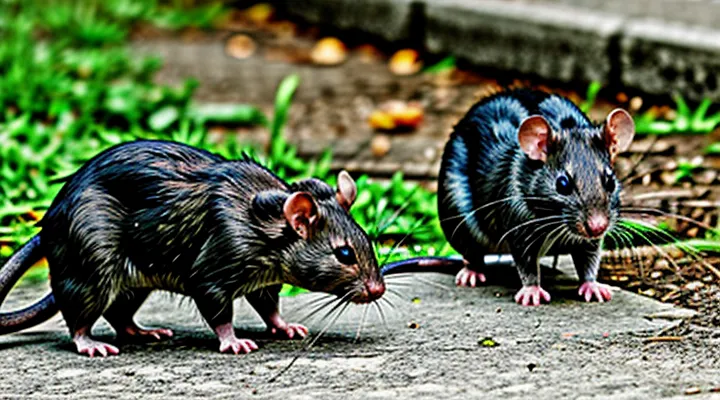
Understanding Rodents: A Global Perspective
The Broad Family of Rodents
Defining "Rat" Beyond Common Perception
Rats belong to the genus Rattus within the family Muridae, a taxonomic group distinct from the broader colloquial use of the term for any large rodent. Members of Rattus share a specific dental formula (I 1/1 C 0/0 PM 0/0 M 3/3), a tail length typically equal to or exceeding body length, and a skull morphology characterized by a robust rostrum and well‑developed auditory bullae.
Common perception limits the label to two urban species—the black rat (Rattus rattus) and the Norway rat (Rattus norvegicus). Scientific classification extends the definition to include a diversity of species inhabiting forests, savannas, deserts, and islands, such as Rattus exulans (the Pacific rat) and Rattus sylvanus (the forest rat). These taxa exhibit adaptations ranging from arboreal locomotion to xeric tolerance, demonstrating that “rat” encompasses far more than the stereotypical commensal pest.
Key criteria for classifying an organism as a rat:
- Placement in the genus Rattus;
- Dental formula I 1/1 C 0/0 PM 0/0 M 3/3;
- Tail length ≥ body length;
- Skull with pronounced rostral development and enlarged auditory bullae;
- Body mass generally between 50 g and 500 g, though outliers exist.
The broader definition informs biogeographic analyses, allowing accurate mapping of rat species across continents and islands. Recognizing the taxonomic scope prevents conflation of diverse ecological niches under a single, oversimplified label.
Key Species and Their Traits
Rodents inhabit a wide range of ecosystems, from arid deserts to tropical rainforests, each species exhibiting adaptations that enable survival in specific climatic and ecological conditions. Understanding the principal species and their distinctive traits clarifies patterns of distribution and informs management strategies.
- Rattus norvegicus (Norwegian rat) – robust body, high reproductive rate, tolerance for polluted water sources; prevalent in urban sewers and temperate agricultural zones.
- Rattus rattus (Black rat) – agile climber, preference for elevated structures, limited tolerance for extreme cold; dominates subtropical ports and island habitats.
- Mus musculus (House mouse) – small size, rapid maturation, omnivorous diet; thrives in human dwellings across temperate and tropical regions.
- Cricetomys gambianus (Gambian pouched rat) – large cheek pouches, nocturnal foraging, affinity for savanna and forest margins; distributed throughout sub‑Saharan Africa.
- Neotoma lepida (Desert woodrat) – dense fur, water‑conserving kidney function, reliance on desert shrub cover; confined to arid western North America.
- Peromyscus maniculatus (Deer mouse) – versatile diet, broad temperature tolerance, capability for high‑altitude habitation; found throughout North American boreal and montane zones.
Each species demonstrates a suite of physiological, behavioral, and ecological characteristics that align with the environmental parameters of its native range, shaping the overall pattern of rodent presence across continents.
Global Distribution Patterns
The Commensal Species: Synanthropic Rats
Norway Rat (Rattus norvegicus): A Worldwide Traveler
The Norway rat (Rattus norvegicus) originated in the temperate zones of East Asia. Early maritime trade facilitated its introduction to Europe during the 18th century, after which global shipping networks carried the species to all inhabited continents.
Today the species occupies urban, suburban and rural environments across most of the world. Its presence is documented on:
- North America
- South America
- Europe
- Africa
- Asia (including the Middle East)
- Oceania (Australia, New Zealand)
Typical habitats include:
- Sewage systems and storm drains
- Basement and cellar spaces
- Grain storage facilities
- Agricultural fields adjacent to human settlements
The rat’s proximity to human activity enables efficient exploitation of food waste, contributing to high population densities in cities. As a carrier of pathogens such as Leptospira spp. and hantaviruses, the species poses a public‑health concern, prompting control programs that combine habitat modification, baiting and population monitoring.
Roof Rat (Rattus rattus): Arboreal Invaders
The roof rat (Rattus rattus) inhabits arboreal niches, frequently occupying roofs, trees, and elevated vegetation. Its morphology—long tail, prehensile hind feet, and agile climbing ability—facilitates movement through vertical environments.
Geographically, the species originates in Southeast Asia and has expanded through maritime trade to tropical and subtropical regions worldwide. Established populations exist in coastal cities of the Americas, Africa, Oceania, and the Indian Ocean islands. Urban environments with abundant shelter and food sources support dense colonies.
Key ecological traits include:
- Nesting in attics, eaves, and dense foliage, often close to human dwellings.
- Omnivorous diet, ranging from fruit and seeds to insects and stored grains.
- High reproductive capacity, with multiple litters per year and short gestation.
The roof rat serves as a vector for pathogens such as leptospirosis and hantavirus, and competes with native rodent species for resources. Control measures focus on structural exclusion, sanitation, and targeted baiting to reduce population pressure in affected areas.
House Mouse (Mus musculus): The Ubiquitous Co-dweller
The house mouse (Mus musculus) ranks among the most widely distributed mammalian species, occupying environments on every continent except Antarctica. Its taxonomic placement within the family Muridae reflects a lineage adapted to close association with human activity.
Synanthropic behavior defines the species’ habitat selection. Typical sites include residential buildings, grain stores, sewage systems, and agricultural fields. The mouse exploits structural shelter, readily accesses food waste, and tolerates a broad range of temperature and humidity conditions.
Geographic spread demonstrates remarkable adaptability:
- North America: urban centers, farms, coastal ports
- South America: tropical cities, highland villages
- Europe: historic towns, modern suburbs, industrial complexes
- Africa: peri‑urban settlements, desert oases
- Asia: dense megacities, rural rice paddies, maritime trade hubs
- Oceania: island communities, agricultural enterprises
Colonization frequently follows global trade routes; cargo ships and containers provide vectors for accidental introductions. Once established, the species expands locally through rapid breeding cycles and opportunistic foraging.
Ecologically, the house mouse consumes grains, insects, and organic refuse, influencing stored product losses and competing with native small mammals. Reproductive capacity—up to ten litters per year with an average of six offspring—facilitates population explosions under favorable conditions. Disease transmission potential includes hantavirus, Salmonella, and various zoonotic parasites, posing public‑health concerns.
Management strategies emphasize integrated pest‑management (IPM) principles. Core components comprise:
- Habitat modification: sealing entry points, reducing clutter, improving sanitation
- Population monitoring: bait stations, trap counts, digital tracking
- Chemical control: targeted rodenticides applied according to regulatory guidelines
- Biological approaches: encouraging natural predators where feasible
Effective control relies on coordinated actions across residential, commercial, and agricultural sectors, minimizing ecological disruption while protecting human health and economic interests. «The house mouse is the most widely distributed mammal on Earth», a statement corroborated by numerous biogeographic surveys, underscores the necessity of sustained, evidence‑based management.
Wild Rodents and Their Habitats
Native Rodent Populations Across Continents
Native rodent species occupy distinct ecological niches on each continent, reflecting historical biogeography, climate, and habitat diversity. Their presence influences seed dispersal, soil turnover, and predator–prey dynamics, yet each taxon remains adapted to local conditions.
- North America – Wood mouse (Peromyscus spp.), Eastern chipmunk (Tamias striatus), Prairie vole (Microtus ochrogaster).
- South America – Argentine tuco‑tuco (Ctenomys argentinus), Andean mouse (Akodon spp.), Capybara (Hydrochoerus hydrochaeris) as the largest native rodent.
- Europe – Bank vole (Myodes glareolus), Common vole (Microtus arvalis), European ground squirrel (Spermophilus citellus) with limited distribution.
- Africa – African giant pouched rat (Cricetomys gambianus), Natal multimammate mouse (Mastomys natalensis), Cape gerbil (Gerbilliscus leucogaster).
- Asia – Himalayan marmot (Marmota himalayana), Indian field mouse (Mus booduga), Red‑spotted rat (Rattus rattus) in tropical zones.
- Australia – Bush rat (Rattus fuscipes), Plains rat (Pseudomys australis), Water rat (Hydromys chrysogaster) confined to riparian habitats.
- Antarctica – No native rodent populations; only occasional introductions on research stations.
Distribution patterns correspond to continental drift and subsequent speciation events. Conservation status varies: some species thrive in agricultural landscapes, while others face habitat fragmentation and climate change pressures. Monitoring programs prioritize endemic taxa with restricted ranges to maintain ecosystem functions.
Factors Influencing Wild Rat Distribution
Wild rat populations occupy a broad range of habitats, yet their presence is not random. Distribution patterns emerge from the combined effect of environmental conditions, resource availability, biological interactions, and anthropogenic factors.
- Climate variables such as temperature and precipitation define the limits of survivable environments.
- Habitat structure, including vegetation cover, soil composition, and availability of shelter, determines suitability for nesting and protection.
- Food abundance, whether natural (seeds, insects) or anthropogenic (waste, stored grain), drives local population density.
- Predation pressure from mammals, birds, and reptiles regulates numbers and influences spatial avoidance.
- Human activities, encompassing urban development, agricultural practices, and waste management, create novel niches and alter existing ones.
- Interspecific competition with other rodent species shapes occupancy through resource partitioning.
- Disease dynamics, especially pathogen prevalence, affect mortality rates and dispersal behavior.
Climatic tolerance sets the outer boundaries of potential range, while microhabitat features refine occupancy within those zones. Food sources act as attractants, often concentrating rats near human settlements where waste is abundant. Predators and competitors impose selective pressures that may push populations toward less optimal but safer areas. Disease outbreaks can trigger temporary retreats or accelerate movement to new locales.
Understanding these drivers supports targeted management strategies. Monitoring climate trends, habitat modifications, and waste practices enables prediction of emerging hotspots. Integrating predator conservation and disease surveillance further refines control measures, reducing conflict between wild rat populations and human interests.
Climate and Vegetation Zones
Rats occupy a wide range of climatic regions, from equatorial heat to sub‑arctic cold. Temperature extremes limit physiological tolerance, while precipitation patterns influence food availability and shelter. In tropical zones, high humidity supports dense understory and abundant seed production, providing continuous resources for opportunistic species such as the roof rat (Rattus rattus). Temperate zones offer seasonal variation; winter scarcity drives burrowing behavior in species like the Norway rat (R. norvegicus), which rely on stored provisions and insulated nests. Arid environments impose water stress; desert‑dwelling rodents exhibit nocturnal activity and reduced water loss, yet some rat species persist by exploiting anthropogenic water sources. Polar regions present persistent cold; only highly adaptable rodents survive, often in proximity to human settlements where heat and food are supplied.
Vegetation structure shapes habitat suitability independently of climate. Forested areas supply leaf litter, fallen timber, and canopy gaps that serve as nesting sites and foraging grounds. Grasslands provide ground cover and seed abundance, supporting species that construct shallow burrows. Shrublands and scrub offer dense thickets for concealment, favoring rats that prefer concealed pathways. Open desert vegetation, sparse and low‑lying, limits natural shelter, compelling rats to inhabit human‑made structures or dig deeper burrows to escape temperature extremes.
Key interactions between climate and vegetation can be summarized:
- Warm, humid climates + dense forest → high rodent density, diverse species composition.
- Temperate, moderate precipitation + mixed woodlands → seasonal population fluctuations, reliance on stored food.
- Hot, dry climates + sparse vegetation → low natural shelter, increased dependence on human habitats.
- Cold, low‑precipitation zones + open tundra → limited native rodent presence, concentration near heated structures.
Understanding these patterns clarifies how climatic gradients and plant communities jointly dictate the geographic distribution of rat populations.
Availability of Food and Water
Food and water availability determine the presence and density of rats across diverse environments. Areas providing reliable sources of nourishment support larger populations and enable expansion into adjacent habitats.
Typical food sources include:
- Grain stores and agricultural residues
- Waste from human settlements
- Insects and other small invertebrates
- Plant material such as seeds and fruits
Water is essential for physiological functions and influences habitat selection. Rats exploit:
- Natural water bodies (streams, ponds, wetlands)
- Moist soil layers that retain humidity
- Human‑derived sources (leaky pipes, open containers, discarded liquids)
The distribution of these resources correlates with climatic conditions and human activity. Arid regions limit rat presence unless artificial water supplies exist, while humid zones with abundant vegetation and waste provide continuous nourishment. Urban environments often create microhabitats where both «food» and «water» are concentrated, facilitating high rat densities even in regions otherwise unsuitable for wild populations.
Predation and Competition
Predation exerts a decisive influence on the spatial patterns of rat populations. Carnivorous mammals, birds of prey, and reptiles impose mortality that differs among ecosystems, shaping the density of rodents in forests, grasslands, and urban areas. In regions where apex predators are scarce, rat numbers increase, facilitating expansion into adjacent habitats. Conversely, high predator abundance restricts colonisation of open environments and maintains lower population levels in protected zones.
Competition for food and shelter regulates coexistence among rodent species and determines range limits. When multiple rat species occupy overlapping territories, resource partitioning reduces direct conflict, allowing niche differentiation. In environments with limited resources, dominant species outcompete subordinate ones, leading to local exclusion and contraction of the latter’s distribution. Seasonal fluctuations in seed and insect availability intensify competitive pressure, prompting shifts in foraging behaviour and habitat use.
Key interactions include:
- Predatory pressure from mammals such as foxes and mustelids, which correlates with habitat openness.
- Avian raptors targeting nocturnal rats in agricultural fields, influencing nocturnal activity patterns.
- Inter‑specific competition between Norway rats and black rats, mediated by dietary overlap and nesting site preference.
- Intraspecific competition within dense colonies, driving dispersal to peripheral areas.
«Predation pressure varies with latitude, decreasing toward the equator where predator diversity is higher», illustrating the link between geographic factors and mortality risk. The combined effects of predation and competition generate dynamic distributional mosaics, continuously reshaping where rats can establish viable populations.
Factors Influencing Rat Habitats
Urban and Rural Environments
Rats occupy both densely built urban zones and sparsely populated rural landscapes, each environment offering distinct resources and challenges. In cities, rats exploit abundant food waste, reliable water sources, and numerous concealment sites such as sewers, sub‑floor voids, and abandoned structures. High human activity creates continuous refuse streams, enabling rapid population growth and frequent turnover of individuals. Species commonly encountered in metropolitan settings include the Norway rat (Rattus norvegicus) and the black rat (Rattus rattus), both of which display high reproductive rates and tolerance for polluted conditions.
Rural areas present a contrasting suite of habitats. Grain stores, livestock facilities, and natural burrows provide sustenance and shelter for rodent populations. Open fields and hedgerows support foraging and nesting, while proximity to water bodies facilitates movement and breeding. In agricultural landscapes, the Norway rat often inhabits barns and silos, whereas the black rat may be found in orchards and fruit‑processing sites. Seasonal fluctuations in crop availability influence population density, with peaks typically occurring after harvest periods.
Key factors differentiating urban and rural rat ecology include:
- Food source stability: continuous waste in cities versus seasonal crops in the countryside.
- Shelter diversity: artificial structures and underground networks in urban zones; natural burrows and farm buildings in rural zones.
- Predation pressure: higher numbers of avian and mammalian predators in open rural habitats, lower in densely built environments.
- Human control measures: systematic pest‑management programs in municipalities, targeted interventions on farms.
Understanding these environmental contexts clarifies the spatial distribution of rodent species across human‑dominated landscapes and informs effective management strategies.
Infrastructure and Shelter Availability
Rats occupy environments shaped by the presence of human-made structures, which supply shelter, food access, and protection from predators. Urban centers, agricultural districts, and coastal ports offer the most consistent resources, resulting in dense rodent populations in these zones.
Key forms of shelter include:
- Burrows beneath building foundations, sidewalks, and utility trenches.
- Nesting sites within abandoned vehicles, storage containers, and waste‑handling facilities.
- Occupancy of sewer systems, drainage pipes, and storm‑water conduits that provide stable temperature and humidity.
- Use of vegetation clusters adjacent to infrastructure, such as hedgerows, ornamental gardens, and riparian buffers.
Geographic patterns reflect the distribution of such infrastructure. In temperate cities, extensive underground networks support year‑round habitation, while in tropical regions, open‑air markets and informal settlements create abundant above‑ground refuges. Coastal ports, with constant cargo flow and storage yards, sustain high rat densities irrespective of climate. Rural areas with grain silos, livestock barns, and irrigation canals present localized pockets of shelter that align with agricultural activity. Consequently, the availability and complexity of built environments directly determine the spatial arrangement of rodent colonies across continents.
Waste Management and Food Sources
Waste generated by human activity provides the principal nutritional resource for rats, establishing a direct link between refuse handling and rodent occupancy. High‑density refuse sites attract large numbers of individuals, while efficient removal reduces local populations.
Typical food sources include:
- Organic kitchen waste (vegetable peelings, meat scraps)
- Agricultural by‑products (grain residues, animal feed spillage)
- Commercial waste (restaurant grease, packaged food remnants)
- Improperly sealed trash containers
Geographic patterns reflect the distribution of these resources. Urban centers concentrate dense, year‑round waste streams, supporting continuous rat activity. Suburban areas present intermittent sources, often tied to seasonal yard waste. Rural regions display lower overall availability but may host seasonal surges linked to harvest residues or livestock operations. Climate influences decomposition rates, altering the attractiveness of organic waste during warm periods.
Effective waste management strategies—prompt collection, sealed containers, regular street cleaning, and community education—disrupt food access and consequently limit rat colonization. Integration of these measures into municipal planning yields measurable declines in rodent sightings across diverse locales.
Natural Ecosystems
Rodent populations inhabit a wide array of natural ecosystems, ranging from temperate forests to arid deserts. These habitats provide shelter, food sources, and breeding sites essential for survival across continents.
Key ecosystem types supporting rat species include:
- Forests (deciduous, coniferous, tropical)
- Grasslands and savannas
- Deserts and semi‑desert scrublands
- Wetlands and riparian zones
- Agricultural fields and cultivated landscapes
- Edge habitats adjoining urban areas
Distribution patterns depend on climate tolerance, vegetation density, predator assemblages, and proximity to human settlements. Moisture availability often determines presence in wetlands, while temperature extremes limit occupancy in polar regions. Human‑altered environments expand ranges by offering abundant refuse and shelter.
Understanding the natural ecosystems that host rodents informs biodiversity assessments and guides effective management strategies aimed at reducing crop loss and disease transmission.
Forests and Woodlands
Forests and woodlands host a diverse assemblage of rodent species, each adapted to specific structural and climatic conditions. Temperate broad‑leaf and mixed forests support primarily ground‑dwelling and arboreal rodents, while boreal coniferous stands favor species tolerant of colder temperatures and dense needle litter. Tropical rainforests accommodate a high density of murid and cricetid taxa, often exhibiting vertical stratification from forest floor to canopy.
Key ecological niches within forested environments include:
- Leaf‑litter microhabitats, occupied by wood mice, bank voles and related species that construct shallow burrows and feed on seeds, insects and fungi.
- Under‑story shrubs, where climbing rats and squirrels exploit dense vegetation for nesting and foraging.
- Tree cavities and dead‑wood hollows, providing shelter for arboreal rodents such as flying squirrels and certain species of tree‑rats.
Distribution patterns reflect both latitude and elevation. In northern latitudes, species richness declines with increasing altitude, whereas tropical montane forests maintain high rodent diversity at mid‑elevations due to stable temperature and moisture regimes. Edge habitats, created by forest fragmentation, often host generalist rodents that thrive on increased food availability and reduced predator pressure.
Rodent populations influence forest dynamics through seed predation, dispersal and soil disturbance. Their foraging activity contributes to nutrient cycling, while burrowing modifies litter decomposition rates. Understanding these relationships is essential for managing forest health and biodiversity.
Grasslands and Deserts
Rodent populations thrive in both grassland and desert ecosystems, exploiting the resources and climatic conditions that define these habitats.
In temperate and subtropical grasslands, species such as the prairie vole, meadow mouse, and African grass rat occupy open fields, savannas, and steppe regions. Their burrowing behavior creates complex tunnel networks that enhance soil aeration and nutrient mixing. Morphological adaptations include elongated hind limbs for rapid sprinting across sparse vegetation and dental structures suited for grinding grasses and seeds.
Desert environments support rodents with extreme tolerance for heat and water scarcity. Representative taxa comprise the kangaroo rat, gerbil, and desert pocket mouse. Physiological mechanisms involve highly efficient kidneys that concentrate urine, nocturnal activity patterns that avoid daytime temperatures, and specialized cheek pouches for transporting food without moisture loss. These species often inhabit dune systems, rocky outcrops, and arid shrublands, where they construct shallow burrows that provide thermal refuge.
Key ecological functions performed by grassland and desert rodents include:
- Seed predation and dispersal, influencing plant community composition.
- Soil turnover through burrowing, promoting aeration and water infiltration.
- Serving as primary prey for raptors, snakes, and small carnivores, thereby sustaining higher trophic levels.
The distribution of rodent assemblages across open and arid landscapes reflects a combination of behavioral flexibility, physiological specialization, and morphological traits that enable survival in environments with limited cover and fluctuating resource availability.
Coastal Regions and Islands
Rats occupy a broad range of coastal environments, from sandy beaches to mangrove swamps, where tidal influence creates dynamic habitats. Saline tolerance, opportunistic feeding habits, and burrowing ability enable survival in these zones. Species such as the brown rat (Rattus norvegicus) and the black rat (Rattus rattus) dominate many shorelines, exploiting food waste from fishing activities and tourism facilities.
Island ecosystems host rat populations that often arrive via human transport. Once established, rodents can reach high densities due to limited predators and abundant anthropogenic resources. Their presence on islands frequently leads to altered seed dispersal patterns and competition with native small mammals.
Key characteristics of rat populations in coastal and island settings include:
- High reproductive rates that compensate for fluctuating food availability.
- Flexible nesting sites ranging from natural crevices to abandoned structures.
- Ability to swim short distances, facilitating colonization of nearby islands.
- Resistance to salt‑laden water, allowing for foraging in intertidal zones.
Human activities intensify rat distribution along coasts and islands. Shipping containers, recreational boats, and cargo deliveries serve as primary vectors for introduction. Control measures that combine habitat modification, baiting, and strict quarantine protocols prove most effective in limiting spread.
Understanding the ecological role of rats in these maritime habitats informs management strategies aimed at preserving native biodiversity while mitigating public health risks.«Effective pest management requires integration of ecological knowledge with rigorous biosecurity practices.»
Impact of Human Activities
Human Migration and Rodent Spread
Historical Routes of Dispersal
Rats expanded across continents through a series of well‑documented human‑mediated pathways. Early agricultural settlements in the Fertile Crescent provided the initial foothold for the commensal brown rat (Rattus norvegicus) and the black rat (Rattus rattus). From these origins, distinct routes facilitated further spread:
- Silk Road network – overland caravans carried grain and stored goods, allowing rodents to travel from Central Asia to the Mediterranean and East Asia.
- Indian Ocean maritime routes – dhow and later European ships linked ports from the Arabian Peninsula to Southeast Asia, introducing black rats to island ecosystems and coastal settlements.
- Trans‑Atlantic shipping lanes – 16th‑century Spanish and Portuguese galleons transported rodents to the Americas, where they established populations in both temperate and tropical regions.
- Pacific colonial routes – Spanish, British, and French vessels moved rats among island chains such as the Philippines, Hawaii, and New Zealand, often accompanying cargo of timber and foodstuffs.
- North American railway expansion – 19th‑century rail construction created corridors of grain storage and freight depots, enabling rapid inland dispersal of brown rats throughout the United States and Canada.
Archaeological remains, ancient DNA analyses, and historical shipping records converge on these pathways as primary mechanisms for the global distribution of rodent species associated with human activity.
Modern Transportation Networks
Modern transport corridors shape the spatial distribution of rat populations. Vehicles, containers, and infrastructure provide continuous pathways that connect distant habitats, allowing rodents to colonize new regions rapidly.
Cargo ships deliver goods and associated stowaway rodents to ports worldwide. Railway yards store freight wagons where food residues attract infestations. High‑speed highways generate roadside waste sites that serve as temporary shelters.
Key transport modes influencing rodent spread:
- Maritime shipping – introduces species to coastal cities and inland waterways.
- Rail freight – offers shelter and food sources within depots and loading zones.
- Road networks – create litter accumulations and drainage systems suitable for nesting.
- Air cargo – transports small rodents hidden in cargo holds to remote airports.
Control strategies focus on sanitation, exclusion, and monitoring. Regular waste removal from stations, sealed containers on ships, and pest‑proof designs for vehicle interiors reduce the likelihood of accidental transport. Surveillance at major junctions detects early invasions, enabling rapid response before establishment.
The combined effect of these networks expands the geographic range of rats, linking urban, suburban, and rural environments through a web of human‑built pathways.
Environmental Changes and Habitat Alterations
Deforestation and Urbanization
Deforestation reduces forest cover, eliminating natural shelters and food sources for many rodent species. The loss of canopy and understory creates open ground that favors opportunistic rats, which adapt quickly to altered environments. Consequently, populations shift from interior forest habitats to edge zones and adjacent agricultural fields, expanding their geographic range into previously unoccupied territories.
Urbanization transforms landscapes into built‑up areas characterized by concrete, waste, and human activity. Rats exploit these conditions, finding abundant shelter in sewers, drainage systems, and abandoned structures. The concentration of food waste and reduced predation pressure in cities supports higher population densities, prompting a northward and southward spread of species that tolerate human‑dominated habitats.
Key effects of habitat alteration on rodent distribution:
- Fragmentation of natural habitats forces movement toward fragmented patches and anthropogenic sites.
- Increased connectivity between rural and urban zones facilitates dispersal of adaptable rat species.
- Changes in microclimate, such as higher temperatures in urban heat islands, extend breeding seasons and accelerate population growth.
Overall, the combined impact of forest clearance and city expansion reshapes the spatial patterns of rodent communities, driving a transition from forest‑dependent species to those thriving in human‑modified environments. This shift influences disease dynamics, agricultural pest pressure, and biodiversity at regional scales.
Climate Change Effects on Distribution
Rising global temperatures drive systematic shifts in rodent habitats, moving populations toward higher latitudes and elevations. Warmer climates expand suitable zones for species adapted to milder conditions while contracting areas that rely on colder environments.
Key environmental drivers include:
• Increased mean temperatures altering metabolic rates and breeding cycles.
• Modified precipitation patterns reshaping vegetation cover and food availability.
• Frequency of extreme weather events, such as droughts and floods, disrupting nesting sites.
Observed responses illustrate both expansion and retreat. The Norway rat (Rattus norvegicus) has established colonies in previously unsuitable northern regions of Europe and North America. Conversely, the alpine vole (Microtus multiplex) shows declining densities on mountaintops as snow cover shortens and habitats shrink. Species with broad ecological tolerance, such as the black rat (Rattus rattus), demonstrate rapid colonisation of urban areas in tropical zones where heat and humidity rise.
These distributional changes affect ecosystem dynamics. New rodent populations can alter seed dispersal, compete with native mammals, and increase contact with humans, elevating the risk of zoonotic disease transmission. Monitoring programs that track range boundaries, population density, and habitat quality provide essential data for predictive modeling and management strategies.
Agricultural Practices and Rodent Proliferation
Agricultural environments provide abundant food, shelter, and breeding sites, directly influencing the density and spread of rodent populations across cultivated landscapes. Intensive cropping systems create continuous nutrient sources, while field edges and storage facilities offer protected habitats that facilitate rapid population growth.
Practices that commonly increase rodent numbers include:
- Monoculture of high‑yield cereals, which supplies uniform, easily exploitable food.
- Irrigation schemes that maintain moist soil conditions favorable for nesting.
- Minimal tillage, leaving crop residues that serve as cover and foraging material.
- On‑farm grain storage without adequate sealing, allowing easy access to stored produce.
- Lack of field margin management, permitting dense vegetation that shelters rodents.
Conversely, strategies that suppress proliferation focus on disrupting habitat continuity and limiting food availability. Crop rotation breaks the consistency of preferred food sources, while regular removal of post‑harvest residues reduces shelter. Secure storage structures equipped with rodent‑proof fittings prevent entry, and targeted habitat modification—such as trimming field borders and maintaining cleared pathways—reduces safe nesting sites. Integrated pest‑management programs that combine these measures with monitoring and, when necessary, environmentally responsible control actions achieve sustained reductions in rodent pressure on agricultural output.