
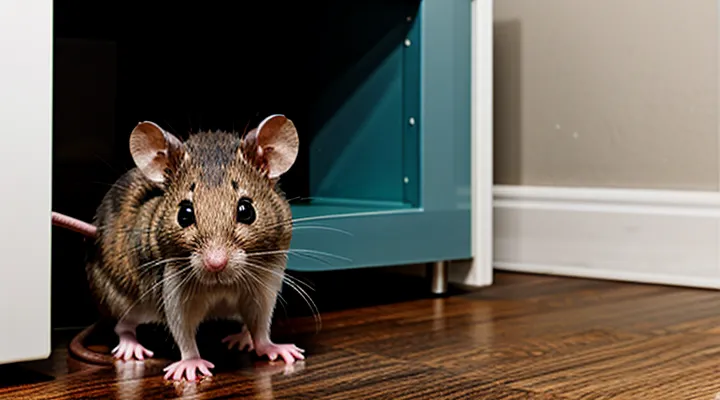
The Allure of Apartments for Rodents
Why Mice Choose Your Home
Food Sources
Mice locate apartments by detecting accessible nourishment; unsecured edibles create a reliable foraging trail.
- Uncovered pantry items, especially grains, cereal, and pet food.
- Crumbs and spills on countertops, floors, and behind appliances.
- Open garbage cans or bags lacking tight lids.
- Food stored in paper or cardboard packaging that can be chewed.
- Fruit, vegetables, and leftovers left at room temperature.
Eliminate these attractants by sealing containers with airtight lids, cleaning surfaces after each meal, and disposing of waste in containers equipped with secure seals. Store dry goods in metal or thick‑wall plastic containers, transfer leftovers to the refrigerator promptly, and keep pet feeding stations off the floor with bowls that cannot be tipped. Regularly inspect and repair cracks or gaps where rodents might enter, then maintain a strict routine of sanitation to deprive mice of any viable food supply.
Shelter and Warmth
Mice seek warm, protected areas to rest and breed. In an apartment, such locations include:
- Wall voids and behind baseboards where insulation retains heat.
- Kitchen cabinets and pantry shelves, especially near food sources that generate slight temperature increases.
- Under appliances (refrigerator, stove) where motor heat creates a constant warm micro‑environment.
- Ceiling fixtures and attic access points that channel outdoor warmth into interior spaces.
Eliminating these shelters requires sealing gaps, removing excess insulation, and managing heat sources. Install steel wool or copper mesh in openings larger than ¼ inch, replace damaged weatherstripping, and keep appliances clean of food debris. Reduce ambient temperature in hidden spaces by adding vent fans or insulating ducts properly. Regularly inspect concealed areas for signs of nesting material, and repair any structural damage promptly to deny mice the conditions they require for survival.
Water Access
Mice are attracted to any source of moisture that can sustain their hydration needs. Leaky faucets, dripping pipes, and condensation on windows provide reliable water, allowing rodents to establish nests nearby.
Common indoor water sources include:
- Faucet drips or running toilets
- Leaking under‑sink pipes or dishwasher hoses
- Condensation on cold surfaces such as air‑conditioner coils
- Pet water dishes left uncovered for extended periods
Eliminating these supplies reduces the likelihood of mouse activity. Immediate actions are:
- Repair faucet leaks and replace faulty washers.
- Inspect and tighten pipe connections; use plumber’s tape where needed.
- Install a drip‑catch tray beneath appliances and empty it daily.
- Dry condensation-prone areas with a cloth or dehumidifier.
- Keep pet water containers covered and refill only when empty.
Regular maintenance of plumbing fixtures and prompt removal of standing water create an environment where rodents cannot find the hydration required for survival.
Common Entry Points for Mice
Exterior Vulnerabilities
Cracks in Foundations and Walls
Cracks in a building’s foundation and interior walls provide direct pathways for rodents to infiltrate living spaces. Mice can squeeze through openings as small as ¼ inch, allowing even minor fissures to serve as entry points. Structural gaps also create sheltered routes that bypass exterior barriers, increasing the likelihood of indoor activity.
When a crack forms, moisture and temperature fluctuations can enlarge the opening over time, further facilitating rodent movement. Evidence shows that infestations often originate near foundation seams, utility penetrations, and wall joints that have not been sealed. Identifying these defects early reduces the risk of a colony establishing itself within an apartment.
Effective mitigation focuses on detection, repair, and exclusion:
- Conduct a visual inspection of all exterior walls, basement floors, and utility entry points; mark any visible fissures.
- Use hydraulic cement or epoxy sealants to fill gaps wider than ¼ inch; apply a flexible caulk for smaller joints.
- Install metal flashing or hardware cloth around larger openings to prevent re‑entry after repair.
- Maintain a dry environment by directing downspout runoff away from the foundation and repairing any drainage issues.
- Schedule periodic re‑examination, especially after seasonal temperature changes, to confirm the integrity of repairs.
Consistent application of these measures eliminates the primary structural conduits that mice exploit, thereby reducing the probability of indoor sightings and damage.
Gaps Around Pipes and Utility Lines
Mice exploit any opening that connects the interior of an apartment to the exterior or to hidden spaces. Gaps surrounding plumbing, electrical conduit, gas lines, and ventilation ducts create direct pathways. Even gaps as small as ¼ inch allow a mouse to squeeze through, providing access to walls, cabinets, and storage areas.
Typical locations include:
- The space between a pipe and the surrounding wall or floor slab.
- Openings around water heater connections and shut‑off valves.
- Gaps left after installing or repairing electrical boxes and conduit.
- Unsealed holes where HVAC ducts penetrate ceilings or floors.
- Areas around utility meters and external service lines.
To eliminate these entry points, follow a systematic approach:
- Inspect every visible pipe, cable, and duct for irregularities. Use a flashlight and a mirror to view hidden joints.
- Measure each opening. Any gap larger than ¼ inch requires sealing.
- Apply appropriate filler material:
- Use steel wool or copper mesh for small cracks, then cover with expanding foam.
- For larger voids, insert backer rod, then seal with silicone caulk or polyurethane sealant.
- For gaps around moving pipes, employ flexible, fire‑rated sealant that accommodates thermal expansion.
- Secure utility penetrations with metal plates or conduit sleeves, fastening them with screws or rivets.
- After sealing, monitor the area for signs of mouse activity for several weeks. Re‑inspect any disturbed seals and repair promptly.
Regular maintenance—checking for new gaps after renovations, leaks, or pest control work—prevents re‑entry. A tightly sealed network of pipes and utility lines removes one of the most common routes mice use to infiltrate an apartment.
Damaged Screens and Vents
Damaged window screens and ventilation openings are common pathways for mice to infiltrate residential units. Small tears, gaps around frames, or missing mesh allow rodents to squeeze through openings as narrow as ¼ inch. Once inside, mice can access food storage areas, create nests, and cause structural damage.
Inspecting these entry points involves a systematic visual check. Look for ragged edges, loose fasteners, or corrosion that separates the screen from its frame. Examine vent covers for cracked or warped sections, and verify that latch mechanisms close securely. Signs of recent activity—chewed fibers, droppings near the opening, or gnaw marks on surrounding material—indicate active intrusion.
Repair and reinforcement measures include:
- Replacing torn screens with tightly woven mesh; secure edges with stainless‑steel clips to resist gnawing.
- Sealing gaps around frames using silicone caulk or expandable foam, ensuring a continuous barrier.
- Installing metal vent grilles or mesh with a minimum 1‑mm opening size, which mice cannot penetrate.
- Adding weatherstripping to sliding doors and windows to eliminate peripheral spaces.
- Conducting periodic maintenance checks, especially after seasonal weather changes that may stress fittings.
By eliminating compromised screens and vents, the apartment’s envelope becomes substantially less permeable to rodent ingress, reducing the likelihood of infestation and the associated health and property risks.
Interior Access Points
Unsealed Gaps in Cabinets and Walls
Mice frequently exploit tiny openings in kitchen cabinets and interior walls to move between rooms and access food sources. Gaps as narrow as a quarter‑inch allow entry, especially when structural joints are poorly sealed or have deteriorated over time.
Unsealed joints create a continuous pathway from exterior walls, utility shafts, and crawl spaces into living areas. Once inside, rodents can travel behind appliances, within hollow cabinets, and through wall cavities, increasing the risk of contamination and structural damage.
To eliminate these entry points:
- Inspect all cabinet backs, sides, and toe‑kicks for visible cracks or gaps.
- Use a flashlight and a thin piece of cardboard to probe seams; any resistance indicates a potential opening.
- Apply a high‑quality, rodent‑resistant caulk or expanding foam to fill cracks up to ¼ in.
- For larger voids, install metal or hardware‑cloth mesh secured with screws before sealing.
- Seal gaps around wall outlets, plumbing penetrations, and baseboard joints with steel wool followed by silicone sealant.
- Re‑check sealed areas after a week to ensure the material has adhered properly and no new gaps have formed.
Regular maintenance, including re‑application of sealant after renovations or after detecting wear, prevents mice from re‑establishing access routes through cabinets and walls.
Spaces Around Doors and Windows
Mice exploit gaps around doors and windows because these openings provide direct routes from the exterior to interior spaces. Even gaps as narrow as ¼ inch permit entry, especially when structural movement or seasonal temperature changes enlarge the openings.
Common entry points include:
- Undersides of exterior doors, where weather‑stripping may be worn or absent.
- Door frames with cracked or missing caulking.
- Window sills and frames lacking proper sealing, often revealed by visible cracks or peeling paint.
- Sliding glass doors with worn tracks or insufficient compression seals.
To block these pathways, follow a systematic approach:
- Inspect every door and window for visible gaps, using a flashlight and a thin piece of paper to detect airflow.
- Replace deteriorated weather‑stripping with silicone‑based or rubber profiles that compress tightly when closed.
- Apply high‑quality, paint‑compatible caulk to all cracks in frames and around door jambs; allow curing time before re‑installing hardware.
- Install door sweeps that extend to the floor, ensuring they overlap the threshold without creating a new gap.
- Fit window inserts or removable foam strips to interior sides of windows that remain open for ventilation.
Regular maintenance—rechecking seals after seasonal weather shifts and repairing any damage promptly—maintains a barrier that prevents rodents from exploiting door and window spaces.
Openings in Attics and Basements
Mice frequently exploit gaps in an apartment’s attic and basement to gain access to living spaces. These areas often contain structural seams, ventilation openings, and utility penetrations that remain unnoticed during routine inspections. Unsealed joist bays, cracked soffits, and exposed pipe sleeves create continuous pathways from the exterior to interior rooms. Because attics and basements maintain stable temperatures, they provide ideal shelter and a convenient staging ground for rodent activity.
To eliminate these entry points, follow a systematic approach:
- Inspect all attic and basement walls for cracks, holes, and gaps larger than ¼ inch; seal with steel wool, caulk, or expanding foam reinforced with metal mesh.
- Close gaps around vent pipes, electrical conduits, and plumbing stacks using copper mesh or hardware cloth, then apply a durable sealant.
- Repair or replace damaged soffit panels and ensure that roof eaves are fitted with tight-fitting flashing.
- Install door sweeps on basement entry doors and attach weatherstripping to attic access doors.
- Verify that crawl‑space vents are fitted with screens that resist chewing.
Regular maintenance of these structures reduces the likelihood of mouse colonization and limits the need for chemical control measures. By targeting the specific vulnerabilities in attics and basements, residents can prevent rodents from establishing a foothold within the apartment.
Signs of a Mouse Infestation
Visual Evidence
Droppings
Droppings are a primary indicator of mouse activity in residential units. They appear as small, dark, cylindrical pellets about ¼ inch long, often found along walls, behind appliances, in cabinets, and near food sources. Fresh droppings are moist and may have a slight sheen; older ones become dry and crumbly. Their presence confirms that rodents are feeding and moving within the space.
Health concerns stem from pathogens carried in mouse feces, including hantavirus, salmonella, and leptospirosis. Inhalation of aerosolized particles during cleaning can cause respiratory irritation or infection. Direct contact may transmit bacteria to skin cuts or contaminate food preparation surfaces. Prompt removal and disinfection reduce exposure risk.
Removal and sanitization
- Wear disposable gloves and a mask.
- Moisten droppings with a disinfectant solution (e.g., 1 % bleach) to prevent dust release.
- Collect material with a disposable paper towel; place in a sealed bag.
- Clean the area with the same disinfectant, allowing a minimum of ten minutes contact time.
- Dispose of all protective gear and wash hands thoroughly.
Preventive measures
- Seal gaps larger than ¼ inch around pipes, vents, and foundation cracks.
- Store food in airtight containers; keep countertops free of crumbs.
- Maintain a regular cleaning schedule to eliminate attractants.
- Install metal or concrete barriers beneath cabinets and appliances.
- Conduct periodic inspections of hidden spaces, focusing on typical droppings locations.
Gnaw Marks
Gnaw marks are shallow, crescent‑shaped cuts on wood, plastic, wiring insulation, and food packaging. The edges are rough, with teeth spacing of about 2–3 mm, indicating the incisors of a small rodent.
In an apartment, gnaw marks appear most often on baseboards, cabinet doors, pantry shelves, and the outer coating of electrical cords. They also show up on drywall corners, window frames, and the undersides of furniture that rest against walls.
The presence of these marks confirms active foraging and nesting behavior. Fresh, light‑colored scratches suggest recent activity, while darker, weathered cuts indicate a longer‑term problem. Multiple marks in a single area point to a travel route used by the animal.
Inspection should include a visual sweep of potential contact points, followed by a tactile test: gently run a fingernail across the cut to assess depth. Use a flashlight to illuminate shadowed zones where marks may be concealed. Record the location of each finding for targeted treatment.
Preventive actions:
- Seal entry points with steel wool or caulk; focus on gaps around pipes, vents, and door frames.
- Replace damaged wiring insulation with rodent‑resistant material.
- Store food in airtight containers; keep pantry shelves clean of crumbs.
- Trim vegetation and remove clutter near exterior walls to eliminate hiding places.
- Install snap traps or electronic deterrents along identified travel routes; monitor and replace as needed.
Regularly revisit the inspected areas. Absence of new gnaw marks confirms that the preventive measures are effective.
Nests
Mice construct nests to rest, rear young, and store food, turning any concealed space into a breeding hub. In apartments, nests appear in wall voids, behind appliances, under sinks, inside ceiling tiles, and within insulation. Common materials include shredded paper, fabric scraps, cotton, dried vegetation, and building debris. Signs of a nest are dense, irregular piles of soft material, often accompanied by urine stains, droppings, or gnawed surfaces.
Identifying a nest requires visual inspection of suspected areas and the use of a flashlight to reveal hidden piles. Tactile probing with a gloved hand can confirm the presence of soft, compacted material. Once located, immediate removal and thorough cleaning with a disinfectant reduce attractants and eliminate residual scent trails.
Prevention measures:
- Seal gaps larger than ¼ inch around pipes, vents, and electrical conduits with steel wool and caulk.
- Store food in airtight containers; dispose of waste in sealed bins.
- Reduce clutter by removing cardboard boxes, paper stacks, and unused fabrics from storage spaces.
- Install metal mesh or hardware cloth over openings in walls, floors, and ceilings.
- Conduct regular inspections of hidden zones and promptly repair any structural damage.
Eliminating nests and denying shelter deprive mice of essential resources, thereby limiting their ability to establish a foothold in residential units.
Auditory Clues
Scratching Noises
Scratching noises in walls, ceilings, or floors often signal mouse activity. The sound typically occurs when rodents gnaw on insulation, wiring, or structural timber while moving or building nests. Identifying the source quickly limits damage and health risks.
The most common locations for audible scratching include:
- Kitchen cabinets and pantry walls, where food sources attract foraging mice.
- Behind baseboards and under appliances, where warm, hidden spaces provide shelter.
- Attic joists and ceiling panels, which offer dry material for nesting.
Each area presents a distinct entry point: gaps around pipes, cracked drywall, or unsealed vents. Sealing these openings eliminates the pathways that enable rodents to reach the noisy zones.
Preventive actions focus on eliminating both attraction and access:
- Inspect all interior and exterior walls for holes larger than ¼ inch; fill with steel wool and caulk.
- Keep food in airtight containers; clean crumbs and spills immediately.
- Reduce clutter that creates hiding spots; store items off the floor.
- Install snap traps or electronic deterrents near identified scratching sites; monitor and replace as needed.
- Schedule periodic professional inspections to verify that seals remain intact and no new activity emerges.
By correlating scratching sounds with specific structural areas and applying targeted sealing and sanitation measures, residents can suppress mouse presence and prevent associated damage.
Squeaking Sounds
Squeaking noises often signal mouse activity within walls, ceilings, or floor joists. The high‑pitched, intermittent sound arises when rodents move across insulation, gnaw on structural members, or navigate tight passages. Detecting these sounds early can pinpoint entry points and nesting sites, allowing targeted intervention before populations expand.
Typical locations for audible squeaks include:
- gaps around utility pipes penetrating walls or floors
- poorly sealed attic hatches or crawl‑space doors
- damaged or missing weatherstripping on exterior doors and windows
- openings behind appliances such as refrigerators or dishwashers
Preventive actions focus on eliminating the conditions that generate squeaking:
- Seal all penetrations with steel wool and caulk or use metal flashing.
- Install door sweeps and replace worn weatherstripping.
- Maintain a clear perimeter around the building, removing debris and vegetation that provide shelter.
- Store food in airtight containers and keep countertops free of crumbs.
- Set snap traps or electronic devices near identified squeak sources, checking and resetting them regularly.
By addressing the acoustic evidence of rodent movement, homeowners can locate infestations precisely and apply measures that reduce the likelihood of mice establishing a presence in the apartment.
Effective Prevention Strategies
Sealing Entry Points
Caulking and Expanding Foam
Caulking and expanding foam are essential tools for sealing gaps that rodents exploit in residential units. Mice can slip through openings as small as a quarter-inch, often found around windows, door frames, utility penetrations, and baseboard joints. Applying a durable sealant blocks these pathways and reduces the likelihood of infestation.
- Identify all exterior and interior cracks, focusing on areas where pipes, wires, or vents pass through walls and floors.
- Clean surfaces to remove dust, debris, and loose material; a dry, smooth substrate ensures proper adhesion.
- Use silicone or acrylic caulk for linear gaps up to ½ inch wide; smooth the bead with a finger or tool to create a continuous barrier.
- For larger voids, inject low‑expansion polyurethane foam; the material expands to fill irregular spaces, then contracts slightly as it cures, leaving no residual gaps.
- Trim excess foam after curing and cover with a thin layer of caulk to protect against weathering and chewing.
Regular inspection of sealed areas is advisable, especially after seasonal temperature shifts that can cause building materials to contract. Reapply caulk or foam where cracks reappear to maintain an uninterrupted defense against rodent entry.
Steel Wool and Wire Mesh
Mice exploit any opening larger than a quarter‑inch, including cracks around windows, gaps beneath doors, utility penetrations, and vent louvers. Sealing these routes is essential for long‑term exclusion.
Steel wool serves as a flexible filler for irregular gaps. Its intertwined fibers compress to fill voids while remaining resistant to chewing. When applied, press the wool tightly into the opening, then cover with a layer of caulk or expanding foam to prevent displacement. The combination creates a barrier that deters gnawing and eliminates drafts that might attract rodents.
Wire mesh offers a durable solution for larger apertures such as vent covers, pipe sleeves, and crawl‑space grates. Use stainless‑steel or galvanized mesh with openings no larger than ¼ in. Secure the mesh with screws or heavy‑duty staples, ensuring a flush fit against the surrounding surface. For added strength, overlap mesh edges and seal the seam with silicone sealant.
Key considerations for both materials:
- Choose corrosion‑resistant grades to withstand moisture in bathrooms, kitchens, and basements.
- Verify mesh gauge is sufficient to resist bite pressure; 18‑gauge or thicker is recommended.
- Inspect installations periodically for signs of wear, displacement, or new gnaw marks.
- Combine physical barriers with proper sanitation to reduce attraction factors.
By integrating steel wool in narrow cracks and wire mesh in broader openings, residents create a comprehensive defense that blocks entry points without compromising ventilation or structural integrity. Regular maintenance of these barriers maintains their effectiveness and minimizes the likelihood of mouse infestations.
Door Sweeps and Weatherstripping
Door sweeps seal the gap between the bottom edge of a door and the floor, eliminating a common entry route for rodents. A properly fitted sweep consists of a flexible material—usually rubber, silicone, or brush—and a metal or plastic holder that attaches to the door frame. The sweep must contact the floor without dragging, creating a continuous barrier that prevents mice from squeezing through even the smallest openings.
Weatherstripping addresses gaps around the door’s perimeter, including the vertical sides and the top latch area. Available forms include adhesive-backed foam tape, vinyl V‑strips, and tubular silicone. Selection depends on door material, movement frequency, and climate conditions. Foam tape offers quick installation for uneven surfaces, while V‑strips provide durable compression for frequently used doors.
Installation guidelines:
- Measure the door’s width and height accurately; cut the sweep and weatherstripping to match.
- Clean the contact surfaces to ensure adhesive adhesion.
- Align the sweep so the flexible edge lightly touches the floor when the door closes.
- Apply weatherstripping evenly along the jamb, pressing firmly to secure the bond.
- Test door operation; adjust as needed to avoid binding while maintaining a tight seal.
Maintenance considerations:
- Inspect sweeps for wear, cracks, or loss of flexibility every six months; replace damaged sections promptly.
- Clean debris from the sweep’s surface to preserve contact integrity.
- Verify that weatherstripping remains affixed; reapply adhesive or replace strips if detachment occurs.
By integrating door sweeps and comprehensive weatherstripping, an apartment blocks two of the most exploited access points, significantly reducing the likelihood of rodent intrusion.
Eliminating Food and Water Sources
Proper Food Storage
Proper food storage eliminates one of the most common attractants for rodents in an apartment. Food that is left uncovered, stored in flimsy packaging, or placed on countertops provides easy access for mice, encouraging them to enter living spaces and establish nests.
- Use containers with sealed, latch‑type lids for dry goods such as grains, cereals, and snacks.
- Keep all perishables in the refrigerator or freezer, and return items promptly after use.
- Store pet food in airtight bins and avoid leaving bowls out overnight.
- Clean spills immediately and wipe down surfaces after meals.
Maintain a tidy pantry by discarding expired items and rotating stock so that older products are used first. Regularly sweep floors and vacuum corners to remove crumbs that may accumulate. Dispose of garbage in sealed bags and place bins with tight‑fitting lids outside the apartment or in a designated building area.
By implementing these storage practices, the food supply becomes inaccessible to mice, reducing the likelihood of an infestation and supporting a healthier living environment.
Prompt Spill Cleanup
Prompt spill cleanup directly influences mouse activity in residential units. Food residues and liquid waste create scent trails that mice follow to locate nourishment. Immediate removal of spills eliminates these cues, reducing the likelihood of rodent ingress.
Effective spill response includes:
- Absorb liquid with disposable towels or paper products; discard in sealed bags.
- Sweep or vacuum solid debris, ensuring no crumbs remain on floors, countertops, or appliances.
- Sanitize the affected area with a disinfectant solution; allow adequate contact time before wiping dry.
- Inspect surrounding surfaces for hidden spillage, especially under cabinets and behind appliances, and repeat cleaning if necessary.
Consistent execution of these steps prevents the formation of attractive foraging zones, thereby supporting broader rodent‑deterrence strategies within the dwelling.
Addressing Leaky Faucets
Leaking faucets provide a reliable water source that draws mice into residential units. Continuous moisture creates a hospitable environment, encouraging rodents to explore cabinets, walls, and floor spaces where the leak is present.
Repairing a faucet eliminates the attraction and removes a potential entry point. Follow these steps:
- Shut off the water line feeding the fixture.
- Disassemble the faucet to expose the cartridge, O‑ring, or washer.
- Replace damaged washers, O‑rings, or seals with new components of the same size.
- Re‑tighten all connections, ensuring no gaps remain.
- Reactivate the water supply and observe the fixture for any remaining drip.
After fixing the leak, reinforce the surrounding area:
- Apply silicone caulk around the base of the faucet and adjacent countertop seams.
- Inspect adjacent walls and cabinets for cracks; seal with appropriate filler.
- Keep the kitchen and bathroom dry by promptly wiping spills and using ventilation.
These actions remove a primary water source, reduce humidity, and limit the conditions that support mouse activity in an apartment.
Maintaining a Clean Environment
Regular Cleaning and Decluttering
Regular cleaning removes food residues that attract rodents. Sweeping, mopping, and wiping surfaces after each meal eliminates crumbs and spills that can sustain a small mouse population. Vacuuming carpets and upholstery weekly captures droppings and hair, reducing scent trails that guide new intruders.
Decluttering eliminates hiding places. Storing items in sealed containers prevents mice from nesting in boxes, bags, or piles of clothing. Removing excess paper, old magazines, and cardboard reduces insulation opportunities and makes inspection of potential entry points easier.
Key practices for an orderly living space:
- Dispose of garbage daily; use bins with tight‑fitting lids.
- Clean behind appliances and under furniture at least once a month.
- Keep pantry shelves organized; place dry goods in metal or thick plastic containers.
- Consolidate storage; label boxes and stack them away from walls.
- Inspect and repair cracks, gaps, or holes in walls, floors, and around pipes.
Consistent application of these measures limits food sources and shelter, thereby discouraging mouse activity throughout the residence.
Proper Trash Management
Improper waste storage creates a reliable food source for rodents that seek shelter in residential units. Food residues, exposed garbage, and overflowing bins draw mice into kitchens, hallways, and storage closets, increasing the likelihood of infestation.
- Use sealed, rigid containers with tight-fitting lids for all refuse.
- Transfer waste to the container only after removing visible food scraps.
- Keep containers away from walls and corners where mice can hide.
- Empty indoor bins daily; larger accumulations encourage gnawing and nesting.
- Store outdoor trash cans on a raised platform, insulated from ground contact.
- Clean the interior of bins regularly with a mild disinfectant to eliminate odors.
Selecting bins made of metal or heavy‑duty plastic prevents chewing damage. Positioning containers on non‑porous surfaces simplifies cleaning and removes potential entry points. Regular removal of trash eliminates the scent trail that mice follow, reducing their motivation to explore the apartment.
Consistent trash management removes a primary attractant, limits access to food, and deprives mice of a suitable habitat, thereby supporting broader rodent‑prevention efforts.
Natural Deterrents and Repellents
Peppermint Oil
Peppermint oil is a natural repellent that deters rodents through a strong, volatile scent. When applied correctly, it can reduce the likelihood of mouse activity in residential units.
Mice typically exploit the following locations in an apartment:
- Gaps around doors, windows, and utility penetrations
- Openings behind cabinets, appliances, and plumbing fixtures
- Cracks in walls, baseboards, and flooring
- Unsealed entry points in the attic or crawl space
To employ peppermint oil effectively, follow these steps:
- Dilute 10‑15 drops of pure peppermint essential oil in 200 ml of water.
- Transfer the mixture to a spray bottle.
- Apply to the identified entry points, focusing on cracks, gaps, and the perimeters of cabinets and appliances.
- Reapply every 3‑4 days, or after cleaning, to maintain potency.
Peppermint oil should complement, not replace, structural sealing. Combine chemical deterrence with physical barriers—such as steel wool, caulk, or mesh—to achieve long‑term control of rodent intrusion.
Ultrasonic Devices
Mice often enter apartments through cracks, gaps around pipes, and openings behind appliances. Ultrasonic devices provide a non‑chemical approach that targets rodents without affecting humans or pets.
These devices generate sound waves at frequencies above 20 kHz, a range that rodents find painful or disorienting. The emitted pulses interfere with their nervous system, prompting avoidance of the treated zone.
Effective deployment requires strategic positioning:
- Near suspected entry points (e.g., door frames, vent openings, base of walls).
- Along interior walls where sound can travel unobstructed.
- In concealed areas such as under cabinets, behind refrigerators, and inside closets.
- At least one meter away from large metal objects that may reflect or absorb the waves.
Performance varies with environmental factors. Open‑plan layouts allow broader coverage, while cluttered rooms reduce range. Rodents may become habituated after prolonged exposure, diminishing efficacy. Consequently, ultrasonic units should complement sealing cracks, proper food storage, and sanitation practices.
When choosing a model, consider:
- Frequency spectrum (20–65 kHz preferred for rodent deterrence).
- Specified coverage radius (match to room size).
- Adjustable timer or automatic shut‑off to conserve energy.
- Safety certifications confirming no risk to pets or humans.
Routine upkeep extends device lifespan. Replace depleted batteries or recharge according to manufacturer instructions. Wipe exterior surfaces with a dry cloth to prevent dust buildup that could block the speaker. Perform a monthly functional test by listening for a faint high‑pitched tone with a specialized detector or by observing rodent activity.
In sum, ultrasonic repellents serve as a practical component of an integrated mouse‑control strategy, provided they are installed correctly, selected based on technical specifications, and maintained regularly.
What to Do if You Find Mice
Trapping Methods
Snap Traps
Snap traps remain one of the most reliable methods for eliminating rodents that infiltrate residential units. Constructed from sturdy wood or plastic, they employ a spring‑loaded bar that delivers an instantaneous kill when triggered by a mouse’s movement. The design eliminates the need for poison, reduces risk of secondary poisoning, and provides immediate confirmation of a catch.
Effective deployment of snap traps depends on precise placement and bait selection. Position traps along walls, behind appliances, and within concealed pathways where rodent activity is evident. Use a small amount of attractive food such as peanut butter, cheese, or dried fruit to entice the animal. Avoid clutter that could obstruct the trap’s mechanism or allow the mouse to bypass it.
Key practices for maintaining snap traps include:
- Inspect traps daily; remove captured rodents promptly to prevent odor buildup.
- Reset the spring mechanism after each capture, ensuring the latch is fully engaged before re‑baiting.
- Replace worn or damaged traps to preserve killing force and prevent escape.
- Wear disposable gloves when handling traps to minimize scent transfer and protect personal hygiene.
Safety considerations are essential. Keep traps out of reach of children and pets by storing them in sealed containers when not in use. Label each trap clearly to avoid accidental activation. For apartments with multiple units, coordinate trap placement with building management to ensure compliance with local pest‑control regulations.
Live Traps
Mice commonly infiltrate apartments through gaps around pipes, vents, and doors, establishing nests in kitchens, pantries, behind appliances, and within wall voids. Their presence is facilitated by readily available food, water, and shelter. Controlling the infestation requires a method that removes the rodents without chemical hazards; live traps satisfy this need.
Live traps are cage‑type devices that capture mice unharmed. Their effectiveness depends on proper selection, placement, and maintenance.
- Choose a trap with a sensitive trigger mechanism and a smooth interior to prevent injury.
- Bait the trap with high‑protein attractants such as peanut butter, small pieces of cheese, or canned fish.
- Position traps perpendicular to walls, with the entry side facing the wall, because mice travel along edges.
- Place traps near identified activity zones: under sinks, behind the refrigerator, inside cabinets, and in dark corners.
- Set multiple traps spaced 10‑15 feet apart to increase capture probability.
- Check traps at least twice daily; release captured mice at least two miles from the building, adhering to local wildlife regulations.
- After each capture, clean the trap with mild detergent to remove scent trails that may deter further visits.
Integrating live traps with preventive measures—sealing entry points, eliminating food sources, and maintaining low humidity—creates a comprehensive strategy that reduces mouse populations while avoiding poison exposure.
Electronic Traps
Mice commonly inhabit kitchens, pantries, closets, and spaces behind appliances where food residues and shelter are available. They travel along walls, using gaps around pipes, vents, and baseboards as routes into apartments.
Electronic traps provide a rapid, humane method to eliminate rodents without chemicals. A sensor detects the animal’s presence and delivers a high‑voltage shock that kills instantly. The device then stores the carcass in a sealed compartment, preventing odor and secondary contamination.
Key factors when choosing a trap include:
- Power source (battery versus mains) that matches the installation environment.
- Shock voltage sufficient to ensure immediate death.
- Capacity of the holding chamber to reduce frequent emptying.
- Safety interlock that prevents accidental discharge to humans or pets.
- Noise level low enough for residential settings.
Effective placement follows mouse travel behavior. Position traps within 2 feet of walls, directly opposite known entry points, and near food storage areas. Align the sensor facing the anticipated path; avoid placing objects that could obstruct detection.
Routine upkeep extends trap life. After each capture, remove the carcass, clean the interior with mild detergent, and inspect the sensor for debris. Replace batteries or reset the power supply according to the manufacturer’s schedule. Verify that safety locks remain functional.
Electronic traps work best when combined with structural exclusion: seal cracks, install door sweeps, and store food in airtight containers. Maintaining a clean environment reduces attractants, making the traps’ impact more pronounced and allowing long‑term control of mouse activity in the dwelling.
When to Call Professional Pest Control
Large Infestations
Large mouse populations in a dwelling create structural damage, health hazards, and rapid spread if left unchecked. When an infestation reaches dozens of individuals, rodents exploit every accessible niche: kitchen cabinets, pantry shelves, wall voids, attics, and utility closets. Their burrowing in insulation and behind appliances creates concealed pathways that link separate rooms, allowing the colony to expand quickly throughout the unit.
Key indicators of a major infestation include:
- Frequent droppings on countertops, floors, and in hidden corners
- Gnaw marks on wiring, furniture, and food packaging
- Persistent odor of urine or nesting material such as shredded paper and fabric
- Visible tracks in dusty areas or along baseboards
- Hearing of nocturnal scurrying from multiple locations
Preventing a large-scale outbreak requires a systematic, multi‑layered approach:
- Seal all entry points larger than ¼ inch with steel wool, caulk, or metal flashing; inspect foundation cracks, vent openings, and pipe sleeves.
- Eliminate food sources by storing items in airtight containers, promptly cleaning crumbs, and disposing of waste in sealed bins.
- Reduce shelter by decluttering storage areas, removing piles of newspapers, and trimming indoor plants that provide cover.
- Install snap traps or electronic devices along established runways, positioning them near walls, behind appliances, and in dark corners. Replace bait regularly to maintain effectiveness.
- Conduct a thorough inspection of hidden spaces—behind drywall, under flooring, and within ceiling cavities—and apply rodent‑proof mesh where gaps exist.
If evidence suggests a colony exceeding ten individuals, professional extermination becomes essential. Licensed pest control operators can deploy bait stations, apply targeted rodenticides, and perform structural repairs to eradicate the infestation and prevent recurrence. Prompt action, combined with rigorous sanitation and exclusion measures, stops the progression from isolated sightings to a pervasive mouse problem.
Persistent Problems
Mice infestations often linger because the underlying conditions that attract rodents remain unaddressed. Food sources, water leaks, and structural gaps create a continuous supply of shelter and nourishment, allowing populations to survive despite occasional extermination attempts.
Typical persistent problems include:
- Unsealed cracks around windows, doors, and utility penetrations that serve as entry points.
- Accumulated debris in closets, basements, or under appliances where mice can hide and breed.
- Improper food storage, such as open pantry bags or crumbs left on countertops, providing a reliable diet.
- Leaking pipes or condensation that generate moisture, essential for rodent survival.
- Inadequate waste management, including overflowing trash bins or recycling containers left outdoors.
Addressing these issues requires a systematic approach: seal all openings with steel wool or caulk, maintain a rigorous cleaning schedule, store food in airtight containers, repair water sources promptly, and ensure garbage is disposed of in sealed receptacles. Only when these persistent factors are eliminated can long‑term control of rodent activity be achieved.
Health Concerns
Mice that infiltrate residential units create direct health hazards. Their urine and feces contain pathogens capable of causing severe illness. Exposure to contaminated surfaces may lead to:
- Hantavirus pulmonary syndrome, transmitted through inhalation of dried droppings.
- Salmonella infection, resulting from food contact with rodent waste.
- Leptospirosis, acquired via skin cuts or mucous membranes contacting urine.
- Allergic reactions, triggered by proteins in mouse dander and saliva.
Rodent bites can introduce bacterial infections such as cellulitis and tetanus. Infestations also attract insects that thrive on mouse debris, increasing the risk of secondary bites and vector‑borne diseases.
Preventive measures reduce these risks. Sealing entry points, maintaining clean storage areas, and using traps or bait stations limit population growth and prevent contamination. Regular inspection of pantry items and prompt disposal of droppings with proper protective equipment further protect occupants’ health.