
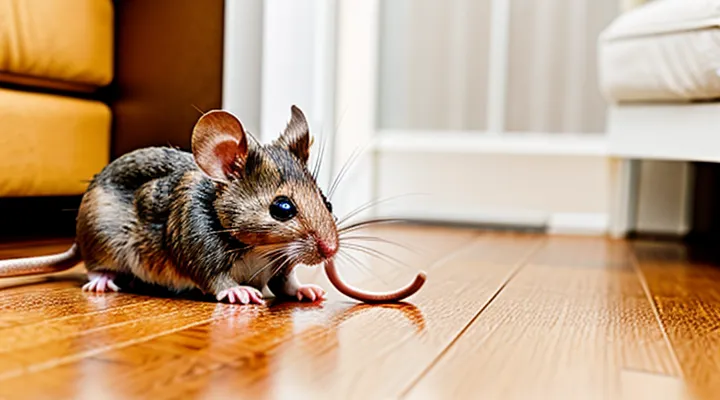
Understanding Mice Infestations in Apartments
Common Entry Points for Mice
Cracks and Gaps in Walls
Cracks and gaps in interior and exterior walls constitute primary access routes for rodents seeking shelter, food, and water inside an apartment. Structural movement, temperature fluctuations, and settlement of building foundations generate fissures that can widen over time. Poorly sealed utility penetrations, such as plumbing, electrical wiring, and HVAC ducts, also create openings that mice readily exploit.
Factors that produce wall openings include:
- Shifting foundation or joists caused by uneven loads or moisture intrusion.
- Deterioration of plaster, drywall, or joint compound due to water damage or age.
- Inadequate installation of window frames, door casings, and baseboards.
- Improperly fitted or missing insulation around pipes and conduit.
Effective mitigation requires sealing and reinforcing these entry points:
- Inspect all wall surfaces for visible fissures; use a flashlight to reveal hairline cracks.
- Apply a high‑quality, rodent‑resistant caulk or expanding polyurethane foam to fill gaps larger than ¼ inch.
- Install steel wool or copper mesh behind caulk in larger openings before sealing, creating a barrier that rodents cannot gnaw through.
- Replace damaged drywall or plaster, ensuring the new material is properly taped and mudded to prevent future splits.
- Secure utility penetrations with metal flashing or conduit sleeves, and seal surrounding areas with silicone or acrylic sealant.
- Maintain consistent indoor humidity levels to reduce wood expansion and contraction that can open seams.
Regular monitoring of wall integrity, combined with prompt repair of newly formed cracks, substantially reduces the likelihood of mouse intrusion. Maintaining a sealed envelope around the living space is a cornerstone of comprehensive rodent control in multi‑unit dwellings.
Openings Around Pipes and Utilities
Mice frequently enter residential units through gaps that surround pipes, electrical conduits, and other utility penetrations. These openings often appear where plumbing lines pass through walls, floors, or ceilings, and where wiring or cable bundles emerge from the building’s core. The small size of mouse bodies allows them to exploit cracks as narrow as a quarter of an inch, making even minor imperfections viable entry points.
Construction tolerances, settling of structures, and retrofitting work generate spaces around utilities. Improperly fitted pipe sleeves, missing sealants, and deteriorated caulking further enlarge these gaps. Over time, thermal expansion and contraction can widen cracks, creating a persistent invitation for rodents.
Common locations include:
- Junctions where water supply lines intersect walls or floors.
- Drainage pipes that exit bathrooms, kitchens, or laundry rooms.
- Cable bundles that pass through drilled holes in studs or joists.
- HVAC ducts and vent shafts that share wall penetrations with plumbing.
- Utility chases behind appliances such as refrigerators or dishwashers.
Preventive actions:
- Inspect all pipe and conduit penetrations for visible gaps.
- Apply stainless‑steel mesh or metal flashing around openings larger than ¼ in.
- Use high‑quality, rodent‑resistant sealant to fill cracks and seams.
- Install expandable foam specifically designed for pest exclusion in inaccessible spaces.
- Replace deteriorated pipe sleeves with properly sized, tightly fitted collars.
- Conduct regular maintenance checks after renovations or repairs to verify that new penetrations remain sealed.
Securing these utility entry points eliminates a primary route for mice, reducing the likelihood of infestation within an apartment.
Gaps Under Doors
Gaps beneath interior doors provide a direct route for mice to move between rooms and to the exterior. Small openings, often less than a centimeter wide, are large enough for rodents to squeeze through, allowing them to bypass walls and floor seams. These gaps typically arise from uneven flooring, worn door sweeps, or misaligned door frames during installation.
The presence of such openings increases the likelihood that a mouse entering the building through a basement vent, utility shaft, or external crack will access living spaces. Once inside, the rodent can travel along the gap to reach food sources, water, and nesting material, establishing a persistent infestation.
Effective mitigation focuses on sealing and maintaining the barrier:
- Install door sweeps with a flexible seal that contacts the floor when the door closes.
- Apply silicone or acrylic caulk along the perimeter where the door meets the threshold.
- Use weatherstripping that compresses to fill irregularities in the gap.
- Check for wear regularly; replace damaged sweeps or strips promptly.
- Ensure the floor surface is level; adjust threshold height if unevenness persists.
By eliminating under‑door openings, an apartment reduces the primary conduit through which mice exploit structural weaknesses, thereby interrupting their access path and supporting broader rodent‑control efforts.
Unsealed Windows
Unsealed windows provide direct access for mice seeking shelter and food inside an apartment. Gaps around window frames, missing or damaged screens, and improperly fitted sliding panels create openings as small as a quarter‑inch, sufficient for a mouse to squeeze through.
Mice exploit these openings when interior temperatures rise or when outdoor food sources become scarce. They follow scent trails from kitchens or garbage areas to the nearest gap, using the light and warmth of a window opening as a guide.
Typical indicators of mouse activity near windows include fresh gnaw marks on wood or vinyl, droppings collected on the sill or blinds, and faint, oily tracks leading from the exterior to interior surfaces. Observing these signs early can prevent larger infestations.
Preventive actions:
- Inspect all windows for cracks, gaps, or warped frames; seal openings with caulk or weather‑stripping.
- Replace torn or missing screens; install mesh with a fine gauge to block entry.
- Ensure sliding or double‑glazed windows close tightly; adjust hinges or add compression seals if needed.
- Install metal flashing or hardware cloth around vent openings adjacent to windows.
- Regularly clean the exterior perimeter to remove debris, plant material, or food sources that attract rodents.
Implementing these measures eliminates the primary conduit through which mice enter, reducing the likelihood of infestation and the associated health risks.
Shared Walls and Vents
Mice use any opening that connects one apartment to another, and shared walls and ventilation systems provide the most direct routes.
Cracks, gaps around electrical wiring, plumbing stacks, and poorly sealed utility penetrations create continuous pathways through the building’s structural envelope. These openings are often invisible to residents but large enough for a mouse to squeeze through.
Ventilation shafts, dryer exhausts, and bathroom fans link interior spaces to the outside or to neighboring units. If grills, louvers, or ductwork lack fine mesh screens, rodents can travel upward or laterally, entering apartments without detection.
Prevention measures:
- Seal all gaps in shared walls with steel wool followed by caulk or expanding foam.
- Install metal flashing around pipes and cables that pass through walls.
- Fit vent covers with stainless‑steel mesh no larger than ¼ inch.
- Maintain dryer and exhaust ducts, cleaning lint buildup that could attract mice.
- Conduct periodic inspections of wall cavities and vent systems, repairing any new openings promptly.
By addressing these structural vulnerabilities, residents reduce the likelihood that mice will migrate through shared walls and ventilation routes.
Attractants That Draw Mice to Apartments
Food Sources
Mice are attracted to apartments primarily by readily available food. Any unsecured source provides the energy they need to reproduce and expand their presence.
- Open pantry boxes, cereal bags, and snack packages left on countertops or shelves.
- Crumbs and spills on floors, countertops, and under appliances.
- Unsealed containers of grains, flour, sugar, or pet food.
- Garbage cans without tight-fitting lids or bags that are not emptied regularly.
- Birdseed or dried fruit stored in kitchen cabinets or on windowsills.
- Small amounts of food left in dishwashers, washing machines, or behind refrigerators.
Preventing mouse entry requires eliminating these nutritional incentives. Store dry goods in metal or heavy‑plastic containers with airtight seals. Clean surfaces after each meal, vacuum corners, and sweep beneath appliances weekly. Dispose of waste in bins equipped with secure lids and remove trash from the unit at least once per day. Keep pet feeding areas tidy, placing food in sealed containers and removing leftovers promptly. By removing all accessible food, the environment becomes unsuitable for mice, reducing the likelihood of an infestation.
Water Sources
Mice are attracted to any reliable water supply within a dwelling. Leaking pipes behind walls, under floors, or in ceilings provide a constant source of moisture that encourages rodent activity. Dripping faucets in kitchens and bathrooms create small puddles that can sustain mice for days. Condensation on cold surfaces, such as windowsills or pipe insulation, leaves damp spots that rodents readily exploit. Pet water dishes left unattended for extended periods add another accessible liquid source. Saucers beneath houseplants often retain water after watering, forming miniature reservoirs. Blocked or slow‑draining sink and bathtub drains retain standing water, offering additional hydration points.
Preventing water‑related infestations requires eliminating each of these sources. Immediate actions include repairing all visible leaks, tightening faucet connections, and replacing damaged pipe sections. Insulating cold pipes reduces condensation buildup. Remove excess water from pet bowls after each use and store them in sealed containers when not needed. Empty and dry plant saucers after watering, or use moisture‑wicking trays. Install drain covers and regularly clear debris to maintain free flow. Employ a dehumidifier in humid areas to lower ambient moisture levels. Conduct periodic inspections of concealed plumbing and seal any cracks or gaps that could permit water ingress.
Key prevention steps
- Fix all leaks in plumbing, roofs, and fixtures.
- Tighten or replace dripping faucets and showerheads.
- Insulate pipes to prevent condensation.
- Keep pet water containers dry when not in use.
- Empty and dry plant saucers after watering.
- Clear sink and bathtub drains to avoid standing water.
- Use drain covers and maintain proper ventilation.
- Deploy dehumidifiers in damp rooms.
- Seal cracks and gaps that could allow water intrusion.
Eliminating these water sources removes a primary incentive for mice, substantially reducing the likelihood of rodent presence in an apartment.
Shelter and Nesting Materials
Mice enter apartments seeking safe locations to hide and build nests. Tight spaces behind appliances, inside wall cavities, and beneath floorboards provide the darkness and protection mice need to avoid predators and human disturbance. These areas also retain a stable temperature, which supports mouse activity throughout the year.
Nesting material is abundant in residential units. Typical sources include:
- shredded paper from newspapers, magazines, or cardboard boxes
- cotton fibers from clothing, towels, and upholstery
- insulation fibers and foam from damaged ducts or walls
- pet bedding, lint from dryer filters, and soft trash such as food packaging
When these resources accumulate, mice can construct nests quickly, reinforcing their presence and increasing the likelihood of infestation.
Preventive measures focus on eliminating shelter and material options. Seal gaps larger than ¼ inch with steel wool or caulk, repair compromised insulation, and store paper products in sealed containers. Regularly clean under appliances, remove clutter, and dispose of waste in tightly closed bins. By restricting access to concealed spaces and removing potential nesting supplies, the apartment becomes inhospitable to mice.
Warmth
Warm environments entice mice because the animals seek stable temperatures to conserve energy. In an apartment, heat accumulates in areas where insulation is insufficient, where appliances generate continuous warmth, and where sunlight penetrates through poorly sealed windows. These micro‑climates provide shelter during colder months and reduce the metabolic cost of maintaining body heat.
Common sources of unwanted warmth include:
- Gaps around heating vents and radiators that allow warm air to escape into wall cavities.
- Kitchen appliances such as ovens, stovetops, and microwaves that remain hot after use.
- Electrical equipment that emits heat continuously, for example, transformers or chargers left plugged in.
- Sun‑exposed walls or ceilings with thin insulation that retain solar heat.
Reducing thermal attractants limits mouse entry and habitation. Effective measures are:
- Seal cracks and openings around ducts, pipes, and vent covers with steel wool or caulk.
- Install vent covers that direct airflow outward rather than into wall voids.
- Keep kitchen appliances clean, turn them off promptly, and allow surfaces to cool before storage.
- Unplug idle electronic devices or use power strips with automatic shutoff.
- Upgrade insulation in exposed walls and attics to maintain consistent interior temperatures.
- Use window treatments that block direct sunlight during peak heat periods.
By eliminating localized heat sources, an apartment becomes less inviting to mice, decreasing the likelihood of infestation and supporting long‑term pest control.
Preventing and Addressing Mouse Infestations
Proactive Prevention Strategies
Sealing Entry Points
Mice gain access to apartments through gaps that are often unnoticed. Identifying and sealing these openings eliminates the primary pathway for infestation.
Typical entry points include:
- Gaps around utility pipes and cables, especially where they pass through walls, floors, or ceilings.
- Openings around vents, exhaust fans, and air‑conditioning ducts.
- Cracks in foundation walls, slab edges, and basement windows.
- Spaces beneath doors, including the gap at the bottom of interior and exterior doors.
- Unsealed holes around light fixtures, wall anchors, and electrical boxes.
Effective sealing requires durable materials that resist gnawing. Recommended products are:
- Steel wool or copper mesh, compressed into gaps wider than 1 mm.
- Expanding polyurethane foam, applied sparingly to fill irregular voids; foam should be covered with metal mesh when used near chewable areas.
- Sheet metal flashing or hardware cloth (minimum ¼‑inch mesh) for larger openings such as vent covers.
- Silicone or acrylic caulk for narrow cracks and seams around windows and baseboards.
Procedure:
- Conduct a systematic inspection, starting from the kitchen and moving outward, using a flashlight to reveal hidden seams.
- Measure each opening; prioritize those larger than 6 mm, as mice can squeeze through smaller gaps.
- Insert steel wool or mesh into the gap, ensuring a tight fit that leaves no voids.
- Apply caulk or foam over the filler to create a smooth, airtight seal.
- Install metal flashing or hardware cloth over vent openings, securing it with screws and sealant.
- Verify that door sweeps are present and correctly positioned; replace missing or damaged sweeps.
Regular maintenance involves rechecking sealed areas after seasonal temperature shifts or building renovations. Any new cracks should be treated immediately to prevent re‑entry. Consistent application of these sealing techniques removes the structural advantage mice exploit, reducing the likelihood of future incursions.
Maintaining Cleanliness and Sanitation
Maintaining a clean environment reduces the likelihood that mice will find an apartment suitable for habitation. Food residues, spilled liquids, and clutter provide both nourishment and shelter; eliminating these elements removes essential resources that attract rodents.
Regular kitchen hygiene is critical. Store dry goods in airtight containers, promptly clean crumbs and spills, and dispose of garbage in sealed bags that are removed from the living area daily. Vacuum floors and upholstery frequently to capture hidden particles that could serve as food sources.
Bathroom and utility spaces should also be kept dry. Repair leaking pipes, wipe down wet surfaces, and ensure that condensation does not accumulate on windows or walls. Moisture draws insects, which in turn attract mice seeking protein.
A systematic cleaning schedule can be organized as follows:
- Daily: wipe countertops, sweep floors, empty trash bins.
- Weekly: mop hard surfaces, vacuum carpets, clean behind appliances.
- Monthly: inspect storage areas, rotate pantry items, deep‑clean ovens and refrigerators.
- Quarterly: examine baseboards and wall voids for debris, seal any gaps discovered.
Sanitation extends beyond visible surfaces. Air vents, dryer exhausts, and crawl spaces must be inspected for dust buildup and blocked passages. Using a mild disinfectant on these areas prevents the buildup of organic matter that could support mouse populations.
By consistently removing food, water, and shelter opportunities, an apartment becomes inhospitable to mice, thereby complementing other preventive measures such as sealing entry points and managing exterior vegetation.
Proper Food Storage
Proper food storage directly reduces the likelihood of rodent activity in an apartment. Food that is accessible, aromatic, or left uncovered provides a reliable source of nutrition for mice, encouraging them to enter and remain in the living space.
Mice locate food by scent and visual cues; unsecured items allow them to feed without expending energy. When food is consistently available, populations can establish breeding grounds, leading to increased infestations.
- Use airtight containers made of metal or heavy‑grade plastic for all dry goods, including cereals, grains, nuts, and pet food.
- Store perishable items in the refrigerator or freezer promptly after purchase.
- Keep pantry shelves clean; wipe spills immediately and discard crumbs.
- Seal garbage bags tightly and place them in a bin with a fitted lid; empty the bin regularly.
- Avoid leaving pet food out overnight; return any uneaten portions to sealed containers.
Regularly clean countertops, cabinets, and floor edges to eliminate residual odors. Vacuum or sweep daily in areas where food is prepared or consumed. By eliminating accessible food sources, the apartment becomes an unsuitable environment for mice, thereby supporting broader pest‑prevention strategies.
Eliminating Water Sources
Mice are attracted to any source of moisture that supports their drinking and nesting needs. Removing these water supplies deprives them of a critical survival factor and reduces the likelihood of an infestation.
Identify and seal all leaks. Inspect pipes, faucet connections, and showerheads for drips; tighten fittings or replace damaged components. Check under sinks and behind appliances for condensation buildup, and install drip‑catch trays if necessary.
Eliminate standing water in common areas. Empty pet water dishes nightly, rinse and refill with fresh water each day. Dry dishwashers, washing‑machine seals, and refrigerator drip pans after each use. Keep bathroom floors mopped and dry; use a fan or dehumidifier to lower humidity levels.
Secure food‑related moisture. Store grains, cereals, and pet food in airtight containers; wipe spills immediately. Avoid leaving wet towels or cloths in corners where moisture can linger.
Maintain exterior barriers. Ensure balcony doors and windows close tightly, and use weather‑stripping to prevent rainwater from entering. Clear gutters and downspouts to direct water away from the building foundation.
Implement routine monitoring. Conduct weekly visual checks for signs of dampness, such as discoloration or mold, and address any issues promptly. Consistent removal of water sources creates an environment where mice cannot thrive.
Regular Inspections
Regular inspections are essential for detecting mouse activity before infestations become visible. By examining potential entry points and signs of presence on a scheduled basis, residents can intervene early and reduce the likelihood of population growth.
Key elements of an effective inspection routine include:
- Visual scan of exterior walls, foundations, and utility openings for gaps larger than ¼ inch.
- Inspection of interior spaces such as kitchens, bathrooms, and storage areas for droppings, gnaw marks, and shredded materials.
- Evaluation of ventilation ducts, chimney flues, and crawl‑space access points for structural damage or missing screens.
- Use of flashlights and mirrors to reach hidden corners behind appliances, under sinks, and inside cabinets.
- Documentation of findings with dates and locations to track patterns over time.
Conduct inspections monthly in high‑risk seasons (autumn and winter) and quarterly during milder periods. Promptly seal identified breaches with steel wool, caulk, or metal mesh, and remove food sources that may attract rodents. Consistent monitoring creates a data‑driven foundation for preventative measures and minimizes the need for extensive pest‑control interventions.
Steps to Take During an Infestation
Identifying Signs of Mice
Mice leave unmistakable evidence that can be spotted before an infestation escalates. Fresh droppings, typically 1‑2 mm long, darkened at the tips, appear along walls, behind appliances, and in cabinets. Gnaw marks on wood, plastic, or wiring indicate active feeding, while shredded paper, fabric, or insulation signals nest construction. Visible tracks, especially in dusty corners or along baseboards, confirm movement paths. Scratching or rustling noises in ceilings, walls, or attics during nighttime hours are additional indicators of presence.
- Droppings in concealed areas
- Gnaw scars on structural or utility components
- Accumulated nesting material (paper, cotton, insulation)
- Footprints or tail marks in dust or flour
- Auditory signs: scratching, scurrying, squeaking
Prompt identification of these signs enables targeted action, reducing the risk of damage and disease transmission. Early detection supports effective sealing of entry points and strategic placement of control measures.
Choosing Appropriate Traps
Choosing the right trap is critical for effective mouse control in an apartment. Identify the infestation level first; a single sighting may be handled with a few snap traps, while a larger population may require multiple devices or a combination of methods.
Snap traps provide rapid mortality, are inexpensive, and leave minimal mess. Opt for models with a strong spring mechanism and a secure bait cup. Use a high‑protein bait such as peanut butter, placed at the rear of the trap to ensure the mouse contacts the trigger.
Glue boards capture mice without killing them, useful in areas where snap traps pose a safety risk. Select boards with a non‑toxic adhesive and place them along walls, behind appliances, and in concealed corners. Monitor daily and dispose of captured rodents promptly to prevent odor buildup.
Electric traps deliver a humane, instantaneous kill and contain the carcass. Choose units with multiple trigger plates to increase capture probability. Ensure the device is positioned away from children and pets, and follow the manufacturer’s instructions for power source and cleaning.
Live‑catch traps allow relocation of captured mice. Prefer traps with a smooth interior and adequate ventilation. Check traps frequently, release animals at least one mile from the building, and disinfect the trap after each use to avoid disease transmission.
When selecting traps, consider:
- Safety: Avoid devices that could injure children or pets.
- Placement: Position traps along walls, near entry points, and in dark, undisturbed areas.
- Bait effectiveness: Use fresh, aromatic bait that appeals to mice.
- Maintenance: Choose traps that are easy to clean and reset.
- Regulatory compliance: Ensure traps meet local pest‑control regulations.
Implementing the appropriate trap type, correctly placed and baited, maximizes removal efficiency and reduces the likelihood of reinfestation. Regular inspection and timely replacement of ineffective traps sustain control efforts.
Safe Baiting Techniques
Safe baiting remains a cornerstone of rodent control when apartments experience mouse incursions. Effective implementation requires strict adherence to health and property safeguards.
Select baits that pose minimal risk to non‑target occupants. Opt for tamper‑resistant stations, preferably made of hard plastic with sealed entry ports. Choose low‑toxicity formulations such as aluminum phosphide or anticoagulant blocks that comply with local housing regulations.
Placement follows a logical pattern:
- Identify high‑traffic routes: behind appliances, along baseboards, near suspected entry points.
- Position stations perpendicular to walls, with the entry side facing the wall to force mice to approach head‑first.
- Space stations 10–15 feet apart to cover overlapping foraging zones.
- Avoid areas accessible to children, pets, or food preparation surfaces.
Secure stations after installation. Verify that all latches are fully engaged and that no bait is exposed. Record the exact locations and dates of deployment for future reference.
Monitor stations regularly. Inspect for activity signs—fresh droppings, gnaw marks, or dead rodents—at least once every 24 hours. Replace depleted or compromised units promptly to maintain continuous pressure on the infestation.
Dispose of captured rodents and used bait according to municipal hazardous waste guidelines. Wear disposable gloves, seal specimens in double‑layered bags, and place them in a sealed container before removal.
Document outcomes. Note reduction in sightings, changes in activity patterns, and any unintended exposures. Adjust station density and bait type based on observed efficacy, ensuring continued compliance with safety standards.
Professional Pest Control Services
Mice infiltrate apartments through gaps around pipes, vents, doors, and foundations; they are attracted by food residues, clutter, and warm shelter. When infestations appear, self‑treatment often fails because hidden entry points and breeding sites remain unaddressed.
Professional pest control firms conduct systematic inspections, identify structural vulnerabilities, and apply targeted control measures. Their expertise reduces the likelihood of recurrence and limits health risks associated with rodent droppings and urine.
Typical services include:
- Thorough visual and tactile survey of interior and exterior perimeters
- Sealing cracks, gaps, and openings with steel wool, caulk, or metal flashing
- Placement of snap traps, electronic traps, or live‑catch devices in strategic locations
- Deployment of bait stations containing anticoagulant or non‑anticoagulant rodenticides, calibrated to local regulations
- Post‑treatment monitoring and documentation of activity levels
Preventive actions carried out by specialists focus on long‑term exclusion:
- Repair of damaged screens, weather stripping, and foundation joints
- Installation of door sweeps and chimney caps to block access routes
- Guidance on waste management, food storage, and clutter reduction to eliminate attractants
- Scheduled follow‑up inspections to verify the integrity of barriers and detect early signs of re‑entry
Engaging a qualified pest control provider delivers measurable advantages: reduced exposure to disease vectors, preservation of wiring and insulation, compliance with building codes, and minimized property damage. Consistent professional oversight ensures that mouse problems are resolved efficiently and remain absent.