
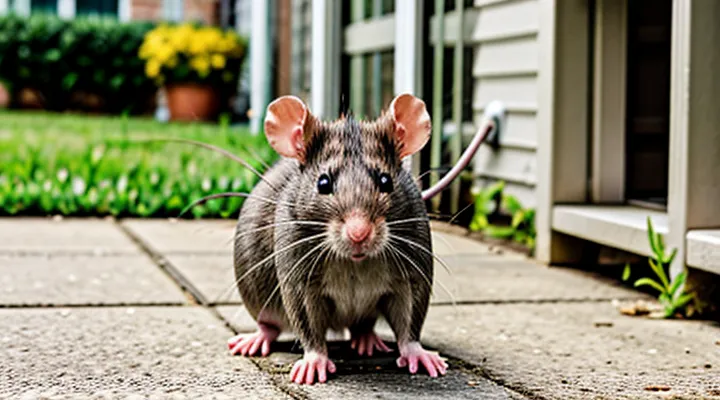
Understanding the Rat Problem
Identifying Signs of Rats
Droppings and Urine Trails
Droppings and urine trails are the most reliable signs of rat activity in a residential courtyard. Fresh feces appear as small, dark pellets, usually 5‑10 mm in length, and are found near food sources, along walls, or in concealed corners. Urine marks leave a faint, oily residue that may be invisible until it is illuminated with a black‑light or a moisture‑sensitive detector. Both indicators reveal the locations of feeding stations, nesting sites, and travel routes, allowing targeted intervention.
To address these signs effectively, follow a structured response:
- Notify the building management or homeowner association; they are responsible for coordinating communal pest‑control measures.
- Request a licensed exterminator with experience in urban rodent control; professional services include inspection, bait placement, and exclusion techniques.
- Contact the municipal health department; many jurisdictions offer free consultations or referrals for rat infestations in multi‑unit dwellings.
- Report the issue to local animal‑control services if rats are observed in public spaces or if there is a risk of disease transmission.
- Inform neighboring tenants; coordinated reporting helps identify cluster patterns and supports collective action.
Document the exact locations of droppings and urine trails with photographs or sketches before treatment. Accurate records enable pest‑control teams to verify the effectiveness of interventions and to adjust strategies if activity persists. Regular monitoring after remediation reduces the likelihood of re‑infestation and protects the health of all residents.
Gnaw Marks and Damage
Rat gnaw marks appear as shallow, crescent‑shaped bites on wood, plastic, wiring, and concrete. The edges are clean, the material is removed in uniform strips, and the surrounding surface may show chip fragments. These signs indicate active chewing and potential structural compromise.
Typical damage includes:
- Exposed electrical cables, increasing fire risk;
- Severed irrigation pipes, leading to leaks;
- Cracked wooden railings or fence panels, weakening safety barriers;
- Punctured concrete blocks or bricks, creating entry points for additional pests.
When gnaw marks are observed, take the following steps:
- Document each instance with photographs and note the exact location.
- Notify the property manager or homeowners’ association promptly, providing the visual evidence.
- Request a professional inspection to assess the extent of the damage and identify any hidden activity.
- Authorize a licensed pest‑control service to implement trapping, baiting, and exclusion measures.
- Schedule repairs for compromised structures, prioritizing electrical and water systems to prevent hazards.
Timely reporting and coordinated response reduce the likelihood of further deterioration and protect the integrity of the apartment yard.
Unusual Noises
Unusual sounds in an apartment yard often signal rodent activity. Scratching along walls, gnawing on wood, and high‑pitched squeaks typically occur at night when rats are most active. These noises differ from normal building creaks by their repetitive pattern and location near trash bins, utility lines, or concealed openings.
To verify that the source is a rat, follow a brief diagnostic routine:
- Listen for rapid, intermittent squeaks that rise in pitch; rats communicate distress and territorial claims this way.
- Inspect for gnaw marks on plastic, metal, or wood within a two‑meter radius of the sound.
- Look for droppings, oily streaks, or shredded material near the noise origin.
- Use a flashlight to trace the sound to hidden passages such as vent shafts, crawl spaces, or fence gaps.
If the investigation confirms rodent presence, contact the appropriate services:
- Building management or property‑owner association, which usually handles pest‑control contracts.
- Licensed exterminator specializing in urban rodent removal; request a written plan outlining bait placement and sealing measures.
- Local health department, which can provide guidance on compliance with sanitation regulations and may conduct inspections.
- Neighborhood watch or tenant‑association groups, which can coordinate collective reporting and pressure for prompt action.
Document the noise pattern, dates, and any physical evidence before contacting officials. Precise records accelerate response, ensure correct treatment methods, and help prevent future infestations.
Sightings
Observing rats in a communal courtyard signals a need for prompt action. Accurate documentation—date, time, location, number of individuals, and any damage—provides essential evidence for subsequent steps.
First, inform the property management or homeowners’ association. Their maintenance staff can assess structural entry points and schedule immediate remediation. If the building lacks a dedicated manager, contact the leasing office or building superintendent directly.
Second, engage a licensed pest‑control provider. Choose a company with certified rodent‑extermination services, request a written inspection report, and verify that treatments comply with local health regulations.
Third, report the incident to municipal authorities. The city health department accepts complaints about rodent infestations that threaten public safety; they may conduct inspections and enforce compliance. In many jurisdictions, the animal‑control division can also intervene, especially when rats are observed in large numbers or causing hazards.
Fourth, coordinate with neighbors. Sharing sighting details encourages collective vigilance, reduces the likelihood of isolated neglect, and strengthens the case when requesting building‑wide interventions.
Key contacts for rat sightings in an apartment yard
- Property manager or building superintendent
- Licensed pest‑control firm (provide at least two quotes)
- Local health department (rat‑infestation complaint line)
- Municipal animal‑control office
- Neighbor association or resident council
Prompt, documented communication with these entities accelerates containment, minimizes damage, and restores a safe living environment.
Common Causes of Rat Infestations
Food Sources
Rats in a communal courtyard are drawn to any readily available nourishment. Typical attractants include:
- Uncovered trash bins or bags left outdoors.
- Pet food dishes placed on balconies or in shared spaces.
- Spilled birdseed, fruit, or vegetable waste near garden beds.
- Compost piles without secure lids.
- Food remnants on outdoor furniture or ground cover.
Eliminating these sources reduces the likelihood of infestation. Secure lids on waste containers, store pet feed indoors, clean up spills promptly, and maintain compost in sealed units. When persistent activity is observed despite these measures, contact licensed pest‑control operators or local housing management for professional assessment and intervention. Their expertise includes bait placement, trapping, and sanitation recommendations tailored to multi‑unit dwellings.
Water Sources
Rats require regular access to water; uncontrolled sources sustain infestations in residential courtyards.
Typical water points in an apartment yard include:
- Leaking irrigation hoses or sprinkler heads
- Overfilled birdbaths and pet water dishes left unattended overnight
- Standing rainwater in low‑lying depressions or clogged gutters
- Condensation pools beneath air‑conditioning units or laundry equipment
Eliminate these attractions by:
- Repairing all leaks in irrigation and plumbing systems promptly.
- Emptying, cleaning, and refilling birdbaths and pet dishes only as needed, then storing them indoors when not in use.
- Grading the yard to prevent water accumulation and installing drainage or French drains where necessary.
- Regularly clearing gutters, downspouts, and roof trays to maintain flow.
- Insulating or elevating equipment that generates condensation, and wiping away any moisture that forms.
If water‑related problems persist, contact qualified pest‑control professionals who specialize in urban rodent management. Municipal health departments can also provide guidance on code‑compliant water management and may conduct inspections to verify compliance.
Maintain a schedule for routine inspection of all potential water sources; consistent monitoring prevents rats from establishing a reliable supply and reduces the need for extensive remediation.
Shelter and Entry Points
Rats commonly seek shelter beneath stacked firewood, compost bins, and dense vegetation in apartment courtyards. Gaps under deck boards, broken concrete, and loose siding provide additional refuge. Identifying these habitats reduces the likelihood of infestation.
Entry points typically include cracks larger than a quarter‑inch, gaps around utility pipes, vent openings without screens, and improperly sealed doors or windows. Rats can widen small openings, making regular inspection essential.
To eliminate shelter and block entry, follow these steps:
- Remove debris, trim overgrown plants, and store firewood away from the building.
- Repair cracked foundations, seal gaps with steel wool and caulk, and install metal mesh on vents.
- Fit door sweeps and weather‑stripping on all exterior doors.
- Conduct quarterly inspections, especially after heavy rain or seasonal changes.
When professional assistance is required, contact the following resources:
- Property management office – responsible for building maintenance and coordinated pest‑control contracts.
- Licensed pest‑control company – offers inspection, trapping, and exclusion services.
- Local health department – provides guidelines, permits, and may conduct inspections for compliance.
- Resident association – can organize collective actions, share costs, and disseminate information.
Online portals such as the city’s official website and reputable pest‑management forums supply additional documentation, dosage recommendations for rodenticides, and best‑practice checklists. Prompt action at the shelter and entry‑point level prevents rat populations from establishing in the courtyard.
Initial Steps and Immediate Actions
Documenting the Problem
Photography and Video Evidence
Documenting rodent activity with clear photographs and video recordings provides the most reliable basis for requesting professional intervention, filing complaints, or pursuing legal action. High‑resolution images should capture the exact location of droppings, gnaw marks, burrows, or live sightings, while videos can demonstrate movement patterns and the extent of infestation over time. Consistency in lighting, angle, and scale (include a ruler or known object) ensures that evidence is interpretable by pest‑control specialists and property managers.
When gathering visual proof, follow these steps:
- Use a digital camera or smartphone capable of at least 1080p video; enable grid lines to maintain steady framing.
- Record during daylight or use a flash to reveal details hidden by shadows.
- Capture multiple shots from different perspectives, focusing on entry points such as gaps under fences, utility lines, or drainage covers.
- Timestamp each file automatically or add a visible clock in the frame to verify when the evidence was obtained.
- Store originals in a secure cloud folder or external drive; avoid compressing files before submission.
After collection, submit the evidence to the appropriate channels:
- Apartment management – attach files to an email or upload via the building’s maintenance portal, requesting a formal inspection.
- Local health department – many municipalities require visual documentation when issuing nuisance‑rat citations; provide a copy of the media with a written description of the problem.
- Professional pest‑control companies – most firms request recent images to assess the severity of the infestation and to prepare a treatment plan.
- Legal counsel or tenant‑rights organizations – if the landlord fails to act, present the documentation as part of a complaint or small‑claims filing.
Maintain a log that records dates, times, and locations of each recording, along with the recipient of the submission. This chronological record strengthens the credibility of the claim and facilitates follow‑up actions.
Date and Time Records
Accurate date and time records are essential when dealing with rodent activity in a communal yard. They provide a factual basis for identifying patterns, assessing the effectiveness of interventions, and presenting reliable information to property managers or pest‑control professionals.
Maintain a consistent log that captures each observation. Include the following elements for every entry:
- Exact date (YYYY‑MM‑DD) and precise time (24‑hour format) of the sighting or sign of activity.
- Location within the yard (e.g., north fence, garbage area, drainage pipe).
- Description of evidence (droppings, gnaw marks, live or dead rodents, damage).
- Actions taken immediately after the observation (trap set, bait applied, report submitted).
- Follow‑up results, if any, recorded at a later time.
These records serve multiple purposes. They enable residents to demonstrate recurring infestations, justify requests for professional treatment, and verify compliance with local health regulations. When presented to a landlord or municipal authority, the documented chronology eliminates ambiguity and supports prompt, targeted responses.
Communicating with Your Landlord or Property Management
Written Notification Requirements
When a rodent infestation appears in a shared courtyard, the first step is to create a written record that complies with local regulations and tenancy agreements. The document must contain specific elements to be enforceable and to trigger appropriate action from property managers, homeowners’ associations, or municipal agencies.
The essential components of a proper written notice include:
- Date of observation – exact day the problem was identified.
- Detailed description – location of activity (e.g., under the trash enclosure, near the garden beds), type of evidence (droppings, gnaw marks, live sightings).
- Photographic or video proof – attached files that clearly show the infestation.
- Reference to relevant clauses – citation of lease or HOA provisions that obligate the landlord or association to address pest control.
- Requested remedial action – specific measures such as professional extermination, sealing of entry points, or scheduled inspections, with a reasonable deadline (typically 7‑14 days).
- Contact information – name, address, phone, and email of the tenant or resident submitting the notice.
- Signature – handwritten or electronic, confirming authenticity.
Delivery methods must be documented as well. Acceptable channels are:
- Certified mail with return receipt.
- Email with read‑receipt confirmation.
- Hand‑delivered copy signed by a neutral witness.
Retaining a copy of the sent notice, along with proof of delivery, is mandatory for any future dispute resolution. If the responsible party fails to respond within the stipulated timeframe, the resident may escalate the matter to local health authorities or pursue legal remedies, citing the original written notification as evidence of compliance with procedural requirements.
Following Up on Reports
When a resident submits a report about rat activity in the building’s courtyard, the response must move beyond acknowledgment. Immediate verification confirms the presence of rodents, documents evidence, and determines the scope of the problem. Accurate records enable timely escalation to the appropriate service providers and ensure accountability throughout the remediation process.
The follow‑up procedure includes:
- Inspect the reported area within 24 hours; photograph signs of infestation and note conditions that attract rodents.
- Log the inspection results in a centralized tracking system, assigning a unique case number for reference.
- Notify the property management team and, if required, the municipal pest‑control department, attaching the documentation.
- Schedule a professional extermination service, confirming the date, time, and required access points.
- After treatment, conduct a post‑service inspection to verify rodent removal and assess any residual attractants.
- Update the case record with final findings and close the ticket only after confirming no further activity.
Communication with tenants should be clear and prompt. Send a brief message confirming receipt of the report, outline the inspection schedule, and provide a follow‑up summary after each action stage. Maintain a copy of all correspondence in the case file to support future audits.
Consistent adherence to this workflow reduces recurrence, demonstrates responsible management, and builds resident confidence that rat issues are addressed systematically and effectively.
Ensuring Personal Safety and Hygiene
Avoiding Direct Contact
Rats in a residential courtyard pose health hazards that increase when occupants handle them directly. Protective measures focus on preventing skin contact, inhalation of droppings, and bites.
- Wear disposable gloves and long sleeves before any inspection or cleaning.
- Use sealed containers for collected waste; avoid opening trapped cages without protection.
- Apply disinfectant wipes to surfaces after removal of droppings; keep a face mask handy to reduce aerosol exposure.
- Keep pets away from suspected activity zones; supervise children and discourage them from touching nests or tracks.
When direct contact cannot be avoided, enlist professional assistance. Local pest‑control firms licensed for rodent management provide equipment such as bait stations and traps that minimize human handling. Municipal health departments offer guidance on safe disposal of carcasses and may conduct inspections for compliance with sanitation codes. Building managers or homeowners’ associations often have contracts with exterminators; contacting them initiates coordinated treatment and reduces the need for personal intervention.
Cleaning Contaminated Areas
Cleaning contaminated areas is a critical step when dealing with rat activity in a residential courtyard. Rats leave urine, droppings, and nest material that can spread disease and attract additional pests. Immediate removal of these contaminants reduces health risks and discourages further infestation.
First‑line actions focus on personal protection and proper equipment. Wear disposable gloves, a mask rated for particulate matter, and eye protection. Use a disinfectant approved for rodent waste, such as a bleach solution (1 part bleach to 10 parts water) or an EPA‑registered sanitizer. Apply the solution to all visible droppings, urine stains, and nest remnants, allowing the contact time specified on the product label.
Key tasks for thorough decontamination:
- Sweep or vacuum dry debris with a HEPA‑filter vacuum; seal the collection bag before disposal.
- Scrub hard surfaces (concrete, tiles, metal) with the disinfectant, using a stiff brush.
- Rinse and dry the area completely; moisture encourages rodent activity.
- Dispose of contaminated materials in sealed, leak‑proof bags; follow local hazardous waste regulations.
- Inspect adjacent structures (trash bins, storage sheds) and repeat the cleaning process where signs of contamination appear.
If the infestation is extensive or the contamination persists, contact a licensed pest‑control professional. They can provide specialized cleaning agents, conduct pathogen testing, and implement integrated pest‑management strategies. Municipal health departments also offer guidance on safe disposal and may conduct inspections to ensure compliance with public‑health standards.
Who to Contact for Assistance
Apartment Management or Landlord
Their Responsibilities and Obligations
When rodents appear in a residential courtyard, the duty to act falls on several parties. Tenants must keep personal spaces clean, store food in sealed containers, and promptly notify the landlord of any signs of infestation. Failure to maintain these standards can worsen the problem and may breach lease agreements.
Landlords bear the primary obligation to ensure the building’s structural integrity. This includes inspecting and repairing foundations, sealing cracks, and maintaining waste disposal areas. They must also arrange professional pest‑control interventions at regular intervals or when a complaint is received, and keep records of all actions taken.
Property‑management firms, if engaged, share the landlord’s responsibilities. Their tasks involve coordinating inspections, overseeing contractor work, and confirming that remediation measures meet local health regulations. They must also communicate progress to residents and document compliance.
Municipal authorities enforce public‑health codes that require property owners to address rodent hazards. Inspectors may issue citations, mandate corrective work, or impose fines if standards are not met. Residents can request an official inspection when the landlord’s response is insufficient.
Professional pest‑control providers are accountable for delivering effective treatment. Their obligations include conducting thorough assessments, applying appropriate control methods, offering follow‑up visits, and providing written reports that detail actions taken and recommendations for prevention.
In summary, effective rodent management in an apartment yard depends on coordinated effort: tenants maintain hygiene and report issues; landlords and managers ensure structural and environmental safeguards; municipal agencies enforce compliance; and pest‑control specialists execute eradication and prevention plans. Each party’s responsibilities are essential to eliminate the infestation and prevent recurrence.
Maintenance and Pest Control Protocols
Effective management of rodent issues in a residential courtyard requires a structured maintenance and pest‑control plan. The protocol begins with regular inspection of all potential entry points—cracks in foundation walls, gaps around utility conduits, and damaged window screens. Document findings and prioritize repairs based on severity and proximity to food sources.
- Seal openings with steel wool, cement, or metal flashing.
- Install self‑closing doors on service entries.
- Maintain a clear perimeter by trimming vegetation and removing debris that could conceal nests.
Sanitation is the second pillar. Store garbage in sealed containers, empty bins daily, and keep compost piles far from the building. Eliminate standing water by fixing leaks and ensuring proper drainage. These measures reduce attractants that sustain rat populations.
Chemical and mechanical controls follow a strict schedule. Apply rodenticides only in tamper‑proof stations placed along established travel routes, complying with local regulations. Rotate active ingredients to prevent resistance. Complement chemicals with snap traps or electronic devices, positioning them behind walls, in utility shafts, and near food storage areas. Inspect traps weekly, record captures, and replace devices as needed.
Record‑keeping completes the protocol. Maintain a log that includes inspection dates, repair actions, sanitation checks, and pest‑control interventions. Review the log quarterly to assess trends and adjust the strategy. Prompt communication with property management and, when necessary, licensed exterminators ensures rapid response to any resurgence.
Implementing this systematic approach minimizes rat activity, protects resident health, and preserves the integrity of the apartment yard.
Professional Pest Control Services
When to Hire an Exterminator
Rats in a shared courtyard create health hazards, damage property, and disrupt neighbor relations. Residents should first attempt exclusion methods—sealing entry points, removing food sources, and setting traps. However, when these measures fail, professional pest control becomes necessary.
Hire an exterminator if any of the following conditions appear:
- Repeated sightings despite traps or bait stations.
- Evidence of gnawing on structural elements, wiring, or insulation.
- Presence of rat droppings or urine in common areas, indicating a breeding population.
- Complaints from multiple tenants about noise or odor.
- Inability to locate or safely access infestation sites, such as concealed wall cavities.
- Legal or insurance requirements mandating certified eradication.
Engaging a licensed service ensures proper identification of species, selection of appropriate control techniques, and compliance with local health regulations. Prompt professional intervention limits damage, protects residents, and restores a safe living environment.
Types of Rat Control Methods
Rats in an apartment yard demand targeted control strategies that address both immediate removal and long‑term prevention. Effective methods fall into several categories, each suited to different infestation levels and property constraints.
- Chemical baits and rodenticides – Poisoned blocks or pellets placed in tamper‑proof stations attract rodents and deliver a lethal dose. Use only products approved for residential use and follow label instructions to avoid accidental exposure.
- Snap traps and electronic devices – Mechanical traps provide instant kill, suitable for localized hotspots. Electronic traps deliver a quick, humane shock and allow easy disposal of carcasses.
- Live‑catch traps – Capture‑and‑release devices enable removal without killing the animal. Relocation must comply with local wildlife regulations and consider the risk of spreading disease.
- Biological controls – Introduction of natural predators, such as barn owls or feral cats, reduces rat activity over time. This approach requires habitat support, including nesting boxes and safe perching sites.
- Environmental management – Eliminate food sources, seal entry points, and maintain clean waste storage. Landscaping adjustments, such as removing dense ground cover and trimming tree branches away from structures, limit shelter opportunities.
- Professional pest‑management services – Licensed exterminators conduct comprehensive assessments, apply integrated pest‑management (IPM) plans, and provide ongoing monitoring. Their expertise ensures compliance with safety standards and maximizes efficacy.
Selecting a combination of these methods, tailored to the specific conditions of the apartment yard, yields the most reliable reduction in rat activity. Regular inspection and maintenance sustain the results and prevent re‑infestation.
Local Health Department or Housing Authority
Reporting Unresponsive Landlords
Dealing with rodent infestations in a shared yard often requires tenant action when landlords ignore maintenance requests. Prompt reporting of an unresponsive landlord protects health, prevents property damage, and upholds legal obligations under local housing regulations.
Tenants should first verify applicable statutes: many jurisdictions mandate landlords to maintain pest‑free premises, and health departments may enforce compliance. Awareness of these rules strengthens the tenant’s position when filing complaints.
Effective reporting follows a clear sequence:
- Record the infestation: take photographs, note dates, and keep copies of any communication with the landlord.
- Send a formal written notice: describe the problem, reference relevant housing codes, and set a reasonable deadline for remediation (typically 5–7 business days).
- File a complaint with the local housing authority or health department: provide the documentation and the landlord’s response, if any.
- Request an inspection: officials may issue a notice to the landlord, compelling corrective action.
- Pursue mediation or small‑claims litigation: if the landlord remains unresponsive, a court can order repairs and award damages.
Maintaining detailed records and following the prescribed channels ensures that tenants can compel landlords to address rat problems efficiently and legally.
Tenant Rights and Regulations
Tenants have a legal right to a habitable dwelling, which includes a yard free from rodent infestations. Local housing codes typically classify rats as a health hazard, obligating landlords to maintain pest‑free premises. When rats appear in the courtyard, the tenant must first notify the landlord in writing, specifying the location, date of observation, and request for remedial action. The notice creates a documented demand that triggers the landlord’s duty to arrange professional extermination within a reasonable period, often defined by municipal ordinances as 30 days or less.
If the landlord fails to respond, the tenant may pursue additional remedies:
- File a complaint with the city health department, which can inspect the property and issue citations to the property owner.
- Request an inspection by the building‑code enforcement agency; violations may result in fines or mandatory remediation orders.
- Contact a local tenant‑rights organization for guidance on filing a claim in small‑claims court or pursuing a rent‑withholding petition, provided the jurisdiction permits such actions.
- Seek legal counsel to draft a “repair‑and‑deduct” notice, allowing the tenant to hire pest control and deduct costs from rent after proper documentation.
State and municipal statutes often protect tenants who act in good faith. Retaliation by the landlord—such as eviction or rent increase—may be illegal if it follows a legitimate pest‑control complaint. Tenants should retain copies of all correspondence, inspection reports, and receipts to substantiate any claim.
In many cities, the housing authority maintains an online portal for reporting rodent problems. Submitting the report generates a tracking number and ensures that the issue is entered into the public record, which can accelerate enforcement. The portal typically requires the address, description of the infestation, and evidence such as photographs.
Finally, tenants should review their lease agreement for clauses that outline pest‑control responsibilities. When the lease assigns the duty to the landlord, the tenant’s written notice activates the contractual obligation, and failure to comply can be cited as a breach of contract, giving the tenant grounds for lease termination or compensation.
Prevention and Long-Term Solutions
Securing Food and Waste
Proper Storage of Food
Proper food storage reduces the attraction of rodents to shared outdoor spaces. When edible waste is sealed and inaccessible, rats lose a primary food source, making the yard less appealing for infestation.
Key practices for securing food in an apartment courtyard:
- Use airtight containers made of metal or heavy‑walled plastic for all dry goods, leftovers, and pet food.
- Keep containers inside locked storage rooms or insulated lockers rather than on open balconies or ground level.
- Clean any spills immediately; wipe surfaces, sweep debris, and dispose of crumbs in sealed trash bags.
- Place garbage bins away from the yard’s perimeter, ensure lids close tightly, and empty them regularly.
Additional measures reinforce these steps:
- Inspect storage units weekly for cracks, holes, or broken seals; repair damage promptly.
- Store bulk purchases in smaller, resealable packages to limit exposure.
- Restrict feeding of pets to indoor areas or use dedicated, rat‑proof feeding stations that lock after each use.
- Coordinate with building management to maintain a schedule for waste collection and to enforce storage standards for all residents.
Consistent application of these protocols eliminates easy food access, discourages rat activity, and supports a healthier, rodent‑free environment in the communal yard.
Managing Trash Receptacles
Effective control of rodent activity in an apartment courtyard begins with proper waste container management. Secure containers prevent rats from accessing food sources, reducing the likelihood of infestation.
Key practices include:
- Use bins with tight‑fitting lids that lock or latch automatically.
- Position containers away from building walls and vegetation, maintaining a clear perimeter of at least three feet.
- Empty bins daily or before nightfall, when rats are most active.
- Clean spills and residue from the interior and exterior of containers each time they are emptied.
- Replace damaged or rusted containers promptly to avoid structural breaches.
Regular inspection of waste stations identifies compromised seals, broken hinges, or pest signs. Maintenance staff should document findings and schedule repairs within 24 hours.
Coordinating with local waste services ensures timely collection and compliance with municipal regulations. When residents receive clear guidelines on proper trash disposal and container use, overall sanitation improves, and rat populations decline.
Eliminating Water Sources
Fixing Leaks
Leaks in pipes, gutters, or irrigation systems create moisture that attracts rodents to communal outdoor spaces. Eliminating these water sources removes a primary incentive for rats to colonize an apartment complex yard.
First, identify the origin of excess water. Common points include:
- Corroded pipe joints beneath ground‑level drainage.
- Faulty sprinkler heads that run continuously.
- Cracked concrete planters that retain rainwater.
- Leaking rooftop gutters that channel water onto the ground.
After locating each leak, take corrective action promptly. Professional services are essential for hidden or large‑scale failures. Contact the building’s maintenance department for internal plumbing repairs; they can dispatch qualified technicians and document the work for future reference. If the issue involves external structures such as gutters or irrigation, enlist a licensed plumber or a property‑management contractor experienced in exterior water systems.
When a leak is minor and accessible, a tenant may perform a temporary fix while awaiting professional assistance. Recommended steps include:
- Shut off the water supply at the nearest valve.
- Clean the surrounding area to prevent contamination.
- Apply a waterproof sealant or repair tape designed for the material in question.
- Monitor the repaired spot for at least 24 hours to confirm the cessation of moisture.
If the problem persists or reappears, escalated measures are required. Report the situation to the homeowners’ association or property manager, requesting an inspection. In many municipalities, health‑department officials can perform inspections and mandate repairs when rodent hazards are documented.
Consistent maintenance—regularly checking for condensation, clearing debris from drainage channels, and scheduling periodic pipe inspections—prevents new leaks and limits the attractiveness of the yard to rats. By addressing water intrusion swiftly and systematically, residents reduce the likelihood of rodent infestations and maintain a healthier shared environment.
Draining Standing Water
Standing water creates a habitat where rats locate food, shelter, and breeding sites. Moisture supports insects and plant growth that supplement a rodent’s diet, while the water itself offers a reliable source for drinking.
Identifying water accumulation points begins with a visual inspection of the yard after rain. Look for low‑lying depressions, clogged gutters, leaking irrigation lines, and improperly graded soil that directs runoff toward foundations or garden beds.
- Repair leaks in hoses, faucets, and underground pipes promptly.
- Clear debris from gutters, downspouts, and drainage channels to maintain flow.
- Regrade surfaces so that water moves away from building walls and toward designated drainage.
- Install or upgrade French drains, catch basins, or perforated pipe systems in persistent puddle zones.
- Use sand‑based or absorbent soil mixes in garden beds to reduce surface pooling.
Regular maintenance includes checking drainage components quarterly, monitoring soil moisture after storms, and keeping vegetation trimmed to prevent blockages. Prompt removal of standing water diminishes the attractiveness of the courtyard to rats and limits the potential for infestations.
Sealing Entry Points
Inspecting Foundation and Walls
Inspecting the foundation and walls is a primary step when dealing with rat activity in an apartment courtyard. Rats enter buildings through gaps in concrete, cracked blocks, or deteriorated sealants; locating these openings prevents further intrusion and reduces the need for chemical measures.
During the inspection, follow a systematic approach:
- Walk the perimeter at ground level, looking for cracks wider than ¼ inch, holes, or displaced mortar.
- Examine the base of exterior walls for exposed rebar, loose bricks, or missing protective sheathing.
- Use a flashlight to check interior wall cavities and basement corners for gnaw marks, droppings, or burrow signs.
- Test for moisture accumulation, as damp areas attract rodents and weaken concrete.
- Record each defect with measurements and photographs for later repair planning.
After identifying problem spots, seal all openings with appropriate materials—concrete patch, steel wool, or metal flashing—ensuring a tight fit. Reinforce vulnerable sections by applying a waterproof coating or installing a rodent‑proof barrier. Schedule periodic re‑inspections, especially after heavy rain or construction activity, to verify that repairs remain intact and that no new entry points have emerged.
Repairing Gaps and Cracks
Sealing openings eliminates the primary entry points that rats exploit in residential courtyards. Unfilled gaps around utility lines, foundation joints, and fence panels provide direct access to shelter and food sources; closing them reduces the likelihood of colonization.
- Inspect the perimeter for cracks larger than ¼ inch; use a flashlight to reveal hidden seams.
- Clean each opening to remove debris, dust, and gnaw marks; a brush and mild detergent suffice.
- Apply a weather‑resistant filler (e.g., expanding polyurethane foam or cement‑based mortar) to fill the void completely.
- Reinforce the repaired area with metal mesh or steel wool when the gap surrounds a pipe or vent, then cover with the filler.
- Allow the material to cure according to manufacturer instructions before restoring landscaping or paving.
For extensive damage or hard‑to‑reach locations, contact a licensed pest‑control contractor or a building‑maintenance service that offers structural sealing. Local hardware stores supply the necessary compounds, while municipal housing agencies may provide guidelines on approved materials. Prompt repairs, combined with regular inspections, sustain a rat‑free environment in the apartment yard.
Maintaining Yard Cleanliness
Removing Debris and Clutter
Removing debris and clutter is the first practical step in controlling rat activity in a shared courtyard. Rats seek shelter in piles of leaves, cardboard boxes, broken furniture, and accumulated trash. Eliminating these hiding places reduces the number of sites where rodents can nest and breed.
- Gather all loose material such as fallen branches, garden waste, and unused construction debris.
- Dispose of waste in sealed containers that rats cannot gnaw through.
- Store firewood on pallets, elevated off the ground, and keep it at least two feet away from building walls.
- Arrange furniture and storage units so that the space beneath them remains visible and unobstructed.
Regular maintenance prevents new clutter from accumulating. Schedule monthly inspections of the yard, noting any new sources of cover. Promptly remove identified items, and ensure that any recycling or compost bins have tight-fitting lids. By keeping the environment open and clean, the courtyard becomes inhospitable to rats, making subsequent control measures—such as trapping or baiting—more effective.
Trimming Vegetation
Trimming vegetation is a primary tactic for reducing rodent activity in shared courtyard spaces. Overgrown shrubs, tall grasses, and dense ground cover create shelter and nesting sites for rats, making the area more attractive to them. Maintaining a clean, low‑profile landscape removes these hiding places and discourages settlement.
Effective trimming involves:
- Cutting back shrub canopies to a height of no more than 12 inches above the ground.
- Mowing lawns regularly, keeping grass length under 3 inches.
- Removing excess foliage from ornamental plants and pruning dead branches.
- Clearing leaf litter, mulch, and compost piles that lie directly on the ground.
- Trimming vines that climb fences or walls, preventing them from forming continuous cover.
Consistent upkeep also facilitates inspection and treatment. When vegetation is short and tidy, visual detection of gnaw marks, droppings, or burrows becomes easier, allowing prompt action. If a problem persists, contact the property management office or local pest‑control authority, providing details of the trimmed areas and any observed signs. Their response typically includes targeted baiting or trapping, which works best when the environment offers minimal concealment.
In summary, regular vegetation trimming limits habitat suitability for rats, improves visibility for monitoring, and supports the effectiveness of professional control measures. Maintaining these practices is essential for a rodent‑free courtyard.