
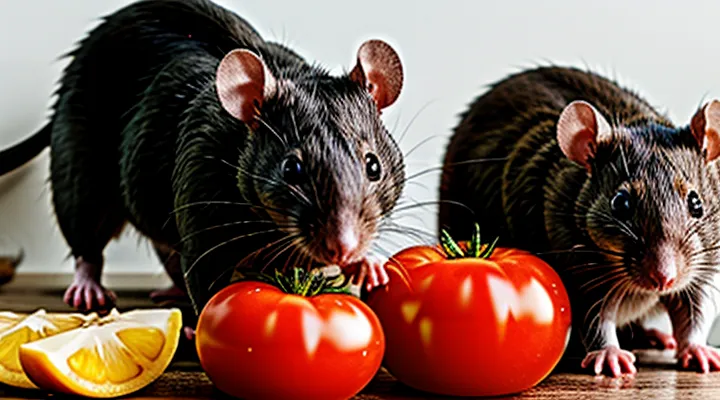
Understanding Rat Diet Basics
Essential Nutritional Needs of Rats
Macronutrients
Tomatoes contain primarily water, simple sugars, and a small amount of protein and fat. Per 100 g, raw tomato provides approximately 3.9 g carbohydrate (mostly glucose and fructose), 0.9 g protein, and 0.2 g fat, along with dietary fiber around 1.2 g. These values place tomatoes in the low‑calorie, carbohydrate‑dominant category.
Pet rats require a diet that supplies roughly 20–25 % of calories from protein, 5–10 % from fat, and the remainder from carbohydrates. Protein is essential for growth, tissue repair, and immune function; fat supplies essential fatty acids and supports energy density; carbohydrates provide quick energy but must be balanced to prevent obesity and metabolic disorders.
Comparing tomato composition with rat requirements reveals several points:
- Carbohydrate content aligns with the rats’ need for energy but must be limited to avoid excess sugar intake.
- Protein contribution is modest; tomatoes cannot replace protein‑rich foods such as commercial rat pellets, legumes, or lean meat.
- Fat level is negligible; additional sources of essential fatty acids are necessary in the overall diet.
- Fiber supports gastrointestinal health but should be balanced with other fiber sources to prevent digestive upset.
When incorporating tomatoes into a rat’s diet, follow these guidelines:
- Offer tomatoes as an occasional treat, not a staple.
- Limit portions to 5–10 g of fresh tomato per 100 g of body weight per week.
- Remove seeds and core if they appear hard, as they may pose choking hazards.
- Ensure the primary diet remains a nutritionally complete rat pellet that meets the protein and fat percentages required for health.
In summary, tomatoes provide carbohydrates and modest protein without significant fat, fitting safely into a rat’s diet only as a limited supplement to a balanced, pellet‑based regimen.
Micronutrients
Tomatoes supply a range of micronutrients that can complement a rat’s diet when offered in moderation. Vitamin C, present in about 13 mg per 100 g of raw tomato, helps prevent oxidative stress but exceeds the amount rats typically obtain from standard rodent chow, so occasional servings are sufficient. Vitamin A, in the form of beta‑carotene, supports vision and epithelial health; however, excess intake may lead to hypervitaminosis, so limit portions to no more than a few bite‑sized pieces per week. Vitamin K1, essential for blood clotting, appears in modest quantities (≈7 µg per 100 g) and poses little risk at small servings.
Key minerals in tomatoes include:
- Potassium (≈237 mg/100 g) – contributes to fluid balance and nerve function.
- Magnesium (≈11 mg/100 g) – aids enzymatic reactions.
- Iron (≈0.3 mg/100 g) – supports hemoglobin synthesis, though bioavailability is low.
Tomatoes also contain lycopene, a carotenoid with antioxidant properties, which may benefit cardiovascular health in rodents. Nevertheless, the acidic nature of tomato flesh can irritate a rat’s gastrointestinal lining if consumed excessively, and the sugar content may promote obesity when overfed.
For a balanced approach, integrate tomatoes as an occasional treat, not a staple. Offer raw, seed‑free slices in quantities that do not exceed 5 % of the total daily caloric intake. Monitor the animal for signs of digestive upset or changes in weight, and adjust the feeding plan accordingly. This strategy ensures that the micronutrient advantages of tomatoes are realized without compromising overall nutritional stability.
Foods to Avoid for Rats
Toxic Substances
Tomatoes contain natural compounds that can be harmful to small rodents when consumed in significant quantities. The primary toxic agents are glycoalkaloids, especially solanine and tomatine, which interfere with cell membranes and can cause neurological symptoms. In addition, unripe green fruit has higher concentrations of these substances, raising the risk of toxicity.
- Solanine – disrupts nerve function; symptoms include tremors, weakness, and loss of appetite.
- Tomatine – similar effects to solanine; may cause gastrointestinal irritation and reduced absorption of nutrients.
- Pesticide residues – common on commercially grown tomatoes; exposure can lead to organ damage or immunosuppression.
- Mold toxins – develop on overripe or improperly stored fruit; can produce mycotoxins that affect liver and kidney function.
Safe practice requires offering only fully ripe, washed, and organically sourced tomatoes in limited portions. A single slice (approximately 5 g) of fresh, ripe flesh is generally tolerated by adult pet rats without observable adverse effects. Juvenile rats and those with preexisting health conditions should receive no tomato feed.
If signs of distress appear—such as lethargy, vomiting, or abnormal gait—remove the fruit immediately and seek veterinary assistance. Regular monitoring of diet composition ensures that tomato intake does not exceed safe thresholds and that overall nutrition remains balanced.
Unsuitable Foods
Pet rats require a diet that mirrors their natural omnivorous habits while avoiding items that can cause digestive upset, toxicity, or nutritional imbalance. When considering the inclusion of tomatoes, owners must also be aware of other foods that should never be offered.
- Citrus fruits (oranges, lemons, grapefruits) – high acidity damages the stomach lining.
- Processed snacks (chips, crackers) – contain excess salt, fats, and artificial additives.
- Chocolate and caffeine – contain theobromine and stimulants toxic to rodents.
- Raw beans and legumes – contain lectins that impair nutrient absorption and can be poisonous.
- Onion, garlic, and related Allium species – cause hemolytic anemia in small mammals.
- Alcohol and fermented products – depress central nervous system and can be lethal.
- High‑sugar fruits (grapes, cherries) – risk kidney damage and rapid blood‑sugar spikes.
- Dairy products – many rats lack lactase, leading to diarrhea and discomfort.
These items are unsuitable regardless of a rat’s appetite for tomatoes. Providing a balanced mix of fresh vegetables, whole grains, and protein sources, while strictly omitting the foods listed above, supports optimal health and reduces the risk of adverse reactions.
Tomatoes and Rats: A Detailed Look
Nutritional Profile of Tomatoes
Vitamins and Minerals
Tomatoes contain a range of micronutrients that can complement the diet of domestic rats when offered in moderation.
Vitamin A is present as beta‑carotene; it supports vision and epithelial health. Excess intake may lead to hypervitaminosis, so only a small slice per week is advisable.
Vitamin C occurs in moderate amounts. Rats synthesize this vitamin endogenously, so dietary vitamin C is not required, but occasional tomato consumption can provide additional antioxidant support without risk of deficiency.
Vitamin K contributes to blood clotting mechanisms. The quantity in a typical tomato portion is low, unlikely to affect normal coagulation in rats.
B‑complex vitamins (B1, B2, B3, B6) are present in trace levels, aiding metabolic processes. Their contribution is minor compared with a balanced rat chow formulation.
Minerals in tomatoes include:
- Potassium – supports nerve function and fluid balance.
- Magnesium – participates in enzymatic reactions and muscle function.
- Iron – required for hemoglobin synthesis; bioavailability is limited in plant sources.
- Calcium – essential for bone health; tomatoes provide only a small fraction of daily needs.
Lycopene, a carotenoid with antioxidant properties, may help mitigate oxidative stress, but scientific data on its specific effect in rats remains limited.
Feeding guidelines:
- Offer a fresh, ripe tomato slice no larger than 1 × 2 cm.
- Limit to 2–3 times per week to prevent excess sugar and acid intake.
- Remove stems, leaves, and seeds to avoid potential toxicity from solanine.
- Wash thoroughly to eliminate pesticide residues.
Integrating these small portions into a diet dominated by high‑quality commercial rat pellets ensures that vitamins and minerals from tomatoes act as supplemental nutrients rather than primary sources. Monitoring body condition and stool consistency will reveal any adverse reactions promptly.
Water Content
Tomatoes consist of approximately 94‑95 % water, a level comparable to many fruits and vegetables commonly offered to rodents. This high moisture content contributes significantly to a pet rat’s daily fluid intake, especially when fresh water supplies are limited.
The water in tomatoes is primarily free‑flowing juice, which can be absorbed quickly through the gastrointestinal tract. Rats that consume a moderate portion—about one to two small tomato wedges per day—receive roughly 5–10 ml of additional fluid, supporting normal hydration without overwhelming the kidneys.
Potential concerns arise if tomato feeding exceeds recommended amounts. Excessive fluid can dilute electrolytes, leading to mild hyponatremia in susceptible individuals. Moreover, the acidic nature of tomato juice may irritate the stomach lining when large quantities are ingested.
To incorporate tomatoes safely:
- Offer a single small wedge (≈10 g) once daily.
- Observe the rat for signs of diarrhea or reduced appetite after introduction.
- Ensure fresh drinking water remains available at all times.
- Rotate tomatoes with other low‑water vegetables (e.g., carrots, bell peppers) to balance overall moisture intake.
When these guidelines are followed, the water content of tomatoes serves as a beneficial supplement to a pet rat’s hydration regimen.
Potential Risks of Feeding Tomatoes to Rats
Solanine Content in Green Parts
Solanine is a glycoalkaloid that accumulates in the unripe, green portions of tomato plants, including stems, leaves, and any green flesh remaining on a tomato. Concentrations can reach 20–30 mg per 100 g of tissue, far exceeding levels found in fully ripened fruit. Solanine interferes with cell‑membrane integrity and can cause gastrointestinal irritation, neurological disturbances, and, in severe cases, respiratory failure.
Pet rats that ingest green tomato material are exposed to this toxin. Their small body mass amplifies the risk: a 30‑gram rat would reach a potentially harmful dose after consuming only a few grams of green tissue. Unlike mature fruit, which contains negligible solanine, the green parts present a clear hazard.
Key considerations for owners:
- Avoid any tomato leaves, stems, or green patches on the fruit.
- Offer only fully ripened, red tomatoes, and limit portions to 1–2 g per 100 g of body weight.
- Monitor for signs of solanine poisoning: drooling, vomiting, tremors, or lethargy.
- Seek veterinary care immediately if symptoms appear after exposure.
When tomatoes are included in a rat’s diet, strict separation of edible red flesh from all green tissues eliminates solanine risk and ensures the fruit’s nutritional benefits—vitamin C, lycopene, and fiber—are safely delivered.
Acidity and Digestive Issues
Tomatoes contain citric and malic acids that lower the pH of the food matrix. Rat stomachs are adapted to a mildly acidic environment, typically ranging from pH 3 to 4. Introducing highly acidic items can temporarily shift gastric pH, potentially irritating the mucosal lining.
The primary digestive concerns for pet rats consuming tomatoes are:
- Gastrointestinal irritation – excess acid may cause inflammation of the stomach or intestines, leading to reduced appetite or soft stools.
- Diarrhea – rapid transit of acidic contents can disrupt normal absorption, resulting in watery feces.
- Acid reflux – an elevated stomach acidity can increase the risk of regurgitation, especially in rats prone to esophageal irritation.
Rats possess a limited capacity to neutralize strong acids. Their pancreatic secretions and bicarbonate buffers are sufficient for standard rodent chow but may be overwhelmed by large quantities of tomato flesh or juice. Small, occasional portions of ripe, seed‑free tomato reduce the likelihood of adverse effects, while unripe or overly acidic varieties increase risk.
For safe inclusion of tomatoes in a rat’s diet, adhere to the following guidelines:
- Offer no more than a single teaspoon of diced, ripe tomato per week.
- Remove all seeds and skins to minimize fiber and potential toxin exposure.
- Observe the animal for changes in stool consistency, appetite, or behavior after each feeding.
- Discontinue tomato provision immediately if any signs of digestive upset appear.
In summary, the acidity of tomatoes can challenge a rat’s digestive system, but controlled, minimal portions of properly prepared fruit are unlikely to cause lasting harm. Monitoring and moderation remain essential to prevent irritation and maintain gastrointestinal health.
Pesticides and Contaminants
Tomatoes can be a nutritious addition to a rat’s diet, but pesticide residues and other contaminants pose health risks. Commercially grown tomatoes often carry synthetic chemicals applied during cultivation. These substances can cause gastrointestinal irritation, liver strain, or immune suppression in small mammals when ingested in sufficient quantities.
To minimize exposure, follow these practices:
- Purchase organically certified tomatoes or those labeled as pesticide‑free.
- Rinse each fruit under running water for at least 30 seconds, using a soft brush to remove surface particles.
- Peel the skin if the rat’s digestive system is sensitive, as residues concentrate near the outer layer.
- Remove seeds, which may contain higher levels of contaminants and are difficult for rats to digest.
- Store cut pieces in a sealed container and discard any that show signs of spoilage within 24 hours.
Testing reports indicate that conventional tomatoes may contain detectable levels of neonicotinoids, organophosphates, and heavy metals such as cadmium. Chronic ingestion of these agents can lead to reduced growth rates and increased susceptibility to disease. Regular veterinary check‑ups and blood work can reveal early signs of toxicity.
In summary, tomatoes are safe for pet rats only when sourced responsibly, thoroughly cleaned, and prepared to eliminate potential contaminants. Failure to implement these precautions compromises the animal’s health and defeats the nutritional benefits of the fruit.
Safely Feeding Tomatoes to Rats
Ripe Tomatoes Only
Removing Stems and Leaves
Tomatoes can be offered to pet rats as an occasional treat, but only the fruit flesh should be given. The green stem and leaf material contain solanine, a toxic alkaloid that can cause gastrointestinal distress, neurological symptoms, or lethality at sufficient doses.
To prepare tomatoes safely for rats, follow these steps:
- Wash the fruit thoroughly under running water to remove pesticide residues and surface contaminants.
- Cut the tomato in half and remove the core, which may contain higher concentrations of seeds and skin.
- Discard the stem and all leaf fragments; they are not safe for consumption.
- Remove any remaining seeds if the rat shows sensitivity to them.
- Offer only a small portion (approximately one‑quarter of a medium tomato) and monitor the animal for adverse reactions.
Providing only the flesh eliminates the risk associated with solanine while allowing rats to enjoy the vitamin‑rich fruit.
Washing Thoroughly
When considering tomatoes as part of a pet rat’s diet, the first step is to eliminate surface contaminants. Residues of pesticides, soil, and bacteria can cause gastrointestinal upset or infections in small mammals.
- Rinse under cool, running water for at least 30 seconds.
- Gently rub the skin with clean hands or a soft brush to dislodge particles.
- Submerge in a bowl of water, swirl, then discard the water.
- Repeat the rinse if the water appears cloudy.
- Pat dry with a paper towel or let air‑dry before cutting.
Thorough cleaning removes most external hazards, allowing the rat to benefit from the fruit’s vitamins and fiber without unnecessary risk. After washing, remove seeds and core, then offer a small, bite‑size portion. Monitor the animal for any adverse reaction and adjust the amount accordingly.
Moderation is Key
Recommended Serving Size
Tomatoes may be offered to pet rats as an occasional treat, but the amount must be tightly controlled to avoid digestive upset and excess sugar. Veterinary nutrition guidelines recommend a maximum of 5 g of fresh tomato flesh per 100 g of body weight per week. For an average adult rat weighing 150 g, this translates to no more than 7–8 g of tomato, roughly the size of one small cherry‑tomato segment.
Practical serving recommendations:
- Provide a single bite‑sized piece (approximately 2–3 g) no more than twice a week.
- Remove all seeds and skin if the rat shows sensitivity; the edible portion should be soft, ripe, and free of mold.
- Offer the tomato raw, never cooked or seasoned.
- Observe the rat for 24 hours after the first exposure; discontinue if diarrhea, lethargy, or reduced appetite occurs.
These limits ensure the nutritional benefit of vitamins A and C while keeping caloric and sugar intake within safe bounds.
Frequency of Feeding
Tomatoes may be offered to pet rats as an occasional treat, but the feeding schedule must be limited to prevent digestive upset and excess sugar intake.
A safe frequency follows these guidelines:
- Maximum of once per week.
- Portion size no larger than ¼ of a cherry tomato or a thin slice of a regular tomato.
- Observe the rat for 24 hours after each serving; discontinue if loose stools, reduced appetite, or lethargy appear.
Rats that tolerate tomatoes without adverse reactions can continue the weekly offering, while those showing sensitivity should have the fruit removed from their diet entirely. Consistency in timing—providing the treat on the same day each week—helps owners monitor tolerance and maintain a balanced nutritional plan.
Regular diet should consist primarily of high‑quality rodent pellets, fresh water, and occasional protein sources; fruits and vegetables, including tomatoes, remain supplemental and must not replace staple foods.
Preparing Tomatoes for Rats
Cutting into Small Pieces
Feeding tomatoes to pet rats requires preparation that minimizes choking hazards and aids digestion. Cutting the fruit into small, bite‑size pieces satisfies both concerns.
Small pieces reduce the risk of airway obstruction. Rats have delicate throats; a fragment larger than a few millimeters can become lodged. By presenting uniformly sized cubes, the animal can chew safely and swallow without interruption.
Dividing the tomato also promotes even distribution of nutrients. When the fruit is broken down, enzymes in the rat’s saliva and stomach can access the flesh more efficiently, leading to better absorption of vitamins such as A, C, and K.
Preparation steps:
- Wash the tomato thoroughly to remove surface contaminants.
- Remove stems, leaves, and any bruised areas.
- Slice the tomato into thin rounds, then dice into cubes approximately 0.5 cm on each side.
- Offer a limited portion (no more than 5 % of the rat’s daily diet) and observe for any adverse reactions.
Feeding smaller portions allows owners to monitor tolerance and adjust quantities. Consistent use of appropriately sized pieces ensures safe, nutritious inclusion of tomatoes in a rat’s diet.
Cooking (Optional, for texture)
Tomatoes are safe for pet rats when offered in moderation and prepared correctly. The fruit provides vitamin C, potassium, and antioxidants, but also contains acids and seeds that can irritate a rat’s digestive system if consumed in excess.
Preparation guidelines
- Remove stems and leaves; they contain solanine, a toxic compound.
- Wash thoroughly to eliminate pesticide residues.
- Slice into bite‑size pieces, no larger than a pea, to prevent choking.
- Offer only ripe, firm flesh; avoid overripe or bruised sections.
Optional cooking for texture
Cooking can soften the fruit, making it easier for rats with dental wear to chew. Suitable methods include:
- Steaming – 2‑3 minutes until just tender; preserves most nutrients.
- Boiling – 1‑2 minutes; discard water to reduce acidity.
- Microwaving – 30‑45 seconds on low power; stir halfway to ensure even heating.
Do not add salt, sugar, butter, or seasoning. Cooked tomatoes should cool to room temperature before serving.
Feeding frequency
- Limit to one small piece (≈5 g) per week.
- Observe the rat for signs of gastrointestinal upset, such as loose stools or reduced appetite.
- If adverse symptoms appear, discontinue and consult a veterinarian.
By following these steps, owners can safely incorporate tomatoes into a rat’s diet, using cooking only when texture concerns warrant it.
Observing Your Rat After Feeding Tomatoes
Signs of Digestive Upset
Diarrhea
Tomatoes contain water‑rich flesh and natural sugars that can upset a rat’s gastrointestinal balance. When a rat consumes a significant amount of tomato, the sudden increase in fluid and fermentable carbohydrates may trigger loose stools. Diarrhea in pet rats can lead to dehydration, weight loss, and impaired nutrient absorption if not addressed promptly.
Typical signs of diarrhea include:
- Watery, unformed feces
- Increased frequency of defecation
- Reduced stool color intensity
- Lethargy or decreased activity
Potential contributors to diarrhea from tomato consumption are:
- High acidity causing irritation of the intestinal lining
- Sugars fermenting in the gut, producing excess gas and fluid
- Presence of solanine in green parts, which can be toxic at high levels
To reduce the risk:
- Offer only a small piece of ripe, red tomato flesh, no more than a quarter of a teaspoon per week.
- Remove seeds and skin, which contain higher fiber and potential irritants.
- Observe the rat’s stool for at least 24 hours after introduction; discontinue if loose stools appear.
- Ensure constant access to fresh water and a balanced diet of commercial rat pellets, fresh vegetables, and occasional fruits.
If diarrhea persists beyond 48 hours, consult a veterinarian experienced with small rodents. Early intervention with oral rehydration solutions and a temporary return to a bland diet can prevent serious health complications.
Lethargy
Tomatoes provide water, vitamins A and C, and modest fiber, making them a permissible occasional treat for domesticated rats. The fruit’s natural sugars and acidity can disturb digestive balance if offered in excess, potentially resulting in reduced activity levels.
Signs of lethargy include:
- Slowed movement and reluctance to explore
- Decreased grooming and social interaction
- Extended periods of rest in one spot
- Lowered appetite for regular feed
When lethargy appears after introducing tomatoes, consider the following actions:
- Cease tomato provision for at least 48 hours.
- Re‑evaluate overall diet to ensure primary nutrition meets protein, fat, and fiber requirements.
- Observe hydration; replace any lost fluids with fresh water.
- If symptoms persist beyond 24 hours, consult a veterinarian experienced with small‑animal care.
Preventive measures involve limiting tomato servings to no more than one small slice per week, removing seeds and skin to reduce fiber load, and monitoring each rat’s response individually. Consistent observation of behavior and appetite will help differentiate normal curiosity from a genuine decline in energy caused by dietary imbalance.
Allergic Reactions
Skin Irritations
Tomatoes belong to the nightshade family and contain solanine, acid, and occasionally pesticide residues that can provoke dermatological reactions in domestic rats. Exposure to these substances may lead to inflammation of the skin, especially when the animal ingests raw or unwashed fruit.
Typical manifestations include:
- Redness or swelling around the mouth and whisker pads
- Itching or excessive grooming that results in hair loss
- Small ulcerations or crusted lesions on the paws or tail
The severity of irritation depends on the rat’s individual sensitivity, the amount of tomato consumed, and the presence of chemicals on the fruit’s surface. Young or stressed rats are more prone to adverse skin responses.
To minimize risk, owners should:
- Offer only a very small piece of fully ripe, organic tomato, if at all.
- Wash the fruit thoroughly to remove any pesticide residues.
- Observe the animal for at least 24 hours after the first exposure, noting any of the signs listed above.
- Discontinue tomato feeding immediately if irritation appears and consult a veterinarian for appropriate treatment.
Alternative vegetables such as carrots, bell peppers, or cucumber provide similar nutritional benefits without the solanine content and are less likely to cause cutaneous problems.
Respiratory Distress
Tomatoes are occasionally offered to pet rats as a treat, but their high acidity and potential for bacterial contamination can provoke respiratory distress. The condition manifests when inhaled particles or toxins irritate the nasal passages, trachea, or lungs, leading to compromised breathing.
Typical signs include:
- Rapid, shallow breaths
- Audible wheezing or clicking
- Nasal discharge, possibly blood‑tinged
- Labored exhalation with visible effort
- Reduced activity or lethargy
The underlying mechanisms are:
- Aspiration of tomato pulp or seeds into the airway, causing mechanical obstruction.
- Acidic content irritating mucosal membranes, resulting in inflammation and swelling.
- Presence of mold or bacteria on improperly stored tomatoes, producing airborne spores that trigger pulmonary irritation.
Immediate actions:
- Remove the rat from the source of exposure.
- Place the animal in a quiet, well‑ventilated area.
- Monitor respiratory rate; if breathing remains irregular, seek veterinary care promptly.
- Administer prescribed bronchodilators or anti‑inflammatory medication only under professional guidance.
Preventive measures:
- Offer only small, seed‑free tomato pieces, thoroughly washed.
- Serve fresh fruit; discard any that shows signs of spoilage.
- Limit tomato treats to occasional, low‑frequency inclusion in the diet.
- Observe each rat after feeding for any adverse reaction before introducing additional treats.
Understanding the link between tomato consumption and respiratory distress enables owners to make informed dietary choices and respond swiftly if symptoms arise.
Alternative Healthy Treats for Rats
Approved Fruits and Vegetables
Berries
Pet rats can safely consume certain berries, but selection and portion control are essential. Berries offer vitamins, antioxidants, and fiber that complement a diet that may also include occasional tomato pieces.
- Suitable berries: blueberries, strawberries, raspberries, blackberries. These fruits contain low levels of oxalic acid and are free of known rat toxins.
- Moderation: limit to 1–2 teaspoons per day for a standard‑size rat. Excess fruit can cause diarrhea or upset the balance of gut flora.
- Preparation: wash thoroughly, remove stems and leaves, and serve fresh or lightly thawed from frozen. Avoid canned varieties that contain added sugars or preservatives.
- Frequency: offer berries 2–3 times weekly as a treat, not a staple. Primary nutrition should come from a high‑quality rat pellet, fresh vegetables, and occasional protein sources.
Berries to avoid include grapes, cherries with pits, and any fruit with mold or fermentation, as they pose toxicity or digestive risks. When introducing a new berry, observe the rat for 24 hours; signs of vomiting, lethargy, or abnormal stool indicate intolerance and require immediate removal from the diet.
In comparison to tomatoes, which are low‑acid fruits with moderate sugar content, berries generally have higher antioxidant levels but also higher natural sugars. Balancing both fruit types ensures variety without overloading the rat’s digestive system.
Leafy Greens
Leafy greens are a valuable component of a balanced diet for domesticated rats. They supply fiber, vitamins A, C, K, and minerals such as calcium and iron, which support digestion, immune function, and bone health.
Safe options include:
- Romaine lettuce (moderate amount, low oxalate)
- Kale (finely chopped, limited due to calcium‑oxalate content)
- Spinach (small portions, high oxalates)
- Swiss chard (remove thick stems)
- Arugula (offers mild peppery flavor)
Preparation guidelines:
- Wash thoroughly to eliminate pesticides and contaminants.
- Remove wilted or discolored leaves.
- Offer portions no larger than a quarter of the rat’s body length.
- Introduce new greens gradually, monitoring for digestive upset.
Potential concerns:
- High‑oxalate greens (spinach, beet greens) may contribute to kidney stone formation if overfed.
- Lettuce varieties with low nutritional value (iceberg) provide minimal benefit and can cause loose stool.
- Freshness is critical; spoiled greens can harbor harmful bacteria.
Integrating leafy greens with occasional tomato slices creates a varied palate and enhances nutrient diversity, provided each food is presented in moderation and observed for adverse reactions.
Commercial Rat Treats
High-Quality Options
Tomatoes can be a safe occasional treat for pet rats when selected and prepared correctly. Choose varieties with low pesticide residue and minimal acidity to reduce the risk of digestive upset.
- Organic heirloom tomatoes – cultivated without synthetic chemicals; skin and flesh are tender, making them easy to chew.
- Pasteurized tomato puree (unsalted, no added sugars) – offers consistent texture and eliminates surface contaminants.
- Fresh, ripe plum tomatoes – firm flesh and fewer seeds; rinse thoroughly before serving.
When offering tomatoes, follow these guidelines:
- Wash each fruit under running water; use a brush for organic produce to remove soil.
- Remove stems, leaves, and seeds; seeds contain higher levels of solanine, a compound rats should avoid.
- Cut flesh into bite‑size cubes (approximately 0.5 cm) to match a rat’s natural chewing ability.
- Introduce a single piece at a time; observe for signs of indigestion such as loose stool or reduced activity.
- Limit intake to no more than 2–3 g per 100 g of body weight per week; excess can lead to acidity‑related issues.
High‑quality tomato options provide nutritional benefits, including vitamin C, potassium, and antioxidants, while minimizing exposure to harmful substances. Consistent monitoring ensures the treat remains a healthy supplement rather than a dietary staple.
Avoidance of Sugary Treats
Feeding pet rats tomatoes introduces natural sugars that can contribute to excess caloric intake. Rats have a high metabolic rate; even modest sugar levels may lead to rapid weight gain, insulin resistance, and dental decay. When tomatoes are offered, they should be presented without added sweeteners, and the portion should be limited to a few small slices a few times per week.
Avoidance of sugary treats protects rats from the following health issues:
- Elevated blood glucose, which can precipitate diabetes‑like conditions.
- Accelerated plaque formation on incisors, increasing the risk of malocclusion.
- Disruption of gut microbiota balance, leading to digestive upset.
Instead of sugary snacks, provide low‑sugar alternatives such as fresh leafy greens, cucumber, or small pieces of bell pepper. These foods supply moisture and nutrients without the metabolic drawbacks associated with high‑sugar items.