
General Characteristics
Size and Weight
The brown mouse exhibits a compact body plan that facilitates agile movement through dense vegetation and indoor structures. Adult individuals commonly attain a total length of 7 – 10 cm, excluding the tail, which adds an additional 6 – 9 cm. Tail length often matches or slightly exceeds body length, contributing to overall balance and locomotion.
- Body mass: 15 – 30 g in mature specimens; males tend toward the upper end of the range, while females are slightly lighter.
- Head‑to‑body proportion: Head and torso together comprise roughly 55 % of total length, reflecting a proportionally larger cranium relative to other small rodents.
- Variability: Seasonal fluctuations in food availability can cause a 10 % deviation in weight, with individuals in colder climates displaying marginally greater mass to sustain thermoregulation.
These dimensions distinguish the brown mouse from lighter, smaller rodent species and provide a reliable metric for field identification and ecological assessment.
Fur Color and Texture
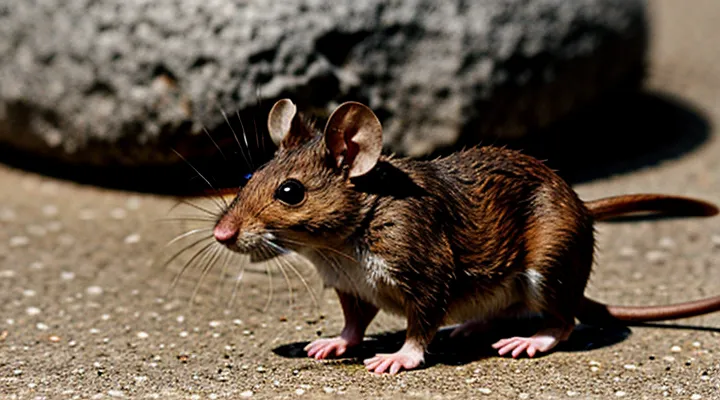
The fur of a brown mouse exhibits a uniform, medium‑brown hue that ranges from chestnut to reddish‑tan, providing a reliable visual marker for identification. Pigmentation is consistent across the dorsal and lateral surfaces, while the ventral area may appear slightly paler, often showing a cream‑white shade that contrasts with the darker back.
Texture is notably soft and dense, with guard hairs interspersed among a thick undercoat. This combination yields a plush feel and enhances insulation. Key tactile characteristics include:
- Fine, silky guard hairs that lie flat against the skin.
- A voluminous underlayer that retains heat and resists moisture.
- Minimal shedding under normal laboratory conditions, resulting in a stable coat appearance.
These color and texture attributes together form a distinct phenotypic profile that separates the brown mouse from other rodent species.
Tail Length and Appearance
The brown mouse’s tail typically measures 70–100 mm, representing 80–100 % of head‑body length. In laboratory strains, the average length is 85 mm with a standard deviation of 5 mm. Wild specimens display greater variability, ranging from 68 mm in arid habitats to 102 mm in forested regions. Tail length correlates with locomotor agility; longer tails provide enhanced balance during vertical climbing and rapid ground sprints.
Tail appearance is characterized by a uniform, fine pelage that matches the dorsal coat in hue, ranging from light chestnut to deep chocolate. The ventral surface exhibits a slightly lighter shade, often with a subtle grayish tint. Hair density averages 250 hairs cm⁻², producing a smooth texture. The distal tip may show a faintly darker tip, known as a “terminal band,” which is more pronounced in mature individuals. Scales are absent; instead, the skin is covered by a thin, translucent membrane that facilitates thermoregulation and moisture retention.
Physical Distinguishing Features
Head and Facial Structure
The head of a brown mouse is proportionally small, with a rounded cranial vault that tapers toward the snout. The skull exhibits a relatively low, broad nasal bone, contributing to the animal’s compact facial profile. The eyes are large, dark, and set laterally, providing a wide field of vision; each eye is encircled by a thin, pigmented ring that accentuates the dark iris. The ears are modest in size, covered with fine, velvety fur that matches the coat’s brown hue, and they sit close to the head, minimizing silhouette irregularities.
Key facial characteristics include:
- A short, pointed snout ending in a subtle, pinkish nose with a moist rhinarium.
- Whisker pads situated on either side of the snout, densely populated with long vibrissae that aid in tactile navigation.
- A mouth equipped with sharp incisor teeth that protrude slightly beyond the upper jaw, a trait common to rodents but evident in the brown mouse’s modestly sized oral cavity.
- Cheek fur that forms a smooth transition from the head to the body, lacking any contrasting coloration or pattern.
These anatomical details collectively differentiate the brown mouse from other murine species, allowing reliable identification based on head shape, ear placement, and facial fur texture.
Ear Size and Shape
Brown mice typically exhibit ears that are proportionally large relative to their skulls, a trait that aids in thermoregulation and auditory acuity. The ear pinna measures approximately 8–10 mm in length in adult specimens, extending beyond the dorsal margin of the head by 2–3 mm. This size exceeds that of many sympatric rodent species, providing a reliable metric for field identification.
The shape of the ear is consistently rounded with a slight taper toward the apex. The anterior edge is smooth, while the posterior margin presents a shallow notch that accommodates the auricular cartilage. Fur coverage is sparse, exposing the thin, pinkish skin that reveals a network of superficial blood vessels. The lack of dense pelage distinguishes brown mouse ears from those of darker, heavily furred murine counterparts.
Key morphological markers:
- Length: 8–10 mm, measured from base to tip.
- Width: 5–6 mm at the broadest point.
- Contour: rounded, tapering apex, posterior notch.
- Fur density: minimal, exposing vascularized skin.
- Cartilage visibility: pronounced, supporting ear rigidity.
These parameters, when recorded alongside other phenotypic data, enhance the accuracy of species-level classification in ecological surveys.
Eye Placement and Color
Eye placement and color provide reliable criteria for identifying brown-colored mice. The eyes are positioned laterally on the skull, each set approximately one‑third of the head width apart. This lateral arrangement grants a wide field of vision, a trait consistently observed in specimens with brown fur. The orbital sockets are shallow, allowing the eyes to sit close to the surface of the head, which enhances peripheral awareness.
- Eyes sit at the same horizontal level as the base of the ears.
- Inter‑ocular distance equals roughly the width of the head at the widest point.
- Eyelid margins are smooth, lacking the pronounced folds seen in other rodent species.
Eye color in brown mice ranges from dark amber to reddish‑brown. The pigment intensity correlates with the overall coat shade: darker fur typically coincides with deeper amber irises, while lighter brown coats may exhibit a more reddish hue. The iris lacks distinct banding, presenting a uniform coloration that distinguishes brown mice from lighter‑coated relatives, whose irises often appear pale or gray.
Paw and Claw Details
The brown mouse’s fore and hind paws exhibit a compact structure adapted for agile movement and precise manipulation of food items. Each paw contains five digits; the central three are equipped with sharp, curved keratinous claws, while the outer digits bear smaller, less pronounced nails. The claws measure approximately 2–3 mm in length, providing a firm grip on surfaces ranging from smooth laboratory flooring to rough natural substrates.
Key characteristics of the paw and claw anatomy include:
- Pad coloration: dorsal pads appear light pink to pale brown, contrasting with the darker fur on the ventral side, facilitating species identification in mixed‑color populations.
- Pad texture: plantar pads are covered with fine, dense hair follicles and a thin layer of protective epidermis, reducing wear during frequent digging.
- Claw curvature: the curvature angle averages 45°, optimized for both climbing and burrowing, distinguishing the brown mouse from species with straighter or flatter claws.
- Digit spacing: inter‑digital gaps are minimal, creating a broad, stable platform that enhances balance on narrow ledges.
These morphological details serve as reliable markers when differentiating brown mice from sympatric rodent species, supporting accurate field surveys and laboratory identification.
Behavioral Traits
Habitat Preferences
The brown mouse shows a clear preference for environments that provide both shelter and abundant food sources. It thrives in areas where ground cover is dense enough to conceal movement yet open enough to allow foraging.
Typical habitats include:
- Deciduous and mixed forests with thick leaf litter.
- Shrublands featuring low, tangled vegetation.
- Agricultural fields adjacent to hedgerows or woodlots.
- Urban green spaces such as parks, gardens, and vacant lots with compost piles or stored grain.
Within these settings, the species selects microhabitats that maintain moderate moisture levels and stable temperatures. Burrows are commonly excavated in soft soil, under logs, or within dense root systems, offering protection from predators and extreme weather. Proximity to water sources, such as streams or seasonal puddles, enhances survival by supplying hydration and supporting higher insect activity, which supplements the mouse’s diet.
Seasonal variations influence habitat use. In winter, individuals concentrate in insulated burrow complexes, often sharing nests to conserve heat. During spring and summer, they expand their range to exploit newly available seeds and fruits, moving farther from permanent shelters to exploit transient food patches.
Overall, the species’ habitat selection reflects a balance between concealment, resource availability, and microclimatic stability, enabling it to occupy a broad spectrum of natural and anthropogenic landscapes.
Dietary Habits
The brown mouse’s diet reflects its adaptive foraging strategy and contributes to its identification among sympatric rodents.
In natural habitats the species consumes a diverse array of food items, primarily:
- Seeds from grasses and herbaceous plants
- Grains such as wheat, barley, and oats
- Nuts and small fruits, including acorns and berries
- Invertebrates like insects, larvae, and earthworms
- Fungal spores and mycelium found in moist microhabitats
Seasonal shifts influence the proportion of each component; during autumn, seed and nut intake rises, while spring sees increased consumption of fresh vegetation and invertebrates. Laboratory observations confirm a preference for high‑carbohydrate seeds, yet the mouse readily exploits protein‑rich animal matter when available.
Water intake is derived from moist foods and occasional direct drinking, allowing survival in arid microenvironments. The species’ ability to exploit both plant and animal resources distinguishes it from strictly granivorous or insectivorous counterparts.
Nocturnal Activity
The brown mouse exhibits a strictly nocturnal schedule, emerging from burrows shortly after sunset and retreating before dawn. Activity peaks occur during the first three hours of darkness, aligning with the highest availability of insect prey and reduced predation risk.
Nocturnal behavior is supported by several physiological and behavioral adaptations:
- Enlarged corneal lenses that increase light capture, enhancing visual acuity in low‑light conditions.
- Highly developed vibrissae that detect minute air currents, allowing navigation through complex substrates without reliance on vision.
- Auditory sensitivity tuned to frequencies typical of nocturnal insects, facilitating efficient foraging.
- Metabolic adjustments that lower basal energy expenditure during daylight hours, conserving resources for night‑time activity.
These traits collectively distinguish the brown mouse from diurnal rodent species, defining its ecological niche and influencing patterns of habitat use, predator avoidance, and reproductive timing.
Social Structure
The brown mouse exhibits a social organization that balances solitary foraging with temporary group interactions. Individuals maintain exclusive home ranges that overlap minimally; overlap occurs mainly during breeding periods or when resources are abundant.
Key aspects of the social system include:
- Territoriality: Adult males defend a core area using scent marking and vocalizations; females may share overlapping territories without direct aggression.
- Hierarchy: Dominance is established through brief physical contests; dominant individuals gain priority access to nesting sites and food caches.
- Breeding colonies: During the reproductive season, males and females form transient mating groups; offspring remain with the mother until weaning, after which they disperse to establish independent territories.
- Communication: Chemical cues, ultrasonic calls, and tactile signals facilitate recognition of kin and rivals, reducing unnecessary conflict.
Overall, the social structure of the brown mouse reflects a flexible strategy that maximizes reproductive success while conserving energy through limited social cohesion.
Differentiating from Similar Species
Brown Rat Comparison
The brown mouse and the brown rat are often confused because both possess a reddish‑brown coat, yet they differ markedly in morphology, behavior, and ecological impact.
The mouse is considerably smaller, with a head‑body length of 6–10 cm and a tail roughly equal to the body. Its fur is fine, the dorsal coloration uniform, and the ears are proportionally large relative to the skull. The rat reaches 20–25 cm in body length, its tail exceeds body length, and the fur is coarser with a mottled brown‑gray pattern. The rat’s ears are smaller relative to its head, and its feet are broader, supporting greater weight.
Key distinguishing features:
- Size: mouse ≈ 30–50 g; rat ≈ 250–500 g.
- Tail: mouse ≈ body length; rat ≫ body length.
- Fur texture: mouse = soft, uniform; rat = coarse, variegated.
- Ear proportion: mouse = large; rat = smaller.
- Foot structure: mouse = slender; rat = robust.
Behaviorally, the mouse favors indoor environments, nesting in walls, stored grain, and cabinetry. It is primarily nocturnal and consumes seeds, insects, and household waste. The rat prefers outdoor habitats such as sewers, fields, and basements, shows crepuscular activity, and exhibits omnivorous feeding that includes larger prey, carrion, and agricultural crops.
These distinctions affect control measures: traps calibrated for mouse size will often miss rats, while bait stations designed for rat consumption may be unnecessary for mouse infestations. Accurate species identification ensures targeted intervention and reduces non‑target impacts.
Other Mouse Species Distinction
The brown mouse (often identified as Mus musculus) can be separated from other common murine species by a set of measurable traits.
- Coat coloration: The brown mouse exhibits a uniform dusky brown dorsal fur, whereas the white laboratory mouse (Mus musculus domesticus) displays a pure albino or light‑gray coat, and the striped field mouse (Apodemus agrarius) shows a distinct dorsal stripe and a mottled brown‑gray pattern.
- Body size: Adult brown mice average 18–25 mm head‑body length and weigh 15–30 g. The larger wood mouse (Apodemus sylvaticus) reaches 30–35 mm and 30–45 g, while the smaller pygmy mouse (Mus minutoides) remains under 10 mm and under 5 g.
- Tail proportion: The brown mouse’s tail length matches or slightly exceeds its body length (≈100 % of head‑body length). In contrast, the field mouse’s tail is shorter (≈70 % of body length), and the African multimammate mouse (Mastomys natalensis) possesses a relatively long, hairless tail exceeding body length by 20–30 %.
- Ear morphology: Brown mice have relatively large, naked ears with a rounded tip. The Eurasian harvest mouse (Micromys minutus) features proportionally smaller ears with fine fur on the margins, and the house mouse’s ear cartilage is visibly more angular.
- Habitat preference: The brown mouse thrives in human‑associated environments such as homes and farms. The field mouse prefers open grasslands and forest edges, while the multimammate mouse occupies savanna and agricultural fields with higher humidity.
- Reproductive cycle: Brown mice can produce up to ten litters per year, each containing 4–8 pups. The field mouse typically yields 4–6 litters annually, and the multimammate mouse averages 5–7 litters with larger litter sizes (up to 12 pups).
These comparative metrics enable reliable identification of the brown mouse against other sympatric rodent species without reliance on subjective observation.
Key Identification Markers
The brown mouse can be reliably identified by a set of distinct physical and behavioral characteristics. These markers differentiate it from other rodent species that share similar habitats.
- Dorsal coat: uniform medium‑brown fur, lacking distinct stripes or patches.
- Tail: proportionally long, slender, covered with fine scales and sparse hair; coloration matches dorsal fur.
- Ears: relatively large, pinkish‑brown, with a thin layer of hair on the outer surface.
- Feet: pinkish‑white pads, toes equipped with sharp, curved claws suited for climbing.
- Whiskers: long, white‑tipped, extending well beyond the snout, providing tactile feedback.
- Dental formula: 1/1 incisors, no canines, 0/0 premolars, 3/3 molars, characteristic of murine rodents.
- Vocalizations: high‑frequency squeaks emitted during social interaction and alarm situations.
Additional identifiers include a compact body length of 7–10 cm, a weight range of 15–30 g, and a preference for ground nests concealed under leaf litter or within burrows. These criteria collectively enable precise recognition of the brown mouse in field observations and laboratory settings.
Ecological Role
Impact on Ecosystems
The brown mouse exhibits a compact body, uniform brown pelage, and a high‑frequency vocal repertoire that distinguishes it from sympatric rodent species. Its omnivorous diet includes seeds, insects, and detritus, while its nocturnal foraging pattern reduces direct competition with diurnal granivores.
- Consumption of seed banks limits plant recruitment, shaping vegetation composition.
- Burrowing activity mixes organic matter into the upper soil layers, enhancing aeration and nutrient turnover.
- Predation by owls, snakes, and small carnivores links the mouse to higher trophic levels, sustaining predator populations.
- Transport of fungal spores and ectoparasites facilitates pathogen dispersal across microhabitats.
Through these mechanisms the species influences plant community dynamics, soil health, and food‑web structure. Competitive interactions with other small mammals regulate population densities, preventing monopolization of resources. The mouse’s role in pathogen circulation can affect disease prevalence in both wildlife and, indirectly, human populations.
Overall, the brown mouse’s distinctive morphology and behavior generate measurable effects on ecosystem processes, including primary productivity, nutrient cycling, and trophic connectivity.
Role as Prey
The brown mouse, a small omnivorous rodent with a gray‑brown dorsal coat and a light underbelly, constitutes a primary food source for a wide range of aerial, terrestrial, and aquatic predators. Its modest size (typically 6–10 cm body length) and nocturnal activity align with the hunting patterns of many species, making it readily detectable and capture‑prone.
- Birds of prey such as owls, hawks, and kestrels rely on the mouse’s contrasting coloration against the night sky for visual identification.
- Mammalian hunters, including foxes, coyotes, and weasels, exploit the rodent’s ground‑level movements and scent trails.
- Reptilian predators, notably snakes, use thermal cues to locate the warm‑blooded prey within leaf litter and burrows.
Distinctive features affect predation dynamics:
- Dorsal coloration blends with leaf litter, reducing visibility to ground predators but offering limited protection against motion‑sensitive birds.
- Small body mass enables rapid acceleration and erratic flight, increasing escape success against some mammals while remaining vulnerable to swift aerial attacks.
- Burrowing habit provides shelter from many predators; however, it concentrates scent and creates predictable entry points for snakes and other burrow‑adapted hunters.
As a prey item, the brown mouse sustains predator population stability, contributes to energy transfer across trophic levels, and influences predator foraging behavior. Fluctuations in its abundance directly affect reproductive success and distribution patterns of dependent carnivores, reinforcing its pivotal position within temperate ecosystems.
Role as Predator
The brown mouse exhibits predatory behavior that influences both its survival and the structure of its habitat. Its diet includes insects, larvae, and small arthropods, supplementing plant material when animal prey is scarce. Hunting occurs primarily at night, when low light enhances stealth and reduces exposure to larger predators.
Key predatory characteristics:
- Sharp incisors capable of piercing exoskeletons.
- Acute whisker sensing that detects minute vibrations in soil and leaf litter.
- Rapid sprint bursts reaching up to 13 km/h, allowing quick capture of mobile prey.
- Flexible jaw movement enabling manipulation of irregularly shaped insects.
Seasonal shifts affect prey selection. In spring, larvae and emerging insects dominate the menu, while autumn sees increased consumption of beetles and spiders that seek shelter. This flexibility reduces competition with strictly herbivorous rodents and contributes to pest regulation within agricultural and natural ecosystems.
By preying on invertebrates, the brown mouse controls populations of species that could otherwise reach outbreak levels, thereby maintaining ecological balance and supporting soil health through reduced herbivore pressure on vegetation.