
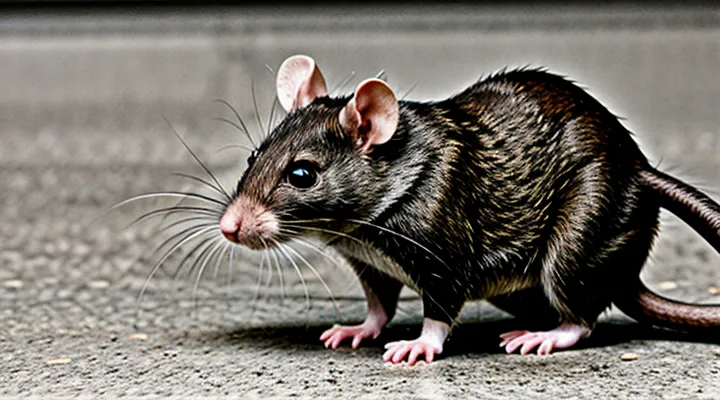
Sexual Maturity in Rats
Factors Influencing Puberty
Puberty in laboratory rats marks the transition from juvenile growth to reproductive competence. The onset of sexual maturity determines the earliest possible conception date and therefore shapes the overall reproductive schedule.
Genetic background exerts a primary influence; strains such as Sprague‑Dawley and Wistar display distinct maturation ages due to inherited hormonal regulation patterns. Nutritional status directly affects hypothalamic signaling; diets providing adequate protein and essential fatty acids accelerate gonadal development, whereas caloric restriction delays it. Light exposure regulates melatonin release, with longer photoperiods advancing puberty through increased gonadotropin‑releasing hormone activity.
Social environment contributes additional modulation. Cohabitation with sexually mature males can induce earlier estrus cycles via pheromonal cues, while isolation or overcrowding may suppress hormonal surges. Stressors, including handling frequency and ambient noise, elevate corticosterone levels, which antagonize reproductive axis activation and postpone maturation.
Endocrine‑disrupting chemicals present in bedding or water supply interfere with estrogenic pathways, potentially causing premature or delayed puberty. Body weight thresholds serve as practical markers; females typically reach sexual maturity when attaining approximately 150 g, and males near 200 g, reflecting the energy reserves required for gametogenesis.
Key determinants can be summarized:
- Genetic strain characteristics
- Dietary composition and caloric intake
- Photoperiod length and light intensity
- Presence of mature conspecifics
- Stress exposure and handling regimes
- Environmental endocrine disruptors
- Achieved body weight relative to sex
Understanding these factors enables precise prediction of the earliest conception window, thereby informing experimental design and colony management.
Signs of Sexual Maturity
Rats attain sexual maturity at approximately five to six weeks of age, though strains and environmental conditions can shift this window by several days. Hormonal activation of the hypothalamic‑pituitary‑gonadal axis initiates estrous cycles, signaling the onset of reproductive capability.
• Vaginal opening and visible swelling of the vulva
• Regular estrous cycles detectable by vaginal cytology (predominance of cornified epithelial cells)
• Increased lordosis reflex when exposed to male pheromones
• Initiation of mounting or lordosis behavior toward males
• Elevated circulating estrogen and luteinizing hormone levels
• Development of mammary tissue and modest body weight gain
These physiological and behavioral markers collectively confirm sexual maturity, indicating that a female rat is capable of conceiving within the broader reproductive schedule.
The Estrous Cycle
Phases of the Estrous Cycle
Rats experience a rapid estrous cycle lasting approximately four to five days, allowing frequent opportunities for conception. Hormonal fluctuations drive the progression through distinct phases, each characterized by specific physiological markers.
- Proestrus: Elevated estrogen induces vaginal epithelial cell proliferation; this phase prepares the animal for ovulation.
- Estrus: Peak estrogen levels trigger ovulation; females become receptive to mating, and the luteinizing hormone surge occurs.
- Metestrus: Following ovulation, progesterone rises as the corpus luteum forms; the reproductive tract transitions to a post‑ovulatory state.
- Diestrus (or anestrus in some classifications): Progesterone remains dominant, maintaining uterine conditions for potential implantation; if fertilization does not occur, hormone levels decline, and the cycle restarts.
The estrus phase marks the narrow window when a female rat can conceive, typically occurring on day four of the cycle. Accurate identification of each stage enables prediction of fertility periods within the broader reproductive schedule.
Duration and Regularity
Rats exhibit a short estrous cycle that repeats with remarkable regularity. The cycle lasts approximately four to five days, during which the female is receptive to mating for a single 12‑hour period. After successful copulation, gestation proceeds for a fixed span of twenty‑one to twenty‑three days, after which litter delivery occurs.
Key temporal parameters:
- Estrous cycle length: 4–5 days
- Fertile window: 12 hours within the cycle
- Gestation period: 21–23 days
- Post‑partum estrus: can re‑enter cycle as early as 48 hours after parturition
The consistency of these intervals enables predictable breeding schedules. Females typically produce a new litter every 30–35 days when provided with adequate nutrition and environmental stability, allowing successive pregnancies with minimal interruption.
Optimal Breeding Age
First Pregnancy Considerations
Rats reach sexual maturity between five and six weeks of age, but optimal first breeding occurs after the animal has attained full physical development. A mature body weight of at least 150 g and a stable coat condition indicate readiness. Health status must be free of respiratory infections, parasites, and any signs of stress, because compromised immunity can impair conception and increase embryonic loss.
Key considerations for a maiden pregnancy include:
- Nutrition: a diet rich in protein (18–20 % of calories), calcium, and essential fatty acids supports follicular development and embryo implantation.
- Environment: temperature maintained between 20 °C and 24 °C, low humidity, and minimal noise reduce cortisol spikes that can suppress ovulation.
- Estrous cycle monitoring: females exhibit a four‑day cycle with the fertile phase lasting 12–14 hours. Observation of vaginal opening swelling and the presence of a moist, pink discharge signals the «estrus» stage.
- Pairing protocol: introduce the male for a limited period (12–24 hours) during the female’s fertile window to prevent over‑exposure and aggression.
- Pre‑breeding health check: a veterinary examination confirms the absence of uterine abnormalities and validates vaccine status.
Signs of successful conception appear around day 12 post‑mating, when abdominal enlargement and nipple development become evident. The gestation period averages 21–23 days; any deviation warrants veterinary assessment to rule out dystocia or resorption. Ensuring these parameters are met maximizes the likelihood of a healthy first litter.
Longevity of Reproductive Capacity
Rats reach sexual maturity between five and six weeks of age, after which they can conceive during each estrous cycle, which lasts four to five days. Fertility persists throughout most of the adult lifespan, but physiological changes gradually reduce reproductive efficiency.
Key aspects of reproductive longevity include:
- Peak litter size occurs between two and six months of age; average litter size declines after eight months.
- Estrous cycle regularity remains high until approximately one year of age; irregular cycles become common thereafter.
- Hormonal profiles, particularly estrogen and progesterone, show a measurable decrease after twelve months, correlating with reduced conception rates.
- Total number of viable pregnancies per female typically ranges from eight to twelve before a marked decline in fertility.
Age‑related decline does not eliminate the capacity to conceive entirely. Older females may still produce offspring, though litter size and pup survival rates are lower. Management practices such as optimal nutrition and controlled breeding intervals can extend effective reproductive periods, allowing breeders to maintain productive output beyond the average fertility window.
Gestation Period
Timeline of Pregnancy
Rats reach sexual maturity between 5 and 6 weeks of age, at which point the reproductive cycle can commence. Once a female enters estrus, mating may occur within a few hours, and fertilization is typically completed within 24 hours. The subsequent stages unfold according to a defined timeline:
- Day 0–1: Fertilization and transport of embryos to the uterine horns.
- Day 2–3: Implantation of blastocysts into the endometrial lining.
- Day 4–7: Formation of the placenta and establishment of maternal‑fetal circulation.
- Day 8–14: Organogenesis begins; primary structures such as the neural tube and heart develop.
- Day 15–21: Rapid growth of limbs, cranial features, and sensory organs.
- Day 22–30: Maturation of the respiratory and digestive systems; fetal movements become observable.
- Day 31–33: Final growth phase; fur development and lung surfactant production.
- Day 34–36: Parturition typically occurs, with litter sizes ranging from 6 to 12 pups.
Gestation in rats averages 21‑23 days, although slight variations may arise due to strain, environmental conditions, and maternal health. The entire reproductive timeline, from sexual maturity to birth, therefore spans roughly 5 weeks, allowing multiple litters per year under optimal husbandry.
Nutritional Needs During Gestation
During gestation, a female rat requires increased energy and nutrient intake to support fetal development and maternal health. Energy consumption rises by approximately 30 % in the first half of pregnancy and by up to 50 % near term, necessitating adjustment of diet composition.
- Protein: 20–24 % of dietary dry matter; high‑quality sources such as soy isolate or casein improve embryonic growth.
- Fat: 5–7 % of diet; inclusion of essential fatty acids (linoleic and α‑linolenic) promotes cell membrane formation.
- Carbohydrate: 55–60 % of diet; complex carbohydrates ensure steady glucose supply without excessive spikes.
Micronutrients critical for gestation include:
- Calcium (1.2 % of diet) and phosphorus (0.8 %) to sustain skeletal mineralization.
- Vitamin D3 (2 000 IU/kg) for calcium absorption.
- Folic acid (2 mg/kg) to prevent neural tube defects.
- Vitamin E (100 IU/kg) and selenium (0.3 mg/kg) for antioxidant protection.
- Iron (80 mg/kg) to support hemoglobin synthesis.
Feeding frequency should increase to three to four small meals per day, reducing competition and stress. Water availability must remain constant; dehydration compromises milk production postpartum. Monitoring body condition score weekly allows timely diet adjustments, preventing under‑ or over‑nutrition that could impair litter size or pup viability.
Postpartum Estrus
Conception After Birth
Rats enter a postpartum estrus within hours of delivering a litter. Hormonal surge of luteinizing hormone triggers this brief fertile window, yet the presence of nursing pups typically suppresses ovulation through lactational amenorrhea. Consequently, true conception generally occurs after weaning, when prolactin levels decline and the estrous cycle resumes regularity.
Key points regarding conception after birth:
- Estrus appears 12–24 hours after parturition; it is short‑lived and often non‑fertile while pups are suckling.
- Removal of offspring or abrupt cessation of nursing can permit fertilization as early as 24–48 hours post‑delivery.
- Standard weaning at 21 days aligns with the resumption of a 4‑day estrous cycle, allowing mating and implantation in the subsequent cycle.
- Environmental factors—photoperiod, nutrition, and stress—modulate the timing of the post‑weaning estrus but do not alter the fundamental requirement for lactational suppression to lift.
Thus, conception after birth hinges on the transition from lactational amenorrhea to a regular estrous rhythm, typically occurring shortly after the litter is weaned, with the earliest viable mating window emerging within the first two days only under experimental removal of nursing stimuli.
Implications for Breeding Programs
Rats reach sexual maturity at five to six weeks of age, and the estrous cycle repeats every four to five days. After a successful mating, gestation lasts approximately twenty‑one to twenty‑three days, allowing a new litter to be born within three weeks of conception. This rapid reproductive turnover enables frequent breeding cycles, but also demands precise timing to avoid overlapping pregnancies and to maintain colony health.
Implications for breeding programs include:
- Scheduling matings to align with the predictable estrous window, minimizing missed ovulation opportunities.
- Planning cage turnover and weaning dates to prevent overcrowding and to ensure adequate maternal care.
- Implementing staggered breeding groups to sustain a continuous supply of offspring while reducing stress on individual females.
- Monitoring gestation length to anticipate parturition, facilitating timely interventions for complications.
- Adjusting genetic selection protocols to account for the short interval between generations, thereby controlling inbreeding coefficients.
Effective management of these factors enhances productivity, supports genetic stability, and reduces resource waste in laboratory and commercial rat colonies.
Common Reproductive Issues
Infertility Factors
Infertility in laboratory rats can disrupt the expected reproductive schedule, delaying or preventing conception.
Advanced age reduces ovarian follicle reserve, leading to irregular estrous cycles and diminished ovulation rates. Poor nutrition, particularly deficiencies in protein, essential fatty acids, and micronutrients such as vitamin E and zinc, impairs gamete quality and hormonal balance.
Hormonal disturbances, including elevated prolactin or insufficient luteinizing hormone, interfere with the pre‑ovulatory surge required for successful mating. Chronic infections—viral, bacterial, or parasitic—trigger inflammatory responses that compromise uterine receptivity and embryo implantation.
Environmental stressors, such as extreme temperature fluctuations, high noise levels, or overcrowding, elevate corticosterone, suppressing reproductive axis activity. Genetic predispositions, notably mutations affecting the hypothalamic‑pituitary‑gonadal axis, can produce persistent anestrus.
Previous reproductive history also matters; repeated litters without adequate recovery periods deplete uterine lining integrity and reduce subsequent fertility.
Key infertility factors:
- Age‑related ovarian decline
- Nutritional inadequacies
- Hormonal imbalances
- Chronic disease or infection
- Environmental stress
- Genetic mutations
- Insufficient postpartum recovery
Addressing these variables through controlled breeding environments, balanced diets, health monitoring, and appropriate breeding intervals enhances the likelihood of achieving the normal gestational timeline in rats.
Health Concerns During Pregnancy
Rats experience a rapid gestation period, typically lasting 21‑23 days, during which several health issues can compromise maternal and embryonic outcomes. Inadequate nutrition leads to embryonic resorption and reduced litter size; excessive weight gain predisposes to dystocia and postpartum complications. Environmental stressors—temperature fluctuations, overcrowding, or frequent handling—elevate cortisol levels, suppressing luteal function and increasing miscarriage risk. Infectious agents such as Salmonella spp. or Streptococcus spp. may cause uterine inflammation, manifesting as vaginal discharge, lethargy, and fever, often requiring antimicrobial therapy.
Effective management focuses on preventive measures and early detection. Regular monitoring of body condition, provision of a balanced diet rich in protein, calcium, and essential vitamins, and maintenance of a stable, low‑stress environment reduce incidence of the most common complications. Prompt veterinary assessment is warranted when signs of distress, abnormal abdominal swelling, or abnormal vaginal secretions appear.
Key health concerns during rat gestation:
- Nutritional imbalances (deficiency or excess)
- Overheating or temperature stress
- Overcrowding and excessive handling
- Uterine infections (bacterial, viral)
- Dystocia due to oversized fetuses or maternal obesity
- Respiratory distress from poor ventilation
- Parasite infestation (mites, helminths) affecting maternal health
Timely intervention, combined with optimal husbandry, supports successful pregnancies and healthy litters.
Responsible Breeding Practices
Ethical Considerations
Ethical scrutiny of rat reproductive studies demands rigorous assessment of animal welfare, scientific justification, and regulatory adherence. Researchers must ensure that breeding protocols respect the physiological limits of the species and avoid unnecessary distress.
- Welfare preservation: housing conditions, nutrition, and enrichment must meet established standards throughout gestation and lactation.
- Scientific justification: experimental designs require clear relevance to human health or veterinary objectives, demonstrating that the knowledge gained cannot be obtained through non‑animal methods.
- Alternative methods: in‑silico modeling, cell culture, or lower‑order organisms should be evaluated before committing to rodent breeding.
- Minimization of animal use: sample sizes must be statistically justified, avoiding excess breeding cycles.
- Humane endpoints: criteria for early termination of pregnancy or post‑natal care must be defined to prevent suffering.
- Regulatory compliance: protocols must align with institutional animal care committees and national legislation governing vertebrate research.
Adherence to these principles safeguards ethical integrity while enabling accurate investigation of rat reproductive timing.
Managing Rat Populations
Rats reach sexual maturity as early as five weeks and can produce a litter every three weeks. This rapid reproductive pace generates exponential population growth when resources remain abundant.
Effective control requires interventions timed to interrupt the breeding cycle before litters are weaned. Reducing access to food and shelter limits the number of viable breeding pairs, directly decreasing the rate of offspring production.
Key measures include:
- Securing entry points with metal flashing or concrete to prevent ingress.
- Removing food sources by storing grain in airtight containers and cleaning spills promptly.
- Installing snap traps or live‑catch devices in high‑activity zones.
- Applying rodenticides according to integrated pest‑management guidelines, ensuring non‑target species are protected.
- Considering fertility‑reducing agents in large, established colonies where conventional methods prove insufficient.
Continuous monitoring of trap counts, droppings, and gnaw marks provides data for adjusting strategies. Documentation of trends supports long‑term planning and validates the efficacy of the management program.