
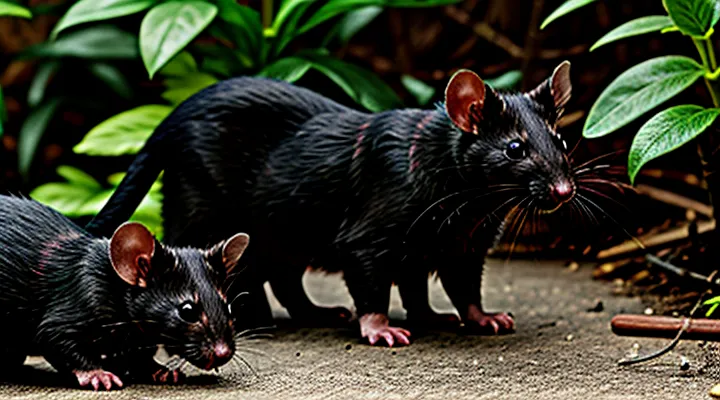
Understanding the Rat Problem
Identifying Rat Infestations
Common Signs of Rats
Identifying rat presence is the first step in selecting an appropriate, low‑risk control method. Accurate detection prevents unnecessary exposure to hazardous substances and ensures that targeted treatment is applied only where infestation is confirmed.
- Dark, cylindrical droppings, ½‑inch long, often found along walls, in cabinets, or near food sources.
- Gnaw marks on wood, plastic, or wiring, typically ¼‑inch wide with fresh, clean cuts.
- Well‑defined runways—parallel tracks of shredded material or dust—visible in concealed areas.
- Nests constructed from shredded paper, insulation, or fabric, located in hidden corners, attics, or crawl spaces.
- Scratching or scurrying noises, especially at night, heard within walls, ceilings, or floor voids.
- Grease or oily streaks along baseboards and appliances, indicating frequent rodent traffic.
- Urine stains that fluoresce under ultraviolet light, often near food storage or waste areas.
When these indicators are confirmed, choose products formulated to minimize secondary poisoning and environmental impact. Products that employ anticoagulant baits with controlled dosage, or non‑chemical traps, reduce risk to non‑target species while effectively eliminating the identified rat activity.
Areas Prone to Rat Activity
Rats concentrate in locations that provide shelter, food, and water while limiting exposure to predators. Structures with gaps, moisture, or clutter attract colonies, and activity intensifies where waste accumulates or where entry points are poorly sealed.
Typical hotspots include:
- Basements and crawl spaces with damp concrete and exposed piping.
- Attics and roof voids where insulation offers nesting material.
- Kitchen cabinets, pantry shelves, and behind appliances that store food residues.
- Garages, sheds, and storage rooms containing cardboard, fabric, or pet feed.
- Sewer lines, drainage pits, and utility tunnels that maintain constant humidity.
- Outdoor debris piles, compost heaps, and dense vegetation surrounding foundations.
Identifying these zones enables precise placement of low‑risk rodent control products, reduces unnecessary exposure to non‑target species, and improves overall effectiveness of pest‑management programs.
Risks Associated with Rats
Health Hazards from Rodents
Rodents transmit bacteria, viruses, and parasites that can cause severe illness in humans. Salmonella and Leptospira are commonly found in rat urine and feces; exposure leads to gastrointestinal distress, kidney failure, and fever. Hantavirus, present in rodent droppings, may cause pulmonary syndrome with a mortality rate of up to 40 %. Rat-borne mites and fleas carry pathogens such as plague and typhus, creating additional infection routes.
Contamination of food and water supplies is a primary vector for disease. Rats gnaw packaging, deposit droppings, and leave urine on surfaces, introducing pathogens directly into consumables. Persistent odors and allergens from rodent dander exacerbate asthma and trigger allergic reactions, especially in children and immunocompromised individuals.
Occupational exposure in pest‑control settings poses specific risks. Handling toxic baits without protective equipment can result in dermal absorption of anticoagulants, leading to bleeding disorders. Inhalation of powdered poisons or aerosolized rodent particles may irritate respiratory passages and provoke chronic lung conditions.
Mitigation strategies focus on minimizing health threats while employing safe rodent control agents:
- Use bait stations with sealed compartments to prevent accidental contact.
- Select anticoagulant products formulated for low secondary toxicity; they degrade rapidly in the environment.
- Apply rodent‑proofing measures—seal entry points, maintain sanitation, and eliminate food sources.
- Provide personal protective gear—gloves, masks, and eye protection—when placing or retrieving baits.
- Conduct regular monitoring to detect infestations early, reducing the need for high‑dose poison applications.
Understanding the spectrum of rodent‑related health hazards informs the choice of control methods that protect human welfare without compromising safety.
Property Damage by Rats
Rats cause extensive damage to residential and commercial structures. Their incisors continuously grow, prompting them to gnaw on wood, drywall, and insulation. This activity compromises load‑bearing elements, creates gaps for additional pests, and reduces the thermal efficiency of walls.
Electrical systems suffer when rodents chew insulated wiring. Exposed conductors can spark, leading to short circuits, fire hazards, and costly repairs. In addition, rats frequently infiltrate plumbing, nesting in pipe insulation and creating blockages that result in leaks or burst pipes.
Food storage areas are vulnerable to contamination. Rat urine, feces, and hair introduce pathogens that spoil inventory and trigger health‑code violations. Soft furnishings, upholstery, and carpets become stained and weakened by persistent gnawing and nesting material.
Common forms of rat‑induced property damage
- Structural weakening from chewed framing and support beams
- Compromised insulation and increased energy loss
- Damaged electrical wiring and heightened fire risk
- Blocked or ruptured plumbing and associated water damage
- Contaminated food supplies and loss of commercial inventory
- Deteriorated upholstery, carpets, and decorative fabrics
Understanding the scope of damage informs the selection of rodent control solutions that minimize secondary hazards. Products classified as low‑toxicity, targeted baits, and environmentally safe traps reduce the likelihood of accidental poisoning of non‑target species while effectively curbing rat activity. Choosing such methods protects both the building’s integrity and the occupants’ health.
Safe and Effective Rat Poisoning Methods
Types of Rodenticides
Anticoagulant Rodenticides
Anticoagulant rodenticides are chemical agents that disrupt the blood clotting process in rodents, leading to internal hemorrhage and death. The active ingredients typically include warfarin‑derived compounds such as brodifacoum, difenacoum, and bromadiolone, which inhibit vitamin K epoxide reductase, a critical enzyme for synthesizing clotting factors.
These products are formulated as baits, pellets, or blocks that attract rats through food‑based matrices. Concentrations range from low‑dose formulations intended for gradual mortality, reducing the risk of bait aversion, to high‑dose variants designed for rapid elimination of resistant populations.
Safety considerations focus on minimizing exposure to non‑target species and humans. Key practices include:
- Placing baits in tamper‑resistant stations, secured to the ground or mounted on walls.
- Locating stations away from food preparation areas, children’s play zones, and pet pathways.
- Wearing disposable gloves when handling baits, and washing hands thoroughly after contact.
- Monitoring bait stations regularly, removing spent or deteriorated baits to prevent accidental ingestion.
Regulatory guidelines require labeling that specifies dosage, target species, and disposal instructions. Disposal of unused or expired bait must follow local hazardous waste protocols to avoid environmental contamination.
When resistance is detected, rotating anticoagulant classes or integrating alternative control methods—such as snap traps, electronic devices, or non‑anticoagulant baits—helps maintain efficacy while preserving safety standards.
Non-Anticoagulant Rodenticides
Non‑anticoagulant rodenticides offer alternatives to blood‑clotting agents for rat control, relying on mechanisms such as metabolic disruption, neurotoxicity, or chemical poisoning. Zinc phosphide and aluminum phosphide release phosphine gas when exposed to moisture, causing rapid respiratory failure. Cholecalciferol (vitamin D₃) induces lethal hypercalcemia by interfering with calcium regulation. Bromethalin blocks mitochondrial ATP production, leading to cerebral edema and death. Sodium fluoroacetate (1080) disrupts the citric‑acid cycle, producing systemic toxicity.
When selecting a non‑anticoagulant product, consider the following criteria:
- Target specificity: Formulations designed for indoor use reduce exposure to non‑target wildlife.
- Environmental stability: Phosphides degrade quickly in open air, limiting residual risk.
- Regulatory status: Verify that the active ingredient is approved for residential application in your jurisdiction.
- Protective measures: Use tamper‑resistant bait stations, wear gloves, and store products away from food sources.
Proper deployment involves placing bait stations along established runways, monitoring activity, and removing stations after elimination of the infestation. Documentation of usage and disposal must comply with local hazardous‑waste regulations to prevent accidental contamination.
Bait Stations and Placement
Secure Bait Station Design
Secure bait stations protect humans, pets, and non‑target wildlife while delivering anticoagulant or acute rodenticide to rats. Construction uses heavy‑gauge, UV‑stabilized plastic or powder‑coated steel that resists cracking and corrosion. All seams are welded or sealed with tamper‑proof latches that require a tool to open, preventing children or animals from accessing the poison.
Placement follows three criteria: proximity to active runways, distance from food preparation areas, and elevation above ground level. Stations are mounted on brackets at least 12 inches off the floor to deter crawling pets and to keep debris out of the bait compartment. Each unit includes a lockable cover with a clear, weather‑resistant window, allowing visual inspection without exposing the contents.
Design elements that enhance safety:
- One‑way entry: a narrow slot admits rats but blocks larger mammals.
- Internal bait tray: removable tray isolates poison; removal requires a key‑driven mechanism.
- Ventilation: small vent holes prevent moisture buildup, preserving bait efficacy.
- Labeling: bold, waterproof labels display active ingredient, concentration, and emergency contact information.
Maintenance protocol mandates weekly inspection, bait replacement every 30 days, and documentation of location, date, and amount of product used. After each inspection, the station is cleaned with a mild detergent, rinsed, and dried before resealing.
Compliance with local pest‑control regulations is achieved by selecting stations certified by relevant health agencies and by documenting all actions in a logbook. Properly designed bait stations therefore deliver rat‑targeted poison efficiently while minimizing accidental exposure.
Strategic Bait Station Locations
Placing bait stations in locations that align with rat movement patterns maximizes exposure while limiting non‑target access. Identify high‑traffic zones such as wall voids, concealed pipe runs, and areas near food storage. Position stations at least 12 inches off the floor to deter insects and small mammals.
- Behind appliances and under sinks where moisture accumulates.
- Inside wall cavities and attic joist spaces, using removable panels for inspection.
- Along established runways marked by gnaw marks, droppings, or grease trails.
- Near exterior entry points, but at least 24 inches from building foundations to avoid wildlife contact.
- In concealed corners of garages or sheds where feed and debris collect.
Secure each station with tamper‑resistant locks and label them with hazard warnings. Verify that placement does not obstruct normal traffic or create tripping hazards. Conduct routine checks every 48 hours to assess bait consumption and replace depleted units. Maintain a log of station locations, bait type, and inspection dates to track effectiveness and ensure compliance with safety regulations.
Safety Precautions for Rodenticide Use
Protecting Children and Pets
When choosing rodent control agents, the foremost concern is preventing accidental exposure to children and pets. Products labeled as low‑toxicity, single‑dose formulations, and those designed for bait stations reduce the risk of ingestion by non‑target animals. Manufacturers often incorporate bittering agents or child‑resistant packaging; verify these features before purchase.
- Select bait stations made of hard plastic with secure locking mechanisms; place them out of reach of children and pets, preferably on elevated surfaces or behind appliances.
- Prefer products classified as anticoagulant‑free or containing natural rodenticides such as vitamin D3 derivatives, which present lower systemic toxicity.
- Store all rodent control items in a locked cabinet, separate from food, cleaning supplies, and pet medication.
- Inspect the premises regularly for signs of tampering or displacement of bait stations; replace damaged units immediately.
- Educate household members about the location and purpose of each station; restrict access during the treatment period.
Monitoring and documentation support safe use. Record the type of product, placement coordinates, and date of installation. Review manufacturer safety data sheets to confirm the recommended minimum distance from child‑occupied zones and pet habitats. If a non‑target animal shows signs of exposure, contact a veterinary professional promptly and follow emergency instructions provided by the product label.
Handling and Storage Guidelines
When using rodent toxicants, strict handling and storage practices prevent accidental exposure and maintain product efficacy.
Store the bait in a locked, ventilated cabinet away from food, feed, and consumables. Keep the temperature between 50 °F and 80 °F (10 °C–27 °C) and protect from direct sunlight, humidity, and freezing conditions. Use original, sealed containers; never transfer poison to unmarked or damaged vessels.
Before each application, wear disposable gloves and, when the formulation requires, a mask or eye protection. Open containers only in a well‑ventilated area, avoid splashing, and dispose of any excess material in a sealed, puncture‑proof bag. Do not mix different rodenticides; cross‑contamination can alter toxicity.
Maintain a written log that records:
- Product name and concentration
- Date of receipt and opening
- Quantity stored and quantity used
- Location of storage
In case of a spill, isolate the area, absorb the material with an inert absorbent, place the waste in a labeled container, and follow local hazardous‑waste disposal regulations. Keep the emergency contact number for poison control and the material safety data sheet (MSDS) readily accessible.
Children, pets, and non‑target wildlife must be excluded from storage zones and treatment sites. Use tamper‑proof bait stations where applicable, and inspect them regularly for damage or unauthorized access.
First Aid for Accidental Exposure
When handling rodent control agents, accidental contact can occur through skin, eyes, or ingestion. Immediate response reduces the risk of systemic toxicity and prevents complications.
- Remove contaminated clothing and place it in a sealed bag to avoid further spread.
- Rinse skin thoroughly with lukewarm water for at least 15 minutes; avoid scrubbing, which may irritate the area.
- Flush eyes with a continuous stream of clean water for a minimum of 15 minutes, keeping the eyelids open.
- If ingestion is suspected, induce vomiting only under medical direction; otherwise, give the person water or milk to dilute the substance.
- Seek professional medical assistance promptly; provide responders with the product name, active ingredient, and concentration.
Monitoring for symptoms such as nausea, dizziness, respiratory difficulty, or skin irritation is essential until care is obtained. Documentation of the exposure event assists healthcare providers in delivering targeted treatment.
Alternative Rat Control Methods
Trapping Solutions
Snap Traps
Snap traps provide a rapid, non‑chemical method for controlling rat populations while minimizing health risks. The devices consist of a spring‑loaded bar that snaps shut when a rodent triggers a trigger plate, delivering an instantaneous kill.
Key characteristics:
- Mechanical action eliminates the need for toxic baits, reducing accidental ingestion by children, pets, or wildlife.
- Reusable construction allows multiple deployments; the spring mechanism can be reset after each catch.
- Targeted placement enables precise positioning in known travel paths, limiting exposure to non‑target species.
- Secure disposal of captured rats in sealed bags prevents disease spread and complies with local waste regulations.
Effective use guidelines:
- Position traps perpendicular to walls, with the trigger plate facing the rodent’s expected approach.
- Bait with a small amount of high‑fat food (e.g., peanut butter) to increase attraction without introducing poison.
- Check traps daily; remove and dispose of any catch promptly.
- Reset the spring mechanism after each capture, inspecting for wear or damage.
Advantages over chemical options include immediate results, no residue, and compliance with safety standards for indoor environments. Limitations involve the need for regular monitoring and the possibility of missing concealed rodents. When integrated into a comprehensive pest‑management plan, snap traps serve as a reliable, safe alternative to toxic substances.
Live Traps
Live traps provide a non‑chemical method for managing rat infestations while maintaining safety for humans and pets. The device consists of a cage with a trigger mechanism that closes the door when a rat enters to reach bait. Construction materials such as stainless steel or heavy‑gauge plastic resist corrosion and allow repeated use.
Proper operation requires placement along established rodent pathways, near walls, or close to food sources. Bait should be a small portion of high‑fat food, such as peanut butter or dried fruit, secured to the trigger plate. Check traps at least twice daily to prevent prolonged confinement, which can cause stress and potential disease transmission.
Advantages of live traps include:
- Elimination of toxic substances from the environment.
- Immediate verification of capture, allowing targeted disposal.
- Compatibility with integrated pest‑management programs that prioritize humane control.
- Reusability reduces long‑term costs.
Limitations to consider:
- Requires regular monitoring and manual removal of captured rats.
- May be less effective in severe infestations where rapid population reduction is needed.
- Disposal must follow local regulations to avoid illegal release.
When a rat is captured, handle the trap with thick gloves, transfer the animal to a secure container, and release it at least one mile from the property, or euthanize according to local animal welfare guidelines. Regular sanitation, sealing entry points, and eliminating food residues enhance the effectiveness of live traps and reduce the need for hazardous rodenticides.
Electronic Traps
Electronic traps provide a non‑chemical approach to rodent control while maintaining safety for humans and pets. The devices deliver a high‑voltage shock that instantly incapacitates a rat, eliminating the need for toxic baits. Because the lethal element is contained within a sealed unit, there is no risk of accidental ingestion or environmental contamination.
Key advantages include:
- Immediate result: each activation kills the target within seconds, allowing rapid assessment of trap performance.
- Reusability: batteries or mains power supply the unit for thousands of cycles, reducing long‑term costs compared with disposable poison stations.
- Monitoring capability: many models feature LED indicators or audible alerts that confirm a capture, simplifying inspection routines.
When selecting an electronic trap, consider the following criteria:
- Voltage rating – sufficient to ensure humane lethality across a range of rodent sizes.
- Power source – rechargeable battery offers portability; AC adapter ensures continuous operation in fixed locations.
- Safety interlock – a cover or sensor that prevents accidental contact with the shock plate.
- Capacity – larger chambers accommodate multiple captures, decreasing the frequency of trap checks.
- Disposal protocol – built‑in mechanisms for safe removal of carcasses prevent secondary contamination.
Installation guidelines emphasize placement along established runways, near walls, and behind obstacles where rats travel. Position the device at ground level to align the shock plate with the animal’s body. Secure the unit to prevent tipping, and maintain a clear line of sight for the detection sensor.
Maintenance consists of routine cleaning of the capture chamber, verification of battery charge, and inspection of the shock plate for corrosion. Follow manufacturer instructions for disassembly and disposal of dead rodents; sealed waste bags reduce odor and limit disease transmission.
Electronic traps complement integrated pest‑management programs by offering a controlled, poison‑free solution that meets safety standards for residential and commercial environments. Their reliability and ease of use make them a practical alternative to hazardous toxicants.
Exclusion Techniques
Sealing Entry Points
Sealing entry points prevents rats from accessing bait stations and reduces the likelihood of accidental exposure to poison. Locate potential openings by inspecting foundations, walls, vents, and utility penetrations. Measure each gap; even cracks as narrow as ¼ inch can admit rodents.
- Use steel wool or copper mesh to fill small cracks before applying sealant.
- Apply silicone or polyurethane caulk to smooth surfaces after inserting filler material.
- Install metal flashing around door frames, windows, and pipe sleeves to block larger openings.
- Replace damaged weatherstripping on doors and windows with heavy-duty, rodent-resistant profiles.
- Cover vent openings with stainless‑steel mesh of ¼‑inch or smaller aperture.
After sealing, verify integrity by conducting a tactile test and a visual inspection. Reapply sealant annually or after severe weather to maintain barrier effectiveness. Continuous monitoring of sealed areas ensures that entry points remain closed, limiting rat movement and enhancing the safety of any toxic control measures in use.
Maintaining Property Hygiene
Effective rodent control contributes directly to property hygiene by eliminating health hazards associated with rat infestations. Safe toxicants reduce the risk of accidental exposure for humans, pets, and non‑target wildlife while removing the source of contamination.
Products approved for indoor and outdoor use meet stringent regulatory standards. They typically contain anticoagulant compounds formulated at concentrations that deter secondary poisoning. Modern bait stations incorporate tamper‑resistant designs, preventing unauthorized access and limiting environmental spread.
- First‑generation anticoagulants (e.g., warfarin‑based baits) – low toxicity, rapid action, suitable for limited infestations.
- Second‑generation anticoagulants (e.g., bromadiolone, difenacoum) – higher potency, effective against resistant populations, require secured placement.
- Vitamin‑B12‑linked poisons – attract rats while minimizing appeal to other species, compatible with integrated pest‑management programs.
- Rodent‑specific enzymatic inhibitors – target rat metabolism, reduce collateral impact, approved for residential settings.
Regular inspection of bait stations, prompt removal of dead rodents, and thorough cleaning of contaminated surfaces preserve sanitary conditions. Combining safe toxicants with sanitation measures—such as sealing entry points, eliminating food sources, and maintaining waste control—ensures long‑term property hygiene and prevents recurrence.
Natural Deterrents
Essential Oils
Essential oils offer a low‑toxicity alternative for managing rodent problems. Their strong aromas disrupt the olfactory system of rats, reducing feeding activity and deterring entry into treated areas.
Commonly used oils include:
- Peppermint oil: high menthol content causes aversion; apply 10 ml diluted in 1 L water to perimeter surfaces.
- Eucalyptus oil: phenolic compounds irritate nasal passages; spray 5 ml per 500 ml carrier solution around entry points.
- Citronella oil: citrus scent masks food odors; use 15 ml per 1 L water for regular misting.
- Clove oil: eugenol acts as a mild neurotoxin; place a few drops on cotton balls in hidden locations.
Application tips:
- Dilute oils with water or a neutral carrier (e.g., vegetable oil) to prevent skin irritation.
- Reapply every 48 hours, as volatility reduces effectiveness.
- Combine multiple oils for broader scent coverage, but avoid exceeding 0.5 % total concentration to maintain safety for humans and pets.
Safety profile: essential oils are non‑lethal to mammals when used as directed, produce no persistent residues, and comply with indoor‑use regulations. They should not replace professional extermination in severe infestations, but they provide a viable, environmentally responsible component of an integrated rodent‑control strategy.
Predator Urine
Predator urine is employed as a component of rodent‑control programs that aim to reduce rat populations without resorting to hazardous chemicals. The scent mimics the presence of natural enemies, prompting rats to avoid treated areas or to become more active in search of food, which can increase the likelihood of ingesting bait laced with a safe toxicant.
The urine contains volatile compounds such as phenols, sulfur‑containing molecules, and specific pheromones that trigger avoidance behavior. These substances degrade quickly under sunlight and moisture, limiting long‑term environmental impact while preserving efficacy during the initial exposure period.
Human and pet safety is high because the product contains no active poison; toxicity is confined to the added rodent‑specific toxin, which remains separate from the urine. Regulatory filings list the urine as non‑irritant and non‑allergenic when applied according to label directions.
Typical application involves:
- Diluting the concentrate to the recommended ratio (often 1 part urine to 10 parts water).
- Spraying the solution along runways, entry points, and near bait stations.
- Re‑applying every 3–5 days or after heavy rain to maintain scent strength.
- Monitoring rat activity and adjusting placement based on observed movement patterns.
Effectiveness declines if rats become habituated to the odor or if alternative food sources are abundant. Combining predator urine with well‑formulated anticoagulant bait, sealing entry points, and maintaining sanitation maximizes control outcomes while preserving safety standards.
Post-Extermination Procedures
Carcass Disposal
Safe Handling of Deceased Rodents
Handling dead rodents requires strict adherence to safety protocols to protect human health and prevent secondary poisoning. Wear disposable nitrile gloves, a disposable gown, and a mask rated for particulate matter before contact. Avoid direct skin exposure; if contact occurs, wash the area with soap and water immediately.
After removal, place the carcass in a sealed, puncture‑resistant bag. Double‑bag the specimen, then label it with “hazardous rodent remains” and store it in a locked, well‑ventilated area until disposal. Dispose of the material through one of the following approved methods:
- Municipal hazardous waste collection service, following local regulations.
- Licensed animal carcass incineration facility.
- Commercial biohazard disposal contractor.
Sanitize all tools and surfaces with a registered disinfectant after the procedure. Dispose of used protective equipment in accordance with hazardous waste guidelines; do not reuse. Document the incident, including date, location, product used, and disposal method, to maintain a traceable record for regulatory compliance.
Preventing Secondary Poisoning
When selecting rodent toxicants, the greatest risk to non‑target animals arises after the primary kill. Preventing secondary poisoning requires controlling how bait is accessed, how carcasses are handled, and how residues disperse in the environment.
Secure bait stations eliminate accidental ingestion by pets, wildlife, and children. Stations must be:
- Constructed of durable, lockable material.
- Equipped with entry holes sized for rats only.
- Placed on stable surfaces to prevent tipping.
Choose anticoagulant products formulated with low secondary toxicity. First‑generation compounds (e.g., warfarin) pose less risk to predators than second‑generation agents (e.g., brodifacoum). Verify that the label specifies “secondary‑poisoning‑reduced” or similar certification.
Immediately remove dead rats from the premises. Dispose of carcasses in sealed, double‑bagged containers and follow local hazardous‑waste guidelines. Do not leave corpses in areas accessible to scavengers, as digestive enzymes can release active ingredients into the ecosystem.
Educate household members and staff about proper bait placement and the importance of reporting any unintended exposure. Record bait locations, quantities used, and dates of application to facilitate monitoring and rapid response if secondary poisoning signs appear.
Integrate non‑chemical controls—snap traps, exclusion of entry points, sanitation—to reduce reliance on poison. Lower bait density diminishes the probability that predators encounter contaminated prey, further protecting wildlife and domestic animals.
Cleaning and Sanitation
Disinfecting Contaminated Areas
Disinfecting areas where rodent bait has been applied prevents secondary contamination and protects occupants from residual toxins. After placing safe rodent control products, remove visible debris, then clean surfaces with a detergent solution to eliminate organic matter that can shield pathogens. Rinse thoroughly and allow the area to dry before proceeding with disinfection.
Apply an EPA‑registered disinfectant that is effective against bacteria, viruses, and rodent‑borne parasites. Recommended categories include:
- Quaternary ammonium compounds (e.g., benzalkonium chloride) – broad‑spectrum, rapid action, compatible with most hard surfaces.
- Hydrogen peroxide‑based cleaners (3–6% solution) – breaks down into water and oxygen, leaving no harmful residues.
- Sodium hypochlorite solutions (1,000 ppm available chlorine) – strong oxidizer, suitable for non‑porous areas.
Follow the manufacturer’s contact time, ensure proper ventilation, and wear appropriate personal protective equipment during application. Document the cleaning process, verify that the disinfectant concentration remains within label specifications, and inspect the treated zone before re‑entering or resuming normal activities.
Odor Removal
Effective rodent control with toxic baits requires eliminating the scent that can deter rats from consuming the product. Persistent odor signals danger, prompting avoidance and reducing bait uptake. Removing or masking the smell ensures higher interaction rates and safer placement in occupied areas.
Chemical absorbents such as activated charcoal and zeolite bind volatile compounds released by anticoagulant pellets. These materials can be mixed directly into bait stations or placed in adjacent compartments to capture odor molecules before they disperse.
Enzymatic cleaners break down organic residues that contribute to foul odors. Applying a diluted enzymatic solution to surfaces surrounding bait stations neutralizes lingering scents without introducing additional chemicals that could interfere with the poison’s efficacy.
Ventilation and enclosure design limit odor accumulation. Sealing gaps around bait boxes and installing low‑profile exhaust vents create a controlled airflow that carries volatile compounds away from the bait area. Combined with airtight lids, these measures prevent rats from detecting the presence of a toxic product.
- Activated charcoal granules, 1‑2 lb per bait station
- Zeolite powder, 0.5 lb per 10 lb of bait
- Enzymatic cleaner spray, 100 ml per square meter of surrounding floor
- Airtight bait box with vented lid, one per placement
Implementing these odor‑removal strategies enhances bait acceptance while maintaining safety for non‑target occupants.
Legal and Environmental Considerations
Local Regulations on Rodenticide Use
Local regulations govern every stage of rodenticide application, from product selection to disposal. Compliance ensures public health, protects non‑target wildlife, and limits legal liability.
- Permitting requirements – Many jurisdictions require a licensed pest‑control operator or a specific pesticide applicator permit before purchasing or using anticoagulant baits, neurotoxic powders, or fumigants. Applications often demand proof of training and a detailed treatment plan.
- Label adherence – State and municipal statutes mandate strict conformity with label instructions, including dosage, placement height, and signage. Violating label directions constitutes a regulatory breach, regardless of intent.
- Restricted substances – Certain active ingredients, such as second‑generation anticoagulants or bromethalin, are prohibited in residential zones, schools, or areas near water bodies. Local ordinances may also ban bulk‑sale formulations to limit accidental exposure.
- Environmental safeguards – Regulations may require buffering zones around food preparation areas, pet habitats, and drainage systems. Some areas enforce mandatory use of tamper‑resistant bait stations to prevent access by children and wildlife.
- Record‑keeping and reporting – Operators must maintain logs documenting product name, concentration, application date, location, and quantity used. Periodic reports to health departments or environmental agencies are often compulsory, especially after large‑scale treatments.
- Disposal protocols – Unused or expired rodenticide must be disposed of through approved hazardous‑waste channels. Local waste‑management ordinances forbid landfill or household trash disposal of contaminated containers.
Failure to observe these rules can result in fines, loss of licensure, or criminal prosecution. Before selecting any rat‑control product, verify the applicable municipal code, state pesticide regulations, and any federal guidelines that may supersede local statutes.
Environmental Impact of Rat Poisons
Rat poison formulations affect ecosystems through direct toxicity, secondary poisoning, and chemical persistence. Acute toxicants such as anticoagulants enter non‑target species when predators consume poisoned rodents, leading to liver hemorrhage and death. Secondary exposure also occurs in scavengers that feed on carcasses, extending the impact beyond the intended pest population.
Persistent compounds can leach into soil and water bodies. Soil microbes may experience inhibited growth, altering nutrient cycling. Runoff carries residues to aquatic habitats, where fish and invertebrates suffer reduced reproduction and increased mortality. Bioaccumulation of certain rodenticides in the food chain amplifies risks for higher trophic levels, including birds of prey and mammals.
Regulatory agencies recommend products with rapid degradation and low secondary toxicity. Options include:
- First‑generation anticoagulants (e.g., warfarin) – short half‑life, limited secondary effects.
- Sodium fluoroacetate‑based baits – rapid metabolism, minimal environmental persistence.
- Non‑chemical traps – eliminate reliance on toxic agents entirely.
Choosing poisons with minimal environmental residues reduces contamination of soil, groundwater, and non‑target wildlife, aligning pest control with ecological stewardship.