
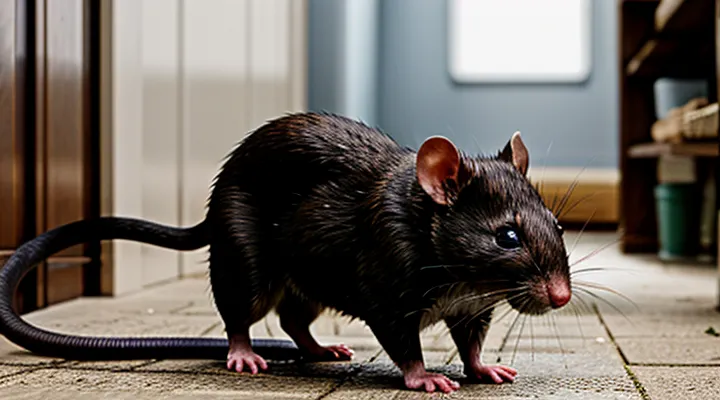
Understanding the Rat Problem
Identifying Rat Infestation Signs
Droppings and Urine Trails
Droppings and urine trails provide reliable evidence of active rat activity, allowing precise deployment of control measures. Fresh droppings appear as dark, cylindrical pellets 0.5‑1 cm long; older specimens darken and become brittle. Urine stains form glossy lines along walls, baseboards, and beneath appliances, often visible under ultraviolet light.
Identifying these signs guides placement of baits, traps, and toxicants, reducing waste and exposure. Targeted application limits non‑target risks and improves product efficiency.
- Locate droppings and urine paths in concealed areas such as crawl spaces, attics, and behind cabinets.
- Map the routes to determine high‑traffic zones and nesting sites.
- Position bait stations or snap traps a few inches from the edges of the trails, ensuring access without obstruction.
- Apply rodenticides on surfaces directly contacted by urine, following label instructions for dosage and safety.
Proper handling of droppings and urine requires protective gloves, mask, and disposable bags to prevent disease transmission. Clean contaminated surfaces with a disinfectant after removal of control devices. This systematic approach maximizes the effectiveness of rat elimination strategies while maintaining health and safety standards.
Gnaw Marks and Damage
Rats leave distinctive gnaw marks on wood, plastic, wiring, and insulation. The bite pattern shows shallow, crescent‑shaped incisions that widen with each chew, often exposing the interior of the material. Damage to electrical cords creates a fire hazard, while gnawed structural components compromise building integrity.
Identifying these signs guides the choice of control measures. When gnaw marks appear on:
- Electrical wiring – prioritize immediate isolation of power, then use snap‑traps or electronic bait stations that minimize fire risk.
- Structural timber – employ snap‑traps or multi‑catch cages placed near entry points to halt further weakening of the framework.
- Plastic containers or food packaging – deploy bait stations with anticoagulant or non‑anticoagulant rodenticides, ensuring the bait is inaccessible to non‑target species.
Assessing the extent of damage informs placement density. Heavy gnawing in a confined area warrants a higher concentration of traps, while isolated marks suggest targeted bait placement. Continuous monitoring of gnaw marks validates the effectiveness of the chosen method and indicates when additional interventions are required.
Unusual Sounds and Sightings
Unusual auditory cues and visual signs provide critical data for selecting effective rat eradication methods.
Rats emit high‑frequency squeaks, rapid footfalls on hard surfaces, and occasional gnawing noises that differ from ambient household sounds. Detecting these frequencies with a handheld detector confirms active presence and helps locate concealed nests, directing the placement of bait stations, traps, or rodenticide baits precisely where they will encounter the pests.
Visual indicators include sudden sightings of gray or black silhouettes moving along walls, unexpected droppings in hidden corners, and fresh gnaw marks on insulation or wiring. Night‑vision equipment or infrared cameras reveal nocturnal activity patterns, allowing operators to choose timed‑release devices or motion‑activated traps that synchronize with peak movement periods.
Key observations and corresponding control choices:
- Consistent high‑pitched squeaks – deploy ultrasonic emitters calibrated to the detected frequency range.
- Intermittent scurrying sounds on concrete – install snap traps or electronic traps near the identified pathways.
- Frequent night‑time sightings – apply bait stations with anticoagulant pellets positioned along the observed routes.
- Visible gnaw damage on structural components – prioritize rodenticide gel application in crevices to prevent further weakening.
By integrating these atypical sounds and sightings into a systematic assessment, pest professionals can target interventions with maximal impact, reduce unnecessary chemical use, and accelerate the resolution of infestations.
Assessing the Severity of Infestation
Small vs. Large Infestations
A small infestation typically involves a handful of rodents, isolated droppings, and occasional gnaw marks. A large infestation presents widespread evidence, multiple active nests, and continuous damage across a building.
For limited rodent activity, direct‑kill devices and low‑volume baiting are sufficient:
- Snap traps placed along walls, behind appliances, and near entry points.
- Glue boards positioned in concealed corners.
- Single‑use bait stations containing anticoagulant pellets, secured to prevent non‑target access.
- Electronic traps delivering a lethal shock, reusable after each catch.
When rodent numbers exceed a few individuals, a comprehensive approach becomes necessary:
- Deploy numerous bait stations throughout the affected area, ensuring coverage of all travel routes.
- Apply rodenticides in calibrated doses, adhering to label instructions and safety regulations.
- Conduct perimeter sealing to eliminate entry points, using steel wool, concrete, or metal flashing.
- Engage a licensed pest‑control professional for fumigation, dusting, or rodent‑proofing services.
- Implement an integrated pest‑management (IPM) plan: regular monitoring, sanitation improvements, and habitat modification.
Selection hinges on infestation size, property layout, and risk to occupants or pets. Small‑scale actions focus on immediate capture, while large‑scale measures combine chemical control, structural exclusion, and professional oversight to achieve lasting eradication.
Indoor vs. Outdoor Presence
Rats that inhabit interior spaces present different challenges than those that remain outdoors. Indoor infestations require products that pose minimal risk to humans, pets, and food supplies. Rodenticides formulated as low‑dose bait stations, sealed in tamper‑resistant containers, meet this need; they deliver anticoagulant or bromethalin agents directly to the target while preventing accidental exposure. Placement near walls, behind appliances, and within concealed passages maximizes contact with concealed activity. Because indoor environments lack natural predators, chemical controls often become the primary tool, supplemented by snap traps that offer immediate kill without residual toxin.
Outdoor rat populations encounter weather, vegetation, and non‑target wildlife. Solutions must resist moisture, UV degradation, and be unattractive to birds, squirrels, and domestic animals. Hardened bait stations constructed from UV‑stabilized plastic, equipped with lockable lids, deliver anticoagulant or zinc phosphide formulations while limiting access by non‑target species. Live‑capture cages, positioned along runways and near burrow entrances, provide humane removal and allow relocation when legal. In open areas, multiple‑kill snap traps and high‑capacity kill‑blocks, placed along fence lines and drainage ditches, reduce numbers quickly without chemical persistence.
Choosing between indoor and outdoor methods depends on three factors:
- Exposure risk to humans and pets
- Environmental durability of the control agent
- Presence of non‑target wildlife
When an infestation spans both zones, integrate indoor bait stations with outdoor, weather‑proof stations, and reinforce structural barriers such as door sweeps and foundation sealing. Regular monitoring of trap activity and bait consumption confirms effectiveness and guides adjustments before populations rebound.
Choosing Your Rat Control Strategy
Non-Lethal and Deterrent Methods
Habitat Modification and Sanitation
Effective rat control begins with altering the environment to deny shelter, food, and water. Removing structural defects such as gaps around pipes, vents, and doors eliminates entry points. Sealing cracks with steel wool, cement, or metal flashing creates a barrier that rodents cannot penetrate.
Sanitation reduces attractants that sustain populations. Implement these measures:
- Store grain, pet food, and waste in sealed containers made of metal or heavy‑wall plastic.
- Remove spilled food promptly and clean surfaces with detergent to eliminate residue.
- Dispose of garbage in tightly lidded bins; empty bins regularly to prevent buildup.
- Keep vegetation trimmed away from building foundations; prune tree limbs that touch roofs or walls.
- Repair leaky plumbing and eliminate standing water sources, including pet water dishes left unattended.
Consistent application of habitat modification and rigorous sanitation deprives rats of essential resources, thereby lowering infestation levels and enhancing the efficacy of any chemical or mechanical control methods employed subsequently.
Exclusion and Sealing Entry Points
Effective rat management begins with preventing access to structures. Identifying and sealing all potential entry points eliminates the need for chemical or lethal measures by removing the habitat that attracts rodents. Inspect walls, foundations, roofs, and utility penetrations for gaps larger than a quarter‑inch. Use durable materials such as steel wool, copper mesh, caulk, expanding foam, or concrete to close openings. Install door sweeps and weather‑stripping on exterior doors to block ingress. Repair damaged siding, brickwork, and roof tiles promptly, and ensure that vents are fitted with fine mesh screens. Maintain a clear perimeter by trimming vegetation, removing debris, and storing firewood away from building walls. Regularly audit the building envelope, especially after seasonal weather changes, to detect new cracks or wear. By systematically excluding rodents, the reliance on poisons, traps, or other lethal tools diminishes, leading to a safer, more sustainable control strategy.
Natural Repellents and Scents
Natural repellents rely on strong odors that rodents find unpleasant. These substances create an environment that discourages rats from entering or remaining in a space, reducing the need for lethal measures.
- Peppermint oil – apply a few drops to cotton balls, place them near entry points, and replace weekly.
- Clove oil – mix with water, spray in gaps and along walls.
- Citrus peels – distribute fresh rind in corners, refresh when the scent fades.
- Ammonia – soak rags, position in concealed areas, ensure ventilation to avoid human irritation.
- Vinegar – dilute with water, spray along baseboards and around trash containers.
- Cat urine – use commercially prepared scent or fresh litter from a cat, position where rats travel.
Application methods include soaked cotton balls, spray bottles, and soaked rags. Place items in locations rats frequent: behind appliances, under sinks, and near burrow entrances. Reapply every few days, as volatile compounds dissipate quickly.
Effectiveness declines in high‑traffic areas, extreme temperature fluctuations, or when rats become habituated. Combining natural repellents with rigorous sanitation—sealing food sources, eliminating clutter, and repairing structural gaps—enhances overall control. Continuous monitoring and timely replacement of scent sources maintain deterrent pressure and limit rat activity.
Lethal Rat Control Options
Baits and Rodenticides
Baits and rodenticides constitute the primary chemical approach for eliminating rat infestations. They deliver toxic agents directly to the target, ensuring rapid mortality while minimizing exposure to non‑target species when applied correctly.
Common formulations include:
- Anticoagulant blocks (warfarin, bromadiolone, difenacoum) that disrupt blood clotting, causing death within 3–7 days.
- Acute toxins (zinc phosphide, strychnine) that act within hours, suitable for severe infestations where immediate results are required.
- Cholecalciferol pellets that interfere with calcium metabolism, offering a slower but effective action with low secondary poisoning risk.
- Bromethalin granules that impair neuronal function, providing a non‑anticoagulant alternative.
Effective deployment demands placement of bait stations in concealed, rodent‑active zones such as wall voids, attic corners, and along established runways. Stations should be tamper‑resistant, labeled with hazard warnings, and inspected regularly for consumption and spoilage.
Safety considerations include:
- Restricting access for children, pets, and wildlife by using locked stations.
- Following label‑specified dosage limits to avoid resistance development.
- Recording bait locations and dates of application for regulatory compliance and future monitoring.
Integrated use of bait stations with sanitation, exclusion of entry points, and habitat modification enhances overall success, reducing the likelihood of reinfestation.
Types of Rodenticides
Rodenticides represent the primary chemical option for eliminating rat infestations. They are classified by active ingredient and mode of action, allowing targeted selection based on infestation severity, environment, and regulatory constraints.
- First‑generation anticoagulants (warfarin, chlorophacinone, diphacinone): interfere with vitamin K recycling, causing fatal internal bleeding after multiple feedings. Suitable for low‑density populations; resistance may develop with prolonged use.
- Second‑generation anticoagulants (brodifacoum, difethialone, bromadiolone): highly potent, effective after a single ingestion. Designed for resistant populations but require strict handling due to prolonged toxicity.
- Bromethalin: disrupts mitochondrial function, leading to cerebral edema and death after one dose. Effective against anticoagulant‑resistant rats; limited by toxicity to non‑target wildlife.
- Cholecalciferol (vitamin D₃): induces hypercalcemia, causing organ failure after a single consumption. Low secondary poisoning risk, but dosage precision is critical.
- Zinc phosphide: releases phosphine gas in the stomach, producing rapid lethal effects. Primarily used in outdoor settings; hazardous to humans and pets if mishandled.
Selection must consider bait placement, target accessibility, and local regulations governing hazardous substances. Anticoagulant products often require registration and may be restricted in residential areas, whereas non‑anticoagulant agents provide alternatives where resistance or non‑target exposure is a concern. Proper storage, labeling, and disposal mitigate accidental poisoning and environmental impact.
Effective rat control integrates rodenticide choice with sanitation, exclusion tactics, and monitoring to ensure rapid population decline while minimizing risks to humans, domestic animals, and wildlife.
Anticoagulants
Anticoagulant rodenticides act by disrupting the blood‑clotting process of rats, leading to internal hemorrhage and death after several days of ingestion. The delayed effect reduces the likelihood of bait aversion, allowing multiple feedings that increase the lethal dose.
Common anticoagulant products include:
- Warfarin (first‑generation, requires several feedings)
- Bromadiolone (second‑generation, effective after a single dose)
- Difenacoum (second‑generation, high potency)
- Brodifacoum (second‑generation, long‑acting)
Effective use requires placement of bait in tamper‑resistant stations, regular monitoring of consumption, and replacement of depleted units. Dosage recommendations follow the label, typically expressed in milligrams of active ingredient per kilogram of body weight; exceeding label rates offers no additional benefit and increases environmental risk.
Resistance management involves rotating active ingredients or integrating non‑chemical controls such as trapping and habitat modification. Monitoring for signs of anticoagulant resistance, such as reduced mortality after repeated exposure, should prompt a change in product or strategy.
Non‑target safety considerations mandate exclusion of children, pets, and wildlife from bait stations, and adherence to local regulations governing the sale and application of anticoagulant rodenticides. Proper disposal of unused bait and contaminated materials prevents accidental poisoning and environmental contamination.
Non-Anticoagulants
Non‑anticoagulant rodenticides offer alternatives to blood‑clotting agents for eliminating rats. These compounds act by disrupting metabolic pathways, damaging the nervous system, or causing acute toxicity, eliminating the need for prolonged bleeding periods associated with anticoagulants.
Common categories include:
- Bromethalin – a neurotoxin that interferes with mitochondrial function, leading to rapid paralysis and death.
- Cholecalciferol (Vitamin D₃) – induces lethal hypercalcemia, causing organ failure within 48 hours.
- Zinc phosphide – releases phosphine gas in the stomach, producing immediate respiratory failure.
- Strychnine – blocks inhibitory neurotransmission, producing swift convulsions and death.
- Metal phosphides (e.g., aluminum phosphide) – generate toxic phosphine gas upon ingestion, effective in sealed bait stations.
Key considerations for deployment:
- Target specificity – select formulations with bait matrices unattractive to non‑target species.
- Exposure time – many non‑anticoagulants act within hours, reducing the window for secondary poisoning.
- Regulatory compliance – verify local restrictions; some compounds require licensed applicators.
- Environmental impact – avoid placement near water sources; phosphine and zinc phosphide can contaminate soil if misused.
- Resistance management – rotate active ingredients to prevent behavioral or physiological adaptation in rat populations.
Proper bait placement, regular monitoring, and integration with sanitation measures maximize efficacy while minimizing unintended harm.
Safe Bait Placement and Disposal
Place rodent bait in locations inaccessible to children, pets, and non‑target wildlife. Use tamper‑resistant stations that lock securely, leaving only a small entry slot sized for rats. Position stations along walls, behind appliances, or in crawl spaces where rodent activity is confirmed. Avoid areas with high foot traffic or food preparation surfaces.
When installing bait, wear disposable gloves and a mask. Handle each bait unit with clean hands; do not touch the poison directly. Seal the bait container after placement, and record the exact site for future inspection. Replace stations only after confirming the previous unit is empty or the bait has been consumed.
After a bait station is emptied or the control operation ends, follow these disposal steps:
- Remove the station while still wearing gloves and a mask.
- Place all remaining bait and any dead rodents into a heavy‑duty, sealable plastic bag.
- Double‑seal the bag, then place it inside a second bag for added containment.
- Label the outer bag with “Poison – Hazardous Material” and the date of disposal.
- Dispose of the sealed bags according to local hazardous‑waste regulations, typically at a licensed collection point or through a professional pest‑control service.
- Clean the station with a detergent solution, rinse, and allow it to dry before storing or discarding.
Maintain a log that includes station locations, bait type, placement dates, and disposal dates. Review the log regularly to identify patterns of rodent activity and to ensure compliance with safety regulations. Regular inspection and prompt removal of used bait prevent accidental exposure and reduce environmental risk.
Traps
Traps provide immediate, measurable results when dealing with rat infestations. Selection depends on the environment, target species, and legal restrictions.
-
Snap traps: metal jaws deliver a quick, lethal blow. Ideal for indoor use where space is limited. Bait with high‑protein foods such as peanut butter or dried meat. Place perpendicular to walls, with the trigger end facing the expected travel path.
-
Electric traps: battery‑powered plates electrocute rodents on contact. Suitable for kitchens, basements, and commercial settings. Require regular cleaning to maintain conductivity. Use attractant pads supplied by the manufacturer.
-
Glue boards: adhesive surfaces capture rats alive. Best for monitoring or short‑term containment in crawl spaces. Position on flat surfaces away from non‑target animals. Dispose of captured rodents according to local health regulations.
-
Live‑catch cages: spring‑loaded doors close after entry, allowing relocation. Appropriate for humane‑oriented programs or areas with protected wildlife. Check traps frequently to prevent suffering.
Placement guidelines:
- Identify runways along walls, behind appliances, and near food sources.
- Set traps perpendicular to the wall, with the trigger end toward the wall.
- Use multiple traps spaced 1–2 feet apart to increase capture probability.
- Replace bait and reset traps daily until activity ceases.
Safety considerations:
- Wear gloves when handling traps to avoid scent transfer.
- Keep traps out of reach of children and pets; use tamper‑resistant models when necessary.
- Follow manufacturer instructions for disposal of dead rodents to minimize disease risk.
Proper maintenance, strategic positioning, and consistent monitoring ensure traps remain an effective component of rat eradication efforts.
Snap Traps
Snap traps provide rapid, mechanical termination of rats without chemical exposure. The mechanism consists of a spring‑loaded bar that releases instantaneously when the trigger is activated, delivering a lethal blow to the animal’s neck or spine. This method eliminates the risk of poison residues in food stores, water sources, or pet habitats.
Key advantages include:
- Immediate result; the rat is killed on contact, allowing quick verification of trap success.
- Reusability; the device can be reset after each catch, reducing long‑term costs.
- Low environmental impact; no toxins enter the ecosystem.
- Simplicity; no specialized training is required for placement and operation.
Potential drawbacks:
- Requires precise bait placement to ensure activation.
- May cause injury to non‑target species if not positioned carefully.
- Limited capacity; each unit captures only one rat before resetting.
Effective deployment follows a systematic approach:
- Identify high‑traffic pathways such as walls, baseboards, and near food sources.
- Position the trap with the trigger facing the expected direction of rodent movement.
- Use attractive bait—peanut butter, dried fruit, or small meat pieces—applied to the trigger platform.
- Secure the trap to prevent displacement by other animals or household activity.
- Inspect traps daily; remove dead rodents promptly to prevent disease spread and reset the device.
Selection criteria focus on spring strength, trigger sensitivity, and construction material. Heavy‑duty steel mechanisms handle larger Norway rats, while lighter models suit smaller roof rats. Models with enclosed trigger plates reduce accidental activation by pets or children.
Maintenance involves cleaning the spring and trigger area with mild detergent after each use, lubricating moving parts sparingly, and checking for rust or wear. Replace any damaged components to preserve kinetic force and ensure consistent performance.
In summary, snap traps constitute a direct, chemical‑free solution for rat eradication, offering swift results, cost efficiency, and minimal ecological disruption when applied with proper placement and regular upkeep.
Live Traps (for catch and release, if applicable)
Live traps provide a humane alternative for rat management when removal rather than extermination is desired. These devices consist of a cage or box that closes automatically once a rodent enters, allowing capture without injury.
Effective use depends on proper selection, placement, and baiting. Choose traps made of sturdy metal or heavy‑duty plastic with a secure latch; models range from single‑catch units to multi‑catch designs that hold several rats before emptying. Position traps along established runways, near walls, or close to food sources, aligning the entrance with the direction of travel. Preferred baits include peanut butter, dried fruit, or small pieces of meat; apply a modest amount to a trigger plate to encourage entry without excessive scent that may deter other rodents.
When a rat is captured, handle the trap with gloves to prevent disease transmission. Release the animal at least one mile from the original site, preferably in a wooded or agricultural area where it can find shelter and food. Follow local wildlife regulations, as some jurisdictions restrict the release of captured rodents.
Maintenance tasks include checking traps daily, cleaning and disinfecting cages after each capture, and inspecting the latch mechanism for wear. Regular monitoring ensures high capture rates and prevents stress or mortality inside the device.
Key considerations for live‑trap deployment:
- Durable construction and reliable latch
- Strategic placement along rodent pathways
- Effective, non‑messy bait
- Safe handling and compliant release practices
- Routine cleaning and inspection
By adhering to these guidelines, live traps become a reliable component of an overall rat‑control strategy that prioritizes humane treatment while reducing population levels.
Electronic Traps
Electronic traps provide a rapid, humane solution for rodent control. The devices deliver a high‑voltage shock that instantly incapacitates a rat, preventing suffering and eliminating the need for poison. Power sources include rechargeable batteries or mains electricity, allowing placement in locations without direct wiring.
Key characteristics of effective electronic traps:
- Voltage output of at least 3,000 V ensures immediate incapacitation.
- Interior sensor detects weight or movement, activating the circuit only when a target is present.
- Transparent or mesh enclosure permits visual verification of captures.
- Safety lockout prevents accidental discharge during handling.
- Low‑maintenance design requires periodic cleaning of the interior and battery replacement.
When selecting a model, prioritize the following criteria:
- Capacity – larger chambers accommodate multiple captures, reducing the frequency of checks.
- Durability – corrosion‑resistant housing extends service life in damp basements or kitchens.
- Noise level – silent operation avoids disturbance in residential or commercial settings.
- Compliance – certification by relevant pest‑control authorities guarantees adherence to safety standards.
Correct placement maximizes effectiveness. Position traps along established runways, near wall edges, and close to food sources. Ensure the device rests on a stable surface and is out of reach of children and pets; many models feature a child‑proof latch for this purpose.
Maintenance involves emptying captured rodents, cleaning the interior with a mild disinfectant, and inspecting the battery or power connection. Regular servicing preserves shock potency and prevents malfunction.
Cost considerations balance upfront price against long‑term savings. While electronic traps may exceed the expense of traditional snap traps, their reusability eliminates recurring purchase of disposable devices and reduces the risk of secondary poisoning associated with rodenticides.
Glue Traps (consider ethical implications)
Glue traps consist of a sticky surface coated with a synthetic adhesive that immobilizes rodents on contact. The adhesive remains effective for weeks, allowing a single trap to capture multiple individuals without additional bait.
Effectiveness:
- High capture rate for active, exploratory rats.
- No need for poison handling or disposal of dead animals.
Drawbacks:
- Captured rats suffer prolonged distress before death.
- Traps may also ensnare non‑target species such as birds or small mammals.
- Disposal requires careful containment to prevent accidental contact with humans or pets.
Ethical considerations focus on the suffering inflicted by prolonged immobilization. Many animal‑welfare guidelines classify glue traps as inhumane because death may result from dehydration, exhaustion, or self‑injury. Regulatory bodies in several jurisdictions have restricted or banned their use, citing cruelty concerns.
When evaluating control methods, weigh the immediate efficacy of glue traps against potential legal restrictions and moral objections. Alternatives that provide rapid, humane mortality—such as snap traps or professional extermination with quick‑acting rodenticides—reduce animal suffering while maintaining pest management objectives.
Professional Pest Control Services
Professional pest‑control companies provide the most reliable solution for eliminating rats. They employ licensed technicians who follow regulatory standards, ensuring safety for occupants and compliance with environmental laws.
Typical components of a professional rat‑removal program include:
- Inspection and identification – thorough assessment of infestation level, entry points, and harborages.
- Integrated baiting – use of EPA‑approved anticoagulant or non‑anticoagulant rodenticides, placed in tamper‑resistant stations to prevent accidental exposure.
- Mechanical traps – snap or electronic devices positioned strategically to capture active rodents.
- Exclusion measures – sealing gaps, repairing vents, and installing mesh screens to block future ingress.
- Sanitation advice – recommendations for waste management, food storage, and clutter reduction to remove attractants.
Technicians document findings, apply treatments, and schedule follow‑up visits to verify eradication. Detailed reports include evidence of rodent activity, chemicals used, and recommendations for long‑term prevention. By combining chemical, mechanical, and structural interventions, professional services deliver a comprehensive approach that exceeds the effectiveness of DIY methods.
When to Call a Professional
Rats that persist despite DIY traps, poison, or exclusion measures indicate the need for professional intervention. When infestations exceed a few individuals, the risk of disease transmission, structural damage, and rapid population growth rises sharply. Homeowners should contact a licensed pest‑control service if any of the following conditions appear:
- Traps and baits fail to reduce activity after several weeks.
- Evidence of gnaw marks on wiring, insulation, or structural beams.
- Presence of droppings, urine stains, or gnaw‑scent in multiple rooms.
- Signs of nesting material in concealed spaces such as attics, crawl spaces, or wall cavities.
- Children, pets, or immunocompromised residents are exposed to rodent hazards.
Professional exterminators bring certified rodenticides, advanced trapping equipment, and expertise in sealing entry points. They conduct thorough inspections, identify concealed colonies, and implement integrated pest‑management plans that comply with local regulations. Engaging experts also transfers liability for pesticide application and ensures proper disposal of dead rodents, reducing health and safety risks for occupants.
What to Expect from a Service
Professional rat‑control providers deliver a defined sequence of actions that translate into measurable results. The first step is a thorough site inspection that identifies entry points, population density and contributing factors such as food sources or structural gaps. Inspectors record findings in a written report, establishing a baseline for treatment.
Expect the service to present a customized intervention plan. The plan specifies the chosen eradication methods—chemical baits, traps, exclusion techniques or integrated pest‑management strategies—selected for efficacy against the identified infestation level. Each method is applied according to safety standards that protect occupants, pets and the environment.
A reliable provider includes the following deliverables:
- Detailed inspection report with photographic evidence.
- Treatment schedule outlining dates, times and responsible personnel.
- Clear instructions for client preparation and post‑treatment safety.
- Follow‑up visits to verify reduction of rodent activity and to adjust measures if necessary.
- Documentation of product usage, dosage and disposal in compliance with local regulations.
- Written warranty or guarantee covering re‑infestation within a specified period.
Communication remains consistent throughout the engagement. Clients receive regular updates on progress, any observed complications and recommended preventive actions. Billing is transparent, with itemized charges for inspection, materials, labor and any optional services such as sealing of entry points.
Finally, reputable firms maintain an emergency response capability. When urgent rodent activity threatens health or property, the service can mobilize within hours, delivering rapid intervention and immediate risk mitigation.
Safety and Best Practices
Protecting Children and Pets
Secure Placement of Baits and Traps
Effective rat control depends on precise positioning of baits and traps. Place devices where rodent activity is evident: along walls, behind appliances, within concealed pathways, and near food sources. Ensure each location is out of reach for children and non‑target animals by using tamper‑resistant stations or sealed containers.
Key considerations for secure placement:
- Install bait stations at least 12 inches above ground level on a wall or shelf to prevent accidental contact.
- Position snap traps or electronic devices on the same wall line as rodent runways, with the trigger side facing the expected direction of travel.
- Use weather‑proof housings for outdoor setups, securing them to sturdy structures to resist wind and rain.
- Mark each station with a discreet label indicating the type of control agent and the date of deployment for record‑keeping.
Maintain a clear perimeter around each device. Remove clutter, seal cracks, and block alternative routes to force rodents toward the baited area. Regularly inspect stations for depletion, damage, or interference, and replace or reposition as needed to sustain effectiveness.
Document placement coordinates, bait type, and trap model in a log. This practice enables systematic evaluation of control measures and supports compliance with safety regulations.
Understanding Antidotes and Emergency Procedures
Effective rodent control relies on knowledge of toxic agents and the means to mitigate accidental exposure. Anticoagulant rodenticides, bromethalin, and cholecalciferol represent the most commonly deployed substances. Anticoagulants inhibit vitamin K recycling, causing internal bleeding; bromethalin disrupts cellular energy production, leading to neurological failure; cholecalciferol induces hypercalcemia, damaging heart and kidneys.
Antidotal therapy varies with the toxic class:
- Vitamin K1 (phytonadione) restores clotting factor function in anticoagulant poisoning.
- Intravenous lipid emulsion sequesters lipophilic toxins such as bromethalin, reducing tissue distribution.
- Calcium‑binding agents (e.g., bisphosphonates) lower serum calcium levels during cholecalciferol intoxication.
- Activated charcoal administered within one hour limits gastrointestinal absorption of many rodenticides.
Emergency response follows a defined sequence:
- Remove the victim from the contaminated environment and ensure personal safety.
- Assess airway, breathing, and circulation; initiate resuscitation if required.
- Decontaminate skin and clothing with soap and water; avoid rinsing eyes with irritants.
- Collect information on the specific rodenticide, dose, and time of exposure.
- Contact local poison‑control center or emergency medical services promptly.
- Provide recommended antidotes according to professional guidance; document all interventions.
Adherence to these protocols minimizes health risks for individuals handling rodent control agents and ensures rapid, appropriate treatment when exposure occurs.
Preventing Secondary Poisoning
Proper Carcass Disposal
Proper carcass disposal is a critical component of any rodent control program. Mishandling dead rats can spread disease, attract scavengers, and create legal liabilities. Follow established procedures to protect health and comply with regulations.
First, secure the carcass. Place the dead animal in a sealed, puncture‑resistant bag or container. Double‑bagging reduces the risk of leakage and contamination. Label the package with “dead rodent” to alert handlers.
Second, choose an appropriate disposal method. Options include:
- Municipal waste collection – many jurisdictions permit disposal of sealed carcasses in regular trash; verify local guidelines beforehand.
- Professional pest‑control service – licensed providers often include carcass removal in their contracts, ensuring compliance with hazardous‑waste rules.
- Incineration – authorized incinerators destroy biological material completely; obtain a receipt for record‑keeping.
- Burial – allowed only in areas where burial depth exceeds 12 inches, away from water sources, and where local codes permit.
Third, clean the area where the rat died. Disinfect surfaces with a solution containing at least 1 % bleach or an EPA‑approved disinfectant. Wear gloves and a mask to avoid direct contact with fluids. After cleaning, wash hands thoroughly with soap and water.
Finally, document the disposal process. Record the date, method, and responsible party. Maintaining accurate logs supports regulatory compliance and facilitates future pest‑management audits.
Integrated Pest Management (IPM) Principles
Combining Methods for Effectiveness
Effective rat control relies on integrating multiple tactics rather than depending on a single solution. Combining physical, chemical, and environmental measures increases success rates and reduces the likelihood of resistance.
Physical devices such as snap traps, electronic traps, and live‑capture cages provide immediate removal of individual rodents. Placement near established runways, near food sources, and along walls maximizes capture probability. Regular inspection and prompt disposal of captured rats prevent secondary infestations.
Chemical options include anticoagulant baits and acute toxicants. Anticoagulants act over several days, allowing secondary poisoning of hidden individuals, while acute agents produce rapid mortality. Proper bait station design—sealed containers with tamper‑resistant features—minimizes exposure to non‑target species and enhances safety.
Environmental management eliminates attractants and access points. Key actions are:
- Sealing gaps larger than ¼ inch in foundation walls, pipes, and utility openings.
- Removing food residues, storing waste in sealed containers, and maintaining clean surfaces.
- Reducing clutter, trimming vegetation, and clearing debris that provide shelter.
Coordinating these elements creates a feedback loop: physical removal lowers population density, chemical baits target survivors, and habitat modification prevents reinfestation. Monitoring through regular inspections and trap counts informs adjustments, ensuring sustained effectiveness.
Monitoring and Follow-Up Actions
Effective rodent control requires systematic observation after the initial treatment. Immediate verification confirms whether the selected agents have reached the target and whether any non‑target species are affected. Inspect bait stations, traps, and kill zones within 24–48 hours to assess consumption, placement integrity, and signs of activity.
Continual surveillance maintains control momentum. Schedule inspections at regular intervals—daily for the first week, then every three to five days for the subsequent month. During each visit record:
- Number of dead rodents or discarded carcasses
- Remaining bait quantity and freshness
- Evidence of new droppings, gnaw marks, or nesting material
- Condition of traps or devices (damage, blockage, tampering)
Data collection enables trend analysis. Compare counts across visits to identify decreasing, stable, or rising populations. If activity persists, adjust dosage, reposition bait, or introduce supplementary methods such as mechanical traps or exclusion techniques.
Follow‑up actions must address identified gaps. Replace depleted bait, repair compromised stations, and reinforce entry points with sealants or wire mesh. Document every modification to create an audit trail that supports regulatory compliance and informs future eradication campaigns. Consistent monitoring paired with decisive corrective steps ensures lasting suppression of the rodent problem.