
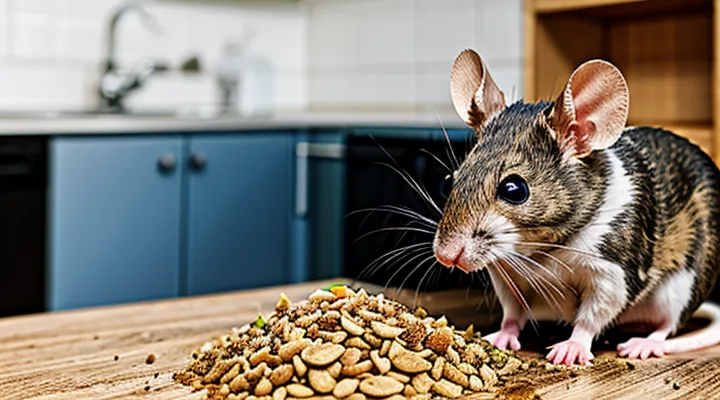
The Basics of Mouse Nutrition
Essential Dietary Components
Proteins
Proteins provide the building blocks for tissue growth, repair, and enzyme function in pet mice. Adult mice require approximately 15‑20 % of their caloric intake as protein, while growing juveniles benefit from 20‑25 % to support rapid development. Excess protein can strain renal function and lead to obesity; therefore, balance with appropriate energy sources is essential.
Common protein sources suitable for laboratory‑grade or pet mouse diets include:
- Whole‑grain mouse pellets formulated with soy, casein, or fish meal; these products deliver a consistent amino‑acid profile.
- Cooked lean meats such as chicken breast or turkey, offered in small, bite‑size portions no larger than 0.5 g per feeding.
- Hard‑boiled eggs, finely chopped, providing high‑quality animal protein and essential vitamins.
- Low‑fat cottage cheese, crumbled, supplying casein and calcium in controlled amounts.
- Insect larvae (e.g., mealworms), dehydrated or lightly roasted, delivering chitin‑bound protein and healthy fats.
When incorporating supplemental protein, monitor the mouse’s body condition and adjust portion sizes to maintain a lean, active physique. Fresh water must be available at all times to aid digestion and renal clearance of nitrogenous waste. Regular health checks, including weight measurement and coat assessment, help verify that protein intake meets physiological needs without causing excess.
Carbohydrates
Carbohydrates supply the primary energy needed for the rapid metabolism of pet mice. A balanced diet typically allocates 45–55 % of total caloric intake to carbohydrate sources, ensuring sustained activity and thermoregulation.
Preferred carbohydrate choices include:
- Whole grain cereals (e.g., rolled oats, barley, wheat bran) – provide complex starches and dietary fiber.
- Legume flours (e.g., lentil, chickpea) – contribute protein‑rich carbohydrates.
- Fresh vegetables (e.g., carrots, sweet potatoes, peas) – deliver soluble sugars and micronutrients.
- Small quantities of fruits (e.g., apple slices, berries) – offer natural fructose without excess.
Avoid processed sugars, honey, and candy, which can cause rapid blood‑glucose spikes and gastrointestinal distress. Limit high‑glycemic items such as corn syrup or sugary cereals to occasional treats.
In practice, mix dry carbohydrate components with a protein‑rich base (seed or pellet mix) at the recommended ratio, then supplement with fresh produce daily. Store dry ingredients in airtight containers to prevent mold growth; keep fresh foods refrigerated and remove uneaten portions within 24 hours to maintain hygiene. Monitor body condition regularly and adjust carbohydrate levels if weight gain or loss occurs.
Fats
Fats supply concentrated energy and deliver essential fatty acids that support cell membranes, hormone production, and a glossy coat in pet mice. A balanced mouse diet typically contains 4–6 % fat by weight; this range meets metabolic needs without encouraging obesity.
Recommended fat sources include:
- Sunflower or safflower seed oil (high in linoleic acid) – add ½ tsp per 100 g of dry feed.
- Flaxseed oil (rich in alpha‑linolenic acid) – limit to ¼ tsp per 100 g of dry feed.
- Small amounts of unsalted, roasted peanuts or almond slivers – 1–2 % of total diet weight.
- Commercial mouse pellets formulated with added vegetable oil – follow manufacturer’s fat content specifications.
Excess fat leads to rapid weight gain, hepatic lipidosis, and reduced fertility. Deficiency manifests as dry skin, dull fur, and impaired growth. Monitor body condition weekly and adjust fat inclusion accordingly. Use a kitchen scale for precise measurement; avoid adding butter, bacon fat, or any animal‑derived fats, as they contain saturated fatty acids unsuitable for rodents.
Vitamins and Minerals
Vitamins and minerals are indispensable for the physiological functions of pet mice, influencing growth, immune competence, and reproductive performance. Deficiencies manifest quickly due to the animal’s high metabolic rate, making balanced micronutrient intake a priority.
-
Vitamin A – supports vision and epithelial integrity; abundant in carrots, sweet potatoes, and fortified commercial mixes.
-
Vitamin D3 – regulates calcium absorption; supplied by exposure to natural sunlight or fortified rodent pellets; supplementation may be required for indoor‑only specimens.
-
Vitamin E – acts as an antioxidant; found in seeds, nuts, and wheat germ.
-
B‑complex vitamins (B1, B2, B6, B12, niacin, folic acid) – facilitate energy metabolism and nervous system health; present in whole‑grain cereals, brewer’s yeast, and fortified diets.
-
Vitamin C – not essential for rodents but beneficial under stress; can be offered through fresh fruits such as orange slices or formulated supplements.
-
Calcium – critical for bone development and neuromuscular function; sources include plain yogurt, calcium‑fortified pellets, and finely ground limestone.
-
Phosphorus – works with calcium to maintain skeletal health; available in whole grains, legumes, and meat‑based treats.
-
Magnesium – involved in enzymatic reactions and nerve transmission; supplied by pumpkin seeds, leafy greens, and mineral blocks.
-
Potassium – essential for fluid balance and cardiac activity; found in bananas, apricots, and certain vegetables.
-
Iron – required for hemoglobin synthesis; delivered through dried insects, liver, and iron‑fortified feeds.
-
Zinc – supports immune response and skin integrity; present in nuts, whole‑grain cereals, and zinc‑enriched pellets.
When selecting a commercial mouse diet, verify that the label lists the above micronutrients at levels appropriate for adult or breeding mice. If the diet lacks specific vitamins or minerals, introduce targeted supplements in measured doses; excessive supplementation can cause toxicity, particularly with iron, calcium, and fat‑soluble vitamins. Regularly assess body condition, coat quality, and dental health to detect early signs of imbalance, and adjust the feed regimen accordingly.
Commercial Mouse Food
Pellets vs. Seed Mixes
A balanced diet is essential for the health and longevity of pet mice. Two common options are commercially formulated pellets and mixed seed blends, each with distinct nutritional profiles and practical considerations.
Pellets are produced to deliver a precise ratio of protein, fat, fiber, vitamins, and minerals in every bite. The formulation is based on laboratory analysis, ensuring that essential nutrients meet the requirements of adult mice. Because the composition is uniform, pellets reduce the risk of deficiencies and excesses that can arise from variable seed quality. Their compact shape minimizes spillage, lowers waste, and simplifies cleaning. The main limitation is higher cost compared to bulk seeds, and the lack of texture variety may reduce environmental enrichment.
Seed mixes consist of a variety of grains, legumes, and occasional nuts or dried fruits. They provide natural foraging behavior and a range of flavors that can stimulate activity. However, seed composition is inherently uneven; protein and fat levels fluctuate between batches, and some seeds contain antinutrients that interfere with mineral absorption. Overreliance on seeds can lead to obesity, dental wear, or calcium‑phosphorus imbalance. Proper storage is critical to prevent mold and insect infestation.
Guidelines for choosing between the two options:
- Use pellets as the primary staple for adult mice to guarantee consistent nutrient intake.
- Offer a limited portion of seed mix (no more than 10 % of daily calories) as enrichment, especially for young or highly active individuals.
- Monitor body condition weekly; adjust seed quantity if weight gain exceeds 2 % per month.
- Select seed blends that list specific grain percentages and avoid those with added sugars or high‑fat nuts.
- For breeding colonies or juveniles, supplement pellets with calcium‑rich foods (e.g., cuttlebone) to support skeletal development.
Combining a nutritionally complete pellet base with a controlled amount of seed mix provides both dietary adequacy and behavioral enrichment, supporting optimal growth, reproduction, and overall vitality in pet mice.
Choosing a Quality Brand
Selecting a reliable commercial mouse food brand directly influences health outcomes. Evaluate each product with objective criteria rather than brand reputation alone.
- Ingredient transparency – Full list displayed, no vague terms such as “flavorings” or “by‑products.”
- Protein source – Animal‑derived protein (e.g., dried insect, fish, or soy) comprising 14–20 % of the formula; plant‑only proteins are acceptable if clearly identified.
- Fiber content – 5–7 % crude fiber supports digestive motility; excessive fiber (>10 %) can reduce nutrient absorption.
- Fat level – 3–5 % crude fat prevents obesity while providing essential fatty acids.
- Additive profile – Absence of added sugars, artificial colors, and preservatives; vitamins and minerals listed with specific amounts.
- Manufacturing standards – Certification by recognized bodies (e.g., AAFCO, ISO 22000) indicates compliance with safety protocols.
- Batch consistency – Lot numbers and expiration dates printed; consistent nutritional analysis across batches confirmed by third‑party testing.
- Cost‑effectiveness – Price per kilogram compared with nutrient density; cheaper options that meet all criteria are preferable to premium products with redundant additives.
- Consumer feedback – Aggregated reviews from reputable pet‑care forums highlight palatability and health observations.
When comparing brands, place the ingredient list and guaranteed analysis at the forefront of decision‑making. Verify that the product meets the specified protein, fiber, and fat ranges, and confirm that the manufacturer provides documentation of quality control. Prioritize foods that combine clear labeling, verified nutrient content, and compliance with established safety standards. This systematic approach ensures that the chosen brand delivers balanced nutrition without unnecessary risks.
Storage of Commercial Food
Commercial mouse diets are formulated for long‑term stability, yet proper storage is critical to preserve nutrient integrity and prevent spoilage. Store the product in its original airtight packaging until the container is opened. Once opened, transfer the food to a sealed, food‑grade container made of plastic or glass; avoid containers that allow light penetration or have porous lids.
Maintain a cool, dry environment. Ideal temperature ranges from 10 °C to 22 °C (50 °F–72 °F); temperatures above 25 °C accelerate oxidation of fats and vitamins. Relative humidity should stay below 60 % to inhibit mold growth. Do not place the container near heating vents, direct sunlight, or damp areas such as basements.
Implement a first‑in‑first‑out system. Label each container with the purchase date and use the oldest stock before newer shipments. Typical shelf life after opening is 6–12 months, depending on the brand’s specifications; verify the manufacturer’s expiration date and discard any food that shows discoloration, clumping, or off‑odors.
Key storage practices:
- Keep containers sealed after each use.
- Store in a dedicated pantry or cabinet separate from other pet foods to avoid cross‑contamination.
- Use a small desiccant packet inside the container only if the manufacturer approves; otherwise, moisture‑absorbing materials can introduce contaminants.
- Inspect the food weekly for signs of pests, mold, or spoilage.
Regularly cleaning the storage container with warm, mild soap and rinsing thoroughly before refilling eliminates residual oils that could degrade new batches. By adhering to these protocols, the nutritional value of commercial mouse feed remains consistent, supporting optimal health for pet rodents.
Safe and Unsafe Foods for Pet Mice
Acceptable Human Foods
Vegetables
Vegetables supply mice with vitamins, minerals, and dietary fiber that support growth, dental health, and digestive function.
- Dark leafy greens (e.g., kale, romaine lettuce, spinach) – rich in vitamin K, A, and calcium.
- Cruciferous vegetables (e.g., broccoli florets, cauliflower) – provide vitamin C and glucosinolates.
- Root vegetables (e.g., carrot slices, sweet‑potato cubes) – source of beta‑carotene and potassium.
- Squash varieties (e.g., zucchini, butternut) – low‑calorie source of folate and magnesium.
Preparation: rinse thoroughly under running water, trim woody stems, and cut into bite‑size pieces. Offer raw or briefly steamed (no more than 2 minutes) to retain nutrients while softening texture.
Portion guidance: limit vegetable servings to 10–15 % of the daily diet, roughly one tablespoon per mouse, divided into two feedings. Adjust quantity based on body condition and activity level; excess may cause soft stools or weight gain.
Precautions: avoid nightshade family members (tomatoes, peppers), high‑oxalate greens (large amounts of raw spinach), and sugary fruits. Ensure all produce is pesticide‑free; discard wilted or moldy pieces immediately. Regularly monitor intake and health indicators to maintain optimal nutrition.
Fruits
Pet mice can enjoy fruit as a supplemental treat, provided the selection, portion size, and frequency are carefully managed. Fruit supplies simple sugars, vitamins, and water but contributes little protein or fiber, which are essential for a balanced rodent diet.
- Safe options: apple (seedless, skin removed), banana (small slice), blueberries, strawberries, raspberries, melon (cantaloupe, honeydew), peach (pit removed), pear (seedless).
- Moderation: Offer no more than 5–10 % of the total daily intake; a single small bite per mouse satisfies the sweet craving without displacing staple foods.
- Preparation: Wash thoroughly, remove pits, cores, and skins that may contain pesticides or tough fibers; cut into bite‑size pieces to prevent choking.
Nutritional considerations
- Simple carbohydrates in fruit raise blood glucose quickly; excessive consumption can lead to obesity or dental decay.
- Vitamin C content in berries and citrus supports immune function, yet mice synthesize this vitamin endogenously, making supplementation unnecessary.
- High‑acid fruits (orange, kiwi) may irritate the gastrointestinal tract and should be limited to occasional, very small portions.
Risks and contraindications
- Grapes, raisins, and currants are toxic to many small mammals and must be excluded.
- Fruit with high sugar concentration, such as dried fruit or fruit juices, should be avoided because they lack fiber and can cause diarrhea.
- Overfeeding fruit can suppress appetite for the nutritionally complete pellet or lab diet, leading to deficiencies in protein, fat, and essential minerals.
Integrating fruit into a mouse’s diet requires strict adherence to these guidelines: select safe varieties, limit quantity, and present the fruit in a clean, bite‑size form. This approach ensures that the occasional fruit treat enhances nutrition without compromising overall health.
Grains and Seeds
Grains and seeds supply essential carbohydrates, fiber, and micronutrients that support the energy needs and digestive health of pet mice. Incorporate a balanced selection to avoid nutritional imbalances and prevent obesity.
Recommended grains and seeds:
- Whole oats: high in soluble fiber, low in fat; offer 150 kcal per 100 g.
- Barley (cooked, unsalted): provides beta‑glucan for gut motility; 340 kcal per 100 g.
- Brown rice (steamed, unseasoned): source of B‑vitamins and manganese; 360 kcal per 100 g.
- Quinoa (rinsed, boiled): complete protein profile, contains iron and magnesium; 370 kcal per 100 g.
- Millet: rich in phosphorus and selenium; 360 kcal per 100 g.
- Sunflower seed kernels (unsalted, shelled): concentrated vitamin E and healthy fats; limit to 1 g per day due to high caloric density.
- Pumpkin seeds (unsalted, shelled): source of zinc and omega‑3 fatty acids; limit to 0.5 g per day.
- Flaxseed (ground): supplies alpha‑linolenic acid; incorporate 0.2 g per day, avoid whole seeds to prevent choking.
Preparation guidelines:
- Cook grains thoroughly to improve digestibility; avoid adding salt, butter, or sugar.
- Rinse seeds to remove dust and potential contaminants.
- Store dry ingredients in airtight containers at 4–10 °C to preserve freshness and prevent mold growth.
- Rotate varieties weekly to supply a broader spectrum of nutrients and reduce the risk of selective overconsumption.
Portion control: a daily grain‑seed mix should constitute no more than 10 % of the mouse’s total caloric intake, with the remainder supplied by high‑quality pellets and fresh vegetables. Adjust quantities based on the animal’s weight, activity level, and reproductive status.
Protein Sources
Protein is a primary nutrient for the growth, reproduction, and immune function of pet mice. Adequate protein supports muscle development, tissue repair, and enzymatic activity. Sources must be digestible, low in fat, and free from contaminants.
- Cooked egg white, boiled and shredded, provides a high‑quality, complete protein with minimal fat.
- Lean poultry (chicken or turkey breast) cooked without seasoning, diced into ¼‑inch pieces, supplies essential amino acids.
- Low‑fat fish such as sardines or whitefish, baked or steamed, offers omega‑3 fatty acids alongside protein.
- Soy‑based products, including plain tofu or soy‑protein isolate, deliver plant‑derived protein; ensure they are unsalted and unflavored.
- Insect protein, e.g., dried mealworms or crickets, delivers a natural source rich in chitin; limit to occasional treats to prevent excess fat.
- Commercial mouse pellets that list a minimum of 14‑16 % protein act as a balanced baseline, supplementing fresh sources.
Preparation guidelines: Cook all animal proteins thoroughly to eliminate pathogens; cool before serving. Offer 1‑2 grams of protein per 10 grams of mouse body weight daily, divided across multiple feedings. Rotate protein types to provide a varied amino‑acid profile and prevent dietary monotony.
Unsuitable protein choices include: processed meats (e.g., ham, bacon) due to high sodium and preservatives; dairy products, which many mice cannot digest; raw meat, which carries bacterial risks; and high‑fat animal parts, which can induce obesity. Eliminate these items from the diet to maintain optimal health.
Foods to Avoid
Toxic Plants and Substances
Pet mice require a diet free from hazardous botanicals and chemicals. Ingesting toxic flora or substances can cause rapid health decline, organ failure, or death. Recognizing dangerous items prevents accidental poisoning.
Common poisonous plants include:
- Azalea, rhododendron, and mountain laurel – contain grayanotoxins that disrupt heart rhythm.
- Foxglove – source of cardiac glycosides that impair cardiac function.
- Oleander – high concentration of cardiac glycosides, lethal even in small doses.
- Nightshade (belladonna, mandrake) – alkaloids that affect the nervous system.
- Hemlock – contains coniine, a potent neurotoxin.
- Lily species – cause renal failure in rodents.
- Poinsettia – milky sap can irritate gastrointestinal tract.
Foods and household items that pose a risk:
- Chocolate, coffee, and tea – caffeine and theobromine overstimulate the heart.
- Alcohol and fermented fruits – depress central nervous system.
- Raw beans (especially kidney beans) – contain phytohaemagglutinin, a hemolytic toxin.
- Onions, garlic, and chives – sulfur compounds damage red blood cells.
- Citrus seeds and pits – contain cyanogenic glycosides.
- High‑fat or high‑sugar treats – predispose to obesity and metabolic disorders.
- Pesticides, rodenticides, and insecticides – interfere with nerve transmission.
- Household cleaners, bleach, and ammonia – cause chemical burns and respiratory irritation.
- Essential oils (e.g., tea tree, eucalyptus) – toxic when ingested or inhaled.
Symptoms of exposure may include salivation, tremors, seizures, respiratory distress, vomiting, diarrhea, or sudden collapse. Immediate veterinary intervention is essential; induce vomiting only under professional guidance. Keeping the enclosure free of the listed plants and substances safeguards mouse health and supports optimal nutrition.
High-Fat and Sugary Foods
High‑fat and sugary foods present a serious dietary risk for pet mice. Their metabolism is adapted to a low‑calorie, high‑fiber diet; excess fat and simple sugars quickly disrupt normal physiological processes.
- Rapid weight gain leads to obesity, compromising mobility and increasing mortality.
- Elevated blood glucose can cause insulin resistance, predisposing mice to diabetes‑like conditions.
- Excessive lipids impair liver function, resulting in fatty liver disease.
- Dental health deteriorates when sugary items remain on teeth, fostering plaque and infection.
Owners should restrict such items to negligible amounts, if any. A safe practice is to limit total caloric intake from non‑standard foods to less than 5 % of the daily energy budget, and to avoid offering more than one small piece of fruit or seed per week. Monitoring body condition scores weekly helps detect early signs of overnutrition.
Replace tempting treats with nutritionally appropriate options: small portions of fresh vegetables (e.g., kale, carrot), low‑fat protein sources (e.g., boiled egg white), and commercial mouse pellets formulated for balanced macro‑ and micronutrient profiles. These alternatives provide enrichment without the hazards associated with high‑fat and sugary consumables.
Dairy Products
Dairy can be included in a mouse’s diet but only in limited amounts. Mice lack the enzymes needed to break down large quantities of lactose, so excessive dairy may cause digestive upset, including diarrhea and gas. Offer dairy as an occasional treat rather than a staple component.
Suitable dairy options:
- Plain low‑fat yogurt (no added sugar or flavorings) – ½ teaspoon per mouse, two times per week.
- Small cubes of low‑fat cheese such as mozzarella or cottage cheese – ¼ teaspoon per mouse, once weekly.
- Unsweetened kefir – a few drops on a feeding platform, once weekly.
When providing dairy, observe the mouse for signs of intolerance: loose stool, reduced activity, or weight loss. If any adverse reaction occurs, discontinue the dairy source immediately. Maintain a balanced base diet of commercial mouse pellets, fresh vegetables, and occasional protein sources; dairy should remain a minor supplement.
Processed Human Foods
Processed human foods can be incorporated into a pet mouse’s diet only when they meet strict nutritional and safety standards. The primary objective is to provide occasional supplements without disrupting the balanced composition of a commercial rodent pellet regimen.
Safe options include items that are low in fat, salt, and sugar, and that contain no artificial additives. Typical examples are:
- Plain whole‑grain or rye bread, crust removed, cut into tiny cubes
- Unsweetened, low‑fiber cereal such as plain oatmeal, softened with water
- Low‑sodium crackers, devoid of cheese or seasoning, broken into minute pieces
Foods that must be excluded are those high in sodium, sugar, preservatives, or saturated fat. Commonly encountered hazards are:
- Processed meats (e.g., ham, bacon, sausage)
- Salty snacks (pretzels, chips)
- Sweet treats (cookies, candy, chocolate)
- Flavored or seasoned breads, rolls, and pastries
When offering permissible processed foods, follow these guidelines:
- Limit portions to no more than 5 % of the daily intake; a single bite-sized piece per mouse is sufficient.
- Provide the food no more than two to three times per week to prevent nutritional imbalance.
- Ensure the item is fresh, free of mold, and free of any coating or glaze.
- Present the food on a clean surface separate from the main bedding to avoid contamination.
Regular observation is essential. Any signs of digestive upset, weight loss, or altered behavior should prompt immediate removal of the offending item and a review of the overall diet. Consistent monitoring helps maintain optimal health while allowing occasional, safe inclusion of processed human foods.
Feeding Guidelines and Best Practices
Feeding Frequency and Portion Sizes
Daily Feeding Schedule
A consistent feeding routine supports healthy growth, stable weight, and predictable behavior in pet mice. Offer fresh food at the same times each day to reinforce natural foraging patterns and reduce stress.
- Morning (07:00‑09:00): 1‑2 g of a high‑quality mouse pellet or seed mix, supplemented with a small portion of fresh vegetables such as carrots or broccoli. Ensure vegetables are washed and chopped into bite‑size pieces.
- Midday (12:00‑13:00): A second serving of pellets (1 g) and a protein source, for example a few boiled egg whites or a pinch of dried insects. This prevents nutrient gaps between meals.
- Evening (18:00‑20:00): Final pellet portion (1 g) plus a fresh fruit slice (apple, pear, or banana) limited to 5 mm thickness to avoid excess sugar. Remove any uneaten fresh food after 30 minutes to prevent spoilage.
- Night (22:00‑23:00): Provide a small amount of chewable enrichment (e.g., untreated wood block or mineral chews) to satisfy gnawing instincts and maintain dental health.
Maintain unlimited access to clean, fresh water, refreshed daily. Replace any spilled food and clean the feeding area each evening to prevent bacterial growth. Adjust portion sizes according to the mouse’s age, weight, and activity level; younger or pregnant individuals may require 10‑15 % more calories, while sedentary adults benefit from slightly reduced portions.
Monitoring Consumption
Monitoring consumption is essential for maintaining a balanced diet for pet mice. Accurate records reveal whether the animal receives adequate protein, fiber, and vitamins, and help prevent over‑feeding or nutrient deficiencies.
Track intake by weighing food portions before and after each feeding period. Use a digital scale with gram precision; record the initial weight, the remaining weight after 24 hours, and calculate the amount consumed. Repeat the process daily for at least one week to establish a baseline.
Observe feeding behavior. Note the time taken to finish the portion, any hesitation, and the number of bites. Rapid consumption may indicate excess calories, while frequent leftovers suggest insufficient palatability or an imbalanced formula.
Log findings in a simple table:
- Date
- Food type (pellets, seed mix, fresh vegetables)
- Portion weight (g)
- Remaining weight (g)
- Calculated consumption (g)
- Behavioral notes
Review the table weekly. Identify trends such as steady weight loss, sudden spikes in intake, or consistent leftovers. Adjust portion sizes, rotate food varieties, or introduce supplemental items based on the data.
Regular monitoring also aids early detection of health issues. A sudden decline in consumption often precedes gastrointestinal problems, dental disease, or stress. Prompt veterinary consultation should follow any unexplained change.
By maintaining systematic records and interpreting consumption patterns, owners ensure optimal nutrition, support healthy growth, and extend the lifespan of their pet mice.
Water Availability
Water Bottle vs. Bowl
Pet mice require a reliable source of fresh water, and the choice between a water bottle and an open bowl directly influences health, hygiene, and convenience. A sealed water bottle minimizes spillage, reduces contamination from bedding, and maintains a stable temperature, which is critical for preventing bacterial growth. The sipper tube delivers water on demand, limiting waste and preserving moisture in the cage environment. Regular inspection of the bottle’s seal and periodic cleaning of the tube prevent biofilm formation.
An open bowl offers immediate visual access to water, allowing mice to drink without adapting to a sipper mechanism. Bowls are simple to clean and can accommodate larger volumes, useful in multi‑mouse enclosures where competition for water may occur. However, bowls expose water to dust, droppings, and evaporation, increasing the risk of contamination and requiring frequent replacement to sustain water quality.
Key considerations
- Contamination risk: Bottle – low; Bowl – high.
- Spillage: Bottle – minimal; Bowl – frequent.
- Ease of cleaning: Bottle – disassemble and rinse; Bowl – wash directly.
- Water consumption monitoring: Bottle – volume gauge available; Bowl – visual estimation only.
- Suitability for group housing: Bowl – better for multiple mice; Bottle – may need multiple units.
Choosing the appropriate delivery system depends on cage design, number of occupants, and the owner’s willingness to perform regular maintenance. A combination of both methods can provide redundancy, ensuring continuous hydration while mitigating the drawbacks of each individual approach.
Maintaining Freshness
Maintaining the freshness of a pet mouse’s diet is essential for optimal health and nutrient absorption. Food that deteriorates quickly can develop mold, lose essential vitamins, and become a source of harmful bacteria. Proper storage practices extend shelf life and ensure that each feeding provides the intended nutritional value.
- Store dry pellets, seeds, and grains in airtight containers made of glass or heavy‑wall plastic; seal tightly after each use.
- Keep the containers in a cool, dark place away from direct sunlight, which accelerates oxidation of fats.
- For perishable items such as fresh vegetables, fruits, or boiled eggs, refrigerate at 4 °C (39 °F) and use within 24–48 hours.
- Freeze bulk portions of fresh produce in zip‑lock bags; thaw only the amount needed for the next day to prevent repeated temperature fluctuations.
- Label all containers with the purchase or preparation date; rotate stock so older items are consumed first.
- Inspect stored food daily for signs of moisture, discoloration, or off‑odors; discard any compromised portions immediately.
Regularly cleaning storage containers with mild soap and hot water eliminates residual crumbs that can attract pests. By adhering to these procedures, caretakers preserve the integrity of the diet, reduce waste, and support the long‑term wellbeing of their mice.
Dietary Supplements and Treats
Occasional Treats
Pet mice can benefit from occasional treats that supplement their regular diet without disrupting nutritional balance. Treats should be offered sparingly, no more than one to two small pieces per week, to prevent excessive calorie intake and potential obesity.
Suitable treats include:
- Small pieces of fresh fruit such as apple (seed‑free), banana, or berries; limit to a few millimeters per serving.
- Tiny amounts of vegetables like carrot, kale, or broccoli; remove any tough stems.
- Unsalted, unflavored nuts (e.g., almonds, peanuts) broken into minute fragments; restrict to one or two fragments weekly.
- Commercial rodent treats formulated without added sugars or artificial colors; follow manufacturer’s serving guidelines.
Safety considerations demand thorough washing of fresh produce, removal of seeds or pits that pose choking hazards, and avoidance of toxic foods such as chocolate, caffeine, citrus peels, and raw beans. Monitor mice after introducing a new treat; any signs of digestive upset warrant immediate cessation. Consistent application of these guidelines maintains health while providing enrichment through occasional indulgence.
Avoiding Overfeeding
Pet mice thrive when their diet is carefully measured; excessive food quickly leads to obesity, reduced lifespan, and health complications such as fatty liver disease. Provide a fixed amount of standard mouse pellets each day, typically 1–2 grams per 10 g of body weight. Use a digital scale to ensure accuracy and avoid estimating by volume.
- Offer fresh water at all times; replace daily.
- Limit high‑fat treats (sunflower seeds, nuts, cheese) to no more than 5 % of total caloric intake.
- Feed fresh vegetables (e.g., carrots, broccoli) in small batches; remove uneaten portions within two hours.
- Record weekly body weight; adjust portions if weight rises more than 2 % over a month.
Overfeeding signs include rapid weight gain, lethargy, and reduced activity. When these appear, reduce pellet quantity by 10 % and eliminate discretionary snacks until weight stabilizes. Consistent monitoring and precise portion control prevent overnutrition while meeting the mouse’s essential dietary requirements.
Addressing Special Dietary Needs
Pregnant or Nursing Mice
Pregnant and nursing mice experience a rapid rise in energy demand, requiring a diet that supplies additional calories, high‑quality protein, and essential nutrients to support fetal development and milk production.
Protein levels should increase to 20‑25 % of the diet, compared with the standard 14‑16 % for non‑reproductive adults. Fat content may be raised to 10‑12 % to meet the extra caloric requirement, while maintaining a balanced supply of carbohydrates for steady glucose availability.
- Commercial mouse pellets formulated for breeding colonies, enriched with soy or whey protein.
- Fresh vegetables such as finely chopped carrots, broccoli, and spinach, offered in limited quantities to avoid excess water intake.
- Small portions of boiled egg white or low‑fat cottage cheese, providing supplemental protein and calcium.
- Whole‑grain seeds (e.g., millet, rolled oats) for additional calories and fiber.
Supplementation should focus on vitamins and minerals critical for reproduction:
- Vitamin E (antioxidant protection) – 30 IU/kg of feed.
- Vitamin D3 – 1000 IU/kg to assist calcium metabolism.
- Calcium carbonate – 1 % of diet weight, paired with phosphorus at a 1.2:1 ratio.
- Folic acid – 0.5 mg/kg to aid fetal neural development.
Offer food in multiple small portions throughout the day to maintain constant nutrient intake. Monitor body condition, litter size, and milk output; adjust portions if weight loss or excessive weight gain occurs. Provide fresh water at all times, replacing it daily to prevent contamination.
Young and Senior Mice
Pet mice require diets that reflect their developmental stage; mismatched nutrition can impair growth, immune function, and lifespan.
For juveniles (approximately 3‑6 weeks old), the diet must support rapid tissue development and high metabolic demand.
- Protein: 18‑22 % of calories; sources include commercial mouse pellets fortified with soy or whey, and occasional boiled egg white.
- Fat: 4‑6 % of calories; incorporate small amounts of sunflower or flaxseed oil.
- Fiber: 3‑5 % of diet; provide shredded paper, oat bran, or a few teaspoons of plain cooked wheat bran.
- Calcium‑phosphorus ratio: maintain near 1.5:1; supplement with a calcium‑rich mineral block if pellets are low.
- Vitamins: ensure adequate A, D, and E; most complete pellets meet this need, but a weekly dose of a rodent‑specific multivitamin can prevent deficiencies.
- Feeding frequency: offer fresh food twice daily; remove uneaten portions within four hours to prevent spoilage.
Senior mice (older than 12 months) experience reduced digestive efficiency and slower metabolism; the diet should emphasize digestibility, joint health, and weight management.
- Protein: 14‑16 % of calories; select low‑fat, high‑quality pellets formulated for mature rodents.
- Fat: 2‑3 % of calories; limit added oils to avoid obesity.
- Fiber: 5‑7 % of diet; increase with a small amount of plain cooked pumpkin or psyllium husk to aid gastrointestinal transit.
- Calcium‑phosphorus ratio: adjust to 2:1 to support bone density; a calcium supplement may be necessary if pellet content is insufficient.
- Vitamins and antioxidants: incorporate sources of vitamin C (e.g., a few fresh broccoli florets) and vitamin E (sunflower seeds in moderation) to counter oxidative stress.
- Hydration: provide constant access to fresh water; consider a bottle with a drip‑free nozzle to accommodate reduced drinking activity.
- Feeding schedule: supply a measured portion once daily; monitor body condition and adjust quantity to maintain a lean physique.
Consistent provision of age‑appropriate nutrition, combined with clean water and regular health checks, maximizes vitality for both growing and aging pet mice.
Mice with Health Issues
Mice suffering from health problems need diets that address the underlying condition while maintaining overall vitality. Nutrient balance, portion control, and ingredient quality are decisive factors in managing disease progression and supporting recovery.
Common ailments and corresponding dietary adjustments:
- Obesity: Reduce caloric density by offering a mix of low‑fat pellets and measured portions of fresh vegetables such as kale, cucumber, and bell pepper. Limit high‑sugar treats to occasional, tiny portions.
- Diabetes: Provide high‑fiber, low‑glycemic foods. Include beet pulp, oat bran, and leafy greens. Avoid sugary fruits and processed seeds that raise blood glucose rapidly.
- Dental wear: Supply chewable items that promote tooth grinding, such as untreated wood blocks, calcium‑rich mineral sticks, and raw carrots. Ensure the texture is firm enough to stimulate enamel wear without causing injury.
- Respiratory infections: Offer easily digestible, moist foods like plain, unsalted pumpkin puree or boiled chicken broth diluted with water. Maintain hydration levels to thin mucus secretions.
- Kidney strain: Limit protein to moderate levels, focusing on high‑quality sources like boiled egg white or low‑fat cottage cheese. Increase water intake through fresh water bottles and occasional wet food additions.
General guidelines for all compromised mice:
- Feed small, frequent meals to reduce stress on the digestive system.
- Monitor weight and condition weekly; adjust portions based on observed changes.
- Eliminate contaminated or moldy foods to prevent secondary infections.
- Supplement with essential vitamins (A, D, E) only when deficiencies are confirmed by a veterinarian; excess supplementation can exacerbate certain conditions.
Implementing these targeted nutritional strategies improves clinical outcomes and enhances quality of life for pet mice facing health challenges.
Common Nutritional Problems and Solutions
Obesity
Causes
Improper nutrition in pet mice originates from identifiable factors that directly affect dietary balance and health outcomes. Recognizing these factors enables owners to correct feeding regimes before clinical signs develop.
- Limited variety in staple foods, such as exclusive reliance on standard mouse pellets, reduces intake of essential vitamins and minerals.
- Inclusion of inappropriate human foods (e.g., sugary snacks, processed meats) introduces excess fats, sugars, and sodium, disrupting metabolic stability.
- Inconsistent feeding schedules cause erratic energy consumption, leading to weight fluctuations and stress‑related gastrointestinal disturbances.
- Contamination of feed with mold, pesticides, or rodent‑specific toxins introduces harmful compounds that impair organ function.
- Failure to supplement with fresh greens, fruits, or fortified mixes deprives mice of fiber, antioxidants, and trace nutrients required for dental health and immune competence.
Each cause stems from a lack of informed diet planning, underscoring the need for evidence‑based feeding practices.
Prevention and Management
Proper nutrition reduces the incidence of metabolic, dental, and gastrointestinal disorders in captive mice. Balanced diets supply essential nutrients, support immune function, and maintain optimal body condition.
Preventive measures
- Eliminate high‑fat, high‑sugar treats; they accelerate obesity and liver disease.
- Provide a commercial rodent pellet formulated for small mammals; pellets deliver consistent protein, fiber, and vitamin levels.
- Offer fresh vegetables (e.g., broccoli, carrots, kale) in limited quantities; they add micronutrients and roughage without excess calories.
- Supply unlimited clean water; dehydration predisposes to renal problems.
- Avoid raw seeds and nuts that contain anti‑nutrients and excessive fat.
- Rotate fresh produce to prevent nutrient deficiencies and reduce mold growth.
Management of existing conditions
- For obesity, reduce pellet portions by 10‑15 % and increase fiber‑rich vegetables; monitor weight weekly.
- In dental overgrowth, supply chewable items such as untreated wood blocks and mineral chews to wear teeth naturally.
- For gastrointestinal upset, introduce a probiotic supplement and limit new foods to a 48‑hour acclimation period.
- When signs of vitamin deficiency appear, add a calibrated multivitamin powder to the daily water supply; adjust dosage according to veterinary guidance.
- Track daily intake and stool quality; record changes to identify dietary triggers quickly.
Consistent application of these preventive and corrective strategies sustains health, minimizes veterinary interventions, and extends the lifespan of pet mice.
Malnutrition
Identifying Deficiencies
Monitoring a mouse’s diet prevents health problems caused by missing nutrients. Regular observation of appearance, behavior, and growth reveals most deficiencies before they become severe.
Typical signs include:
- Dull or sparse fur, especially around the tail and back
- Skin lesions, scabs, or excessive scratching
- Stunted growth or weight loss despite adequate food intake
- Lethargy, reduced activity, or difficulty climbing
- Dental wear, malocclusion, or abnormal chewing
- Abnormal eye discharge, cataracts, or vision impairment
- Impaired reproduction, reduced litter size, or infertility
Detecting these issues relies on systematic records. Weigh each mouse weekly, compare measurements to species‑specific growth charts, and note any deviations. Observe feces for abnormal color, consistency, or presence of undigested food, which may indicate fiber or vitamin shortfalls. When symptoms persist, obtain a veterinary blood panel to assess levels of calcium, phosphorus, vitamin A, vitamin D, vitamin E, and B‑complex vitamins.
Corrective steps involve adjusting the diet to supply the lacking nutrient. Increase high‑quality rodent pellets that contain balanced vitamins and minerals, or add targeted supplements such as calcium carbonate for bone health or a commercial mouse vitamin mix for micronutrients. Ensure fresh water is always available, as dehydration can mask or worsen deficiency symptoms. Re‑evaluate weight and clinical signs after two weeks; improvement confirms the dietary correction was effective. If problems continue, consult a veterinarian for a comprehensive nutritional plan.
Corrective Measures
When a mouse’s diet deviates from optimal nutrition, swift corrective action prevents health decline. Identify symptoms such as weight loss, fur dullness, or abnormal stool; these indicate immediate dietary adjustment is required.
First, reassess the food composition. Replace low‑quality pellets with a balanced mix containing at least 18 % protein, 4–5 % fat, and adequate fiber. Supplement with fresh vegetables (e.g., carrot, broccoli) no more than 10 % of total intake, and limit sugary treats to occasional rewards.
Second, correct specific deficiencies:
- Calcium shortfall: add a pinch of calcium powder or provide a small amount of crushed eggshell.
- Vitamin E deficit: incorporate a few drops of liquid vitamin E supplement mixed into water.
- Excess fat: reduce high‑fat seeds, increase fiber‑rich greens, and ensure constant access to fresh water.
Third, monitor progress. Record weight and behavior daily for two weeks; stable or improving metrics confirm the corrective plan’s effectiveness. If no improvement occurs, consult a veterinarian specialized in small mammals.
Digestive Issues
Common Symptoms
Monitoring a mouse’s health reveals whether its diet meets nutritional requirements. Visible signs often indicate deficiencies, excesses, or imbalances that can compromise growth, reproduction, and longevity.
- Weight loss or failure to gain expected weight
- Lethargy, reduced activity, or reluctance to explore
- Dull, dry, or flaky fur; loss of normal sheen
- Dental wear, overgrown incisors, or difficulty chewing
- Diarrhea, soft stools, or frequent urination with strong odor
- Respiratory distress, sneezing, or nasal discharge unrelated to infection
- Skin lesions, hair loss, or scaly patches, especially around the face and tail
- Abnormal behavior such as excessive grooming, biting, or aggression
When any of these symptoms appear, evaluate the current feed composition, portion size, and frequency. Adjust protein, fiber, and vitamin levels according to species‑specific guidelines, and introduce fresh water and occasional fresh produce to correct deficiencies. If symptoms persist after dietary modification, consult a veterinarian experienced with small rodents.
Dietary Adjustments
Pet mice require periodic dietary changes to maintain optimal health and prevent nutritional imbalances. Adjustments should reflect age, activity level, and any identified health concerns.
- Increase protein sources (e.g., boiled egg white, mealworms) when growth or breeding is anticipated.
- Reduce carbohydrate density by limiting seed mixes and replacing excess grains with fibrous vegetables such as carrots or broccoli.
- Incorporate fresh leafy greens (e.g., kale, romaine) twice weekly to supply vitamins A and K.
- Add calcium supplements (e.g., cuttlebone or mineral blocks) for breeding females and developing juveniles.
- Introduce low‑fat, high‑fiber treats (e.g., small pieces of apple or cucumber) to encourage chewing and prevent overfeeding.
Monitor body condition scores weekly; adjust portion sizes if weight deviates by more than 5 % of the ideal range. For mice with gastrointestinal sensitivity, replace high‑fiber items with easily digestible options like cooked pumpkin puree. When illness is suspected, transition to a bland diet of boiled chicken broth mixed with a small amount of plain oatmeal until veterinary guidance is obtained.
Creating a Balanced Diet Plan
Sample Daily Menu
A practical daily menu provides balanced nutrition for pet mice, supporting growth, activity, and health. The plan combines commercial rodent pellets, fresh vegetables, protein sources, and limited treats, while ensuring constant access to clean water.
Morning feeding (approximately 7 AM)
- 0.5 g high‑quality mouse pellets, formulated with 18–20 % protein and essential vitamins.
- 0.2 g finely chopped carrot or bell pepper, providing beta‑carotene and fiber.
- 0.1 g boiled egg white, offering a lean protein boost.
Midday snack (around 12 PM)
- 0.05 g plain, unsalted sunflower seed, delivering healthy fats and trace minerals.
- Fresh water bottle refilled, guaranteeing hydration.
Evening meal (approximately 6 PM)
- 0.5 g mouse pellets, same composition as the morning portion.
- 0.2 g diced broccoli or kale, supplying calcium, vitamin C, and additional fiber.
- 0.1 g cooked, unseasoned chicken breast, enriching the diet with high‑quality protein.
Nighttime supplement (optional, 10 PM)
- One small piece (≈0.02 g) of dried apple, serving as a low‑sugar treat.
Key considerations
- Adjust portion sizes for juvenile, adult, or senior mice; younger animals require slightly higher protein, while seniors need reduced calories.
- Monitor body condition weekly; modify quantities if weight fluctuates beyond a healthy range.
- Replace any uneaten fresh food each day to prevent spoilage.
- Avoid sugary, salty, or processed human foods, as they can cause digestive disturbances.
Consistent implementation of this menu delivers a comprehensive nutrient profile, aligning with the dietary requirements of domesticated mice.
Seasonal Adjustments
Seasonal changes affect the nutritional needs of pet mice. In colder months, metabolism accelerates to maintain body temperature; in warmer periods, energy expenditure declines. Adjusting the diet according to these fluctuations helps sustain healthy weight, coat condition, and immune function.
During winter, increase the proportion of energy‑dense foods. Add a small amount of unsalted nuts, seeds, or a teaspoon of sunflower oil to the regular mix. Provide fresh vegetables with higher carbohydrate content, such as carrots or sweet potatoes, to supply additional calories. Ensure water remains unfrozen and readily accessible.
In spring and summer, reduce fat intake and emphasize hydration. Offer higher‑water content produce like cucumber, lettuce, and watermelon. Incorporate leafy greens rich in vitamins A and C, such as kale or spinach, to support skin health under higher temperatures. Limit sugary treats that may promote obesity in a less active environment.
Autumn serves as a transition phase. Gradually taper the extra fats introduced in winter while maintaining a balanced mix of protein, fiber, and micronutrients. Monitor body condition weekly; adjust portions if mice appear under‑ or overweight.
Key adjustments summarized:
- Winter: higher fats, extra carbs, unfrozen water.
- Spring/Summer: lower fats, high‑water vegetables, abundant greens.
- Autumn: gradual reduction of winter supplements, balanced diet.
Consistent observation of weight, coat sheen, and activity levels confirms the effectiveness of seasonal modifications. Adjust portions promptly to prevent health issues related to over‑ or under‑nutrition.
Consulting a Veterinarian
Consulting a veterinarian is a critical step in establishing a safe and balanced diet for pet mice. A qualified animal health professional can evaluate the mouse’s age, weight, health history, and any existing medical conditions, then tailor nutritional recommendations accordingly. This personalized assessment prevents deficiencies, obesity, and digestive problems that generic feeding guides may overlook.
During the appointment, owners should present the following information:
- Current diet composition (commercial pellets, fresh vegetables, treats)
- Frequency and portion sizes offered each day
- Observed eating habits, such as selective feeding or refusal of certain foods
- Recent changes in weight, coat condition, or activity level
- Signs of illness, including diarrhea, wheezing, or lethargy
The veterinarian will interpret these data, suggest specific food types, and may recommend supplements only when laboratory tests reveal a deficiency. Professional guidance also includes instructions for introducing new foods gradually, monitoring for adverse reactions, and adjusting portions as the mouse matures or its health status changes.
Follow‑up visits allow the practitioner to reassess the diet’s effectiveness, modify recommendations based on growth measurements, and address any emerging health concerns. Consistent veterinary input ensures that nutritional choices remain aligned with the mouse’s physiological needs throughout its lifespan.