
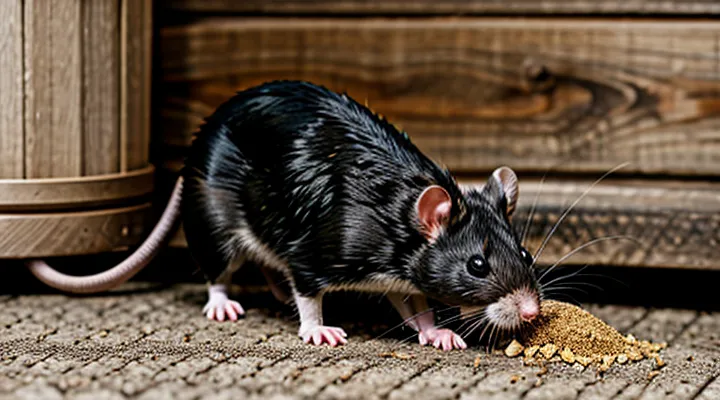
The Importance of a Balanced Rat Diet
Nutritional Needs Beyond Commercial Blocks
Protein Requirements
Protein is essential for growth, tissue repair, and immune function in domestic rats. Adult individuals require approximately 16–18 % of their diet to be protein, while juveniles need 20 % or more to support rapid development. Rats weighing 200–300 g typically consume 15–20 g of food daily; therefore, 2.5–3.5 g of that intake should be high‑quality protein.
Suitable protein sources that complement commercial formulations include:
- Cooked chicken breast, skinless, diced (≈ 20 % protein).
- Hard‑boiled egg, finely chopped (≈ 13 % protein).
- Plain cooked fish such as salmon or whitefish, deboned (≈ 20 % protein).
- Insects: mealworms, crickets, or black‑soldier fly larvae, offered in moderation (≈ 50 % protein, high fat).
- Low‑fat cottage cheese or plain yogurt (≈ 11 % protein).
- Tofu, firm, cut into small cubes (≈ 8 % protein).
- Cooked legumes, such as lentils or split peas, thoroughly rinsed and mashed (≈ 9 % protein, low in antinutrients).
Protein portions must be introduced gradually to avoid gastrointestinal upset. Each serving should be no larger than 1 g for a small adult rat, with adjustments based on body condition and activity level. Excess protein can strain renal function and lead to dehydration; water availability must be ensured.
Balanced nutrition also requires adequate calcium and phosphorus ratios. High‑protein foods often contain phosphorus; supplement calcium with a small amount of fortified vegetable matter or a calcium‑rich mineral block to maintain a Ca : P ratio near 1 : 1.
Monitoring body weight and coat quality provides practical feedback on protein adequacy. Stable weight, glossy fur, and normal activity indicate that protein intake meets physiological demands.
Fat Content Considerations
Pet rats require a modest amount of dietary fat to support energy needs, hormone production, and absorption of fat‑soluble vitamins. Excessive fat leads to obesity, hepatic lipidosis, and reduced lifespan; insufficient fat can cause skin lesions and reproductive problems.
A balanced diet should contain approximately 5–10 percent of metabolizable calories from fat. This range aligns with the natural composition of wild‑type rodent foraging, which includes seeds, insects, and occasional fruit.
Typical low‑fat alternatives provide suitable sources:
- Cooked egg white (minimal fat, high protein)
- Plain low‑fat cottage cheese (≈1 % fat)
- Steamed chicken breast, skin removed (≈3 % fat)
- Unsalted sunflower seeds, limited to 1 – 2 % of total intake (≈20 % fat)
- Small amounts of plain yogurt, full‑fat only when total dietary fat remains within the target range
When incorporating higher‑fat items, adjust the overall portion size to keep total caloric contribution within the 5–10 % window. For example, a single teaspoon of unsalted almond butter (≈60 % fat) should not exceed 0.5 % of daily calories.
Monitoring body condition score weekly identifies over‑ or under‑fatness. Rapid weight gain of > 2 % of body mass within a week signals the need to reduce fatty treats. Conversely, a persistent decline in coat quality may indicate insufficient essential fatty acids; supplement with a few drops of omega‑3 oil, ensuring the total fat percentage stays within the recommended range.
Vitamin and Mineral Essentials
Vitamin and mineral requirements are critical for the health of a pet rat when the diet is supplemented with non‑specialized foods. Deficiencies manifest as dull fur, skeletal abnormalities, reduced growth, and impaired immune function. Adequate intake can be achieved through a combination of fresh produce, protein sources, and targeted supplements.
Key vitamins and their primary food sources:
- Vitamin A – carrots, sweet potatoes, leafy greens; supports vision and epithelial health.
- Vitamin D – fortified eggs, sunlight‑exposed skin; enhances calcium absorption.
- Vitamin E – sunflower seeds, wheat germ; protects cell membranes from oxidative damage.
- Vitamin K – kale, broccoli; essential for blood clotting.
- B‑complex (B1, B2, B6, B12, niacin, folate) – whole grains, legumes, organ meats; involved in energy metabolism and nervous system function.
- Vitamin C – bell peppers, strawberries; acts as an antioxidant, though rats synthesize it endogenously, supplemental amounts can aid stress recovery.
Essential minerals and typical dietary contributors:
- Calcium – plain yogurt, low‑fat cheese; required for bone formation and muscle contraction.
- Phosphorus – fish, eggs; balances calcium and participates in cellular energy transfer.
- Magnesium – pumpkin seeds, nuts; supports nerve transmission and enzyme activity.
- Potassium – bananas, apricots; regulates fluid balance and cardiac rhythm.
- Sodium – small amounts of unseasoned cheese or meat; maintains electrolyte equilibrium.
- Iron – lean meat, lentils; vital for oxygen transport.
- Zinc – oysters, beans; crucial for skin integrity and immune response.
- Copper – liver, whole‑grain breads; assists iron metabolism.
- Selenium – Brazil nuts, fish; functions as an antioxidant cofactor.
Supplementation strategies:
- Multivitamin powders formulated for small rodents can be mixed into fresh food to ensure consistent intake.
- Mineral blocks or chewable tablets provide a steady source of calcium, phosphorus, and trace elements, reducing the risk of over‑supplementation.
- Regular analysis of the rat’s diet, adjusting portions of vegetables and protein, maintains nutrient balance without relying solely on commercial feed.
Monitoring health indicators—coat condition, activity level, and dental integrity—offers early detection of imbalances, allowing prompt dietary correction.
Safe and Recommended Foods
Vegetables and Leafy Greens
Cruciferous Vegetables: Benefits and Limitations
Cruciferous vegetables provide pet rats with a concentrated source of nutrients. They contain high levels of vitamin C, vitamin K, folate, and minerals such as calcium and potassium. The fiber content supports gastrointestinal motility, while glucosinolates act as antioxidants that may reduce oxidative stress. Regular inclusion of small portions can contribute to a balanced diet that supplements commercial pellets.
Benefits
- Rich in vitamins C and K, supporting immune function and blood clotting.
- High dietary fiber promotes healthy bowel movements.
- Antioxidant compounds help mitigate cellular damage.
- Calcium and potassium assist in bone health and electrolyte balance.
Limitations
- Glucosinolates can interfere with thyroid hormone synthesis; excessive intake may trigger goitrogenic effects.
- Certain varieties, especially raw kale or cabbage, contain oxalates that may precipitate kidney stones if over‑fed.
- High fiber load can cause diarrhea in sensitive individuals.
- Some rats exhibit aversion to the bitter taste of raw cruciferous greens, requiring gradual introduction.
Safe practice
- Offer cooked or lightly steamed portions to reduce glucosinolate potency.
- Limit servings to 1–2 teaspoons per 100 g of body weight, three times per week.
- Rotate among varieties such as «broccoli», «cauliflower», and «Brussels sprouts» to prevent nutrient imbalances.
- Observe stool consistency and activity level after feeding; discontinue if digestive upset occurs.
Root Vegetables: Best Practices
Root vegetables provide a valuable source of fiber, vitamin C, and minerals for pet rats when offered alongside a balanced commercial diet. Their low‑fat content complements the protein‑rich pellets typically used for these rodents.
Nutritional selection should prioritize vegetables with modest sugar levels and minimal oxalate content. Recommended options include carrots, sweet potatoes, beets, and turnips. Avoid feeding large quantities of raw potatoes or raw cassava, which contain compounds that may be toxic if not properly prepared.
Preparation must eliminate contaminants and enhance digestibility. Steps are:
- Rinse thoroughly under running water.
- Peel to remove soil‑bound residues and reduce fiber that can cause impaction.
- Cook briefly (steaming or boiling for 5–7 minutes) to break down resistant starches; cooling before serving prevents heat stress.
- Cut into bite‑sized pieces (approximately ½ cm cubes) to match the animal’s chewing ability.
Portion control is critical. Offer no more than 10 % of the daily diet weight in root vegetables, divided into two feedings to prevent overconsumption. Monitor stool consistency; adjust quantities if stools become overly soft or contain undigested fragments.
Regularly rotate different root vegetables to provide a broader nutrient spectrum and to prevent dietary monotony. Store fresh produce in a refrigerated container for up to three days; discard any wilted or moldy pieces to maintain hygiene.
Leafy Greens: Daily Staples
Leafy greens supply essential vitamins A, C and K, calcium, magnesium and dietary fiber that support skeletal health, immune function and digestive motility in pet rats.
Safe daily options include:
- Kale, rib‑rich and low in oxalates.
- Romaine lettuce, crisp and water‑rich.
- Spinach, rich in iron but limited to small portions.
- Swiss chard, source of betaine and potassium.
- Dandelion greens, natural diuretic and source of beta‑carotene.
A typical serving size ranges from one to two tablespoons of finely chopped greens per rat, divided into two meals. Greens must be rinsed thoroughly to remove pesticides and soil, then presented raw or lightly steamed for easier chewing. Excessive intake of oxalate‑rich greens such as spinach can predispose to urinary stones; therefore, rotate varieties and limit each high‑oxalate type to no more than three servings per week.
Fresh greens should be stored in a sealed container within the refrigerator and used within 24 hours. Discard wilted, slimy or discolored leaves, as they may harbor bacterial growth. Avoid iceberg lettuce, which provides negligible nutrition and can cause diarrhea.
Incorporating a balanced mix of the listed greens alongside specialized pellets and occasional protein treats creates a nutritionally complete regimen for a healthy pet rat.
Fruits as Treats
Low-Sugar Options
Low‑sugar foods complement a rat’s balanced diet while preventing excess weight gain and dental issues.
Fresh vegetables provide essential fiber and vitamins with minimal sugar. Suitable choices include kale, spinach, romaine lettuce, broccoli florets, cucumber slices, and bell pepper strips. Offer each item in small, bite‑size pieces to encourage chewing and reduce waste.
Fruit selections must be limited to those naturally low in sugar. Blueberries, raspberries, blackberries, kiwi, and thin apple slices (core removed) supply antioxidants without overwhelming carbohydrate content. One to two berries per day constitute an appropriate serving.
Protein sources add variety and support muscle development. Cooked eggs, plain boiled chicken breast, and small portions of lean turkey are appropriate. Invertebrate treats such as mealworms or crickets, offered sparingly, also meet protein needs while keeping sugar intake negligible.
Whole grains and legumes contribute complex carbohydrates and additional fiber. Cooked brown rice, oatmeal, and lentils can be mixed into the daily ration in modest amounts. Ensure grains are plain, without added sweeteners or sauces.
Nuts deliver healthy fats but contain natural sugars in some varieties. Unsalted almonds, walnuts, or pistachios should be given as occasional treats, no more than a few fragments per week.
Key guidelines for low‑sugar feeding:
- Introduce new items gradually, observe for digestive tolerance.
- Maintain a constant supply of fresh water.
- Limit commercial sugary snacks, such as fruit‑flavored pellets or candy‑type treats.
- Monitor body condition regularly; adjust portions to sustain a lean physique.
By selecting the foods listed above, caregivers can provide a nutritionally complete diet that minimizes sugar while meeting the dietary requirements of a pet rat.
High-Sugar Fruits: Moderation is Key
High‑sugar fruits can be offered to pet rats, but only in limited quantities. Excessive sugar may disrupt gut flora, contribute to obesity, and increase the risk of dental disease.
Guidelines for safe inclusion:
- Choose small portions, such as a single bite‑sized piece of fruit per week.
- Prioritize low‑glycemic options (e.g., berries, kiwi) over high‑glycemic varieties (e.g., grapes, mango).
- Remove seeds and pits that could cause choking or toxicity.
- Observe the rat for changes in stool consistency or weight after introduction.
When fruit is provided, it should complement a balanced diet of pellets, fresh vegetables, and occasional protein sources. Regular monitoring ensures that sugary treats remain a minor supplement rather than a staple.
Preparing Fruits for Rats
Fruit can supplement a rat’s diet when prepared correctly, providing vitamins, antioxidants, and hydration. Selection focuses on low‑sugar, non‑citrus varieties that lack toxic components. Suitable options include apple (core removed), pear, banana, berries, melon, and peach (pit removed). Exotic choices such as mango or papaya are acceptable in limited amounts.
Before offering fruit, thorough cleaning removes residues that could harm the animal. Rinse each piece under running water, optionally scrub with a vegetable brush, then dry with a clean cloth. For fruits with thick skins—such as apple or pear—peeling reduces pesticide exposure, though some nutrients reside in the skin; use organic produce when possible.
Cutting prepares fruit for safe consumption. Slice into cubes no larger than ½ cm, ensuring each piece fits comfortably in a rat’s mouth. Remove all seeds, pits, stems, and cores, as these may contain cyanogenic glycosides or choking hazards. For berries, discard any that are moldy or overly soft.
Portion control prevents gastrointestinal upset and obesity. Offer 1–2 teaspoons of prepared fruit per day, distributed across multiple feedings to encourage foraging. Rotate fruit types weekly to avoid nutrient imbalances and maintain interest.
Storage maintains freshness and prevents bacterial growth. Place cut fruit in an airtight container, refrigerate, and use within 24 hours. Discard any fruit that changes color, develops an off‑odor, or becomes mushy.
Recommended preparation checklist:
- Choose low‑sugar, non‑citrus fruit.
- Wash thoroughly; peel if pesticide risk is high.
- Remove all seeds, pits, and stems.
- Cut into ≤½ cm cubes.
- Store in airtight container, refrigerate, use within 24 hours.
- Limit serving to 1–2 teaspoons daily, rotating varieties.
Grains and Cooked Foods
Whole Grains: Oats, Barley, Brown Rice
Whole grains provide a balanced source of carbohydrates, fiber, and essential nutrients for pet rats when offered alongside formulated diets. Oats, barley, and brown rice each contribute distinct benefits and require specific handling to ensure safety and optimal digestion.
- «Oats» – rich in soluble fiber that supports gastrointestinal motility; best served cooked, cooled, and free of added sugar or flavorings. A daily portion of ¼ teaspoon per rat supplies adequate energy without excess calories.
- «Barley» – contains beta‑glucans that aid immune function; must be boiled thoroughly to deactivate anti‑nutritional factors. Offer ¼ teaspoon of cooked barley per rat, mixed with a small amount of fresh vegetables for texture.
- «Brown rice» – supplies complex carbohydrates and B‑vitamins; retain the bran layer to preserve fiber. Rinse, simmer until soft, and cool before serving. Limit intake to ¼ teaspoon per rat to prevent carbohydrate overload.
Feeding guidelines emphasize moderation, gradual introduction, and observation for digestive upset. Remove any uncooked kernels, as they pose choking hazards and may contain phytates that reduce mineral absorption. Integrating these grains enhances dietary variety, contributes to dental wear through natural chewing, and complements the nutrient profile of specialized rat feed.
Cooked Pasta and Bread: Plain and Unseasoned
Cooked pasta and plain bread are occasionally offered as supplemental items for pet rats when the primary diet consists of commercially formulated feed. Both foods lack the protein, fat, and micronutrients that rats require for growth, reproduction, and immune function; therefore they should not replace the main ration.
Nutritional considerations
- Energy density is moderate; excess consumption may lead to weight gain.
- Protein content is low, typically 6–8 % for pasta and 7–9 % for white bread.
- Fiber is minimal, offering little support for gastrointestinal health.
- Vitamins and minerals are scarce; no significant source of calcium, vitamin C, or B‑complex vitamins.
Safety guidelines
- Use only fully cooked pasta, cooled to room temperature, without added sauces, oils, or seasonings.
- Serve plain, unflavored bread; avoid varieties containing seeds, nuts, raisins, or sweeteners.
- Limit portions to a few bite‑size pieces per feeding, not exceeding 5 % of the daily caloric intake.
- Observe each rat for signs of digestive upset, such as loose stools or reduced appetite, after introduction.
Potential benefits
- Provides a source of easily digestible carbohydrates for short‑term energy.
- Can be used as a training treat due to its palatable texture.
Risks
- High glycemic load may predispose to obesity and insulin resistance if offered frequently.
- Lack of essential nutrients can contribute to deficiencies when over‑relied upon.
- Stale or moldy bread poses a mycotoxin hazard.
Conclusion: Plain cooked pasta and unseasoned bread may serve as occasional, limited treats, but they must remain secondary to a balanced, nutritionally complete rat feed. Regular monitoring of body condition and dietary balance is essential to prevent health issues.
Cooked Meat and Eggs: Small Portions
Cooked meat and eggs can supplement a pet rat’s diet, provided portions remain modest and preparation is safe.
- Offer no more than one‑to‑two teaspoons of lean, unseasoned meat per week.
- Include a similar amount of scrambled or hard‑boiled egg, avoiding added salt or butter.
- Ensure all protein sources are fully cooked to eliminate bacterial risk.
- Serve at room temperature; cold food may deter eating, while hot food can cause burns.
- Rotate protein types (chicken, turkey, lean beef) to prevent nutrient imbalances.
Small, occasional servings deliver high‑quality protein without displacing the primary grain‑based diet. Monitoring body condition and adjusting frequency helps maintain optimal health.
Protein Sources
Lean Cooked Meats
Lean cooked meats provide high‑quality protein and essential amino acids for pet rats when offered as a supplement to a balanced grain‑based diet. Suitable choices include skinless chicken breast, turkey thigh meat, lean beef cuts such as sirloin, and rabbit meat. Each should be cooked thoroughly without added salt, spices, or sauces to prevent sodium overload and digestive irritation.
- Chicken breast – 1–2 g per 100 g body weight, cooled to room temperature.
- Turkey thigh – 1–2 g per 100 g body weight, trimmed of visible fat.
- Lean beef (sirloin) – 1–2 g per 100 g body weight, cooked until no pink remains.
- Rabbit – 1–2 g per 100 g body weight, boiled or baked without seasoning.
Safety guidelines require chopping meat into bite‑size pieces, removing all bones, and serving fresh portions no larger than a rat’s paw. Frequency should not exceed two servings per week to avoid excessive protein and to maintain a varied nutrient profile. Refrigerate leftovers for no more than 24 hours; discard any meat that shows signs of spoilage.
Cooked Eggs
Cooked eggs provide a high‑quality protein source for pet rats, supplementing the nutrients supplied by commercial rodent pellets. The yolk contains essential fatty acids, vitamin A, vitamin D, and choline, while the white supplies readily digestible albumin.
When offering eggs, follow these guidelines:
- Preparation: Hard‑boil or scramble eggs without added salt, butter, oil, or seasonings. Ensure the egg is fully cooked to eliminate the risk of Salmonella.
- Portion size: One teaspoon of chopped egg per 100 g of body weight, not exceeding two teaspoons per week. Excess protein can strain the kidneys and lead to obesity.
- Frequency: Limit to 1–2 servings weekly; treat eggs as a supplement rather than a staple.
- Storage: Refrigerate cooked egg in a sealed container for up to 24 hours. Discard any leftovers after this period to prevent spoilage.
Potential concerns include:
- Allergies: Monitor for signs of digestive upset or respiratory irritation after the first exposure.
- Caloric density: Eggs are calorie‑rich; adjust the amount of standard feed accordingly to maintain a balanced energy intake.
Integrating a modest amount of cooked egg into a rat’s diet enhances protein intake and supplies beneficial micronutrients, complementing the primary nutrition provided by specialized feed.
Legumes: Prepared Properly
Legumes provide protein, fiber, and essential micronutrients valuable for a pet rat’s diet when prepared correctly. Raw beans, peas, lentils, and chickpeas contain antinutrients such as lectins and phytic acid that can impair digestion and nutrient absorption. Proper preparation eliminates these risks and enhances palatability.
• Soak dry legumes for 8–12 hours, then discard soaking water.
• Rinse thoroughly before cooking.
• Boil until tender; lentils require 15–20 minutes, chickpeas 60–90 minutes.
• Avoid added salt, spices, or oil.
• Cool to room temperature before serving.
Cooked legumes should be offered in moderation: a serving of 1–2 tablespoons per 100 g of body weight, divided into two daily portions. Excessive legume intake may cause gas or loose stools due to high fiber content.
When selecting legumes, prioritize low‑fat varieties and exclude those with known toxicity, such as raw kidney beans, which retain high levels of phytohemagglutinin. Commercially prepared, unsalted, plain canned peas are acceptable if rinsed to remove excess sodium.
Integrating properly prepared legumes with a balanced mix of specialized rat pellets, fresh vegetables, and occasional fruit creates a varied diet that supports growth, immune function, and dental health. Regular observation of stool consistency and weight helps adjust portion sizes to maintain optimal condition.
Healthy Snacks and Occasional Treats
Baby Food (Plain Meat or Vegetable)
Pet rats can thrive on a diet that includes plain meat or vegetable baby foods, provided the products contain no added sugars, salts, or artificial flavorings. These foods supply high‑quality protein, essential amino acids, and readily digestible carbohydrates, mirroring the nutritional composition of natural prey and plant matter.
Key nutrients delivered by plain meat or vegetable baby foods:
- Protein ≈ 10–15 % of total weight, supporting growth and tissue repair.
- Vitamin A, D, E, and K, facilitating vision, bone health, and immune function.
- Calcium‑phosphorus ratio close to 1:1, maintaining skeletal integrity.
- Low‑fat content, reducing risk of obesity and hepatic strain.
Selection criteria focus on ingredient purity. Choose products whose first ingredient is a single source, such as chicken, turkey, carrot, or sweet potato. Verify the label for the absence of onion, garlic, citrus, or dairy additives, all of which are toxic to rodents. Opt for items packaged in sterile, resealable containers to prevent microbial contamination.
Preparation involves warming the food to room temperature, then mashing or pureeing to a smooth consistency. Avoid adding water, broth, or seasoning; excessive moisture can promote bacterial growth, while flavor enhancers may mask the natural taste and discourage natural foraging behavior. Serve the puree on a clean dish, ensuring the surface remains dry after each feeding.
Feeding frequency should align with the rat’s metabolic rate. Offer a spoonful (approximately 5 ml) of puree once daily, supplementing the regular diet of pellets or hay. Monitor body condition weekly; adjust portion size upward if weight loss occurs, downward if excess weight accumulates. Discard any leftover puree after two hours to prevent spoilage.
Incorporating plain meat or vegetable baby foods expands dietary variety, delivering balanced nutrition while adhering to safety standards essential for optimal health.
Nuts and Seeds: In Moderation
Nuts and seeds can enrich a pet rat’s diet by supplying essential fats, protein, and micronutrients, but they must remain occasional treats rather than staple components.
Safe choices and recommended portions include:
- Sunflower seeds (unsalted, shelled): ¼ teaspoon per day.
- Pumpkin seeds (raw, unsalted): ¼ teaspoon every other day.
- Almonds (finely chopped, unsalted): no more than 1‑2 small pieces twice a week.
- Hazelnuts (crushed, unsalted): ¼ teaspoon once weekly.
Avoid peanuts, macadamia nuts, and pistachios, as their high fat content and potential for aflatoxin contamination pose health risks.
Excessive consumption can lead to obesity, hepatic lipidosis, and calcium‑phosphorus imbalance, which may impair bone development. Providing nuts and seeds in small, measured amounts prevents these complications while allowing rats to enjoy occasional variety.
Preparation guidelines: store nuts and seeds in airtight containers within a cool, dry environment; offer only raw, unsalted varieties; remove shells and cut large pieces to reduce choking hazards. Limit overall intake to no more than 5 % of total daily caloric intake, ensuring that the primary diet remains a nutritionally complete pellet formulated for rats.
Yogurt and Dairy: Limited Amounts
Yogurt and other dairy products can complement a rat’s diet when offered sparingly. Plain, low‑fat yogurt supplies probiotics that support gut health and provides calcium and protein. Lactose tolerance varies among individuals; many rats develop digestive upset if exposed to significant amounts of lactose.
Guidelines for safe inclusion:
- Offer no more than a half‑teaspoon of plain «yogurt» per rat, two to three times per week.
- Choose varieties without added sugars, flavorings, or fruit pieces.
- Observe stool consistency after feeding; loose or watery droppings indicate intolerance.
- Limit cheese to small cubes (approximately the size of a pea) and provide only occasional treats.
- Avoid regular milk; its high lactose content frequently causes diarrhea.
If adverse signs appear, discontinue dairy and revert to a diet focused on specialized rodent pellets, fresh vegetables, and occasional fruit. Regular monitoring ensures that dairy remains a harmless supplement rather than a health risk.
Foods to Avoid (Toxic or Unhealthy)
Raw Foods to Steer Clear Of
Raw Beans and Lentils
Raw beans and lentils can supplement a pet rat’s diet, providing protein, fiber, and essential micronutrients. Their inclusion requires careful preparation to avoid toxicity and digestive upset.
- Soak beans for at least eight hours, discard soaking water, then cook until fully softened. Do not serve raw beans; uncooked varieties contain lectins that can cause gastrointestinal distress and hemolytic anemia.
- Lentils may be offered cooked or sprouted. Cooking eliminates antinutrients, while sprouting reduces phytic acid and enhances vitamin C content. Rinse sprouts thoroughly before feeding.
- Portion size should not exceed one teaspoon of cooked beans or lentils per day for an average adult rat. Excess protein can strain kidneys and promote obesity.
- Frequency limited to two–three times weekly prevents nutrient imbalances. Rotate with other legumes, such as peas or chickpeas, to maintain dietary variety.
- Monitor for signs of intolerance, including loose stools, reduced activity, or weight loss. Discontinue immediately if adverse symptoms appear.
Raw beans and lentils are not replacements for a balanced commercial rat diet but can enrich nutritional diversity when introduced responsibly.
Raw Sweet Potato
Raw sweet potato serves as a nutritious supplement to a rat’s regular diet. The vegetable supplies beta‑carotene, dietary fiber, potassium, and vitamin C, all of which support vision, digestion, and immune function.
Nutritional highlights:
- Beta‑carotene: precursor of vitamin A, essential for retinal health.
- Fiber: promotes gastrointestinal motility.
- Potassium: assists in electrolyte balance.
- Vitamin C: contributes to antioxidant defenses.
Preparation requires thorough washing, peeling, and cutting into bite‑size cubes. Raw pieces should be rinsed under cold water to remove surface contaminants. No cooking is necessary; heating diminishes vitamin C content.
Feeding guidelines:
- Offer ½‑1 cm³ of raw sweet potato per 100 g body weight, three times per week.
- Introduce gradually, monitoring for changes in stool consistency.
- Ensure fresh water is always available.
Risks include possible oxalate accumulation and occasional gastrointestinal upset. Limit portions to avoid excess sugar and oxalate intake. Discontinue if diarrhea or weight loss occurs.
«Sweet potatoes are a source of beta‑carotene and fiber», notes a veterinary nutritionist, confirming the suitability of this vegetable as an occasional treat for pet rats.
Raw Artichokes
Raw artichokes provide a valuable supplement to the diet of a pet rat when offered in moderation. The vegetable supplies soluble fiber, which supports gastrointestinal motility, and a range of micronutrients including vitamin C, folate, potassium, and magnesium. These components contribute to overall health without displacing the nutritional balance achieved by a formulated feed.
Safety considerations are essential. The outer leaves and the fibrous choke must be removed to prevent choking and intestinal blockage. Thorough washing eliminates pesticide residues. Oxalic acid, present in the plant, can interfere with calcium absorption if consumed excessively; therefore, raw artichoke portions should remain small.
Feeding guidelines:
- Trim the choke and discard the tough outer leaves.
- Rinse the remaining inner leaves and the heart under running water.
- Cut the edible portion into bite‑size pieces, approximately 0.5 cm³.
- Offer no more than 2–3 g per 100 g body weight per serving, two times per week.
- Observe the rat for signs of digestive upset; discontinue if loose stools occur.
Integrating raw artichokes with other fresh vegetables diversifies texture and flavor, enhancing enrichment while maintaining the primary nutritional profile supplied by the specialized feed. Regular monitoring of weight and coat condition ensures that the addition of «raw artichokes» remains beneficial.
Fruits and Vegetables to Exclude
Citrus Fruits: Specifically the Peel
Citrus peel can be incorporated into a rat’s diet as an occasional supplement, providing fiber, vitamin C, and flavonoids. The outer layer contains essential oils that may act as mild antimicrobial agents, but the concentration is higher than in the fruit flesh and can irritate the gastrointestinal tract if over‑consumed.
- Offer only a small strip (approximately ¼ inch wide) of peel from organic, pesticide‑free lemons, oranges, or grapefruits.
- Remove any seeds, as they pose a choking hazard and contain trace amounts of cyanogenic compounds.
- Rinse the peel thoroughly under running water to eliminate surface residues.
- Introduce the piece gradually, monitoring for signs of digestive upset such as loose stools or reduced appetite.
If the rat tolerates the initial exposure, a maximum of two to three strips per week is advisable. Excessive intake may lead to acid reflux or enamel erosion, especially in younger animals with delicate dentition. Balanced nutrition remains dependent on a high‑quality rodent pellet base; citrus peel should never replace the primary feed but serve as a targeted source of additional nutrients and enrichment.
Avocados: High Fat Content
Avocados contain a substantial proportion of fat, primarily monounsaturated fatty acids. For a small rodent, such a lipid load can quickly exceed dietary requirements, leading to excess caloric intake and potential obesity. The high fat concentration also slows gastrointestinal transit, increasing the risk of digestive upset.
When considering avocado as an occasional supplement, the following guidelines apply:
- Offer no more than a thin slice (approximately 2–3 g) once per week.
- Monitor body condition and weight after each exposure.
- Ensure the remainder of the diet remains low‑fat, fiber‑rich, and nutritionally balanced.
Potential concerns include the presence of persin, a toxin that can cause respiratory irritation in some mammals. Although rats appear less sensitive than larger species, repeated ingestion may elevate the risk of liver strain. Consequently, avocado should not replace core nutrition and must be treated as a rare treat rather than a staple.
Overall, the high fat content of avocado makes it unsuitable as a regular component of a pet rat’s diet. Limited, sporadic servings may be acceptable if closely supervised, but reliance on specialized rodent feed and low‑fat vegetables remains the safest feeding strategy.
Rhubarb: Oxalic Acid
Rhubarb contains a high concentration of oxalic acid, a compound that can bind calcium and form insoluble crystals in the body. When ingested by a pet rat, oxalic acid may reduce calcium absorption, potentially leading to hypocalcemia or kidney stone formation. The toxic threshold for oxalic acid in rodents is low; even small amounts of raw rhubarb leaf or stalk can pose health risks.
Key points for owners considering rhubarb as a supplemental treat:
- Limit exposure to the edible stalk to a negligible portion, only after thorough cooking to reduce oxalic acid levels.
- Avoid offering rhubarb leaves entirely; they contain the highest oxalic acid concentration and are recognized as toxic.
- Monitor the rat’s overall calcium intake; ensure the primary diet provides sufficient calcium to counteract any residual oxalic acid.
- Observe for signs of discomfort, such as reduced activity or changes in urination, which may indicate renal irritation.
In practice, rhubarb is unsuitable as a regular component of a rat’s diet. Safer alternatives for variety include small pieces of apple, carrot, or leafy greens with low oxalic acid content. Selecting treats with minimal risk supports optimal health while expanding dietary diversity.
Other Dangerous Items
Chocolate and Sugary Foods
Chocolate and sugary snacks pose significant health risks for pet rats. Theobromine and caffeine, both present in cocoa products, cause rapid heart rate, tremors, and potentially fatal seizures. Rats metabolize these compounds far more slowly than humans, leading to accumulation and toxic effects after a single small portion.
Sugar concentrations exceeding normal dietary levels induce obesity, dental decay, and disruption of normal gut flora. Excessive glucose spikes insulin response, which can precipitate diabetes‑like conditions in rodents.
Key hazards:
- Theobromine toxicity: onset within 30 minutes, lethal dose approximately 100 mg/kg body weight.
- Caffeine toxicity: similar symptoms, lower lethal threshold.
- Hyperglycemia: promotes weight gain, fatty liver disease, and reduced lifespan.
- Dental caries: high sucrose diets erode enamel, cause pain and infection.
Veterinary guidelines advise complete exclusion of chocolate, candy, and any food with added sugars from a rat’s diet. If accidental ingestion occurs, immediate veterinary consultation is recommended. Monitoring includes checking for vomiting, hyperactivity, or weakness.
Safer alternatives for occasional treats include small portions of fresh vegetables, unsalted nuts (in moderation), or specially formulated rat treats that contain balanced nutrients without harmful stimulants. These options provide enrichment while maintaining optimal health.
Processed Human Foods
Processed human foods can supplement a rat’s diet when selected carefully. Nutrient balance, low sodium, and absence of artificial additives are primary criteria.
- Small pieces of plain cooked chicken or turkey, skin removed.
- Unflavored, low‑fat plain yogurt, served in a teaspoon portion.
- Cooked eggs, scrambled without oil, butter, or seasoning.
- Plain whole‑grain bread, crust removed, cut into bite‑size cubes.
- Unsweetened applesauce, limited to a teaspoon.
- Cooked oatmeal, prepared with water only, no sugar or milk.
Preparation guidelines include thorough cooking to eliminate pathogens, removal of bones, skins, and excess fat, and cooling to room temperature before offering. Portion sizes must remain modest to prevent obesity and nutrient displacement.
Foods to exclude are those containing high levels of salt, sugar, caffeine, chocolate, artificial sweeteners, spices, or preservatives. Processed meats with nitrates, cured cheeses, and flavored snack items pose toxicity risks and should never be offered.
Incorporating safe processed items enhances variety without compromising health, provided that the core diet remains composed of high‑quality rodent pellets and fresh vegetables.
Caffeine and Alcohol
Caffeine acts as a central‑nervous‑system stimulant. In rodents, even small doses cause increased heart rate, tremors, hyperactivity and potential seizures. Toxic levels are reached at approximately 150 mg kg⁻¹; a typical energy drink containing 80 mg of caffeine can be lethal for a rat weighing 200 g. Chronic exposure leads to adrenal fatigue and reduced appetite, compromising growth and immune function.
Alcohol functions as a depressant. Rats metabolize ethanol rapidly, yet doses as low as 0.5 g kg⁻¹ produce sedation, loss of coordination and respiratory depression. Repeated ingestion damages liver tissue, impairs cognition and increases susceptibility to infections. A standard 5 % beer provides roughly 0.2 g of ethanol per 100 ml; a single sip can exceed safe limits for a small pet rat.
Risks associated with these substances
- Rapid onset of neurological symptoms (tremors, seizures, ataxia)
- Cardiovascular stress (tachycardia, hypertension)
- Gastrointestinal irritation and reduced nutrient absorption
- Long‑term organ damage (hepatic, renal, adrenal)
- Behavioral changes (aggression, anxiety, reduced social interaction)
Recommended practice
- Exclude all caffeinated products (coffee, tea, soda, energy drinks) from the rat’s environment.
- Prevent access to alcoholic beverages, fermented foods and any items containing ethanol.
- Store human food and drinks in sealed containers to avoid accidental ingestion.
- Provide only species‑appropriate diets and occasional fresh fruits or vegetables that contain no stimulants or depressants.
Adhering to these guidelines eliminates exposure to substances that can rapidly compromise health and shortens the risk of fatal intoxication.
Preparing and Serving Food
Washing and Cutting Produce
Removing Pesticides
When offering fresh produce to a pet rat, pesticide residues pose health risks. Removing these chemicals ensures safe supplementation to a diet that already includes commercial rodent pellets.
Effective decontamination methods include:
- Rinsing under running water while gently scrubbing with a soft brush; this eliminates surface dust and water‑soluble residues.
- Soaking in a solution of one part white vinegar to four parts water for five to ten minutes, then rinsing thoroughly; the mild acidity breaks down many pesticide compounds.
- Peeling skins of fruits and vegetables such as apples, carrots, and cucumbers; most residues concentrate near the outer layer.
- Blanching leafy greens in boiling water for one minute, followed by an ice‑water shock; heat degrades certain pesticide molecules.
- Using a commercial produce wash certified to neutralize pesticide residues; follow manufacturer instructions for concentration and contact time.
Additional precautions:
- Select produce labeled “organic” or certified pesticide‑free when available; this reduces the initial contaminant load.
- Store washed items in clean, airtight containers to prevent cross‑contamination.
- Rotate the varieties of fruits and vegetables offered; this limits exposure to any single pesticide type that may persist despite washing.
By integrating these practices, a pet rat receives a varied, nutritious diet while minimizing the risk associated with chemical residues.
Appropriate Portion Sizes
Pet rats require balanced portions to avoid obesity and nutritional deficiencies. A typical adult rat weighing 300–350 g should receive approximately 5–7 % of its body weight in food each day, divided between specialized pellets and supplemental items. For example, a 320‑g rat needs roughly 16–22 g of total intake.
When incorporating fresh vegetables, fruits, or protein sources, allocate no more than one‑third of the daily ration to these extras. A safe guideline is 3–5 g of leafy greens, 2–3 g of root vegetables, and 2–4 g of lean protein such as cooked egg or low‑fat cheese per day. Limit sugary fruits to 1–2 g to prevent blood‑sugar spikes.
Monitor body condition weekly; a slight reduction in portion size is warranted if the rat shows visible fat deposits or reduced activity. Adjustments should be made in 1‑gram increments to maintain stable weight. Consistency in feeding times supports metabolic stability and encourages regular eating behavior.
Cooking Guidelines for Rats
Avoiding Seasonings and Spices
Seasonings and spices pose significant health risks for pet rats. Many contain compounds that irritate the digestive tract, disrupt normal gut flora, or trigger allergic reactions. Salt, pepper, garlic, onion, and hot peppers are especially hazardous, leading to dehydration, gastrointestinal upset, or hemolytic anemia.
Safe feeding practices exclude any added flavorings. Foods offered should be plain, unseasoned, and free of sauces or marinades. When preparing fresh produce, rinse thoroughly and remove any surface residues that may contain hidden spices.
Recommended unseasoned options include:
- Fresh vegetables such as carrots, broccoli, kale, and bell peppers, cut into bite‑size pieces.
- Fresh fruits like apple (core removed), banana, and berries, offered in moderation.
- Cooked grains without added salt, including plain oatmeal, brown rice, and whole‑wheat pasta.
- Lean protein sources such as boiled chicken breast, scrambled eggs, or plain tofu, ensuring no seasoning is used.
Consistently providing bland, nutritionally balanced items supports optimal health and prevents complications associated with flavored additives.
Ensuring Proper Doneness
Proper cooking of supplemental foods safeguards health and enhances digestibility for small‑animal companions. Temperature control, visual cues, and timing determine whether an item meets the required level of doneness.
Temperature thresholds guide safe preparation. Poultry and lean meats must reach an internal temperature of at least 74 °C (165 °F) to eliminate Salmonella and Campylobacter. Eggs become safe when the yolk and white solidify completely, indicating a temperature of roughly 71 °C (160 °F). Root vegetables require boiling or steaming until they soften uniformly; a fork should penetrate without resistance, confirming that cell walls have broken down sufficiently.
Common supplemental items and recommended doneness:
- Chicken breast, turkey, or lean beef – grill, bake, or boil until internal temperature ≥ 74 °C; cut into bite‑size pieces.
- Eggs – hard‑boil or scramble until no liquid remains; avoid runny yolk.
- Carrots, sweet potatoes, peas – steam or boil for 5–10 minutes; ensure tenderness throughout.
- Brown rice or quinoa – simmer until grains are soft and water fully absorbed; avoid undercooked kernels.
- Fish (e.g., salmon) – bake or poach until flesh flakes easily and reaches ≥ 63 °C (145 °F); discard any pink centers.
Final verification includes tactile assessment, temperature measurement with a food‑grade probe, and visual inspection for uniform color change. Any portion displaying raw texture or uneven heating must be reprocessed before offering to the animal. Consistent adherence to these standards minimizes microbial risk and supports optimal nutrient absorption.
Storage and Freshness
Preventing Spoilage
Proper storage of fresh vegetables, fruits, and cooked grains is essential for maintaining nutritional value and preventing bacterial growth. Refrigeration at temperatures below 4 °C slows enzymatic decay; airtight containers reduce exposure to oxygen and moisture. When possible, separate high‑moisture items from dry components to avoid cross‑contamination.
Key practices for handling non‑specialized rat food:
- Wash produce immediately before preparation; discard any bruised or mold‑affected portions.
- Cut portions into sizes appropriate for daily consumption; store excess in sealed bags with a paper towel to absorb excess humidity.
- Label containers with the preparation date; rotate stock so that older items are used first.
- Keep prepared food in the refrigerator for no more than three days; discard any leftovers after this period.
Monitoring for spoilage includes visual inspection for discoloration, detection of off‑odors, and tactile assessment for slime or excessive softness. Immediate removal of compromised food prevents the spread of pathogens to remaining supplies.
Consistent application of these measures preserves the safety and palatability of alternative diets, supporting the health of pet rats without reliance on specialized feed.
Optimal Storage Methods
Proper storage preserves the nutritional value and safety of supplemental foods for pet rats.
• Airtight containers made of glass or food‑grade plastic prevent oxidation and limit exposure to pests.
• Refrigeration slows bacterial growth; perishable items such as fresh vegetables should be kept at 4 °C or lower.
• Freezing extends shelf life of bulk grains, nuts, and cooked proteins; seal in freezer‑safe bags, remove air, and label with date.
• Dark, cool pantry shelves are suitable for dry ingredients that tolerate ambient temperatures; use moisture‑absorbing packets to maintain dryness.
Monitor storage duration regularly. Discard items that show discoloration, off‑odors, or mold. Clean containers before each refill to avoid cross‑contamination. Maintaining consistent temperature and humidity levels ensures that alternative diet components remain safe and nutritionally effective for the animal.
Introducing New Foods
Gradual Introduction Strategy
Monitoring for Adverse Reactions
When offering a rat foods beyond commercial mixes, systematic observation of the animal’s response is essential. Immediate signs of intolerance appear within minutes to hours; delayed effects may emerge over several days. Recording each incident creates a reliable reference for future dietary adjustments.
Key indicators of adverse reactions include:
- Reduced appetite or refusal of the new item
- Vomiting, excessive salivation, or regurgitation
- Diarrhea, abnormal stool consistency, or blood presence
- Lethargy, trembling, or uncharacteristic aggression
- Swelling of the face, paws, or abdomen
- Respiratory distress, such as rapid breathing or wheezing
If any of these symptoms develop, discontinue the suspect food immediately and consult a veterinarian experienced with small rodents. Maintaining a log that notes the introduced ingredient, quantity, time of feeding, and observed effects facilitates accurate diagnosis.
Regular weight checks support early detection of subtle health changes. A stable or increasing weight suggests tolerance, whereas gradual loss signals potential nutritional imbalance or hidden intolerance.
After veterinary evaluation, follow recommended dietary modifications and continue vigilant monitoring. Consistent documentation and prompt response to negative signs protect the rat’s health while expanding its diet safely.
Observing Preferences and Tolerances
Observing a pet rat’s food preferences and tolerances is essential for providing a balanced diet that extends beyond commercial pellets. Individual rats display distinct likes, dislikes, and sensitivities; systematic observation prevents nutritional deficiencies and digestive upset.
First, monitor intake during each feeding session. Record which items are eagerly consumed and which are ignored. Note the speed of consumption and any signs of reluctance, such as pawing at the bowl without eating. Second, watch for physical reactions after ingestion. Indicators of intolerance include loose stools, reduced activity, or changes in fur condition. Document occurrences to identify patterns and adjust offerings accordingly.
Practical steps for effective observation:
- Offer a single novel item in a separate dish for 24‑48 hours; compare consumption to baseline pellets.
- Rotate new foods every few days, maintaining a log of quantities eaten and any adverse signs.
- Maintain a consistent feeding schedule; irregular times can mask true preferences.
- Provide fresh water alongside each food trial; dehydration can mimic intolerance symptoms.
When a rat consistently rejects a particular food, eliminate it from the diet. If mild digestive disturbances appear, reduce the portion size or replace the item with a less fibrous alternative. Persistent issues warrant consultation with a veterinarian experienced in small‑animal nutrition.
By documenting preferences and tolerances methodically, caretakers can tailor an enriched diet that meets nutritional requirements while respecting each rat’s unique palate and physiological limits. This approach ensures long‑term health and promotes a more engaging feeding experience.
Variety and Rotation
Preventing Nutritional Deficiencies
Providing a varied diet reduces the risk of vitamin and mineral shortfalls in captive rats. Fresh vegetables such as carrots, broccoli, and kale supply vitamin C, while leafy greens like spinach and romaine contribute calcium and iron. Whole‑grain cereals and cooked brown rice add complex carbohydrates and B‑vitamins. Protein sources—cooked eggs, plain yogurt, and small portions of lean chicken—deliver essential amino acids and taurine, which rodents cannot synthesize sufficiently.
Key nutrients that require attention include:
- Vitamin C: unavoidable deficiency leads to scurvy; supplement with a few milliliters of citrus juice or a vitamin C tablet formulated for rodents.
- Calcium‑phosphorus balance: maintain a ratio near 1:1; avoid excessive dairy, which can cause kidney strain, and include calcium‑rich foods such as sesame seeds or fortified rodent blocks.
- Essential fatty acids: omega‑3 from flaxseed oil or fish oil improve coat health and immune function; limit to 0.5 % of total diet weight.
- Vitamin E and selenium: found in sunflower seeds and Brazil nuts; small quantities prevent oxidative damage.
Rotating food items weekly prevents monotony and ensures broader nutrient coverage. When introducing new foods, observe for gastrointestinal upset and adjust portions accordingly. Regular health checks—monitoring weight, coat condition, and activity level—allow early detection of deficiencies. If clinical signs appear, such as whisker loss or lethargy, consult a veterinarian promptly and consider a targeted supplement regimen.
Enhancing Enrichment
Enhancing enrichment for a pet rat complements a varied diet and supports overall well‑being. Physical activity, mental stimulation, and sensory exploration each contribute to robust health and natural behavior expression.
Key enrichment methods include:
- Foraging opportunities – hide small portions of fresh vegetables, fruits, or safe nuts in paper tubes, cardboard rolls, or shredded newspaper; the rat must search and manipulate items to access food.
- Chewing implements – provide untreated wood blocks, pine branches, or mineral chews; constant gnawing maintains dental health.
- Climbing structures – install ladders, platforms, and hammocks made of safe, non‑toxic materials; vertical space encourages muscular development.
- Puzzle toys – use treat‑dispensing balls or rotating mazes that require problem‑solving to retrieve rewards; regular rotation prevents habituation.
- Sensory enrichment – introduce safe scents such as lavender or chamomile on cloth strips, and offer textured bedding variations like paper pulp and aspen shavings.
Implement a rotation schedule: change toys and foraging setups every 3–5 days to sustain curiosity, while retaining a core set of durable items for consistency. Clean all accessories weekly with mild, rodent‑safe detergent; rinse thoroughly to remove residue. Monitor the rat’s interaction and adjust difficulty levels to match skill development, ensuring each enrichment element remains safe and appropriate for the animal’s size and age.