
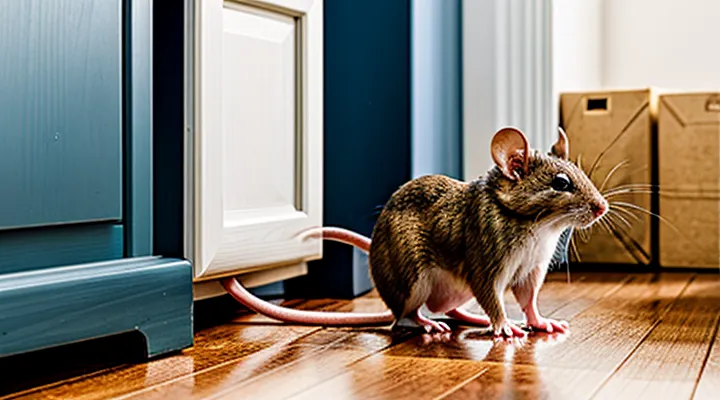
Recognizing the Signs of Mice Infestation
Visual Evidence
«Droppings»
Mice droppings signal a sanitation and health issue that requires immediate attention. The small, black, pellet‑shaped feces appear near food sources, along walls, and in concealed areas such as attics or cabinets. Spotting them confirms rodent activity and warrants a systematic response.
Droppings contain pathogens that can cause diseases like hantavirus, salmonellosis, and leptospirosis. Direct contact or inhalation of dried particles poses a risk to occupants, especially children and immunocompromised individuals. Protective measures include wearing disposable gloves, a mask, and eye protection before handling any contaminated material.
Cleaning procedure:
- Dampen droppings with a solution of 1 part bleach to 10 parts water; let stand for at least 5 minutes to neutralize viruses.
- Use a disposable paper towel or a mop to lift the softened material; place it directly into a sealed plastic bag.
- Disinfect the affected surface with the same bleach solution, allowing a contact time of 10 minutes before wiping dry.
- Dispose of all contaminated waste in a sealed container; discard according to local hazardous‑waste guidelines.
After removal, inspect the premises for additional signs of activity, seal entry points, and set traps or bait stations to eliminate the source. Maintaining a clean environment, storing food in airtight containers, and reducing clutter decrease the likelihood of future droppings and the associated health hazards.
«Gnaw Marks»
Gnaw marks are the most reliable visual evidence of rodent presence. They appear on wood, plastic, wiring, and food packaging where mice have applied their incisors to access shelter or food. The depth, angle, and pattern of the bite reveal the size of the animal and the direction of movement, allowing precise localization of activity zones.
Inspect corners, cabinets, and utility areas for shallow, crescent‑shaped holes or parallel scratches. Look for fresh, clean cuts rather than weathered damage, which indicates recent activity. Use a flashlight to highlight shadows and a magnifying glass to examine the edges for characteristic smooth, tapered surfaces.
Actions to address gnaw marks
- Seal entry points: apply steel wool or copper mesh followed by caulk to any gaps larger than ¼ inch.
- Remove damaged material: discard chewed wires, replace compromised insulation, and repair gnawed wood to eliminate hiding spots.
- Set traps or bait stations near the identified pathways, positioning them perpendicular to the gnawing direction for maximum contact.
- Monitor and replace traps daily; record capture locations to track movement patterns.
- Conduct a final inspection after a two‑week period to confirm the absence of new gnaw marks before declaring the area clear.
«Nests and Shredded Materials»
Mice construct nests from soft, readily available materials. Typical components include shredded paper, fabric fibers, insulation, and dried plant matter. Recognizing these materials helps confirm activity and locate breeding sites.
Inspect hidden areas such as behind appliances, within wall voids, beneath cabinets, and inside attics. Look for compacted piles of shredded debris, sometimes bound together with mouse saliva. The presence of gnawed cardboard, torn clothing, or loose insulation indicates a nest.
To eliminate existing nests, follow these steps:
- Wear disposable gloves and a mask to avoid contamination.
- Carefully remove all shredded material, placing it in a sealed plastic bag.
- Discard the bag in an outdoor trash container promptly.
- Clean the exposed surface with a detergent solution, then apply a disinfectant approved for household use.
- Seal any openings that allowed entry, using steel wool, caulk, or mesh.
Prevent future nesting by reducing the supply of suitable materials. Store paper, fabrics, and food packaging in airtight containers. Keep insulation intact and repair any damaged sections. Regularly vacuum corners and storage spaces to remove loose fibers that could serve as building material.
Monitoring devices, such as snap traps or electronic sensors, placed near potential nest sites, provide early detection. Replace traps when activity is observed and repeat the removal process until no new nests appear.
«Footprints and Runways»
Mouse footprints provide the first reliable indicator of an indoor rodent problem. Identify them by their small, oval-shaped impressions, typically 4‑6 mm long, with four toe marks and a clear claw pattern. Locate the most recent tracks; they point to active zones and help prioritize treatment areas.
Runways—continuous paths of gnaw marks, droppings, and subtle scuffing—trace the routes rodents use between food sources, nesting sites, and exits. Map each runway by following the direction of the footprints, noting intersections and dead‑ends. This map reveals high‑traffic corridors that require immediate sealing and targeted bait placement.
Action steps based on footprints and runways
- Seal entry points along identified routes with steel wool, caulk, or metal flashing.
- Place snap traps or bait stations directly on the runway, aligning with the direction of travel to increase capture rates.
- Remove food residues and water sources that attract rodents, focusing on areas adjacent to the mapped paths.
- Monitor traps daily; record new footprints to assess whether rodents are shifting routes, indicating incomplete blockage.
Regularly inspect for fresh prints and expanding runways. Prompt detection and precise intervention prevent population growth and reduce the likelihood of structural damage.
Auditory Clues
«Scratching or Scurrying Noises»
Scratching or scurrying sounds often signal rodent activity within walls, ceilings, or floor cavities. The noises typically occur at night when mice move to forage, and they may intensify after meals or when the animals establish new pathways.
To address these sounds, follow a systematic approach:
- Identify the source – Listen from multiple rooms, noting the direction and frequency of the noise. Use a flashlight to inspect exposed areas such as attics, basements, and crawl spaces.
- Seal entry points – Close gaps larger than ¼ inch with steel wool, caulk, or metal mesh. Pay special attention to openings around pipes, vents, and utility lines.
- Set traps – Place snap traps or electronic devices near the suspected routes. Position baits (peanut butter, chocolate, or dried fruit) against walls where the sounds originate.
- Remove attractants – Store food in airtight containers, clean crumbs from countertops, and maintain regular garbage disposal. Eliminate water sources by fixing leaks and drying damp areas.
- Monitor and document – Check traps daily, record any further noises, and adjust trap placement as needed. Persistent sounds after initial measures may indicate additional nesting sites.
If the noises continue despite these actions, consider professional pest control to conduct thorough inspections and apply targeted treatments. Prompt response reduces the risk of structural damage, contamination, and population growth.
Olfactory Indicators
«Musty Odor»
Mice infestations often produce a musty odor caused by urine, droppings, and decomposing food. The smell indicates hidden activity and can signal health risks.
To eliminate the odor and prevent recurrence:
- Locate sources: inspect cabinets, walls, and crawl spaces for stains, droppings, and gnaw marks.
- Remove contaminated material: discard infested food, clean surfaces with a detergent solution, then disinfect with a 1:10 bleach‑water mixture.
- Dry the area: use fans or dehumidifiers to lower humidity, which reduces mold growth and lingering smells.
- Seal entry points: apply steel wool and caulk to cracks, holes, and gaps around pipes and vents.
- Set traps or bait stations: reduce the rodent population to stop further contamination.
- Maintain cleanliness: store food in sealed containers, regularly empty trash, and vacuum corners to remove residual particles.
Addressing the musty odor promptly removes a key indicator of infestation and restores a healthy indoor environment.
Immediate Actions Upon Discovery
«Safety First: Protecting Your Family and Pets»
Mice entering a residence create health hazards for humans and animals. Their droppings, urine, and saliva can transmit pathogens such as Hantavirus, salmonella, and leptospirosis. Pets may ingest contaminated material or become injured by traps.
Immediate actions to protect occupants and companions
- Remove children and pets from areas where activity is observed.
- Close doors and windows that lead to the infested zone.
- Wear disposable gloves and a mask before handling any debris.
Preventive measures that reduce exposure
- Store all food in airtight containers; discard any items that show signs of contamination.
- Clean countertops, floors, and pet feeding stations with a disinfectant solution.
- Seal gaps around pipes, vents, and foundation cracks using steel wool and caulk.
Control methods that safeguard family members and pets
- Deploy snap traps or electronic devices in concealed locations; place them out of reach of children and animals.
- If using rodenticides, select formulations designed for limited exposure and lock them in tamper‑proof containers.
- Consider live‑catch traps followed by release far from the property, ensuring no pet can access captured mice.
Long‑term monitoring
- Install motion‑activated cameras to verify the absence of activity.
- Conduct quarterly inspections of entry points and food storage areas.
Following these steps eliminates the immediate threat and establishes a barrier that protects both humans and pets from future rodent incursions.
«Identifying Entry Points»
«Cracks and Gaps in Walls»
Mice gain entry through any opening larger than a quarter‑inch. Cracks and gaps in walls constitute the most common pathways. Locate these defects by inspecting interior surfaces, baseboards, and exterior siding. Pay special attention to areas around pipes, wiring, and window frames where construction joints often separate.
- Use a bright flashlight and a mirror to view hidden sections.
- Run a thin piece of paper or a cotton swab through suspected openings; movement indicates a gap.
- Mark each flaw with a piece of tape for later reference.
Seal identified openings promptly. Choose a material matched to the gap size and wall composition:
- Expandable polyurethane foam for gaps up to two inches; apply in short bursts to avoid overspill.
- Cement‑based mortar for masonry cracks; press firmly and smooth with a trowel.
- Steel wool or copper mesh for larger voids, then cover with caulk or plaster to prevent chewing.
After sealing, verify integrity by repeating the inspection process. Replace damaged weatherstripping around doors and windows, and install door sweeps to block floor‑level entries. Maintain a regular schedule—at least quarterly—to detect new fissures caused by settling or moisture.
Effective control of rodent ingress depends on eliminating these structural vulnerabilities. By systematically identifying, sealing, and monitoring cracks and gaps, owners can substantially reduce the likelihood of mouse activity inside the residence.
«Utility Line Openings»
Utility line openings are a primary pathway for rodents to enter residential structures. Identifying and securing these gaps prevents further intrusion and reduces damage to wiring, insulation, and piping.
First, locate all service penetrations. Examine exterior walls, foundation, and crawl spaces for openings around electrical conduit, water pipes, gas lines, and telecommunications cables. Look for visible holes, gaps, or deteriorated sealant.
Next, assess each opening for size and condition. Openings larger than ¼ inch allow mouse entry; even smaller gaps can be exploited if surrounding material is compromised.
Seal the gaps using appropriate materials:
- Expandable polyurethane foam for irregular or hard‑to‑reach spaces.
- Steel wool or copper mesh wrapped around pipes, then covered with caulk to deter chewing.
- Silicone or acrylic sealant around conduit fittings and cable entries.
- Mortar or concrete patch for larger foundation cracks.
After sealing, verify integrity by conducting a visual inspection and, if possible, a smoke test to confirm that airflow does not pass through the treated points.
Maintain the sealed areas. Schedule periodic checks, especially after seasonal temperature changes or landscaping work that may disturb the exterior envelope. Replace any degraded material promptly.
When a utility line opening cannot be safely sealed by a homeowner, engage a licensed electrician, plumber, or pest‑control professional. Their expertise ensures compliance with building codes and prevents accidental damage to essential services.
Implementing these measures eliminates a common entry route, reducing the likelihood of a rodent presence inside the dwelling.
«Vents and Chimneys»
Mice often enter homes through gaps around ventilation shafts and chimney flues. Inspect these openings for cracks, loose mortar, or missing screens. Seal any openings with steel wool, copper mesh, or expanding foam rated for pest control. Replace damaged chimney caps and ensure the chimney crown is intact to prevent rodents from climbing inside.
Install rigid vent covers that fit tightly over exterior vents. Use hardware cloth with openings no larger than ¼ inch to block entry while allowing airflow. For attic or roof vents, attach a metal flashing strip around the perimeter before sealing with caulk.
Regularly clean debris from roof valleys and chimney tops. Accumulated leaves, twigs, or insulation can create bridges for mice. Trim overhanging branches that touch the roof or chimney, eliminating direct pathways.
Maintain interior pressure balance by using exhaust fans and bathroom vents with backdraft dampers. Backdraft dampers close when fans are off, reducing suction that draws mice toward vent openings.
If signs of activity persist, set snap traps or live traps near vent and chimney areas, positioning them against walls where mice travel. Replace traps promptly and monitor for further intrusion.
Conduct a quarterly review of all vent and chimney seals, repairing any wear before the nesting season begins. Consistent maintenance of these passages significantly reduces the likelihood of rodent entry.
«Sanitation Measures»
«Cleaning Up Food Sources»
Mice infestations persist when accessible food remains in the home. Removing edible attractants deprives rodents of the energy they need to reproduce and encourages them to seek shelter elsewhere.
Secure all consumables in airtight containers made of glass, metal, or heavy‑wall plastic. Dispose of crumbs and spills immediately; wipe surfaces with a detergent solution after each meal. Replace kitchen towels and mop heads regularly to prevent residue buildup. Store pet feed in sealed bins and feed only the amount animals can finish within a short period.
- Keep pantry shelves empty of open packages; use zip‑lock bags or vacuum‑sealed bags for bulk items.
- Clean under appliances, inside cabinets, and behind refrigerators weekly.
- Empty garbage cans daily; fit lids with tight‑closing mechanisms.
- Seal entry points around pipes, vents, and cable openings with steel wool or caulk.
- Remove fallen fruit or birdseed from outdoor areas adjacent to doors and windows.
Maintain the routine: inspect storage containers for damage, audit waste disposal practices, and conduct a visual sweep of kitchen zones at least once a week. Consistent elimination of food sources reduces mouse activity and supports broader pest‑management efforts.
«Proper Food Storage»
Proper food storage is a critical component of rodent management in residential settings. Food left unsecured provides a reliable food source that encourages mice to remain and reproduce, undermining other control measures.
- Keep all dry goods in containers made of metal or heavy‑wall plastic with airtight seals.
- Store pet food, birdseed, and pantry items on shelves away from walls and floor level.
- Refrigerate or freeze perishable items promptly; discard leftovers within 24 hours.
- Clean crumbs and spills immediately; sweep floors and wipe countertops after each meal.
- Use sealed trash cans with tight‑fitting lids; empty them daily and keep them in a cool, dry area.
- Rotate stock regularly; label containers with purchase dates to avoid prolonged storage.
Maintain a routine inspection of storage areas. Replace damaged containers, repair torn packaging, and eliminate any signs of gnawing. Consistent application of these practices reduces food availability, discourages mouse activity, and supports overall infestation control.
«Waste Management»
Mice are attracted to food remnants, so controlling waste eliminates a primary lure. Store all edible items in airtight containers; glass or heavy‑plastic jars with screw lids work best. Keep countertops clear of crumbs and wipe spills immediately. Regularly empty indoor trash bins, replace liners, and place bins on top of sealed lids rather than open baskets.
Maintain outdoor refuse areas to prevent rodents from entering. Use bins with lockable lids, elevate them from the ground, and clean spillage around collection points. Compost should be enclosed in a metal or sturdy plastic container with a tight‑fitting lid; avoid placing compost near building foundations.
- Remove discarded packaging, cardboard, and paper that can serve as nesting material.
- Dispose of pet food and birdseed in sealed containers; do not leave bowls overnight.
- Schedule weekly waste removal for all indoor and outdoor receptacles.
- Inspect and repair cracks or gaps around pipes, vents, and doors that could allow mice to access waste storage.
Effective waste management reduces food availability and nesting sites, directly lowering the likelihood of a mouse infestation.
Humane Trapping and Removal Methods
«Live Traps»
«Placement and Baiting»
When rodents infiltrate a residence, effective control hinges on strategic trap positioning and appropriate bait selection.
Place devices along established mouse pathways: behind appliances, within wall voids, under cabinets, and near entry points such as gaps around pipes or doors. Position traps perpendicular to the wall, with the bait side facing the baseboard, because mice travel close to surfaces. Locate at least one station per 10‑square‑foot area of visible activity, ensuring coverage of both primary and secondary routes.
Choose bait that appeals to the species’ diet and remains attractive under varying conditions. Peanut butter, small pieces of dried fruit, or commercial rodent gel provide strong olfactory cues. Apply a pea‑sized amount directly onto the trigger mechanism to prevent spillage and maintain focus on the lure. For environments where moisture is high, use dry, non‑perishable baits to avoid degradation.
Maintain a regular inspection schedule. Check traps daily, replace consumed or fouled bait, and reposition any device that has not captured rodents after 48 hours. Rotate locations to prevent habituation and to map the extent of the infestation.
By adhering to precise placement guidelines and employing proven bait types, homeowners can achieve rapid reduction of mouse activity and limit future incursions.
«Release Protocol»
When rodents are detected inside a residence, a systematic Release Protocol ensures safe removal and prevents recurrence. The protocol comprises assessment, containment, extraction, and post‑release measures.
-
Assessment – Identify entry points, activity zones, and population size. Use visual inspection, droppings, and gnaw marks as evidence. Record findings for later reference.
-
Containment – Seal all obvious openings with steel wool, caulk, or metal mesh. Deploy temporary barriers around high‑traffic areas to limit movement.
-
Extraction – Choose an appropriate humane trap (live‑catch or snap, depending on policy). Bait with peanut butter, oats, or dried fruit. Position traps along walls, near nests, and at identified pathways. Check traps every 2‑4 hours to minimize stress.
-
Release – Transport captured rodents to a location at least 2 miles from the residence, preferably a wooded or field area. Release each animal individually, allowing it to exit the carrier without delay.
-
Post‑release actions – Re‑inspect sealed openings weekly for new activity. Maintain a clean environment: store food in airtight containers, eliminate standing water, and manage waste promptly. Schedule periodic monitoring to verify that the infestation has not re‑established.
Following these steps creates a controlled, repeatable process that removes rodents efficiently while safeguarding the household’s integrity.
«Exclusion Techniques»
«Sealing Entry Points Permanently»
Mice gain access through gaps as small as a pencil‑lead diameter; eliminating those openings stops further intrusion. Permanent sealing removes the primary pathway and reduces the need for ongoing chemical or trap measures.
- Conduct a thorough inspection of the building envelope. Focus on foundations, wall joints, utility penetrations, vent covers, and door thresholds. Use a flashlight and a mirror to reveal concealed cracks.
- Document each opening with measurements. Prioritize gaps larger than ¼ in (6 mm) because they accommodate adult mice.
- Select durable sealing materials. Expandable polyurethane foam works for irregular cavities, while steel wool combined with caulking resists chewing. For structural cracks, apply cement mortar or epoxy filler.
- Clean the area before application. Remove debris, dust, and any existing nesting material to ensure adhesion.
- Insert steel wool or copper mesh into the gap, then cover with caulk or foam. Press the filler firmly to fill the void completely.
- Allow the sealant to cure according to the manufacturer’s instructions. Verify that the surface remains intact after curing; reapply if cracks appear.
After sealing, schedule periodic checks, especially after seasonal temperature changes, to confirm that seals have not deteriorated. Replace any compromised material promptly to maintain a barrier that mice cannot breach. This systematic approach secures the home against future rodent entry.
«Using Steel Wool and Caulk»
Steel wool and caulk form an effective barrier against rodents seeking entry through small gaps and cracks. The dense fibers of steel wool cannot be chewed through, while caulk seals the surrounding edges, preventing mice from exploiting the opening.
When applying this method, follow these steps:
- Identify all potential entry points, such as gaps around pipes, vents, window frames, and foundation cracks.
- Insert a generous amount of steel wool into each opening, ensuring the material fills the space completely.
- Apply a continuous bead of silicone or acrylic caulk over the steel wool, pressing it firmly to adhere to the surrounding surface.
- Smooth the caulk with a gloved finger or a caulking tool to create a seamless seal.
- Inspect the sealed areas after 24 hours to confirm that the caulk has cured and the barrier remains intact.
Use stainless‑steel wool to resist rust, especially in damp environments. Choose a caulk formulated for the specific substrate—silicone for glass and metal, acrylic for interior woodwork. Replace any damaged steel wool and recaulk any cracks that reappear due to building movement or settlement.
Regularly check the sealed zones during routine home maintenance. Reapply steel wool and caulk promptly if you notice any deterioration, as even a minor opening can invite a new infestation. This preventive approach reduces the likelihood of mice establishing a presence inside the residence.
More Aggressive Eradication Strategies
«Snap Traps»
«Strategic Placement»
When rodents are detected indoors, the effectiveness of control measures depends largely on where devices are positioned.
- Place snap traps along walls, behind appliances, and near known runways; mice prefer to travel close to vertical surfaces.
- Locate bait stations in concealed corners, under sinks, and inside cabinets; these areas offer shelter and food sources.
- Install entry‑point blockers at gaps around pipes, vents, and foundation cracks; sealing these openings prevents further intrusion.
- Position motion‑activated deterrents near attic access points and crawl‑space openings; the sudden sound or light discourages movement through these routes.
Each placement should correspond to observed activity signs such as droppings, gnaw marks, or nesting material. Regularly inspect devices, relocate any that remain unused, and maintain a tidy environment to reduce attractants. This systematic arrangement maximizes contact with the pests while minimizing disruption to household occupants.
«Baiting with Attractants»
Baiting with attractants provides a focused method for reducing mouse activity inside a residence. The technique relies on luring rodents to a poisoned or humane device, ensuring contact with the control agent while minimizing exposure to non‑target species.
Effective implementation includes the following actions:
- Choose an attractant that matches the mouse’s dietary preferences; common options are grain‑based powders, peanut butter, or specialized rodent gel.
- Apply a small amount of attractant directly onto the bait station, avoiding excess that could contaminate surrounding surfaces.
- Position bait stations along established travel routes, near walls, behind appliances, and in concealed corners where droppings have been observed.
- Replace bait regularly, typically every 3–5 days, to maintain potency and prevent desiccation.
- Monitor stations for activity, recording captures and adjusting placement if no evidence of use appears after a week.
Safety considerations demand that bait stations be secured out of reach of children and pets, and that the chosen attractant be compatible with the selected control product. Documentation of placement and removal dates supports compliance with local pest‑management regulations and facilitates evaluation of effectiveness.
«Electronic Traps»
«How They Work»
Mice infiltrate homes by exploiting structural gaps, seeking shelter, food, and water. Their small size allows entry through openings as narrow as a quarter inch, and their nocturnal activity reduces detection. They navigate using scent trails, whisker sensing, and memory of safe routes, which enables rapid colonization of hidden spaces such as wall voids, attics, and crawl spaces.
Key aspects of mouse behavior relevant to control:
- Exploratory foraging: Mice travel up to 100 meters nightly in search of food, leaving droppings and gnaw marks that indicate pathways.
- Reproduction cycle: A female can produce 5–7 litters per year, each with 5–8 offspring, leading to exponential population growth if unchecked.
- Chewing ability: Incisors grow continuously, allowing constant gnawing of wood, plastic, and electrical wiring, creating additional entry points and hazards.
- Social communication: Pheromones deposited in urine and gland secretions establish territories and attract mates, reinforcing infestation clusters.
Understanding these mechanisms informs effective response:
- Seal entry points: Apply steel wool, caulk, or metal mesh to gaps around pipes, vents, and foundation cracks.
- Eliminate food sources: Store perishables in airtight containers, clean crumbs promptly, and manage pet food availability.
- Reduce water access: Fix leaks, dry out damp areas, and avoid standing water in basements or bathrooms.
- Disrupt nesting sites: Remove clutter, trim vegetation near the building, and install traps in identified travel corridors.
- Monitor activity: Place snap traps or live-catch devices along walls, behind appliances, and near suspected routes; check daily for captures.
By targeting the biological drivers of mouse movement, reproduction, and feeding, homeowners can halt infestation progression and prevent damage.
«Safety Considerations»
When rodents are detected inside a residence, immediate attention to health and structural safety is mandatory. Contact with mouse urine, feces, or saliva can transmit hantavirus, leptospirosis, and salmonella; inhalation of aerosolized particles from contaminated dust may cause allergic reactions or asthma attacks. Protecting occupants starts with personal protective equipment: disposable gloves, N‑95 respirator or equivalent, and eye protection before entering infested areas. Seal all skin exposures and wash hands thoroughly after handling traps or cleaning contaminated surfaces.
Implement the following safety measures:
- Isolate the affected zone; restrict access for children and pets.
- Wear appropriate PPE while setting traps, applying baits, or conducting inspections.
- Choose baits that comply with local regulations; keep them out of reach of non‑target species.
- Dispose of dead mice in sealed containers; follow municipal hazardous waste guidelines.
- Clean surfaces with a bleach solution (1 part bleach to 10 parts water) after removal of droppings; allow adequate ventilation before re‑entry.
- Inspect ventilation ducts and insulation for damage; repair holes that could permit further entry.
- Schedule a professional pest‑control assessment if infestation exceeds a few individuals or if structural damage is evident.
«Understanding When to Use Baits and Poisons»
«Risks to Children and Pets»
Mice in residential environments pose distinct health hazards for children and pets. Their presence introduces pathogens, physical hazards, and chemical dangers that can compromise the well‑being of vulnerable household members.
- Disease carriers – Rodent saliva, urine, and feces contain bacteria such as Salmonella and Leptospira and viruses like hantavirus. Direct contact or ingestion of contaminated material can lead to gastrointestinal illness, kidney damage, or respiratory infection.
- Allergic reactions – Proteins in mouse urine and dander trigger asthma attacks and skin irritation. Children with pre‑existing respiratory conditions experience heightened sensitivity, while pets may develop dermatitis.
- Physical injury – Mice gnaw on electrical wiring, furniture, and food containers. Exposed wires increase the risk of electric shock for curious toddlers and for pets that chew on cords.
- Chemical exposure – Snap traps, glue boards, and rodenticides are lethal if mishandled. Accidental ingestion or contact can result in severe poisoning, organ failure, or death. Pets that investigate trap sites are especially vulnerable.
- Nutritional contamination – Food stores infiltrated by rodents become vectors for spoilage. Consuming tainted food can cause acute poisoning or chronic gastrointestinal disturbances in both children and animals.
Mitigating these risks requires immediate removal of rodents, safe disposal of contaminated materials, and secure placement of control devices out of reach of non‑target occupants. Continuous monitoring and sanitation reduce the likelihood of recurrence and protect the health of the household’s youngest members and companion animals.
«Environmental Impact»
Mice infestations trigger a chain of environmental consequences that extend beyond the immediate household. Chemical rodenticides, when applied indoors, often leak into soil and water systems through drainage or accidental spills. Residual toxins persist in the ecosystem, harming non‑target organisms such as insects, birds, and small mammals that encounter contaminated food sources. Moreover, the production and transport of synthetic poisons generate greenhouse‑gas emissions, contributing to climate change.
Physical traps reduce chemical load but create waste that must be managed responsibly. Discarded snap traps contain metal and plastic components that add to landfill volume. Live‑capture devices release captured rodents back into the environment, where they may join existing wild populations and compete for resources, potentially altering local biodiversity. Improper release near agricultural areas can increase crop damage and pesticide use downstream.
Preventive measures influence environmental impact more significantly than reactive actions. Sealing entry points eliminates the need for lethal controls, decreasing material consumption and waste generation. Maintaining clean storage areas limits food availability, reducing rodent attraction without additional resources. Using natural deterrents—such as peppermint oil or ultrasonic emitters—avoids chemical contamination, though their efficacy varies and should be evaluated before widespread adoption.
Key environmental considerations include:
- Chemical exposure: potential contamination of soil, water, and non‑target species.
- Waste generation: disposal of traps and dead rodents adds to municipal solid waste.
- Resource consumption: production of pesticides and trap materials consumes energy and raw materials.
- Ecosystem disruption: release of captured mice may affect local fauna dynamics.
Choosing strategies that minimize chemical use, reduce waste, and emphasize structural prevention aligns household pest management with broader ecological stewardship.
Preventing Future Infestations
«Regular Home Inspections»
Regular home inspections are a practical method for preventing and controlling rodent incursions. By systematically examining the property, owners can identify conditions that attract mice and address them before infestations develop.
A comprehensive inspection should include the following elements:
- Exterior walls and foundation: look for gaps larger than ¼ inch, cracks, and damaged siding. Seal openings with steel wool, caulk, or metal flashing.
- Roof and eaves: check for missing shingles, loose vent covers, and debris accumulation that could provide shelter.
- Windows and doors: verify that screens are intact and weatherstripping is intact. Install door sweeps to block entry points.
- Utility penetrations: inspect pipe sleeves, electrical conduits, and HVAC ducts for unsealed openings.
- Interior spaces: examine attics, basements, and crawl spaces for droppings, gnaw marks, and nesting material.
- Food storage areas: ensure pantry shelves are sealed, containers are airtight, and floors are free of crumbs.
Conduct inspections at least quarterly, and increase frequency during warmer months when mouse activity peaks. Document findings in a log, noting location, severity, and corrective actions taken. Follow each visit with immediate remediation; unattended defects quickly become entry routes.
When deficiencies are discovered, prioritize repairs that eliminate direct access, then address conditions that support nesting, such as excess clutter or moisture. If structural repairs exceed DIY capabilities, enlist a qualified contractor to ensure lasting protection.
Regularly scheduled inspections, combined with prompt repair of identified issues, create a defensive barrier that reduces the likelihood of rodents establishing a presence in the home.
«Maintaining a Clean Environment»
A tidy home eliminates the food and shelter that attract rodents. When evidence of mice appears, the first priority is to remove any accessible nutrition and eliminate clutter that could serve as nesting material.
- Store dry goods in sealed containers made of glass, metal, or heavy‑wall plastic.
- Sweep floors, vacuum carpets, and wipe countertops after each meal to remove crumbs and spills.
- Clean under appliances, inside cabinets, and behind furniture where debris can accumulate.
- Dispose of garbage daily in bins with tight‑fitting lids; rinse recyclable containers before recycling.
- Repair cracks, gaps, and openings around doors, windows, pipes, and vents to prevent entry.
Regular sanitation prevents re‑infestation. Schedule a weekly inspection of food storage, waste areas, and potential entry points; address any breach immediately. Consistent cleaning removes attractants and supports long‑term rodent control.
«Landscaping Practices»
«Trimming Vegetation Away From the House»
Trimming vegetation away from the house reduces the likelihood that mice will use plants as a bridge to gain entry. Overgrown shrubs, tree limbs, and vines create continuous cover from the ground to the roof, allowing rodents to climb and explore openings.
Maintain a clear perimeter of at least three feet around the foundation. Cut back shrubs so that foliage does not touch the exterior walls. Remove any low‑hanging branches that reach the roofline. Keep ground‑cover plants at a distance that prevents them from forming a tunnel to the siding.
Regularly inspect the area for new growth. When pruning, follow these steps:
- Identify plants within three feet of the structure.
- Trim branches to a minimum of six inches from the wall.
- Dispose of cut material away from the house; do not pile it near the foundation.
- Apply mulch at least six inches away from the base of the building to deter nesting.
Eliminate dense ground cover that could conceal mouse activity. Replace thick grass with short, well‑maintained turf or gravel. Keep compost bins, firewood piles, and other debris at a distance from the home, as they provide shelter and food sources.
A tidy exterior limits the routes mice can exploit, making it harder for them to locate entry points such as gaps in siding, vents, or foundation cracks. Consistent vegetation management complements other rodent‑control measures and contributes to a more secure home environment.
«Storing Firewood Away From the Foundation»
Storing firewood at a distance from the house foundation reduces the likelihood that mice will find shelter and food close to the structure. Wood piles placed directly against the exterior wall create a bridge for rodents to enter gaps in the siding, crawl spaces, or basement. By keeping the fuel source separate, the interior of the building becomes less attractive, limiting the need for extensive rodent control measures.
Maintain a minimum clearance of three feet between the wood stack and any part of the building envelope. Elevate the pile on a platform or pallets to prevent direct ground contact, which discourages nesting and moisture accumulation. Cover the top of the stack with a waterproof tarp, securing it to the support frame, to block rain and deter mice from climbing.
Regularly inspect the firewood area for signs of activity, such as gnaw marks or droppings. Remove any debris, leaves, or other organic material that could provide cover. Rotate the stock so older logs are used first, preventing long‑term storage that attracts pests.
Key practices:
- Position firewood at least three feet from walls, doors, and windows.
- Raise the pile on a solid, non‑rotating base.
- Use a fitted, weather‑proof cover.
- Conduct weekly visual checks for rodent evidence.
- Keep the surrounding ground clear of vegetation and mulch.
Implementing these measures creates a physical barrier that limits mouse access, supporting broader efforts to protect the home from infestation.
«Professional Pest Control Services»
Professional pest control companies specialize in eliminating rodent infestations with methods that exceed typical DIY solutions. Technicians conduct a thorough inspection to locate entry points, nesting sites, and food sources. They document findings, then implement a plan that includes sealing gaps, setting bait stations, and applying rodenticide in accordance with safety regulations. After treatment, they schedule follow‑up visits to verify that activity has ceased and to address any new breaches.
Key components of a professional service:
- Inspection and identification – detailed assessment of structural vulnerabilities and signs of mouse activity.
- Exclusion measures – installation of metal flashing, weatherstripping, and sealants to prevent re‑entry.
- Population control – placement of tamper‑proof bait stations and traps calibrated for the infestation level.
- Sanitation advice – recommendations for waste management, food storage, and clutter reduction to remove attractants.
- Monitoring and reporting – periodic checks with written reports documenting progress and any additional actions required.
Choosing a provider involves verifying licensure, confirming that technicians hold certifications in rodent management, and requesting references from recent residential clients. Transparent pricing should outline inspection fees, treatment costs, and any guarantees for future re‑infestation. A reputable firm offers a written warranty that covers additional treatments within a specified timeframe if mice reappear.
By engaging a qualified pest control service, homeowners obtain a systematic, regulated approach that minimizes health risks, protects property integrity, and reduces the likelihood of recurring mouse problems.