
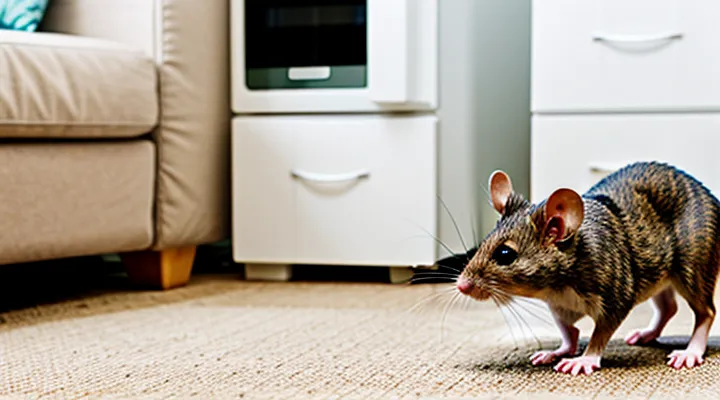
Signs of Mouse Infestation
Visual Evidence
Droppings
Mice droppings indicate active infestation and pose health hazards. They appear as small, black to brown pellets, roughly ¼‑inch long, often found near food sources, along walls, and in hidden corners.
Identify droppings promptly. Look for clusters in pantry shelves, under appliances, and inside cabinets. Their presence confirms mouse activity and signals the need for immediate action.
Health risks include transmission of hantavirus, salmonella, and other pathogens. Inhalation of dried droppings or dust contaminated with urine can trigger respiratory problems. Direct contact may cause skin irritation or gastrointestinal infection.
Clean contaminated areas safely:
- Wear disposable gloves and a mask.
- Ventilate the room by opening windows for at least 15 minutes before disturbance.
- Moisten droppings with a disinfectant solution (e.g., 10% bleach) to prevent aerosolization.
- Wipe the area with a disposable cloth; discard the cloth and gloves in a sealed bag.
- Apply an EPA‑approved disinfectant to the cleaned surface and let it dry completely.
Dispose of waste according to local regulations. Seal the bag containing cleaning materials tightly, label it as contaminated, and place it in an outdoor trash container not accessible to pets.
Prevent future droppings by eliminating food access and sealing entry points. Store food in airtight containers, keep countertops clear, and repair cracks or gaps around pipes, vents, and baseboards. Regular inspection of likely hiding spots helps detect new droppings early, allowing swift remediation before the infestation spreads.
Gnaw Marks
Mice leave distinctive gnaw marks on wood, plastic, wires, and food packaging. The cuts are clean, V‑shaped, and usually 1–3 mm deep, reflecting the animal’s continuously growing incisors. Recognizing these signs helps confirm an infestation and locate active pathways.
Inspect walls, baseboards, cabinets, and appliance cords for fresh gnawing. Compare recent marks with older, weathered damage; newer cuts have sharper edges and less discoloration. Pay special attention to areas near food storage, as mice often gnaw to reach crumbs or squeeze through small openings.
When gnaw marks are found, take immediate steps:
- Seal entry points with steel wool, copper mesh, or silicone caulk; rodents cannot chew through metal.
- Replace damaged wiring or plastic components to prevent fire hazards.
- Install snap traps or electronic bait stations along the identified routes.
- Clean and disinfect the affected surfaces with a mild bleach solution (1 part bleach to 9 parts water) to remove scent trails.
After removal, monitor for new gnaw marks weekly. Persistent damage indicates hidden access points that require additional sealing or professional pest‑control evaluation. Maintaining a sealed environment eliminates the incentive for mice to gnaw, protecting both property and health.
Nests and Nesting Materials
Mice construct nests to protect offspring and store food, so the presence of a nest confirms an active infestation that requires immediate action.
Typical nesting materials include shredded paper, fabric fibers, insulation, dried plant matter, and soft debris such as cotton swabs. These items are often found in concealed locations: behind appliances, within wall cavities, under cabinets, and in storage boxes.
To locate nests, inspect dark, undisturbed areas for shredded material, urine stains, or faint odor. Use a flashlight and a thin probe to reach into narrow gaps without disturbing the structure.
When a nest is identified, follow these steps:
- Wear disposable gloves and a mask to avoid contact with droppings and pathogens.
- Place the nest in a sealed plastic bag, compressing it to eliminate loose fragments.
- Dispose of the bag in an outdoor trash container away from the building.
- Clean the surrounding surface with a disinfectant solution, focusing on any residual debris.
Prevent future nesting by eliminating potential resources:
- Store food in airtight containers and keep countertops clear.
- Remove excess paper, cardboard, and fabric scraps from storage spaces.
- Seal gaps larger than ¼ inch with steel wool, caulk, or metal mesh.
- Install rodent‑proof vent covers and maintain regular cleaning routines.
By removing existing nests and denying access to suitable materials, the likelihood of repeated mouse activity in the apartment diminishes significantly.
Auditory Evidence
Scratching Noises
Scratching noises are a common sign of rodent presence in a flat. The sounds usually originate from walls, ceilings, cupboards or behind appliances, and they are most audible at night when mice are active.
To pinpoint the source, turn off lights, use a flashlight, and listen from different rooms. Inspect any area where the noise is strongest, looking for gnaw marks, droppings or shredded material. Pay particular attention to gaps around pipes, vents and electrical wiring.
When the origin is identified, take the following actions:
- Seal all openings larger than a quarter‑inch with steel wool, caulk or metal mesh.
- Place snap traps or live‑catch traps along the identified pathways, positioning them perpendicular to the wall.
- Apply rodent‑repellent products, such as peppermint oil or ultrasonic devices, near the affected zones.
- Remove food sources by storing pantry items in airtight containers and cleaning crumbs promptly.
Long‑term prevention reduces the likelihood of future scratching. Keep the apartment free of clutter, repair damaged screens, and maintain regular inspections of structural joints. Consistent housekeeping and barrier maintenance create an environment that discourages mice from returning.
Squeaking Sounds
Squeaking noises often signal mouse activity in walls, ceilings, or under floorboards. The sound originates from rodents moving through tight passages, nesting, or gnawing on structural components. Identifying the source helps prioritize control measures and prevents damage escalation.
- Listen during quiet periods, preferably at night when mice are most active.
- Trace the noise by moving step‑by‑step toward louder sections, noting whether the sound intensifies near cabinets, ducts, or insulation.
- Use a flashlight to inspect visible gaps, holes, or droppings along the identified path.
Once the location is confirmed, take immediate action:
- Seal entry points with steel wool, copper mesh, or approved sealants to block further access.
- Deploy snap traps or electronic traps directly where the squeaking is strongest; position bait at least 2–3 inches from the trap edge to encourage entry.
- Apply a low‑odor, rodent‑safe repellent spray to surrounding surfaces; reapply weekly to maintain effectiveness.
If squeaking persists after sealing and trapping, consider structural inspection. Repeated noises may indicate hidden nests or damage to insulation that requires professional remediation. Prompt resolution prevents secondary issues such as electrical short circuits or compromised fire safety.
Olfactory Evidence
Musky Odor
Mice emit a distinctive musky odor that signals their presence even before droppings or damage become visible. The scent originates from urine, glandular secretions, and the breakdown of food particles, and it can linger in walls, cabinets, and hidden corners.
Detecting the odor helps locate infestations early. Approach each suspected area, breathe gently, and note any sour, pungent smell. The strongest intensity usually appears near nesting sites, such as behind appliances, inside insulation, or within stored boxes.
Effective response includes:
- Seal entry points: Use steel wool and caulk to block gaps larger than ¼ inch.
- Remove food sources: Store dry goods in airtight containers, clean crumbs promptly, and dispose of pet food after each use.
- Clean contaminated zones: Wear gloves, discard soiled materials, and wash surfaces with a solution of water and diluted bleach (1 part bleach to 10 parts water) to neutralize odor molecules.
- Deploy traps: Place snap or live traps along walls where the scent is strongest; check and reset daily.
- Apply scent‑absorbing agents: Place activated charcoal bags or baking soda containers near affected areas for 48 hours to reduce residual odor.
After eliminating the mice, ventilate the apartment thoroughly. Open windows, run fans, and consider an air purifier equipped with a HEPA filter to capture lingering particles. Regularly inspect for re‑entry signs and repeat cleaning if the musky smell reappears.
Immediate Actions
Safety First
Protecting Food
When rodents enter a dwelling, the most vulnerable resource is unsecured food. Protecting consumables removes a primary attraction and limits population growth.
- Store all dry goods—cereals, pasta, rice, beans—in airtight containers made of metal or heavy‑wall plastic. Ensure lids seal tightly; test by pressing the lid down and feeling resistance.
- Keep pet food in sealed bins and place bowls on trays that can be emptied and cleaned daily. Remove leftovers immediately after meals.
- Refrigerate or freeze perishables within two hours of purchase. Use sealed bags for items that must remain at room temperature for short periods, and discard any that have been left out longer than recommended.
- Clean countertops, floors, and appliance exteriors nightly. Sweep crumbs, wipe spills, and vacuum corners where debris accumulates.
- Position trash cans with tight‑fitting lids away from food preparation areas. Empty them regularly and line them with heavy‑duty bags that do not tear easily.
- Eliminate standing water sources by fixing leaks, drying sinks, and storing water containers upside down when not in use.
Implementing these measures creates a hostile environment for mice, reducing the likelihood of infestation and safeguarding the household’s nutritional supplies.
Protecting Pets and Children
Mice infestations introduce health hazards that directly affect pets and children. Their droppings can carry pathogens, and bites may cause injury or infection. Immediate containment reduces exposure for vulnerable household members.
- Identify and block all entry points using steel wool, caulk, or mesh.
- Store food in sealed containers; remove crumbs and spills promptly.
- Deploy snap traps in concealed locations; avoid glue boards that can entangle pets.
- If poison is required, choose bait stations with tamper‑resistant locks and place them out of reach of animals and youngsters.
Pet protection requires supervision around traps and bait. Keep cats and dogs away from active devices; inspect pets for signs of chewing or ingestion. Prefer non‑chemical methods whenever possible, as rodenticides pose severe toxicity risks to animals.
Child protection centers on preventing accidental contact. Store traps and bait in locked drawers or high cabinets. Teach children not to touch unknown objects on the floor. Use child‑proof containers for any necessary poison and label them clearly.
Sustained prevention relies on regular housekeeping and monitoring. Sweep floors daily, clean pet feeding areas, and conduct monthly inspections of walls and cabinets. When infestations persist, enlist a licensed pest‑control professional to apply targeted treatments that safeguard both pets and children.
Initial Clean-up
Sanitation Measures
Effective sanitation is the cornerstone of preventing and controlling rodent activity in a residential unit. Food residues, spilled liquids, and clutter provide the resources mice need to survive and reproduce; eliminating these resources reduces attraction and limits population growth.
- Store all food in airtight containers; avoid leaving pet food out overnight.
- Clean countertops, tables, and floors immediately after meals; sweep crumbs and wipe spills.
- Dispose of garbage daily in sealed bags; keep trash cans equipped with tight‑fitting lids.
- Remove standing water; fix leaky faucets and dry sinks after use.
- Eliminate clutter in cabinets, closets, and under appliances; keep storage areas orderly.
- Vacuum regularly, especially in corners and behind furniture, to capture droppings and nesting material.
- Sanitize surfaces with a mild disinfectant after cleaning to remove scent trails that guide rodents.
Consistent application of these measures deprives mice of food, water, and shelter, making the apartment an inhospitable environment for infestation.
Sealing Food Sources
Sealing food sources eliminates the primary attraction that draws rodents into a dwelling. When edible material is inaccessible, mice lose the incentive to explore and colonize the apartment.
- Transfer dry goods, grains, and pet food to containers with silicone‑gasket lids or heavy‑duty zip‑lock seals.
- Place cans, jars, and packaged items on shelves away from walls to prevent gnawing on packaging.
- Clean countertops and tables after each meal; wipe away crumbs and spills immediately.
- Store leftovers in sealed containers and refrigerate or discard them within 24 hours.
- Empty trash bins daily; use bins with tight‑fitting lids and keep them away from food‑preparation areas.
- Inspect pantry doors, cabinet backs, and drawer fronts for gaps; apply steel wool followed by caulk or use metal mesh strips to close openings.
- Seal cracks and holes around baseboards, pipe entries, and vent openings with rodent‑grade silicone or expanding foam.
Implementing these measures creates a barrier that denies mice any accessible nourishment, reducing the likelihood of infestation and supporting long‑term control.
Methods of Mouse Control
Trapping Solutions
Snap Traps
Snap traps provide a direct, fast-acting solution for eliminating mice in a living space. Their mechanical design kills the animal instantly, reducing the risk of disease transmission and preventing the need for chemical treatments.
Choose traps that match the size of the target rodent; larger mice require traps with a longer jaw span. Models with a spring‑loaded bar and a sensitive trigger ensure reliable activation. Plastic-bodied traps reduce the chance of accidental injury to humans and pets compared with wooden versions.
Effective placement follows a simple pattern:
- Position traps along walls, where mice travel close to the baseboard.
- Target known activity sites such as behind appliances, under sinks, and near entry points.
- Set traps perpendicular to the wall, with the trigger end facing the expected path.
- Use multiple traps in high‑traffic areas to increase capture probability.
Bait selection influences success. Peanut butter, small pieces of cheese, or bits of dried fruit attract mice reliably. Apply a pea‑sized amount to the trigger mechanism; excess bait can cause the mouse to avoid the trap. Wear disposable gloves when handling bait and traps to avoid leaving human scent.
After a capture, dispose of the dead mouse in a sealed bag and place it in an outdoor trash container. Reset the trap with fresh bait promptly to maintain pressure on the infestation. Inspect traps daily; replace malfunctioning units to avoid reduced effectiveness.
Safety measures include keeping traps out of reach of children and pets, securing them on stable surfaces, and checking that the trigger is fully engaged before each use. Regular monitoring and proper placement keep snap traps efficient, contributing to a mouse‑free apartment.
Live Traps
Live traps offer a humane way to remove mice from a dwelling without killing them. They consist of a cage or box with a trigger mechanism that closes the door when the rodent enters.
When selecting a trap, prioritize models with a secure latch, easy‑to‑open door, and a transparent front so the catch can be observed without disturbance. Plastic and metal options are both effective; plastic is lighter, metal is more durable.
Placement determines success. Position traps along walls, behind appliances, and near known gnawing sites. Mice travel close to edges, so align the trigger side against the wall. Avoid clutter that could block the mechanism.
Bait enhances attraction. Peanut butter, small pieces of cheese, or bits of dried fruit work well. Apply a pea‑sized amount to the trigger plate; excessive bait may allow the mouse to eat without activating the trap.
Check traps at least twice daily. A captured mouse should be removed promptly to prevent stress and odor buildup. Wear disposable gloves, place the trap in a sealed container, and release the animal at least one mile from the residence, preferably in a wooded or field area.
After each capture, clean the trap with mild soap and hot water. Disinfecting prevents disease transmission and eliminates scent cues that could deter future catches.
Maintain a mouse‑free environment by sealing entry points, storing food in airtight containers, and keeping clutter to a minimum. Live traps work best when combined with these preventive measures.
Electronic Traps
Electronic traps provide a rapid, chemical‑free method for eliminating mice in a living space. A sensor detects the animal’s presence and delivers an instantaneous high‑voltage shock, killing the rodent within seconds and preventing further damage to food stores and wiring.
The devices operate on either mains electricity or rechargeable batteries. Models with built‑in safety switches stop the circuit if a non‑target object is inserted, reducing accidental injury. Some units emit a brief audible click to confirm activation; the sound level is low enough not to disturb occupants.
When choosing a trap, consider the following factors:
- Power source compatibility with the apartment’s outlets or available charging stations.
- Coverage area indicated by the manufacturer; larger rooms may require multiple units.
- Noise output; quiet models are preferable in shared buildings.
- Indicator lights that signal a successful catch and battery status.
Proper placement maximizes effectiveness. Position traps along walls, behind appliances, and near known mouse pathways such as gaps around pipes. Ensure the device sits on a flat, stable surface and is not obstructed by furniture or cords. Keep the unit at least 12 inches away from food preparation areas to avoid contamination.
Maintenance involves regular inspection. After a kill, open the trap, remove the carcass, and clean the interior with mild detergent to prevent odor buildup. Replace batteries or reset the circuit according to the product manual; most units alert the user when power is low.
Safety precautions are essential. Install traps out of reach of children and pets, and verify that the housing is intact before each use. Use only devices certified for indoor residential use, and follow the manufacturer’s disposal instructions for deceased rodents.
Trap Placement Strategies
Effective mouse control hinges on strategic trap positioning. Place traps along walls where rodents travel, as they prefer to move close to surfaces. Position devices near known entry points—gaps under doors, vents, and utility openings—because mice often exploit these routes. Install traps behind appliances and furniture, where shadows provide concealment, yet still allow easy access to food trails.
Key locations include:
- Baseboards and crown molding, especially at corners.
- Behind refrigerators, stoves, and dishwashers.
- Inside cabinets, particularly near stored grains or cereals.
- Near garbage cans and compost bins.
- In utility closets and laundry rooms, adjacent to piping.
When setting traps, align the trigger mechanism perpendicular to the wall, ensuring the mouse approaches from the side rather than head‑on. Use multiple traps spaced 12–18 inches apart to cover a broader corridor. Replace each trap promptly after a catch to maintain pressure on the population and prevent avoidance behavior.
Regularly inspect all placements. Relocate any unused traps to fresh activity zones identified by fresh droppings or gnaw marks. Consistent, targeted positioning maximizes capture rates and accelerates the elimination of the infestation.
Baits and Repellents
Commercial Baits
Commercial baits provide a fast‑acting solution for indoor mouse problems. They contain anticoagulant or non‑anticoagulant rodenticides that kill rodents after a single exposure. Proper selection and placement maximize effectiveness while minimizing risks to occupants.
- Choose a product approved for residential use and compatible with local regulations.
- Read the label to confirm active ingredient, concentration, and required safety precautions.
- Deploy tamper‑resistant bait stations in areas where activity is evident: behind appliances, inside cabinets, along walls, and near entry points.
- Position stations 1–2 m apart, ensuring they are out of reach of children and pets.
- Replace stations regularly, typically every 2–3 weeks, or sooner if bait is depleted.
- Record dates of placement and removal to track progress and adjust density if mice persist.
Safety measures include wearing disposable gloves during handling, sealing used stations in a plastic bag before disposal, and storing unused bait out of reach. Combining bait stations with exclusion techniques—sealing holes, removing food sources, and maintaining cleanliness—enhances overall control and reduces the likelihood of reinfestation.
Natural Repellents
Natural repellents provide a chemical‑free way to discourage rodents from settling in a living space. Their effectiveness depends on proper selection, concentration, and placement.
- Peppermint oil: Dilute 10 ml of pure oil in 250 ml of water, soak cotton balls, and position them near entry points, pantry shelves, and known activity zones. Refresh the solution weekly to maintain potency.
- Citrus peels: Place fresh orange, lemon, or grapefruit rinds in cabinets and under sinks. The acidic scent interferes with rodents’ olfactory receptors. Replace peels every two days to prevent mold.
- Cayenne or chili powder: Sprinkle a thin line along baseboards, behind appliances, and around holes. The irritant compounds cause discomfort on contact, prompting mice to avoid treated areas. Reapply after cleaning or moisture exposure.
- Cloves and clove oil: Mix 5 ml of clove oil with 200 ml of water, soak fabric strips, and hang them in dark corners, storage rooms, and beneath furniture. The strong aroma acts as a deterrent for several weeks.
- Cedar shavings or blocks: Distribute cedar material in closets, drawers, and under flooring gaps. Its volatile compounds repel rodents without harming pets or humans. Replace shavings every month as the scent diminishes.
For each repellent, ensure the substance does not come into direct contact with food surfaces. Combine multiple natural agents to create overlapping barriers, reducing the likelihood of mice adapting to a single scent. Monitor activity regularly; a decrease in droppings, gnaw marks, or audible scurrying indicates the strategy is working. If signs persist after two weeks, supplement natural methods with mechanical exclusion measures such as sealing cracks and installing traps.
Ultrasonic Devices
Ultrasonic devices emit high‑frequency sound that rodents cannot tolerate. The sound does not affect humans, pets that hear above 20 kHz, or the building structure, making the technology safe for indoor use.
When selecting a unit, consider the following criteria:
- Frequency range: 20–65 kHz, covering the hearing spectrum of most mouse species.
- Coverage area: square footage rating that matches the size of the room or entire apartment.
- Power source: plug‑in models provide continuous operation; battery‑powered units require regular replacement.
- Warranty and customer support: indicate manufacturer confidence and availability of assistance.
Correct placement maximizes effectiveness. Install devices at least 12 inches above the floor, away from large furniture that could block sound waves. Position one unit per room, focusing on known entry points, nesting sites, and food storage areas. Overlap coverage zones slightly to avoid dead spots.
Limitations must be acknowledged. Mice can become habituated to a constant tone, reducing long‑term impact. Solid walls, metal cabinets, and dense insulation attenuate ultrasonic waves, so supplemental measures—such as sealing cracks, removing food sources, and setting traps—remain necessary.
Integrating ultrasonic devices with a comprehensive pest‑management plan yields the most reliable results. Use the devices as a deterrent while implementing exclusion techniques and monitoring for activity. Regularly inspect the units for malfunction; a silent device offers no protection.
In summary, ultrasonic devices provide a non‑chemical, low‑maintenance option for discouraging mice in residential settings, provided they are chosen wisely, installed correctly, and combined with other control strategies.
Professional Extermination
When to Call an Expert
Mice sightings can often be handled with simple measures, but certain situations demand professional intervention. Recognizing these thresholds prevents escalation and protects health and property.
- Evidence of multiple active nests or continuous droppings throughout the unit.
- Damage to wiring, insulation, or structural components that poses fire or collapse hazards.
- Signs of disease transmission, such as contaminated food storage or persistent odors.
- Ineffectiveness of traps, bait stations, or sealing attempts after a reasonable trial period.
- Requirement to comply with building regulations or landlord policies that specify licensed pest control services.
Professional exterminators bring certified chemicals, specialized equipment, and expertise in identifying hidden entry points. They can conduct comprehensive inspections, implement integrated pest management plans, and provide documentation for insurance or legal purposes. Their intervention also includes follow‑up monitoring to confirm eradication.
If any of the listed indicators appear, contact a licensed pest‑control provider promptly. Delaying action increases the risk of extensive damage and health complications, making professional assistance the most reliable solution.
Benefits of Professional Services
Professional pest‑control firms bring expertise that surpasses DIY attempts. Trained technicians identify entry points, assess infestation levels, and select treatments proven effective against rodents. Their knowledge reduces the risk of incomplete eradication and subsequent re‑infestation.
A certified service guarantees compliance with health‑safety regulations. Applied chemicals meet strict standards, minimizing exposure to residents and pets. Documentation of treatments provides legal protection and evidence for landlords or insurers.
Integrated solutions combine sanitation advice, structural repairs, and monitoring devices. By addressing underlying causes—such as food sources and building gaps—professionals deliver lasting results rather than temporary fixes.
Cost efficiency emerges from targeted interventions. Accurate placement of bait stations and traps avoids waste, while warranty programs offset future expenses if mice return.
Reliability is reinforced through follow‑up visits. Technicians verify that control measures remain effective, adjust strategies as needed, and offer ongoing support to maintain a rodent‑free environment.
Prevention Strategies
Sealing Entry Points
Identifying Gaps and Cracks
Inspecting the apartment for structural openings is the first practical step in controlling a mouse problem. Mice exploit any breach that provides access to food, water, or shelter, so a systematic examination of the building envelope is essential.
- Examine the perimeter of walls, especially where they meet the floor, ceiling, and windows. Look for holes larger than a quarter‑inch, as mice can squeeze through openings as small as a dime.
- Check utility penetrations such as pipe sleeves, electrical conduits, and HVAC ducts. Seal any gaps around these fixtures with steel wool and silicone caulk or use purpose‑made metal mesh.
- Inspect the foundation and exterior siding for cracks, gaps around baseboards, and damaged weatherstripping. Repair cracks with expanding foam or concrete filler, and replace deteriorated weatherstripping.
- Verify the condition of door sweeps and thresholds. Install or adjust sweeps to eliminate gaps under doors that lead to the outside or common areas.
- Look behind appliances, inside cabinets, and under sinks. Small gaps behind refrigerators, stoves, and dishwashers often go unnoticed but provide direct routes to interior spaces.
Use a flashlight and a mirror to view hidden areas. A thin, flexible inspection camera can reach tight spaces without dismantling fixtures. Document each identified opening, prioritize repairs based on size and proximity to food sources, and apply appropriate sealing materials promptly. Closing these pathways removes the most common avenues mice use to enter, dramatically reducing the likelihood of infestation.
Materials for Sealing
Effective sealing stops mice from re‑entering an apartment. Choose materials that resist gnawing, withstand moisture, and adhere securely to common building surfaces.
- Steel wool: dense fibers, easy to pack into gaps; combine with caulk for durability.
- Copper or stainless‑steel mesh (hardware cloth): ¼‑inch openings, cuts to size, resists chewing.
- Silicone or acrylic caulk: fills cracks around pipes, windows, and baseboards; remains flexible after curing.
- Expanding polyurethane foam: expands to fill irregular voids; apply a thin layer of mesh or steel wool over the foam to prevent rodents from chewing through.
- Mortar or cement patch: suitable for larger holes in brick or concrete; cures to a hard, non‑penetrable surface.
- Sheet metal flashing: bends to cover seams around doors or vents; screws in place for a permanent barrier.
Preparation steps: clean the area, remove loose debris, dry the surface, then apply the selected material according to the manufacturer’s instructions. Inspect sealed points regularly; replace any compromised sections promptly to maintain a rodent‑proof environment.
Maintaining Cleanliness
Regular Cleaning Routines
Regular cleaning reduces food residues and shelter, directly limiting the resources mice need to survive in a dwelling. Removing crumbs, spilled liquids, and pet food after each meal eliminates attractants that encourage rodent activity.
- Sweep or vacuum floors nightly, focusing on kitchen edges and under appliances.
- Wipe countertops, tables, and cabinet fronts with a disinfectant after food preparation.
- Store dry goods in sealed containers; discard open packages that show signs of damage.
- Empty trash daily; use bins with tight‑fitting lids and keep them away from walls.
- Clean behind and beneath refrigerators, stoves, and washing machines weekly; move appliances when possible to reach hidden debris.
- Wash dishes promptly; avoid leaving dishes in the sink overnight.
- Launder reusable kitchen towels and sponges regularly; replace them when they become damp or soiled.
- Inspect and clean pantry shelves, discarding any spoiled or moldy items.
Consistent execution of these tasks creates an environment where mice find little sustenance or nesting material, thereby reducing the likelihood of infestation.
Proper Food Storage
Proper food storage is a critical component of mouse control in a residence. Food that is easily accessible encourages foraging, while sealed containers remove the incentive for rodents to enter living spaces.
Store dry goods—cereals, grains, flour, pasta—in airtight containers made of glass, metal, or heavy‑wall plastic. Containers should have a tight‑locking lid and a rubber gasket to prevent even the smallest entry. Label each container with the purchase date; rotate stock so older items are used first, reducing the time food remains vulnerable.
Keep perishable items refrigerated or frozen. Use resealable bags or dedicated compartments in the fridge to avoid spills. Clean up crumbs and liquid residues immediately after meals; place a disposable mat under plates and wipe it clean before discarding.
Maintain a regular cleaning schedule for pantry shelves and cupboard interiors. Remove debris, wipe surfaces with a mild detergent, and inspect for signs of gnawing. Dispose of expired or damaged food promptly, placing it in a sealed trash bag before removal from the apartment.
Implement the following checklist:
- Transfer all bulk items to sealed containers.
- Verify that refrigerator and freezer doors close securely.
- Clean countertops, floors, and backsplashes after each meal.
- Inspect pantry and storage areas weekly for breaches.
- Dispose of waste in a tightly sealed bin and empty it regularly.
By eliminating accessible food sources, the environment becomes unattractive to mice, supporting broader pest‑prevention measures.
Landscape Management
Trimming Vegetation
Keeping garden and balcony plants well‑trimmed reduces the likelihood that mice will find shelter and a pathway into an apartment. Overgrown vines, dense shrubs, and tall grasses create continuous cover from the street to the building façade, allowing rodents to move unseen and to reach window openings or utility penetrations.
- Cut back any vines that climb the exterior walls to a distance of at least 12 inches from the surface.
- Prune shrubs so that their lowest branches are no higher than 6 inches above the ground, eliminating low‑level hiding spots.
- Trim lawn edges and remove excess mulch or leaf litter within a foot of the building foundation; these materials retain moisture and provide nesting material.
- Dispose of trimmed waste in sealed containers, preventing rodents from scavenging the debris.
Regular trimming should be scheduled according to plant growth rates—typically every 4–6 weeks during the growing season. When trimming, use clean tools and avoid leaving clippings against the building, which could serve as a temporary bridge for mice.
Integrating vegetation management with other control measures—such as sealing gaps, setting traps, and maintaining interior cleanliness—creates a comprehensive barrier that discourages rodents from entering living spaces.
Removing Debris
Mice thrive on clutter and leftover food particles. Eliminating debris deprives them of shelter and nutrition, making an apartment less attractive to infestations.
Identify and discard any items that have been exposed to rodent activity. Food wrappers, shredded paper, and cardboard boxes left open should be removed promptly. Place discarded material in sealed bags before disposing of it in an external trash container.
Clean surfaces thoroughly. Use a disinfectant spray or a solution of hot water and mild detergent to wipe countertops, shelves, and floorboards. Pay special attention to corners, beneath appliances, and behind furniture where crumbs accumulate.
Organize storage areas to prevent future buildup:
- Store dry goods in airtight containers made of glass, metal, or heavy‑wall plastic.
- Keep pantry shelves clear of excess packaging; arrange items so that the back of the shelf is visible.
- Regularly rotate stock, discarding expired products that may attract rodents.
Maintain a routine inspection schedule. Once a week, scan for signs of debris such as gnawed packaging, droppings, or shredded material. Prompt removal of any new waste prevents mice from establishing a foothold.
By systematically clearing debris, you reduce the resources mice need to survive, thereby supporting broader pest‑control measures and protecting the living environment.
Post-Extermination Procedures
Thorough Cleaning
Disinfection Protocols
Mice contaminate surfaces with urine, feces, and saliva, creating health hazards that require prompt disinfection. Follow a systematic protocol to eliminate pathogens and reduce the risk of disease transmission.
- Wear disposable gloves and a mask before entering the affected area.
- Remove visible droppings, nests, and food remnants using a damp paper towel; discard in a sealed plastic bag.
- Prepare a disinfectant solution containing at least 1 % sodium hypochlorite (bleach) or a EPA‑approved rodent‑specific sanitizer.
- Apply the solution generously to all surfaces the rodents may have contacted: countertops, cabinets, floors, walls, and appliance exteriors. Allow a contact time of 10 minutes before wiping clean.
- For porous materials (carpet, upholstery) that cannot be saturated, steam‑clean or replace the items if contamination is extensive.
- After each treatment, ventilate the space for at least 30 minutes to disperse fumes.
- Dispose of cleaning materials, gloves, and masks in sealed bags; wash hands thoroughly with soap and water.
Repeat the disinfection cycle every 24 hours for three consecutive days, then conduct a final inspection. If any droppings or stains reappear, resume the protocol immediately. Maintaining a clean environment and sealing entry points completes the overall mouse‑control strategy.
Eliminating Odors
Mice leave urine, feces, and dead tissue that generate persistent odors, which can attract additional pests and affect indoor air quality. Addressing these smells promptly prevents health risks and eliminates a sign of infestation.
- Identify the source: inspect corners, cabinets, and behind appliances for droppings, gnaw marks, or carcasses.
- Remove contaminated material: wear disposable gloves, place waste in sealed bags, and discard according to local regulations.
- Clean surfaces: use a detergent solution followed by a disinfectant containing quaternary ammonium compounds or a 1:1 mixture of water and white vinegar. Rinse and dry thoroughly.
- Neutralize lingering odor: apply an enzymatic cleaner designed for organic residues; allow sufficient contact time for enzyme activity.
- Ventilate the area: open windows, run exhaust fans, or use portable air purifiers with activated carbon filters for at least 30 minutes per cleaning session.
- Seal entry points: after cleaning, block gaps with steel wool, caulk, or metal mesh to stop future contamination.
Regular maintenance, including weekly inspection and prompt removal of any new droppings, sustains a odor‑free environment and supports overall pest control efforts.
Ongoing Monitoring
Regular Inspections
Regular inspections form a cornerstone of any effective mouse‑control program in a residence. Systematic checks identify breaches, locate activity, and enable timely intervention before infestations expand.
Plan inspections at least once a month, increasing to weekly during peak seasons or after a recent sighting. Use a calendar or digital reminder to maintain consistency and avoid missed intervals.
Focus on the following locations during each visit:
- Gaps around doors, windows, and utility penetrations
- Baseboards, wall corners, and ceiling joists
- Kitchen cabinets, pantry shelves, and behind appliances
- Bathroom fixtures, especially under sinks
- Storage closets, laundry rooms, and garage entry points
Look for these indicators of mouse presence:
- Fresh droppings, typically dark and rice‑shaped
- Gnaw marks on wood, plastic, or wiring insulation
- Crushed nesting material such as shredded paper or fabric
- Odor of urine or a musky scent, especially near concealed areas
- Live or dead rodents discovered during the search
Record each inspection in a log that notes date, inspected areas, observed signs, and corrective actions taken. Review the log regularly to spot patterns, prioritize repairs, and evaluate the effectiveness of control measures. Promptly seal identified entry points with steel wool, caulk, or metal flashing, and replace damaged materials to eliminate future access.
Preventive Maintenance
Preventive maintenance is the most reliable way to keep rodents out of a living space. Regular inspection of potential entry points, combined with systematic upkeep, eliminates the conditions mice need to survive.
- Seal cracks, gaps, and holes in walls, floors, and around pipes with steel wool and caulk.
- Install door sweeps and weather stripping on all exterior doors.
- Keep exterior vegetation trimmed at least 12 inches from the building foundation.
- Store food in airtight containers; clean crumbs and spills immediately.
- Empty garbage daily and use containers with tight‑fitting lids.
- Maintain plumbing integrity; fix leaks promptly to remove moisture sources.
- Schedule quarterly visual checks of attic, basement, and crawl spaces for signs of activity.
Document each inspection and repair. A recorded schedule ensures that no area is overlooked and that corrective actions are taken before a small problem escalates into a full infestation.