
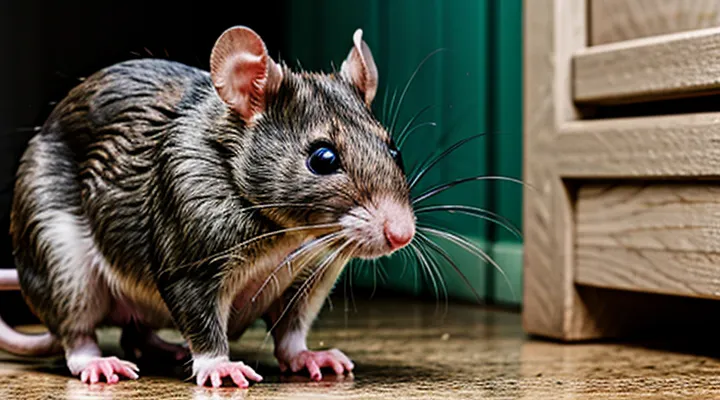
«Understanding Rat Pregnancy and Birth»
«Signs of Pregnancy in Rats»
Recognizing a rat’s pregnancy early allows owners to adjust diet, housing, and health monitoring before the litter arrives.
Typical indicators of gestation include:
- Progressive abdominal enlargement, most noticeable after the third week; the belly expands symmetrically rather than one side bulging.
- Development of nipples (the “milk line”) that become pink, enlarged, and more pronounced around day 10‑12.
- Increased appetite and weight gain; a steady rise of 1‑2 g per day signals fetal growth.
- Behavioral changes such as nesting activity, frequent grooming of the genital area, and reduced aggression.
- Slight swelling of the vulva, sometimes accompanied by a mild discharge that is clear to whitish in color.
Monitor these signs daily. Weigh the rat consistently using a gram‑accurate scale; a sudden weight plateau often precedes labor. Provide a quiet, insulated nest box with soft bedding, and ensure fresh water and high‑protein food are always available. If abdominal size expands rapidly, discharge becomes foul, or the rat shows lethargy, seek veterinary assessment promptly to rule out complications.
«Preparing for the Birth»
«Nesting Materials»
Providing appropriate nesting materials is essential for a rat that is about to deliver. Choose substrates that are soft, absorbent, and safe for newborn pups. Avoid anything that sheds fibers or contains chemicals that could irritate sensitive skin.
Recommended materials include:
- Untreated shredded paper (e.g., paper towel rolls, tissue paper).
- Plain cotton nesting squares or pads.
- Natural wood shavings that are dust‑free and kiln‑dried.
- Fleece blankets cut to fit the cage floor.
Place the chosen substrate in a quiet corner of the cage, forming a low mound that encourages the dam to curl. Ensure the area remains dry; replace damp or soiled material promptly to prevent mold growth and bacterial contamination.
Do not use cedar, pine, or scented products, as volatile oils can cause respiratory problems for both the mother and the pups. Regularly inspect the nest for signs of wear, and refresh the material between litters to maintain hygiene and comfort.
«Quiet Environment»
A mother rat in labor needs a calm setting to maintain normal physiological processes and to allow uninterrupted nursing of the newborns.
Noise, sudden movements, and vibrations trigger stress hormones that can delay delivery, cause premature expulsion of pups, or lead to maternal neglect. A stable acoustic environment also reduces the likelihood of the mother abandoning the nest.
Practical measures to create a quiet environment:
- Choose a low‑traffic area of the home, away from doors, windows, and appliances that generate sound.
- Place the cage on a sturdy surface to prevent rattling; add a rubber mat if the floor is hard.
- Keep lighting dim; bright illumination can increase agitation.
- Limit human presence to essential checks; observe from a distance and avoid handling the mother during the birthing period.
- Turn off televisions, radios, and other electronic devices that emit continuous background noise.
- If the room is near a street, use heavy curtains or a sound‑absorbing panel to dampen external traffic sounds.
Maintaining these conditions supports the mother’s natural instincts, promotes successful delivery, and enhances the survival prospects of the newborn rats.
«Nutritional Needs of the Pregnant Rat»
Pregnant rats experience a marked rise in energy demand. Daily caloric intake should increase by 30‑40 % compared with non‑reproductive adults, achieved by offering higher‑calorie pellets or adding a measured portion of cooked egg, lean meat, or fortified grain mix. Protein requirements climb to roughly 20‑25 % of the diet; quality sources include boiled egg whites, low‑fat cottage cheese, and soy‑based pellets formulated for breeding rodents.
Key micronutrients support fetal development and maternal health:
- Calcium: 1.5 g per kilogram of body weight per day; provide plain, unsalted cheese, yogurt, or calcium‑fortified rodent blocks.
- Phosphorus: balanced with calcium; include bone meal or commercially prepared breeding mixes.
- Vitamin E: antioxidant protection; add a small amount of wheat germ or a vitamin E supplement following manufacturer dosage.
- B‑complex vitamins: aid metabolism; ensure the feed contains adequate thiamine, riboflavin, and niacin, or supplement with a rodent‑specific multivitamin powder.
- Iron: prevent anemia; offer occasional cooked lean meat or a trace‑mineral supplement.
Practical feeding protocol:
- Offer fresh water at all times; replace daily to prevent contamination.
- Supply a constant supply of high‑quality breeding pellets; supplement with the listed protein and calcium foods in measured portions (approximately 5 g of protein source and 2 g of calcium source per day for a 200‑g dam).
- Monitor body condition twice weekly; weight gain should follow a steady trajectory of 5‑7 g per week. Adjust portions if gain exceeds or falls short of this range.
- Eliminate toxic items such as chocolate, caffeine, raw onions, and high‑fat processed snacks.
- Maintain a clean cage to reduce stress, which can interfere with nutrient absorption.
Adhering to these guidelines sustains the dam’s health, promotes successful litter development, and reduces complications during and after birth.
«Immediate Post-Birth Care»
«Checking on the Mother and Pups»
«Signs of Distress in the Mother»
When a pet rat delivers a litter, close observation of the dam is essential for the health of both mother and offspring.
Typical indicators that the mother is experiencing distress include:
- Prolonged inactivity or refusal to move for more than an hour after delivery.
- Excessive vocalization, such as continuous high‑pitched squeaking.
- Abnormal posture, such as curling tightly around the nest without periodic stretching.
- Persistent shaking or tremors that do not subside with rest.
- Rapid, shallow breathing or audible wheezing.
- Discolored or clotted vaginal discharge extending beyond the normal few‑minute period.
- Aggressive behavior toward the pups, including biting or pushing them away.
- Loss of appetite or refusal to drink water for several hours.
If any of these signs appear, intervene promptly:
- Transfer the dam to a quiet, temperature‑controlled environment.
- Provide easy access to fresh water and soft food.
- Contact a veterinarian experienced with small rodents without delay.
- Avoid handling the pups unless instructed, as stress can worsen the dam’s condition.
- Monitor temperature and humidity to ensure optimal nesting conditions.
Timely recognition of distress and swift professional assistance increase the likelihood of a successful recovery for the mother and survival of the litter.
«Identifying Healthy Pups»
When a pet rat has delivered, the first step is to assess the newborn litter for signs of health. Immediate visual inspection reveals the most critical information.
- Fur: dense, evenly distributed, and free of bald patches.
- Eyes and ears: open and responsive within 3–4 days; clear, unclouded eyes.
- Activity: spontaneous movement, attempts to nurse, and occasional squeaks.
- Skin: pink, warm to the touch, without lesions or discoloration.
- Umbilical cord: dry and detached within 24–48 hours; no swelling or discharge.
After the initial check, continue monitoring during the first two weeks. Record observations daily to detect deviations promptly.
- Weight: gain of 2–3 grams per day; sudden loss signals distress.
- Feeding: steady intake of mother’s milk; absence of suckling may indicate weakness.
- Temperature: stable nest temperature around 78–80 °F; hypothermia appears as lethargy and cold extremities.
- Behavior: regular vocalizations and active exploration; prolonged inactivity suggests illness.
- Physical condition: absence of diarrhea, nasal discharge, or abnormal respiration.
Consistent documentation and swift intervention when any parameter falls outside normal ranges ensure the litter’s survival and long‑term wellbeing.
«Handling Newborn Pups»
«When to Handle and When Not To»
A pet rat’s labor progresses through three stages; each stage demands a distinct approach to human interaction.
- First stage (pre‑contraction) – the female may appear restless, nest‑building, or mildly vocal. Gentle observation is sufficient; avoid touching the abdomen or disrupting the nest.
- Second stage (active contractions) – visible tightening of the abdomen and rhythmic pushing occur. Contact should be limited to brief checks for distress signals such as excessive bleeding or prolonged inactivity.
- Third stage (post‑delivery) – the mother nurses and cleans the pups. Minimal handling is advisable; only brief, clean‑handed interventions are warranted to remove obstructive debris or to assist a pup that fails to latch.
Handling is contraindicated when:
- The rat exhibits signs of pain, such as rapid breathing, tremors, or aggressive behavior.
- The nest material is being rearranged; disturbance can cause the mother to abandon the litter.
- The pups are still wet and unresponsive; premature contact can lead to hypothermia or loss of the scent that binds the litter to the mother.
After each birth, maintain a quiet, temperature‑controlled environment. Provide fresh, dry nesting material and ensure the enclosure is free of drafts. Monitor the mother’s intake of food and water; supplement with high‑protein pellets if consumption declines. If any abnormal condition persists for more than two hours, consult a veterinarian experienced with small mammals.
«Minimizing Scent Transfer»
When a pet rat is about to give birth, the mother’s ability to recognize her litter relies heavily on scent. Introducing foreign odors can cause the mother to reject or neglect the newborns, so controlling scent transfer is essential.
Limit direct contact. Wear disposable nitrile gloves before handling the nest or any newborns. Gloves prevent human skin oils and fragrances from reaching the pups. If gloves are unavailable, wash hands thoroughly with unscented soap and dry them with a lint‑free cloth before each interaction.
Maintain a scent‑free environment. Choose a quiet, low‑traffic area for the birthing cage. Avoid cleaning products, air fresheners, scented laundry detergents, and strong foods nearby. Use plain, dust‑free bedding such as untreated paper towels or aspen shavings, which do not retain strong odors.
Control cleaning procedures. Clean the cage only after the litter is stable. Use warm water and a mild, fragrance‑free detergent, then rinse repeatedly to eliminate residue. Allow the cage to air dry completely before returning the mother and pups.
Handle newborns sparingly. When necessary, transfer pups with gloved hands or a clean, unscented instrument. Do not scent the pups with human hands, clothing, or scented objects.
Monitor the mother’s behavior. If she shows signs of avoidance, reduce exposure to any new scents immediately and reassess the environment for hidden odor sources.
By adhering to these practices, the mother’s natural scent recognition remains intact, supporting successful care of the newborn rat litter.
«Ongoing Care for the Mother and Pups»
«Feeding the Nursing Mother»
«Increased Protein and Fat Requirements»
After a rat delivers a litter, her metabolic demand for protein and fat rises sharply to support milk production and tissue repair. Ignoring these increased needs can lead to poor lactation, weight loss, and reduced pup survival.
Protein requirements climb to approximately 20‑25 % of the diet’s dry matter, compared with the 14‑16 % typical for non‑reproductive adults. High‑quality sources such as cooked egg, low‑fat cottage cheese, plain boiled chicken, and commercial rodent breeder mixes provide essential amino acids needed for milk synthesis. Offer fresh protein foods daily in small portions (5‑10 g per 100 g body weight) to maintain steady intake.
Fat intake should reach 8‑10 % of the diet’s dry matter, supplying the energy density required for sustained nursing. Include omega‑3 and omega‑6 rich options like small amounts of unsalted sunflower seeds, flaxseed oil, or a few drops of fish oil mixed into the regular feed. Limit total fat to prevent obesity; a total of 2‑3 g of added fat per 100 g of feed is sufficient for most breeding females.
Practical feeding plan:
- Provide a constant supply of fresh water; dehydration reduces milk output.
- Replace the standard chow with a breeder‑formulated mix that already meets elevated protein and fat levels.
- Supplement the mix with 1‑2 g of cooked egg or cottage cheese each day.
- Add a teaspoon of mixed seeds or a few drops of oil to the daily ration.
- Monitor body condition: a healthy lactating rat should retain weight or gain modestly; rapid loss indicates insufficient nutrition.
Regularly assess the pups’ growth; steady weight gain confirms that the mother’s diet supplies adequate nutrients. Adjust portions promptly if the female shows signs of lethargy, excessive grooming, or declining condition.
«Supplementation Considerations»
Supplementation becomes essential once a pet rat enters the birthing phase. The mother’s physiological demands increase markedly, and adequate nutrient intake supports both her health and the development of the litter.
- Calcium: 150 mg per 100 g of feed; provide calcium‑rich foods such as plain yogurt, low‑fat cheese, and fortified pellets.
- Vitamin D: 800–1 000 IU daily; supplement with a small amount of fortified milk or a veterinary‑approved drop.
- B‑complex vitamins: 1 mg of thiamine, 2 mg of riboflavin, and 3 mg of pyridoxine per day; include a multivitamin formulated for small rodents.
- Protein: 20–25 % of total diet; offer boiled egg whites, lean cooked chicken, or high‑protein rodent blocks.
- Omega‑3 fatty acids: 100 mg EPA/DHA combined; add a few drops of fish‑oil supplement to water or mix into soft food.
Dosage should be measured with a calibrated syringe or scale to avoid over‑supplementation, which can cause renal stress. Begin supplementation immediately after the first signs of labor and continue until the pups are weaned, typically three weeks.
Monitor the mother’s weight, coat condition, and stool consistency daily. Declining weight or loose stools indicate a need to adjust nutrient levels or seek veterinary advice. Record any changes in behavior, as excessive lethargy may signal a deficiency or toxicity.
When the litter reaches two weeks of age, gradually reduce supplemental calcium and protein, transitioning to a balanced maintenance diet. Maintain a small amount of calcium source until the pups are fully independent to prevent sudden mineral deficits.
«Monitoring Pup Development»
«Milestones: Fur, Eyes, and Mobility»
After a rat gives birth, the caretaker must track three primary developmental milestones—fur growth, eye opening, and locomotor ability—to ensure the litter’s health and intervene promptly if problems arise.
Fur appears within the first three to five days. The coat should become progressively denser and uniformly colored. If the fur remains sparse or patchy, increase the mother’s protein intake, verify that ambient temperature stays between 70 °F and 78 °F, and eliminate drafts that can delay hair development. Observe for signs of skin irritation; any redness or sores require immediate veterinary assessment.
Eyes typically open between days ten and fourteen. Pupils should be clear, and the surrounding fur should be intact. Prior to eye opening, maintain low, indirect lighting to reduce stress. Avoid handling the pups until their eyes are fully visible, as premature stimulation can cause ocular injury. Once open, monitor for discharge or cloudiness, which may indicate infection.
Mobility emerges around day five, with noticeable crawling and climbing by day fourteen. The enclosure must provide stable, non‑slippery surfaces and ample soft bedding to support early movements. Remove sharp objects and excess enrichment that could trap or harm the young. Observe each pup’s ability to cling to the mother’s nipples; failure to do so may signal developmental delay or weakness, necessitating supplemental feeding under veterinary guidance.
Key actions per milestone
- Fur: keep temperature stable, boost mother’s protein, inspect skin daily.
- Eyes: limit light exposure, refrain from handling, check for clarity and discharge.
- Mobility: furnish safe substrate, eliminate hazards, verify attachment to mother and normal crawling patterns.
«Identifying Runts or Weak Pups»
When a pet rat delivers a litter, early detection of runts or weak pups prevents loss and supports the dam’s ability to care for the entire brood. Observe each newborn for the following indicators:
- Size markedly smaller than littermates, with a noticeably thin body.
- Lack of fur or sparse, uneven coat compared to siblings.
- Limited movement; a pup that remains motionless when others are active.
- Weak or irregular breathing, audible as soft, irregular breaths.
- Poor suckling response; the pup fails to latch onto the dam or a bottle within the first few hours.
- Low body temperature, evident when the pup feels cool to the touch.
If any of these signs appear, intervene promptly. Warm the affected pup with a low‑heat heating pad set to 95 °F (35 °C), ensuring the surface does not exceed the temperature. Provide supplemental feeding using a syringe and a formula designed for small rodents, delivering 0.1 ml every 2–3 hours. Monitor weight daily; a healthy increase is at least 1 g per day. Separate severely compromised pups from the litter to reduce competition for the dam’s milk and to allow focused care. Document observations and actions to adjust the care plan as the litter matures.
«Weaning and Socialization»
«When to Start Weaning»
«Introducing Solid Foods»
When a pet rat has delivered a litter, the newborns rely on their mother’s milk for the first ten to twelve days. Around the third week, the pups begin to explore the nest and show interest in the solid diet their mother consumes. Introducing appropriate solid foods at this stage supports dental development and prepares the young rats for full independence.
- Provide a small dish of high‑quality rat pellets, softened with warm water or a few drops of unsweetened soy milk. The mixture should be thick enough to stay on the dish but soft enough for the pups to lap.
- Offer fresh, finely chopped vegetables such as broccoli, carrot, or spinach. Introduce one type at a time to observe tolerance.
- Include a tiny portion of protein‑rich food, for example boiled egg white or cooked lean chicken, diced into pea‑size pieces.
- Keep the feeding area clean; remove uneaten food after a few hours to prevent spoilage and bacterial growth.
Observe the litter for signs of successful transition: increased activity, regular chewing motions, and a gradual reduction in nursing frequency. If any pup shows reluctance or digestive upset, revert to a softer mixture and re‑introduce the new item after 24‑48 hours. Continue to supply fresh water in a shallow bottle to ensure adequate hydration throughout the weaning period.
«Appropriate Weaning Foods»
When rat pups reach about three weeks of age, they begin to accept solid foods while still nursing. Introducing appropriate weaning foods at this stage supports growth, dental health, and a smooth transition away from the mother’s milk.
- Commercial rodent pellets formulated for young rats, low in fat and high in protein (approximately 18‑20 %).
- Small portions of cooked, unseasoned lean meat such as chicken breast or turkey, finely shredded.
- Soft, unsweetened boiled eggs, mashed to a paste‑like consistency.
- Fresh vegetables with low oxalate content, e.g., finely diced carrots, zucchini, or cucumber; introduce one type at a time.
- Small pieces of whole‑grain bread or plain oatmeal, softened with a few drops of water.
- Occasional fruit bites (apple, pear) without seeds, limited to a few millimeters in size.
Feed each pup a few bites of the chosen food on a clean, shallow dish two to three times daily. Observe for signs of acceptance: chewing, swallowing, and normal activity. If a pup rejects a food, replace it with another item from the list. Monitor weight and stool consistency; rapid weight gain and firm, well‑formed feces indicate adequate nutrition. Gradually increase portion size while reducing reliance on the mother’s milk until the litter is fully weaned at four to five weeks.
«Separating Pups by Sex»
«Preventing Unwanted Pregnancies»
Preventing accidental litters reduces stress for the mother, minimizes the need for emergency care, and avoids overpopulation in a household.
Key actions include:
- Spay the female: Surgical sterilization eliminates estrus cycles and removes the risk of pregnancy.
- Separate sexes: Keep males and females in distinct cages once the female reaches sexual maturity, typically at 8‑10 weeks.
- Monitor heat signs: Swelling of the vulva, increased scent marking, and restless behavior indicate estrus; isolate the female during this period.
- Use barrier methods: Temporary cages with fine mesh prevent direct contact while allowing visual interaction.
- Limit exposure to stray rats: Ensure the enclosure is secure against accidental entry from outside sources.
Implementing these steps requires regular health checks, consultation with a veterinarian experienced in small‑animal surgery, and diligent record‑keeping of breeding status. Consistent application of these measures prevents unintended pregnancies and supports the well‑being of pet rats.
«Optimal Age for Separation»
When a pet rat has delivered a litter, the timing of weaning determines the health of both mother and offspring. Early removal can stunt growth and compromise immunity; delayed separation may cause nutritional competition and hinder independence.
- Typical weaning window: 21 – 28 days of age.
- Minimum acceptable age: 18 days, only if all pups show steady weight gain and the dam is in good condition.
- Preferred age for full separation: 25 days, when pups can consume solid food reliably and exhibit normal exploratory behavior.
Indicators that pups are ready for independence include consistent solid‑food intake, stable body weight, and the ability to regulate body temperature without maternal contact. The dam should display reduced nursing frequency and no signs of aggression toward the litter.
Steps for separating the young rats:
- Prepare a clean, spacious cage with bedding, hideaways, and fresh water.
- Transfer each pup individually, handling gently to avoid stress.
- Provide a high‑protein pellet and a small amount of soft food for the first 48 hours.
- Monitor weight daily; intervene with supplemental feeding if a pup loses more than 5 % of its body weight.
- Keep the mother in a separate enclosure, offering extra enrichment to prevent anxiety.
Following these guidelines ensures the litter develops strong immune function, proper social skills, and optimal growth rates while preserving the dam’s health.
«Socializing Young Rats»
«Gentle Handling Techniques»
When a pet rat has just delivered pups, handling must be exceptionally gentle to prevent stress and injury. Direct contact should be limited for the first 24‑48 hours; the mother instinctively protects her litter and may become aggressive if disturbed. If intervention is necessary—such as moving the nest to a safer location—use a soft, clean cloth to support the dam’s body, keeping the grip loose and distributed across the torso.
- Approach the cage slowly, avoiding sudden movements or loud noises.
- Place a fingertip or small pad of cloth under the rat’s chest, allowing her to step onto it voluntarily.
- Support the hindquarters with a second hand, maintaining a relaxed wrist to follow the animal’s natural shifts.
- Transfer the nest by sliding the entire bedding onto a pre‑warmed, escape‑proof container; do not lift individual pups.
- After relocation, release the dam first, then allow the pups to follow; observe for any signs of agitation.
During daily checks, keep interactions brief. Use a quiet voice and minimize lighting; dim illumination reduces the mother’s perception of threat. If the dam shows signs of aggression—raised fur, lunging, or vocalization—withdraw immediately and resume observation later.
When the mother begins to accept gentle contact, increase handling time incrementally. Introduce a soft, gloved hand for brief petting sessions, always allowing the rat to retreat if she chooses. Consistency in handling style and environment fosters trust, supporting healthy development of the newborns.
«Introducing to Other Rats»
When a pet rat has delivered, the mother will be protective of her litter. Introducing the newborns to other rats must respect this instinct while preventing aggression and disease transmission.
First, verify that the mother is healthy and the pups appear normal. Keep the cage clean, provide fresh water, and maintain a stable temperature of 70‑75 °F (21‑24 °C). Allow the mother at least 24 hours of uninterrupted care before any interaction with other rats.
When the initial period passes, follow these steps:
- Observe the mother’s behavior. If she shows calm acceptance of gentle handling, she is more likely to tolerate the presence of other rats.
- Introduce a familiar, non‑aggressive rat. Place the newcomer in the same enclosure for a short, supervised session (5‑10 minutes). Monitor for signs of stress: vocalizations, biting, or attempts to separate the litter.
- Gradually extend exposure. Increase session length by 5‑10 minutes each day, ensuring the mother continues to nurse and the pups remain safe.
- Separate if conflict arises. Return the newcomer to a separate cage and repeat the process after another 24‑hour interval.
- Maintain hygiene. Clean the cage between sessions to reduce pathogen risk.
If multiple rats are to be introduced, repeat the procedure individually for each newcomer. Successful integration results in the mother tolerating the other rats, occasional grooming of the pups, and a stable social hierarchy within the group.
«Potential Complications and When to Seek Veterinary Help»
«Difficult Births (Dystocia)»
When a pet rat experiences a difficult delivery, the situation requires prompt, decisive action to protect both dam and offspring. Dystocia often presents as prolonged labor exceeding two hours, visible strain without progress, or an absence of visible pups after a normal gestation period. Immediate assessment should focus on the rat’s posture, breathing rate, and the presence of any visible obstruction in the birth canal.
Key steps include:
- Isolate the rat in a quiet, temperature‑controlled area to reduce stress.
- Monitor for signs of distress: rapid breathing, pale mucous membranes, or excessive vocalization.
- Gently clear the perineal area with a warm, damp cloth to remove any debris that might impede passage.
- If no progress is observed after 30 minutes of active straining, prepare for veterinary intervention; do not attempt forceful extraction, which can cause internal injury.
- Record the time of each contraction and any visible pups to provide the veterinarian with accurate information.
Veterinary care typically involves sedation, analgesia, and, if necessary, a caesarean section. Post‑operative support includes fluid therapy, pain management, and monitoring for infection. After recovery, provide a high‑calorie diet rich in protein and ensure a clean nesting environment to promote successful rearing of the litter.
«Mastitis or Other Post-Partum Issues»
Mastitis and other postpartum complications can jeopardize a nursing rat’s health and the survival of her litter. Prompt identification and intervention are essential.
Signs of mastitis include swollen, hot, or reddened nipples; a foul‑smelling discharge; the mother’s reluctance to nurse; and a noticeable decline in her activity or appetite. Additional postpartum problems may manifest as retained placental tissue, uterine infection, or severe pain that prevents the dam from caring for her pups.
When any of these symptoms appear, follow a structured response:
- Isolate the affected rat to reduce stress on the litter.
- Clean the affected area with warm, sterile saline; avoid harsh chemicals.
- Apply a thin layer of a veterinarian‑approved topical antibiotic if recommended.
- Administer prescribed systemic antibiotics according to dosage guidelines; monitor for adverse reactions.
- Encourage fluid intake with fresh water and a small amount of electrolyte solution if dehydration signs emerge.
- Provide a warm, quiet environment to support recovery and maintain pup temperature.
If symptoms persist beyond 24 hours, worsen, or if the dam shows signs of lethargy, fever, or loss of appetite, seek veterinary care immediately. A professional may need to perform ultrasound examination, culture the discharge, or prescribe anti‑inflammatory medication.
Preventive measures reduce the likelihood of mastitis and related issues:
- Keep the nesting area clean and dry; change bedding daily.
- Ensure the dam receives a balanced diet rich in protein, calcium, and vitamin E during lactation.
- Monitor weight gain and overall condition throughout the breeding cycle.
- Limit handling of the mother and pups during the first week to minimize stress.
By recognizing early indicators and applying decisive care, owners can protect the health of both the mother rat and her offspring.
«Pup Health Concerns»
«Failure to Thrive»
When a rat delivers a litter, newborn pups may exhibit Failure to Thrive (FTT), a condition marked by inadequate weight gain, lethargy, and poor development. Early detection and intervention are critical to prevent mortality.
Signs of FTT include:
- Weight loss or failure to gain at least 2 g per day after the first 48 hours.
- Weak or absent squeaks when handled.
- Pale or mottled fur, especially around the belly.
- Reduced activity; pups cling to the nest and do not explore.
Immediate actions:
- Verify that the dam is nursing. Observe for milk let‑down by gently pressing a pup’s abdomen; a full stomach indicates recent feeding.
- Ensure the nest remains warm (30–32 °C). Use a heating pad set on low, covered with a towel, or a low‑wattage incandescent bulb at a safe distance.
- Supplement nutrition if the mother rejects or cannot feed. Offer warmed (38 °C) commercial rodent formula using a small syringe or eyedropper, delivering 0.1 ml per pup every 2–3 hours.
- Maintain hygiene. Replace soiled bedding daily and disinfect the enclosure to prevent bacterial overgrowth, which can exacerbate FTT.
- Monitor weight daily with a precise scale. Record each measurement; a consistent upward trend confirms recovery.
If pups do not respond within 24 hours, consider veterinary assessment for underlying infections, congenital defects, or maternal antibodies interfering with nutrient absorption. Prompt professional care may involve antibiotics, fluid therapy, or specialized nutrition plans.
Long‑term prevention focuses on:
- Providing a high‑quality diet for the dam during gestation and lactation (protein ≥ 20 %, balanced vitamins, and minerals).
- Minimizing stressors such as loud noises, frequent handling, or temperature fluctuations.
- Ensuring the enclosure is spacious enough for the dam to build a secure nest and move freely.
By recognizing FTT early and applying targeted supportive measures, caretakers can improve survival rates and promote healthy development in newborn rat litters.
«Dehydration or Malnutrition»
During a rat’s delivery, inadequate hydration or nutrition threatens both the dam and the newborns.
A dehydrated mother shows reduced skin turgor, sunken eyes, dry muzzle, and lethargy. Newborns that lack fluid appear sticky, fail to gain weight, and may display pale, thin skin.
Malnutrition manifests as weight loss, dull coat, and diminished activity in the adult; in pups, it appears as poor growth, weak suckling, and failure to thrive.
Preventive measures:
- Supply fresh, clean water at all times; verify that the bottle or bowl functions correctly.
- Offer a diet of high‑quality rodent pellets supplemented with occasional soft foods (e.g., cooked egg, oatmeal) to increase caloric intake.
- Provide a small amount of water‑rich fresh produce (cucumber, apple) to boost fluid consumption.
- Ensure the nesting area remains warm and dry to reduce stress and energy expenditure.
If dehydration or malnutrition is suspected, act promptly:
- Administer water with a sterile syringe in small, frequent doses; avoid forcing large volumes.
- Introduce an electrolyte solution formulated for small mammals if the rat cannot retain plain water.
- Offer a high‑calorie, easily digestible supplement (e.g., commercial rodent milk replacer) to the dam and, if necessary, directly to the pups.
Monitor health daily: weigh the mother and each pup, record changes, and adjust feeding and hydration strategies accordingly. Persistent weight loss, ongoing lethargy, or failure of pups to gain mass warrants immediate veterinary assessment.