
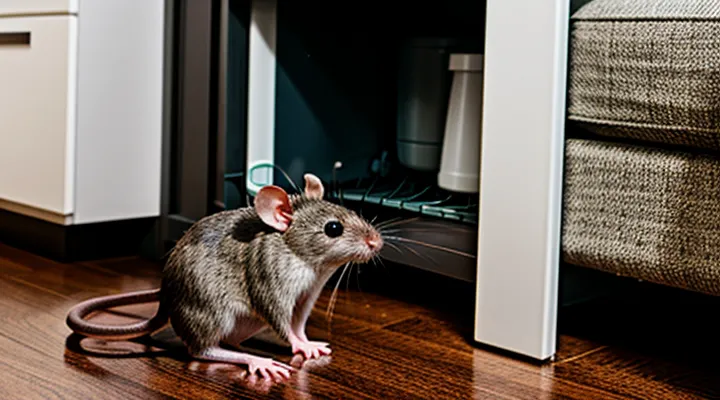
«Initial Response: Don't Panic!»
«Stay Calm and Assess the Situation»
Stay calm when you notice a rodent inside your flat; panic obscures details and may provoke the animal to hide or bite. A steady mindset lets you gather accurate information and choose an effective response.
Assess the situation systematically:
- Determine whether the intruder is a mouse or a rat, as size and behavior dictate control methods.
- Identify the exact location of the sighting and trace any recent movement paths.
- Inspect walls, floors, cabinets, and appliances for droppings, gnaw marks, or nesting material.
- Locate possible entry points such as gaps around pipes, vents, doors, or cracks in the foundation.
- Evaluate any immediate hazards, including food contamination or potential disease exposure.
Document findings before proceeding to containment or removal actions. This factual foundation ensures that subsequent steps—blocking access, setting traps, or contacting pest professionals—address the problem directly and efficiently.
«Identify the Type of Rodent»
«Mouse vs. Rat: Key Differences»
Distinguishing a mouse from a rat is essential for selecting effective measures in a residential setting. The two species vary in size, physical traits, behavior, and the type of damage they cause, which influences the choice of traps, baits, and preventive actions.
- Size: Mice typically measure 2–4 inches (5–10 cm) in body length, while rats range from 7–10 inches (18–25 cm). The larger mass of a rat requires sturdier traps.
- Tail: A mouse’s tail is roughly equal to its body length and thin; a rat’s tail is shorter relative to its body and thicker.
- Ears: Mice have proportionally larger ears; rat ears are smaller and less conspicuous.
- Droppings: Mouse droppings are ¼‑inch (6 mm) long, smooth, and pointed; rat droppings are ½‑inch (12 mm) or longer, blunt, and may contain more urine stains.
- Nesting material: Mice use soft fibers, shredded paper, or insulation; rats incorporate coarser items such as cardboard, wood shavings, and plastic.
- Activity pattern: Mice are primarily nocturnal and explore quickly; rats are more cautious, often traveling in groups and establishing larger home ranges.
- Entry points: Mice can squeeze through openings as small as ¼ inch (6 mm); rats need gaps of at least ½ inch (12 mm). Sealing cracks accordingly reduces each species’ access.
- Reproductive rate: A female mouse can produce 5–7 litters per year, each with 5–6 young; a rat produces 4–5 litters, each with 6–12 young. Faster breeding in mice demands prompt intervention.
- Health risks: Both transmit diseases, but rats are more likely carriers of leptospirosis and hantavirus, while mice are common vectors for salmonella and hantavirus strains.
Understanding these distinctions guides the selection of appropriate control tools. Snap traps sized for the target, bait formulations that attract the specific species, and exclusion measures matched to the animal’s entry capability together form an effective response when a rodent is detected in an apartment.
«Signs of Infestation»
Recognizing early indicators of a rodent problem prevents extensive damage and health risks. Visible evidence often appears before infestations become severe.
- Dark, pellet‑shaped droppings near food sources, cabinets, or along walls
- Gnaw marks on wood, plastic, wiring, or insulation, especially at corners and edges
- Grease or oil trails left by rodents as they travel along walls or baseboards
- Scratched or smudged surfaces indicating whisker or tail contact
- Nest material such as shredded paper, fabric, or insulation piles in hidden areas
- Fresh urine stains that emit a strong, musky odor, often detectable on fabrics or flooring
- Audible scratching, scurrying, or squeaking sounds, typically heard at night in ceilings, walls, or attics
- Unexplained food loss or packaging damage, especially in pantry items
Multiple signs appearing simultaneously confirm an active infestation and warrant immediate professional intervention.
«Immediate Action: Containing the Problem»
«Secure Food and Water Sources»
«Store Food in Airtight Containers»
Storing food in airtight containers eliminates the primary attractant that draws rodents into a dwelling. Open packages release scent cues that mice and rats can detect from several meters away; sealed containers prevent odor diffusion and deny access to edible material.
Airtight containers are typically made of heavy‑wall plastic, glass, or metal with locking lids that create a vacuum seal when closed. Features to verify include a silicone gasket, a latch that compresses the seal, and a lid that cannot be pried open by a rodent’s teeth. Containers should be sized to hold all pantry items, from grains to pet food, without excess empty space that could allow pests to slip underneath.
- Inspect each food item before transfer; discard any that show signs of infestation.
- Place the item in a container that matches or exceeds the volume of the original package.
- Secure the lid firmly, ensuring the gasket contacts the rim evenly.
- Label the container with the contents and purchase date for rotation.
- Store containers on a shelf away from walls and floor vents, reducing potential travel routes for rodents.
Regularly check seals for wear, replace damaged gaskets, and re‑seal any containers that have been opened frequently. Maintaining a sealed food environment removes a key food source, significantly lowering the likelihood that a mouse or rat will remain in the apartment.
«Fix Leaky Faucets and Pipes»
Leaking faucets and pipes provide a reliable water source that encourages mice and rats to enter an apartment. Moisture from drips creates damp conditions ideal for nesting, while continuous flow attracts rodents seeking hydration. Eliminating these water sources reduces the likelihood of infestation and removes a key factor that supports rodent survival.
To stop leaks, follow these steps:
- Shut off the water supply at the nearest valve.
- Inspect connections for corrosion, cracked washers, or loose fittings.
- Replace worn washers or O‑rings with matching-sized replacements.
- Tighten threaded joints using an adjustable wrench, avoiding over‑tightening that could damage threads.
- For cracked pipes, apply a pipe repair clamp or replace the damaged section with appropriate piping material.
- Turn the water supply back on and observe for any remaining drips; repeat the inspection if necessary.
After repairs, maintain a dry environment by regularly checking under sinks, behind appliances, and around fixtures for moisture accumulation. Promptly address new leaks, clean up standing water, and ensure proper ventilation to keep humidity low. Consistent upkeep denies rodents the water they need, supporting long‑term control of mouse and rat activity in the residence.
«Seal Entry Points»
«Inspect Walls, Floors, and Ceilings»
When a rodent is detected in a flat, thorough examination of structural surfaces is essential to locate activity and potential entry points.
Begin by turning off lights and using a high‑intensity flashlight to scan all walls, floors, and ceilings. Look for fresh gnaw marks, especially near baseboards, cabinetry, and utility connections. Small, dark pellets indicate feeding zones; collect samples for identification. Grease or urine stains reveal travel routes, while shredded insulation or paper suggests nesting material.
Inspect the perimeter of each room:
- Gaps around pipes, vents, and electrical conduits; openings larger than ¼ inch can admit mice, larger than ½ inch may admit rats.
- Cracks in plaster, drywall seams, or ceiling tiles; seal with steel wool and caulk.
- Openings under doors or around sliding panels; fit door sweeps or weather stripping.
- Spaces behind appliances, under sinks, and within cabinets; remove items to expose hidden areas.
Use a mirror on an extendable pole to view concealed corners and high ceiling junctions. Document all findings with photos and note exact locations for targeted sealing and trapping measures.
«Use Steel Wool, Caulk, or Expanding Foam»
When rodents enter a dwelling, the most reliable defense is to block every possible passage. Small gaps around pipes, vents, and baseboards often serve as entry points; sealing them eliminates the pathway that mice and rats exploit.
- Insert steel wool into holes larger than a pencil diameter; the coarse fibers resist chewing and fill the space completely.
- Apply a bead of silicone or acrylic caulk over the steel wool and any remaining cracks; smooth the seal to create an airtight barrier.
- For irregular openings, dispense expanding polyurethane foam; allow it to expand, then trim excess and cover with caulk for added durability.
Inspect walls, floors, and ceilings regularly; repeat the sealing process whenever new gaps appear. A well‑sealed environment removes the incentive for rodents to return.
«Set Up Traps»
«Types of Traps: Pros and Cons»
When a rodent appears in an apartment, choosing the right trap determines the speed and safety of removal.
-
Snap traps
Pros: Immediate kill, low cost, reusable after cleaning.
Cons: Requires careful placement to avoid accidental injury, may cause distress to observers. -
Live‑catch traps
Pros: Allows relocation of the animal, complies with humane‑capture policies, reusable.
Cons: Requires prompt release to prevent stress, may need bait adjustment, risk of escape if not monitored. -
Glue boards
Pros: Simple deployment, effective for small rodents, inexpensive.
Cons: Causes prolonged suffering, difficult disposal, surface contamination concerns. -
Electronic traps
Pros: Quick, painless kill, built‑in safety features that prevent human contact, easy cleaning.
Cons: Higher purchase price, dependence on batteries or power source, limited capacity before emptying. -
Bait stations (rodenticides)
Pros: Targets hidden rodents, reduces need for direct handling, can cover larger areas.
Cons: Toxicity risk to children and pets, requires strict placement guidelines, potential for secondary poisoning.
Each option presents a balance of effectiveness, cost, and ethical considerations. Selecting a trap aligns with the specific layout of the living space, the species encountered, and any household safety constraints.
«Snap Traps»
Snap traps provide a rapid, humane solution for eliminating mice or rats that have entered a dwelling. The device consists of a spring‑loaded bar that delivers an instantaneous strike, causing immediate death and preventing prolonged suffering.
Placement determines success. Position traps along walls, behind appliances, in cabinets, and near known gnawing sites. Rodents travel close to surfaces; aligning the trigger side of the trap with the wall maximizes contact. Avoid areas with heavy foot traffic to reduce accidental activation.
When setting a trap, follow these steps:
- Wear disposable gloves to prevent scent transfer.
- Load the spring mechanism according to the manufacturer’s instructions.
- Attach a small bait—peanut butter, chocolate, or dried fruit—directly onto the trigger plate.
- Secure the trap on a flat surface, ensuring the bait faces the wall.
- Check traps daily; remove captured rodents promptly, seal in a plastic bag, and dispose of according to local regulations.
Safety considerations include keeping traps out of reach of children and pets. Many models feature a protective shield that reduces the risk of unintended contact. For apartments with multiple occupants, label traps clearly and store them in a locked container when not in use.
Snap traps excel in environments where quick results are required and chemical baits are unsuitable. Their low cost, lack of recurring expenses, and immediate feedback make them an essential tool for residents confronting rodent activity.
«Glue Traps (Use with Caution)»
Glue traps consist of a sticky surface that immobilizes rodents upon contact. They require careful placement to avoid accidental capture of non‑target animals, including pets and children.
- Position traps along established runways: behind appliances, near wall cracks, and inside cabinets.
- Use a single trap per suspected pathway; overcrowding reduces effectiveness and increases risk of unintended catches.
- Secure traps on a stable surface to prevent tipping and exposure of the adhesive.
- Inspect traps at least once daily; remove captured rodents promptly to limit suffering and odor.
- Wear disposable gloves when handling trapped rodents; seal the trap in a plastic bag before disposal.
When employing glue traps, consider the following precautions:
- Verify that no pets or small children can access the area; block off or temporarily relocate them.
- Choose traps with a low‑profile design to reduce visibility and accidental contact.
- Limit use to short‑term situations; replace with more humane or preventive methods for long‑term control.
Improper use can lead to ethical concerns and health hazards. If glue traps prove unsuitable, explore alternatives such as snap traps, live‑catch cages, or sealing entry points to eliminate the infestation source.
«Live Traps»
Live traps capture rodents without killing them, allowing relocation outside the building. The device consists of a hinged compartment that closes when the animal enters to reach bait.
Select a trap sized for the target species: mouse traps require an interior length of 4–6 inches, rat traps 8–12 inches. Choose models with a smooth interior, a reliable trigger mechanism, and a secure latch that prevents accidental opening.
Place traps along walls, behind appliances, and near suspected entry points. Position the opening perpendicular to the wall to align with the rodent’s natural travel path. Avoid locations exposed to pets or children.
Effective baits include peanut butter, small pieces of fruit, or bits of cooked meat. Apply a thin layer to the trigger plate; excess bait can deter entry by allowing the animal to feed without activating the mechanism.
Inspect traps at least twice daily. When a capture occurs, transport the trap outdoors, release the rodent at least 100 feet from the residence, and disinfect the trap before reuse. Release should occur in a wooded or grassy area where the animal can find shelter.
After each capture, clean the area with a disinfectant solution to remove scent trails. Seal gaps larger than ¼ inch, store food in sealed containers, and maintain regular waste removal to reduce future infestations.
«Strategic Placement of Traps»
When rodents enter an apartment, the most effective control begins with positioning traps where the animals are most likely to travel. Identify high‑traffic zones by observing droppings, gnaw marks, and rub signs. Place traps along wall edges, behind appliances, and near concealed openings such as pipe sleeves or vent covers. Position each device perpendicular to the wall, with the trigger side facing the wall, because mice and rats instinctively run close to surfaces.
Key considerations for optimal trap layout:
- Locate traps at least 12–18 inches from each other to cover a broader area while preventing overlap of scent cues.
- Install at least one trap near each suspected entry point; repeat placement after any repair that creates a new gap.
- Use a mix of snap, live‑catch, and electronic traps to address varied behavior and to reduce trap avoidance.
- Rotate trap locations every 48 hours if no capture occurs, forcing rodents to encounter fresh bait and new pathways.
- Keep traps away from children’s reach and food preparation surfaces; secure with protective barriers if necessary.
Maintain a record of trap locations and capture dates. Regularly check and dispose of captured rodents, then reset or replace the trap with fresh bait. Consistent, data‑driven repositioning limits the population’s ability to adapt, ensuring rapid reduction of the infestation.
«Baiting Strategies»
Effective baiting requires precise selection, strategic placement, and diligent monitoring. Choose a bait that matches the target species and the living environment. Common options include:
- High‑protein foods such as peanut butter, bacon grease, or cheese, suitable for both mice and rats.
- Commercial rodenticide blocks formulated with anticoagulants or neurotoxins, intended for indoor use only.
- Snap traps loaded with attractive food, providing immediate kill without chemical exposure.
Place bait stations along walls, behind appliances, and near suspected travel routes. Keep stations out of reach of children and pets by using tamper‑resistant containers. Ensure each station is positioned no more than 12 inches apart in high‑traffic areas.
Maintain a clean environment to increase bait effectiveness. Remove competing food sources, seal cracks, and store waste in sealed containers. Regularly inspect stations; replace depleted bait and record capture dates to identify activity patterns.
Handle toxic baits according to manufacturer instructions. Wear disposable gloves, avoid direct skin contact, and store unused portions in locked containers. Dispose of dead rodents promptly, using sealed bags and following local waste regulations.
Review results weekly. If capture rates decline, rotate bait types, adjust placement, or consider professional pest‑control assistance. Consistent application of these practices reduces rodent populations while minimizing health risks.
«Long-Term Prevention and Eradication»
«Sanitation Practices»
«Regular Cleaning and Decluttering»
Regular cleaning removes food residues and crumbs that attract rodents. Sweeping, mopping, and wiping surfaces after each meal eliminates the scent trails rodents use to locate nourishment. Vacuuming upholstery and carpets captures hidden particles and prevents buildup that can serve as a food source.
Decluttering reduces hiding places. Stacking boxes, piles of clothing, or stacks of paper creates insulated nesting sites. Storing items in sealed containers or on elevated shelves limits accessible shelter. Removing unused furniture and clearing under‑sink and behind appliances eliminates gaps where rodents can conceal themselves.
Practical steps:
- Sweep floors and wipe countertops daily.
- Empty trash cans nightly; use bins with tight‑fitting lids.
- Store pantry items in glass or heavy‑plastic containers with secure seals.
- Keep cords, wires, and plumbing exposed; seal gaps with steel wool or caulk.
- Organize storage areas; place boxes on pallets or shelves, not directly on the floor.
- Perform a weekly deep clean of closets, cabinets, and rarely used rooms.
Consistent application of these practices lowers food availability and shelter, making the apartment less inviting to mice and rats.
«Proper Waste Disposal»
Proper waste disposal is essential for preventing rodents from entering a dwelling. Store trash in containers with tight‑fitting lids; replace damaged bins promptly. Keep refuse areas clean, removing food residue that can attract mice or rats.
- Separate organic waste (fruit peels, leftovers) from non‑organic material; dispose of each in appropriate sealed bags.
- Empty kitchen and bathroom bins daily, especially in summer when insects and pests are more active.
- Place outdoor trash cans away from building entrances and elevate them on a platform to hinder climbing.
- Use pest‑resistant bags made of thick plastic or paper that rodents cannot gnaw through.
Maintain a routine of thorough cleaning after meals, wiping countertops, and sweeping crumbs. By eliminating accessible food sources through disciplined waste management, the likelihood of a rodent incursion diminishes significantly.
«Natural Repellents and Deterrents»
«Peppermint Oil and Other Scents»
Peppermint oil is a volatile compound that rodents find unpleasant. Apply several drops to cotton balls, place them in corners, behind appliances, and near entry points. Replace the cotton balls every three to four days to maintain potency. Concentrations of 5‑10 % essential oil in water or carrier oil enhance diffusion without excessive residue.
Other aromatic deterrents include eucalyptus, citronella, and clove oil. Use the same delivery method—cotton or felt pads infused with a few milliliters of oil. Rotate scents weekly to prevent habituation. Avoid direct contact with food surfaces; seal containers and clean spills promptly.
Effectiveness depends on environmental factors. Strong ventilation disperses odor quickly, reducing impact. In tightly sealed apartments, scent barriers persist longer. Combine olfactory deterrents with physical measures: seal cracks, install door sweeps, and eliminate food sources. Chemical rodenticides or traps remain necessary for established infestations; scents alone rarely eradicate populations.
Safety considerations:
- Test a small area for skin irritation before widespread use.
- Keep oil‑treated materials out of reach of children and pets.
- Do not apply undiluted oil to surfaces that may be damaged by solvents.
In summary, peppermint oil and complementary aromas serve as supplemental repellents. Proper application, regular replacement, and integration with structural and sanitation practices increase the likelihood of deterring mice and rats from residential units.
«Ultrasonic Devices (Effectiveness Varies)»
Ultrasonic repellents are a common non‑chemical option for controlling rodents that have entered a flat. The devices emit sound waves above the range of human hearing, creating an environment that rodents find uncomfortable.
Effectiveness is not uniform. Studies show that some mouse and rat populations react strongly, while others quickly habituate. Results also differ between single‑room units and larger apartments because sound does not travel through solid walls or furniture.
Key factors that influence performance:
- Frequency range of the emitter (typically 20–65 kHz)
- Power output and coverage radius
- Placement relative to entry points and nesting sites
- Presence of obstacles such as metal frames, curtains, or dense furniture
- Species and age of the rodents
Optimal deployment requires positioning units near suspected entryways, along baseboards, and in concealed corners where rodents travel. Devices should be mounted at a height of 4–6 inches above the floor, angled toward open pathways. Continuous operation is necessary; most units run on mains power with battery backup for power outages. Replace units according to manufacturer recommendations, usually every 2–3 years, to maintain output levels.
Ultrasonic repellents alone rarely eradicate an infestation. Combine them with sealing cracks, removing food sources, and, if needed, professional trapping to achieve reliable control.
«When to Call a Professional Exterminator»
«Signs of a Severe Infestation»
Frequent droppings in multiple rooms, especially along walls, behind appliances, and in cabinets, indicate a large population. Fresh droppings appear dark and moist, while older ones turn gray; a mixture suggests ongoing activity.
Gnaw marks on wiring, furniture, or structural beams signal that rodents are expanding their territory and may cause fire hazards or structural damage. Look for clean, shallow cuts on wood and plastic, and irregular bite patterns on cables.
Visible nests built from shredded paper, fabric, or insulation reveal that breeding colonies have established. Nests are typically located in hidden spaces such as wall voids, under sinks, or inside closets.
Unusual odors, ranging from a musky scent to a strong ammonia smell, result from urine accumulation. Persistent odor despite cleaning points to extensive contamination.
Nocturnal scurrying sounds, scratching, or squeaking heard through walls, ceilings, or floorboards at night demonstrate high activity levels. Continuous noise across several days suggests multiple individuals.
Presence of live or dead rodents, especially in traps or near entry points, confirms that the problem extends beyond a single intruder. Multiple captures in a short period reinforce the severity.
If any combination of these indicators appears, professional pest control intervention is required immediately to prevent health risks and property damage.
«Risks of DIY Pest Control»
Encountering a rodent in a rental unit often prompts immediate, self‑directed action. Homeowners and tenants may reach for store‑bought traps, sprays, or homemade concoctions, believing these solutions are quick and inexpensive.
- Chemical sprays can irritate eyes, skin, and respiratory passages, especially in confined spaces where ventilation is limited.
- Inadequate placement of traps frequently leaves the infestation unresolved, allowing rodents to reproduce and spread disease.
- Repeated exposure to rodenticides may foster resistance, rendering future attempts less effective.
- Improper use of poisons risks secondary poisoning of pets, children, or non‑target wildlife.
- Certain substances are prohibited in multi‑unit buildings; unauthorized application can breach lease agreements and local regulations.
- Mismanaged bait stations can contaminate food preparation areas, leading to cross‑contamination and foodborne illness.
Professional exterminators apply integrated pest‑management strategies, select appropriate control agents, and ensure compliance with safety standards. Their expertise reduces the likelihood of health hazards, property damage, and legal repercussions, providing a definitive resolution to the rodent problem.
«Preventing Future Infestations»
«Ongoing Home Maintenance»
A disciplined maintenance routine reduces the likelihood that a mouse or rat will establish a foothold in a residence. Regularly inspecting and repairing the building envelope blocks entry points before they become attractive to pests. Seal gaps around pipes, vents, and electrical conduits with steel wool or caulk; replace cracked baseboards and damaged weatherstripping. Keep interior spaces free of food debris: store dry goods in airtight containers, clean crumbs promptly, and empty trash cans daily. Ensure that outdoor areas do not provide easy access: trim vegetation away from the building, store firewood off the ground, and keep compost bins sealed.
- Conduct monthly visual checks of walls, ceilings, and floors for gnaw marks or droppings.
- Test door sweeps and window screens for wear; replace any compromised components.
- Verify that all plumbing fixtures are intact; fix leaks that could create humid conditions favorable to rodents.
- Maintain a schedule for professional inspections of crawl spaces and attics, focusing on insulation and wiring that may conceal entry routes.
- Record any sightings or evidence and act immediately to address the source.
Consistent execution of these measures creates an environment where rodents cannot thrive, limiting the need for emergency interventions and preserving the habitability of the dwelling.
«Educating Family Members and Neighbors»
Educating household members and nearby residents is essential for effective rodent control in a dwelling. Begin by presenting clear facts about the health risks associated with mice and rats, such as disease transmission and food contamination. Provide concise instructions on identifying signs of activity: droppings, gnaw marks, nests, and audible scurrying.
Explain the required actions for each person:
- Seal food containers, store waste in sealed bins, and clean crumbs immediately.
- Avoid leaving pet food exposed overnight.
- Report any sightings to the primary coordinator promptly.
- Participate in scheduled inspections of storage areas, closets, and utility spaces.
Distribute a brief written guide that outlines these points and includes a contact list for pest‑management professionals and building management. Encourage neighbors to adopt the same practices, emphasizing shared responsibility for common walls, hallways, and entry points. Arrange a short meeting or circulate a digital memo to synchronize efforts, agree on a timeline for sealing entry holes, and confirm who will monitor progress.
Track compliance by maintaining a simple log that records daily observations, cleaning tasks completed, and any repair work performed. Review the log weekly with all participants to verify adherence and adjust measures if new activity is detected. Consistent communication and shared accountability reduce the likelihood of reinfestation and protect the entire building community.
«Addressing Health Concerns»
«Hygiene After Rodent Encounter»
«Cleaning Contaminated Areas Safely»
When a rodent is found in a residence, any area it has contaminated must be cleaned promptly to prevent disease transmission and further infestation. Begin by removing all food, dishes, and utensils from the affected zone and store them in sealed containers. Ventilate the space for several minutes, then wear disposable gloves, a mask, and eye protection before touching any surfaces.
- Discard items that show visible droppings, urine stains, or gnaw marks; sealed bags prevent re‑contamination.
- Soak hard surfaces (floor tiles, countertops, cabinets) with a solution of one part bleach to ten parts water; allow the mixture to remain for at least five minutes before scrubbing.
- For porous materials (carpet, upholstery, insulation) use an EPA‑approved disinfectant spray; follow the product’s dwell time, then vacuum with a HEPA‑rated filter or discard the item if damage is extensive.
- Clean all entry points and pathways the rodent could have used—under appliances, behind furniture, inside wall voids—using the same bleach solution or disinfectant.
- After treatment, wash hands thoroughly with soap and water, remove protective gear without touching the outer surfaces, and dispose of it in a sealed bag.
Finally, schedule a follow‑up inspection to verify that no residual contamination remains and to confirm that preventive measures are in place.
«Disposing of Rodent Carcasses»
When a rodent dies inside a dwelling, swift and safe removal prevents health hazards and odors. Follow these steps to dispose of the carcass correctly.
- Wear disposable gloves and, if available, a mask to avoid direct contact with bodily fluids and potential pathogens.
- Locate the body using a flashlight; inspect hidden areas such as behind appliances, inside wall voids, and under furniture.
- Place the carcass in a sealable plastic bag. Expel as much air as possible before sealing to contain odors.
- Double‑bag the sealed container for added protection, especially if the animal was larger than a mouse.
- Discard the double‑bagged carcass in an outdoor trash receptacle that is collected regularly. If local regulations require, label the bag as “dead animal” and place it in a designated animal‑disposal bin.
- Clean the area where the carcass was found with a detergent solution, then apply a disinfectant approved for household use. Allow the surface to remain wet for the contact time specified on the product label.
- Dispose of gloves and any contaminated cleaning materials in a separate sealed bag, then wash hands thoroughly with soap and water.
If municipal services prohibit disposing of dead rodents in regular waste, contact the local public health department or pest‑control provider for guidance on proper collection. Prompt, hygienic disposal eliminates disease risk and reduces the likelihood of attracting other pests.
«Potential Health Risks from Rodents»
«Diseases Transmitted by Rodents»
Rodents entering a living space bring a range of pathogens that can infect humans through bites, contaminated droppings, urine, or food sources. Recognizing the health hazards is essential for an effective response.
Common illnesses associated with mice and rats include:
- Hantavirus pulmonary syndrome – transmitted by inhalation of aerosolized rodent droppings.
- Leptospirosis – spread through contact with urine-contaminated water or surfaces.
- Salmonellosis – caused by ingestion of food contaminated with rodent feces.
- Lymphocytic choriomeningitis virus (LCMV) – enters the body via inhaled particles from infected mice.
- Rat‑bite fever (Streptobacillus moniliformis infection) – results from a bite or scratch.
- Plague (Yersinia pestis) – rare but possible through flea vectors that live on rodents.
Immediate measures reduce exposure risk:
- Seal entry points to prevent further intrusion.
- Remove food, water, and shelter sources; store food in airtight containers.
- Wear disposable gloves and a mask while cleaning droppings, using a disinfectant solution of at least 1 % bleach.
- Dispose of contaminated materials in sealed bags.
- Contact a licensed pest‑control professional for thorough eradication.
- Seek medical evaluation if symptoms such as fever, respiratory difficulty, muscle aches, or unexplained rash develop after contact with rodents or their waste.
Implementing these steps limits disease transmission and restores a safe residential environment.
«Allergies and Asthma Triggers»
Rodent infestations introduce allergens that can worsen asthma and provoke allergic reactions. Dander, urine, feces, and saliva contain proteins that become airborne when disturbed, entering the respiratory system of occupants.
- Primary allergenic sources
These particles trigger immune responses in sensitized individuals, leading to wheezing, coughing, and nasal congestion. Asthmatic residents may experience increased medication use or emergency visits after exposure.
Mitigation steps
- Seal entry points: use steel wool and caulk to block gaps around pipes, vents, and walls.
- Remove visible droppings with disposable gloves and a HEPA‑filtered vacuum; avoid sweeping, which aerosolizes particles.
- Clean surfaces with a solution of diluted bleach (1 part bleach to 9 parts water) to denature proteins.
- Install air purifiers equipped with HEPA filters in rooms where rodents were active.
- Replace or wash bedding, curtains, and upholstery that may have absorbed contaminants.
Long‑term prevention
- Store food in airtight containers; eliminate crumbs and spills.
- Keep garbage sealed and remove it regularly.
- Maintain a clutter‑free environment to reduce hiding places.
- Schedule periodic inspections by licensed pest‑control professionals to detect early signs of infestation.
Addressing rodent‑related allergens promptly reduces the risk of asthma attacks and allergic flare‑ups, safeguarding health while resolving the pest issue.