
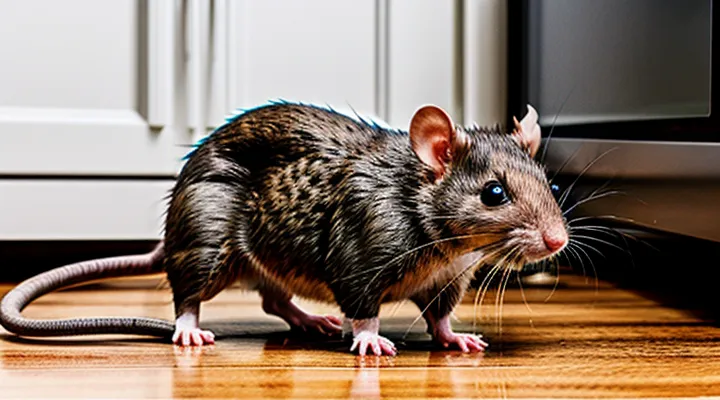
«Immediate Actions When You Spot a Rat»
«Confirming the Presence of a Rat»
«Visual Confirmation»
When a rodent is suspected indoors, the first decisive action is to obtain clear visual evidence. Direct observation eliminates uncertainty, guides the choice of control measures, and prevents unnecessary escalation.
Begin by inspecting areas where rats commonly travel. Look for movement, silhouettes, or the animal itself in dimly lit corners, behind appliances, and inside wall cavities. Use a flashlight with a focused beam to reveal eyeshine, a reflective cue that confirms presence.
Collect physical signs that corroborate visual data:
- Droppings: small, dark, rod-shaped pellets, typically ¼‑inch long, found along pathways, in pantries, or near food storage.
- Gnaw marks: fresh, clean cuts on wood, plastic, or wiring, distinct from chew patterns of other pests.
- Grease tracks: dark smears along walls or baseboards where the tail brushes surface.
- Nests: shredded paper, fabric, or insulation gathered in concealed locations.
If an initial sighting occurs, document the time, location, and behavior. Photograph the scene to preserve details for later reference or professional consultation. Re‑enter the area after a brief interval; rats are nocturnal and may reappear when disturbance ceases.
When visual confirmation is achieved, proceed to containment and removal. Seal identified entry points, set appropriate traps, and remove food sources that attracted the rodent. Continuous monitoring of the previously observed sites ensures that the infestation does not persist.
«Signs of Infestation»
Rats leave unmistakable evidence that signals an active infestation. Early detection prevents structural damage, health risks, and costly eradication efforts.
- Dark, pellet‑shaped droppings found near food sources, along walls, or in concealed corners. Fresh droppings appear moist and glossy; older ones dry and crumble.
- Gnaw marks on wood, plastic, wiring, or insulation. Rats gnaw continuously to keep teeth sharp, leaving irregular, shallow cuts often near entry points.
- Nests constructed from shredded paper, fabric, insulation, or dried vegetation. Typical locations include attics, crawl spaces, wall voids, and under appliances.
- Scratching or scurrying noises, especially at night, emanating from ceilings, walls, or behind cabinets.
- Visible footprints or tail marks in dusty areas, often accompanied by oily smears where rats have brushed against surfaces.
- Streaks of dark urine along baseboards, corners, or around food containers; urine leaves a faint, metallic odor and can discolor surfaces.
- Grease or smudge tracks near food preparation zones, indicating repeated travel routes.
- Damage to stored food, packaging, or pantry items, such as torn bags, chewed seals, or contaminated contents.
Identifying these indicators promptly enables targeted intervention before the problem escalates.
«Safety First: Protecting Your Household»
«Securing Food and Water Sources»
Rats are attracted to readily available nourishment; eliminating accessible food and water removes the primary incentive for them to remain in a dwelling.
Store all dry goods—cereals, grains, pet food, and snacks—in containers that seal tightly against pests. Use materials such as heavy‑gauge plastic or metal with rubber gaskets. After each meal, wipe countertops, tables, and stovetops to remove crumbs. Keep trash cans covered and empty them regularly; line bins with rat‑proof lids that latch securely.
Repair leaking pipes, faucets, and appliance connections promptly. Dry any moisture that collects under sinks, behind appliances, or in basements. Place water sources for pets in sealed bottles rather than open bowls, and refill only when necessary. Eliminate standing water in plant saucers, pet dishes, and pet waterers.
Conduct weekly inspections of pantry shelves, cabinets, and storage areas for signs of gnawing or droppings. Rotate stored items to use older supplies first, reducing the time food remains unattended. Maintain a routine of cleaning and waste removal to sustain an environment that offers no sustenance for rodents.
«Protecting Pets and Children»
When a rat is detected inside the home, immediate actions protect both pets and children from disease transmission, bites, and stress.
- Secure food sources: store pantry items in sealed containers, clean crumbs promptly, and dispose of garbage in rat‑proof bins.
- Block entry points: seal gaps under doors, around pipes, and in walls with steel wool or caulk; install door sweeps.
- Remove nesting material: eliminate piles of paper, fabric, and insulation that attract rodents.
- Use traps strategically: place snap or electronic traps along walls, away from child‑accessible areas and pet pathways; inspect traps frequently.
- Apply deterrents: spread peppermint oil or use ultrasonic devices in rooms where rats have been seen, ensuring products are safe for animals and children.
- Supervise vulnerable members: keep children and pets out of rooms where traps are set until capture is confirmed; provide alternative safe play zones.
- Conduct a thorough inspection after capture: verify no additional rats remain, re‑seal any new openings, and clean contaminated surfaces with a disinfectant effective against hantavirus and leptospirosis.
Follow‑up monitoring for a few weeks confirms that the environment remains secure. If activity persists, enlist a professional pest‑control service experienced in humane, child‑ and pet‑safe methods.
«Removing the Invader: Methods and Strategies»
«Non-Lethal Trapping Options»
«Live Traps»
Live traps provide a humane method for removing rats that have entered a home. The devices consist of a cage with a trigger mechanism that closes the door when the animal steps on a pressure plate or pulls a latch.
Choose a trap sized for the target rodent; a 12‑inch cage captures adult rats comfortably. Place the trap along walls, behind appliances, or in dark corners where rat activity has been observed. Rats prefer concealed routes, so position the trap perpendicular to the wall, with the entrance facing the baseboard.
Select bait that appeals to rats and does not crumble easily. Effective options include peanut butter, dried fruit, or small pieces of cooked meat. Apply a pea‑sized amount to the trigger plate, ensuring the rat must step onto it to reach the food.
Check traps at least twice daily. When a rat is captured, wear disposable gloves, cover the cage with a towel, and transport it outdoors. Release the animal at least 200 meters from the residence, near natural cover such as shrubs or a wooded area. Release the trap away from the original entry point to prevent immediate return.
Maintain traps by cleaning them with mild detergent after each use. Inspect the trigger mechanism for wear; replace springs or latches as needed. Rotate trap locations if captures decline, as rats may avoid previously used sites.
Integrating live traps with exclusion measures—sealing gaps, removing food sources, and managing waste—enhances long‑term control and reduces the likelihood of future infestations.
«Relocation Best Practices»
When a rat is discovered indoors, the safest outcome is to relocate the animal rather than kill it. Relocation reduces health risks for occupants and avoids unnecessary cruelty. Follow these steps to ensure a humane and effective transfer.
- Wear thick gloves and long sleeves to prevent bites and scratches. Secure the rat in a sturdy, ventilated container with a tight‑fitting lid.
- Identify a release site at least 150 meters from the residence, preferably in a wooded area or near a natural water source where food and shelter are abundant.
- Transport the container upright, avoiding sudden movements that could stress the animal. Keep the container out of direct sunlight and extreme temperatures.
- Upon arrival, place the container on the ground, open the lid, and step back to allow the rat to exit voluntarily. Do not chase or force the animal.
- After release, seal any entry points in the home—cracks, gaps around pipes, vent openings—to prevent re‑entry. Install metal flashing or hardware cloth where necessary, and maintain a clean environment to eliminate attractants.
By adhering to these practices, the homeowner removes the immediate threat while minimizing future infestations and preserving local wildlife.
«Lethal Trapping Options»
«Snap Traps»
When a rat is discovered in a residence, snap traps offer a rapid, humane method to eliminate the pest. The device consists of a spring‑loaded bar that delivers a lethal strike when the rodent triggers the trigger mechanism.
Select a trap with a sturdy wooden or plastic base, a sharp steel bar, and a secure bait cup. Choose a size appropriate for rats; larger models prevent escape after activation. Use fresh bait such as peanut butter, dried fruit, or small pieces of meat. Place a small amount on the trigger platform to encourage interaction without allowing the rat to remove the bait easily.
Placement guidelines
- Position traps along walls, behind appliances, and near known activity signs (droppings, gnaw marks).
- Set traps perpendicular to the wall, with the trigger side facing the wall, because rats travel close to surfaces.
- Keep traps out of reach of children and pets; use protective covers or mount on elevated surfaces when necessary.
- Replace bait daily to maintain attractiveness and to reduce scent loss.
Safety and disposal
- Wear thick gloves when handling traps to avoid accidental activation.
- After capture, relocate the trap to a well‑ventilated outdoor area.
- Release the dead rat into a sealed container for proper disposal according to local regulations.
- Reset the trap promptly if additional rats are present.
Snap traps provide a cost‑effective solution that requires minimal maintenance. Proper selection, strategic placement, and careful handling maximize effectiveness while minimizing risk to non‑target occupants.
«Electronic Traps»
When a rat is discovered inside a residence, swift and humane control measures are essential. Electronic traps provide a reliable option that eliminates pests without the mess associated with traditional snap or glue devices.
These devices operate by delivering a high‑voltage shock that instantly incapacitates the rodent. Sensors detect the animal’s presence, trigger the discharge, and a built‑in indicator confirms a catch. The result is a clean, single‑use kill that does not leave residue or expose occupants to poisons.
Key considerations when selecting an electronic trap:
- Voltage rating of at least 2,000 V for guaranteed effectiveness.
- Battery‑powered versus mains‑plugged models; battery units offer flexibility in placement.
- Capacity to handle multiple catches before the tray requires emptying.
- Safety features such as insulated housing and child‑proof switches.
Optimal placement maximizes success. Position traps along walls, behind appliances, and near known gnawing sites. Ensure the device rests on a stable, non‑conductive surface and is out of reach of pets and children. Avoid areas with excessive moisture, which can compromise electrical components.
Maintenance involves regular inspection of the catch compartment, disposal of deceased rodents in sealed bags, and periodic battery replacement or power‑cord checks. Most models include a self‑test function that verifies circuit integrity; run this test monthly to confirm reliable operation.
Electronic traps complement integrated pest‑management strategies. Combine them with sealing entry points, removing food sources, and maintaining cleanliness to prevent reinfestation. Their precision, ease of use, and minimal environmental impact make them a preferred choice for homeowners seeking effective rat control.
«Considering Professional Pest Control»
«When to Call an Exterminator»
If a rat is found inside the residence and the homeowner cannot eliminate it with basic traps, professional assistance becomes necessary.
Signs that warrant immediate contact with a pest‑control service include:
- Multiple active sightings in different rooms within 24 hours.
- Evidence of gnaw damage to wiring, insulation, or structural components.
- Presence of droppings, urine stains, or a strong musky odor indicating a growing population.
- Allergic reactions, asthma exacerbations, or other health concerns linked to rodent exposure.
- Repeated failure of snap traps, live‑catch traps, or bait stations after several days of diligent use.
When the infestation exceeds a handful of individuals, the risk of disease transmission and property damage escalates sharply. Professional exterminators possess certified chemicals, containment equipment, and expertise to locate hidden nests, apply integrated pest‑management strategies, and provide follow‑up monitoring.
If the homeowner lacks experience with rodent control, has limited time to maintain traps, or the property is subject to health‑code regulations (e.g., rental units, food‑service establishments), calling an exterminator is the prudent course of action. Prompt intervention prevents escalation, safeguards occupants, and protects the building’s integrity.
«What to Expect from Professionals»
When a rat is discovered in a residence, professional pest‑control operators provide a structured response. Their first action is a thorough inspection of interior and exterior areas to locate entry points, nesting sites, and food sources. Evidence such as droppings, gnaw marks, and tracks guides the assessment.
The service includes a detailed report that specifies:
- Identified access routes (e.g., gaps around pipes, vents, doors)
- Current infestation level (isolated sighting, active colony, or extensive spread)
- Recommended control measures (traps, bait stations, exclusion techniques)
- Safety precautions for occupants and pets
- Estimated timeline for each phase of the operation
Implementation follows industry‑approved protocols. Technicians deploy licensed traps or bait products, position them strategically, and monitor activity. They also apply exclusion methods, sealing openings with durable materials to prevent re‑entry. All chemicals used comply with local health regulations and are applied according to label instructions.
After removal, professionals conduct a verification sweep to confirm the absence of further activity. They provide written guarantees that outline warranty periods and conditions for follow‑up visits if signs reappear. Billing details, including labor, materials, and any ancillary fees, are presented transparently before work begins.
Clients can expect clear communication throughout the process: scheduled appointments, progress updates, and post‑service advice on sanitation practices that reduce attractants. The overall objective is to eliminate the rodent threat efficiently while minimizing disruption to the household.
«Preventing Future Infestations»
«Sealing Entry Points»
«Identifying Common Entry Points»
Rats gain access to homes through small, often overlooked openings. Detecting these pathways is essential for preventing further intrusion.
Typical entry points include:
- Gaps around utility pipes and cables, especially where they penetrate walls or foundations.
- Cracks in foundation slabs, brickwork, or concrete footings.
- Unsealed vents, chimney flues, and exhaust fans.
- Openings beneath doors, windows, or garage doors lacking weather stripping.
- Damaged or missing screens on windows, vents, and crawl‑space entries.
- Gaps around roof eaves, soffits, and attic access panels.
Inspect each potential gap, measure its width, and note any signs of gnawing or droppings. Seal openings with steel wool, metal flashing, concrete caulk, or hardware cloth to block future access. Regular maintenance of exterior caulking and weather‑proofing reduces the likelihood of rats re‑entering the property.
«Materials for Sealing Gaps»
When a rat is discovered inside a home, the most reliable preventive measure is to eliminate all possible entry points. Effective sealing stops further intrusion and reduces the likelihood of re‑infestation.
- Steel‑wool or copper mesh: compressible, resists gnawing, ideal for gaps around pipes and vents.
- Expanding polyurethane foam: fills irregular cavities, hardens into a durable barrier.
- Cement‑based mortar or concrete patch: suitable for larger cracks in foundations and walls.
- Metal flashing or sheet metal: covers gaps around doors, windows, and utility openings.
- Silicone or acrylic caulk: seals small seams around trim, baseboards, and window frames.
- Weather‑stripping strips: provides a tight seal on movable doors and windows.
Apply each material after cleaning the area of debris and ensuring it is dry. Insert steel‑wool or mesh into the gap, then cover with foam or mortar to lock it in place. Use flashing or metal strips for openings larger than one inch, securing them with screws or construction adhesive. Finish with caulk or weather‑stripping to create a smooth, airtight seal. Regular inspection of sealed points maintains their integrity and prevents future rodent access.
«Maintaining a Clean Environment»
«Proper Food Storage»
When a rodent is discovered indoors, immediate attention to food storage can stop the infestation from worsening. Food left unsecured supplies the animal with energy and encourages repeated visits. Secure storage eliminates this attractant and forces the rat to search elsewhere.
All edible items should be placed in containers that lock tightly. Plastic or glass jars with screw‑on lids, metal tins with sealed tops, and heavy‑duty zip‑lock bags provide effective barriers. Store dry goods—cereals, grains, flour, and pet food—away from the floor and out of reach of rodents.
Refrigeration and freezing are essential for perishable products. Keep leftovers, cooked meals, and fresh produce covered with airtight lids or foil. Clean any spills promptly; even small crumbs can draw a rat into the kitchen.
Maintain a routine of clearing pantry shelves. Remove expired items, discard damaged packaging, and wipe down shelves with a mild disinfectant. This practice reduces hidden food sources and makes inspection easier.
Key actions for proper food storage
- Use only containers with snap‑tight or screw closures.
- Position storage units on sturdy shelves, not directly on the floor.
- Seal bags before placing them in cabinets; avoid loosely tied knots.
- Store pet feed in metal bins with lockable lids.
- Inspect containers weekly for signs of gnawing or damage.
By enforcing these measures, the home becomes unsuitable for a rat’s nutritional needs, encouraging the animal to leave and preventing future incursions.
«Regular Waste Disposal»
Regular waste disposal directly reduces food sources that attract rodents. Food residues left in trash provide nourishment and scent cues, encouraging rats to explore indoor environments.
- Store garbage in containers with tight-fitting lids.
- Seal waste bags before placing them in bins to prevent leakage.
- Position bins away from walls and doors, limiting easy access for rodents.
- Empty indoor containers daily; keep outdoor bins covered and elevated from ground level.
Maintain a consistent collection schedule. Missed pickups allow waste to accumulate, creating a habitat that supports rodent activity. Coordinate with local services to ensure timely removal, and consider supplemental removal if collection is delayed.
Clean spills and residues immediately. Even small crumbs can sustain rat populations. Use disinfectants after cleaning to eliminate odors that may draw pests.
Inspect and repair damaged bins or lids. Cracks and openings serve as entry points; replacing compromised containers eliminates these vulnerabilities.
By adhering to these practices, households remove primary attractants, decreasing the likelihood that a rat will enter the living space.
«Outdoor Deterrents»
«Trimming Vegetation»
Rats enter homes more easily when surrounding vegetation offers cover and direct routes to the foundation. Overgrown shrubs, tall grass, and vines create continuous habitat that bridges the gap between outdoor shelter and indoor entry points.
Dense plants conceal food sources, water runoff, and debris that attract rodents. By removing excess growth, you eliminate hiding places, reduce the likelihood of rats climbing walls or using branches to reach eaves, and improve visibility for inspection of potential entry gaps.
- Cut back shrubs to at least 12 inches from the house wall.
- Trim vines and climbing plants away from roofs, gutters, and siding.
- Mow lawns regularly, maintaining grass height no higher than 3 inches.
- Remove leaf litter, compost piles, and fallen fruit from the immediate perimeter.
- Dispose of trimmed material far from the property or burn it to prevent reuse by rodents.
Consistent vegetation management creates a clear buffer zone, discourages rat movement toward the structure, and simplifies detection of cracks, gaps, or damaged screens that require sealing. Implementing these trimming practices forms a critical component of an overall rodent‑control strategy.
«Securing Outdoor Structures»
Rats exploit exterior structures that provide shelter, easy entry, and food. Strengthening these areas reduces the likelihood of indoor infestations.
- Inspect sheds, garages, and decks for openings larger than ¼ inch; seal with steel wool, hardware cloth, or expanding foam reinforced with metal mesh.
- Replace damaged siding, roof tiles, and flashing; ensure all joints are tight and weather‑proof.
- Install door sweeps on all exterior doors and secure garage doors with robust latches.
- Trim tree branches, vines, and shrubs that touch the building; maintain a clearance of at least three feet to eliminate bridge pathways.
- Store firewood, compost, and gardening tools on pallets or raised platforms, keeping them at least six inches from walls.
- Eliminate standing water in gutters, downspouts, and drainage pits; redirect flow away from foundations.
- Use metal or concrete barriers around foundation vents and crawl‑space openings; avoid plastic or rubber covers that can be gnawed.
Regularly review these measures after severe weather or construction work, as new gaps often appear. Consistent maintenance of exterior structures creates a hostile environment for rodents, preventing their transition from outside to inside.
«Post-Removal Cleanup and Sanitization»
«Disinfecting Affected Areas»
«Safety Precautions During Cleanup»
Encountering a rodent inside a dwelling requires immediate attention to health risks. During the removal and cleaning process, protect yourself from pathogens, allergens, and accidental bites.
- Wear thick, disposable gloves that extend to the wrist.
- Use a certified N95 respirator or a mask with a filter rated for particulate matter.
- Dress in long‑sleeved clothing and closed shoes to prevent skin exposure.
- Keep eyes shielded with safety goggles or a face shield.
- Seal all entry points before cleaning to stop further ingress.
- Work in a well‑ventilated area; open windows and use exhaust fans to disperse airborne contaminants.
- Avoid direct contact with droppings, urine, or nesting material; treat them as biohazard waste.
- Disinfect surfaces with a solution containing at least 1 % sodium hypochlorite or an EPA‑registered rodent sanitizer.
- Dispose of contaminated materials in sealed, leak‑proof bags; label them for hazardous waste collection.
After the area is sanitized, wash hands thoroughly with soap and water for a minimum of 20 seconds. Conduct a final visual inspection to confirm that no residual debris remains, and monitor for signs of rodent activity for at least a week.
«Recommended Cleaning Agents»
When a rat is discovered indoors, thorough sanitation eliminates disease risk and deters future infestations. Effective cleaning removes urine, feces, and saliva that may contain pathogens such as leptospira, hantavirus, and salmonella. Choose agents that disinfect, break down organic residues, and are safe for occupants and pets.
- Bleach solution (sodium hypochlorite 5‑6%) – Dilute one part bleach to nine parts water. Apply to surfaces, let stand for at least five minutes, then rinse. Kills bacteria, viruses, and fungi on hard, non‑porous areas.
- Quaternary ammonium compounds – Commercial products labeled “hospital grade” provide broad‑spectrum disinfection. Use according to manufacturer’s concentration guidelines; effective on countertops, cabinets, and floor tiles.
- Enzymatic cleaners – Formulations containing proteases and lipases break down organic stains left by rodent excretions. Apply, allow contact time of 10‑15 minutes, then wipe clean. Suitable for carpets and upholstery where bleach may damage fibers.
- Hydrogen peroxide (3‑6%) – Acts as a oxidizing agent, neutralizing viruses and bacteria without leaving toxic residues. Spray on sealed surfaces, let air‑dry.
- Alcohol‑based solutions (≥70% isopropyl alcohol) – Provide rapid disinfection of small, hard‑to‑reach areas such as switches, handles, and crevices. No rinsing required after evaporation.
After applying any agent, wear disposable gloves, a mask, and eye protection. Dispose of contaminated materials in sealed bags and wash hands thoroughly. Repeat the cleaning cycle after each inspection to ensure no residual contamination remains.
«Inspecting for Damage»
«Checking Wiring and Insulation»
When a rodent is discovered inside a dwelling, the first priority is to assess potential damage to electrical systems and thermal barriers. Rodents gnaw on insulation and wiring, creating fire hazards and reducing energy efficiency.
Inspect visible areas with a flashlight. Look for frayed or exposed conductors, scorch marks, and chewed insulation. Pay special attention to kitchens, basements, attics, and crawl spaces where rodents travel.
Before touching any wiring, shut off the circuit breaker to eliminate shock risk. If damage is suspected, engage a licensed electrician to test continuity, verify grounding, and replace compromised cables. Replace any insulation that shows bite marks, compression, or material loss; use fire‑rated products where possible.
Key actions:
- Power down affected circuits.
- Examine all accessible wiring and insulation for chew evidence.
- Document findings with photos or notes.
- Replace or repair damaged components promptly.
- Seal entry points to prevent future intrusion.
Completing these steps restores safety, maintains heating and cooling performance, and reduces the likelihood of recurrence.
«Repairing Structural Damage»
When a rat is found inside a dwelling, the first priority is to stop further damage to the building’s framework. Inspect walls, floors, and ceilings for gnaw marks, chewed insulation, and exposed wiring. Identify compromised areas before beginning repairs.
Seal entry points promptly. Use steel wool or copper mesh to fill holes, then apply a cement‑based sealant that rodents cannot bite through. Reinforce the sealant with a layer of hardware cloth where larger openings exist.
Replace damaged structural components. Cut away wood that shows bite holes or rot, then install new lumber of the same dimensions, securing it with corrosion‑resistant screws or nails. For drywall, remove sections with visible tears, attach new drywall to the framing, and finish with joint compound.
Restore insulation and wiring. Remove contaminated insulation, discard it according to local hazardous‑waste guidelines, and install fresh, rodent‑resistant insulation. Inspect all electrical conduits for exposed wires; replace any that are frayed or chewed.
Apply preventative treatments. Coat exposed wood with a rodent‑repellent sealant, and treat gaps around pipes and vents with expandable foam that hardens into a solid barrier.
Finally, schedule a follow‑up inspection within two weeks to verify that repairs hold and no new gnawing activity has begun. Regular maintenance of sealed openings will reduce the likelihood of future structural compromise.